
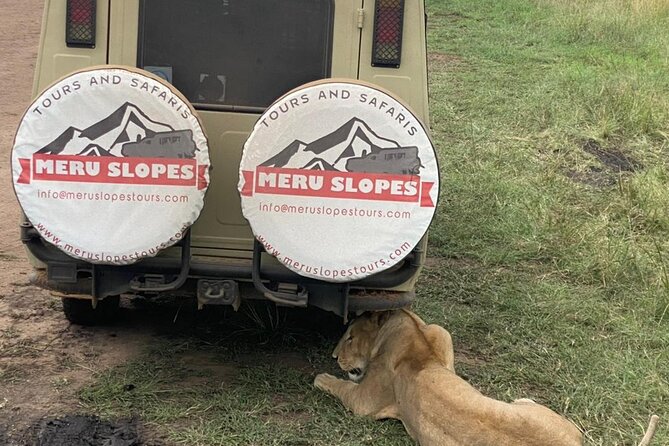
Reviewed · CAMPING SAFARIS
5 Days Camping Tarangire, Serengeti & Ngorongoro crater & Visiting Maasai
The biggest draw here is the variety packed into five days: Tarangire elephants and baobabs, the Serengeti’s broad grasslands, and a full game drive inside Ngorongoro Crater. You also get sunrise and sunset opportunities, plus a final visit to Mto wa Mbu for banana farming and local life.
I like the small maximum group size of six and the practical inclusions, especially meals, unlimited water, Wi-Fi in the safari vehicle and emergency air rescue cover. The trade-off is a lot of time on rough roads, with basic camping and an itinerary that requires early starts. Also, the advertised Maasai visit is not clearly described in the daily schedule, so ask for details before booking.
Key points at a glance
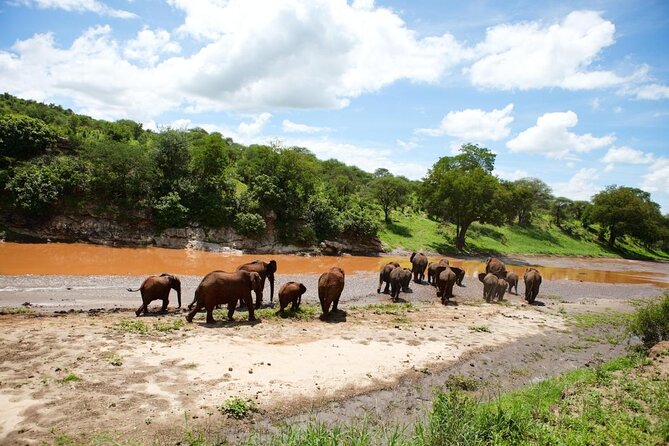
- Three very different wildlife areas: Tarangire brings elephants and baobabs, Serengeti brings wide-open plains and migration routes, and Ngorongoro offers dense animal viewing in a volcanic crater.
- Two full Serengeti days: The extra time gives your guide more room to search for lions, cheetahs, leopards and migrating herds.
- Camping with useful extras: Meals, drinking water, Wi-Fi in the safari jeep and private transportation are included.
- Small group size: The vehicle carries no more than six people, which matters when you are positioning for photographs and wildlife views.
- A human-scale final stop: Mto wa Mbu adds banana plantations and community context after several days focused on animals.
- Strong guide-and-chef setup: Guides and cooks named on past departures include Jacob, Mohammed, Patrick, Saleh, Nuru, Douglas, Dula and Gideon. Your assigned team may differ.
What the five-day safari is really offering
At $1,280 per person, this is not a quick park sampler. It is a concentrated northern Tanzania safari with four major wildlife days, camping, transport, food and a small group. The value depends on what you want from the trip.
If your main goal is to see as many animals as possible in a short period, the route makes good sense. Tarangire, Serengeti and Ngorongoro each have a different feel, so you are not simply repeating the same game drive. If you want a slow, comfortable holiday with long afternoons by a pool, this is not that trip.
You should also treat wildlife sightings as possible rather than guaranteed. The schedule gives you excellent opportunities for elephants, lions, zebras, wildebeest, gazelles and many bird species, but no safari can promise every animal or a specific migration crossing. The operator does follow migration movements when conditions allow, and the timing information is useful: wildebeest calving is generally associated with January through March, while June through September offers a better chance of seeing major movement, including possible northern Serengeti and Mara River crossings.
The group limit of six is one of the best practical features. A crowded vehicle can make a long game drive tiring, especially when everyone wants the same side of the jeep for a photograph. Six people still means you are sharing the experience, but it leaves more room than a large minibus tour.
More Camping Safaris in Tarangire
- 5 Days Camping Tarangire, Serengeti & Ngorongoro crater & Visiting Maasai
★ 5.0 · 229 reviews - 2 Days Tarangire and Ngorongoro Group Camping Safari
★ 5.0 · 146 reviews - 3 Days Tarangire, Ngorongoro & Lake Manyara Group Camping Safari
★ 5.0 · 102 reviews
Day one: elephants and baobabs in Tarangire
The first day begins with pickup at about 8 a.m. from an Arusha hotel, followed by roughly three hours of driving to Tarangire National Park. The park lies about 115 kilometers from Arusha and covers approximately 2,800 square kilometers.
Tarangire is a fine opening act because it gives you a quick change from town to open country. Its name comes from the Tarangire River, an important water source for wildlife. Elephants are the headline attraction, and the park is also known for baobab trees, lions, leopards and pythons that can climb trees.
The baobabs are not just scenery. Their thick trunks can store large amounts of water, with the information for this tour giving a range of roughly 300 to 1,000 liters. These trees can live for centuries, which gives the drive a sense of time well beyond the five-day schedule.
You spend about seven hours in the park, so this is a proper game-drive day rather than a brief stop. That is good value, but you should expect a long day in the vehicle. Afterward, the plan is to drive to Jambo Lodge for dinner and the night.
There is one point to clarify before paying: the experience is sold as a camping safari, yet the first night is described at Jambo Lodge. Ask if this means a lodge room, a campsite connected with the lodge, or a change in accommodation. That small detail can shape your expectations.
Day two: crossing the highlands into the Serengeti
After breakfast, you travel through the high farmland around Karatu and the Ngorongoro Conservation Area before descending toward the Serengeti. This road section is part of the appeal. You see the terrain change from cultivated highlands to open grassland, and the feeling of entering the Serengeti builds gradually.
The destination is the central Serengeti, especially the Seronera area. Seronera is valued for its river, which provides water and draws a broad mix of wildlife. You arrive around lunchtime, then begin an afternoon game drive that continues toward sunset.
This is likely to be one of the longer driving days, listed at about eight hours. The distance matters because the Serengeti is huge, and reaching the central area takes time. The reward is that you are not confined to a small wildlife zone. The open plains give you long views, and the Seronera area offers a strong chance of seeing several species in one outing.
Your guide makes a real difference here. The company’s safari teams include guides such as Asanteali, Jacob, Mohammed, Patrick, Saleh and Nuru on different departures. The best use of a guide is not simply naming animals. It is reading tracks, watching animal behavior, choosing a useful route and explaining why a herd is in a particular place.
The sunset element is attractive, but remember that exact viewing conditions depend on the day’s route and park rules. You should think of sunset inside the Serengeti as an opportunity built into the schedule, not a fixed performance at a guaranteed viewpoint.
Day three: a full Serengeti search
Day three is the heart of the trip. You wake early, eat breakfast and spend the day on game drives in the Serengeti. An early start is worthwhile because cooler morning hours can be active, and the sunrise over the plains is one of the memorable visual moments promised by the route.
The schedule gives your driver freedom to visit key areas rather than rushing from one short stop to another. That flexibility is important in a park where wildlife moves constantly. You might spend time near water, scan open plains for grazing animals or follow information about the wildebeest migration.
The migration is often described too simply. It is not one fixed event in one fixed place. Huge numbers of wildebeest move through the Serengeti ecosystem in an annual pattern, joined by zebra, gazelles, eland and impala. The best area changes with rainfall and grazing conditions.
From January through March, the focus is often on calving. From June through September, you have a better chance of seeing large-scale movement, and in July through September the northern Serengeti can offer possible Mara River crossing views. Even then, a crossing is never guaranteed. You need patience and a little luck.
The day is listed at about seven hours, though the actual rhythm can feel longer once you include driving between sightings. Bring a camera with spare battery power, keep binoculars close and expect dust. The included drinking water is useful, but you should still plan for heat, sun and limited opportunities to stretch your legs.
The camp setup adds atmosphere but also demands flexibility. You may hear wildlife at a distance, share basic facilities and find that comfort is secondary to being close to the park. The food is handled by a safari cook, with cooks such as Dula and Gideon named on different trips. Five lunches, five dinners and four breakfasts are included, which covers the main food needs during the tour.
Same corner of Tarangire, a completely different kind of day:
- Private 6-Day Tarangire Manyara Crater and Serengeti with Mid-Range Lodges
★ 5.0 · 238 reviews - 4 Days Join Group tour Tarangire Serengeti and Ngorongoro crater
★ 5.0 · 219 reviews - 4-Day Safari from Arusha: Tarangire, Serengeti and Ngorongoro
★ 5.0 · 173 reviews - Balloon Safari & Bush Breakfast in Tarangire – Miracle Experience
★ 5.0 · 169 reviews
Day four: Serengeti sunrise, then toward Ngorongoro
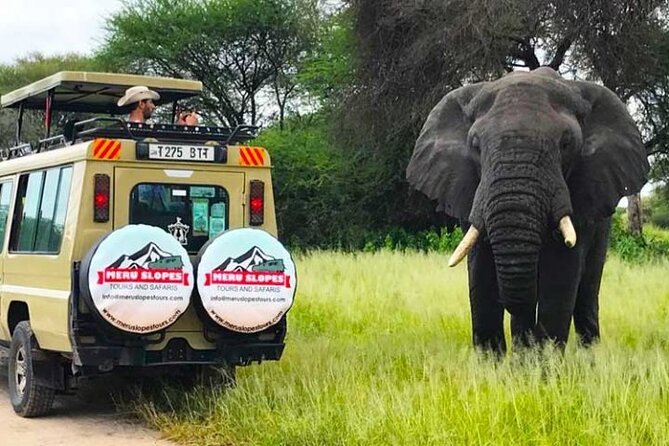
Day four begins at about 5:45 a.m. with an early breakfast. The point is to catch the rising sun inside the Serengeti, then continue with a morning game drive until around 11:30 a.m.
This is a smart use of the final Serengeti morning. You get another chance at active wildlife before returning to camp for a hot lunch and packing. After lunch, you continue driving and gaming through the Serengeti while heading toward the Ngorongoro area.
The schedule lists this day at about ten hours, making it one of the most demanding parts of the tour. You should be comfortable with early alarms, vehicle time and a packed transition day. The upside is that you are not wasting a full morning simply relocating. Wildlife viewing continues as you move toward Simba Campsite for dinner and the night.
Ngorongoro feels different from the Serengeti. Instead of endless open plains, you are preparing to descend into a contained volcanic setting. The campsite location also positions you for an early crater start, which is far better than approaching the crater late after a long drive.
Day five: descending into Ngorongoro Crater
Early risers get the first reward: views of the sun rising over the crater edge. After breakfast, the vehicle takes the adventurous track down into the crater.
Ngorongoro Crater is described here as about 610 meters deep and roughly 260 square kilometers in area. Its enclosed setting supports a dense animal population, estimated at about 25,000. That concentration is why the crater is often one of the strongest wildlife-viewing days in northern Tanzania.
You may see wildebeest, zebras, gazelles, elephants and more than 500 bird species. Lions are also possible, and the enclosed terrain can make sightings feel especially immediate. The crater is not a zoo, though. Animals still move, hide and behave on their own terms.
The crater drive lasts about eight hours, so this is not a quick overlook visit. You spend real time on the floor, moving between different areas and watching how the terrain shapes animal movement. The views from the rim are also part of the experience, especially in the early light.
The main drawback is timing. After four days of safari, you may be tired by the time you reach the crater. The early start and full drive are worth it for many people, but anyone who needs a relaxed pace should ask if the itinerary can be adjusted.
Mto wa Mbu adds people and farming to the route
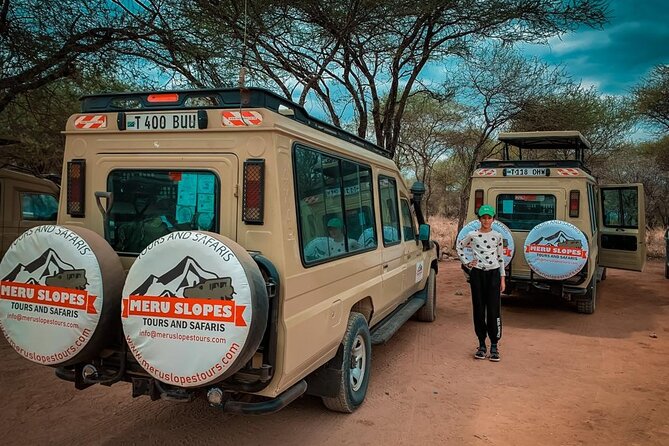
After the crater, the itinerary includes a visit to Mto wa Mbu, with about an hour devoted to the village experience before continuing to Arusha for the night.
A local guide leads you through community life, including banana plantations where more than 30 varieties are grown. The value of this stop is its scale. After several days spent watching large mammals across huge parks, you get a closer look at farming and everyday local activity.
You are encouraged to ask questions along the way. Bring a camera, but be respectful and let the local guide set the tone for photographs. The village visit is a useful counterpoint to the wildlife portion, though one hour is fairly short if you want a detailed cultural visit.
The tour title refers to visiting Maasai, but the schedule provided here does not spell out a separate Maasai community stop. Mto wa Mbu is the clearly described cultural visit. If a Maasai encounter matters to you, ask exactly when it happens, who leads it and what is included before booking.
Camping, meals and the safari vehicle
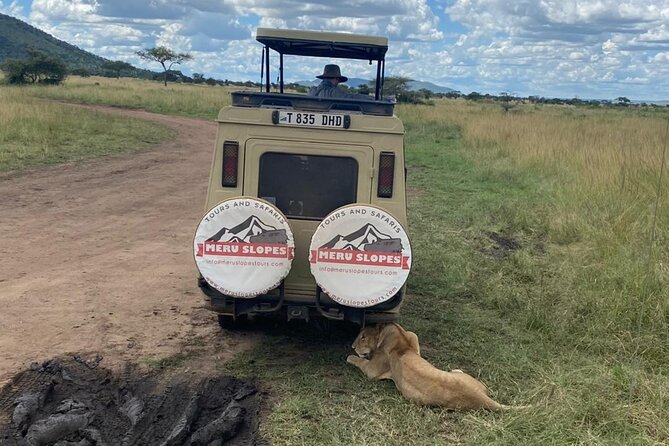
The practical package is stronger than the headline price alone suggests. Included items are park fees and taxes, private transportation, emergency rescue cover through AMREF Flying Doctors, unlimited drinking water, free Wi-Fi in the safari jeep, lunches, dinners and breakfasts.
Wi-Fi in the vehicle is a handy bonus, but do not plan your trip around a perfect signal in remote areas. Its value is greatest for occasional messages and basic updates, not constant streaming.
Camping is the budget-minded choice, but it is not a luxury product. Bring a small flashlight, warm layers for early mornings, sun protection and toilet paper. One useful detail from the trip information is that some people have upgraded from camping to lodge accommodation for an extra charge, so ask about that option if you want more comfort.
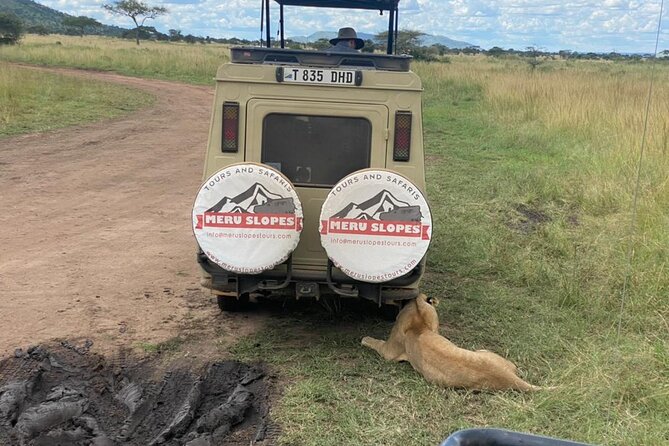
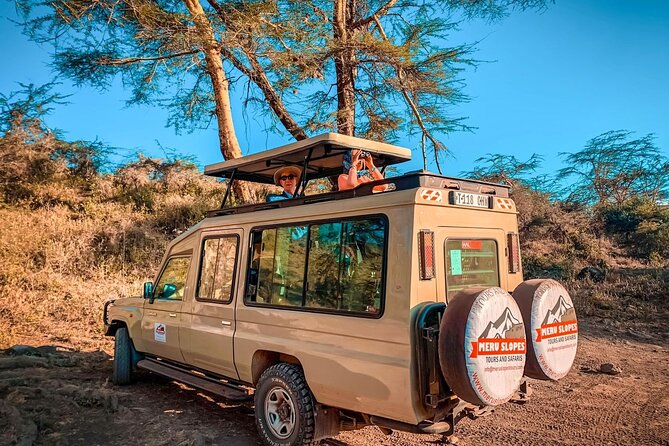
The safari vehicle is private transportation for the group, and the maximum is six people. The driver also acts as your guide, so clear communication matters. Let the team know if you care more about birds, predators, migration, photography or shorter driving stretches.
Who will get the best value from this trip
I would recommend this safari to you if you have five days and want the main northern Tanzania parks without arranging separate transport, accommodation and meals yourself. It suits first-time safari visitors who want a strong chance of seeing a wide range of animals and do not mind camping.
It also suits people who value an active schedule. The itinerary includes early breakfasts, long drives, full game-drive days and several changes of camp. The reward is variety, not leisure.
You may want another option if you need private lodge rooms, generous downtime or a slower pace. The price is attractive for the number of parks and services included, but the savings come partly from camping and a tightly packed route.
The tour is generally booked around 18 days before departure. Pickup information needs checking because the meeting details list Kilimanjaro Airport at 7:30 a.m., while the first day describes an 8 a.m. pickup from an Arusha hotel. Confirm the exact pickup point and first-night accommodation before you finalize plans.
Cancellation is flexible up to 24 hours before the start time for a full refund. Tips, flights and visas are not included, so add those costs to your budget.
Should you book this five-day safari?
Book it if you want a high-value wildlife circuit with Tarangire, two Serengeti days, Ngorongoro Crater and a short community visit in one trip. The small group, included meals, water and transport make the $1,280 price easier to justify, especially for a first safari.
Before booking, confirm three things: the exact pickup location, the camping or lodge arrangement for each night, and what the Maasai visit involves. If those details match your expectations, this is a well-packed route with excellent wildlife potential and enough variety to make five days feel substantial.
FAQ
How long is the safari?
The experience lasts approximately five days, beginning with Tarangire and ending with Ngorongoro Crater, Mto wa Mbu and the return toward Arusha.
Where does pickup take place?
The meeting information lists Kilimanjaro Airport at 7:30 a.m. The first day also describes pickup from an Arusha hotel at about 8 a.m., so confirm your exact pickup point with the operator.
How many people can join the safari?
The maximum group size is six people.
Are meals included?
Yes. The package includes five lunches, five dinners and four breakfasts.
Is drinking water included?
Yes. Unlimited drinking water is included during the safari.
Is Wi-Fi available?
Yes. Free Wi-Fi is provided inside the safari jeep, although the information does not promise continuous coverage in every remote area.
Does the tour include a Maasai visit?
The tour title refers to visiting Maasai, but the detailed schedule specifically describes a Mto wa Mbu village visit and banana plantations. Ask the operator to confirm the Maasai portion before booking.
Can I cancel for a full refund?
You can cancel at least 24 hours before the experience start time for a full refund. Cancellations or changes made less than 24 hours before the start are not accepted for a refund.
More Five-Day Trips in Tarangire
- 5 Days Tanzania Group Joining Safari, Tarangire/Serengeti/Ngorongoro Crater
★ 5.0 · 85 reviews - 5 day safari Tarangire Serengeti and Ngorongoro crater
★ 5.0 · 83 reviews - 05 Days Tarangire, Serengeti, Ngorongoro and Lake Manyara
★ 5.0 · 54 reviews - 5 Days 4 Nights Tarangire, Serengeti , Ngorongoro & Manyara Wildlife Safari
★ 5.0 · 40 reviews
More Maasai Village Tours in Tarangire
- 4-Day Tarangire Serengeti, Ngorongoro & Maasai Guided group tour
★ 5.0 · 16 reviews - Maasai village visit, Materuni waterfalls & coffee experience
★ 4.5 · 95 reviews - Maasai World
★ 5.0 · 46 reviews - Massai village & Baraka turtules aquarium
★ 4.7 · 42 reviews
Just added around Tarangire
- 3 days Safari to Tarangire, Ngorongoro and Manyara from Zanzibar★ 5.0 · 12 reviews
- 3 Day – Tarangire, Ngorongoro Crater Lake Manyara- Mid – Range★ 5.0 · 16 reviews
- #1 Best Tanzania Safari Tarangire Day tour Adventure★ 5.0 · 9 reviews
- Full Day Private Safari – Tarangire National Park★ 5.0 · 5 reviews
- 5 days Safari to Tarangire, Ngorongoro, Serengeti and Lake Manyara★ 5.0 · 5 reviews
- 4 days Tarangire National park, Serengeti National park and Ngorongoro crater★ 5.0 · 3 reviews
- 4-Day Tarangire Serengeti, Ngorongoro & Maasai Guided group tour★ 5.0 · 16 reviews
- 4 Days Safari Tour at Tarangire, Serengeti and Ngorongoro Crater★ 5.0 · 7 reviews
Camping Safaris, compared.
3 Day Serengeti National Park & Ngorongoro Crater Camping Safari
Read our review →
5-Day private Camping Safari Tour in Tanzania
Read our review →
Multi-Day Camping Safari Experience in Arusha
Read our review →
6 Days: Classic Camping( Tarangire, Manyara, Serengeti And Ngorongoro).
Read our review →
3-Day Tarangire, Ngorongoro and Lake Manyara Camping Safari
Read our review →Browse the lists this tour appears in