
Reviewed · CAMPING SAFARIS
3 Day Serengeti National Park & Ngorongoro Crater Camping Safari
The great appeal here is the sharp contrast between two of Tanzania’s finest wildlife areas. You begin among the open plains of the Serengeti, where lion, cheetah, elephant, zebra, wildebeest, and sometimes leopard appear across a huge sweep of grassland. You finish inside the steep-sided bowl of Ngorongoro Crater, where black rhino and large herds gather in a much more compact setting.
I like two things right away: the small maximum group of six keeps the 4×4 personal, and the price includes the costly basics that can quickly add up on safari, including park fees, camping fees, meals, water, airport transfers, and a cook. Guides such as Daniel, Emmanuel, James, and Peter are repeatedly praised for animal spotting, calm driving, and patience with questions.
The main drawback is the pace. You cover a lot of ground in three days, with long drives between Arusha, the Serengeti, and Ngorongoro. Camping also means accepting simple facilities, and one campsite had poorly kept washrooms, while the crater rim can be very cold at night.
Key points before you book
- The Serengeti gets the biggest share of your wildlife time: You have an afternoon drive on day one, a morning drive on day two, and another drive while heading toward Ngorongoro.
- Ngorongoro Crater packs wildlife into one remarkable setting: The crater floor covers about 265 square kilometres and has sides rising as much as 600 metres.
- The group is capped at six people: That gives you a better chance of a window seat and makes it easier to ask the guide to pause for birds, big cats, or photographs.
- Camping is part of the value: Tents, camping fees, meals, tea, coffee, and a cook are included, but this is not a lodge-based safari.
- The guides are a major part of the experience: Daniel, Emmanuel, James, Manuel, and Peter are praised for safe driving, animal identification, and finding good viewing positions.
- Pack for warm days and cold nights: The crater rim can be chilly, so bring warm layers even if Arusha feels hot.
Two famous parks, one fast three-day route
This safari works because Serengeti and Ngorongoro offer different kinds of wildlife viewing. The Serengeti is broad and unpredictable. Animals may be scattered across the plains, or a guide may find a cluster of vehicles watching a lion, cheetah, leopard, or a herd of elephants.
Ngorongoro is more concentrated. Inside the old volcanic caldera, grassland, wetlands, woodland, and Lake Magadi support about 30,000 animals at a time. You do not need to cover the same vast distances as in the Serengeti, but the crater floor can still feel busy and active, with plenty to watch.
The route is designed for people who want the headline parks without committing to a longer safari. You get two nights of camping, two full days of serious wildlife viewing, and a taste of the highlands between Arusha and the parks. The tradeoff is that driving takes up a meaningful part of the trip.
More Camping Safaris in Serengeti
- 3 Days Serengeti & Ngorongoro Group Camping Safari
★ 5.0 · 574 reviews - 03 days Serengeti and Ngorongoro Crater group (camping)
★ 5.0 · 75 reviews - 5 Days Serengeti Camping Safari
★ 5.0 · 60 reviews
Day 1: From Arusha to the Serengeti
The day begins with an early safety talk and trip briefing from your SafariHQ guide. The advertised start time is 12:00 am, which is unusually early and may reflect a booking-system setting rather than the practical pickup time. Confirm the exact collection time with the operator before you go.
From Arusha, you drive through the Ngorongoro Highlands before continuing toward Serengeti National Park. The route itself helps explain Tanzania’s geography. You leave the busy base around Arusha, pass into higher country, and then reach the wide plains for an afternoon game drive.
The Serengeti is Tanzania’s oldest national park and a UNESCO World Heritage Site. It is also the main stage for the Great Wildebeest Migration, though migration sightings depend on the season and the animals’ movements. You should not book this three-day trip expecting a guaranteed river crossing or a particular herd location.
Instead, think of the afternoon as your first introduction to the park. You might see wildebeest, zebra, gazelle, impala, giraffe, buffalo, elephant, or lion. The guide’s skill matters here. Emmanuel is praised for stopping safely and even checking bird information while waiting near animals. Peter is praised for finding the species people most wanted to see, including cheetah and black rhino on trips that included the crater.
The first night is spent camping. The food is a strong point of the package, with cooked meals prepared by the safari team. At the same time, camping standards can vary. One account praised the food and organization but found the first night’s washrooms dirty, so bring realistic expectations and personal hygiene supplies.
Day 2: A full Serengeti morning and the road to the crater rim
Day two gives you the best uninterrupted block of Serengeti viewing. The morning is scheduled for about eight hours of game driving, including lunch at Seronera Campsite and a later drive toward the Ngorongoro Conservation Area.
Seronera is a useful base because the central Serengeti supports many types of wildlife. You may look for cheetah on open ground, lion near prey or cubs, giraffe browsing above the grass, hippo in water, and herds of zebra and wildebeest moving across the plains. Dik-dik, impala, gazelle, buffalo, and elephant add variety, while leopard is possible but never something a responsible guide can promise.
This is also the day when a good guide earns the fee. A guide who can identify birds, read animal behavior, and position the vehicle without rushing gives you more than a simple list of species. Daniel is praised for answering a wide range of animal questions and creating close photo opportunities when possible. James is described as friendly and responsive, while Manuel is praised for safe driving and plant and wildlife knowledge.
Lunch is cooked by the SafariHQ team at the Seronera campsite. The package includes three lunches, two dinners, and two breakfasts, along with daily mineral water, coffee, and tea. That removes the need to arrange meals separately and makes the long park day easier.
After lunch, you continue through the Serengeti and Ngorongoro Conservation Area toward the crater rim. This is a scenic but demanding part of the trip. You are still looking for animals, but the focus shifts toward reaching camp and preparing for the crater descent the next morning.
The second campsite is likely to feel colder because of the elevation around Ngorongoro. Pack a fleece, warm socks, and a jacket. Even if your daytime clothing is light, the wind and temperature after sunset can make the rim uncomfortable without layers.
Day 3: Inside Ngorongoro Crater
The final day begins with a picturesque descent into Ngorongoro Crater. The caldera formed when a large volcano collapsed, leaving a broad bowl with walls up to 600 metres high. From the rim, the scale is impressive. Once below, the walls give the day a contained, almost enclosed feeling that differs sharply from the open Serengeti.
The planned crater visit lasts about six hours. That is enough time for strong wildlife viewing, but not enough to explore every part of the crater. The floor supports wildebeest, zebra, eland, gazelle, lion, buffalo, elephant, and hippo. Lake Magadi can attract flamingos, adding a splash of color to the otherwise earthy setting.
Ngorongoro is one of the better places in East Africa to hope for black rhino, and the trip specifically highlights the small remaining population in the area. Sightings are never guaranteed, but a careful guide can help you make the most of the opportunity. Cheetah and leopard are also possible, though they are less certain than the common grazing animals.
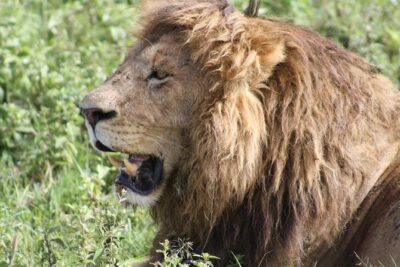
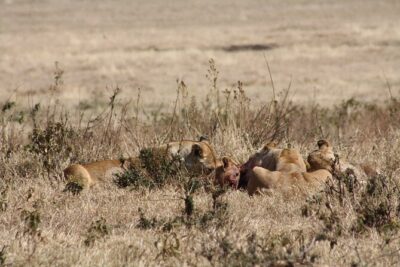
The black-maned lion is another major draw. You may see lions resting in the grass or near prey, and the enclosed crater setting can make sightings feel more immediate. Still, keep your expectations sensible. Wildlife is free to move, and no itinerary can promise the Big Five.
The tour includes a Maasai boma visit, although the supplied schedule does not specify exactly where it fits into the three days. Ask the operator when this stop occurs and how much time it receives. That matters if you want a meaningful cultural visit rather than a brief add-on between drives.
More National Park Tours in Serengeti
- 3 Days Safari to Serengeti National Park & Ngorongoro Crater in Tanzania
★ 5.0 · 34 reviews - 3days Serengeti National park and Ngorongoro Crater Tanzania Safari
★ 5.0 · 21 reviews - 4 Days Joined Group Safari Serengeti,Ngorongoro and Tarangire National Parks
★ 5.0 · 18 reviews - Serengeti National Park: Balloon Safari at Dawn
★ 4.2 · 14 reviews
Why the guide matters more than the vehicle
The included 4×4 safari vehicle is central to the trip, but the driver and guide shape your days. You spend many hours in the vehicle, often on rough park roads, so safe driving and a clean, organized cabin make a real difference.
The strongest pattern in the guide feedback is not just animal expertise. Daniel is described as kind, thoughtful, and patient. Emmanuel is praised for arriving on time, keeping the vehicle clean, and adapting to requests. Peter is described as friendly, professional, helpful, and mechanically capable. Those qualities matter when you are far from town and spending most of the day on the road.
You cannot choose a guide by name from the information provided, so do not book on the assumption that one particular person will lead your departure. You can, however, request a preferred guide when booking and confirm who is assigned before departure.
A maximum of six people is a useful limit. Safari vehicles can feel crowded when every seat is taken, but six gives the group a better chance of sharing sightings without constant competition for space. It also makes the guide’s explanations easier to hear.
What the $1,100 price really covers
At $1,100 per person, this is not a bare-bones park transfer. The price includes all fees and taxes, park and camping fees, the 4×4 and guide, daily mineral water, airport transfers, coffee and tea, listed accommodation, all meals, and a Maasai boma visit.
That bundle matters because park charges and transport are major parts of a northern Tanzania safari budget. Paying separately for meals, a vehicle, campsites, and transfers would make comparison difficult. Here, the main cost is visible from the start.
The value is strongest if you want the classic Serengeti and Ngorongoro combination in a short trip. It is less compelling if you prefer private lodges, slow mornings, or a flexible route with extra time in each park. Three days gives you the highlights, not a leisurely survey of northern Tanzania.
Tips, travel insurance, laundry, hotel phone calls, porterage, alcohol, and hotel gratuities are not included. The operator asks you to tip drivers $20 per day. Budget for that separately, along with any drinks or personal purchases.
Camping comfort and what to pack
Camping lets you stay close to the parks without paying lodge prices, and the support team sets up the camps. The cook is frequently praised for tasty meals, including breakfast and dinner, and packed lunches are available for time spent in the parks.
Still, camping comfort is not identical at every site. The washrooms may be basic, and one campsite had poor cleanliness. Bring hand sanitizer, a small headlamp, toilet paper, wet wipes, and a warm layer for the crater rim.
The tour supplies mineral water, tea, and coffee, but you should bring any favorite snacks or special drinks you need. Alcohol is not included. Comfortable closed shoes are sensible for camp and park stops, although the supplied information does not specify a walking program.
Who should choose this safari?
I would choose this trip if you have only three days, want the two most famous wildlife areas near Arusha, and are comfortable with a full schedule. It suits first-time safari visitors who want a strong chance of seeing the classic animals without planning every permit, meal, and transfer themselves.
It also suits photographers who value a small group and a guide willing to pause for animals and birds. The vehicle time is long, but that is part of how you reach the Serengeti from Arusha.
I would think twice if you need high-end accommodation, dislike early starts, or want guaranteed sightings. The route is busy, camps are simple, and wildlife remains unpredictable. Anyone with mobility or medical concerns should discuss the trip with SafariHQ before booking, since the supplied information only says that most people can participate and that any age is accepted.
Free cancellation is available if you cancel at least 24 hours before the local start time. Changes or cancellations inside that window are not accepted for a refund.
Should you book the three-day route?
Book it if your priority is seeing Serengeti and Ngorongoro in one efficient package. The combination of a six-person limit, included meals and fees, and strong guide reports makes the $1,100 price reasonable for a short safari.
Go in expecting long road days and basic camping, not a polished lodge holiday. Bring warm clothing, confirm the pickup time, ask where the Maasai boma visit fits, and request a guide known for careful animal spotting if possible. With those expectations, this is a practical way to reach two extraordinary wildlife areas without spending a week on the road.
FAQ
Where does the safari start?
The safari starts in Arusha, Tanzania. Pickup is offered, and airport transfers are included.
How long is the safari?
The experience lasts approximately three days.
How large is the group?
The maximum group size is six people.
What parks are included?
The route includes Serengeti National Park and Ngorongoro Crater, with driving through the Ngorongoro Conservation Area.
Is camping included?
Yes. Park and camping fees and the listed accommodation are included in the price.
Are meals included?
Yes. The package includes three lunches, two dinners, and two breakfasts, along with coffee and tea each day.
Is drinking water provided?
Mineral water is provided daily.
Is a Maasai boma visit included?
Yes. A Maasai boma visit is included, though the supplied schedule does not state exactly which day it takes place.
Are park entrance fees included?
Yes. Park fees, camping fees, all fees, and taxes are included.
Is travel insurance included?
No. Travel insurance is not included. Porterage, laundry, hotel phone calls, alcohol, and hotel gratuities are also excluded.
More Three-Day Trips in Serengeti
- 3 Days Small Group Safari to Serengeti NP and Ngorongoro Crater Tour in Tanzania
★ 5.0 · 77 reviews - 3 Days 2 Nights Group Joining Serengeti and Ngorogoro Safari
★ 5.0 · 56 reviews - 3 Days Safari Serengeti & Ngorongoro Crater
★ 5.0 · 26 reviews - 3 Day Classic, Guided Serengeti Safari
★ 5.0 · 26 reviews
More Safaris in Serengeti
- Serengeti Balloon Safari and authentic bush breakfast
★ 5.0 · 2,480 reviews - Balloon Safari & Bush Breakfast in Serengeti – Miracle Experience
★ 5.0 · 1,646 reviews - Safari Serengeti And Ngorongoro
★ 5.0 · 288 reviews - 3-Day Classic Serengeti Safari
★ 5.0 · 263 reviews
Just added around Serengeti
- Serengeti & Ngorongoro 3 days Fly Safari in from Zanzibar★ 5.0 · 21 reviews
- 3 Days Serengeti National Park from Zanzibar★ 4.5 · 3 reviews
- 4-Day Serengeti, Ngorongoro,Tarangire safari★ 5.0 · 3 reviews
- Serengeti 2-Day Safari from Mwanza★ 5.0 · 16 reviews
- Serengeti Day Trip Tour from Mwanza★ 5.0 · 4 reviews
- Full-Day Serengeti Tour from Mwanza★ 5.0 · 11 reviews
- Discover Our Best Guide for 1-Day Serengeti Safari from Mwanza★ 5.0 · 5 reviews
- Serengeti Day Trip Safari From Mwanza Tanzania★ 5.0 · 7 reviews
Camping Safaris, compared.
5-Day private Camping Safari Tour in Tanzania
Read our review →
5 Days Camping Tarangire, Serengeti & Ngorongoro crater & Visiting Maasai
Read our review →
Serengeti and Ngorongoro Multi-Day Camping Safari
Read our review →Browse the lists this tour appears in