
Reviewed · NATIONAL PARKS
3 Days Safari to Serengeti National Park & Ngorongoro Crater in Tanzania
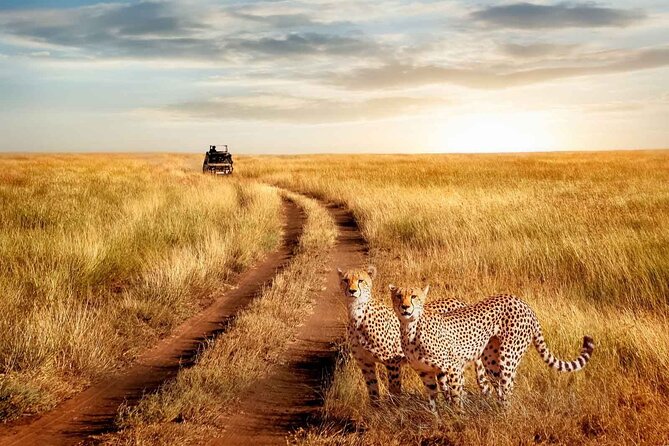
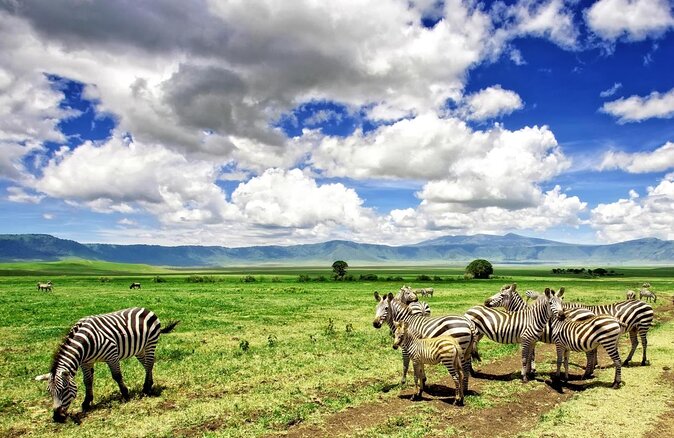
The best part of this three-day safari is the contrast between two great wildlife settings: the open plains of Serengeti National Park, where lions, cheetahs, zebras, and wildebeest roam, and the enclosed bowl of Ngorongoro Crater, where you may see several of Africa’s big animals in one morning. The private, custom-built 4×4 also gives you a better chance of getting a clear view than a crowded vehicle.
I like the small maximum group of seven, which makes early starts and wildlife stops easier to manage. I also like that the trip includes a cook, camping equipment, park fees, meals, fuel, and a driver-guide, so the $1,200 price covers much of the costly business behind a safari.
The tradeoff is time. This is a fast three-day program with long road journeys, early breakfasts, basic camping, and little room for a slow afternoon. You get a strong first taste of northern Tanzania, but not a leisurely safari.
Key points to know before booking
- A private 4×4 for up to seven people gives you room to watch wildlife and ask questions without joining a large bus.
- Serengeti gets the most time, with game drives on the first day and again early on the second.
- Ngorongoro Crater is the grand finale, with a six-hour crater-floor drive, a soda lake, fresh springs, and a chance to look for black rhinoceros.
- Olduvai Gorge adds human-evolution history to the wildlife program, with a small museum about early archaeological discoveries.
- Camping keeps the price in check, while a cook supplies two breakfasts, two lunches, and two dinners.
- The schedule is demanding, with a 6 a.m. breakfast or wake-up on several mornings and long drives between parks.
What this three-day safari actually gives you
This is a compact northern Tanzania safari beginning and ending in Arusha. You travel by private 4×4, carry picnic lunches, sleep with camping equipment supplied by the operator, and spend much of the day looking for animals rather than sitting in a lodge.
The route brings together two UNESCO World Heritage settings with different personalities. Serengeti is wide, open, and famous for moving herds and large predators. Ngorongoro is a volcanic caldera with steep walls and a concentrated animal population on the floor. That contrast gives the trip its shape.
The operator advertises a maximum of seven people. That matters in a safari vehicle. You can shift your attention from one side to another, hear the guide more easily, and avoid the feeling of being packed into a large coach. The 4×4 is described as private and specially built for safari viewing.
The tour costs $1,200 per person. That is not a small amount, but the price includes park fees, fuel, camping gear, a driver-guide, an English-speaking guide, and five listed meals. International flights, a Tanzanian visa, travel insurance, tips, laundry, and communication costs are extra.
For a safari covering both Serengeti and Ngorongoro, the price makes more sense once you count the park access and vehicle costs. Still, you should compare the camping standard and exact pickup arrangements before paying. The supplied details say camping equipment includes tents, sleeping mats, camping furniture, and related gear, but they do not describe tent size, toilets, showers, or the specific campsites.
More National Park Tours in Serengeti
- 3 Day Serengeti National Park & Ngorongoro Crater Camping Safari
★ 5.0 · 142 reviews - 3days Serengeti National park and Ngorongoro Crater Tanzania Safari
★ 5.0 · 21 reviews - 4 Days Joined Group Safari Serengeti,Ngorongoro and Tarangire National Parks
★ 5.0 · 18 reviews
Day 1: The long road into Serengeti
The first morning begins early. Breakfast is planned for about 6 a.m., pickup from your Arusha hotel around 7 a.m., and then the drive toward Serengeti National Park with a picnic lunch.
The park covers about 14,763 square kilometers, or 5,700 square miles. That number explains both the magic and the difficulty. The open country gives animals room to move, but it also means you cannot expect every sighting to happen beside the road. Your guide’s ability to read animal behavior and communicate with other drivers can make a real difference.
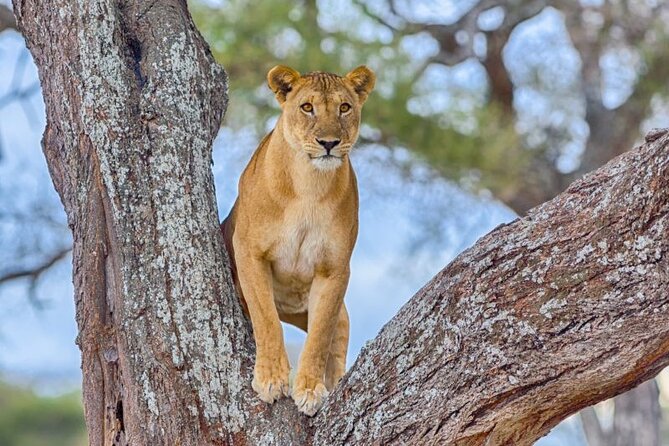
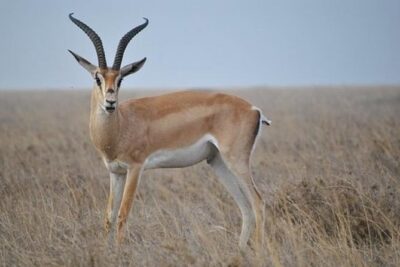
The target species are the classic northern Tanzania cast: lion, leopard, elephant, cheetah, buffalo, zebra, wildebeest, eland, wild dog, gazelles, and crocodiles. No safari can promise a particular animal, and the supplied information does not guarantee the big five. It does, however, make clear that the trip is built around serious game viewing rather than a quick park stop.
The long first day is worth preparing for. You may spend much of it on the road and then continue with game viewing once inside the park. A picnic lunch keeps the schedule moving, but it also means you should be comfortable eating outside the usual meal routine.
This is where the custom 4×4 earns its keep. You will want space to look in several directions, especially when the guide spots a pride of lions or a moving line of zebra. The vehicle is also useful for photography, since a clear view is often more important than a fancy seat.
The first night is at a campsite. Camping brings you closer to the setting, but it is not the right choice if you require lodge-style comfort every night. Pack for dust, changing temperatures, and early mornings, while remembering that the operator supplies the basic camping setup.
Day 2: Morning wildlife and the story of human origins
Day two begins around 6 a.m. with an early game drive. This is one of the strongest parts of the plan. Morning drives put you out before the heat of the day, and the schedule gives you a chance to look for predators and other animals before returning to camp for breakfast around 9 a.m.
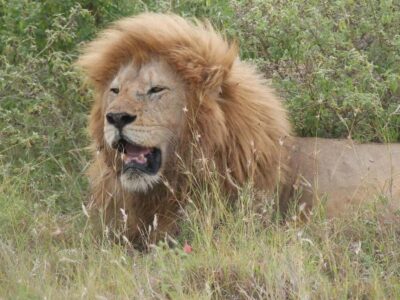
The Serengeti is especially rewarding when you watch relationships rather than isolated animals. Wildebeest and zebra may graze near predators. A lion may be resting, hunting, or watching a herd. Leopards and cheetahs require sharper attention, since they can be harder to spot than large grazing animals.
Past guests have praised guides including Albert, Bryson, Ismael, Joel, and Jordan for safe driving, animal knowledge, and finding good viewing spots. The exact guide depends on the departure, but you can reasonably expect the guide to explain animal behavior, plants, and the route as you go.
After breakfast, you check out and continue toward Ngorongoro, with lunch and game viewing along the way. This is another long day, so the program is better for someone who prefers a full schedule to someone who wants long breaks at camp.
The Olduvai Gorge area adds an important change of pace. Louis and Mary Leakey carried out pioneering excavation work here, and archaeological deposits connected with human evolution were found in the 1960s. A small museum presents these discoveries.
I like this stop because it keeps the safari from becoming only a checklist of animals. You get a reminder that northern Tanzania matters not just for wildlife, but also for the story of human origins. The museum is described as small, so treat it as a focused stop rather than a full-day cultural visit.
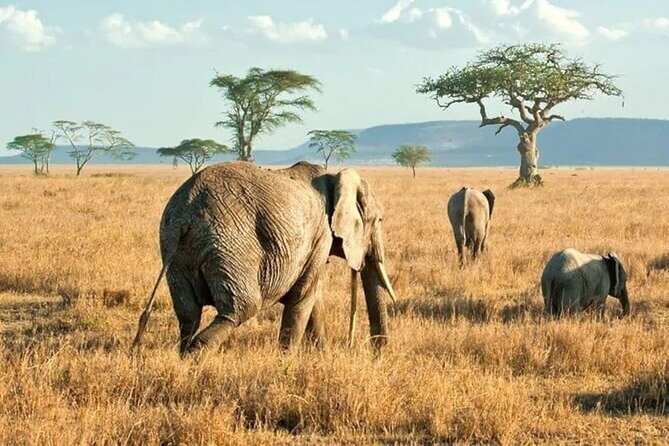
The program also highlights elephant life stages. Your guide may explain how elephants grow and live within family groups, adding useful context to an animal that can otherwise become just another photograph. These explanations are one reason the guide matters so much on a short safari.
By the end of day two, you drive to the Ngorongoro Crater Rim and camp nearby. The change in setting should be striking, from the broad Serengeti plains to the high rim above the crater. It is also another early night if you want to be ready for the next morning.
Day 3: Ngorongoro Crater from rim to floor
After an early breakfast, you leave around 7 a.m. for Ngorongoro Crater. The descent takes you into a caldera about 19.2 kilometers across and 610 meters deep, with a crater floor covering roughly 304 square kilometers.
The scale is hard to grasp from figures alone. From the rim, the walls give the crater a contained feel. On the floor, you are surrounded by open grassland, water, and animals, with the high sides rising around the route.
The crater is the trip’s best chance for concentrated wildlife viewing. The planned game drive looks for the big five: rhino, lion, leopard, buffalo, and elephant. The rare black rhinoceros is a major draw, but you should regard a sighting as a fortunate possibility, not a promise.
The birdlife adds variety. Flamingos gather around the soda lake, while geese, storks, and vultures may appear in different parts of the crater. Fresh springs provide water and support the animals that make the crater floor their home.
Lunch is planned at the Ngoitoktok spring picnic site. This is a practical stop after a morning of game viewing, but it also has a caution attached: outdoor picnic areas are part of the natural setting, so keep food secure and follow your guide’s instructions around wildlife.
The crater drive lasts about six hours. That is enough time to see a good portion of the floor, but not enough to explore every corner. The day is also the shortest listed activity at about six hours, a welcome change after the two long Serengeti days.
After the crater visit, the activity returns to the meeting point in Arusha. The supplied details do not give an exact arrival time, so do not schedule a tight onward connection unless the operator confirms it directly.
More Safaris in Serengeti
- Serengeti Balloon Safari and authentic bush breakfast
★ 5.0 · 2,480 reviews - Balloon Safari & Bush Breakfast in Serengeti – Miracle Experience
★ 5.0 · 1,646 reviews - 3 Days Serengeti & Ngorongoro Group Camping Safari
★ 5.0 · 574 reviews - Safari Serengeti And Ngorongoro
★ 5.0 · 288 reviews
Food, camping, and the practical side
Food is a real part of the value here. The package includes two breakfasts, two lunches, and two dinners, with picnic lunches used during the long park days. Several past guests specifically praised the cooking, including a chef named John and another named Mtumishi on different departures.
That does not mean you should expect restaurant service. Meals are part of a working camping safari, and the main benefit is having food organized while you spend your time on the road. Bring any personal snacks you rely on, since the information provided does not describe snack service or special diets.
Camping equipment includes tents, sleeping mats, and camping furniture. The basic items are covered, which saves you from bringing bulky gear. The comfort level remains unclear, so ask about washing facilities, toilets, tent arrangements, and whether you need to bring a sleeping bag.
The tour includes fuel and park fees. Those costs can add up quickly on a northern Tanzania route, so their inclusion improves the value of the headline price. Tips, personal spending, insurance, visas, and international flights remain your responsibility.
Pickup is offered in Arusha, and the activity ends back at the meeting point. Confirmation is provided at booking, and the tour is near public transportation. Most people can participate, but the schedule requires you to manage early starts, long drives, and outdoor camping.
Free cancellation is available if you cancel at least 24 hours before the start time. Cancellations or changes made inside that window are not accepted for a refund.
Who will enjoy this safari most
I would choose this trip if you want the essential Serengeti and Ngorongoro combination in three days and prefer wildlife time over hotel comfort. Families can do well here if children handle long drives and early mornings. The supplied feedback includes children who were excited by lions, zebras, and the guide’s animal explanations.
This also suits first-time safari visitors who want a guided route with the main costs bundled together. The English-speaking guide, private vehicle, cook, fuel, camping gear, and park fees remove much of the planning burden.
I would hesitate if you have only one free night, dislike camping, or need a relaxed timetable. Serengeti is huge, and two days there cannot cover it all. A longer trip would give you more time to wait for animal behavior, recover between drives, and enjoy the camps rather than using them mainly for sleep.
Photography fans should like the vehicle and the number of game drives, but the schedule is still tight. Keep your camera ready, and listen closely when the guide stops. The most memorable moment might be a lion pride, a cheetah hunt, or a rhino far across the crater, and sightings can happen quickly.
Should you book this three-day safari?
Book it if you want a focused, well-equipped introduction to Tanzania’s two famous wildlife areas and you are willing to trade comfort and spare time for access. The strongest features are the small group, private 4×4, experienced driver-guides, included park costs, and the combination of Serengeti game drives with Ngorongoro’s concentrated wildlife.
Choose a longer or more comfortable safari if you want lodge stays, slower mornings, or a better chance to spend several days in one part of Serengeti. At $1,200, this is best judged as a full-service camping safari with a busy route, not as a luxury holiday. For the right person, it packs an impressive amount of Tanzania into three demanding days.
FAQ
Where does the safari begin and end?
The safari starts in Arusha, Tanzania, with pickup offered. The activity ends back at the meeting point.
How long is the tour?
The experience lasts about three days. The listed activities take approximately nine hours on day one, eight hours on day two, and six hours on day three.
What parks does the safari visit?
The route visits Serengeti National Park and Ngorongoro Crater.
How many people can join the tour?
The maximum group size is seven travelers.
Is transportation included?
Yes. The package includes a private 4×4 custom-built safari vehicle, a driver-guide, fuel, and pickup.
Are meals included?
Yes. Breakfast, two lunches, and two dinners are included. Picnic lunches are used during the park days.
Is camping equipment provided?
Yes. The supplied camping equipment includes tents, sleeping mats, camping furniture, and related items.
Are park fees included?
Yes. National park fees are included. International flights, a Tanzanian visa, travel insurance, tips, laundry, communication, and personal expenses are not included.
More Three-Day Trips in Serengeti
- 3-Day Classic Serengeti Safari
★ 5.0 · 263 reviews - 3 Days Small Group Safari to Serengeti NP and Ngorongoro Crater Tour in Tanzania
★ 5.0 · 77 reviews - 03 days Serengeti and Ngorongoro Crater group (camping)
★ 5.0 · 75 reviews - 3 Days 2 Nights Group Joining Serengeti and Ngorogoro Safari
★ 5.0 · 56 reviews
Just added around Serengeti
- Serengeti & Ngorongoro 3 days Fly Safari in from Zanzibar★ 5.0 · 21 reviews
- 3 Days Serengeti National Park from Zanzibar★ 4.5 · 3 reviews
- 4-Day Serengeti, Ngorongoro,Tarangire safari★ 5.0 · 3 reviews
- Serengeti 2-Day Safari from Mwanza★ 5.0 · 16 reviews
- Serengeti Day Trip Tour from Mwanza★ 5.0 · 4 reviews
- Full-Day Serengeti Tour from Mwanza★ 5.0 · 11 reviews
- Discover Our Best Guide for 1-Day Serengeti Safari from Mwanza★ 5.0 · 5 reviews
- Serengeti Day Trip Safari From Mwanza Tanzania★ 5.0 · 7 reviews
National Parks, compared.
3 Day Serengeti National Park & Ngorongoro Crater Camping Safari
Read our review →
From Zanzibar: Nyerere National Park Game Drive with Lunch
Read our review →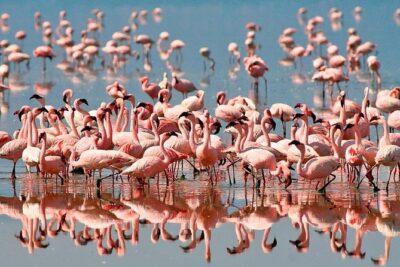
6 days 5 nights safari Ngorongoro, Serengeti and Tarangire National Parks
Read our review →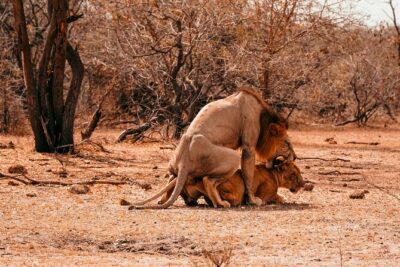
1-Day Selous (Nyerere National Park) Fly-In Safari from Zanzibar
Read our review →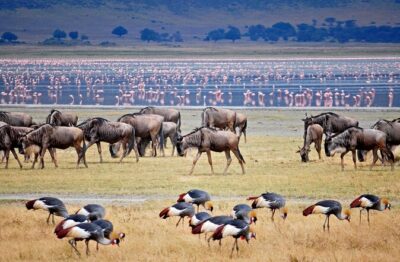
Private 4-Days Northern Circuit National Parks in Tanzania
Read our review →Browse the lists this tour appears in