
Reviewed · CAMPING SAFARIS
Multi-Day Camping Safari Experience in Arusha
The best reason to choose this safari is its timing and route: you spend two full days around Lake Ndutu, where wildebeest gather for calving from December through April, with the most intense birthing period usually around February. I like the mix of wildlife settings, from Tarangire’s elephants and baobabs to the crowded Ngorongoro Crater, and I like that the pop-up roof jeep, meals, water, park fees, and pickup are built into the price.
The trade-off is simple: this is a busy six days with long drives and early starts. Camping is practical rather than polished, and the advertised biking adventure in Mto wa Mbu is not clearly placed in the day-by-day schedule, so you should confirm whether it is included on your departure.
Key points to know before booking
- Two full days in Ndutu: The schedule gives you a strong chance to see wildebeest, zebra, newborn calves, and predators during calving season.
- A classic northern Tanzania circuit: Tarangire, Serengeti, Ngorongoro Crater, and Lake Manyara all appear in one six-day route.
- Small group size: The safari is limited to a maximum of six people, useful for space around the pop-up roof and easier communication with your guide.
- Guides with strong personal praise: Robert, Raymond, and Swalehe are named in past trip accounts, with particular praise for organization, spotting animals, and hospitality.
- Camping with useful inclusions: WiFi on board, unlimited drinking water, meals, park fees, and a safari jeep are included.
- Best for migration timing: The central attraction is seasonal, so the December to April window matters more here than it would on a general safari.
Why Ndutu is the main event
Many safaris put the Serengeti at the center of the story. This one is more specific. It is built around the southern Serengeti and Ndutu, where wildebeest gather on short grass plains during the calving season.
From December through April, the herds usually spread across the area to feed and give birth. February is especially important, with the main calving period often lasting about three weeks. That timing can bring thousands of wildebeest and large numbers of zebra into the same general area.
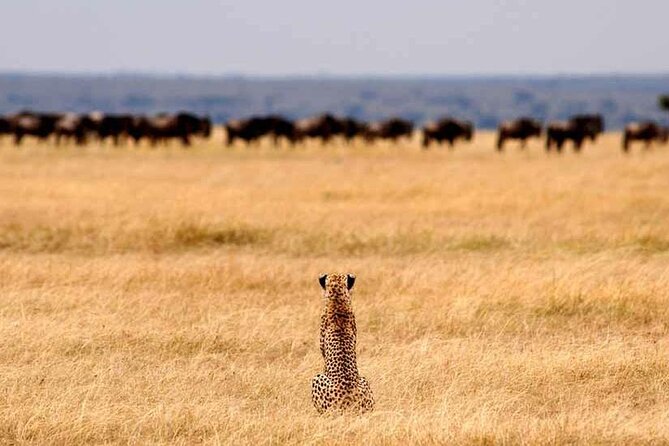
The open grass makes the animals easy to see, but it also leaves newborn calves exposed. A calf can run within minutes of birth and usually keeps up with the herd after about three days. That makes Ndutu a strong place for predator sightings, including lion, cheetah, hyena, and leopard.
You should keep your expectations sensible. No safari can promise a birth or a kill, and wildlife does not follow a timetable. Still, the season gives you a better setting for predator action than a trip aimed only at general game viewing.
Ndutu also offers more than open plains. The route includes swamps, woodland, soda lakes, and the short grass country that makes this part of Tanzania so well known. Lake Ndutu is alkaline, yet wildlife uses the area heavily. Elephants, birds, and resident animals add variety when the wildebeest are spread out.
More Camping Safaris in Arusha
- 4 Days Group Camping Safari
★ 5.0 · 1,101 reviews - 5 Days Group Camping Safari
★ 5.0 · 730 reviews - 6 Days Tanzania Budget Camping Safari
★ 5.0 · 145 reviews
Day 1: Tarangire’s elephants and baobabs
After breakfast in town, pickup takes you toward Tarangire National Park for a day of game viewing. The listed duration is about eight hours, so you should expect this to be a full first day rather than a gentle introduction.
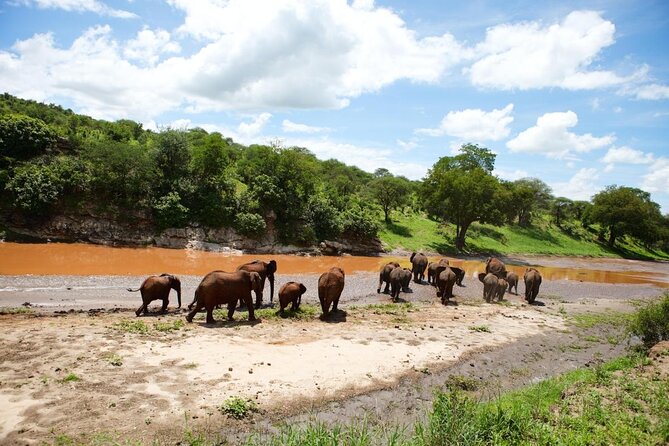
Tarangire is known for large elephant herds, baobab trees, and the Tarangire River, which flows throughout the year. During dry periods, the river becomes especially important because it provides a dependable water source for wildlife.
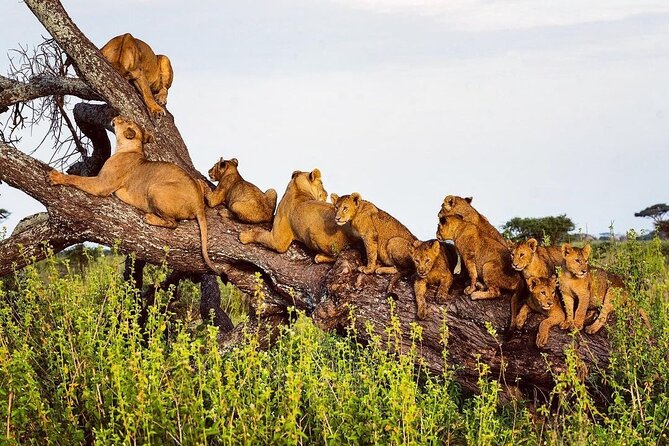
The park also has a reputation for tree-climbing lions. Sightings are never guaranteed, but the possibility gives this first stop a different feel from the open plains of Ndutu. The giant baobabs add another strong visual feature, with their thick trunks and unusual shapes.
I like this opening because it gives you a distinct habitat before the migration portion begins. You see woodland, river country, and big trees first, then shift toward the southern Serengeti’s short grass plains.
The drawback is the amount of driving packed into the day. If your priority is the wildebeest, Tarangire is an attractive addition but not the main reason to choose this itinerary.
Day 2: First afternoon around Lake Ndutu
After breakfast, the route heads to the Ndutu area, part of the southern Serengeti ecosystem within the Ngorongoro Conservation Area. The schedule allows about five hours for the stop, including an afternoon game drive.
This is your first real chance to see the migration setting. The short grass plains can hold large concentrations of wildebeest from December to April, along with zebra and many resident animals.
The afternoon timing can work well because you are not trying to squeeze a full day of game viewing into the arrival schedule. You get into the area, begin looking around, and start learning how the animals use the swamps, woodland, lakes, and open grazing ground.
The Ndutu region is also useful for bird watching. Water and seasonal movement bring many birds into the area, and the soda lakes add a different color and texture to the drive.
Ask your guide how far the group expects to travel each day within the Ndutu area. Animal concentrations shift, and the best viewing may depend on where the herds and predators have moved.
Day 3: A full calving-season game drive
Day 3 is the safari’s most focused wildlife day. You spend about nine hours exploring Ndutu, with no major transfer listed. That gives you time to search instead of simply passing through.
The route takes in several habitats, including swamps, woodland, soda lakes, and short grass plains. Each one supports different animals, so you are not limited to watching wildebeest on open ground.
If you visit during the main calving weeks, you may see newborn calves and large herds of adults and young animals. You may also find zebra moving with the wildebeest, a common sight during migration periods.
This is where the open design of the safari vehicle matters. The pop-up roof gives you a better standing viewpoint for photography and animal watching than a closed vehicle. With no more than six people, you should also have a better chance of finding a comfortable position at the roof opening.
Predators are a major reason to value the extra time. Cheetahs can be found on open ground, lions may follow the herds, hyenas patrol for vulnerable young, and leopards require patience and sharp eyes. The presence of many newborn animals raises the stakes, but you should still treat any dramatic sighting as luck rather than a promised feature.
More Safaris in Arusha
- 7-Day Premium Luxury Tanzania Safari All-Inclusive
★ 5.0 · 426 reviews - 8 Days Great Wildebeest Calving Migration Safari from Arusha
★ 5.0 · 254 reviews - Group Safari 7 Days in Tanzania’s Main Parks
★ 5.0 · 240 reviews - Tanzania Simba Safari – 5 Days
★ 5.0 · 217 reviews
Day 4: Sunrise in the Serengeti and the move toward Ngorongoro
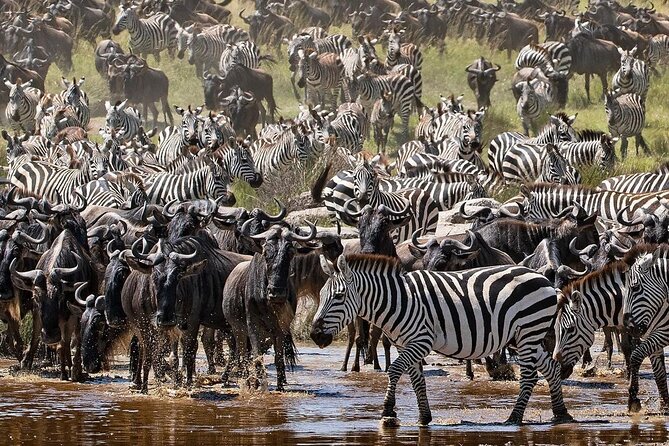
The fourth day begins early, with breakfast at about 5:45 a.m. You then take an early morning game drive until around 11:30 a.m. This is the best part of the day for seeing the Serengeti before the heat builds.
After the morning drive, you return to camp for a hot lunch and pack your belongings into the jeep. The afternoon continues with game viewing while you head toward Simba Campsite near Ngorongoro for dinner and overnight accommodation.
This day combines one last look at the Serengeti with a necessary change of base. It is efficient, but it is not leisurely. You should be ready for an early alarm, several hours in the vehicle, and a campsite arrival after a full day outdoors.
The value is that the route does not waste a morning. You get another wildlife window at sunrise instead of spending the entire day on the road. The cost is less downtime, which may matter if you prefer slower travel.
Day 5: Descending into the Ngorongoro Crater
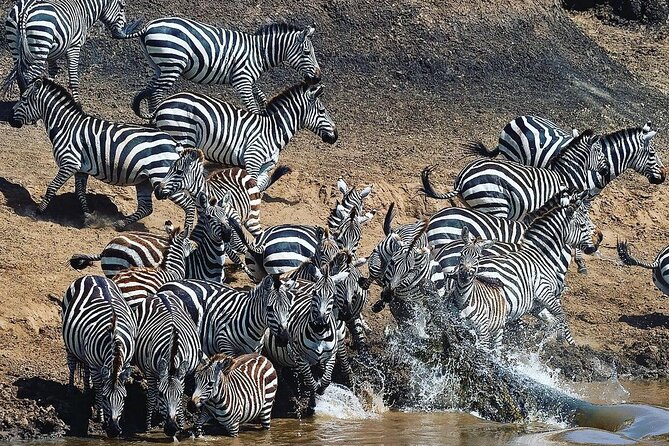
After breakfast, you enter the Ngorongoro Conservation Area and descend about 600 meters into the crater for a full day of wildlife viewing. The listed duration is about eight hours.
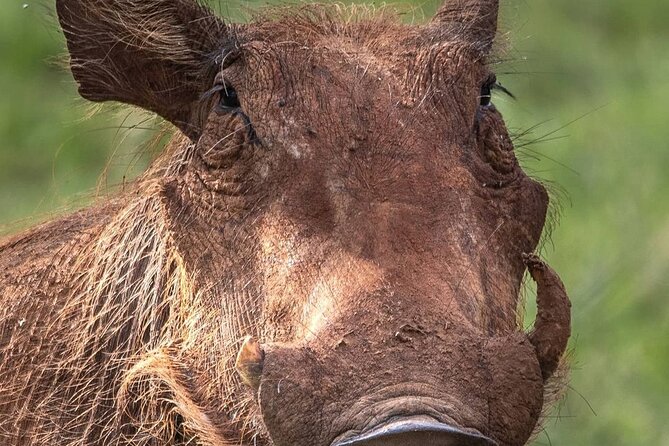
The crater is a natural enclosure with water and grazing areas that support wildebeest, zebra, buffalo, eland, warthog, hippopotamus, and elephants. It is also a strong location for predators, including lions, hyenas, jackals, cheetahs, and, with luck and a trained eye, leopard.
Lake Magadi is one of the main features inside the crater. This shallow alkaline lake can attract flamingos, hippos, and other water birds. The combination of open grassland, water, and steep crater walls gives this day a compact but varied game-viewing experience.
I would treat Ngorongoro as a different kind of wildlife day from Ndutu. Ndutu is about following a moving seasonal concentration across broad country. The crater is more contained, so you can often see many habitats and species within a shorter area.
It can also feel busy, especially compared with the wide spaces of the southern Serengeti. That is part of the appeal and part of the compromise. You may have strong sightings, but the sense of solitude is not the main attraction here.
Day 6: Lake Manyara and the final wildlife circuit
The final morning takes you to Lake Manyara National Park, with about nine hours allocated to the stop and drive. The park is known for its scenic lake, the wall of the Great Rift Valley, and a compact game-viewing circuit.
Lake Manyara covers about two thirds of the park. The remaining area supports woodland and other habitats, creating a surprising amount of variety in a relatively concentrated setting.
Bird life is a major feature. More than 400 species are found here, including pink-hued flamingos. If you enjoy birds as much as large mammals, this final stop adds something that the migration days cannot provide.
Manyara is also a practical ending because the park offers a different pace from the long Serengeti transfers. You are not simply repeating the same plains experience. Instead, you finish with lake scenery, forested sections, and a strong birding angle.
The limitation is time. A nine-hour final day can feel long after several early starts and extended drives. If you have a flight immediately afterward, make sure the timing works before booking, since the schedule does not state a precise drop-off hour.
Camping, meals, and the safari vehicle
This is a mobile camping safari, so you should choose it for access to the parks and the migration, not for hotel-style comfort. The package includes five dinners, six breakfasts, and six lunches, along with unlimited drinking water.
Food is one of the stronger points here. Past trip accounts specifically praise the meals, with one person describing the cooking as far better than expected. That matters on a route with long game drives, since a dependable hot meal can make a rough day much easier.
The pop-up roof jeep is another practical advantage. You can stand for a wider view, photograph animals at roof level, and change position more easily than in a standard enclosed vehicle. WiFi on board is included, though you should not treat that as a promise of a strong connection in every park.
Camping comfort can vary, and the supplied details do not specify tent style, bedding, showers, or toilet arrangements. Ask about those points before paying if basic camp conditions will affect your decision.
How the $1,496 price works for you
At $1,496 per person, this is not a budget day tour. It covers six days, a small group of up to six, park fees and taxes, the pop-up-roof jeep, drinking water, WiFi on board, and the full meal plan listed above.
The value comes from the route and the number of wildlife days. You are not paying for one park and a quick return to Arusha. You are covering Tarangire, multiple days in the Serengeti and Ndutu area, Ngorongoro Crater, and Lake Manyara.
The price does not include tips, visas, air tickets, personal items, or alcoholic drinks. Those extras can affect your actual budget, especially if you are coming from outside Tanzania.
I see this as a reasonable price for someone who wants the migration season and a broad northern Tanzania circuit in one trip. It is less compelling if you mainly want a relaxed lodge stay, shorter transfers, or a single park explored at a slower pace.
Guides and the human side of the trip
Good guiding matters more than a polished itinerary on safari. The names Robert, Raymond, and Swalehe appear in past trip accounts, with Robert receiving particular praise for finding animals and explaining scenery, wildlife, and culture.
Raymond is also identified as a helpful tour operator who handles safari logistics and communicates well. Swalehe is praised for working hard to find the Big Five and for helping keep meals and the daily routine running smoothly.
These comments point to the kind of service you should value: clear timing, patient animal spotting, and help when the day gets tiring. Still, guide assignment may vary, so ask who will lead your departure if a specific guide is important to you.
The maximum group size of six is a real advantage. You have fewer people competing for roof space, fewer opinions about how long to stay at a sighting, and a better chance of speaking directly with the guide.
Who should book this safari?
I would choose this trip if you want the calving migration, accept camping, and prefer seeing several major parks rather than staying in one area. It suits photographers, first-time safari visitors, families who can manage early starts, and anyone who wants a strong chance of seeing elephants, wildebeest, zebra, lions, and other plains animals.
It is less suitable if you dislike long drives, need a soft bed every night, or want a tightly timed holiday with little uncertainty. The itinerary is active, and wildlife viewing always involves waiting and luck.
The Mto wa Mbu biking adventure deserves a direct question before booking. It is mentioned as part of the experience, but the six-day schedule does not assign it a day or duration. Confirm whether it is included, optional, or only available on certain departures.
Pickup is offered, confirmation is provided at booking, and the activity is near public transportation. Most people can participate, according to the supplied conditions, but the schedule still requires you to handle early breakfasts, full game-drive days, and repeated vehicle travel.
You can cancel for a full refund if you do so at least 24 hours before the local start time. Changes or cancellations inside that window are not accepted for a refund.
Should you book it?
Book this safari if your main goal is to see the southern Serengeti during calving season and you want Ngorongoro, Tarangire, and Manyara added to the same trip. The two Ndutu days are the strongest feature, and the small group, open-roof jeep, included meals, and praised guides make the $1,496 price easier to justify.
Before committing, confirm the camping setup, guide assignment, exact pickup and return times, and the Mto wa Mbu biking plan. If you are happy with early mornings, long drives, and basic camp living, this is a focused and wildlife-heavy way to see northern Tanzania.
FAQ
How long is the safari?
The safari lasts approximately six days.
Where does the safari start?
The experience is based in Arusha, and pickup is offered.
What is the maximum group size?
The maximum group size is six people.
When is the best time to see the wildebeest calving?
The safari is designed for the December to April calving season. The main calving period is usually around February and can last about three weeks.
Which national parks and conservation areas are visited?
The route includes Tarangire National Park, the Ndutu area and Serengeti National Park, the Ngorongoro Conservation Area, and Lake Manyara National Park.
Is the Ngorongoro Crater included?
Yes. The itinerary includes a descent of about 600 meters into the crater for wildlife viewing and a visit to Lake Magadi.
What is included in the price?
The price includes WiFi on board, park fees and taxes, a pop-up-roof safari jeep, unlimited drinking water, six lunches, six breakfasts, and five dinners.
What is not included?
Tips, visas, air tickets, personal-use items, and alcoholic drinks are not included.
Can I cancel for a full refund?
Yes. You can receive a full refund if you cancel at least 24 hours before the experience begins, based on the local start time. Changes or cancellations made less than 24 hours before the start are not accepted.
Just added around Arusha
- From Arusha: 11 days The Classics Northern Tanzania safari★ 5.0 · 11 reviews
- 6-Day Mount Meru Climb through Momella Route Guided Tour★ 5.0 · 5 reviews
- Private Day Trip to Arusha National Park with a Walking Safari★ 5.0 · 4 reviews
- From Arusha : 11-day Amazing North Tanzania safari tour★ 5.0 · 4 reviews
- Walking Day Tour to Safari in Arusha National Park★ 5.0 · 5 reviews
- 2 Days Tanzania Midrange Group Join Safari★ 5.0 · 7 reviews
- Best 5 Days Tanzania Private Luxury Safari with luxury Lodges★ 5.0 · 12 reviews
- Waterfall & Coffee Walking Tour★ 5.0 · 6 reviews
Camping Safaris, compared.
3 Day Serengeti National Park & Ngorongoro Crater Camping Safari
Read our review →
5-Day private Camping Safari Tour in Tanzania
Read our review →
5 Days Camping Tarangire, Serengeti & Ngorongoro crater & Visiting Maasai
Read our review →
3-Day Tarangire, Ngorongoro and Lake Manyara Camping Safari
Read our review →Browse the lists this tour appears in