
Reviewed · CULTURAL TOURS
Arusha City Culture and Historical Walking Tour
Arusha’s story comes into focus on foot, from a former German military post to the city’s central Clock Tower, handmade Maasai crafts, and the Arusha Declaration Museum. I like the mix of political history and everyday city life, and I like that the route makes room for markets, artisans, and possible street-food stops rather than keeping you inside museums all day.
The $35 price is fair for a private five-hour outing with hotel pickup, drop-off, bottled water, and most entrance fees included. The main consideration is pace: five hours of walking, market activity, and city traffic may feel long if you want a quiet sightseeing day. The $5 Old Boma entry fee is also paid separately.
Key points at a glance
- A five-hour introduction to Arusha: The route combines museums, markets, shopping, and ordinary neighborhood life.
- Private sightseeing: Only your group participates, which gives you more room to ask questions or adjust the pace.
- Tanzanite takes center stage: Learn how the famous blue stone is mined, cut, polished, and certified.
- History beyond colonial buildings: The Arusha Declaration Museum explains Julius Nyerere’s ideas about socialism and self-reliance.
- Good local shopping stop: The Maasai Market offers jewelry, beadwork, wood carvings, textiles, and other crafts.
- Plan for one extra payment: Old Boma admission costs $5 at the entrance, while meals, drinks, and personal purchases are not included.
A useful first look at Arusha
I see this as a good orientation tour for your first day or two in Arusha. It gives you a mental map of the center while showing how the city’s German colonial past, Tanzanian independence-era politics, small businesses, markets, and craft traditions connect.
The route is not built around one grand monument. Its appeal comes from the changing scenes. You move from museum displays to gemstone education, then to a famous city landmark, a craft market, a local neighborhood, and a museum focused on national policy. That range makes the experience feel more like an introduction to Arusha than a simple checklist of sights.
The tour is private, so your group has a better chance to stop for explanations, ask about local customs, or spend more time at a shop that interests you. The available information does not name individual guides, so I would not book this expecting a particular guide by name. The important point is that a guide leads the entire walk and handles the sightseeing context.
More City Tours in Arusha
- Arusha Guided Walking City Tour, Culture, Lifestyle & History
★ 5.0 · 150 reviews - Arusha; Walking City Tour History, Culture & Lifestyle
★ 4.9 · 63 reviews - Full Day Arusha City Tour
★ 5.0 · 18 reviews
Old Boma: Arusha’s colonial doorway
The Old Boma is the strongest opening stop for understanding how Arusha developed. The building occupies a former German military outpost, and its displays cover local tribal cultures, natural history, and art.
You get about 45 minutes here. That is enough for a focused visit, though not enough to study every display in detail. I would pay attention to how the museum sets up the rest of the day: Arusha is not only a safari base. It has its own political, cultural, and commercial story.
Admission is not included. You pay $5 at the entrance desk, so keep small cash available and treat this as part of the real cost of the tour. The extra charge is modest, but the wording around included fees can otherwise make the price seem more all-inclusive than it is.
The Old Boma also offers educational programs and workshops, though the tour information does not promise that your group will join one. Think of this stop as a compact museum visit rather than a hands-on class.
Tanzanite Experience: a close look at a famous blue stone
The 30-minute Tanzanite Experience explains the gemstone that has become closely associated with Tanzania. You learn about its history, mining process, and importance, then see how the stone is cut and polished.
This stop works well because it adds a clear local industry story to the walking route. You are not simply looking at finished jewelry. You get an explanation of how the stone moves from the ground to the display case, along with an opportunity to see certified jewelry for sale.
Admission is included. Purchases are not, and you should feel no pressure to buy. If you are considering a piece of tanzanite, use this stop to learn the basic terms and ask about certification. The visit is short, so it is best treated as an educational introduction and shopping option, not a full gemstone appraisal session.
I like the contrast between the Old Boma and this stop. One looks backward through military and cultural history. The other shows a modern commercial side of Tanzania and gives you a specific product to connect with the country.
The Clock Tower and Arusha’s central meeting point

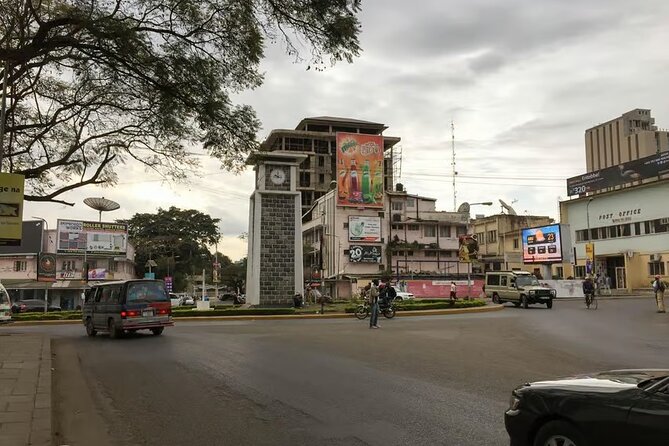
The Clock Tower gets only 15 minutes, which is about right. This is a quick orientation stop, photo point, and chance to understand how the central streets fit together.
The tower is on Boma Road and is commonly described as the midpoint between Cairo and Cape Town. That claim gives the landmark a memorable geographic identity, even if you do not spend long there. It is also a well-known meeting point, so your guide can use it to explain the city’s central flow.
Do not expect a long formal visit. There is no admission fee, and the attraction is mainly the setting and story. The value comes from seeing the Clock Tower in the middle of ordinary city movement, with shops, pedestrians, and traffic around it.
More Cultural Tours in Arusha
- Hidden Arusha Waterfall, Coffee & Village Tour (All-Inclusive)
★ 5.0 · 42 reviews - 4 Days Wildlife Safari and Cultural Experience in Tanzania
★ 5.0 · 23 reviews - Arusha: Maasai Village Tour
★ 4.8 · 22 reviews - 8 Days 7 Nights Tanzania Wildlife & Culture Lodge Safari
★ 5.0 · 17 reviews
Maasai Market: crafts, color, and careful shopping
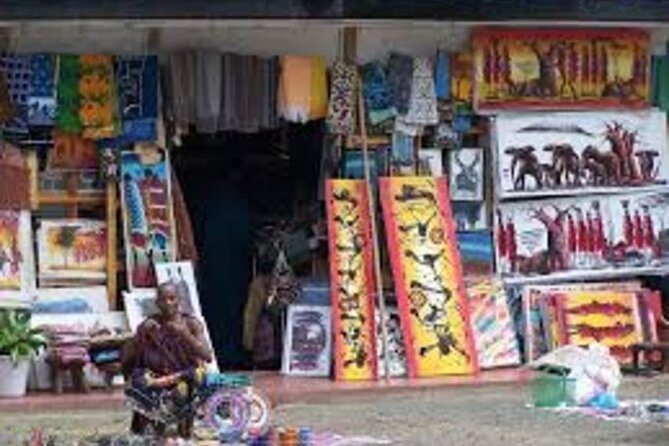
The Maasai Market is one of the better stops for buying a physical reminder of Arusha. You can browse traditional Maasai jewelry, beadwork, wood carvings, textiles, and other locally made pieces.
You have about 25 minutes here. That is enough to look around and make a few purchases, but it can pass quickly if you enjoy comparing designs or negotiating. I would decide before arriving whether you want to shop seriously or simply look. A short market stop feels much more relaxed when you are not trying to buy five gifts at once.
The market is also a chance to interact with local artisans. That human contact is one of the tour’s most useful features, since it moves the experience beyond museum labels. Still, personal purchases are your responsibility, and the tour price does not cover crafts.
Bring enough time and patience for browsing. Ask your guide for help if you want to understand the difference between items, learn about materials, or find a suitable gift. The supplied information does not set fixed shopping rules or prices, so you should make your own judgment before paying.
Arusha Chini: a look at daily city life
The longest stop is Arusha Chini, with about one hour in the neighborhood. It is described as an active area of markets, shops, cultural meeting places, and local food.
This is where the tour moves furthest from formal sightseeing. You get a chance to see how people shop, work, eat, and move through the city. The route may also give you an opportunity to try street food. Samosas were singled out as a favorite choice, but food is not included, so carry money if you want to sample something.
I see this hour as the heart of the experience for anyone who wants more than monuments. You might notice colorful murals, small shops, and ordinary street scenes that do not appear in a museum display. The trade-off is that this part can feel less polished and less predictable than a scheduled attraction. That is also its value.
Meals and drinks are not included. If you have dietary restrictions or prefer not to eat from street stalls, you can simply observe and continue with the walk. The tour description does not promise a particular dish or restaurant, so keep expectations flexible.
The Arusha Declaration Museum and Tanzania’s political story
The final museum visit focuses on the Arusha Declaration of 1967. Displays explain the declaration’s principles, Tanzania’s movement toward socialism and self-reliance, and the life of Julius Nyerere, the country’s first president.
You get about 40 minutes here, with admission included. This is a useful closing stop because it gives political meaning to the city you have been walking through. After seeing markets and local businesses, you can consider the national ideas that once shaped Tanzania’s economic and social direction.
The museum may be especially valuable if you know little about Nyerere or Tanzania’s post-independence history. It is not just another building on the route. It helps explain why Arusha has such an important place in the country’s public life.
Forty minutes is enough for an introduction, but you may want more time if political history is your main interest. The tour has to keep moving, and the six-stop route leaves limited room for long museum study.
What the $35 price really covers
At $35 per person, this is a solid value for a private five-hour city tour. The cost includes hotel pickup and drop-off, a guided walking tour, bottled water, taxes, the Tanzanite Experience, the Maasai Market visit, and the Arusha Declaration Museum.
The private format matters. You are not sharing the experience with a large group, and your guide can focus on your questions and interests. That can make the price more appealing for couples, families, or small groups who want a more personal introduction.
Budget another $5 for the Old Boma. You also pay for meals, drinks, crafts, jewelry, and other personal expenses. If you buy tanzanite or several market items, your final spending can rise well above the tour price.
Group discounts are available, but the exact reduction is not stated. If you are traveling with several people, ask for the group rate before booking. Since hotel pickup is offered, the package may also save you the trouble of arranging separate transport to the city center.
Time, walking, and practical comfort
The experience lasts about five hours and includes several walking sections. Most people can participate, and the tour is near public transportation, but the schedule still calls for sensible preparation.
Wear comfortable shoes and bring sun protection. Carry water, though one bottled drink is provided. A small amount of local spending money will help if you want food, crafts, or the Old Boma entrance.
The tour is available as a mobile ticket, and confirmation arrives when you book. Pickup and drop-off are included, but the supplied details do not specify pickup times or the exact hotel service area. Confirm those details when arranging the tour.
The walking format lets you see more than a vehicle-based city circuit, but it also exposes you to the normal energy of central Arusha. Expect traffic, crowds, shop activity, and changing street conditions rather than a quiet museum-to-museum outing.
Who should book this Arusha walk
I would recommend it to first-time visitors who want a broad introduction before heading on to other parts of Tanzania. It suits people who enjoy history, local markets, crafts, gemstone education, and conversations with a guide.
Families can also use the private format to keep the day flexible, though younger children may find five hours of walking tiring. Couples and small groups get good value from the combination of transportation and private guiding.
I would choose another type of outing if your priority is a long museum visit, a dedicated food tour, or a full shopping day. This experience gives you a taste of each category rather than making one of them the sole focus.
Its strongest feature is the combination of authentic street life and historical context. The route lets you see Arusha as a working city, not merely a place to sleep before a safari.
Should you book it?
Book this tour if you want to understand Arusha in one well-filled day and prefer a private guide to exploring the center alone. The mix of Old Boma, Tanzanite, the Clock Tower, Maasai crafts, Arusha Chini, and the Arusha Declaration Museum gives you a useful first look at the city’s past and present.
Skip it if you dislike walking, market shopping, or a schedule with several short stops. For most visitors, though, $35 is a reasonable price for five hours of guided sightseeing, hotel transport, water, and included admission to all but the Old Boma. Cancel at least 24 hours before the start time for a full refund. Changes or cancellations inside that window are not accepted or refunded.
FAQ
How long does the Arusha City Culture and Historical Walking Tour last?
The tour lasts approximately five hours.
How much does the tour cost?
The listed price is $35 per person. Group discounts are available, though the exact discount is not specified.
Is hotel pickup and drop-off included?
Yes. Hotel pickup and drop-off are included.
Is the tour private?
Yes. Only your group participates in the private activity.
Is admission to the Old Boma Museum included?
No. Old Boma admission costs $5 and is paid at the entrance desk.
Which admissions are included?
Admission to the Tanzanite Experience, Maasai Market Curios and Crafts, and Arusha Declaration Museum is included. The Clock Tower has no admission fee.
Are food and drinks included?
No. Meals and drinks are not included. Bottled water is provided.
Can I cancel for a full refund?
Yes, if you cancel at least 24 hours before the experience start time. Cancellations or changes made less than 24 hours in advance are not accepted, and the payment is not refunded.
More History Walks in Arusha
- Arusha: City Walking Tour Historic and Modern Highlights
★ 4.5 · 12 reviews - 24 Hours in Arusha—Arusha Museum, Cultural Heritage, Maasai Market, Shanga
★ 5.0 · 4 reviews - Arusha: Cultural Heritage, Tanzanite Tour
★ 5.0 · 3 reviews - Zanzibar: Stone Town Historical Cultural Walking Guided Tour
★ 4.5 · 179 reviews
More Walking Tours in Arusha
- 7-Day Private Tanzania Safari with Sunset Walking on the Crater Rim and Maasai
★ 5.0 · 40 reviews - Tanzania – Arusha NP – Private Guided 4×4 Safari – Game Drive & Walking
★ 5.0 · 30 reviews - Private Walking Tour with Giraffes
★ 5.0 · 18 reviews - Street Food and Community Walking Tour
★ 5.0 · 12 reviews
Just added around Arusha
- From Arusha: 11 days The Classics Northern Tanzania safari★ 5.0 · 11 reviews
- 6-Day Mount Meru Climb through Momella Route Guided Tour★ 5.0 · 5 reviews
- Private Day Trip to Arusha National Park with a Walking Safari★ 5.0 · 4 reviews
- From Arusha : 11-day Amazing North Tanzania safari tour★ 5.0 · 4 reviews
- Walking Day Tour to Safari in Arusha National Park★ 5.0 · 5 reviews
- 2 Days Tanzania Midrange Group Join Safari★ 5.0 · 7 reviews
- Best 5 Days Tanzania Private Luxury Safari with luxury Lodges★ 5.0 · 12 reviews
- Waterfall & Coffee Walking Tour★ 5.0 · 6 reviews
Cultural Tours, compared.
Stone Town Historical Cultural Walking Guided Tour
Read our review →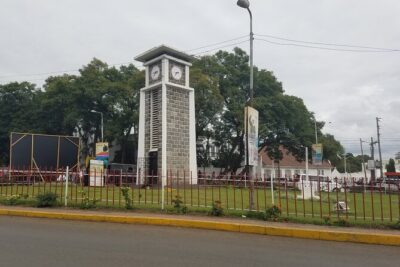
Arusha Guided Walking City Tour, Culture, Lifestyle & History
Read our review →
4h-Quad Explore the Heart and Culture of Nungwi and Kendwa
Read our review →
Materuni Waterfalls, Visiting Chagga Village, CoffeeTour Kikuletwa Hotsprings
Read our review →
The Best/Top Rated Cultural City Tour in Dar es Salaam
Read our review →
Mamas of Zanzibar – A Unique Cultural & Culinary Experience
Read our review →
Stone Town Guided Tour: Culture, Slave Market & Spice Market
Read our review →
Hidden Arusha Waterfall, Coffee & Village Tour (All-Inclusive)
Read our review →Browse the lists this tour appears in