
Reviewed · CULTURAL TOURS
Arusha: Cultural Heritage, Tanzanite Tour
Tanzanite gives this Arusha outing its sharpest focus. The rare blue stone is found only in Tanzania, and you get to follow it from the mine to the jewelry counter. The Cultural Heritage Centre adds African art, while a local foundation shows how discarded materials can become useful crafts.
I like the mix of art and practical learning. You are not just looking at objects behind glass. You hear how Tanzanite is processed and meet artists who make jewelry, blankets, and household goods. I also like the hotel pickup and drop-off, which makes this an easy half-day or day activity to fit around a safari schedule.
The main consideration is shopping. This tour includes several places where beautiful objects and jewelry are available, so set a budget before you go. Also, the experience is best for people who enjoy guided cultural visits. If you want a fast sightseeing loop around Arusha, the art and craft stops may feel slower than expected.
Key points to know before you book
- Tanzanite is the star subject: Learn why this blue stone is found only in Tanzania and how it becomes jewelry.
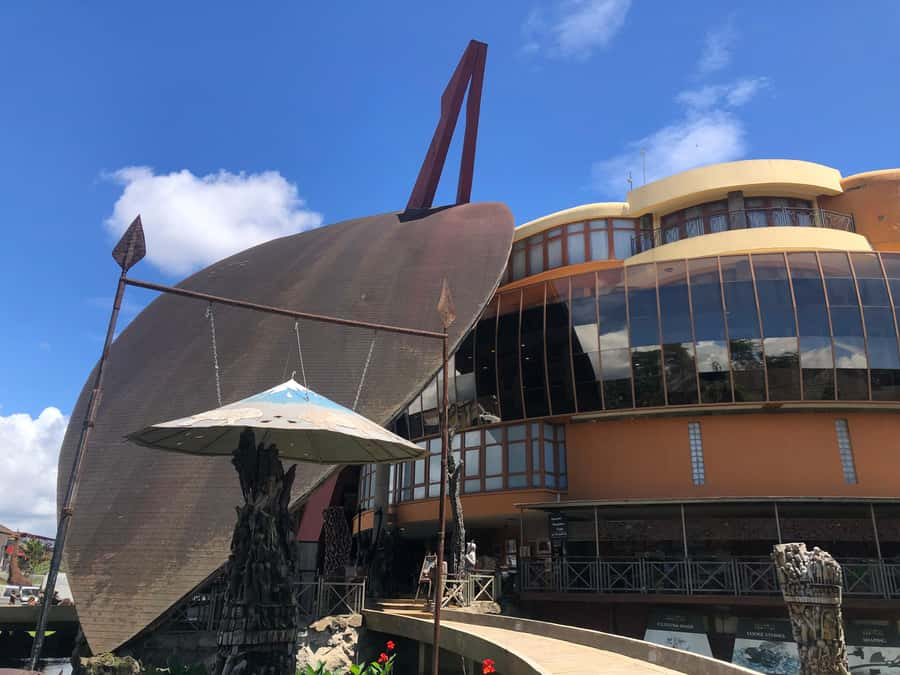
- The Cultural Heritage Centre covers African art: Expect sculptures, masks, paintings, and artifacts from across the continent.
- The final stop has a strong social purpose: Meet artists with disabilities who turn recycled materials into useful and decorative goods.
- Hotel transfers are included: Pickup and drop-off take place in Arusha, so you do not need to arrange local transport for the tour.
- The price is $29 per person: Entry fees and refreshments are included, making the cost easy to understand.
- English and Swahili are available: A local guide leads the experience and explains each stop.
Why this Arusha cultural tour is worth your time
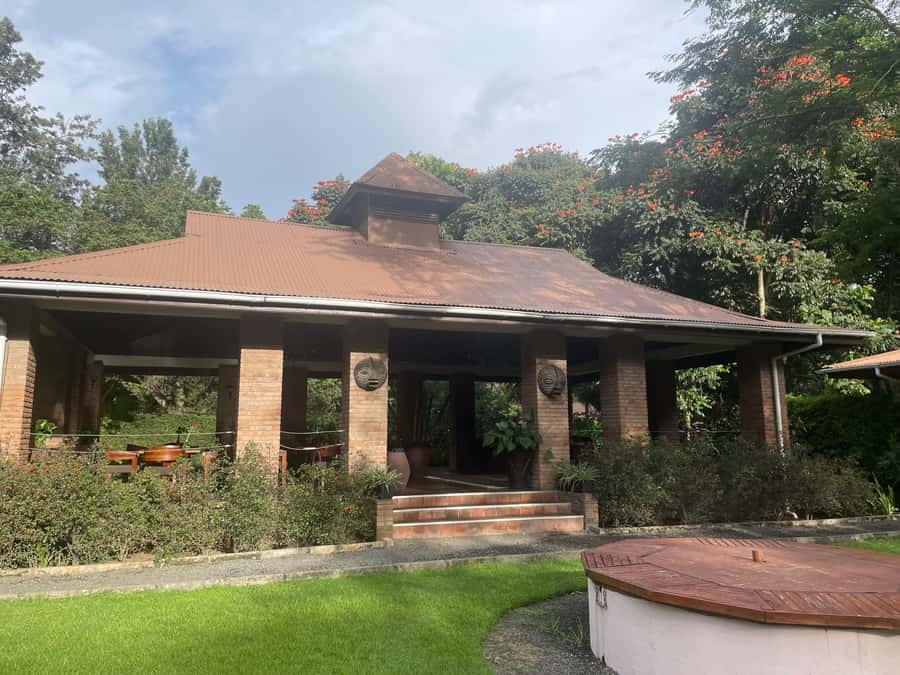
Arusha is often treated as a launch point for safari. That is practical, but it can leave you seeing the city only through a vehicle window. This outing gives you a closer look at the things local artists, craftspeople, and traders make and share.
The route brings together three different subjects: African art, Tanzanite, and handmade goods produced from recycled materials. They are not identical experiences, which is part of the appeal. You move from art appreciation, to geology and jewelry, to a personal look at creative work with a social purpose.
I would choose this tour for a free day before or after a safari. It gives you something distinctly connected to Tanzania without requiring a long drive into the countryside. The pace should also suit anyone who prefers conversation and close looking over a packed list of landmarks.
More Cultural Tours in Arusha
- Arusha Guided Walking City Tour, Culture, Lifestyle & History
★ 5.0 · 150 reviews - Arusha; Walking City Tour History, Culture & Lifestyle
★ 4.9 · 63 reviews - Hidden Arusha Waterfall, Coffee & Village Tour (All-Inclusive)
★ 5.0 · 42 reviews
Starting at the Cultural Heritage Centre
The Cultural Heritage Centre is the grandest stop on the route. Inside, you can expect galleries filled with traditional and contemporary African art from different parts of the continent.
Look for the variety of forms. Sculptures give you three-dimensional figures and animals to study. Masks show how artists use shape and expression. Paintings add color and scenes that work differently from the carved pieces. Artifacts offer another way to understand materials, workmanship, and daily life.
The setting is designed for browsing. That matters because a guided explanation can help you notice details you might pass without a second glance. Ask your guide about the pieces that catch your eye, especially if you are unsure how a work fits into African art traditions.
This stop also works well for people who want gifts. The range of art means you may find something more distinctive than a standard souvenir. Still, take your time and compare prices before buying. A beautiful object can be a pleasure to own, but it is easier to shop sensibly when you know your budget.
The centre may appeal most to art lovers, but you do not need formal art training to enjoy it. The useful question is simple: what catches your attention, and why? A local guide can make that conversation more grounded than simply walking through a shop or gallery alone.
Learning what makes Tanzanite special
The Tanzanite presentation gives the tour its most specific subject. A specialist explains how this rare stone is mined, processed, and turned into jewelry.
You will learn that Tanzanite is found only in Tanzania. That single fact changes how you think about it. This is not just another blue stone placed in a display case. Its connection to one location gives it a strong link to the country you are visiting.
The session also covers the stone’s scientific qualities and its cultural importance. Those two angles help keep the presentation balanced. You learn what makes Tanzanite unusual as a material, while also seeing why it matters as a Tanzanian product.
Pay attention to the change from rough stone to finished jewelry. Mining is only one stage. The material must be processed, shaped, and presented in a way that brings out its appeal. The specialist’s explanation helps you see the work behind the polished pieces.
This is also the point where practical shopping sense matters most. Jewelry can cost far more than the tour itself, and the price of any item will depend on details that are not covered in the tour price. Enjoy the lesson even if you plan to buy nothing. You can learn about Tanzanite without turning the visit into a purchase.
If you are considering jewelry, ask clear questions and take your time. The tour gives you background, but it does not mean you must buy. A careful shopper will appreciate the information more than a rushed decision.
Meeting artists at the local foundation
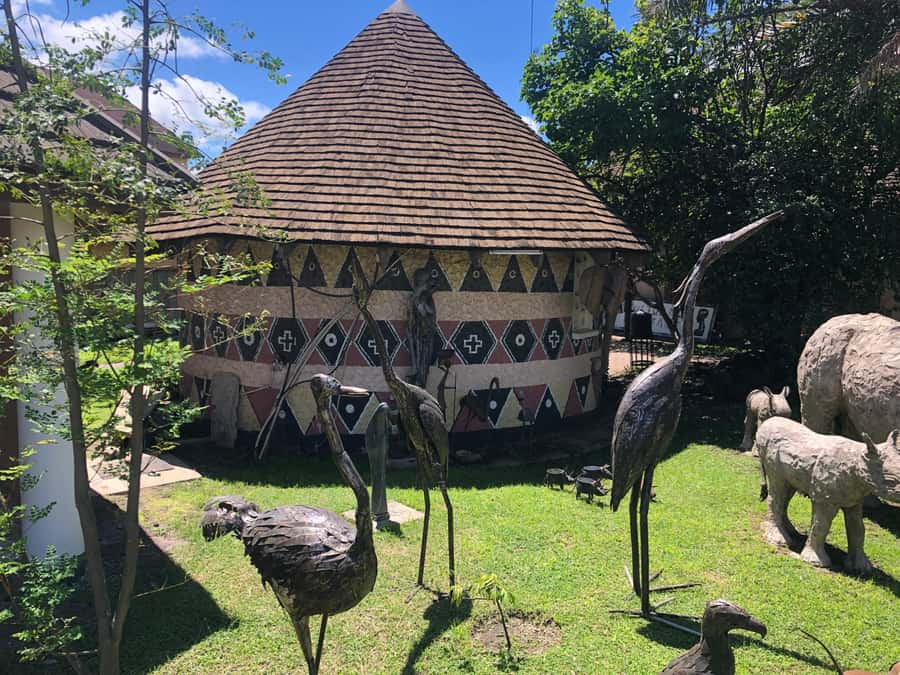
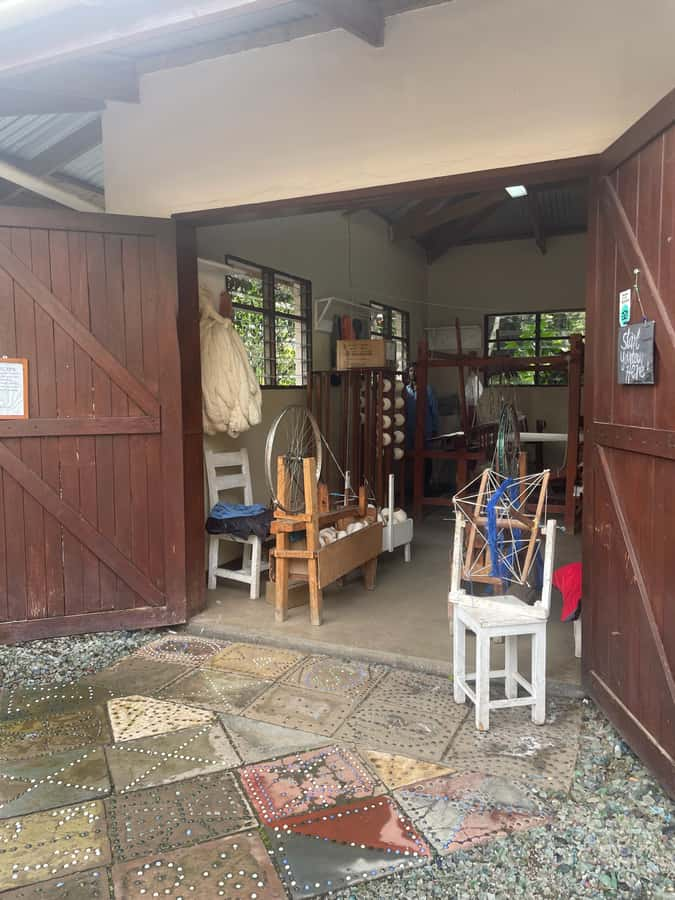
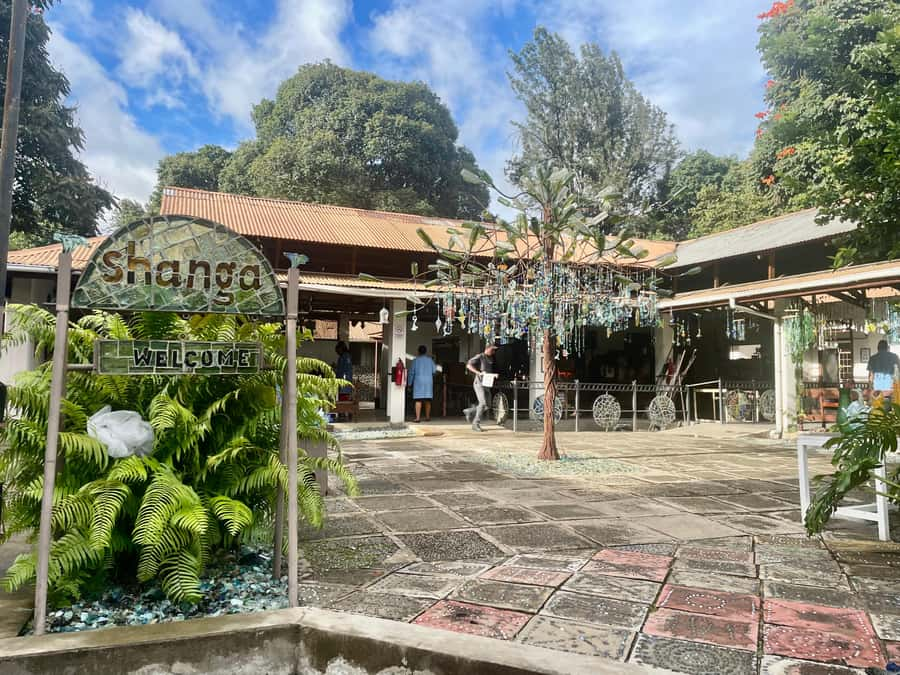
The final stop shifts attention from valuable stone to everyday materials. At a local foundation, people with disabilities make handcrafted items using recycled materials.
You can expect to see creativity applied to practical goods, including jewelry, blankets, and household items. The point is not only the finished object. You also get to meet the artists and hear their stories.
This stop gives the tour a more personal tone. In the gallery, you are mainly looking at completed works. Here, you see the human work behind the objects and learn how discarded materials can be put to new use.
The foundation may be especially meaningful if you want your shopping to support local makers. The available goods offer a chance to take home something connected to the people and place you visited. As with any purchase, look carefully at the items and choose something you genuinely want rather than buying out of pressure.
I also like the contrast with the Tanzanite stop. Tanzanite is rare and costly, while recycled materials can begin with very little value. Both stops ask you to look more closely at how an object is made and what gives it meaning.
Do not expect a large museum-style collection here. The appeal is direct contact with working artists and the stories behind their crafts. That can be more memorable than another display of finished souvenirs.
More history walks in Arusha:
- Arusha: City Walking Tour Historic and Modern Highlights
★ 4.5 · 12 reviews - Arusha City Culture and Historical Walking Tour
★ 5.0 · 8 reviews - 24 Hours in Arusha—Arusha Museum, Cultural Heritage, Maasai Market, Shanga
★ 5.0 · 4 reviews - Zanzibar: Stone Town Historical Cultural Walking Guided Tour
★ 4.5 · 179 reviews
What the local guide adds
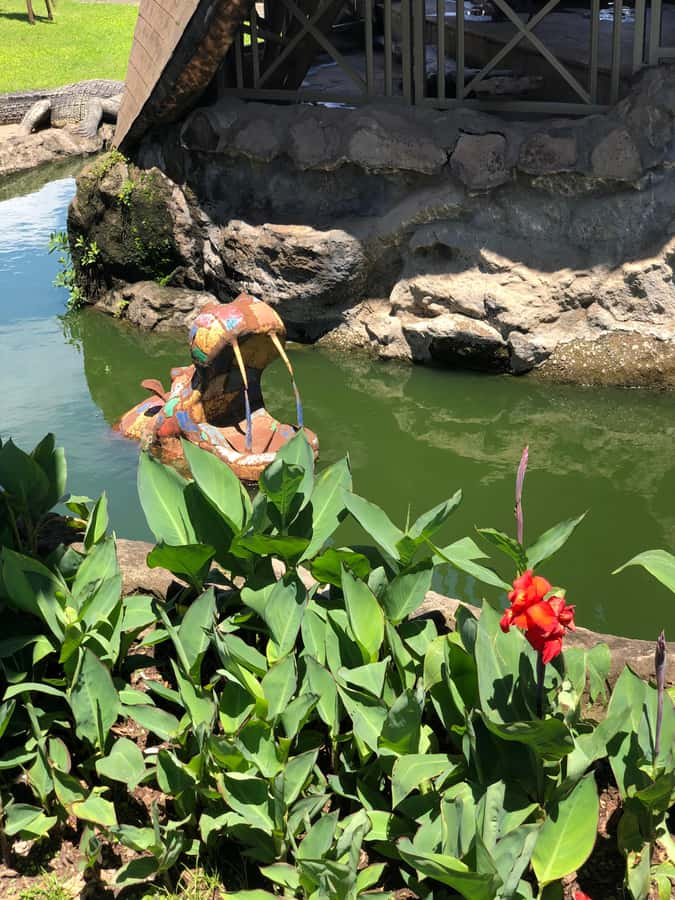
A guide leads the tour in English or Swahili. That is important because each stop has details that are easy to miss on your own.
At the Cultural Heritage Centre, your guide can help place different works in context. At the Tanzanite presentation, the specialist handles the technical explanation, while your guide helps the visit fit into the wider tour. At the foundation, the guide can help you connect with the artists and understand the purpose of their work.
The three published ratings are all five out of five, with praise for the guide’s friendly manner and clear information. One comment specifically points to the tour as informative and interesting. Another highlights how much the experience taught about Tanzanite. That matches the design of the outing: it is not just transport between shops.
No guide name is provided, so I would not book this expecting a particular person. Instead, look for a guide who can answer questions and give you time at each stop. The best version of this tour will feel like a conversation, not a speech delivered while you hurry past the displays.
How the $29 price works for you
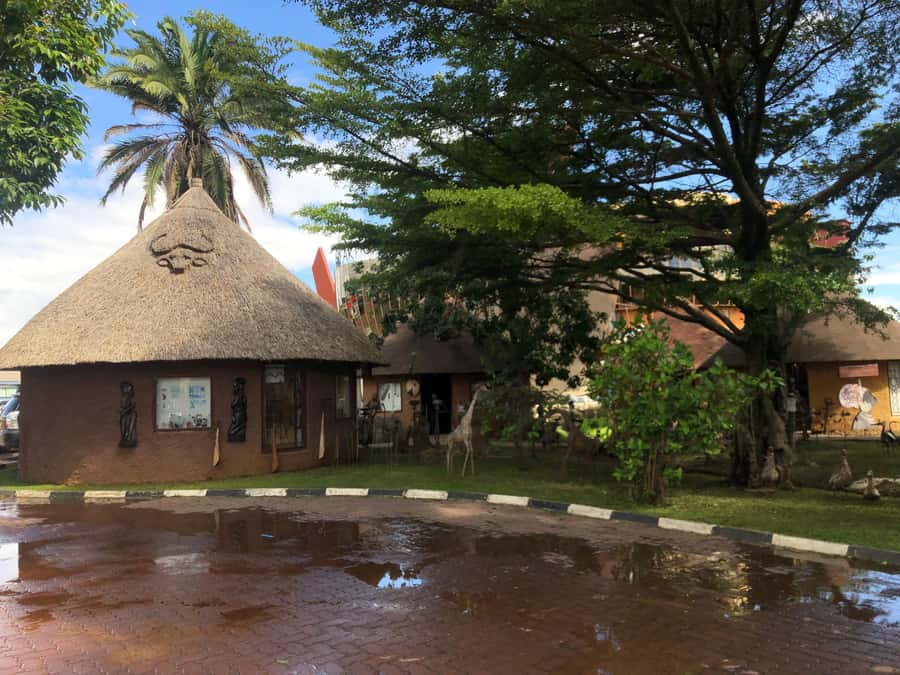
At $29 per person, this is a modestly priced cultural outing. The fee includes hotel pickup and drop-off in Arusha, entry fees, and refreshments.
That package gives the price real value. Transport alone can add cost and effort, especially if you are staying in Arusha and do not want to arrange separate rides. Included admission also means you can focus on the visit instead of calculating extra charges at each stop.
The value depends on what you want from a city tour. If your goal is to see famous outdoor sights, this will not be the right comparison. It is a focused visit to cultural and craft sites. For art lovers, gift shoppers, and people curious about Tanzanite, the included parts make the cost easy to justify.
Refreshments are included, though the available information does not specify what they are. Treat them as a useful extra rather than the reason to book.
Because the tour includes shopping-oriented stops, plan your spending separately. The $29 covers the tour package, not any art, jewelry, or crafts you choose to purchase.
Who should book this experience
I would recommend this tour to:
- Art lovers who want African sculptures, masks, paintings, and artifacts in one visit.
- Visitors curious about Tanzanite and the process behind finished jewelry.
- Shoppers searching for handmade gifts with a stronger local connection.
- People who want a simple Arusha activity with hotel transfers included.
- Anyone with a free day before or after a safari.
- Visitors who enjoy meeting artists and learning the story behind their work.
Families and mixed-interest groups could also find a good balance here. One person may prefer the art galleries, another may focus on Tanzanite, and someone else may connect most with the recycled crafts.
I would be less likely to recommend it if you dislike shopping, prefer outdoor scenery, or want a tour built around major historic buildings. The experience is about art, materials, making, and conversation. It is not a broad survey of every part of Arusha.
Small practical details that matter
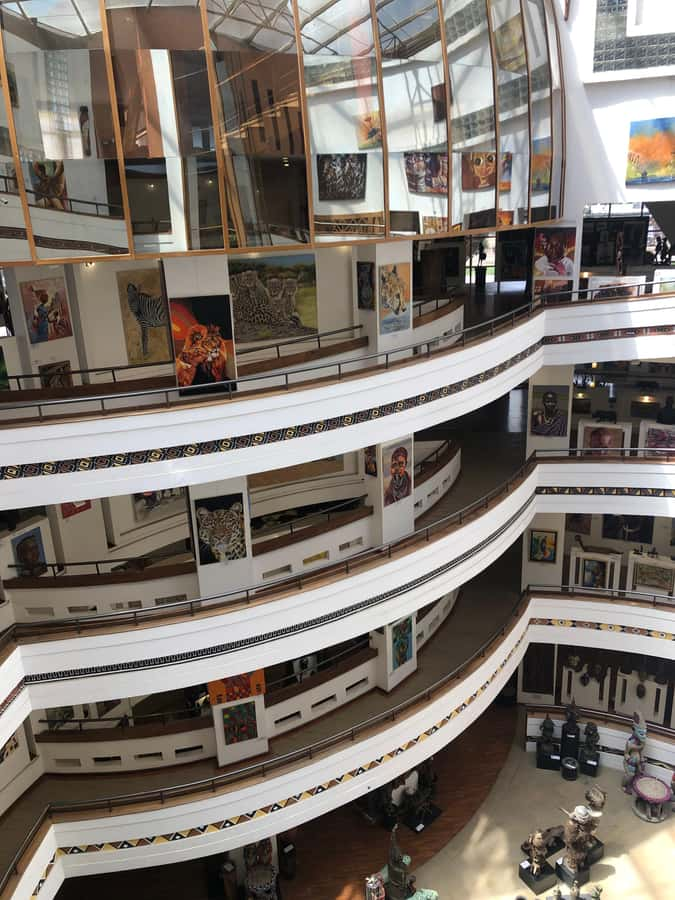
Bring a camera. The galleries, sculptures, masks, jewelry displays, and handmade crafts give you plenty to photograph, subject to any rules at the sites.
Wear something comfortable for walking through galleries and visiting the foundation. The exact duration is not provided, so leave enough room in your schedule rather than booking a tightly timed activity immediately afterward.
Hotel pickup and drop-off are provided in Arusha. Confirm your pickup details when booking, since the information supplied does not name specific hotels or a pickup time.
You can reserve now and pay later, which helps if your safari plans are still shifting. Cancellation is allowed up to 24 hours in advance for a full refund. Those terms are useful when you are coordinating transport, flights, and game drives.
Should you book the Arusha Cultural Heritage and Tanzanite Tour?

Book it if you want a compact cultural experience with three clear themes: African art, Tanzanite, and locally made crafts. The strongest part is the variety. You see gallery work, learn from a Tanzanite specialist, then meet artists with disabilities who make useful goods from recycled materials.
The $29 price is especially fair because hotel transfers, entry fees, and refreshments are included. I would set aside extra money only if you hope to buy jewelry, artwork, or crafts.
Skip it if you want wildlife, scenery, or a fast city highlights tour. For everyone else, this is an easy way to spend time in Arusha while learning about a Tanzanian stone and meeting people who make things by hand.
FAQ
What does the Arusha Cultural Heritage and Tanzanite Tour include?
The tour includes hotel pickup and drop-off in Arusha, all entry fees, and refreshments.
How much does the tour cost?
The price is $29 per person.
Which languages are available?
The tour is available in English and Swahili.
What will I see at the Cultural Heritage Centre?
You can see contemporary and traditional African art, including sculptures, masks, paintings, and artifacts from across the continent.
Will I learn how Tanzanite becomes jewelry?
Yes. A specialist explains how Tanzanite is mined, processed, and made into jewelry, along with its scientific and cultural importance.
What should I bring, and can I cancel?
Bring a camera. You can cancel up to 24 hours in advance for a full refund, and you can reserve your place and pay later.
Just added around Arusha
- From Arusha: 11 days The Classics Northern Tanzania safari★ 5.0 · 11 reviews
- 6-Day Mount Meru Climb through Momella Route Guided Tour★ 5.0 · 5 reviews
- Private Day Trip to Arusha National Park with a Walking Safari★ 5.0 · 4 reviews
- From Arusha : 11-day Amazing North Tanzania safari tour★ 5.0 · 4 reviews
- Walking Day Tour to Safari in Arusha National Park★ 5.0 · 5 reviews
- 2 Days Tanzania Midrange Group Join Safari★ 5.0 · 7 reviews
- Best 5 Days Tanzania Private Luxury Safari with luxury Lodges★ 5.0 · 12 reviews
- Waterfall & Coffee Walking Tour★ 5.0 · 6 reviews
Cultural Tours, compared.
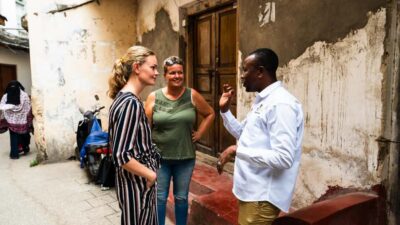
Stone Town Historical Cultural Walking Guided Tour
Read our review →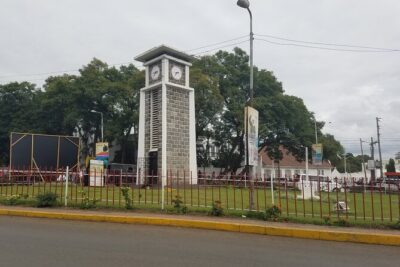
Arusha Guided Walking City Tour, Culture, Lifestyle & History
Read our review →
4h-Quad Explore the Heart and Culture of Nungwi and Kendwa
Read our review →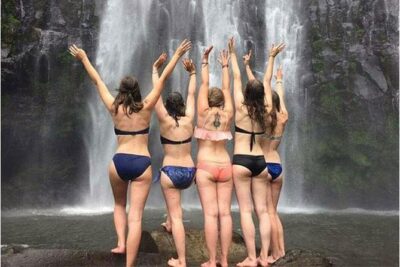
Materuni Waterfalls, Visiting Chagga Village, CoffeeTour Kikuletwa Hotsprings
Read our review →
The Best/Top Rated Cultural City Tour in Dar es Salaam
Read our review →
Mamas of Zanzibar – A Unique Cultural & Culinary Experience
Read our review →
Stone Town Guided Tour: Culture, Slave Market & Spice Market
Read our review →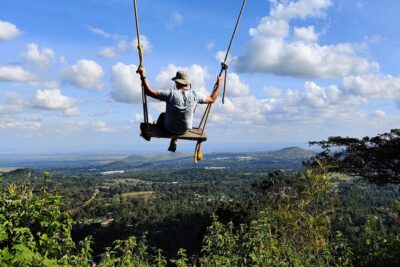
Hidden Arusha Waterfall, Coffee & Village Tour (All-Inclusive)
Read our review →Browse the lists this tour appears in