
Reviewed · RONGAI ROUTE CLIMBS
Mount Kilimanjaro Rongai Route
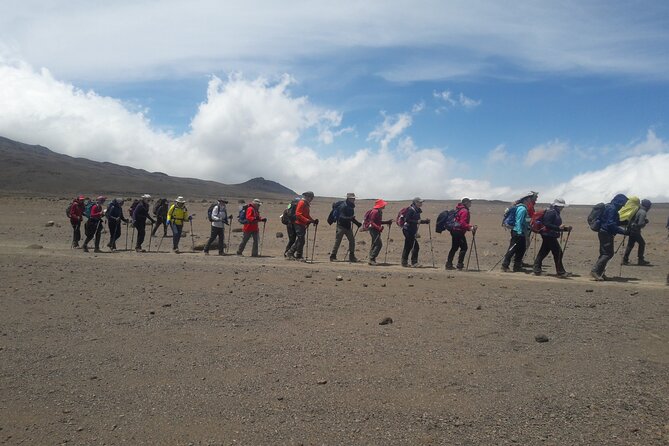
The Rongai Route gives you a quieter way up Mount Kilimanjaro, with pine forest, open moorland, Mawenzi’s sharp volcanic ridges, and a long summit night. I like the extra acclimatization day at Mawenzi Tarn, and I like that the route climbs from the northeastern side before descending through Marangu Gate.
I also like the strong guide support, with guides such as Mndeme, Izadini, Teodori, and Stanley, known as Baba Massive, praised for careful pacing and close attention. The main drawback is the summit day: up to 15 hours of hiking, followed by another long descent, so you need solid fitness and a real tolerance for tired legs.
Key points to know before booking
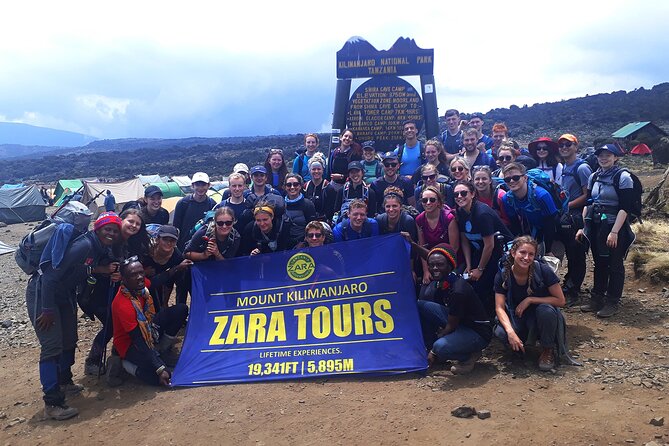
- Seven days with an extra acclimatization day: The fourth day at Mawenzi Tarn gives you more time at altitude before the summit push.
- A quieter approach to Kilimanjaro: The Rongai side feels remote, with pine forests, moorland, and open views toward Mawenzi.
- Summit night begins around midnight: You climb to Gillman’s Point and then Uhuru Peak before descending to Horombo Hut.
- Private group pricing: The $2,700 price covers a group of up to 15 people, rather than charging each person separately.
- Professional mountain support: Guides, porters, cooks, and camp staff handle the practical work while you focus on walking and acclimatizing.
- A different route down: You return through Marangu Gate, giving you two distinct sides of Kilimanjaro in one climb.
Why the Rongai Route is a smart choice for Kilimanjaro
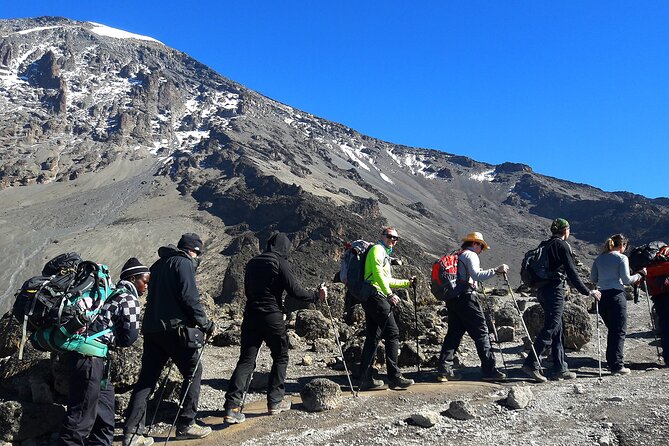
Kilimanjaro is not a technical climb in the mountaineering sense, but it is a serious high-altitude trek. The challenge comes from thin air, long walking days, cold nights, and the final push to 5,895 meters. The Rongai Route handles that challenge with a gradual ascent and an added day at Mawenzi Tarn.
You start on the northeastern side of the mountain, near the Kenya border, and finish on the southern side at Marangu Gate. That change of scenery is one of the route’s best features. You are not simply walking up and back down the same trail.
The route also tends to feel less crowded than some of Kilimanjaro’s better-known approaches. The information supplied for this trip does not promise an empty trail, but the setting is clearly built around pine forest, moorland, wide volcanic views, and a sense of distance from the busy world below.
The trip is private, so only your own group takes part. That matters on a mountain climb. Your guide can pay attention to your pace, mood, hydration, and response to altitude instead of treating the group as one large unit.
More Rongai Route climbs:
- Kilimanjaro climb, Rongai Route (7-day)
★ 5.0 · 40 reviews - Kilimanjaro climb, Rongai Route (6-day)
★ 5.0 · 15 reviews - 6-Day Rongai Route Trek in Mount Kilimanjaro
★ 5.0 · 8 reviews
Day 1: From Moshi to Simba Camp at 2,600 meters
The day begins after breakfast, with a two to three-hour drive toward Rongai Gate. The route passes through farmland and rural villages before you reach the park entrance, register, and begin walking.
Your first hike covers about 8 kilometers and takes three to four hours. The trail rises gently through farmland and pine forest, moving from an ordinary rural setting into the quieter mountain world.
This is a useful first day because the climb is not rushed. You gain altitude from about 1,950 meters to 2,600 meters, but the walking time remains manageable. You might see colobus monkeys along the way, though wildlife sightings are never guaranteed.
Simba Camp is your first overnight stop. You can expect a hot meal and time to settle in. Do not treat this as a throwaway day. The calm pace helps you get used to the rhythm of walking, eating, resting, and drinking regularly.
The practical challenge is the early start and the long transfer before hiking. If you arrive at Kilimanjaro Airport for the listed 7:00 am start, confirm the pickup plan and hotel arrangements in advance. The trip offers pickup, but the exact transfer details should be clear before you arrive.
Day 2: Pine forest, moorland, and Kikelewa Camp
Day two covers about 10 kilometers and takes five to six hours. You climb from 2,600 meters to 3,600 meters, with a steady approach toward Second Cave before continuing into the moorland.
The scenery changes as you go. You leave the lower forest behind and begin to see the more open, exposed side of Kilimanjaro. After lunch at Second Cave, the trail turns toward Mawenzi, one of the mountain’s most striking volcanic peaks.
Mawenzi has jagged ridges and dark rock faces that give the route a wilder feel. This section is less about reaching a landmark and more about watching the mountain change around you. The path becomes smaller, and the sense of isolation grows.
You finish at Kikelewa Camp, set in a sheltered valley near Kikelewa Cave. Giant senecios add an unmistakable high-altitude touch to the scene. The camp sits at a useful height for acclimatization, but you may notice the thinner air during ordinary tasks such as changing clothes or walking around camp.
This is a good day to follow the guide’s pace rather than your own. Walking too quickly at lower elevations can catch up with you later. The best strategy is simple: take small steps, drink often, and save energy for the days ahead.
Day 3: A short, steep climb to Mawenzi Tarn
The third day is shorter, covering about 6 kilometers in three to four hours. It is also steeper. You climb from 3,600 meters to approximately 4,315 meters through grassy slopes toward Mawenzi Tarn.
Mawenzi Tarn is one of the most memorable camps on this route. The site lies below the cliffs of Mawenzi Peak, with dramatic views in several directions. The setting feels much more severe than the forest below, yet the day’s shorter distance gives you time to enjoy it.
After reaching camp, you receive a hot lunch and may take a short acclimatization walk. That extra movement is useful, but it should not become a hard workout. At this elevation, rest is part of the climb, not a sign that you are falling behind.
In the evening, the guide gives a briefing about the next stage. Pay attention here. The following days take you across the Saddle toward Kibo Hut, then into the demanding summit night. A clear understanding of the schedule helps you manage sleep, meals, clothing, and expectations.
A few more Kilimanjaro trips worth comparing
- Kilimanjaro climb by Lemosho Route (7-day)
★ 5.0 · 651 reviews - Kilimanjaro climb, Machame Route (7-day)
★ 5.0 · 262 reviews - Kilimanjaro Climbing Lemosho Route 8 Days.
★ 5.0 · 186 reviews - 8-Day Small-group Lemosho Kilimanjaro Summit Trekking
★ 5.0 · 186 reviews
Day 4: The extra acclimatization day at Mawenzi Tarn
The fourth day is a major reason to consider this itinerary. You remain at about 4,330 meters and hike toward Mawenzi Peak before returning to camp.
The goal is not to climb Mawenzi itself. The hike gives your body more time at altitude before you move higher toward Kibo Hut. This approach can make the final stages more manageable, although no itinerary can remove the risk of altitude sickness or guarantee a summit result.
You should use this day with discipline. Walk enough to help your body adjust, but do not spend the day trying to prove your strength. Drink water, eat what is offered, protect yourself from the sun, and rest when you return.
I like this arrangement because many short Kilimanjaro schedules leave little room for acclimatization. The extra day also gives you a chance to take in Mawenzi’s cliffs and the stark setting around the tarn without rushing through it.
The downside is time. You spend a full day at camp rather than covering new ground. For a mountain climb, that is usually a sensible trade. A slower schedule may feel less exciting on paper, but it gives you a better chance to stay strong for the summit attempt.
Day 5: Across the Saddle to Kibo Hut
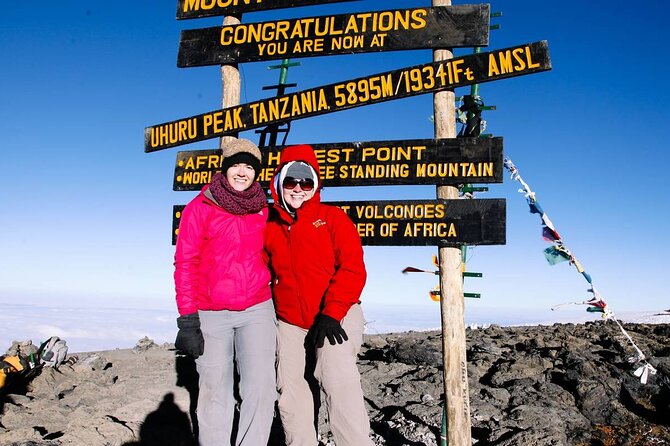
After breakfast, you cross the Saddle, the broad high-altitude area between Mawenzi and Kibo. The walk covers about 8 kilometers and takes five to six hours, rising from 4,315 meters to roughly 4,720 meters.
The terrain becomes barren and lunar in appearance. There are fewer signs of life, less shelter, and little distraction from the mountain ahead. Kibo’s summit dominates the horizon, and the long gradual incline gives you time to think about the night ahead.
This is not the steepest day, but the altitude makes it demanding. The gentle grade can be deceptive. You are walking above 4,000 meters, and even a modest climb can feel slow.
At Kibo Hut, you have an early dinner and receive a detailed summit briefing. The usual plan is to sleep for a short time before waking around midnight. You may not sleep much, but resting quietly still helps.
Pack your summit clothing and headlamp before dinner. Keep essential items close so you do not waste energy searching through your bag in the dark. The provided information does not specify a gear list, so ask Zara for the exact equipment requirements before departure.
Day 6: Gillman’s Point, Uhuru Peak, and Horombo Hut
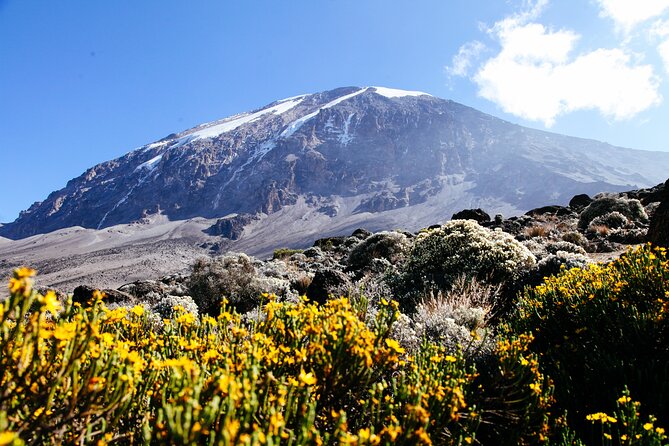
This is the hardest day by a wide margin. You wake around midnight and begin the climb from approximately 4,700 meters toward Gillman’s Point at 5,685 meters.
The ascent usually takes about six hours. The trail is steep, and the cold, darkness, and altitude can make every step feel important. Your guide’s role becomes especially valuable here. The strongest practical praise for Zara’s team concerns attentive pacing, watching for fatigue, and noticing possible signs of altitude problems.
From Gillman’s Point, you continue around the crater rim to Uhuru Peak at 5,895 meters, the highest point in Africa. If the weather is clear, sunrise over the continent can be extraordinary. If clouds move in, the achievement still matters, but the views may be limited.
The summit section is not a place to race. Move slowly, follow the guide, and tell the guide how you feel. Reaching Gillman’s Point is already a major effort, and the final stretch to Uhuru Peak still requires energy.
After celebrating at the summit, you descend to Kibo Hut for a short rest. Then you continue to Horombo Hut, finishing a 22-kilometer day that can take 12 to 15 hours.
This schedule is the biggest physical warning in the entire trip. You do not simply reach the summit and relax. You must descend for several more hours. That is why the previous acclimatization day and careful pacing matter so much.
Day 7: Descent through Marangu Gate
The final day covers about 20 kilometers and takes six to seven hours. You descend from Horombo Hut at 3,720 meters through moorland and rainforest toward Marangu Gate at about 1,830 meters.
The descent can feel easier because you are going lower, but it still puts strain on tired knees and feet. Use trekking poles if you have them, take care on loose ground, and do not rush simply because the summit is behind you.
Reaching Marangu Gate marks the end of the walking portion. You receive a summit certificate before returning to Springlands Hotel in Moshi. A hot meal, shower, and bed will feel well earned after the long mountain schedule.
Zara can also help arrange a safari or a Zanzibar stay after the climb. That option is useful if you want to turn the mountain trip into a longer Tanzania holiday, though those additions are separate from this seven-day experience.
Guides, porters, food, and camp support
The human support can make or break a Kilimanjaro climb. The supplied feedback gives particular attention to guides named Mndeme, Izadini, Teodori, also called Tido, Stanley, known as Baba Massive, Kabilla, Amani, and Selemani.
You are not guaranteed to receive one of those guides, so confirm your assigned team before the climb. Still, the repeated pattern is clear: Zara places strong emphasis on guide attention, route planning, and practical care at altitude.
The support team can include mountain guides, porters, cooks, and camp staff. One account described a large support crew handling meals and camp service for a much larger climbing party. That specific staffing level should not be assumed for your group, but it shows the type of organized operation Zara can provide.
Food is another strong point. A two-course dinner at about 4,500 meters was specifically praised, which is no small matter. At altitude, warm meals and regular eating help you maintain energy when appetite may fade.
You should still bring personal snacks you know you can eat during long walking days. The supplied details do not state which meals, drinks, or snacks are included, so ask for a full inclusions list before paying.
What $2,700 per group really means
The price is $2,700 per group of up to 15 people. If you fill the group, the cost works out to about $180 per person. For a smaller private party, the per-person cost rises.
That pricing can offer good value if you want a private climb with transport, park access, mountain staff, food, camps, and post-climb support included. The price is less attractive if you are traveling alone or with only one companion, so compare the total group cost with per-person rates from other operators.
The real value is not only the park entry or the number of hiking days. You are paying for route logistics, trained mountain staff, food preparation at high altitude, porters, camp movement, and the planning needed to move a group safely from one side of Kilimanjaro to another.
Ask for a written list of inclusions before booking. The supplied information confirms admission tickets, pickup availability, a private group, and the seven-day program, but it does not spell out every detail of equipment, tips, airport transfers, or hotel nights.
Who should choose this climb
This route suits you if you want a quieter approach, varied scenery, and a slower seven-day schedule with an extra acclimatization day. It is also a good fit if you value close guide support and prefer a private group rather than joining a mixed party.
You need moderate physical fitness, but you should not confuse that phrase with an easy holiday. The summit day lasts up to 15 hours, and the final day adds another 20 kilometers of descent. Regular hill walking, long day hikes, and practice with your boots will help.
This is not the best choice if you want a relaxed mountain vacation, dislike early starts, or have little patience for cold nights and basic camp routines. The route is beautiful, but it asks for effort every day.
You can cancel for a full refund if you do so at least 24 hours before the local start time. Changes made within 24 hours are not accepted, so check your flight and pickup plans carefully.
Should you book the Rongai Route with Zara?
I would choose this climb if you want the Rongai to Marangu route combination, a private group, and a schedule that takes acclimatization seriously. The extra day at Mawenzi Tarn is a practical advantage, not filler.
Zara also appears strongest where a Kilimanjaro operator needs to be strongest: guide attention, camp organization, meals, and support during the summit push. Names such as Mndeme, Izadini, Tido, and Stanley are worth asking about when you confirm your booking.
Book it if you are ready for the long summit night and understand that the price is per group, not per person. Before paying, confirm pickup timing, assigned guides, inclusions, gear requirements, hotel nights, and porter arrangements. If those details suit your plans, this is a well-structured way to climb Africa’s highest peak without repeating the same route in both directions.
FAQ
How long is the Mount Kilimanjaro Rongai Route experience?
The scheduled duration is approximately seven days.
Where does the climb start?
The meeting information lists Kilimanjaro Airport in Kilimanjaro National Park, Tanzania, with a start time of 7:00 am. Pickup is offered.
How much does the climb cost?
The price is $2,700 per group, for up to 15 people.
Is this a private tour?
Yes. Only your group participates in the activity.
What fitness level is required?
A moderate physical fitness level is required. The longest day includes about 22 kilometers of hiking and descent and can last 12 to 15 hours.
Does the itinerary include an acclimatization day?
Yes. Day four is an extra day at Mawenzi Tarn, with a hike toward Mawenzi Peak before returning to camp.
What is the cancellation policy?
You can cancel at least 24 hours before the local start time for a full refund. Cancellations or changes made less than 24 hours before the start are not accepted.
Just added around Kilimanjaro
- 6 days Machame route climbing Mt.Kilimanjaro★ 5.0 · 8 reviews
- machame route★ 5.0 · 16 reviews
- Mt Kilimanjaro 6 days Marangu route hike★ 5.0 · 3 reviews
- Private Cycle to Kilimanjaro Bike Park Safari★ 5.0 · 6 reviews
- West Kilimanjaro cycling Adventures★ 4.5 · 8 reviews
- Kilimanjaro Climb • Marangu Route ~ 9 Day★ 5.0 · 4 reviews
- 3 Days Private E-Bike Tour in West Kilimanjaro★ 5.0 · 3 reviews
- Kilimanjaro Climb • Machame Route ~ 10 Day★ 5.0 · 6 reviews