
Reviewed · GREAT MIGRATION SAFARIS
Great Migration Safari In Tanzania
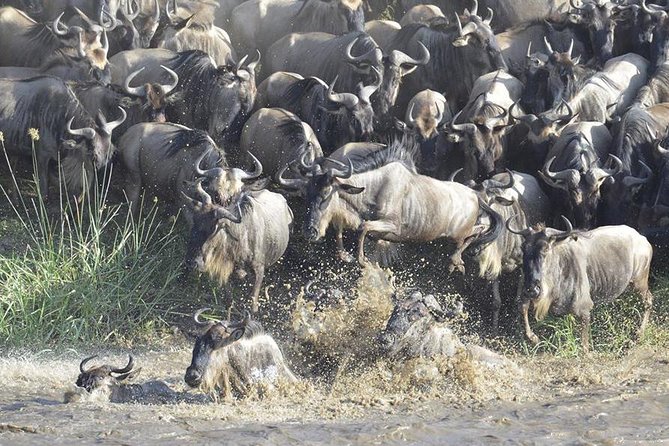
The main draw here is the chance to follow the Great Migration in northern Serengeti, where wildebeest gather near the Mara River from July through October. You also get two full days in that region, rather than rushing through it in a single game drive.
I like the private 4×4 format, since your group can set the pace and ask the guide to spend more time with a pride of lions, elephants, or a river crossing. I also like the route itself: Tarangire brings huge elephant herds and baobabs, central Serengeti is strong for cats, and Ngorongoro adds a compact final wildlife show.
The main caution is the pace. Several days include seven to ten hours in the vehicle, and the transfer from Kilimanjaro Airport to Karatu is described as about two hours. Ask for the exact driving plan, lodge locations, and what is included in the $3,900 price before paying, since accommodation and meals are not fully itemized here.
Key Points at a Glance
- Two days in northern Serengeti: The itinerary gives you a proper chance to search for the migration near Lobo, Bologonya, and the Mara region.
- Private safari vehicle: Only your own group participates, with a 4×4 Land Rover or Toyota Land Cruiser and a professional guide.
- A strong big-cat route: Central Serengeti is known for lion, cheetah, and leopard sightings, while Ngorongoro has a high concentration of animals.
- Tarangire adds variety: Expect elephant herds, giant baobab trees, and good predator potential before reaching the Serengeti.
- Guides with strong individual reputations: Jackson, Thomas, Ismail, Evarest, and Samwel are among the guides praised by people who used this operator.
- A seven-day schedule with long drives: It covers a lot, but you should be comfortable spending full days on rough park roads.
What This Seven-Day Safari Is Really Designed To Do
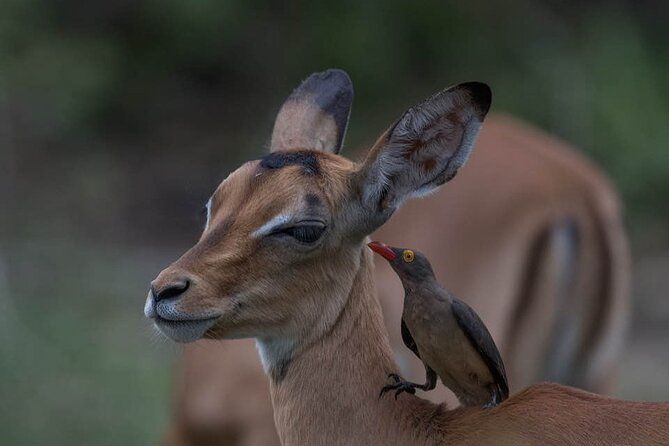
This is a classic northern Tanzania circuit with one clear priority: finding the Great Migration while still seeing the country’s other major wildlife areas. The route links Tarangire, northern Serengeti, central Serengeti, and Ngorongoro, with Karatu used as a base at the beginning and near the end.
The safari is private and tailor made. That matters more than it may sound. You do not have to fit into the timetable of a larger bus, and you can discuss your interests with the guide. If your group cares most about birds, elephants, big cats, photography, or the migration, tell the operator before departure.
The price is $3,900 per person. That is a serious amount, but private guiding, a dedicated 4×4, park access, and several days in the Serengeti can make the cost reasonable for a small group. The value depends heavily on the accommodation, meals, airport transfers, and park fees included in your final booking. Get those details in writing.
Savannah Explorers has been associated with guides such as Jackson, Thomas, Ismail, Evarest, and Samwel. Individual guide quality can shape a safari more than almost anything else, so ask who is likely to lead your trip and whether the guide is experienced in northern Serengeti migration work.
More Safaris in Kilimanjaro
- 6 Days Tanzania Classic Safari
★ 5.0 · 52 reviews - 6-day Private Camping Safari Tour from Kilimanjaro Airport
★ 5.0 · 27 reviews - Kilimanjaro bike park safari
★ 5.0 · 16 reviews
Day One: Kilimanjaro Airport to Karatu
The trip starts with pickup at Kilimanjaro Airport at about 7:00 in the morning. You then transfer by private car to Karatu for the first overnight stay.
The stated transfer time is about two hours. If your arrival schedule allows, you can stop at a local market on the way. Otherwise, the sensible plan is to reach the lodge, rest, and prepare for the early start into Tarangire the next day.
Karatu is a practical base for the northern safari circuit. This first day is not a wildlife day, so keep your expectations modest. It is mainly about getting out of the airport zone and into the safari rhythm without adding an unnecessary park visit after a long flight.
One practical point: the material for this trip names Manyara among the destinations, but the day-by-day plan provided here visits Tarangire instead. Confirm the final route before departure if Lake Manyara is important to you.
Day Two: Tarangire’s Elephants and Baobabs
After breakfast, you drive about an hour from Karatu to Tarangire National Park for a full game drive with a picnic lunch. The day is listed at roughly seven hours, which gives you time to explore rather than simply pass through.
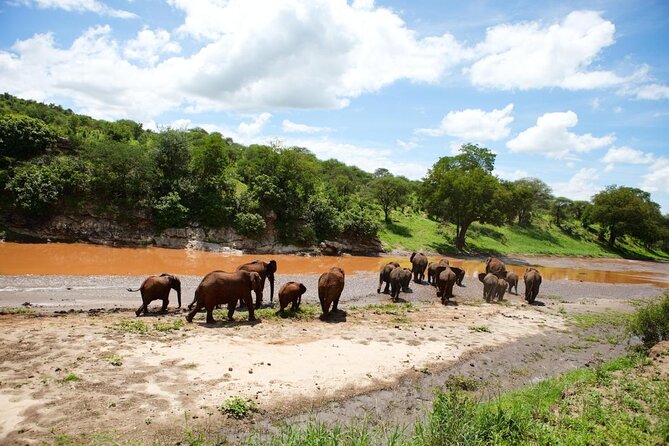
Tarangire is a fine opening park because it looks and feels different from the Serengeti. Large elephant herds and enormous baobab trees are the signature sights. The park is also noted for predators, so you are not limited to watching herbivores.
The river is central to the park’s wildlife appeal. Animals gather around water, particularly when other parts of the park are dry. That can make Tarangire a productive place for a first look at elephants and other animals before the trip shifts toward the wide plains.
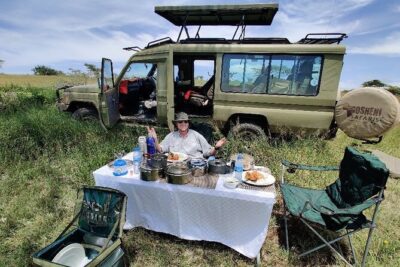
The picnic lunch keeps the day moving, but it also means you spend most of the day outdoors and in the vehicle. Bring sun protection, water, and a light layer. A game drive is not a hop-on, hop-off sightseeing tour. Some stretches are quiet, and the reward comes from letting the guide read the signs and search carefully.
Day Three: Crossing Ngorongoro Toward Northern Serengeti
After breakfast, you leave Karatu and pass through the Ngorongoro Conservation Area on the way to Serengeti. The stated transfer to the northern Serengeti area is about three hours, followed by game driving toward Lobo, Bologonya, and the Mara region.
This is one of the most important days of the trip because you are moving into the migration zone. From July through October, the herds are expected to gather in northern Serengeti before attempting to cross the Mara River, where crocodiles wait.
The wording looking for the Great Migration is important. Wildlife sightings cannot be guaranteed, and the herds move constantly. You may find large groups of wildebeest, but the exact place and timing of a river crossing are beyond any guide’s control.
Still, two nights in northern Serengeti improve your odds. You are not merely passing through on the way to another park. The itinerary gives the guide time to search the Lobo, Bologonya, and Mara areas, which is the right approach for a moving event.
This day is listed at about eight hours. Expect a mix of driving and game viewing, with changing scenery as you leave the crater area and enter the Serengeti.
More wildebeest migration trips in Kilimanjaro:
- 8 Days Great Wildebeest Migration – Mara River Crossing
★ 5.0 · 28 reviews - 7 Days Wildebeest Migration – Ndutu Calving Season
★ 5.0 · 18 reviews - 6 Days Mara River Crossing – The Great Migration
★ 5.0 · 5 reviews - 6- Day Adventure Lodge safari to see Migration
★ 4.5 · 5 reviews
Day Four: A Full Search for the Migration
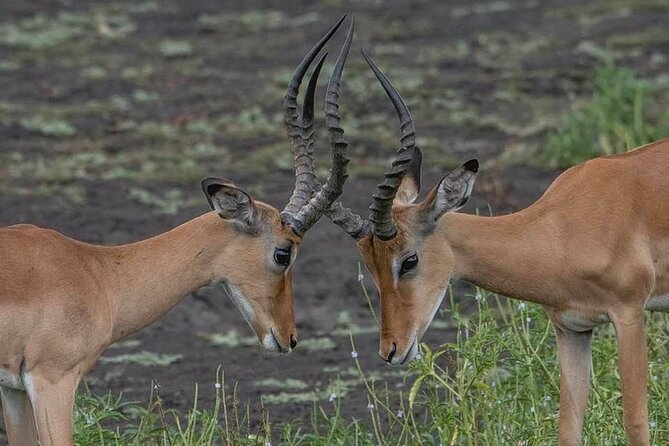
Day four is the dedicated northern Serengeti day, with up to ten hours of game driving. This is the trip’s best chance to focus entirely on the migration without a major transfer between parks.
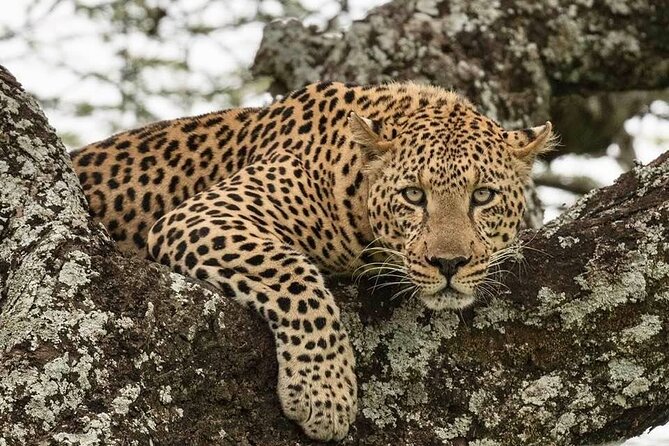
The northern Serengeti is not only about wildebeest. The same plains and river areas can bring sightings of crocodiles, lions, cheetahs, leopards, and other animals. Your guide’s ability to communicate with other drivers and read animal behavior can make a big difference here.
Guides named by past customers include Samwel, Jackson, Thomas, and Ismail. The operator does not promise a particular guide in the information provided, so ask before booking. If your main goal is the migration, also ask how many nights will actually be spent near the Mara area rather than in another part of the park.
Ten hours in a safari vehicle is a long day. It can be thrilling if a crossing is developing, but tiring if the herds are distant or the roads are rough. A private vehicle helps because you can discuss when to continue searching and when to stop for a break.
Day Five: Northern Serengeti to the Central Plains
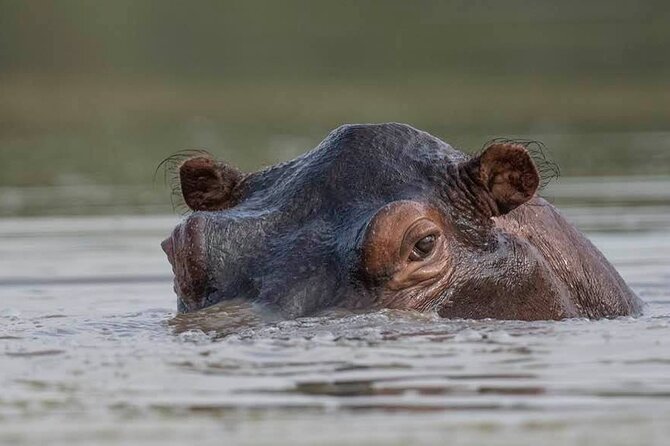
After breakfast, you leave the northern Serengeti and travel toward central Serengeti, with about three hours of transfer time included in a ten-hour game-drive day.
This is a smart change of focus. The migration is the headline event, but central Serengeti is one of Tanzania’s best areas for predators. The plains support lions and other cats, and the park’s broad views make it easier to scan for movement.
The route passes through the famous Serengeti setting near Naabi Gate, described as a boundless plain. That open view helps explain why the park is so special. You can see why the Serengeti works so well for wildlife watching: there is room to spot animals at a distance, then follow the guide’s instructions to approach responsibly.
The drawback is another long day. You may spend several hours moving between regions, so this is not a slow, stationary wildlife day. It is best for people who would rather cover more ground than settle into one camp for several nights.
Day Six: Ngorongoro Crater’s Concentrated Wildlife
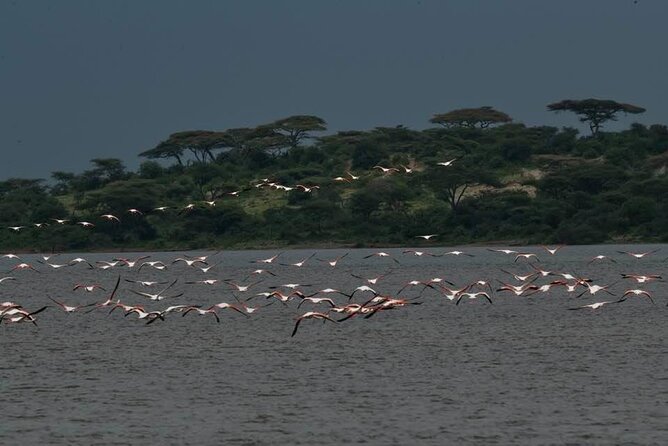
After breakfast, you drive about two hours from Serengeti to the Ngorongoro Conservation Area. The main activity is a crater descent and game drive with a picnic lunch, lasting about seven hours.
Ngorongoro Crater is a dramatic contrast to the open Serengeti. Animals are concentrated within the crater, so you can often see a great deal in a relatively compact area. The setting also gives the day a strong visual finish, with steep crater walls surrounding the wildlife below.
The conservation area is not only a wildlife park. Maasai people and their livestock live alongside wild animals there, making it a place where conservation and daily life meet. You should treat local communities and livestock with respect and listen to your guide about appropriate conduct.
A crater visit is a strong choice near the end of a safari because it does not require the same long search across open plains. That does not mean every animal is guaranteed, but it can feel more concentrated and easier to follow than the previous days.
The seven-hour schedule also gives you a slightly shorter day after two ten-hour drives. You will still spend much of it in the vehicle, but the pace is easier to manage.
Day Seven: Karatu to Arusha or Kilimanjaro Airport
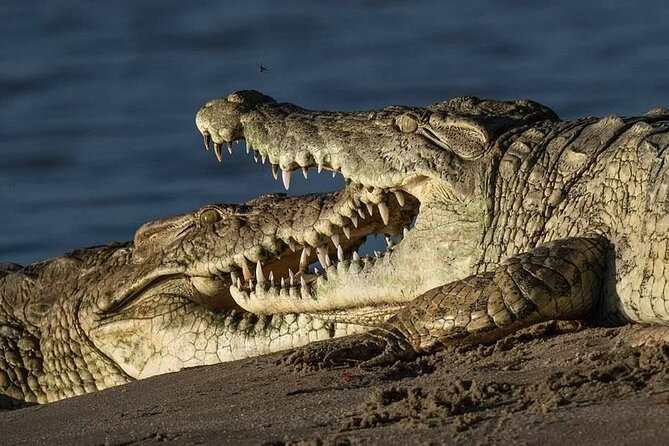
The final morning is flexible. You can relax at the lodge or shop if time permits, then transfer toward Arusha or Kilimanjaro Airport. The stated transfer time is two to three hours.
This flexibility is useful if your flight is later in the day. It is less useful if you have a tight international departure, so confirm the exact drop-off plan before booking flights. The tour ends back at the meeting point.
The airport transfer is described as returning to Kilimanjaro, but Arusha is also listed as an option. Make sure your final destination matches your ticket and that the operator knows your flight time.
Vehicles, Guides, and Comfort
You travel in a 4×4 Land Rover or Toyota Land Cruiser. That is the right kind of vehicle for Tanzania’s park roads, where comfort depends on suspension, seating, and how many hours you spend driving.
Because the safari is private, only your group participates. This gives you more control over stops and makes the trip a better fit for couples, families, and small groups with shared interests.
The guide is central to the experience. Past customers have singled out Jackson, Thomas, Ismail, Evarest, and Samwel for their patience, animal knowledge, language skills, and ability to find wildlife. Thomas was praised for being warm and attentive, while Jackson was associated with strong family trips and language support in Italian. Evarest was described as especially capable with animal spotting.
Those names do not guarantee who will lead your departure. Ask the office directly. A good guide should explain what you are seeing, manage long driving days, and set realistic expectations about migration sightings.
Is $3,900 a Fair Price?
At $3,900 per person, this is not a budget safari. You are paying for a private trip, a professional guide, a dedicated 4×4, multiple park areas, and a route aimed at the Great Migration.
The strongest value comes from the two northern Serengeti days. If seeing the migration is your main goal, this is more useful than a standard circuit that gives northern Serengeti only a quick stop.
The price is harder to judge because the supplied details do not spell out every accommodation, meal, park fee, or transfer cost. Ask these questions before booking:
- Which lodges and tented camps are included?
- Are breakfast, lunch, and dinner included each day?
- Are all park fees and crater fees included?
- Is airport pickup and return included?
- Is the quoted price based on two people sharing a room and vehicle?
- What happens if your flight times require an extra night?
The operator offers group discounts, so larger families or friends traveling together should ask for a revised per-person rate. The trip is also described as fully tailor made, which may allow you to adjust the route, though the cancellation terms are strict: the experience is non-refundable and cannot be changed after booking.
Who Should Book This Safari?
I would choose this trip if you want a private, wildlife-focused week with the migration as the main event. It suits couples, families, honeymooners, and small groups who value a dedicated vehicle and direct contact with one guide.
It also works well for people who want the major northern Tanzania highlights in one trip. Tarangire, Serengeti, and Ngorongoro each offer a different type of wildlife experience, so the route does not feel like seven days in the same park.
I would be more cautious if you dislike long drives, rough roads, or early starts. The schedule includes several seven-to-ten-hour days, and migration sightings depend on timing and animal movement. You should also clarify the Manyara versus Tarangire discrepancy and confirm every cost before committing the $3,900.
Should You Book It?
Book this safari if you want a private northern Tanzania circuit with two full days set aside for the Great Migration. The route offers good variety, the guide names connected with the operator have received strong praise, and the private format gives you more say over the pace.
Before booking, confirm the assigned guide, accommodation, inclusions, airport plan, and exact park schedule. If those details suit you, this is a strong choice for a first Tanzania safari, especially from July through October when northern Serengeti is the trip’s central attraction.
FAQ
Where does the safari start?
The safari starts at Kilimanjaro Airport in Tanzania, with pickup listed for around 7:00 in the morning.
Where does the safari end?
It ends back at the meeting point, with transfer to Arusha or Kilimanjaro Airport listed on the final day.
How long is the safari?
The experience lasts approximately seven days.
Which parks and areas are included?
The detailed schedule includes Tarangire National Park, northern Serengeti, central Serengeti, Ngorongoro Conservation Area, and Ngorongoro Crater. Manyara is named among the destinations, but no separate Manyara visit appears in the day-by-day plan.
Is this a private tour?
Yes. Only your group participates in the activity.
What type of vehicle is used?
The safari uses a 4×4 Land Rover or Toyota Land Cruiser.
When is the best period in this itinerary for the Great Migration?
The itinerary identifies July through October as the summer period when herds move north and gather before the Mara River crossing.
How much does the safari cost?
The listed price is $3,900 per person. Group discounts are offered.
Can the booking be cancelled or changed?
No. The experience is non-refundable and cannot be changed for any reason after booking.
Just added around Kilimanjaro
- 6 days Machame route climbing Mt.Kilimanjaro★ 5.0 · 8 reviews
- machame route★ 5.0 · 16 reviews
- Mt Kilimanjaro 6 days Marangu route hike★ 5.0 · 3 reviews
- Private Cycle to Kilimanjaro Bike Park Safari★ 5.0 · 6 reviews
- West Kilimanjaro cycling Adventures★ 4.5 · 8 reviews
- Kilimanjaro Climb • Marangu Route ~ 9 Day★ 5.0 · 4 reviews
- 3 Days Private E-Bike Tour in West Kilimanjaro★ 5.0 · 3 reviews
- Kilimanjaro Climb • Machame Route ~ 10 Day★ 5.0 · 6 reviews
Great Migration Safaris, compared.
8 Days Great Wildebeest Calving Migration Safari from Arusha
Read our review →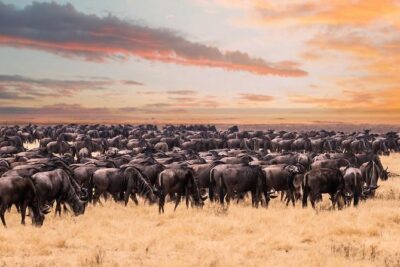
8 Day Spectacular Migration Serengeti mid -Range Tanzania Safari
Read our review →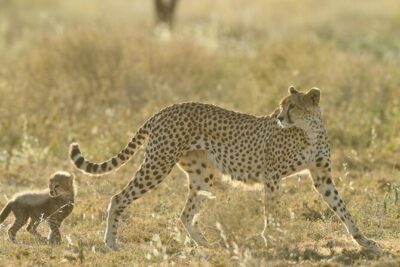
Private 6-Day Great Migration Ndutu Serengeti Safari Tour
Read our review →
6 Days Tanzania Budget Camping Safari with Migration
Read our review →10-Day Wildebeest Migration Calving Safari -All Inclusive
Read our review →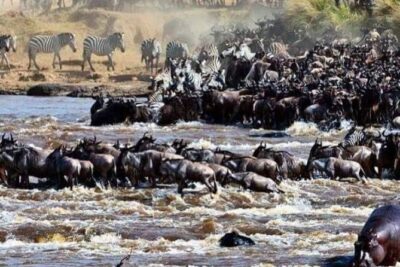
8 Days Great Wildebeest Migration – Mara River Crossing
Read our review →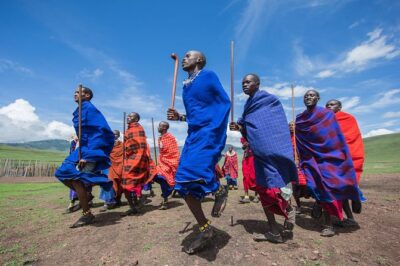
Tanzania Safari – The Great Migration in the North of the Serengeti and Lake Natron
Read our review →
5-Days Private Serengeti Wildebeest Migration Lodge Safaris
Read our review →Browse the lists this tour appears in