
Reviewed · GREAT MIGRATION SAFARIS
Private 6-Day Great Migration Ndutu Serengeti Safari Tour
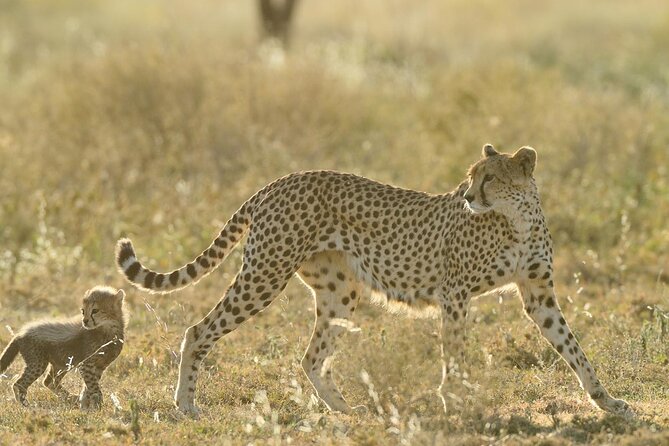
The main event here is the wildebeest calving season at Ndutu, where huge herds gather on short grass from December through April. January is the key month: in a short period, roughly half a million calves may be born, while lions, cheetahs, hyenas, and other predators wait nearby.
I like the private format, which gives you more room for wildlife stops and questions than a large coach tour. I also like the range of habitats, from Tarangire’s elephant country to Ngorongoro’s enclosed crater and Manyara’s bird-filled wetlands. The catch is timing: visit outside the migration window and Ndutu loses much of its special purpose.
Key points to know before booking
- Ndutu is the reason to choose this safari: The strongest migration action usually occurs from December through April, with peak calving often around January.
- Four major wildlife areas are included: Tarangire, Ndutu and the southern Serengeti, Ngorongoro Crater, and Lake Manyara.
- It is a private activity: Only your group takes part, with a personal safari guide and pickup offered.
- The route covers plenty of ground: Expect long drives between parks, not a relaxed lodge-based holiday.
- Guide quality matters here: Guides named in guest accounts include Shafino, Gilbert, Ozzie, Goodluck, Evans, David, Gama, Luther, Meck, Sahele, and Frederick.
- The price is $2,827 per person: That can be fair for a private six-day safari, but confirm exactly what lodging, meals, park fees, and transfers are included before paying.
Why Ndutu makes this six-day route special
Ndutu sits in the Ngorongoro Conservation Area, but ecologically it belongs to the wider Serengeti system. That distinction matters. You are not simply visiting a single park. You are following an animal movement across a large area shaped by rain, grass, water, and timing.
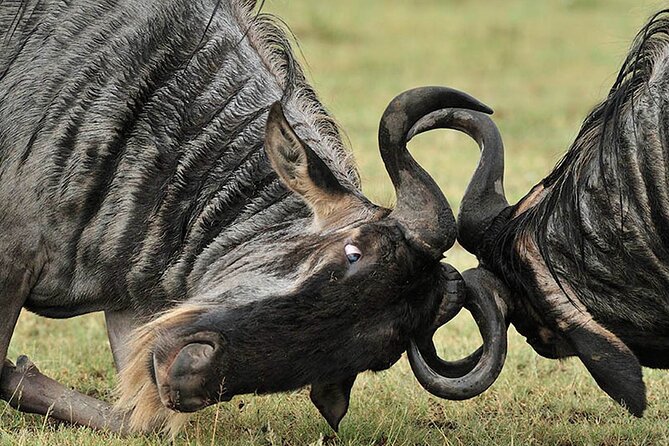
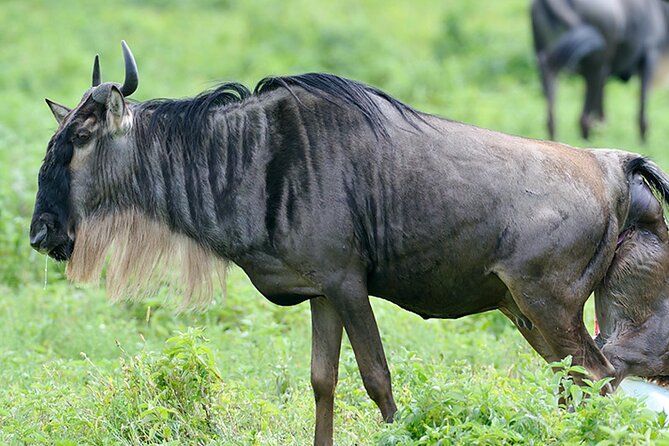
From December to April, the short-grass plains around Ndutu can hold a huge portion of the wildebeest migration. Zebra move among the herds, and the open grass gives you broad views of animals spread across the plain. The scenery can look almost empty at first, then a line of wildebeest appears, followed by hundreds more.
January is especially dramatic because the young are born in a concentrated period of about three weeks. A newborn wildebeest can run within minutes and becomes much stronger within a few days. That speed is essential here, since the open plain offers little cover from predators.
I would choose this trip for the migration season, not simply because it includes the name Serengeti. The southern Serengeti is a fine destination at other times, but this particular route earns its price when the herds are actually in the Ndutu area.
More Great Migration Safaris in Serengeti
- 10-Day Serengeti Wildebeest Migration Safari from Arusha
★ 5.0 · 218 reviews - 8 Day Spectacular Migration Serengeti mid -Range Tanzania Safari
★ 5.0 · 161 reviews - 9-Day Serengeti Migration Footsteps Tanzania Safari
★ 5.0 · 96 reviews
Day 1: A useful Arusha arrival night
The first day is simple. A Lion King representative collects you from the airport and takes you to accommodation in Arusha, where you spend the night before the safari begins. Arusha Planet Lodge is named as the overnight stop.
This night has practical value. International flights, airport transfers, and a safari departure do not always line up neatly, so having a first night in Arusha gives you time to rest and prepare. It also means you do not begin the main route tired from a long flight.
The meeting point is listed as Mount Meru Hotel on Arusha-Taveta Road in the Sekei area of Arusha. The activity ends back at the meeting point, although airport transfers are also offered according to the tour details. Ask the operator to confirm your exact pickup and return arrangements.
Do not expect much wildlife on this first day. Think of it as a staging night, not a sightseeing day.
Day 2: Tarangire and its elephant country
The safari proper begins with a morning pickup from your Arusha accommodation. The road crosses Maasai country, with scattered acacia trees, villages, bicycles, donkey carts, cattle, and people in colorful clothing along the roadside.
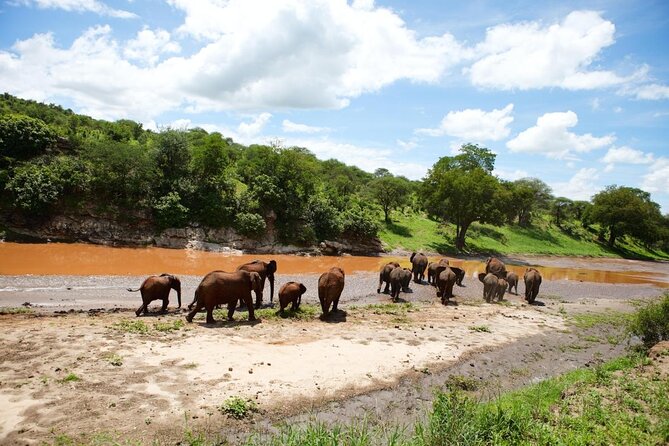
Tarangire National Park is a strong first stop because it feels different from Ndutu and the Serengeti. The park is known for large elephant herds, seasonal swamps, open grass, acacia country, and the Tarangire River. The river helps draw animals together, especially when other water sources are less reliable.
From the open roof of the safari vehicle, you may see zebra and other plains animals, along with elephants. The tour description also points to a broad mix of wildlife, though sightings are never guaranteed. Your guide’s ability to read animal behavior and communicate with other vehicles can make a real difference.
This is an approximately eight-hour day, including the drive from Arusha and the park visit. That is manageable, but it is not short. You will spend much of the day seated in the vehicle, often on uneven park roads. The reward is variety: Tarangire gives you a proper wildlife day before the trip turns toward the migration.
Day 3: Driving into the Ndutu region
After breakfast, you drive toward Lake Ndutu, with the journey taking about three hours according to the supplied schedule. The route crosses the Rift Valley area and reaches an alkaline lake surrounded by several types of habitat.
The lake itself is not the whole attraction. Ndutu includes woodland, wetlands, soda lakes, and short-grass plains, so the wildlife experience can change within a single game drive. Depending on recent rain and animal movement, you might find the herds spread across the grass or gathered in denser groups.
The afternoon is given to a game drive before dinner and overnight accommodation. This is your first serious chance to look for the migration, and the timing is useful. Animals are often more active later in the day, although sightings depend on conditions and luck.
The three-hour transfer is reasonable by safari standards, but it is still part of a full driving day. Pack water, sun protection, and anything that helps you stay comfortable in the vehicle. The route is about reaching the animals, not getting there quickly.
More Private Tours in Serengeti
- serengeti, ngorongoro & tarangire 5days private tour
★ 5.0 · 77 reviews - Full-Day Private Serengeti Safari from Mwanza
★ 5.0 · 47 reviews - serengeti, ngorongoro & tarangire 4 days private tour
★ 5.0 · 18 reviews - 4 Days Tanzania Private Safari | Serengeti , Ngorongoro & Tarangire Safari
★ 5.0 · 16 reviews
Day 4: A full day among the herds
Day four is the heart of the trip. After breakfast, you spend the full day exploring Ndutu, moving through swamps, woodland, soda lakes, and the short-grass plains.
This is where the private format pays off. You can ask your guide to explain animal behavior, stop for photographs when something unusual appears, and spend more time watching a scene rather than rushing through a fixed group schedule. The guides praised for their driving and animal-spotting skills include Shafino Dominick, Gilbert, Ozzie, Goodluck, Evans, David, Gama, Luther, Meck, Sahele, and Frederick. You will not necessarily be assigned one of these individuals, so confirm your guide if that matters to you.
The calving season brings both tenderness and tension. You may see very young wildebeest, adults moving in long lines, zebra grazing nearby, or predators watching from the edge of the herd. The open grass makes sightings possible over a wide area, but it also means that action may unfold far from the vehicle.
The word may matters. No safari can promise a birth, a hunt, a river crossing, or a particular predator. One account describes seeing wildebeest cross a river in Ndutu in February, but that is a lucky event, not a scheduled feature. Go for the setting and the chance of witnessing something remarkable, not a checklist.
A full day in the same region also means less packing and unpacking. That is a welcome change after the longer transfers.
Day 5: From the Serengeti toward Ngorongoro
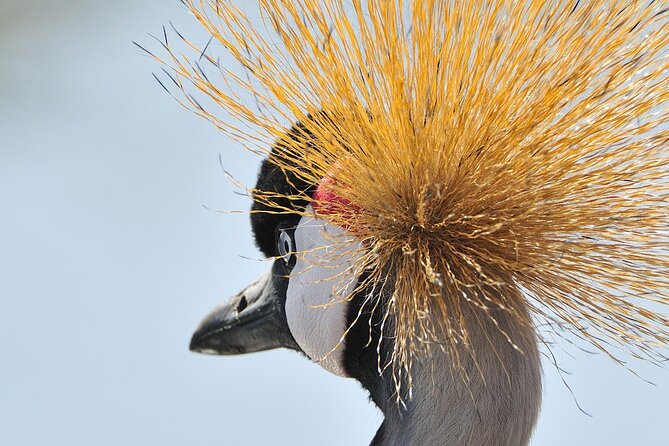
After breakfast, the route continues with an en-route game drive through the Serengeti before heading toward the Ngorongoro Conservation Area. You may still have chances to look for big cats and other large animals along the way.
Ngorongoro Crater is one of Tanzania’s great natural spectacles. The volcanic crater is about 610 metres deep and covers roughly 304 square kilometres. Its enclosed setting supports a high concentration of animals, with an estimated 25,000 ungulates in the crater.
The drive reaches the crater rim before lunch. The first view down into the bowl is one of the strongest scenic moments on this route. From above, the crater looks almost self-contained, with open grass, forested areas, and a large floor holding wildlife below.
The description refers to the crater’s excellent game viewing and to the possibility of seeing the Big Five. It does not clearly state how much time is spent on the crater floor, so ask for the exact plan before booking. That detail matters. A rim viewpoint and a full crater game drive are very different experiences.
This is another roughly eight-hour day. You get an impressive change of scenery, but the schedule is active and road time is substantial.
Day 6: Lake Manyara’s birds, forest, and cliffs
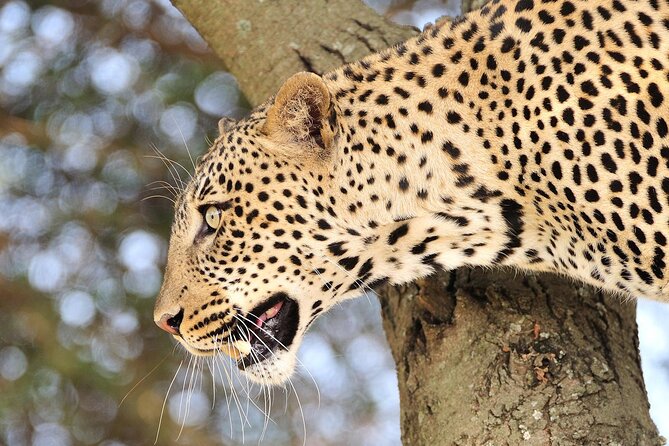
The final wildlife stop is Lake Manyara National Park, about 120 kilometres west of Arusha. The park is smaller than Tarangire or Serengeti, yet it packs several habitats into a compact area.
The shallow alkaline lake covers around 70 percent of the park at some stages of the season. It floods and dries, drawing large numbers of flamingos and supporting an extraordinary range of birdlife, with about 500 bird species recorded in the supplied information.
You may also see monkeys, giraffes, zebra, wildebeest, buffalo, elephants, and possibly lions in trees. The park’s scenery changes quickly, from open grassy areas to primate-filled woodland and cliffs dotted with baobabs.
Lake Manyara works well as a final stop because it offers a different kind of wildlife viewing. Ndutu is about migration and open plains. Ngorongoro is about a concentrated animal population inside a volcanic crater. Manyara adds birds, forest, and smaller-scale scenery.
The day lasts about eight hours and includes lunch before the drive onward. The schedule provided does not spell out the final transfer in detail, so confirm where you finish and how you return to Arusha or your next accommodation.
What the private format changes
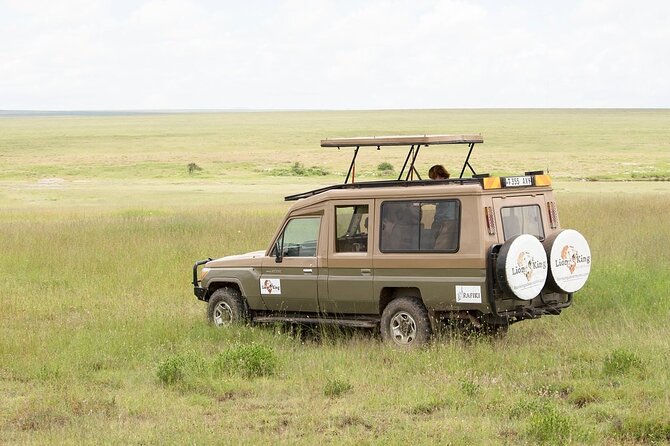
This is not a shared minibus circuit. Only your group takes part, and pickup is offered. That gives you privacy and makes it easier to tailor the day around your interests.
A private vehicle is particularly useful at Ndutu. If you care about photography, birds, young animals, or predators, you can tell the guide what you hope to see. The guide still cannot control the wildlife, but you avoid being tied to strangers with different priorities.
The guide is also your driver, interpreter, spotter, and practical problem solver. Several named guides received strong praise for finding animals, handling rough tracks, explaining wildlife, and keeping the trip organized. One guide helped with delayed baggage, while another was singled out for managing muddy paths and rocky roads. These details matter more than polished vehicles or grand promises.
The tradeoff is cost. At $2,827 per person, this is not a budget safari. The value depends on what is included in your final confirmation. Before booking, check the accommodation standard, meals, park fees, airport transfers, and any crater or conservation charges. A private six-day route through four major wildlife areas can justify the price, but only if the inclusions are clear.
How demanding is the route?
You do not need to be an athlete. The activity says most people can participate, and the main challenge is sitting in a safari vehicle for long periods rather than walking long distances.
Expect several extended driving days, rough park roads, early starts, dust, sun, and changing temperatures. Day two and day five are each listed at about eight hours, while day four is a full game-drive day. The trip suits you if you would rather spend time in the field than build in long rest periods.
The route also changes accommodation and scenery several times. If you prefer one comfortable base with short outings, this will feel busy. If you want to see several famous areas in one visit, the pace makes sense.
Who should choose this safari?
I would recommend it to someone whose priority is the southern Serengeti migration, especially from January through March. It also suits first-time safari visitors who want a broad introduction to northern Tanzania without arranging separate transfers between parks.
Families and small private groups may like the flexible format, though the long road days should be discussed before booking. Couples celebrating a birthday or major occasion can also benefit from having their own vehicle and guide. One birthday trip included a parent turning 60, showing how the route can work for a special occasion when the group is comfortable with the driving time.
Photographers should ask about the vehicle setup, seat arrangement, charging, and guide assignment. These details are not provided, yet they can shape the quality of a photo-focused safari.
I would not choose this trip if your dates fall well outside December to April, or if you want a slow holiday with very little time on the road. I would also hesitate if the price is stretching your budget and the operator cannot clearly explain what it covers.
Practical booking advice
The tour has a five-star rating from 47 supplied ratings and a 100 percent recommendation figure. Those numbers point to strong satisfaction with the company’s communication, guides, vehicles, accommodation, and wildlife planning, but they do not remove the need to check the fine print.
The experience is non-refundable and cannot be changed after booking. That makes date selection especially important. Confirm the migration season, airport arrangements, accommodation names, included fees, and crater-floor plans before you commit.
Ask who will meet you at the airport, where you spend the Arusha night, and whether the end point is the listed Mount Meru Hotel meeting point or another location arranged with the operator. Small questions are worth asking when a safari costs this much.
Should you book the Great Migration Ndutu safari?
Book it if you want a private, active safari built around the Ndutu calving season, with Tarangire, Ngorongoro, and Lake Manyara added for variety. The route gives you a strong mix of elephant country, open plains, volcanic scenery, wetlands, woodland, and birdlife.
The best reason to choose it is not the number of parks. It is the chance to spend a full day in Ndutu when wildebeest calves are being born and predators are close by. Choose your dates carefully, confirm the inclusions, and accept the long drives. If those terms suit you, this is a strong northern Tanzania route with real seasonal purpose.
FAQ
Where does this safari start?
The listed meeting point is Mount Meru Hotel on Arusha-Taveta Road in the Sekei area of Arusha, Tanzania. Airport pickup is also offered.
How long does the safari last?
The experience lasts six days, approximately.
When is the best time to see the migration at Ndutu?
The migration is usually in the Ndutu area from December through April. January is described as the strongest period for witnessing calving.
Is this a private tour?
Yes. Only your group takes part in the activity.
Which national parks and areas are included?
The route includes Tarangire National Park, the Ndutu area in the Ngorongoro Conservation Area, the southern Serengeti ecosystem, Ngorongoro Crater, and Lake Manyara National Park.
Is airport pickup available?
Yes. Pickup is offered, and a Lion King representative collects you from the airport on the first day according to the supplied schedule.
Can the booking be canceled or changed?
No. The experience is non-refundable and cannot be changed for any reason after booking.
More Six-Day Trips in Serengeti
- From Arusha: 6 Day Classic Game Drive Serengeti & Ngorongoro
★ 5.0 · 49 reviews - 6 Days Serengeti Safari(hiking waterfalls &coffee tour)
★ 5.0 · 48 reviews - 6 Days lodge &camping tour Serengeti ,Tarangire ,Ngorongoro Crater and Manyara
★ 5.0 · 15 reviews - Private 6-Day Tanzania Big Five Wildebeest Migration Tour in Serengeti
★ 5.0 · 11 reviews
More Safaris in Serengeti
- Serengeti Balloon Safari and authentic bush breakfast
★ 5.0 · 2,480 reviews - Balloon Safari & Bush Breakfast in Serengeti – Miracle Experience
★ 5.0 · 1,646 reviews - 3 Days Serengeti & Ngorongoro Group Camping Safari
★ 5.0 · 574 reviews - Safari Serengeti And Ngorongoro
★ 5.0 · 288 reviews
Just added around Serengeti
- Serengeti & Ngorongoro 3 days Fly Safari in from Zanzibar★ 5.0 · 21 reviews
- 3 Days Serengeti National Park from Zanzibar★ 4.5 · 3 reviews
- 4-Day Serengeti, Ngorongoro,Tarangire safari★ 5.0 · 3 reviews
- Serengeti 2-Day Safari from Mwanza★ 5.0 · 16 reviews
- Serengeti Day Trip Tour from Mwanza★ 5.0 · 4 reviews
- Full-Day Serengeti Tour from Mwanza★ 5.0 · 11 reviews
- Discover Our Best Guide for 1-Day Serengeti Safari from Mwanza★ 5.0 · 5 reviews
- Serengeti Day Trip Safari From Mwanza Tanzania★ 5.0 · 7 reviews
Great Migration Safaris, compared.
8 Days Great Wildebeest Calving Migration Safari from Arusha
Read our review →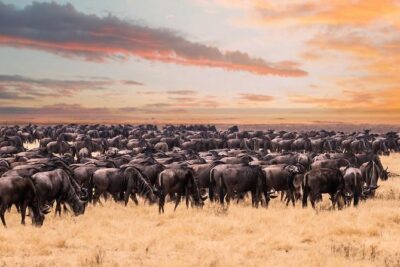
8 Day Spectacular Migration Serengeti mid -Range Tanzania Safari
Read our review →
4 Day Great Migration Safari Serengeti & Ngorongoro Crater
Read our review →
6 Days Tanzania Budget Camping Safari with Migration
Read our review →10-Day Wildebeest Migration Calving Safari -All Inclusive
Read our review →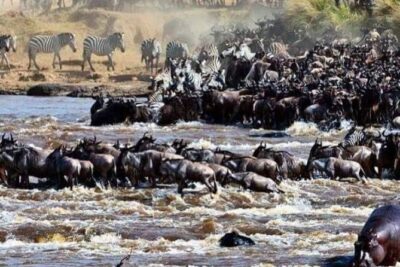
8 Days Great Wildebeest Migration – Mara River Crossing
Read our review →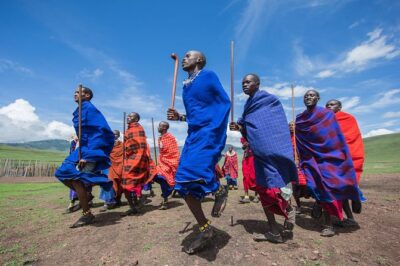
Tanzania Safari – The Great Migration in the North of the Serengeti and Lake Natron
Read our review →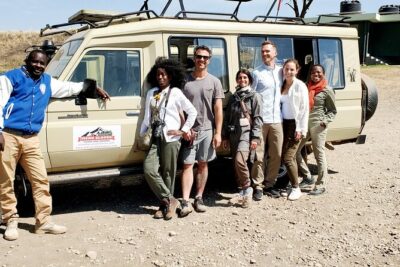
5-Days Private Serengeti Wildebeest Migration Lodge Safaris
Read our review →Browse the lists this tour appears in