
Reviewed · NATIONAL PARKS
7 Day Safari in Tanzania National Parks
The best part of this seven-day private safari is the range. You move from a guided bush walk in Arusha National Park to elephant country in Tarangire, the wildlife-packed Ngorongoro Crater, and several days in the Serengeti. That gives you time to watch animal behavior instead of racing from one famous sight to the next.
I like the small private setup, since only your group rides in the vehicle, and I like the practical touches: a refrigerator, power sockets, binoculars, Wi-Fi in much of the route, and drinks served in the jeep. Guides such as Daniel, Stephen, Anold, and Noel have been praised for their patience, animal knowledge, and determination to find good sightings.
The main drawback is the price, $4,802 per person, and the amount of time spent on rough park roads. The schedule also includes long driving days, remote lodges, and a final seven-hour Serengeti day before returning toward Arusha, so this suits you best if wildlife matters more than a relaxed pace.
Key points to know before booking
- Four major wildlife areas: Arusha National Park, Tarangire, Ngorongoro Crater, and Serengeti all bring different scenery and animals.
- A rare walking safari: A 1.5-hour bush walk with an armed ranger offers a closer look at the bush than a vehicle-only trip.
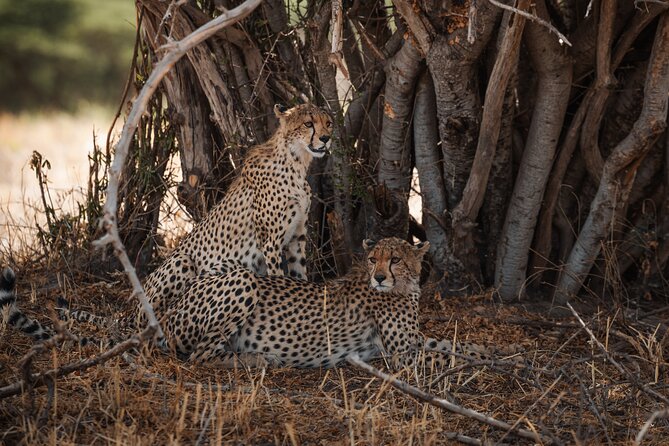
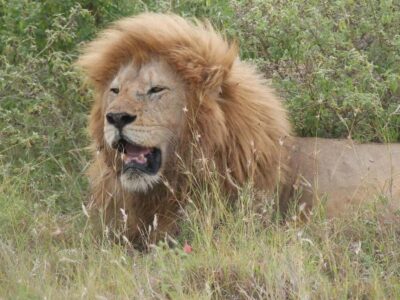
- Three Serengeti days: Extra time in central Serengeti gives your guide more chances to find lions, cheetahs, elephants, leopards, and kopjes.
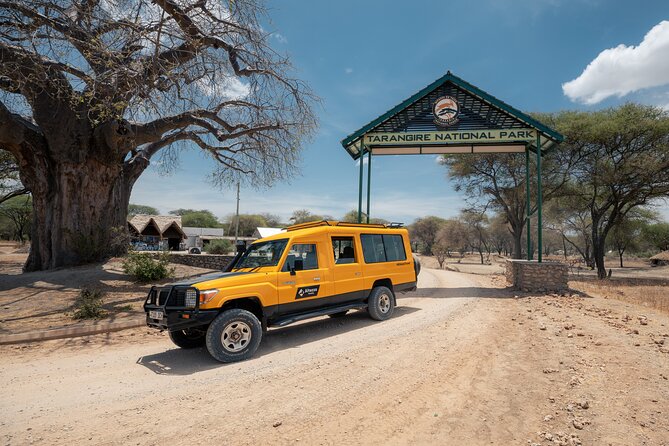
- Private vehicle and guide: Your group travels alone in a new Land Cruiser with a pop-up roof, refrigerator, power outlets, and ergonomic seats.
- Comfort without luxury pricing: Lodging is in comfortable 3 to 4-star properties with full-board meals, while park fees and medical evacuation cover are included.
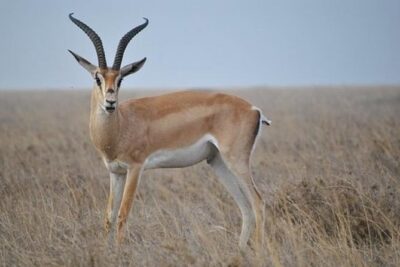
- A serious wildlife itinerary: Tarangire adds gerenuks and oryx, Ngorongoro offers dense animal viewing, and the Serengeti provides broad open plains and predator sightings.
What $4,802 buys you on this Tanzania safari
At $4,802 per person, this is not a budget safari. It is also not priced like a high-end private camp experience. The value comes from putting the costly parts of a Northern Tanzania trip into one package: private guiding, park entry and concession fees, lodging, meals, transport, drinks in the jeep, and a properly equipped 4×4.
You are paying for seven days, not simply seven short game drives. The route covers four important park areas, and the Serengeti receives three full days. That matters because wildlife does not follow a timetable. A lion may sleep through your morning drive and hunt in the evening. An elephant herd may be just beyond the next bend.
The included park fees for the full trip are especially useful. These charges can add up quickly across Tarangire, Ngorongoro, Serengeti, and Arusha National Park. The package also includes AMREF Flying Doctors air ambulance service and a medical kit, which provide sensible protection in remote areas.
Lodging is described as comfortable 3 to 4-star accommodation with full-board meals. You should not expect a private luxury villa or a highly polished resort at every stop. The trade-off is a practical base for early starts, long drives, and full days outside.
For a couple or family that wants privacy, the cost can make sense. Solo visitors should look closely at the per-person rate, since the private format does not spread the vehicle cost across a large group. Group discounts are available, which may improve the value for friends or relatives booking together.
More Safaris in Kilimanjaro
- Great Migration Safari In Tanzania
★ 5.0 · 71 reviews - 6 Days Tanzania Classic Safari
★ 5.0 · 52 reviews - 6-day Private Camping Safari Tour from Kilimanjaro Airport
★ 5.0 · 27 reviews
Day 1: Arusha National Park and a rare walk in the bush
Arusha National Park makes a smart opening day because it introduces you to several sides of northern Tanzania. The park includes savanna plains, Mount Meru, Momella Lakes, and forested areas. You do not spend the whole day seated in the Land Cruiser.
The highlight is a 1.5-hour bush walk with an armed ranger. Walking gives you a different sense of distance and sound. Giraffes, bushbuck, buffalo, and warthogs may appear at close range, though sightings are never guaranteed. You will learn how the park is used and how people and wildlife share difficult ground.
The Ngurdoto Museum adds context about human and wildlife conflict. That is a useful touch because a safari is not only a parade of animals. It also shows you the pressure around protected areas and nearby communities.
After the walk, you continue by Land Cruiser toward Momella Lakes and the park’s open areas. The whole stop lasts about six hours. Arusha National Park may not deliver the sheer animal numbers of Ngorongoro, but it offers more variety in activities and terrain.
You should know that walking requires steady mobility. The safari is not suitable for people who use special mobility aids, since vehicles and remote accommodations do not have the needed seating, storage, or access features.
Days 2 and 3: Tarangire for elephants, birds, and unusual species
Your first Tarangire day begins with pickup around 7:30 a.m. and reaches the park at about 10 a.m. That late-morning arrival means part of the day is spent on the road, but you still have time for a six-hour game drive.
Tarangire is best known for elephants and its distinctive baobab trees, though the supplied program places equal weight on less familiar animals. The park can produce sightings of giraffes, zebras, lions, buffalo, and many smaller species. Its dry-country setting also supports long-necked gerenuks and oryx, animals you are less likely to see in the Serengeti.
On the second Tarangire day, your guide takes you into different sections of the park. This is one of the itinerary’s strongest choices. A single drive can feel exciting, but a second day gives you time to look beyond the first big animal sighting and notice habitats, bird calls, and changing behavior.
Tarangire contains more than 550 bird species. The vehicle carries one set of high-resolution binoculars per car, which should help with distant birds and small animals. If you enjoy birding, tell your guide early. If you mainly want large mammals, the binoculars remain useful for scanning open ground.
You may also see hyraxes, small animals related to elephants. They can appear unbothered by nearby vehicles, but keep your hands to yourself. Close viewing is not an invitation to touch wild animals.
The two Tarangire days also break up the longer journey toward Ngorongoro and Serengeti. They are not simply filler before the famous parks. Tarangire has its own species mix and a more intimate feel than the wide Serengeti plains.
Day 4: Ngorongoro Crater and dense wildlife viewing
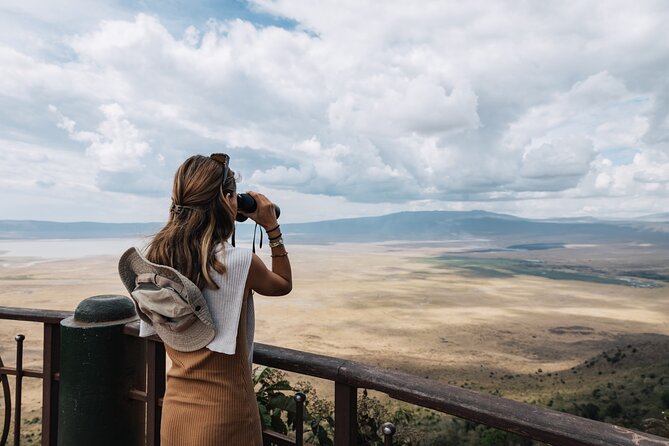
The Ngorongoro Crater offers one of the most concentrated wildlife experiences on the route. The ancient volcanic caldera holds tens of thousands of animals, and its enclosed setting often allows you to see several species within a relatively short drive.
The descent takes about half an hour. The road passes through lush forest before reaching the crater floor, giving you a clear change in vegetation and scenery. Once below the rim, the six-hour visit focuses on game viewing across open grassland, wetlands, and the area around Lake Magadi.
A picnic stop near Lake Magadi provides a break from the vehicle. You can eat, rest, and take in the setting before continuing. Meals are included, though drinks with meals are extra. Bottled water, soft drinks, hot coffee, and tea are available in the jeep.
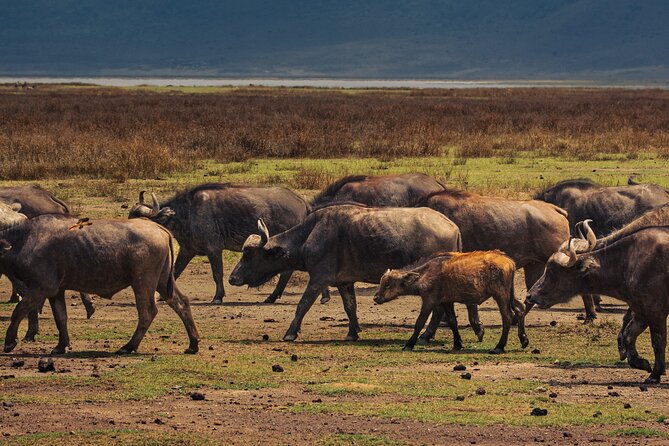
Ngorongoro is a strong place to look for buffalo, lions, elephants, and, with luck, rhino. The crater’s high animal density can make sightings feel immediate. The trade-off is that the area can feel busier and more restricted than the Serengeti, with vehicles concentrating around notable animals.
This day is also a reminder that the safari is not a private wilderness bubble. Your vehicle is private to your group, but the crater is a famous destination shared with other vehicles. Your guide’s judgment matters here. A patient guide can help you enjoy the wider setting rather than focusing only on the largest crowd.
More national park trips in Kilimanjaro:
- Day Trip to Kilimanjaro National Park
★ 5.0 · 20 reviews - Mount Kilimanjaro National Park Day Trip
★ 5.0 · 7 reviews - Kilimanjaro National Park Day Trip
★ 5.0 · 4 reviews - Private Day Tour and Hike in Kilimanjaro National Park
★ 5.0 · 3 reviews
Days 5 to 7: Three days across central Serengeti
The move into central Serengeti is the heart of the trip. Seronera is known for its year-round wildlife, and three days give you room to explore different areas rather than treating the park as a quick stop.
On the first Serengeti day, you can visit the Serengeti Visitor Center around lunchtime. It offers information about animal populations and the park’s story, along with a lunchbox. You can then continue the afternoon drive or return to camp for a short lunch and nap before going out again near sunset.
That choice affects the rhythm of your day. A midday break can be welcome after several hours in a vehicle, while staying out may give you more time in the field. Discuss your priorities with your guide. If lions or cheetahs are high on your list, tell the guide clearly, but remain open to smaller sightings and unexpected behavior.
The second Serengeti day brings another full seven-hour drive. One day may show lions resting in the shade. The next may find them moving or hunting. Elephants can approach the vehicle, and a cheetah may appear on higher ground or even atop a safari car, as described in the program.
Kopjes are among the most photogenic features of the central Serengeti. These volcanic rock formations rise from the plains and offer shade, shelter, and lookout points for animals. They also give your photographs more shape than an endless stretch of grass.
The route includes Simba Rock, linked with the famous scene in The Lion King where Mufasa presents Simba. The connection is fun, but the real value is seeing how film drew from the actual setting. The Serengeti itself is a UNESCO World Heritage Site because of its important ecosystem, large animal populations, and annual migration.
Your final Serengeti day lasts about seven hours and explores new areas. The park is too large to understand in a single drive, so this extra time is valuable. You may revisit familiar species in a new setting, or your guide may locate an animal you missed earlier.
The schedule then brings you to a hotel in Arusha by dinner, with alternative drop-off points possible on request. This is a demanding final day. Confirm the exact transfer plan before departure, especially if you have a flight or another time-sensitive connection.
The vehicle, guide, meals, and daily comfort
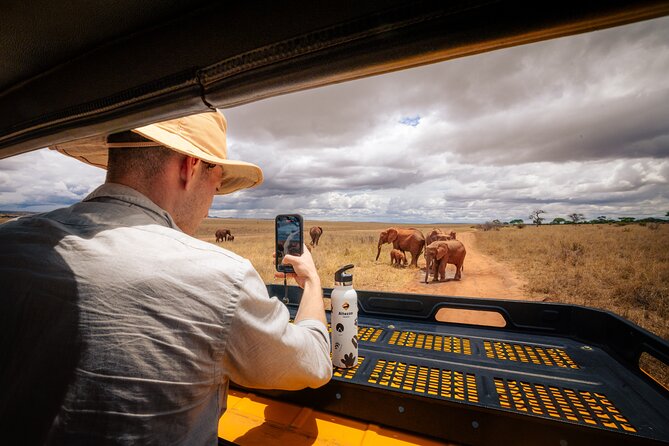
The new Land Cruiser is set up for safari work. It has a pop-up roof, ergonomic seats, a refrigerator, and power sockets. The roof matters because it lets you stand or sit higher for viewing and photography while remaining inside the vehicle.
Each car carries one set of binoculars. Wi-Fi is available across roughly 60 to 75 percent of the areas covered, so treat it as a useful extra rather than a constant connection. Remote parks are part of the appeal, and you should be ready for stretches without a signal.
A certified English-speaking guide leads the trip. The guide’s ability to read tracks, spot distant movement, and explain animal behavior can shape your entire experience. Past guide assignments have included Daniel, Stephen, Anold, and Noel, and the strongest praise has focused on guides who were friendly, patient, and persistent about finding wildlife.
The safari includes breakfast six times, lunch seven times, and dinner seven times, along with the accommodations named for the program. Bottled water, soft drinks, hot coffee, and tea are included in the vehicle. Drinks at meals are extra.
Dietary needs can be accommodated if you provide them when booking. Options listed include vegetarian, vegan, pescatarian, halal, gluten-free, and lactose-free meals. It is still wise to state your needs clearly at the start, especially because much of the route is remote.
Who should book this safari
This trip fits you if you want the classic Northern Tanzania route but prefer a private vehicle and a full week in the parks. It is a good match for couples, families, and small groups who want control over the pace and interests.
You will get the most from it if you enjoy long days outdoors, early starts, rough roads, and changing conditions. The itinerary is not built around spa time or slow mornings. It is built around watching the bush and giving your guide enough hours to find something special.
Wildlife photographers may appreciate the three Serengeti days, the pop-up roof, and the included binoculars. Birdwatchers gain extra value from Tarangire’s bird count and the second day in the park.
This is less suitable if you need accessible transport or accommodations with infrastructure for mobility aids. It is also not ideal if you want a short, polished package with little time in the vehicle.
Cancellation terms are strict near departure. You receive a full refund if you cancel at least six full days before the start time, 50 percent if you cancel two to six full days ahead, and no refund for cancellations less than two full days before departure. Poor weather may lead to a new date or a full refund.
Should you book it?
Book this safari if you want the widest possible wildlife sample in seven days and value privacy, a capable vehicle, full-board lodging, and included park fees. The strongest features are the unusual walking day in Arusha, two Tarangire days, one concentrated Ngorongoro visit, and three days in the Serengeti.
Think twice if $4,802 is beyond your comfort zone, if you dislike long drives, or if your ideal holiday needs a slow pace. For a private group that wants the major Northern Tanzania parks in one carefully packed week, the price is defensible. Just confirm the accommodation names, guide assignment, and final return timing before paying.
FAQ
How long is the safari?
The safari lasts approximately seven days, with activities scheduled from the first day in Arusha National Park through the final Serengeti day and return toward Arusha.
Which national parks and protected areas are included?
The route includes Arusha National Park, Tarangire National Park, Ngorongoro Crater, and Serengeti National Park.
Is this a private safari?
Yes. Only your group participates in the activity.
What time does the safari start?
The stated start time is 7:30 a.m. Pickup is offered from your hotel or another agreed location.
Are park fees included?
Yes. National park entry fees and concession fees for the full tour are included.
What meals are included?
The package includes six breakfasts, seven lunches, and seven dinners, along with full-board accommodation. Drinks served with meals are available at extra cost.
Is Wi-Fi available throughout the trip?
Free Wi-Fi is included, but signal is expected in only about 60 to 75 percent of the areas traveled.
Can dietary requirements be accommodated?
Yes. You can request pescatarian, vegetarian, vegan, halal, gluten-free, lactose-free, and other meal preferences when booking.
What is the cancellation policy?
You can receive a full refund by canceling at least six full days before the local start time. A 50 percent refund applies for cancellations two to six full days ahead, while cancellations less than two full days before departure are not refunded.
More Seven-Day Trips in Kilimanjaro
- Kilimanjaro climb by Lemosho Route (7-day)
★ 5.0 · 651 reviews - Kilimanjaro climb, Machame Route (7-day)
★ 5.0 · 262 reviews - Climbing Kilimanjaro through 7 days Machame Route
★ 5.0 · 151 reviews - 7-Day Machame Kilimanjaro Summit Tour from Arusha
★ 5.0 · 125 reviews
Just added around Kilimanjaro
- 6 days Machame route climbing Mt.Kilimanjaro★ 5.0 · 8 reviews
- machame route★ 5.0 · 16 reviews
- Mt Kilimanjaro 6 days Marangu route hike★ 5.0 · 3 reviews
- Private Cycle to Kilimanjaro Bike Park Safari★ 5.0 · 6 reviews
- West Kilimanjaro cycling Adventures★ 4.5 · 8 reviews
- Kilimanjaro Climb • Marangu Route ~ 9 Day★ 5.0 · 4 reviews
- 3 Days Private E-Bike Tour in West Kilimanjaro★ 5.0 · 3 reviews
- Kilimanjaro Climb • Machame Route ~ 10 Day★ 5.0 · 6 reviews
National Parks, compared.
3 Day Serengeti National Park & Ngorongoro Crater Camping Safari
Read our review →
From Zanzibar: Nyerere National Park Game Drive with Lunch
Read our review →
6 days 5 nights safari Ngorongoro, Serengeti and Tarangire National Parks
Read our review →
1-Day Selous (Nyerere National Park) Fly-In Safari from Zanzibar
Read our review →
Private 4-Days Northern Circuit National Parks in Tanzania
Read our review →Browse the lists this tour appears in