Reviewed · 6-DAY EXPERIENCES
6 Days best adventure kilimanjaro ,Tarangire ,Serengeti &Ngorongoro crater
The big draw here is variety. In six days, you move from Lake Manyara’s bird-filled shoreline to Serengeti plains, the Ngorongoro Crater, Tarangire’s elephant country, and the forest around Kilimanjaro. You also get a waterfall walk, a coffee experience and a swim at Chemka Hot Spring.
I like the small group limit of 12, which should make game viewing and daily logistics easier than on a large coach. I also like the mix of budget lodges and camping, since you get a taste of both comfort and outdoor safari life. The main thing to check is the itinerary wording: it is advertised as including a Kilimanjaro day hike, but the detailed final day describes Materuni Waterfalls and Chemka Hot Spring rather than a mountain hike.
Key points to know before booking
- Four major wildlife areas: Lake Manyara, Serengeti, Ngorongoro Crater and Tarangire each offer a different setting and animal experience.
- A safari vehicle with a pop-up roof: You can stand or sit up for game viewing and photographs.
- Up to 12 people in the group: This is small enough to feel manageable, though the exact group makeup can affect comfort.
- Budget lodge and camping combination: Expect practical accommodation rather than a luxury safari style.
- Materuni and Chemka on the final day: The trip ends with a waterfall walk, local Chagga food, coffee and a hot spring swim.
- Strong guide feedback: Bulldozer is praised for animal and environmental knowledge, while Maliaki is praised for calm driving and clear explanations.
Four parks, one busy northern Tanzania route
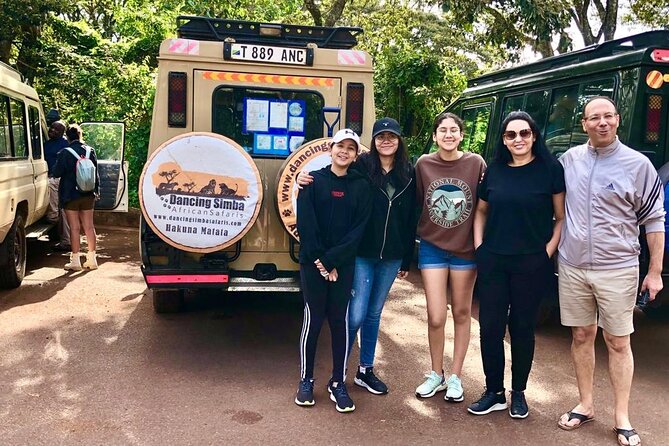
At $1,325 per person, this is a busy six-day program covering several of northern Tanzania’s best-known stops. The price includes the safari vehicle, accommodation, camping equipment, drinking water, beers, most meals, airport transfers and the final day’s Kilimanjaro-area activities.
That is a fair amount packed into one trip, especially for someone who wants a first taste of Tanzania without arranging separate park visits. You are paying for range rather than slow travel. Long road sections are part of the deal, and some days begin early or finish late.
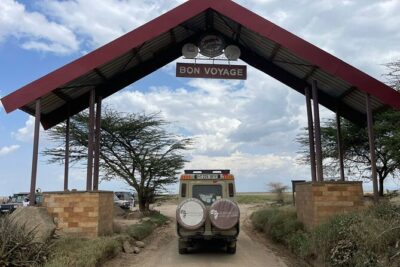
The safari vehicle has a pop-up roof, an important feature for viewing animals and taking photographs. The group maximum is 12, so you should have a better chance of getting a useful viewing position than you would in a large vehicle.
The accommodation is described as budget lodges and camping. This can keep the cost down, but you should not book expecting high-end tented camps or polished lodge service every night. Pack a towel and toilet paper, two practical items that can make simple camping and park facilities much easier.
More six-day trips in Kilimanjaro:
- Kilimanjaro climb, Lemosho Route (6-day)
★ 5.0 · 129 reviews - Kilimanjaro climb, Marangu route (6-day)
★ 5.0 · 72 reviews - 6 Days Tanzania Classic Safari
★ 5.0 · 52 reviews
Day 1: Lake Manyara beneath the Rift Wall
After breakfast, you drive to Lake Manyara National Park for a full-day game drive. The park is known for a striking combination of woodland, open areas, water and the Great Rift Wall, which rises behind the lake.
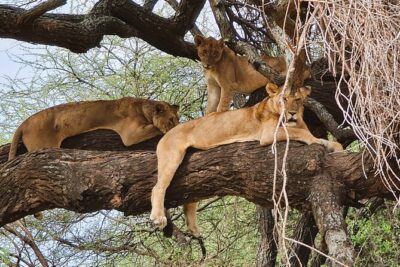
You may see buffalo, giraffe, zebra and lions. The itinerary also points to tree-climbing lions, one of Lake Manyara’s famous attractions. Seeing them is never something to treat as guaranteed, but the park gives you a chance to look upward as well as across the ground.
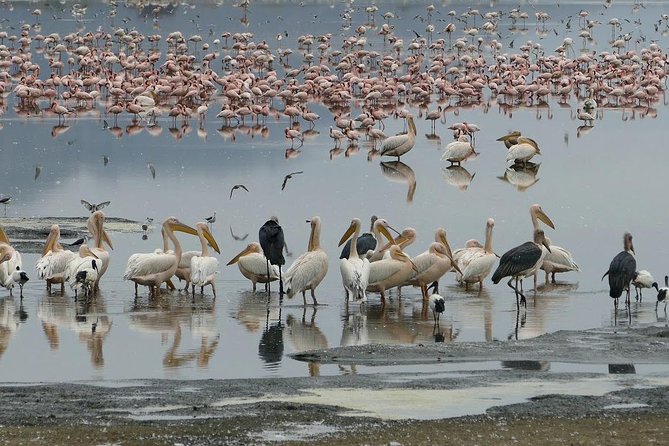
The lake adds a second layer to the day. Flamingos, pelicans, ibis and African jacana are among the aquatic birds listed for the visit. If you enjoy birdlife, this is more than a quick stop beside the water. Bring binoculars if you have them, since birds can be spread across the shoreline.
A full day here gives your guide time to search different areas rather than rushing through for a brief photo stop. The tradeoff is that you are starting the trip with a long day in the vehicle. Pace yourself, keep water close and save some camera battery for the later parks.
Day 2: The long road into Serengeti
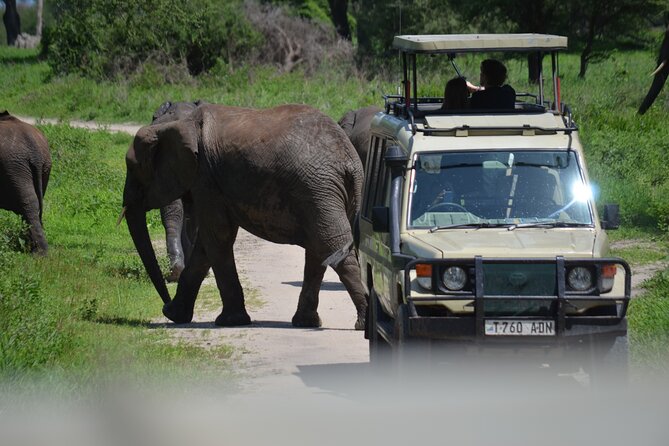
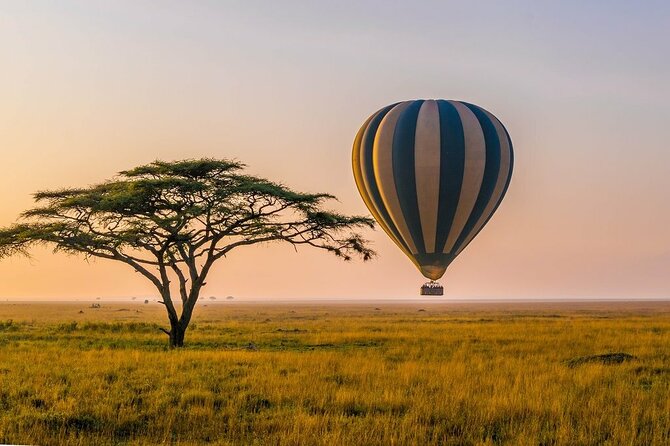
Day 2 takes you toward Serengeti National Park, with a scenic drive of about four hours before a full game drive. The Serengeti changes the feel of the trip. Lake Manyara is shaped by forest, water and the Rift Wall, while Serengeti is known here for its open plains and wide skies.
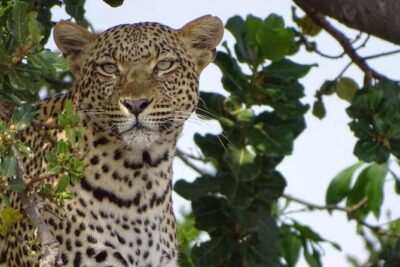
This is the day aimed most directly at big-game viewing. Lions, buffalo, leopard, rhino and elephant are listed among the animals you may seek, along with hyenas and jackals. The word seek matters. A safari is a search, not a zoo visit, and your guide must work with distance, animal movement and available time.
The late afternoon game drive gives you another chance to watch animal activity before night. You might find this schedule tiring after the road journey, but it makes good use of the day. Serengeti is one of those places where simply moving through open country can be part of the experience, even when the animals are not close to the vehicle.
The program mentions a night in the Serengeti before moving toward Ngorongoro. Confirm the exact campsite or lodge arrangement before departure, since the detailed accommodation information names Ngorongoro Simba Campsite for the following night but does not list every overnight stop.
Day 3: Sunrise in central Serengeti and the Crater Rim
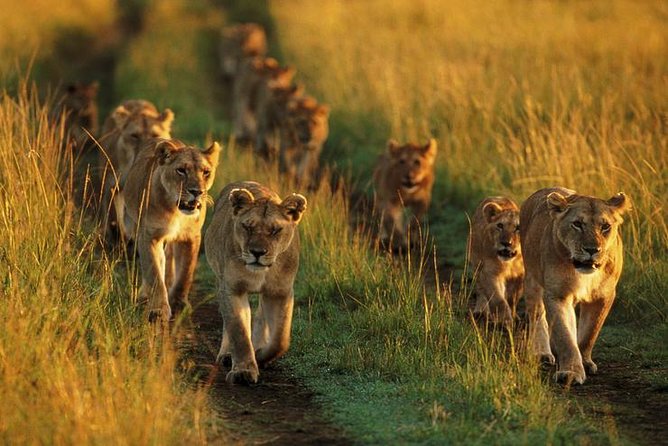
Day 3 begins with a morning game drive. The timing is useful because animals may still be moving after a night of hunting or feeding, and the itinerary includes the chance to watch sunrise in central Serengeti.
An early start can be worthwhile here. The light is softer, the air may feel cooler and the plains have a different character before the heat of the day. You should expect a very early morning rather than a lazy breakfast schedule.
Later, you drive back toward Ngorongoro and spend the night on the Crater Rim at Ngorongoro Simba Campsite. This overnight position matters because it places you near the next day’s main activity, the crater floor.
Camping at the rim is practical and atmospheric, but it is still camping. The trip includes camping equipment, yet you should pack with basic facilities in mind. A towel, toilet paper and a warm layer are sensible additions, especially since conditions around the rim can feel different from the warmer plains.
A few more Kilimanjaro trips worth comparing
- Kilimanjaro climb by Lemosho Route (7-day)
★ 5.0 · 651 reviews - Kilimanjaro climb, Machame Route (7-day)
★ 5.0 · 262 reviews - 8-Day Small-group Lemosho Kilimanjaro Summit Trekking
★ 5.0 · 186 reviews - Kilimanjaro Climbing Lemosho Route 8 Days.
★ 5.0 · 186 reviews
Day 4: Black rhino and picnic lunch in Ngorongoro Crater
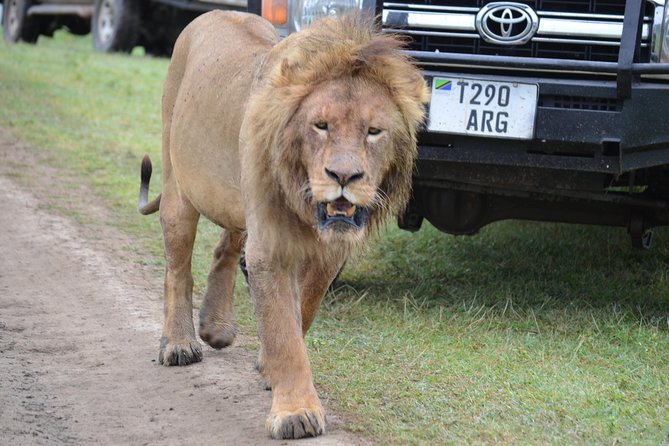
After breakfast, you descend to the crater floor for a game drive with a picnic lunch. Ngorongoro offers a compact setting for wildlife viewing, with the crater walls surrounding the route and large numbers of animals living within the basin.
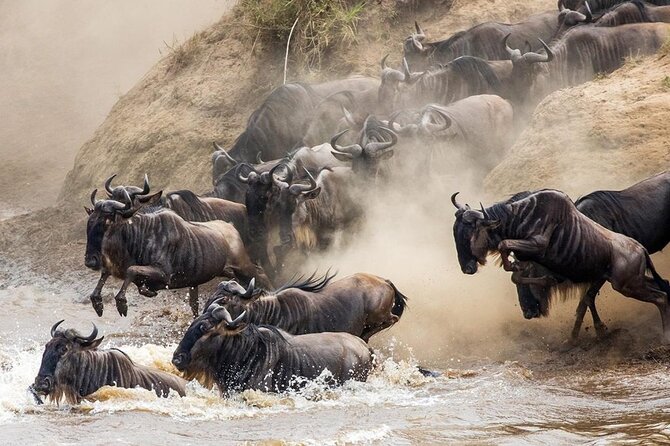
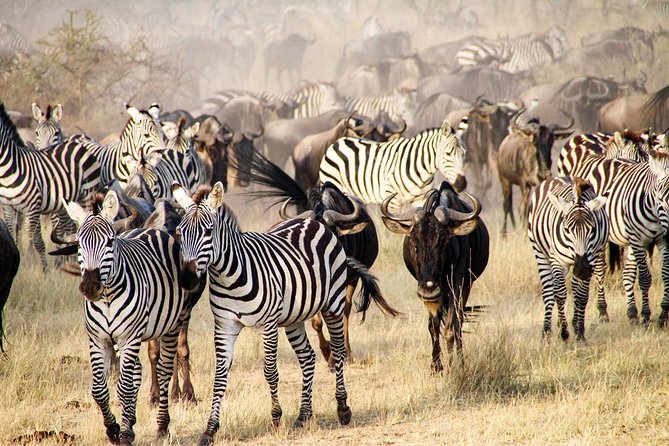
The listed sightings include black rhino, lions, hyenas, hippo, buffalo, wildebeest and zebra. The black rhino is a particular reason to take this day seriously. Sightings are not promised, but the crater is one of the places on this route where you have a stated chance to look for them.
A picnic lunch keeps the day moving, since you do not need to leave the crater for a restaurant. It also means you should keep expectations practical. This is a field lunch during a game drive, not a long restaurant break.
After the crater, the route continues toward Tarangire. That makes Day 4 another long transfer day, but it sets up the next park. If you prefer a slower safari with more time at each camp, this six-day route may feel packed. If you want several major parks in one visit, the pace is the point.
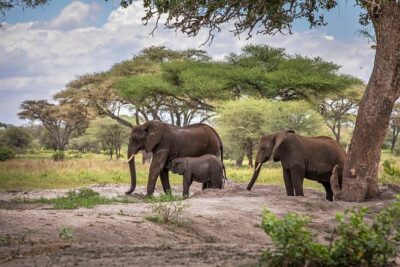
Day 5: Tarangire’s elephants and tree savanna
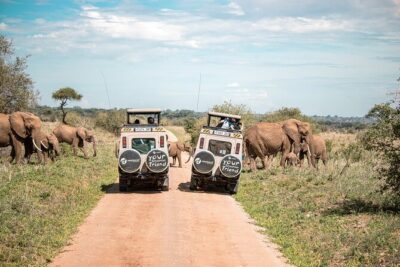
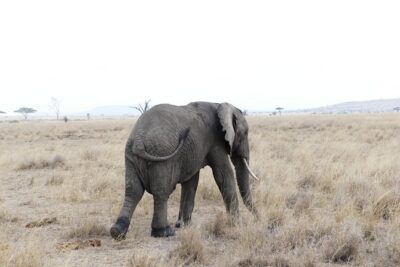
The Tarangire day begins with pickup from your hotel and a drive into the park. The park is described through its tree savanna and seasonal marshes, with elephants as the main attraction. More than 4,000 elephants are cited in the description, though numbers can vary by count and season.
You may also look for giraffe, buffalo, lions, zebra, wildebeest, antelope and gazelles. The mixture is different from the crater and Serengeti. Tarangire gives you a chance to watch animals among trees and seasonal water areas rather than across only open plains.
Your driver uses the open-roof safari jeep for wildlife viewing and photographs. Lunch is taken at a picnic site, followed by more game viewing in the afternoon before the drive back to Arusha.
This is a full day with a clear rhythm: park entry, morning viewing, picnic lunch, afternoon viewing and return to town. It is also another day where the quality of the guide matters. The strongest feedback is tied to drivers who keep looking, explain what you are seeing and drive calmly. Bulldozer is specifically praised for understanding animals and their environments, while Maliaki is praised for safe driving and clear explanations.
Day 6: Materuni Waterfalls, Chagga food and Chemka Hot Spring
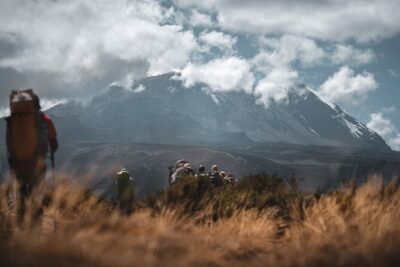
The final day shifts away from classic safari viewing. After breakfast, you drive toward Materuni village on the slopes of Mount Kilimanjaro, then walk through the area toward Materuni Waterfall.
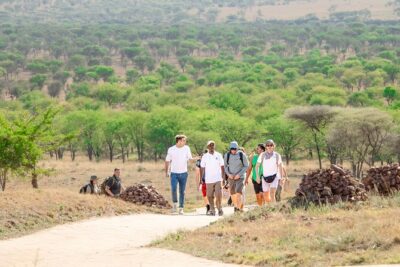
The walk is described as a chance to see chameleons, trees, birds, insects and fruit. This makes the route appealing if you want more than vehicle-based sightseeing. It is a walking activity, but the information supplied does not give the trail length, walking time or difficulty, so ask for those details if you have concerns about fitness.
At the waterfall, you can swim in the fresh water if conditions allow. Bring swim clothes, as the program specifically recommends. Afterward, you walk back to the village for a hot lunch featuring local Chagga food.
The day continues to Chemka Hot Spring, where you can swim. This is a pleasant change after several long safari drives, but check the timing with the operator because the day combines a village walk, waterfall visit, lunch and hot spring stop.
One important booking point deserves attention. The inclusions mention a Kilimanjaro day hike with a coffee tour and Chemka Hot Spring, while the detailed plan describes Materuni Waterfall, local food and the hot spring. Those are not the same activity. Ask Dancing Simba Safaris to confirm exactly what your final day includes, especially if a mountain hike is a major reason for booking.
What the $1,325 price covers
The cost includes a safari jeep with a pop-up roof, accommodation and camping equipment, drinking water, beers, airport pickup and drop-off, and the listed meals. It also includes the Kilimanjaro-area day activities described above.
The meal allowance lists four breakfasts, five lunches and five dinners. Since the program lasts six days, ask which meals are covered on the remaining portions of the schedule and whether the day of arrival or departure changes the count.
The value is strongest for someone who wants one organized package. You do not need to arrange a separate vehicle, driver, park route or camping equipment. You also get a mix of wildlife and walking activities instead of six days of game drives.
The compromises are clear. Budget accommodation keeps the price within reach, but comfort may be basic. The schedule covers a lot of ground, so you spend substantial time on the road. Travel insurance and tips for the guide and cook are not included, so add those costs to your planning.
Guide quality matters more than polished extras
A safari guide shapes the trip more than a fancy vehicle or a printed schedule. The strongest guide feedback centers on two names: Bulldozer and Maliaki.
Bulldozer is praised for explaining animals and the places they live. That matters when you want more than a checklist of species. A good explanation can help you understand why animals are in a certain area, what they are doing and what to watch for next.
Maliaki is praised for calm driving and a steady manner. That is especially valuable on a route with long drives, early starts and several park transitions. You should ask who will guide your departure, since the information does not promise that a particular guide will be assigned.
The operator, Dancing Simba Safaris, has a 4.9 rating from 24 reviews and a 96 percent recommendation rate. Those figures suggest a strong record, but they should not replace practical questions about your exact vehicle, accommodation and Day 6 plan.
Who will enjoy this six-day adventure
I would recommend this tour to you if you want a first northern Tanzania safari with several major stops in one package. It suits people who value variety, do not mind early mornings and can handle long road days.
It is also a good fit if you want to combine game drives with a short walking experience and swimming. The Materuni and Chemka portion gives the trip a more local, active finish than a safari-only itinerary.
You may want a different plan if you prefer luxury lodges, a slow pace or a single park with several nights in one camp. The budget setup and packed route are useful for value, but they are not designed for a restful resort-style holiday.
The tour allows most people to participate and has a maximum of 12 people. Free cancellation is available if you cancel at least 24 hours before the start time. Changes or cancellations made inside that period are not accepted for a refund.
Should you book it?
Book this if your priority is seeing a lot of northern Tanzania in six days while keeping the cost at $1,325. Lake Manyara, Serengeti, Ngorongoro and Tarangire give you four distinct wildlife settings, and the Materuni waterfall and Chemka swim add welcome variety.
Before paying, confirm the exact accommodation, the final-day activities and the meal schedule. If you are comfortable with budget camping, long drives and early starts, this is a well-priced route with strong guide feedback and a sensible small-group limit. If you want a true Kilimanjaro hike or a slower safari, ask for a revised itinerary rather than assuming those details are included.
FAQ
Where does the tour start and finish?
The tour starts in Arusha, Tanzania, and ends back at the meeting point.
How long does the experience last?
The experience lasts six days.
What is the maximum group size?
The group can include up to 12 people.
Which national parks are included?
The route includes Lake Manyara National Park, Serengeti National Park, Ngorongoro Crater and Tarangire National Park.
Is accommodation included?
Yes. The package includes a mix of budget lodges and camping, along with camping equipment.
Is a safari vehicle included?
Yes. The tour includes a safari jeep with a pop-up roof for game viewing and photographs.
Are meals included?
The package lists four breakfasts, five lunches and five dinners. Confirm the exact meal schedule with the operator because the trip lasts six days.
Are airport transfers included?
Yes. Airport pickup and drop-off are included.
Is swimming part of the final day?
Yes. You can swim at Materuni Waterfall if you wish, and the itinerary also includes swimming at Chemka Hot Spring. Bring swim clothes.
What is not included in the price?
Travel insurance and tips for the guide and cook are not included.
Can I cancel for a full refund?
Yes, if you cancel at least 24 hours before the experience start time. Cancellations or changes made less than 24 hours before the start time are not accepted for a refund.
Just added around Kilimanjaro
- 6 days Machame route climbing Mt.Kilimanjaro★ 5.0 · 8 reviews
- machame route★ 5.0 · 16 reviews
- Mt Kilimanjaro 6 days Marangu route hike★ 5.0 · 3 reviews
- Private Cycle to Kilimanjaro Bike Park Safari★ 5.0 · 6 reviews
- West Kilimanjaro cycling Adventures★ 4.5 · 8 reviews
- Kilimanjaro Climb • Marangu Route ~ 9 Day★ 5.0 · 4 reviews
- 3 Days Private E-Bike Tour in West Kilimanjaro★ 5.0 · 3 reviews
- Kilimanjaro Climb • Machame Route ~ 10 Day★ 5.0 · 6 reviews
6-Day Experiences, compared.
Private 6-Day Tarangire Manyara Crater and Serengeti with Mid-Range Lodges
Read our review →