
Reviewed · MIDRANGE SAFARIS
7 Days Highlight of Tanzania Mid-Range Standard
The big draw here is the sheer variety packed into seven days: elephant country in Tarangire, flamingo and forest country at Lake Manyara, big cats on the Serengeti plains, and a final game drive inside Ngorongoro Crater. You also get two full Serengeti-focused days aimed at the Mara River and its seasonal wildebeest crossings.
I like the private touring format, since your group can share one vehicle and work with the guide on the pace of each game drive. I also like the practical meal plan: breakfast, picnic lunches, and dinners are covered, so you can focus on wildlife rather than daily arrangements. The main caution is the amount of time spent on rough roads and long drives, plus some uncertainty over the exact lodge names and the mention of Lake Eyasi in the overview even though the day-by-day plan lists Lake Manyara.
Key points to know before booking
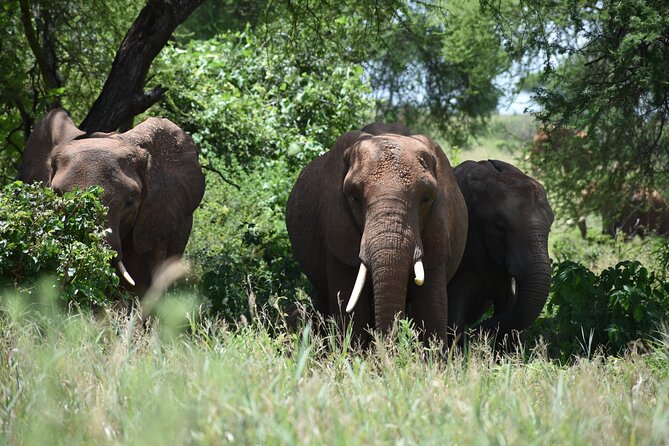
- Tarangire opens the safari with elephants, buffalo, giraffe, zebra, and antelope near the Tarangire River.
- Two Serengeti days focus on the central plains, the northern Mara River, hippos, and possible wildebeest crossings.
- Ngorongoro Crater offers compact, rewarding game viewing on a 265-square-kilometer crater floor.
- The tour is private, with only your own group taking part.
- Guides such as Baraka, George, Hoza, Nestor, and Linus have been praised for wildlife spotting, patience, communication, and safe driving.
- The $4,465 price includes park fees, private transport, six breakfasts, seven lunches, and six dinners, but not visas, insurance, tips, or personal expenses.
A seven-day route through Tanzania’s best-known parks
This is a classic northern Tanzania safari. You begin in Arusha, then travel through Tarangire, Lake Manyara, the Serengeti, and Ngorongoro. The route gives you several different settings rather than repeating the same type of game drive every day.
That variety matters. Tarangire has its own dry-country character and famous elephant population. Lake Manyara is smaller but packed with habitats. The Serengeti gives you open plains and the best chance of seeing large predators. Ngorongoro brings the animals into a compact volcanic basin where sightings can be easier to arrange.
The trade-off is distance. Tanzania’s famous parks are not close together, and several days run for about 10 hours. You should expect long stretches in the safari vehicle, picnic lunches, early starts, and roads that may be dusty or bumpy.
More midrange safaris in Kilimanjaro:
- 5-Day Highlights mid-Range Crater, Serengeti, Tarangire
★ 5.0 · 296 reviews - Private 6-Day Tarangire Manyara Crater and Serengeti with Mid-Range Lodges
★ 5.0 · 238 reviews - 5-Day Private midrange Tour in Arusha with Airport Pickup
★ 5.0 · 160 reviews
Day 1: Tarangire and the elephant country
After breakfast in Arusha, you set off with a picnic lunch for Tarangire National Park. The drive passes through Rift Valley scenery before you enter a park that receives less attention than the Serengeti, yet can deliver excellent wildlife viewing.
Tarangire is especially appealing for elephants. The park supports Tanzania’s largest elephant population, along with buffalo, giraffe, zebra, and many antelope species. During the dry season, animals gather around the Tarangire River, making that period particularly promising for concentrated game viewing.
I like beginning here because the park gives you a different first impression of Tanzania than the wide Serengeti plains. The river, big trees, and elephant herds create a strong opening day. You might also find the quieter feel appealing, since Tarangire is described as the least visited reserve on this route.
The planned accommodation is Tortilis Tented Camp, described as sitting near the park edge and along an elephant movement corridor. That location can add a memorable sense of being close to the wild, but it also means you should confirm the exact camp name, room style, and location before paying. The day lasts about 10 hours, so this is not a gentle arrival day.
Day 2: Lake Manyara’s forests, wetlands, and birds
You leave camp after breakfast, continue game viewing in Tarangire until around midday, then travel to Lake Manyara National Park. With a picnic lunch packed, this becomes another long day of roughly 10 hours.
Lake Manyara is a good contrast to Tarangire. The park includes underground-water forest, acacia woodland, open grassland, swamps, marshes, and hot springs. That mix supports monkeys, large mammals, and more than 400 recorded bird species.
Bird lovers should pay attention here. Flamingos and migratory water birds are among the highlights, while the forest provides plenty of bird calls and monkey activity. The park is also associated with tree-climbing lions, although any lion sighting remains dependent on timing and luck.
I like this stop because it rewards people who want more than the standard big five checklist. You can spend time noticing the shift from woodland to wetland, and the birdlife gives the day a different rhythm from the predator-focused Serengeti drives.
The drawback is the amount of road time. You will have a morning in Tarangire, a transfer, and then a game drive in Manyara. If your priority is maximum time in the Serengeti, this extra park may feel like a compromise. If you value changing scenery and birdlife, it earns its place.
Days 3 and 4: The Serengeti’s central plains and northern reaches
After breakfast on Day 3, you drive to Serengeti National Park. You stop for a picnic lunch on arrival, then continue with a game drive before heading to Serengeti Heritage Tented Camp for dinner and the night.
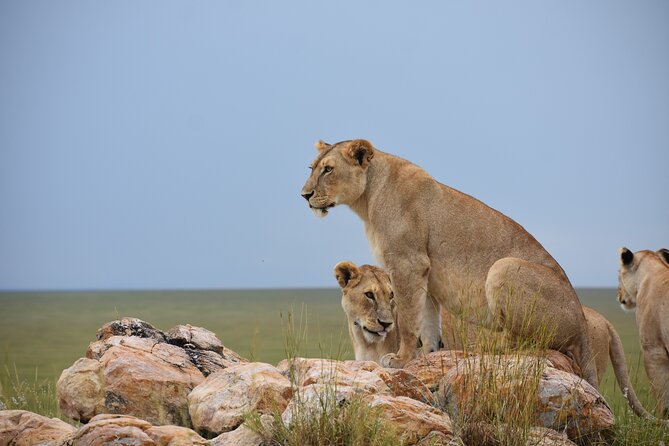
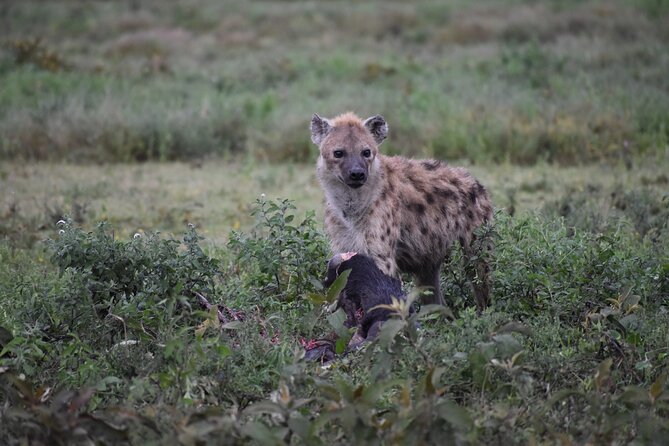
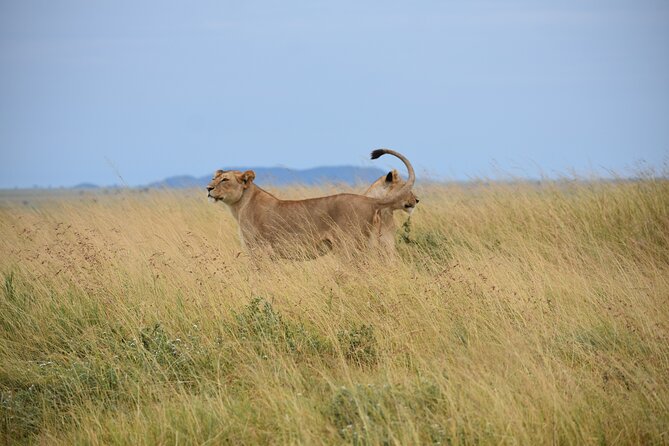
The central Serengeti is known for dependable year-round game viewing, with open plains that make it easier to scan for animals. Lions, leopards, and cheetahs are the headline attractions, but you could also see hyenas, jackals, elephants, giraffe, hippos, buffalo, and other species.
This is the part of the route where an excellent guide can make a real difference. Guides named in the feedback include Baraka, George, Hoza, Nestor, Linus, and Steven. Baraka receives repeated praise for enthusiasm and service, while Hoza is described as flexible, funny, and sharp at spotting wildlife. Nestor is praised for patience, professionalism, and safe driving. If you can request a guide, those names are worth asking about, though availability is not guaranteed.
Day 4 shifts attention north toward the Mara River. Depending on rainfall, the famous wildebeest crossings may begin as early as June or as late as August. Do not book this trip solely for a crossing, since nature sets the schedule and the animals may be elsewhere. Still, the river area gives you a chance to see a dramatic part of the annual movement, along with predators waiting nearby.
The day includes about seven hours at the river area and another hour at Retima Hippo Pool, where you can eat while watching hippos. That picnic setting sounds appealing, but remember that hippos are powerful wild animals. Your guide’s instructions matter, and you should keep the suggested distance.
More seven-day trips in Kilimanjaro:
- Kilimanjaro climb by Lemosho Route (7-day)
★ 5.0 · 651 reviews - Kilimanjaro climb, Machame Route (7-day)
★ 5.0 · 262 reviews - Climbing Kilimanjaro through 7 days Machame Route
★ 5.0 · 151 reviews - 7-Day Machame Kilimanjaro Summit Tour from Arusha
★ 5.0 · 125 reviews
Day 5: An early Mara River game drive
Day 5 starts early with another game drive along the Mara River. This is a sensible use of the morning, when wildlife is often active and the heat is less intense. The route is designed around the migration, but it also offers chances to see resident animals.
You might encounter hippos, lions, cheetahs, leopards, elephants, giraffe, warthogs, and, with luck, the endangered black rhino. The range is impressive, but sightings are never guaranteed. A safari is not a zoo visit, and even a highly skilled guide works with weather, animal behavior, and chance.
The drive lasts about eight hours before you return for dinner and the night. This is another demanding day, especially after the earlier long drives. I would choose this schedule for someone who wants serious wildlife time rather than a relaxed lodge holiday.
The private format helps here. Your group can stay focused on the river and nearby animals instead of following a fixed group schedule. It also gives you more room to tell your guide what matters most, such as birds, big cats, photography, or the migration.
Day 6: Leaving the Serengeti for the Ngorongoro rim
After an early breakfast, you take one more Serengeti game drive and then travel toward Ngorongoro Crater. The animals move freely between unfenced reserves, so the final Serengeti drive can still produce a last big sighting. The stated aim is to look for the big five: lion, elephant, buffalo, rhino, and leopard.
You arrive at the crater rim in time for an initial view of the next day’s destination. Streams, open grassland, and animals below create a useful preview, even though the main crater visit comes on Day 7.
The evening is spent at a selected mid-range partner lodge, with a restaurant and comfortable rooms. Since the exact property is not named, ask for the lodge details before departure. Accommodation standards can vary under a mid-range label, and knowing the property helps you prepare for room facilities, location, and meal arrangements.
This transfer day is long, about 10 hours, but it serves an important purpose. By sleeping near the crater, you can begin the final game drive early rather than making the full approach from farther away.
Day 7: Ngorongoro Crater and a hippo-side picnic
The final morning starts very early. You travel through the Ngorongoro Conservation Area, then descend about 610 meters to the crater floor. The crater covers roughly 265 square kilometers and is an intact, unflooded caldera formed by a massive volcanic eruption.
Ngorongoro is one of the most efficient wildlife stops on the route. Open terrain makes animals easier to spot, and the crater supports around 25,000 large mammals. The day may bring sightings of black rhino, wildebeest, zebra, and other big game, with the possibility of completing a big five list.
You spend about seven hours exploring the crater floor, with a picnic among grazing herds. A separate stop at Ngoitokitok Picnic Area places hippos within walking distance. Again, this is a striking setting, but you should follow the guide’s safety instructions closely and never approach wildlife on your own.
I like ending here because Ngorongoro gathers so many habitats and animals into one final outing. The limitation is that the crater can feel busy and scheduled compared with the open Serengeti. Even so, its compact game viewing makes it a strong finale for a seven-day route.
What the $4,465 price covers
At $4,465 per person, this is not a budget safari. The price makes more sense if you value a private vehicle, national park access, meals, and a route that includes several of Tanzania’s most important wildlife areas.
Included are all national park fees, private transportation, taxes, six dinners, seven lunches, and six breakfasts. Those inclusions remove several major safari costs, especially park fees and daily food. They also make budgeting easier once you are on the road.
The price does not include visa fees, travel insurance, tips, or personal expenses. Set aside money for those items. Tips are not included, and a guide and driver can have a major effect on your experience, so include gratuities in your planning.
The key value question is accommodation. The tour is described as mid-range, but only Tortilis Tented Camp and Serengeti Heritage Tented Camp are named. The other properties are described as selected partner lodges. I would ask for the full accommodation list and room details before booking, especially at this price.
Who will enjoy this safari most
I would recommend this route to you if you want a first safari with the major northern Tanzania parks in one trip. It suits people who want elephants, big cats, hippos, birds, the possibility of rhino, and a chance at the Mara River migration.
It is also a good match if you prefer a private tour rather than a shared group. Only your own party takes part, and the guide can focus on your interests. Couples, families, and small groups of friends can all benefit from that flexibility.
I would be more cautious if you dislike long drives, early mornings, or basic tented accommodation. The schedule includes multiple 10-hour days and several picnic lunches. You spend a lot of time moving between parks because the route covers so much ground.
The overview also refers to Lake Eyasi and the Busmen’s people, while the detailed schedule includes Lake Manyara and no Lake Eyasi visit. That difference is important. Confirm the final route in writing before booking, especially if a cultural visit at Lake Eyasi is one of your reasons for choosing this trip.
Practical booking advice
Pickup is offered, and confirmation is provided at booking. The activity is listed as suitable for most participants, with public transportation nearby. It is a private activity, so only your group takes part.
Ask these questions before you commit:
- Which exact lodges and tented camps are booked each night?
- Is Lake Eyasi included, or is Lake Manyara the intended second park?
- Which guide is likely to lead your trip?
- Is the $4,465 rate based on one person in a private vehicle or on a particular group size?
- What kind of vehicle is provided for the long drives?
The cancellation policy is simple: cancel at least 24 hours before the start time for a full refund. Cancellations within 24 hours are not refunded, and changes in that final 24-hour window are not accepted.
Should you book the seven-day Tanzania safari?
I would book this tour if your goal is a broad, private safari route with strong chances for elephants, big cats, hippos, and classic crater wildlife. The combination of Tarangire, Manyara, two Serengeti zones, and Ngorongoro gives you a lot in one week.
I would not book until the accommodation list and Lake Eyasi versus Lake Manyara question are settled. At $4,465, you deserve clear details. If those points are confirmed and you are comfortable with long drives, this is a well-rounded introduction to northern Tanzania, with guide quality likely to be one of its greatest strengths.
FAQ
How long is the Tanzania safari?
The safari lasts approximately seven days.
Is this a private tour?
Yes. Only your group participates in the activity.
Where does the tour begin?
The route begins in Arusha after breakfast, with pickup offered.
Which national parks are included in the detailed itinerary?
The day-by-day route includes Tarangire National Park, Lake Manyara National Park, Serengeti National Park, and Ngorongoro Crater.
Is Lake Eyasi included?
The overview mentions Lake Eyasi, but the detailed schedule lists Lake Manyara instead. You should confirm the final route with Enticing Journeys before booking.
Are meals included?
Yes. The package includes six breakfasts, seven lunches, and six dinners.
Are park fees included?
Yes. All national park fees and taxes are included.
What is not included in the price?
Visa fees, tips, travel insurance, and personal expenses are not included.
Just added around Kilimanjaro
- 6 days Machame route climbing Mt.Kilimanjaro★ 5.0 · 8 reviews
- machame route★ 5.0 · 16 reviews
- Mt Kilimanjaro 6 days Marangu route hike★ 5.0 · 3 reviews
- Private Cycle to Kilimanjaro Bike Park Safari★ 5.0 · 6 reviews
- West Kilimanjaro cycling Adventures★ 4.5 · 8 reviews
- Kilimanjaro Climb • Marangu Route ~ 9 Day★ 5.0 · 4 reviews
- 3 Days Private E-Bike Tour in West Kilimanjaro★ 5.0 · 3 reviews
- Kilimanjaro Climb • Machame Route ~ 10 Day★ 5.0 · 6 reviews
Midrange Safaris, compared.
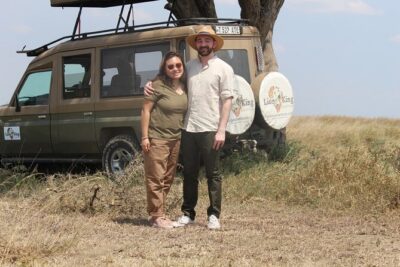
5-Day Highlights mid-Range Crater, Serengeti, Tarangire
Read our review →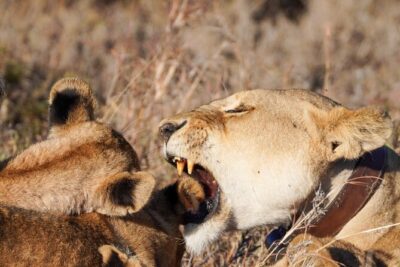
5-Day Private midrange Tour in Arusha with Airport Pickup
Read our review →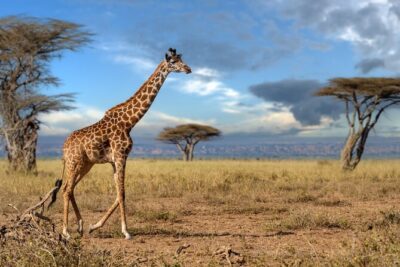
4 Days Tarangire, Serengeti and Ngorongoro Mid-Range Group Safari
Read our review →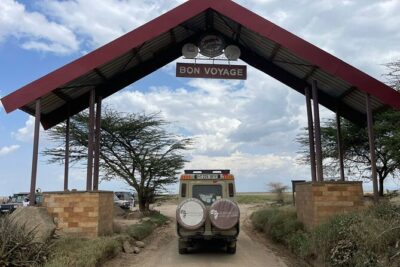
7-Day Midrange Tanzania Safari Adventures (Big 5)
Read our review →
5- Days Best Mid-range Safari and Maasai Village experience
Read our review →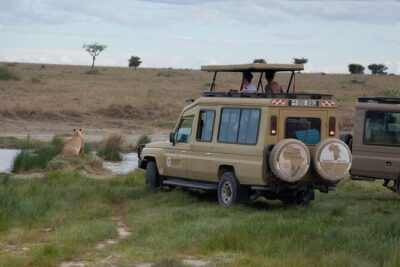
5 days Tanzania midrange lodge Private safari
Read our review →Browse the lists this tour appears in