
Reviewed · CULTURAL TOURS
Arusha; Walking City Tour History, Culture & Lifestyle
Arusha’s best stories are not all inside its museums. They unfold in the Central Food Market, on ordinary streets, at the clock tower, and in the easy conversations your guide helps you have with local people. This walking tour connects those everyday scenes with the city’s major cultural sights.
I like the mix of history and daily life, and I like that guides such as Israel, Daudi, and Innocent adapt the walk to your questions. The price is also fair at $28, especially with hotel pickup near the center. The main drawback is the amount of walking, plus the extra cost for pickup from hotels farther out.
Key points to know before you book
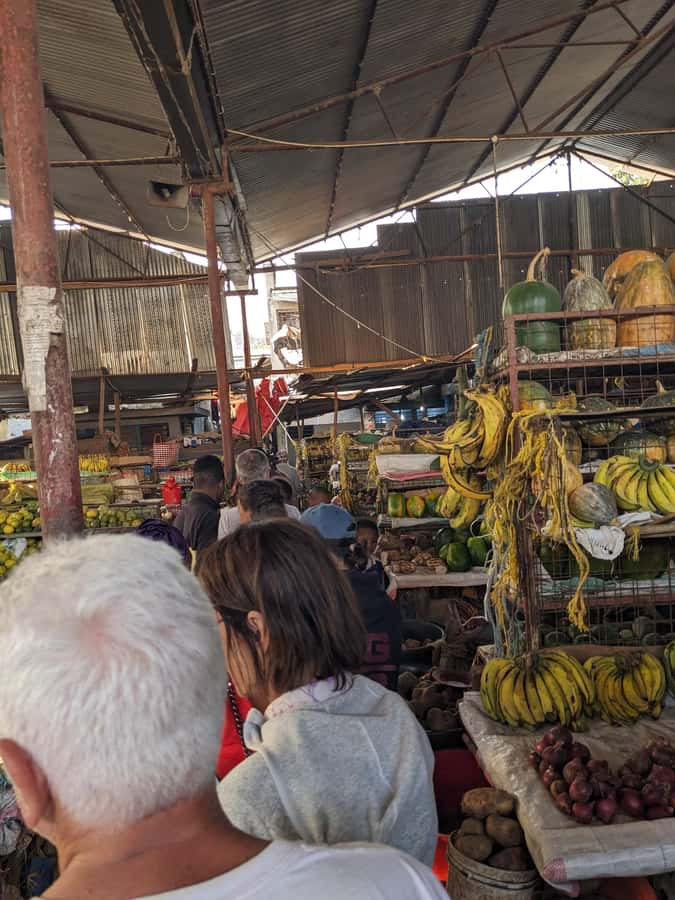
- The Central Food Market is a highlight: You see local produce, spices, smells, and food stalls rather than just polished tourist sights.
- The route covers serious ground: Expect about 4.5 hours on foot, with the total activity sometimes lasting 4 to 8 hours depending on timing and stops.
- You visit several different sides of Arusha: Museums, government buildings, markets, galleries, shops, and ordinary streets all fit into one day.
- Guides make the difference: Israel, Daudi, Innocent, John, Jackson, and others are praised for humor, local knowledge, flexibility, and care.
- Shopping is part of the route: You can look at Tanzanite, Maasai crafts, textiles, and souvenirs, but gift-shop stops may not suit everyone.
- Plan for a warm, active morning or afternoon: Wear walking shoes, carry water and cash, and expect uneven city walking rather than a gentle museum visit.
Why this is a smart first look at Arusha
Many safari visitors treat Arusha as a staging point for the Serengeti, Ngorongoro, or Kilimanjaro. That is a mistake. The city has its own story, shaped by German colonial rule, Tanzanian independence, regional politics, trade, art, and the daily movement of people through its markets.
This tour gives you a useful first orientation. You do not simply drive between attractions. You walk from one part of town to another, see how the streets connect, and learn how Arusha functions. A guide can explain the meaning of landmarks, introduce local foods, help with simple practical matters such as a SIM card, and show you how to move around with more confidence.
I would book it early in a stay if you have a spare half-day. It helps you get your bearings before a safari and gives you a better sense of the country beyond wildlife viewing. It also works well on your final day, especially if you return from a safari and want a relaxed cultural finish before leaving Tanzania.
The pace is usually flexible. Some people finish in roughly four and a half hours. Others spend much longer talking, eating, shopping, or asking questions. That flexibility is one of the tour’s strengths, though you should not assume every stop will be rushed through on a fixed schedule.
More City Tours in Arusha
- Arusha Guided Walking City Tour, Culture, Lifestyle & History
★ 5.0 · 150 reviews - Full Day Arusha City Tour
★ 5.0 · 18 reviews - Arusha: City Walking Tour Historic and Modern Highlights
★ 4.5 · 12 reviews
Starting at the Natural History Museum
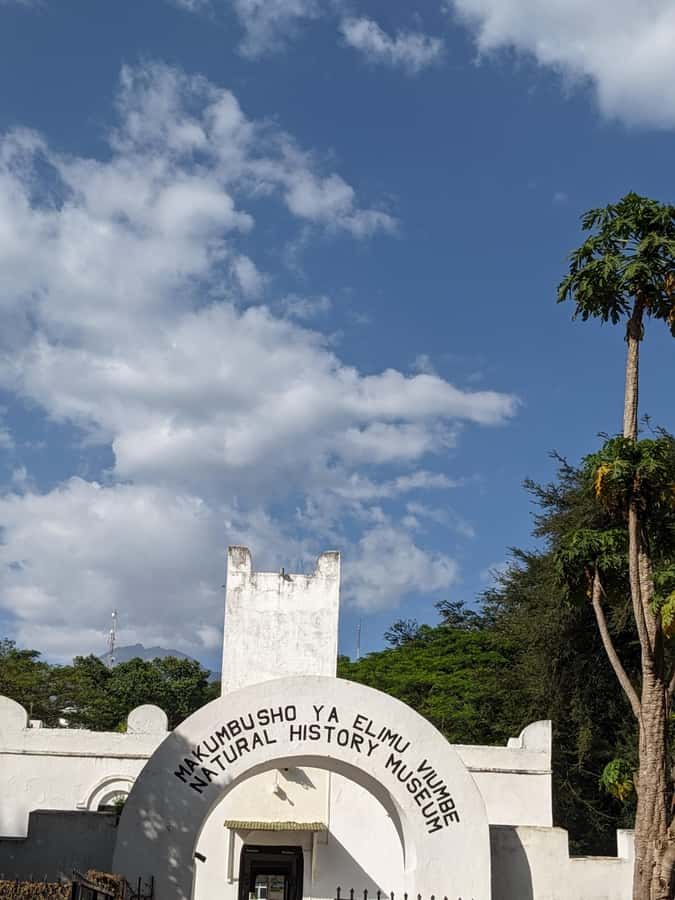
The Natural History Museum occupies a former German colonial fortress, giving the first stop a physical connection to Arusha’s past. The entrance fee is not included and costs $6 per adult, so add that to your budget.
Inside, you can expect displays related to human evolution, local wildlife, and the area’s past. This is a useful opening because it gives you context before the street walk begins. Rather than hearing isolated facts at each landmark, you start with a broad picture of Tanzania and the Arusha region.
The museum may be the most structured part of the day. If you prefer art, food, and street scenes, it might not be your favorite stop. Still, the building and exhibits help explain why Arusha became an important center, and your guide can connect what you see there with the rest of the route.
Walking through Arusha’s civic center
From the museum, the walk continues through the governmental part of town. You pass the East African Community Headquarters, Mount Meru Hospital, and the Arusha International Conference Centre, often called AICC.
These are not quick photo stops in the usual sightseeing sense. Their value is in understanding Arusha as a regional meeting place. The East African Community gives the city a role beyond tourism, while AICC is linked to diplomacy and international cooperation. Your guide can explain how Tanzania fits into wider East African affairs.
This part of the walk also helps you notice the contrast between formal institutions and ordinary city life. A large conference center may sit only a short walk from small shops, food sellers, and busy local streets. That contrast is part of what makes a guided walk more useful than a vehicle tour.
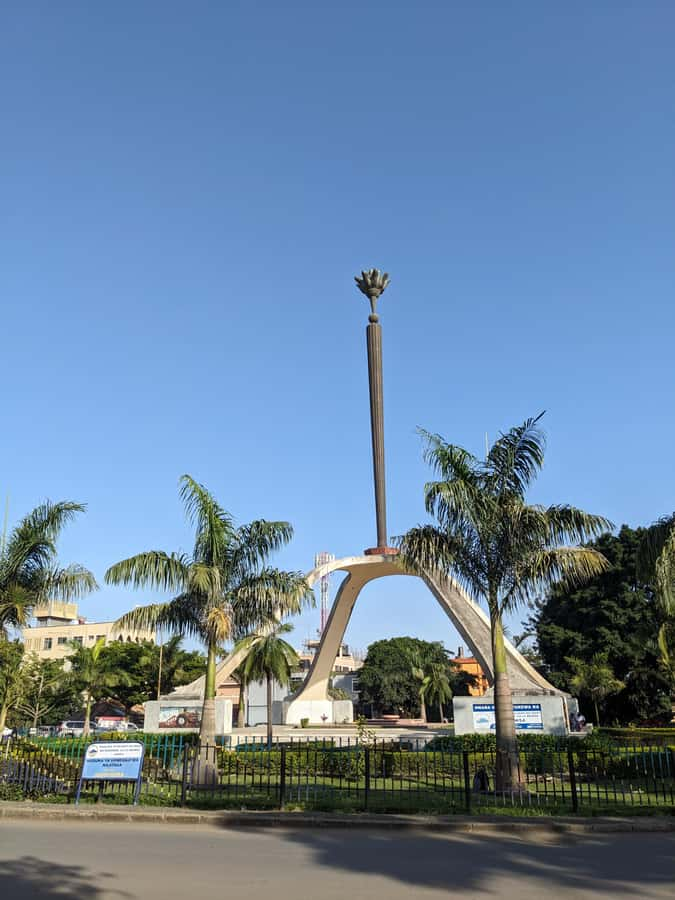
You will also pass the Arusha Clock Tower, one of the city’s best-known landmarks. It is described locally as the midpoint between Cairo and Cape Town, a detail that gives the monument a memorable place in the story of African geography and travel.
Learning about Tanzanite in Arusha
The Tanzanite Experience Museum introduces one of Tanzania’s most famous products. Tanzanite is a rare blue-violet stone associated with northern Tanzania, and the museum explains its history, appeal, and place in local commerce.
This stop is part museum visit and part shopping opportunity. You can learn how the stone became famous, then look at pieces for sale if you are interested. The guide can help you pause for a purchase, but there is no need to buy anything to enjoy the visit.
Use sensible caution with any valuable purchase. Ask questions, take your time, and decide based on your own budget. The tour includes the Tanzanite experience, but personal shopping expenses are not included.
Some people will find this stop fascinating even without buying jewelry. Others may prefer to spend more time in the markets. Tell your guide what interests you. The strongest feature of this tour is its ability to adjust the balance between history, shopping, food, and conversation.
More Cultural Tours in Arusha
- Hidden Arusha Waterfall, Coffee & Village Tour (All-Inclusive)
★ 5.0 · 42 reviews - 4 Days Wildlife Safari and Cultural Experience in Tanzania
★ 5.0 · 23 reviews - Arusha: Maasai Village Tour
★ 4.8 · 22 reviews - 8 Days 7 Nights Tanzania Wildlife & Culture Lodge Safari
★ 5.0 · 17 reviews
Seeing the Maasai Market without rushing
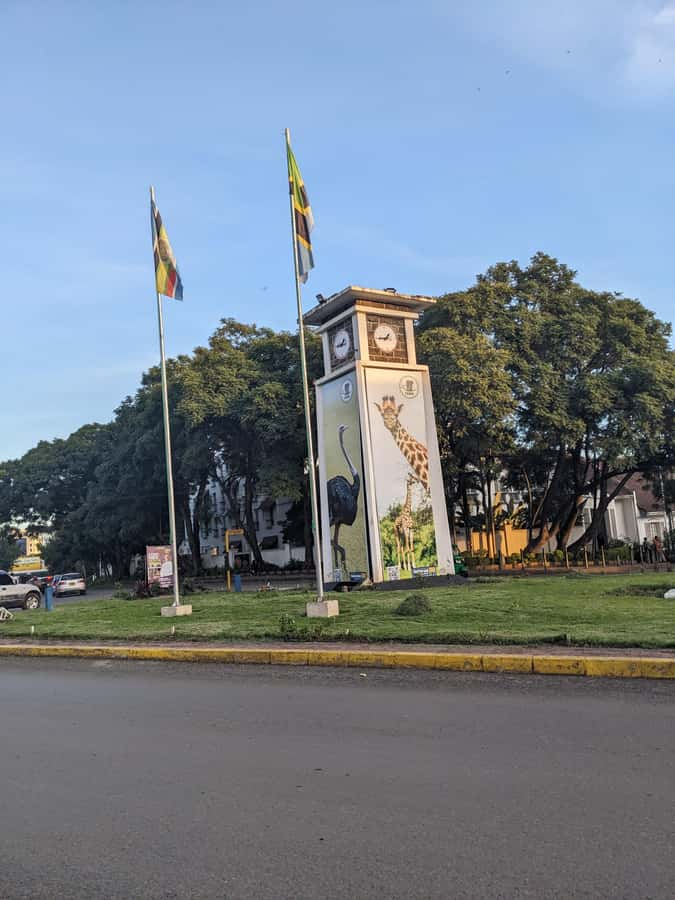
The Maasai Market brings a more commercial side of local culture into view. You may see jewelry, carved items, textiles, and other crafts connected with Maasai and wider Tanzanian traditions.
This is a place to browse, compare prices, and practice polite bargaining if appropriate. It is also a place where shopping pressure can sometimes become tiring. If you are not looking for souvenirs, say so clearly and ask to keep moving. One person specifically noted that brief gift-shop stops were not their preference, even though they did not spoil the day.
The tour provider can hold items while you continue walking if you decide to buy. That is useful when you are carrying purchases through the rest of the city. Still, keep your buying choices simple and do not feel obliged to purchase because a stop is included.
The market is valuable because your guide can explain what you are seeing and help separate ordinary local craft from items aimed mainly at visitors. You also get a better sense of how tourism and local trade meet in Arusha.
The Central Food Market is the real street-level lesson
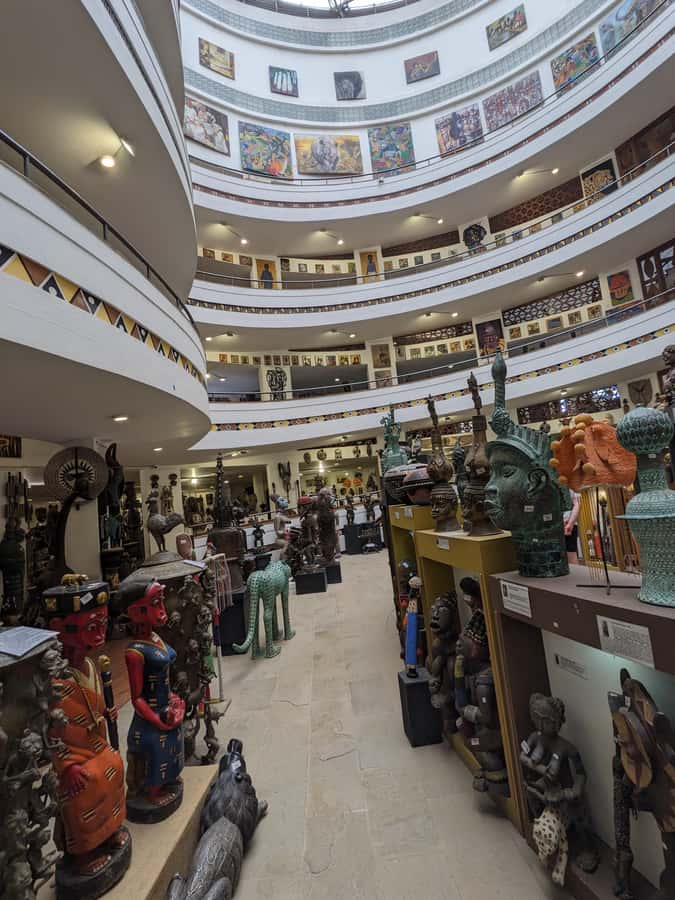
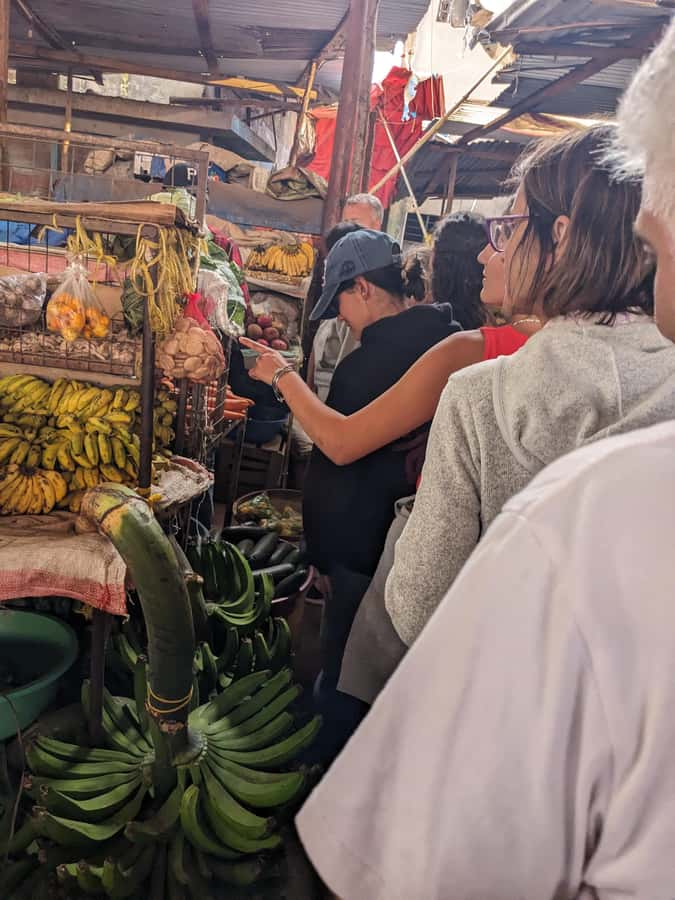
For many people, the Central Food Market is the heart of the tour. Here you encounter the colors and smells of local produce, spices, fruits, and prepared food. It is a working market, not a staged cultural display.
This is where the walk feels most connected to everyday Arusha. You can watch people buy ingredients, learn the names of unfamiliar foods, and ask your guide how different items are used. The market can be crowded and sensory, so stay close to your guide and keep your belongings secure.
Food is optional, but the route gives you a chance to try local dishes or street food if you wish. One guide, Israel, took people to a local spot after they said they wanted an authentic meal and joined them for lunch. That kind of request is worth making, though food and drinks are not included in the tour price.
Bring cash if you plan to eat or shop. The tour information specifically recommends it, and it is also useful for small personal purchases. Carry water as well. Arusha walking can feel warm, and the market itself may be busy and enclosed.
If you are sensitive to crowds, strong smells, or uneven surfaces, allow yourself time and space. The market is rewarding precisely because it is not polished for sightseeing, but that also means it can feel more demanding than a quiet museum.
Finishing with African art and local culture
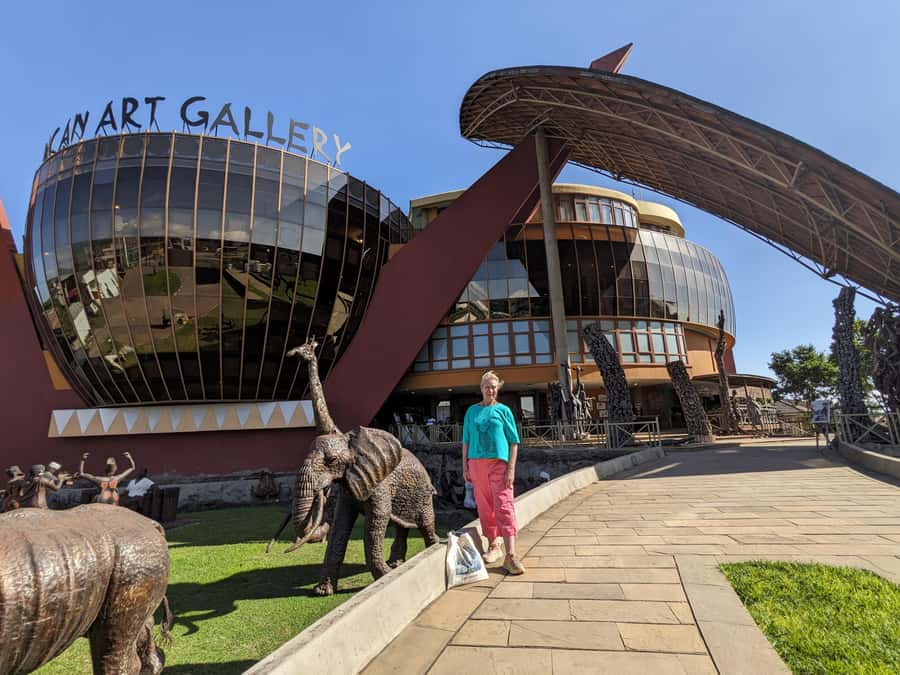
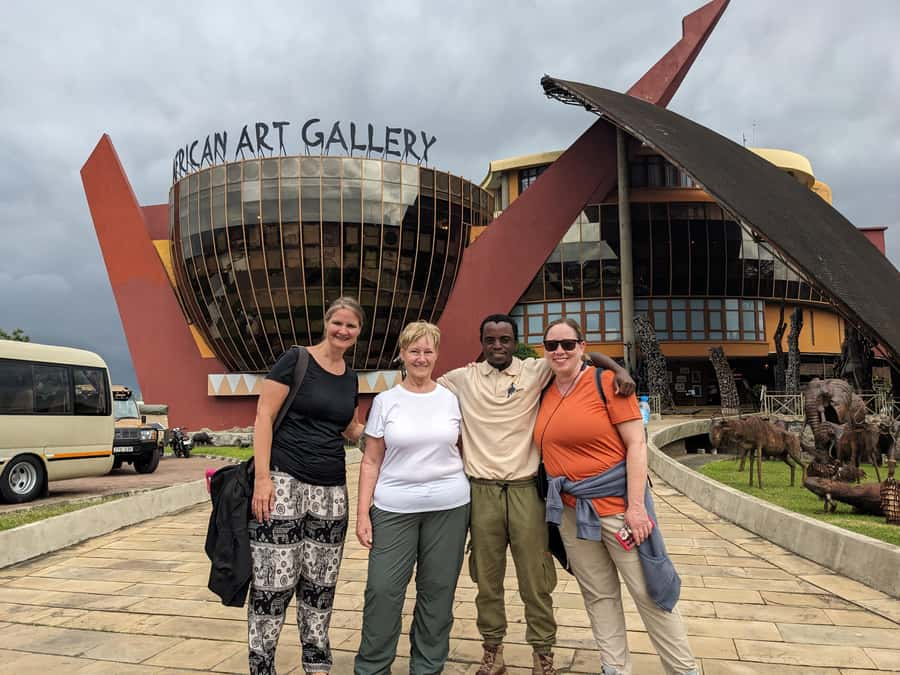
The African Art Gallery and Cultural Heritage Centre provides a quieter cultural counterpoint to the market. The collection is described as one of the largest in Africa, with a wide range of art and objects.
The scale can be overwhelming. Give yourself time to look rather than trying to remember everything. A guide can help you focus on pieces that connect to Tanzania, local communities, or themes already discussed during the walk.
This final stop broadens the tour beyond Arusha’s streets. You see how African art is collected, displayed, and sold, while also considering how culture is presented to an international audience. It is a good ending for people who want more than a simple city orientation.
The stop may appeal less to anyone who prefers food and street life alone. Still, it adds depth to the day and gives you a chance to browse at a slower pace after several hours outside.
What the guides add to the day
The guide is the main reason to choose this experience over following a map by yourself. Israel is praised for his wide knowledge of Tanzania, history, culture, wildlife, politics, food, and daily life. Daudi is described as friendly, clear, and good at answering questions. Innocent is noted for shaping the walk around personal interests.
Other named guides include John and Jackson. John has led people through the Natural History Museum, Tanzanite Experience, food market, and African Art Gallery while helping them feel comfortable in town. Jackson is praised for showing daily life and encouraging contact with local people.
The names matter because the experience is not just a fixed route. You are booking a guided conversation. Ask about Tanzania’s history, local customs, food, language, or places you might visit next. One person even received help with a SIM card, while another received assistance with a later travel problem. Those extra moments are not guaranteed, but they show how useful a good local guide can be.
Solo visitors should find the format appealing. A solo woman specifically felt safe throughout the walk. Families can also manage it, since one guide adjusted the experience for a family with small children. Even so, the route requires a moderate amount of walking and is not suitable for wheelchair users, people with mobility impairments, or pregnant women.
Price, timing, and what you really receive
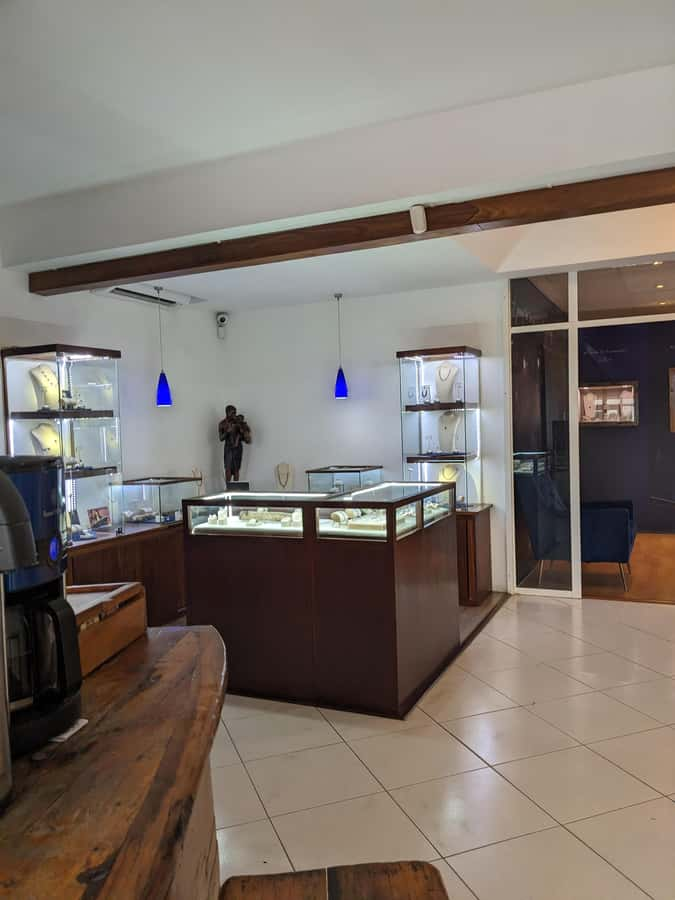
At $28 per person, the tour offers good value if you want several major stops and a local guide in one outing. The price includes the walking tour, guide, Tanzanite Experience Museum, Central Food Market, Maasai Market, African Art Gallery, and hotel pickup and drop-off when you stay near the city center.
The $6 Natural History Museum entrance fee is extra. Food, drinks, personal expenses, accommodation, and purchases are also outside the price. Private transport can be arranged for an additional cost.
The stated duration ranges from 4 to 8 hours, while the main city route is described as about 4.5 hours. That difference likely reflects flexible stops, food, shopping, and pickup arrangements. Confirm the expected start and finish time before booking, especially if you have a flight, safari transfer, or dinner reservation.
Hotel pickup is included for accommodation near central Arusha. The information gives several distance limits, including 3 km, 4 km, and 5 km from the center, so confirm your exact pickup cost after booking if you are staying farther away. The additional charge is described as affordable, but it is not part of the $28 price.
What to bring and how to handle the walk
Wear comfortable walking shoes. This is not a vehicle-based city tour with occasional short stops. You will walk through city streets, markets, and public areas for much of the day.
Bring:
- Water
- Sunscreen
- A sun hat
- A camera
- Cash
- Comfortable clothing suited to the weather
Keep your bag easy to carry. You may want room for small purchases, but a heavy daypack will make the walk less pleasant. Ask before photographing people, market stalls, or sensitive public locations.
English is the listed tour language. The strongest guides appear to enjoy questions and informal conversation, so use the walk to ask about anything that catches your attention. You may also learn a few Swahili words and try them with local people.
Who should book this Arusha walk?
I would recommend it to first-time visitors who want to understand Arusha before heading into the national parks. It is also a good choice for solo visitors, couples, families with older children, and anyone with a half-day available between flights, safaris, or hotel stays.
It suits you especially well if you enjoy markets, local food, museums, history, and talking with a guide. It is less suitable if you want a quiet, highly polished sightseeing experience, dislike shopping stops, or have difficulty walking for several hours.
The tour can also be a strong final-day activity. It keeps you active without requiring a long drive and gives you a last chance to buy crafts, learn more about Tanzanite, eat local food, and see the city at a human pace.
Should you book it?
Book this tour if you want Arusha to feel like a real place rather than a transfer point. The best parts are the Central Food Market, the flexible guide-led conversations, the civic landmarks, and the chance to walk ordinary streets with someone who knows the city.
Budget another $6 for the Natural History Museum, carry cash for food and shopping, and confirm pickup if your hotel is outside the center. If you can handle several hours on foot, the $28 price is a sensible way to see a lot of Arusha in one day.
FAQ
How long does the Arusha Walking City Tour last?
The main city experience is described as about 4.5 hours, while the available duration is listed as 4 to 8 hours. Timing may change based on stops, shopping, meals, and pickup arrangements.
What places are included in the tour?
The route includes the Natural History Museum, Tanzanite Experience Museum, Arusha Clock Tower, Maasai Market, Central Food Market, African Art Gallery, Cultural Heritage Centre, and several important city landmarks.
Is the Natural History Museum entrance fee included?
No. Entrance costs $6 per adult and is paid separately.
Is hotel pickup included?
Pickup and drop-off are included for hotels near central Arusha. An additional charge may apply if your hotel is farther from the city center, so confirm the cost after booking.
What language does the guide speak?
The tour is conducted in English.
Are food and drinks included?
No. Food and drinks are not included, but the route may give you opportunities to try local food or eat at a local restaurant.
Can I buy Tanzanite or souvenirs during the tour?
Yes. The route includes the Tanzanite Experience and Maasai Market. You can also stop to buy souvenirs, and the guide can hold purchases while you continue the tour.
Is the tour suitable for people with mobility limitations?
No. It is not suitable for pregnant women, people with mobility impairments, or wheelchair users. The experience includes a moderate amount of walking.
Can I cancel or pay later?
You can cancel up to 24 hours in advance for a full refund. Reserve now and pay later is also available.
More History Walks in Arusha
- Arusha City Culture and Historical Walking Tour
★ 5.0 · 8 reviews - 24 Hours in Arusha—Arusha Museum, Cultural Heritage, Maasai Market, Shanga
★ 5.0 · 4 reviews - Arusha: Cultural Heritage, Tanzanite Tour
★ 5.0 · 3 reviews - Zanzibar: Stone Town Historical Cultural Walking Guided Tour
★ 4.5 · 179 reviews
More Walking Tours in Arusha
- 7-Day Private Tanzania Safari with Sunset Walking on the Crater Rim and Maasai
★ 5.0 · 40 reviews - Tanzania – Arusha NP – Private Guided 4×4 Safari – Game Drive & Walking
★ 5.0 · 30 reviews - Private Walking Tour with Giraffes
★ 5.0 · 18 reviews - Street Food and Community Walking Tour
★ 5.0 · 12 reviews
Just added around Arusha
- From Arusha: 11 days The Classics Northern Tanzania safari★ 5.0 · 11 reviews
- 6-Day Mount Meru Climb through Momella Route Guided Tour★ 5.0 · 5 reviews
- Private Day Trip to Arusha National Park with a Walking Safari★ 5.0 · 4 reviews
- From Arusha : 11-day Amazing North Tanzania safari tour★ 5.0 · 4 reviews
- Walking Day Tour to Safari in Arusha National Park★ 5.0 · 5 reviews
- 2 Days Tanzania Midrange Group Join Safari★ 5.0 · 7 reviews
- Best 5 Days Tanzania Private Luxury Safari with luxury Lodges★ 5.0 · 12 reviews
- Waterfall & Coffee Walking Tour★ 5.0 · 6 reviews
Cultural Tours, compared.
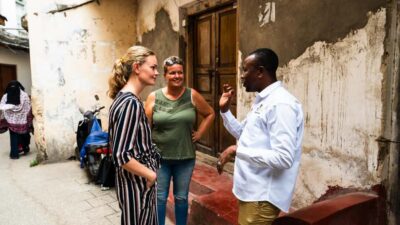
Stone Town Historical Cultural Walking Guided Tour
Read our review →
Arusha Guided Walking City Tour, Culture, Lifestyle & History
Read our review →
4h-Quad Explore the Heart and Culture of Nungwi and Kendwa
Read our review →
Materuni Waterfalls, Visiting Chagga Village, CoffeeTour Kikuletwa Hotsprings
Read our review →
The Best/Top Rated Cultural City Tour in Dar es Salaam
Read our review →
Mamas of Zanzibar – A Unique Cultural & Culinary Experience
Read our review →
Stone Town Guided Tour: Culture, Slave Market & Spice Market
Read our review →
Hidden Arusha Waterfall, Coffee & Village Tour (All-Inclusive)
Read our review →Browse the lists this tour appears in