
Reviewed · CAMPING SAFARIS
3 Days Serengeti & Ngorongoro Group Camping Safari
The best part of this safari is the mix of Serengeti wilderness and Ngorongoro wildlife in only three days. You can watch the plains at sunrise, sleep under the stars, then look for lions, elephants, zebras, flamingos, and the Big Five before returning to Arusha.
I like the small group limit of six, which gives you a better chance to ask questions and get a clear view from the 4×4. I also like that meals, park fees, water, camping, and a professional English-speaking guide are included. The tradeoff is simple: this is real camping, not a lodge holiday. The Serengeti camp may have no hot water, nights can fall to about 5°C, and long drives are part of the deal.
Key points to know before booking
- Up to six people: A small group makes wildlife viewing and guide conversations more personal.
- Two famous parks in three days: You see the Serengeti plains and descend into the Ngorongoro Crater.
- Camping keeps the price at $900: You trade lodge comfort for a closer, more basic wilderness experience.
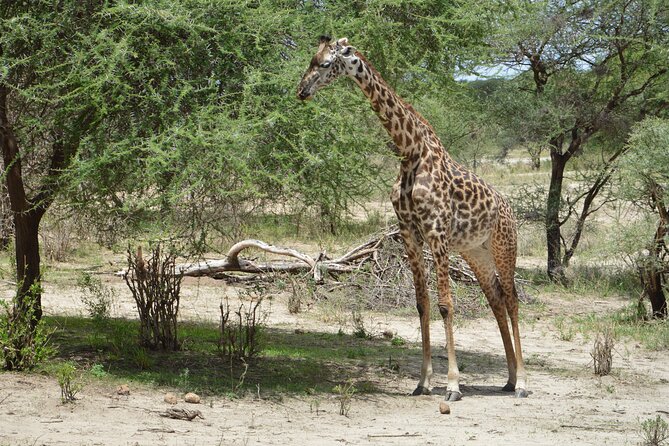
- Guides make a major difference: Adam, Gerald, Izak, and other Suricata team members have been praised for animal knowledge, care, and careful driving.
- Big Five sightings are possible early: A well-run route can produce lions, elephants, buffalo, leopards, and rhinoceros within the first two days, though wildlife is never guaranteed.
- Pack light and warm: The luggage limit is 10 kilograms per person, and a jacket, socks, mosquito repellent, towel, toilet paper, and binoculars are useful.
Three days from Arusha to Tanzania’s great wildlife parks
This safari is designed for people who want the classic northern Tanzania experience but have limited time. You leave from Arusha, visit the Serengeti and Ngorongoro Conservation Area, and return to Arusha on the third day.
That compact schedule gives you a lot of wildlife for your money, but it also means plenty of time in the safari vehicle. You are not booking a slow, lodge-based holiday with long afternoons beside a pool. You are choosing early starts, rough roads, changing weather, simple camps, and the chance to see animals in some of Africa’s best-known protected areas.
The group size matters. With no more than six participants, you are less likely to feel lost in a large convoy. You can ask the guide to explain animal behavior, identify birds, or pause when something interesting appears. The 4×4 vehicle is used for transport and game drives, and guides have binoculars available to share, though bringing your own pair is much better.
The listed price is $900 per person. That is a substantial payment, but it covers several expensive parts of a Tanzania safari: park entrance fees, vehicle transport, a professional English-speaking guide, accommodation, meals, and mineral water. Since the Serengeti and Ngorongoro fees can add up quickly, an organized camping trip often gives better value than arranging each part yourself.
You still need to budget for international or domestic flights, a visa, travel insurance, and tips for the driver, guide, and chef. The price also does not remove the physical side of the trip. If you want private rooms, daily hot showers, and lots of personal space, you should compare this with a lodge safari before booking.
More Camping Safaris in Serengeti
- 3 Days Serengeti & Ngorongoro Group Camping Safari
★ 5.0 · 574 reviews - 3 Day Serengeti National Park & Ngorongoro Crater Camping Safari
★ 5.0 · 142 reviews - 03 days Serengeti and Ngorongoro Crater group (camping)
★ 5.0 · 75 reviews
Day 1: The long road from Arusha to the Serengeti
Your first day begins with an early pickup in Arusha. A company representative meets you at your accommodation reception with a sign bearing your name, gives you a short introduction, and helps get the trip moving.
The drive toward the Serengeti is part of the experience, though it is also the day when you will spend the most time sitting. Tanzania changes visibly as you leave Arusha and head toward the protected areas. Keep your camera and water close, but do not expect a nonstop series of animal sightings during the transfer.
After arrival in the Serengeti, you have lunch before an afternoon game drive. This timing gives you a first look at the enormous open plains, where visibility can stretch a long way. The Serengeti is famous for large numbers of grazing animals and predators, but the exact sightings depend on the season, recent rain, and where animals happen to be that day.
Your guide’s skill is especially important here. A good guide does more than point out a lion. Guides such as Adam and Gerald have been praised for explaining animal behavior, positioning the vehicle carefully, and getting close without disturbing the animals. Izak has also been praised for strong driving and for making the trip feel cared for, not merely transported.
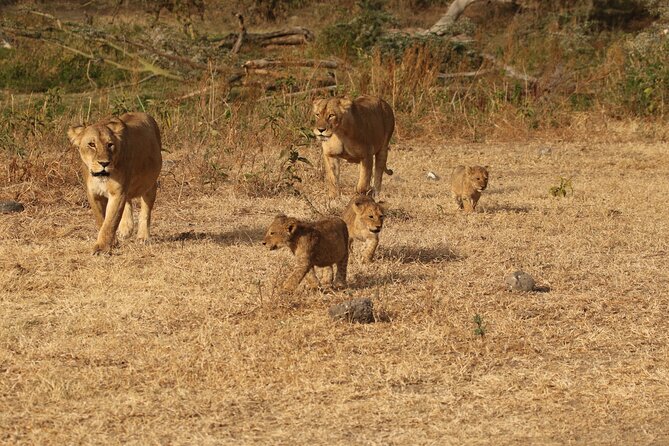
You may see lions, elephants, buffalo, leopards, rhinoceros, zebras, and many other species. The Big Five are a popular goal, but you should not treat them as a guarantee. Wildlife is free to move, and part of the pleasure is learning to notice smaller events too, such as a herd changing direction or a predator watching from a distance.
That evening, you camp in the Serengeti. This is the part that makes the trip feel different from a standard sightseeing tour. You are sleeping in the park rather than commuting in and out from a distant town.
The camp is basic. Hot water may not be available, and nighttime sounds can include roaring lions. That can be thrilling, but it can also feel outside your comfort zone. Take the description of camping seriously if you are a light sleeper or prefer a private bathroom with dependable hot water.
A cook is part of the safari setup, and Tito and Puis have been singled out for enjoyable meals. Food is a practical concern on a short safari because you will be away from shops and restaurants. Having meals prepared at camp means you do not need to organize food each day, and it keeps the schedule focused on wildlife.
Day 2: Sunrise wildlife and the road to Ngorongoro
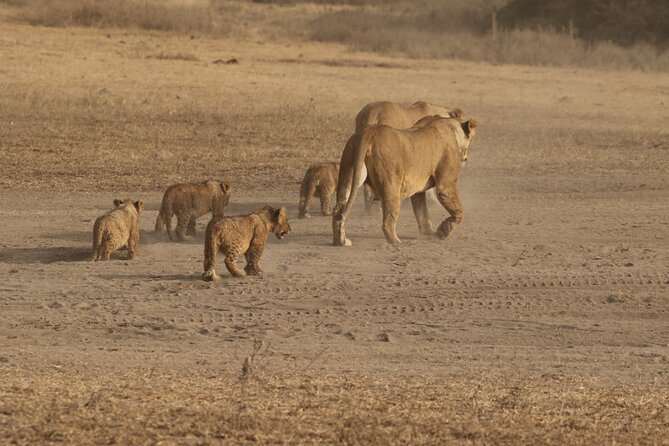
The second day starts with an early morning game drive in the Serengeti. This is one of the strongest parts of the schedule. Morning light makes the plains look different, animals are often active, and the cooler air is easier for an open-vehicle drive.
You should dress in layers. Mornings can be cold, and temperatures at night may drop to around 5°C. A warm sweater, socks, and jacket matter more than stylish safari clothing. Neutral colors such as beige, green, and white are recommended, while bright colors are discouraged.
After the morning drive and lunch, you leave the Serengeti for the Ngorongoro Conservation Area. This transfer gives you time to rest, eat, and watch Tanzania change outside the vehicle. It also means the second day has less time for afternoon wildlife viewing than the first and third days.
That is the main compromise in a three-day itinerary. You do not get several full days in each park. Instead, you receive a strong sample of both areas, with the Serengeti’s broad plains balanced by Ngorongoro’s enclosed crater setting.
You spend the night at a camp near Ngorongoro Crater. The camping conditions may feel more comfortable here than in the Serengeti. One setup included hot showers, excellent views, and even a zebra visiting near camp. Do not assume every detail will be identical on every departure, but you can reasonably expect the setting to feel different from the more exposed Serengeti night.
The crater area is cooler, so keep your jacket accessible rather than buried in your bag. The luggage limit is 10 kilograms per person, and a soft duffel is recommended. Extra luggage can be left in a hotel storage room, which is useful if you are continuing to another destination after the safari.
Day 3: Descending into Ngorongoro Crater
You wake early for the descent into Ngorongoro Crater. This is not just another game drive. The crater is a UNESCO World Heritage site, and its steep walls create a dramatic natural setting for wildlife viewing.
Inside the crater, you may see elephants, lions, zebras, and flamingos, along with other animals. The concentrated setting can make sightings feel rewarding because you are watching wildlife in a smaller area than the wide Serengeti plains. At the same time, the crater is still a natural place, so sightings and distances change from day to day.
The final game drive is likely to be busy with wildlife, but the schedule remains tight. After the morning viewing, you travel back to Arusha and arrive in the afternoon. If you have a flight or another fixed appointment, confirm the timing with Suricata Safaris before booking. The supplied schedule gives an afternoon return, but it does not promise a precise arrival hour.
The last drive can feel long after several early mornings. Still, the route works well for a short holiday because you finish where you started. That removes the need to arrange a separate transfer from another town or park.
More Safaris in Serengeti
- Serengeti Balloon Safari and authentic bush breakfast
★ 5.0 · 2,480 reviews - Balloon Safari & Bush Breakfast in Serengeti – Miracle Experience
★ 5.0 · 1,646 reviews - Safari Serengeti And Ngorongoro
★ 5.0 · 288 reviews - 3-Day Classic Serengeti Safari
★ 5.0 · 263 reviews
What camping is really like on this safari
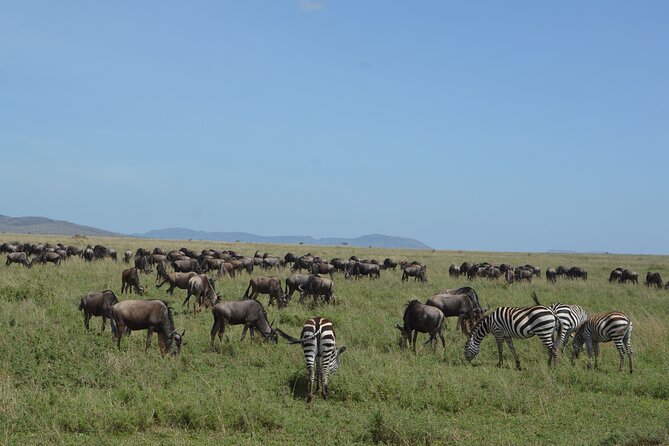
Camping here is a way to get closer to the setting, not simply a cheaper version of a lodge. You sleep under the stars, hear the sounds of the park, and spend less time returning to a town after each game drive.
The facilities are not described as luxury facilities. You should be ready for basic arrangements, particularly in the Serengeti. Bring a towel for showers and toilet paper, because these are specifically recommended. High-quality mosquito repellent is also sensible, with mint concentration recommended in the packing information.
The camps do not offer the same level of comfort each night. The Serengeti camp may have no hot water, while the Ngorongoro camp can offer hot showers and fine views. That change is part of the trip’s character, but it also means you need to accept uneven comfort.
Meals are included, and the cooks are an important part of the operation. The food has received especially warm praise, with Puis and Tito named for preparing memorable meals. If you have dietary needs, ask Suricata Safaris before departure, since no specific dietary arrangements are provided here.
Guides, driving, and the small group advantage
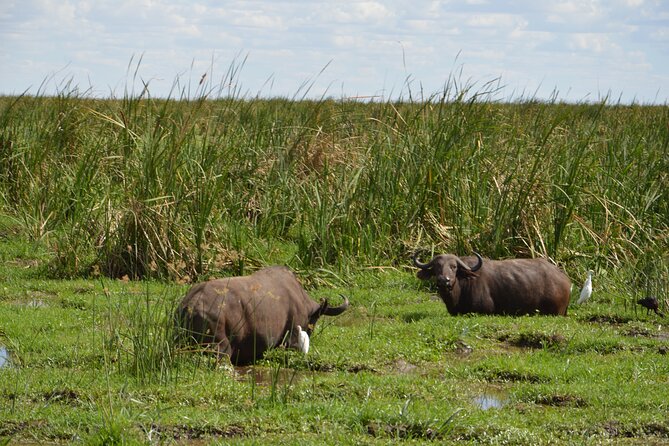
A safari guide shapes your experience more than almost any other part of the booking. You are relying on the guide to spot animals, explain what you are seeing, drive safely, and judge when to move on.
Adam has been praised for looking after his group and getting close to animals without disturbing them. Gerald has been praised for strong planning, transport, and explanations about wildlife. Izak has also been praised for excellent driving and for adding thoughtful personal care to the trip.
Those names may not be assigned to every departure, so do not book on the assumption that one particular guide is guaranteed. The useful point is that Suricata Safaris uses a guide and cook team rather than leaving you to manage the practical details on your own.
A group of six is small enough for the guide to hear your questions. It also gives you a better chance of finding a comfortable place to look through the vehicle openings. Still, you are sharing the vehicle, so you will not control every stop or viewing angle. If one person wants to watch an animal for a long time and another wants to move on, the guide must balance the group.
What to pack for cold nights and dusty roads
Pack for function, not fashion. Neutral colors are recommended, and bright clothing is not allowed. Bring warm layers because mornings and nights can be cold, even when daytime conditions feel pleasant.
Your 10-kilogram limit encourages sensible packing. A soft duffel works better than a hard suitcase in a safari vehicle, and extra bags can be stored at the hotel.
Bring:
- A warm sweater, jacket, and several pairs of socks
- Neutral-colored shirts and trousers
- High-quality mosquito repellent
- A towel and toilet paper
- Personal binoculars, since the guide’s pair may need to be shared
- Any required medication and personal toiletries
- A small camera or phone with enough storage and battery power
Drones are not allowed. You must not feed or touch animals, and you should follow the guide’s instructions around wildlife. These rules protect both you and the animals.
The trip is not suitable for wheelchair users, people with back problems, babies under one year, or people over 95. Those limits reflect the vehicle rides, camping conditions, and uneven access involved in this kind of safari.
Who will get the most from the $900 price
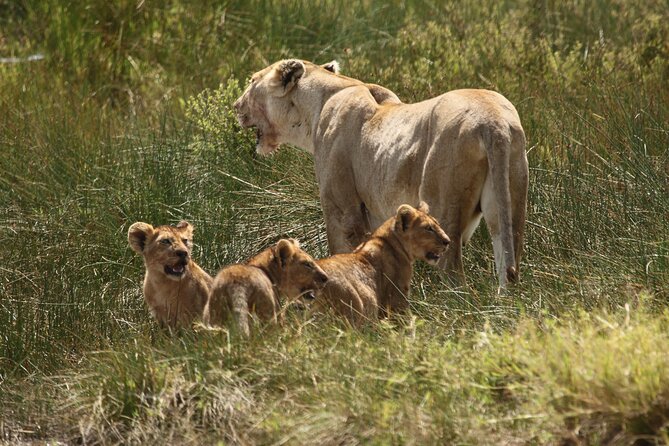
I would recommend this safari to you if you want to see Tanzania’s best-known wildlife areas without paying lodge prices. It suits first-time safari visitors, photographers who value time in the parks, and people who enjoy simple camping more than polished hotel service.
The value is strongest when you use the included parts. Park fees, a 4×4, meals, water, guide, and accommodation can be costly to arrange independently. A small group also gives you a more personal setup than a large coach-style excursion.
I would hesitate to recommend it if you dislike early mornings, long vehicle journeys, cold nights, or shared camping facilities. Three days is enough for a memorable introduction, but it is not enough for a slow, unhurried exploration of both parks.
Free cancellation up to 24 hours before the start date and reserve-now, pay-later booking make planning easier. You still need to arrange a visa, flights, insurance, and tips separately, so include those costs when comparing the total price.
Should you book this three-day safari?
Book it if your priority is maximum wildlife variety in a short trip and you are willing to camp simply. The combination of Serengeti plains, Ngorongoro Crater, small groups, included park fees, and capable guides makes $900 a fair price for a tightly scheduled safari.
Skip it if you need guaranteed hot showers, generous luggage space, private accommodation, or a relaxed pace. For everyone else, this is a practical way to see two major Tanzanian parks, eat well around the campfire, and experience the wild side of the country without paying for a luxury lodge.
FAQ
Where does the safari start and finish?
The safari starts in Arusha and returns to Arusha on the afternoon of the third day.
How long is the safari?
The experience lasts three days.
Which parks and protected areas are included?
The route includes Serengeti National Park and the Ngorongoro Conservation Area, including a game drive inside Ngorongoro Crater.
How many people are in the group?
The group is limited to six participants.
Is hotel pickup included?
Yes. A company representative meets you at your accommodation reception with a sign or board showing your name and provides a short introduction.
Is a guide included?
Yes. A professional English-speaking guide is included, and the activity is conducted in English.
What is included in the $900 price?
The price includes 4×4 safari transportation, park entrance fees, mineral water, accommodation, meals, and a professional English-speaking guide.
What should I bring?
Bring neutral-colored clothing, a warm sweater, socks, a jacket, mosquito repellent, binoculars, a towel, and toilet paper. Luggage is limited to 10 kilograms per person, and duffel bags are recommended.
Are there activities or people not suited to this safari?
Drones, feeding animals, touching animals, and bright colors are not allowed. The safari is not suitable for people with back problems, wheelchair users, babies under one year, or people over 95.
More Three-Day Trips in Serengeti
- 3 Days Small Group Safari to Serengeti NP and Ngorongoro Crater Tour in Tanzania
★ 5.0 · 77 reviews - 3 Days 2 Nights Group Joining Serengeti and Ngorogoro Safari
★ 5.0 · 56 reviews - 3 Days Safari to Serengeti National Park & Ngorongoro Crater in Tanzania
★ 5.0 · 34 reviews - 3 Days Safari Serengeti & Ngorongoro Crater
★ 5.0 · 26 reviews
Just added around Serengeti
- Serengeti & Ngorongoro 3 days Fly Safari in from Zanzibar★ 5.0 · 21 reviews
- 3 Days Serengeti National Park from Zanzibar★ 4.5 · 3 reviews
- 4-Day Serengeti, Ngorongoro,Tarangire safari★ 5.0 · 3 reviews
- Serengeti 2-Day Safari from Mwanza★ 5.0 · 16 reviews
- Serengeti Day Trip Tour from Mwanza★ 5.0 · 4 reviews
- Full-Day Serengeti Tour from Mwanza★ 5.0 · 11 reviews
- Discover Our Best Guide for 1-Day Serengeti Safari from Mwanza★ 5.0 · 5 reviews
- Serengeti Day Trip Safari From Mwanza Tanzania★ 5.0 · 7 reviews
Camping Safaris, compared.
3 Day Serengeti National Park & Ngorongoro Crater Camping Safari
Read our review →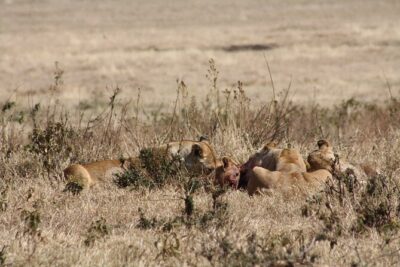
5-Day private Camping Safari Tour in Tanzania
Read our review →
5 Days Camping Tarangire, Serengeti & Ngorongoro crater & Visiting Maasai
Read our review →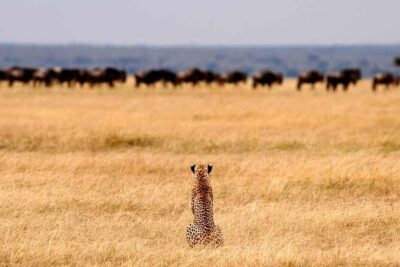
Multi-Day Camping Safari Experience in Arusha
Read our review →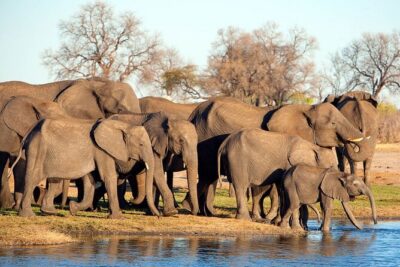
3-Day Tarangire, Ngorongoro and Lake Manyara Camping Safari
Read our review →Browse the lists this tour appears in