
Reviewed · 9-DAY EXPERIENCES
9 Days – Best of Tanzania Safari
This nine-day safari links Tanzania’s biggest wildlife names in one long sweep: Tarangire, Ngorongoro, Ndutu, and the Serengeti. The most powerful moments may come from the changing scale, from elephants under baobabs to a crater filled with animals and the wide-open plains of the Serengeti.
I like the private vehicle, which gives your group more room and a more flexible rhythm than a shared safari. I also like the route’s seasonal thinking, with two days in Ndutu when the wildebeest calving season may be at its best.
The main drawback is the amount of driving. This is a full Northern Circuit program, not a restful lodge holiday, and the long transfers can feel tiring after early game drives.
Key details that shape this safari
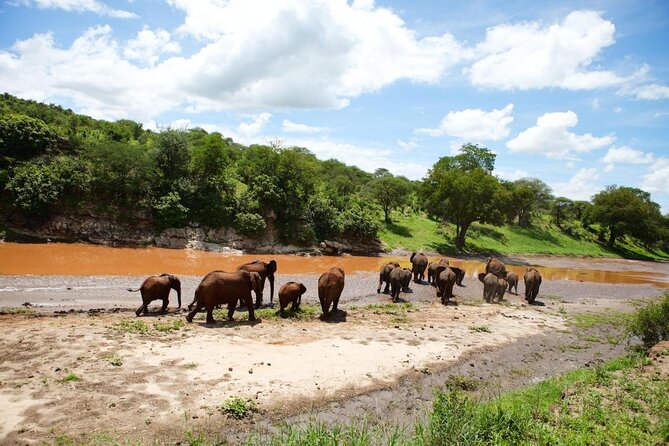
- Tarangire’s elephants and birdlife: Your first park brings large herds, big cats, giraffes, buffalo, antelopes, and many bird species.
- Ngorongoro Crater in one game drive: A 600-meter descent takes you onto a crater floor with a permanent animal population of more than 30,000.
- Ndutu from December to April: This is the key seasonal stop for wildebeest herds and, around February, newborn calves.
- Two Serengeti zones: You visit central Seronera and the Wagakuria area, giving the trip more variety than staying in one part of the park.
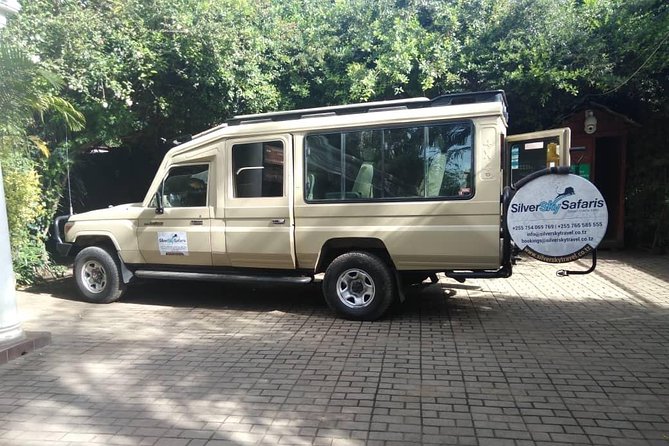
- Private open-roof 4×4: You get a dedicated vehicle for your group, with a raised roof designed for game viewing.
- A fly-out on Day 9: The final transfer to Seronera airstrip avoids a long road return to Arusha.
What the $4,000 price covers
At $4,000 per person, this safari sits in the comfort category rather than the budget end of the market. The price includes accommodation, park entry fees, meals, bottled water, an air-conditioned vehicle, onboard WiFi, taxes, and a private vehicle for your group.
That package matters in Tanzania. Park fees and long-distance transport add up quickly, and the route covers several major protected areas. You are not simply paying for a bed and a few drives. You are paying for the vehicle, fuel, driver-guide service, permits, lodging, and a carefully connected route through the Northern Circuit.
The private format improves the value for couples, families, or a small group that wants control over the pace. You can discuss where to stop, how long to watch an animal, and when to return to camp. The value is less obvious for a solo visitor, since the price is charged per person and the safari still follows a demanding schedule.
The accommodation is described as a combination of hotel, tented lodge, and tented camp, all with private bathrooms. That gives you a more comfortable base than basic camping, but you should still expect a nature-focused stay rather than city-hotel polish. Ask for the exact properties before booking, since comfort can vary from one camp or lodge to another.
Alcohol, flights, visa costs, phone calls, laundry, and personal purchases are not included. The final flight from Seronera to Kilimanjaro is also listed outside the package, so confirm the fare and baggage rules before you pay.
More Safaris in Kilimanjaro
- Great Migration Safari In Tanzania
★ 5.0 · 71 reviews - 6 Days Tanzania Classic Safari
★ 5.0 · 52 reviews - 6-day Private Camping Safari Tour from Kilimanjaro Airport
★ 5.0 · 27 reviews
Day 1: A soft landing in Arusha
Your safari begins with pickup at Kilimanjaro International Airport and a transfer to your selected Arusha hotel. A driver-guide meets you, introduces you to the area, and helps you get settled.
This first day is useful because it gives you a buffer before the parks begin. International arrivals can be tiring, and starting with a hotel night is easier than heading straight into a game drive. The start time listed for the tour is 8:00 a.m. from Arusha, so confirm how the airport arrival and hotel pickup fit together.
Arusha is the practical gateway to the Northern Circuit. You will not spend a full sightseeing day here, but the city gives you a first sense of Tanzania before the roads turn rural.
Day 2: Elephants in Tarangire National Park
The first park is Tarangire, reached from Arusha by road. You arrive around midday for lunch, followed by an afternoon game drive.
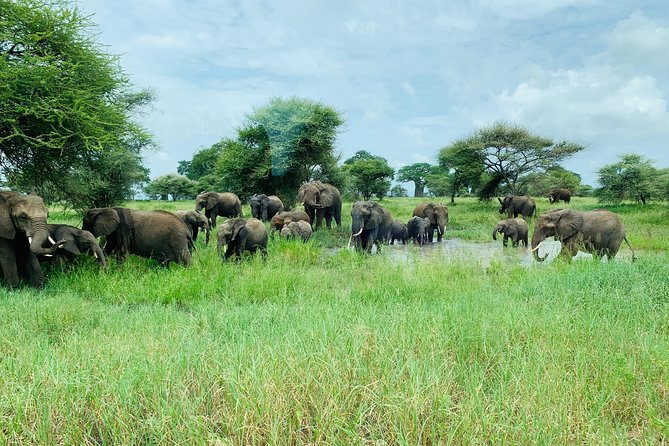
Tarangire is often called an elephant playground, and that nickname points to the park’s main appeal. You may see elephants moving through open country and around large trees, along with lions, cheetahs, leopards, zebras, wildebeest, buffalo, and several antelope species.
I especially like this opening park because it gives you a strong first safari day without trying to present the same scenery as the Serengeti. The birdlife is another major reason to pay attention here. Even if you are mainly hoping for large mammals, keep your eyes open for the many bird species found in the park.
The timing is sensible. A midday arrival allows lunch before the afternoon drive, when you begin looking for animals in a cooler part of the day. You finish at your lodge for dinner and rest, though the early start on Day 3 means this will not be a late night.
Day 3: Lake Manyara below the Rift Valley Escarpment
After breakfast, you leave Tarangire with a packed lunch and travel to Lake Manyara National Park. The park sits at the base of the Great Rift Valley Escarpment, with habitats that include open plains, acacia woodland, and the shore of a shallow alkaline lake.
This is a compact but varied wildlife stop. You may see buffalo, elephants, giraffes, impalas, hippos, and other animals. The lake itself gives the day a different character from Tarangire, with open water and birdlife replacing the dry park setting.
Lake Manyara is also known for tree-climbing lions. Seeing one is never guaranteed, but the possibility gives you a reason to scan the branches as you move through the park. The setting attracted Ernest Hemingway, who called it the loveliest lake in Africa, and the mix of lake, forest, escarpment, and wildlife explains the appeal.
One practical point: the supplied schedule is cut off partway through the Lake Manyara description, so confirm your overnight location and the exact evening plan. The stated route continues toward Ngorongoro, but your final lodging details should be clear before departure.
More Kilimanjaro safaris to compare:
- Kilimanjaro bike park safari
★ 5.0 · 16 reviews - 7 Day Kilimanjaro Climb Lemosho Route & 2 Day Safari
★ 5.0 · 16 reviews - 6 Days Big Five Tanzania Safari
★ 5.0 · 15 reviews - 7 Day Grand Tanzania Safari
★ 5.0 · 13 reviews
Day 4: Down into Ngorongoro Crater
After breakfast, you head toward the Ngorongoro Conservation Area and descend about 600 meters into Ngorongoro Crater for a game drive. The crater is a World Heritage Site, and its steep walls help support a permanent animal population of more than 30,000.
This is one of the strongest wildlife days in the program. The crater floor can bring lions, elephants, zebras, hippos, flamingos, jackals, antelopes, and many birds into a relatively concentrated area. The rare black rhino is also found here, although a sighting depends on luck and timing.
The chance to see many of the Big Five during one drive is a major reason people include Ngorongoro in a first Tanzania safari. The crater does not guarantee every species, but its enclosed setting makes wildlife viewing feel focused. You are not searching across endless plains in quite the same way as in the Serengeti.
The tradeoff is that Ngorongoro can feel busy and tightly scheduled, especially compared with the wider Serengeti. You also spend much of the day at a lower elevation than the crater rim, so bring water, sun protection, and a light layer for changing temperatures.
Days 5 and 6: Seasonal wildlife in Lake Ndutu
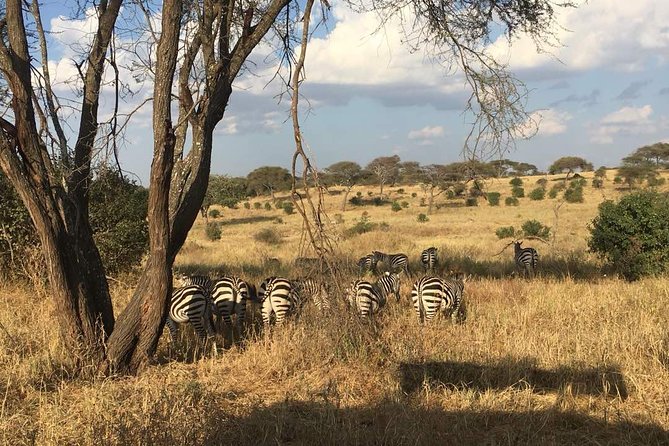
After breakfast on Day 5, you travel to the Lake Ndutu area, part of the southern Serengeti ecosystem within the Ngorongoro Conservation Area. You arrive around lunch, then head out for an afternoon game drive.
Ndutu is the most season-dependent part of this safari. From December through April, large numbers of wildebeest are usually found on the short-grass plains. Around February, calving often lasts about three weeks, creating one of the most dramatic wildlife events in East Africa.
A young wildebeest can run within minutes of birth and is generally strong enough to keep up with the herd within a few days. That speed is vital because the open grass offers little cover from predators. You may see lions and other predators working near the herds, but no wildlife sighting can be promised.
Day 6 gives you a full day in Ndutu, which is much better than treating the area as a quick stop. You explore swamps, woodland, soda lakes, and short-grass plains. The varied habitats make the day less repetitive and give your guide more options when locating animals.
If your priority is the calving season, confirm your travel dates carefully. February may offer the best chance of seeing newborns, while the wider December to April period can still bring large herds. Outside that period, Ndutu remains a wildlife area, but the migration focus may be less central.
Day 7: Central Serengeti and the Seronera River
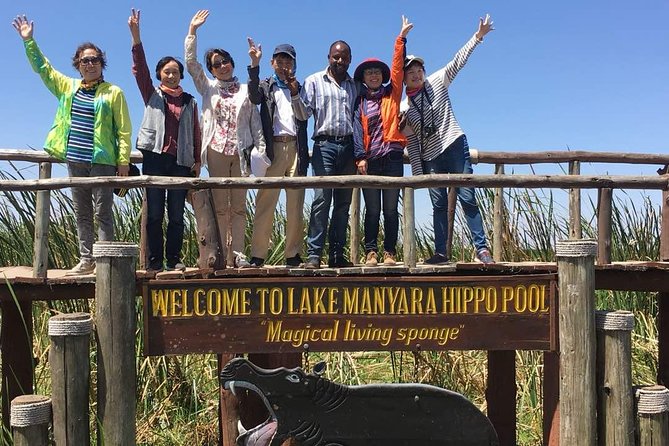
After breakfast, you head to central Serengeti, known as the Seronera area. You arrive around lunchtime and take an afternoon game drive.
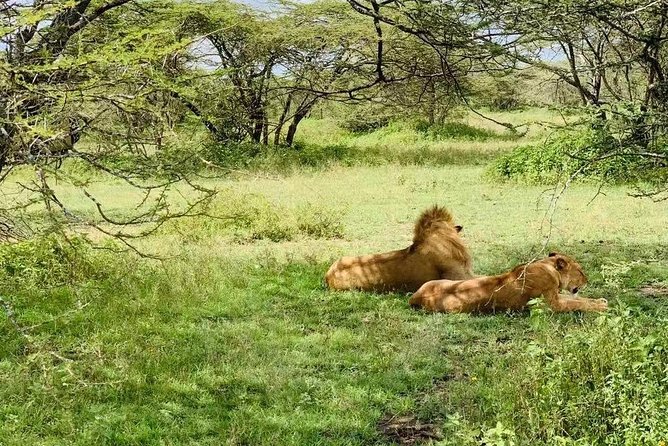
Seronera is a useful base because the Seronera River draws wildlife and supports a broad mix of species. The area gives you a good chance to see the Serengeti’s classic combination of open plains, predators, grazers, and birdlife.
I like the route here because it shifts from Ndutu’s seasonal focus to a more general Serengeti experience. You are no longer looking only for wildebeest herds or newborn calves. You can watch the broader animal community that makes the central Serengeti productive throughout the year.
The drive from Ndutu to central Serengeti is another long road segment, so expect a day split between transit and wildlife viewing. That is the price of covering so much ground in nine days.
Day 8: A full day around Wagakuria
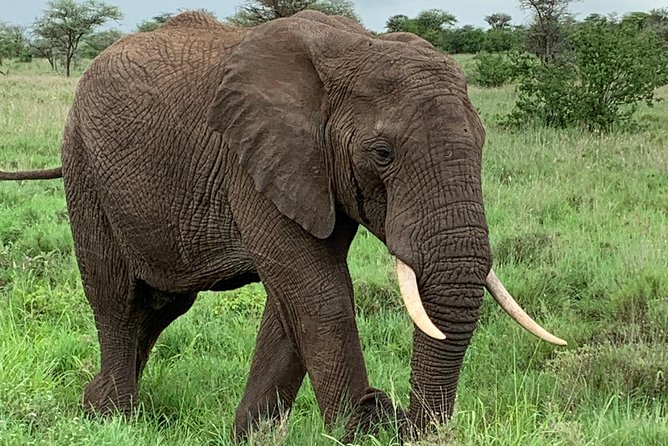
You wake in the Serengeti and spend a full day on a game drive in the Wagakuria area. This region is noted for high numbers of resident wildlife and prides of lions that can reach about 30 animals.
July through October are described as the most desirable months for seeing the Great Migration in the northern Serengeti. More than two million wildebeest, zebras, and gazelles move through the Serengeti and Maasai Mara ecosystems in search of pasture.
The migration is not a single event in one fixed place, so timing and location matter. A July to October visit may put you closer to the northern movement, but the exact position of the herds changes. If migration is your main reason for booking, ask the operator to explain which part of the Serengeti you will use on your dates.
The full-day format is valuable here. You are not forced to return after a short afternoon drive, and your guide has more time to follow animal activity. You should still expect an early morning and a long day in the vehicle.
Day 9: An early Serengeti drive and flight out
The final day begins with an early morning game drive. This is a smart use of your last hours, since animals may be active after night hunts or before retreating from the day’s heat.
You return to the lodge for a hot breakfast, then transfer to Seronera airstrip for your flight to Kilimanjaro. This avoids a long road journey back to Arusha and preserves more of the day.
Because the flight is not included in the stated price, confirm its schedule before booking. The timing of breakfast, airstrip transfer, and onward arrangements matters on this final morning.
The private vehicle and guide make a real difference
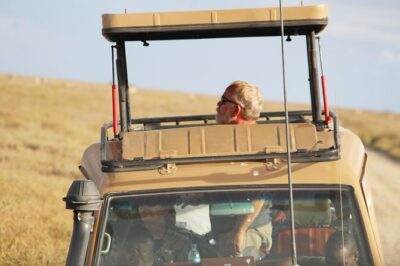
The safari uses a custom-designed 4×4 with an open roof for game viewing. The vehicle is air-conditioned and includes WiFi, while bottled water is provided.
The private setup is the key feature. Your group does not share the activity with other groups, so you can discuss the day’s plan directly with your driver-guide. That is especially useful when you want to spend extra time watching an animal or need a quieter pace for a multigenerational group.
One named guide connected with this experience is Bariki. If you hope to travel with him, ask whether he is available rather than assuming it. The guide’s ability to spot animals, explain behavior, and manage long drives will shape your safari as much as the route itself.
Who should book this nine-day route?
I would recommend it to a first-time Tanzania visitor who wants the major Northern Circuit parks in one trip. It also fits families and groups of three generations, since the private vehicle and private bathrooms offer more comfort than a basic shared camping safari.
It is a good match for wildlife photographers, bird watchers, and anyone who wants both resident animals and seasonal migration country. The two days in Ndutu are especially useful if your dates line up with the wildebeest calving period.
I would hesitate if you want slow travel, long stays at one lodge, or a relaxed luxury holiday. The route is ambitious, with several transfers and early starts. It also requires careful planning around the separate flights, visa, alcohol, laundry, and personal expenses.
Should you book it?
Book this safari if you want a wide-ranging private route that covers Tarangire, Lake Manyara, Ngorongoro, Ndutu, and two Serengeti areas in nine days. The strongest reasons are the dedicated vehicle, included park fees and meals, the Ndutu focus, and the final flight connection from Seronera.
Before paying, confirm the exact accommodations, the separate flight cost, the guide assignment, and how your dates match the migration season. If those details suit you, the $4,000 price offers a practical way to see much of northern Tanzania without arranging every park, transfer, and meal on your own.
FAQ
Is this a private safari?
Yes. Only your group participates, and the package includes a private vehicle for the safari.
Where does the safari start?
The listed starting point is Arusha, Tanzania, with a stated start time of 8:00 a.m. Airport pickup from Kilimanjaro International Airport is provided on Day 1.
Which national parks and wildlife areas are included?
The route includes Tarangire National Park, Lake Manyara National Park, Ngorongoro Crater, Lake Ndutu, and Serengeti National Park.
Are meals included?
Yes. Breakfast, lunch, and dinner are included as listed. The package includes eight dinners, eight lunches, and ten breakfasts, so confirm the meal count and exact lodging schedule before booking.
Is the flight from Seronera to Kilimanjaro included?
The Day 9 transfer to Seronera airstrip is included in the schedule, but flights are listed among the items not included. Confirm the flight cost and arrangements before booking.
What is the cancellation policy?
You can cancel at least 24 hours before the local start time for a full refund. Cancellations or changes made less than 24 hours before the start time are not accepted for a refund. Poor weather or failure to meet the minimum number of participants may result in a different date, another experience, or a full refund.
More Nine-Day Trips in Kilimanjaro
- 9 Days Kilimanjaro Climb via Lemosho Route
★ 5.0 · 6 reviews - Kilimanjaro 360° 9 days Tour
★ 5.0 · 6 reviews - 9 Days Mount Kilimanjaro Climb Machame Route
★ 5.0 · 6 reviews - 9 Days Kilimanjaro Hiking or Climbing via Northern Circuit route
★ 5.0 · 5 reviews
Just added around Kilimanjaro
- 6 days Machame route climbing Mt.Kilimanjaro★ 5.0 · 8 reviews
- machame route★ 5.0 · 16 reviews
- Mt Kilimanjaro 6 days Marangu route hike★ 5.0 · 3 reviews
- Private Cycle to Kilimanjaro Bike Park Safari★ 5.0 · 6 reviews
- West Kilimanjaro cycling Adventures★ 4.5 · 8 reviews
- Kilimanjaro Climb • Marangu Route ~ 9 Day★ 5.0 · 4 reviews
- 3 Days Private E-Bike Tour in West Kilimanjaro★ 5.0 · 3 reviews
- Kilimanjaro Climb & Safari – Lemosho Route – 13 Day★ 5.0 · 10 reviews
9-Day Experiences, compared.
9-Day Serengeti Migration Footsteps Tanzania Safari
Read our review →
9-Day Enchanting Tanzania Safari -High End All Inclusive
Read our review →
From Arusha: 9 Days Private Guided Classic Game Drive in Tanzania
Read our review →
9-Day Ultimate Tanzania Honeymoon Safari Luxury Package
Read our review →
9 Days Safari To See Great Migration Crossing
Read our review →
Browse the lists this tour appears in