
Reviewed · CAMPING SAFARIS
2 Days Camping Safari, Lake Manyara & Ngorongoro Crater
Lake Manyara and Ngorongoro Crater make a strong two-day safari pairing: one compact park with forests, hot springs, cliffs, and tree-climbing lions, followed by a crater packed with wildlife. The trip gives you two very different settings without adding a long extra stay.
I like the small group limit of six, which should make vehicle time more personal and leave room for questions. I also like that camping gear, meals, and round-trip transport are included, keeping the $455 price easier to judge.
The main drawback is the pace. You have only one day at each park, and the drive from Arusha takes time. Confirm the pickup point carefully too, since the details mention both Arusha hotels and Kilimanjaro International Airport.
Key points at a glance
- Two famous parks in two days: Visit Lake Manyara on day one and Ngorongoro Crater on day two.
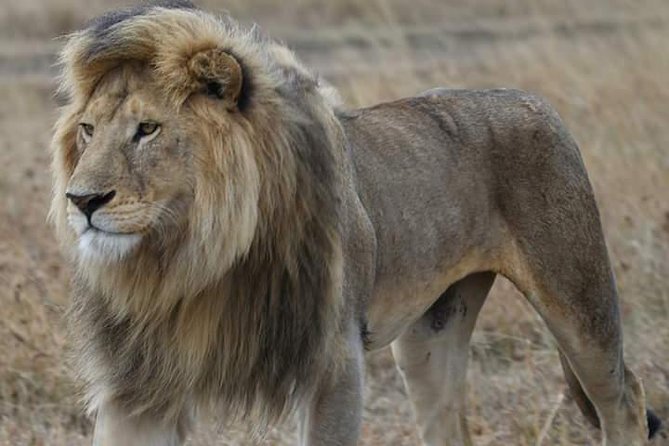
- Tree-climbing lion country: Lake Manyara is known for lions resting in the branches, along with large baboon groups.
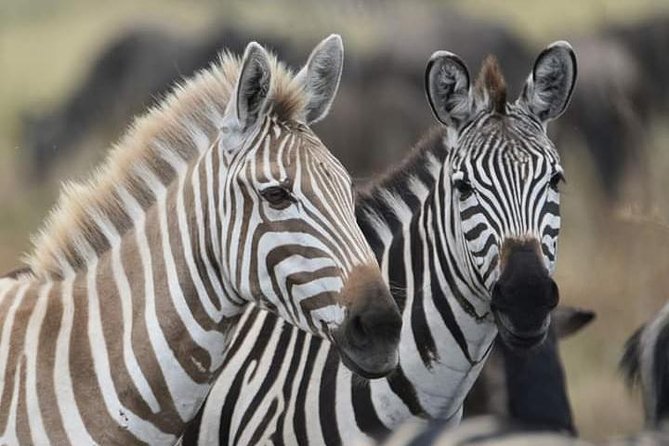
- A crater game drive: Descend more than 600 meters into Ngorongoro for wildlife viewing around grassland and Lake Magadi.
- Camping without packing a full kit: Camping equipment is provided, and all meals are included.
- A maximum of six people: The small vehicle group should make guiding and wildlife spotting more personal.
- Arusha transport included: Pickup and return are offered, though you should confirm the exact meeting place before departure.
Why this two-day safari works
This trip is designed for people with limited time in northern Tanzania. Instead of choosing between Lake Manyara and Ngorongoro, you see both, then return to Arusha after the crater visit.
The two parks offer a useful contrast. Lake Manyara is compact and varied, with acacia woodland, water forests, baobab-covered cliffs, hot springs, swamps, and the lake itself. Ngorongoro is a huge natural bowl with dependable water and grazing areas, which helps support large numbers of animals in one concentrated setting.
That contrast matters. At Manyara, you are watching how wildlife uses different habitats packed close together. At Ngorongoro, you are looking across an enclosed ecosystem where large herds and predators can often be seen during the same game drive.
You should not expect a slow, leisurely safari at this length. This is a brisk introduction, useful if you have only a weekend or are adding it before or after another Tanzania trip. If you want long hours at one park, a three-day or longer plan would give you more breathing room.
More Safaris in Lake Manyara
- 3 Days Private Safari – manyara, Ngorongoro & Tarangire
★ 5.0 · 94 reviews - 8 Days Safari (Lake Manyara /Tarangire/Serengeti/Ngorongoro)
★ 5.0 · 32 reviews - Safari in Tanzania 5 days: Manyara, Ngorongoro, Serengeti
★ 5.0 · 29 reviews
Leaving Arusha and stopping for supplies
The stated departure time is 8:30 a.m., after breakfast. The vehicle first stops in Arusha Town for last-minute purchases before heading toward Lake Manyara.
That stop is practical rather than scenic. It gives you a chance to handle small needs before reaching the park, which can be helpful on a camping trip. Since the exact items available and the length of the stop are not specified, it is sensible to arrive prepared with personal essentials rather than depend on this break for everything.
Pickup information needs a little attention. The tour offers round-trip transport from Arusha hotels, while the listed starting point is Kilimanjaro International Airport. If you are staying in Arusha, confirm your hotel pickup time. If you are arriving at the airport on the same day, confirm that airport pickup is actually arranged for your booking.
This is one of those small details that can affect the whole morning. A clear meeting plan is especially important when the departure is early and the day includes a long transfer.
Lake Manyara: a compact park with many habitats
Lake Manyara is the first major stop, and its appeal comes from variety. The park includes woodland, forests near water, baobab-strewn cliffs, algae-streaked hot springs, swamps, and the lake. You move through several kinds of scenery in a relatively small area.
That variety supports a broad mix of animals and birds. The park is particularly associated with large baboon groups and lions that climb trees. The lions are not guaranteed to appear in the branches, of course, but the possibility gives Manyara a distinct character.
I like this part of the trip because it is not just a search for the biggest animal. The habitats themselves help explain why so many species live here. You may be watching baboons near woodland one moment and looking toward wetland or open water the next.
Birdlife is another important part of the park experience. The supplied details do not promise particular species, so you should treat the outing as a general wildlife and bird-viewing drive rather than a targeted birding tour. If you enjoy birds, tell the guide early so your interest is clear.
The drawback is time. You visit Manyara on the first day, then leave for the campground, so you should not expect a full multi-day exploration of the park. The schedule works best if you want a taste of its habitats and a chance to look for its famous tree-climbing lions.
Camping overnight with the main basics included
After Manyara, you spend the night at a campground. Camping equipment is provided, and all meals are included, so you do not need to transport a complete camping setup or plan food for the trip.
Still, the word camping can cover different levels of comfort. The available information does not specify the campground type, tent arrangement, bedding, showers, or electricity. Ask the operator what equipment is supplied and what you should bring for personal comfort.
You should also confirm the meal schedule if you have dietary needs. Meals are included, but the details do not say how menus or special diets are handled. A quick question before departure can prevent a simple issue from becoming an unpleasant surprise.
The overnight stop is valuable because it keeps the safari moving toward Ngorongoro instead of sending you back to Arusha after Manyara. It also gives the trip a more outdoors-focused feel than a hotel-based package. If you prefer fixed rooms and predictable facilities, ask for the campground details before booking.
More camping safaris in Lake Manyara:
- 3 Days Lake Manyara, Tarangire, Ngorongoro Crater group (Camping)
★ 5.0 · 16 reviews - 6-Day Tanzania Camping Safari: Lake Manyara, Serengeti, Ngorongoro Cater and Tarangire National Park from Arusha
★ 4.0 · 6 reviews - 4-Day Tanzania Camping Safari to Lake Manyara, Serengeti, and Ngorongoro Crater
★ 5.0 · 4 reviews - 4 Days Group Camping Safari
★ 5.0 · 1,101 reviews
Descending more than 600 meters into Ngorongoro
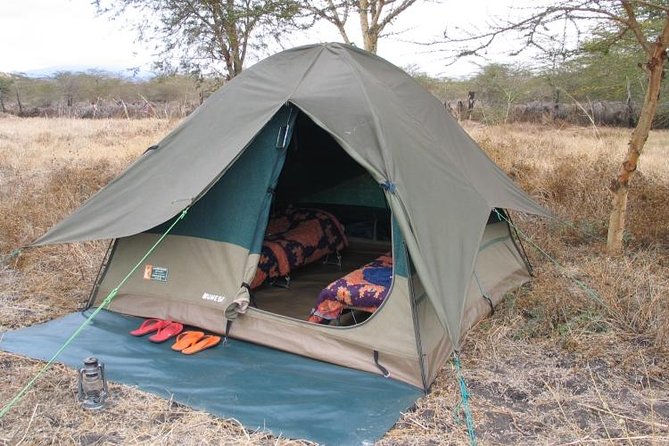
Day two begins with an early breakfast, followed by the descent into Ngorongoro Crater. The route drops more than 600 meters into the crater, where water and grazing areas support a large range of wildlife.
Ngorongoro’s shape is part of the appeal. Rather than driving through a broad open area with long gaps between sightings, you are exploring a contained setting with grassland, water, and animal habitat in one dramatic bowl. The day’s game drive is built around finding the species that use these areas.
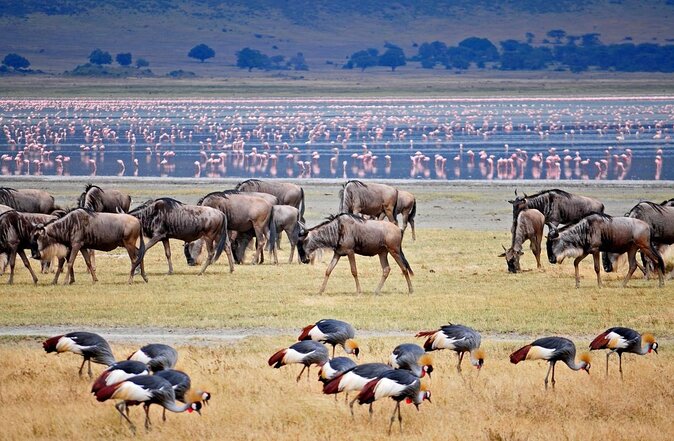
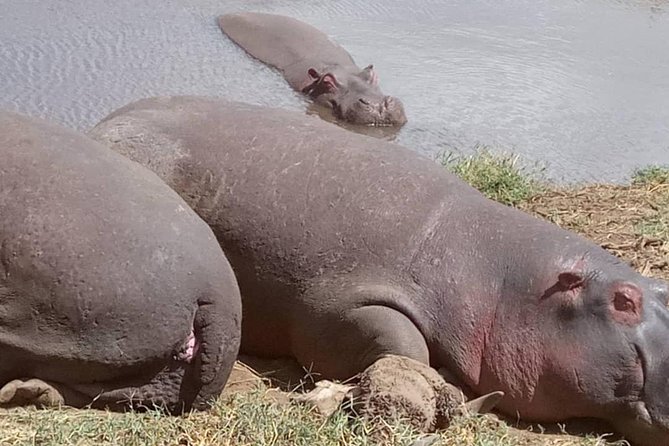
The expected list includes wildebeest, zebra, buffalo, eland, warthog, hippo, and large African elephants. Predators include lions, hyenas, jackals, cheetahs, and sometimes leopard. That last animal is particularly difficult to spot, so keep expectations sensible. A trained guide may notice a leopard before you do, but no guide can promise one.
The crater is the stronger wildlife day of the two, but it can also feel busy and tightly scheduled. You have one morning and game-drive period before lunch and the return to Arusha. If Ngorongoro is the main reason you are coming to Tanzania, you may want more time in the area. The two-day plan is best for a first look, not for a slow study of the crater.
Lake Magadi and the picnic lunch
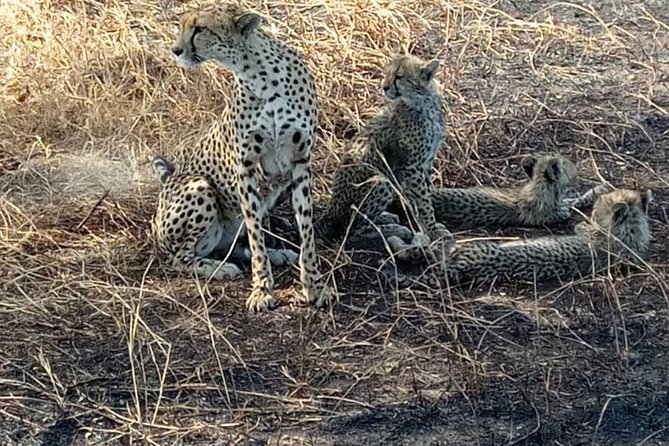
The route includes Lake Magadi, a large, shallow alkaline lake in the crater’s southwestern corner. It is one of the crater’s main features and can attract flamingos, hippos, and other water-loving animals.
This stop adds more than a scenic pause. It gives you a chance to see how water shapes animal activity inside the crater. Flamingos may gather around the lake, while hippos use the water and nearby areas. The precise sightings will depend on conditions and the day’s movement, so treat the lake as a key habitat rather than a guaranteed animal checklist.
A picnic lunch is included during the second day. Eating in or near the crater helps keep the game drive moving, but the supplied information does not specify the exact picnic site or menu. Keep your camera ready and follow the guide’s instructions around food and wildlife.
The guide and group size
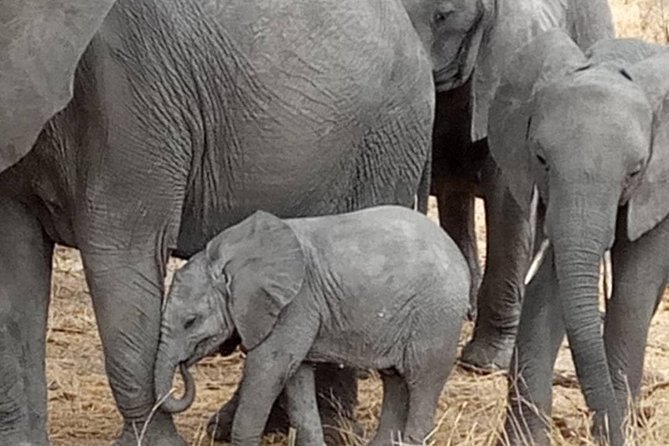
The maximum group size is six people. That is a meaningful advantage on a safari vehicle. You have a better chance of hearing the guide, asking questions, and getting a clear view when the vehicle pauses.
The operator’s past safari feedback names guides Jeff and Fred, both associated with positive comments about animal spotting, guiding, and hospitality. You should not assume either guide will lead this particular departure, but you can ask who is assigned before the trip.
Good guiding matters here because the itinerary moves quickly. At Manyara, the guide’s eye may help you find a lion in a tree or notice animal activity near the woodland. In Ngorongoro, the guide can help distinguish ordinary movement from a hard-to-see predator, especially around Lake Magadi and the crater floor.
The small group does not guarantee a private vehicle. It does mean the advertised maximum is six people, which is more intimate than a large coach-style excursion. If you have a strong preference for a private safari, ask about that option directly.
Is $455 a fair price?
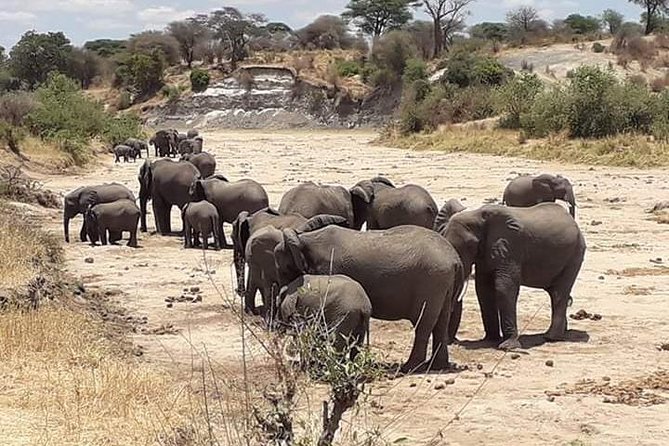
At $455 per person, the price covers a lot for a two-day safari: transport, two national park visits, camping equipment, an overnight stay, and all meals. It also includes the convenience of starting from Arusha and returning there rather than arranging each part yourself.
The value is strongest if you need a short, packaged safari. Park transport, camping supplies, food, and route planning can become expensive and time-consuming when arranged separately. A small group also adds value because you are not paying for a large shared excursion with little personal attention.
The price is less compelling if you already have transport or camping gear, or if you want long stays at either park. In that case, a longer custom itinerary may use your money better. You are paying for access to two major sites in a tight schedule, not for a relaxed safari base.
Before paying, confirm what the $455 includes beyond the stated items. The available details do not list park fees separately, nor do they spell out every camping service. You should also verify the pickup arrangement, campground standard, and meal details.
Who should book this experience?
I would consider this trip if you are based in Arusha, have only two days, and want both Lake Manyara and Ngorongoro Crater. It suits people who value an organized plan, shared transport, included meals, and supplied camping gear.
It is also a sensible choice for first-time safari visitors who want a short introduction to northern Tanzania. The route includes scenery, birds, baboons, possible tree-climbing lions, large herds, predators, hippos, flamingos, and elephants.
I would be more cautious if you dislike camping, need a slow pace, or are visiting Ngorongoro mainly to search for leopard. The schedule gives you a useful sample, but not much extra time if weather, traffic, or wildlife conditions slow the day.
There is also one service concern to handle before booking. One past booking associated with the operator was canceled the day before arrival after confirmation and payment. Other feedback describes enjoyable safaris, good hospitality, and strong guiding, so the record is mixed. Confirm the departure shortly before your trip and keep written details of pickup and payment.
Practical details before you go
The experience starts at 8:30 a.m. and ends in Arusha after the crater visit. The listed starting information includes Kilimanjaro International Airport, while hotel pickup in Arusha is also offered. Confirm which location applies to you.
Confirmation is provided when you book. Most people can participate, and the maximum group size is six. The tour also requires a minimum number of people, so a departure can be canceled if that minimum is not reached. In that case, you are offered another date or experience, or a full refund.
Cancellation is free up to 24 hours before the start time. Cancellations or changes made less than 24 hours before departure are not accepted for a refund, and the cutoff uses local time.
Should you book this safari?
Book it if you want a short, practical introduction to two of Tanzania’s best-known wildlife areas and like the idea of camping with meals and equipment handled for you. The small group and varied route give the $455 package a reasonable case.
Before committing, confirm the exact pickup point, campground setup, guide assignment, included fees, and departure status. If you need more time at Ngorongoro or prefer hotel comfort, choose a longer or more tailored safari instead.
FAQ
How long is the safari?
The safari lasts approximately two days. You visit Lake Manyara on the first day, camp overnight, then visit Ngorongoro Crater on the second day before returning to Arusha.
What is the price per person?
The listed price is $455 per person.
Is transportation included?
Yes. Round-trip transportation from Arusha hotels is included, and the listed starting information also names Kilimanjaro International Airport. Confirm the correct pickup point when booking.
How many people can join the tour?
The maximum group size is six people.
Are camping equipment and meals included?
Yes. Camping equipment is provided, and all meals are included.
What animals might I see?
At Lake Manyara, you may see baboons, birds, and possibly tree-climbing lions. Ngorongoro may offer wildebeest, zebra, buffalo, eland, warthog, hippo, elephants, lions, hyenas, jackals, cheetahs, leopard, and flamingos near Lake Magadi. Sightings are not guaranteed.
Can I cancel for a full refund?
Yes, if you cancel at least 24 hours before the experience start time. Cancellations or changes made less than 24 hours before the start time are not accepted for a refund.
More Two-Day Trips in Lake Manyara
- 2 DAY-ADVENTURE SAFARI IN TANZANIA
★ 4.2 · 5 reviews - 2 Days Tanzania Safari – Lake Manyara and Tarangire National Park
★ 5.0 · 3 reviews - 2 Day Serengeti Safari Experience from Mwanza
★ 5.0 · 198 reviews - 2 Days Tarangire and Ngorongoro Group Camping Safari
★ 5.0 · 146 reviews
Just added around Lake Manyara
- Wildlife Extravaganza: Manyara, Tarangire & Ngorongoro in 3 Days★ 5.0 · 3 reviews
- 7 Days: Great Migration Mara River Crossing(manyara, Ngorongoro And Serengeti)★ 4.5 · 6 reviews
- 5 days Safari to Lake Manyara, Serengeti and Ngorongoro crater★ 5.0 · 3 reviews
- 4 days Safari Lake Manyara, Ngorongoro crater and Serengeti★ 5.0 · 4 reviews
- 4 Days Lake Manyara National Park, Ngorongoro Crater , Serengeti National Park.★ 4.0 · 4 reviews
- Manyara and Ngorongoro Crater★ 5.0 · 3 reviews
- 2 Days Tanzania Safari – Lake Manyara and Tarangire National Park★ 5.0 · 3 reviews
- Enjoy a Private Day Trip to Lake Manyara National Park.★ 5.0 · 3 reviews
Camping Safaris, compared.
3 Day Serengeti National Park & Ngorongoro Crater Camping Safari
Read our review →
5-Day private Camping Safari Tour in Tanzania
Read our review →
5 Days Camping Tarangire, Serengeti & Ngorongoro crater & Visiting Maasai
Read our review →
Multi-Day Camping Safari Experience in Arusha
Read our review →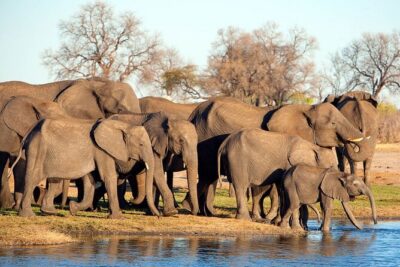
3-Day Tarangire, Ngorongoro and Lake Manyara Camping Safari
Read our review →Browse the lists this tour appears in