
Reviewed · SAFARIS IN LAKE MANYARA
2 DAY-Adventure Safari IN Tanzania
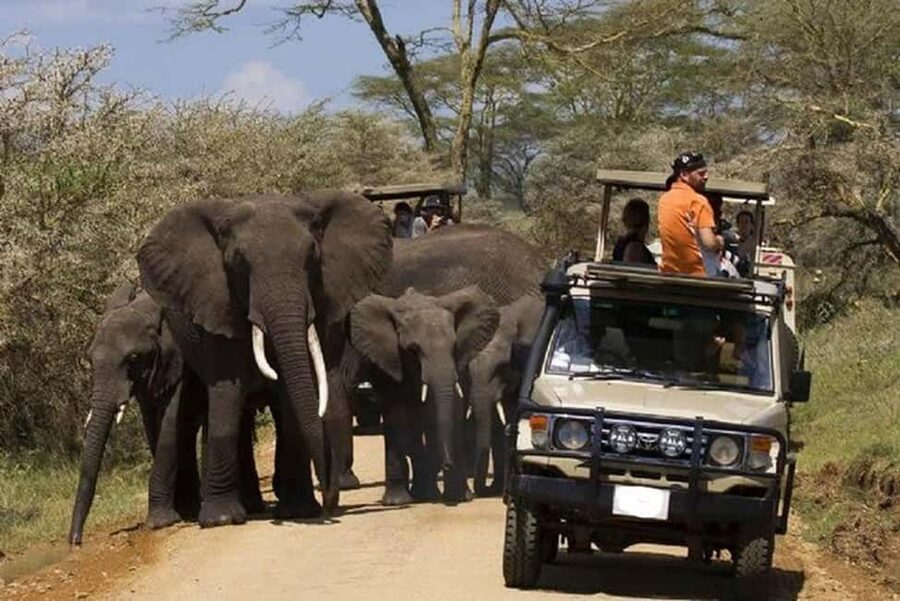
Tarangire’s large elephant herds and giant baobabs make this two-day safari a strong short introduction to northern Tanzania. The next day brings the Ngorongoro Crater, where lions, buffaloes, elephants, and possibly rhinos gather in a compact wildlife area.
I like the efficient pairing of two very different parks, and I like that camping equipment, meals, water, a sleeping bag, and a mattress are included. The main caution is organization: one departure had a late pickup, cash-only park fees, and little guidance from the driver, so confirm the practical details before you leave.
Key points to know before booking
- Tarangire gives you elephants and baobabs on day one, with lions, giraffes, zebras, and many bird species also possible.
- Ngorongoro Crater packs a great deal of wildlife into one day, including the chance to see the Big Five.
- The $400 price includes transport, food, camping gear, and an English-speaking guide, but park fees are extra.
- Arusha pickup is free, while pickup from Moshi requires an additional transfer payment.
- Guide quality can shape the whole safari, with Eli and Joshua connected to particularly strong departures.
- Wildebeest sightings are possible but seasonal and unpredictable, so treat the migration as a bonus rather than a promise.
Why this two-day route works
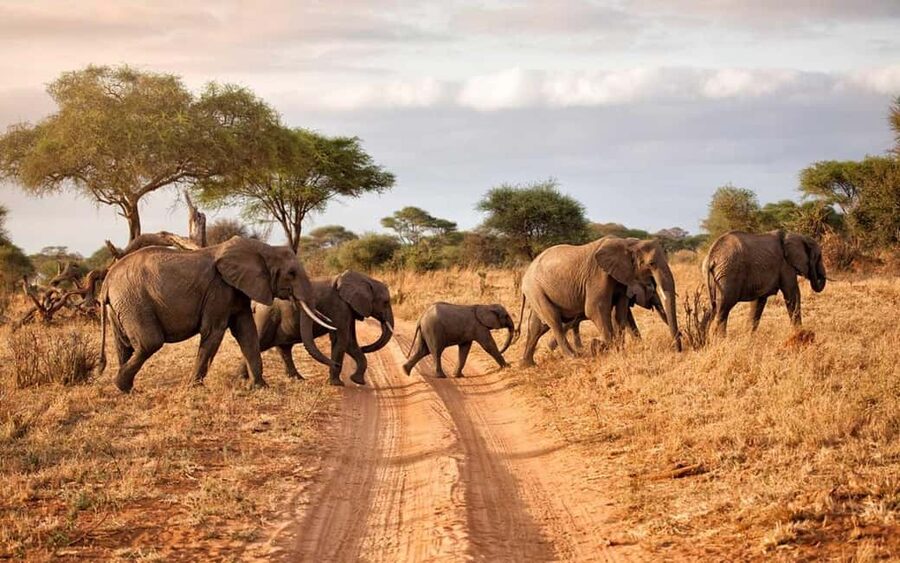
You get two major northern Tanzania wildlife areas in a short amount of time. Tarangire feels open and spacious, with acacia trees, baobabs, and broad views. Ngorongoro is more enclosed, with steep crater walls and a remarkable concentration of animals below.
That contrast gives the trip its appeal. You are not spending both days looking at the same kind of scenery. On the first day, you search a large park for wildlife among trees and open plains. On the second, you descend into a natural bowl where animals often gather around grassland and water.
This is a quick safari, not a slow-moving wildlife expedition. Travel time matters. You leave Arusha or Moshi early, spend several hours on the road, and fit the main game drives into a tight schedule. Still, for $400 per person, the package covers many costly parts of a safari: transport, accommodation in tents, meals, drinking water, camping equipment, a sleeping bag, and a mattress.
The biggest cost left outside the package is the national park fee. Since that amount is not listed, ask for the current total before you pay. You should also confirm whether the quoted $400 includes every transport segment you need, especially if you are staying in Moshi.
More Safaris in Lake Manyara
- 3 Days Private Safari – manyara, Ngorongoro & Tarangire
★ 5.0 · 94 reviews - 8 Days Safari (Lake Manyara /Tarangire/Serengeti/Ngorongoro)
★ 5.0 · 32 reviews - Safari in Tanzania 5 days: Manyara, Ngorongoro, Serengeti
★ 5.0 · 29 reviews
Day one: Tarangire’s elephants and baobabs
Your pickup begins early from a hotel in Arusha or Moshi. The drive to Tarangire takes about two to three hours, so the morning includes a fair amount of road time before the game drive starts.
That early departure is useful. It gives you more daylight in the park and helps make the most of a short itinerary. The guide welcomes you, then you continue toward Tarangire for a packed lunch before setting out to look for animals.
Tarangire is famous for its elephants. Seeing a herd move beneath tall trees or pass near a baobab gives the first day a clear identity. These are not small roadside sightings that you rush past. The park’s setting lets you watch elephants as part of a larger scene of trees, grass, and open ground.
The baobabs are another reason this park feels different from Ngorongoro. Their thick trunks and unusual shapes give the views a distinctive look, while acacia trees add the classic East African outline many people hope to see on safari.
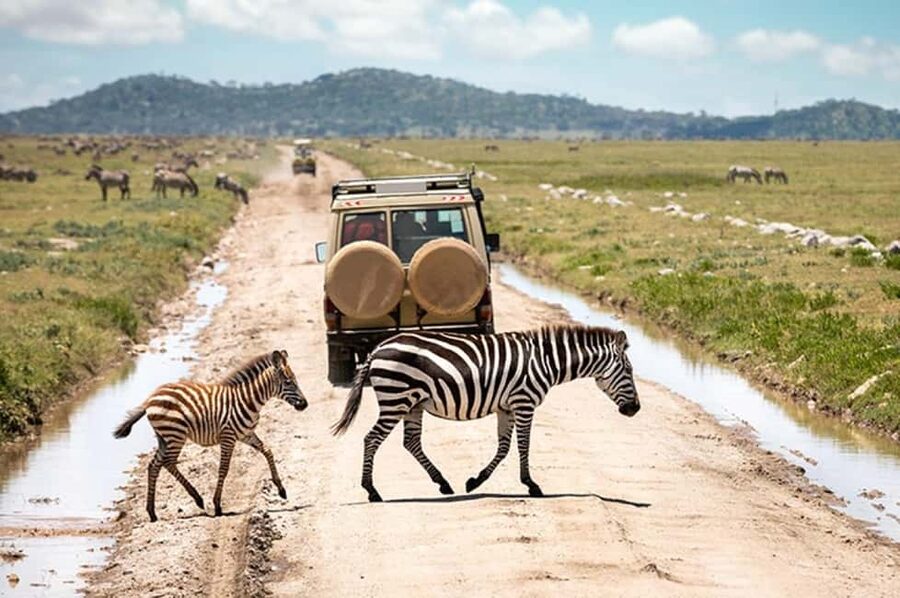
Your game drive may also include lions, giraffes, zebras, and bird species. The exact mix changes from day to day, and no responsible guide can promise a particular animal. Your guide’s skill matters here, especially when reading tracks, watching animal behavior, and choosing routes away from the busiest areas.
One useful detail is that the guide should explain what you are seeing as you go. Eli and Joshua are names associated with strong departures of this experience. Eli was praised for detailed explanations, while Joshua was described as patient and willing to use roads away from the main route to improve the chance of finding animals. Your assigned guide may be different, so ask for the name before departure.
After the game drive, you spend the night at a lodge or campsite near the park. The included tent accommodation keeps the price down and puts you closer to the next day’s route. Do not expect a hotel-style stay unless your booking specifically names a lodge. The accommodation can vary, and one departure involved a change of lodging without much explanation.
That is a practical point worth addressing early. Ask where you will sleep, whether the accommodation is shared or private, and whether the night is at a campsite or lodge. The package includes a tent, sleeping bag, and mattress, but it does not give enough detail to assume the exact comfort level.
Day two: descending into Ngorongoro Crater
After an early breakfast, you drive for about one and a half to two hours toward Ngorongoro. The highland route gives you changing views before you reach the crater rim.
The first sight of the crater is a major moment. From above, the caldera appears broad and enclosed, with wildlife areas spread below the rim. You then descend for a half-day game drive, trading the open feel of Tarangire for a more concentrated setting.
Ngorongoro is one of the best parts of this itinerary for anyone with limited time. The crater supports a high concentration of wildlife, and the compact area can give you a good chance of seeing lions, elephants, buffaloes, leopards, and rhinoceros. That is the Big Five list, although leopard and rhino sightings are never guaranteed.
The crater also changes the rhythm of the safari. Instead of driving through wide plains for long periods, you spend more of the day scanning a contained area. That makes the second day feel productive, but it can also feel busy if many vehicles gather around a sighting.
A picnic lunch is planned inside the crater. You eat while surrounded by open views and wildlife, following the rules and instructions given by your guide. Bring your daypack, camera, and power bank, since the day keeps you away from your main luggage for long stretches.
After the game drive, you climb back to the rim and begin the return journey to Arusha or the airport. The timing of your departure matters. The itinerary promises a return trip, but it does not specify an exact arrival time, so avoid booking a tight onward connection without confirming the schedule.
About the wildebeest migration
The safari is promoted as a chance to witness wildebeest migration across broad plains. That is an exciting possibility, but migration sightings depend heavily on timing, animal movement, and the route used that day.
You should not book this two-day trip solely on the assumption that you will see thousands of wildebeest. The parks listed here can offer memorable wildlife viewing even without a large migration crossing. Tarangire’s elephants and Ngorongoro’s dense animal population are the more dependable reasons to choose this route.
Ask the operator when the migration is most likely in the areas you will visit. Also ask how much time is devoted to searching for wildebeest if that is your main goal. A short safari can produce an excellent sighting, but it leaves less room to wait or change plans than a longer itinerary.
More Lake Manyara safaris to compare:
- 4 Days Lodge Safari in Lake Manyara, Serengeti & Ngorongoro Crater
★ 5.0 · 18 reviews - 4 Days, 3 Nights Group budget Safari, Lake Manyara, Serengeti, Ngorongoro
★ 5.0 · 18 reviews - 4-Day Manyara Serengeti and Ngorongoro Wonders Budget Safari Tour
★ 5.0 · 11 reviews - 4-Day Safari: Lake Manyara, Serengeti & Ngorongoro
★ 4.5 · 10 reviews
The guide can make or break the safari
Your driver-guide is not just transportation. The guide controls the timing, explains animal behavior, handles much of the park movement, and helps you understand the setting.
The strongest departures had guides who were patient, informative, and willing to take less direct routes. Eli was praised for detailed explanations and for helping find the animals people hoped to see. Joshua was described as patient and active in searching beyond the main trail.
There is also a clear warning here. One departure involved a driver who did not introduce himself or explain the itinerary, park rules, animals, or accommodation. That left the passenger unsure of what was happening and reduced the value of the game drive.
You can improve your chances of a good experience by asking three questions before setting off:
- What is your guide’s name?
- What is the day’s schedule, including lunch and accommodation?
- Are park fees paid in cash or by card?
The last question is especially important. A departure was told card payment would be possible, then found that only cash was accepted and had to stop at an ATM. Carry cash even if you receive different payment advice, but confirm the current policy directly before departure.
What the $400 price really covers
At $400 per person, this is positioned as a budget-friendly safari rather than a luxury trip. The value is strongest if you want the main wildlife experience without arranging a vehicle, camping gear, meals, and park transport yourself.
Included items are:
- Transportation
- Guided safari drives
- An English-speaking professional guide
- Tent accommodation
- Meals
- Drinking water
- Camping equipment
- Sleeping bag and mattress
Park fees are not included. Alcoholic drinks and travel insurance are also outside the price. The park fee could change the final cost significantly, so compare the full amount, not just the advertised $400.
The price also needs to be viewed alongside the pickup rule. Hotel pickup from Arusha is free, but pickup from Moshi requires an extra transfer payment. If you are staying in Moshi, ask for that amount before booking so you can compare the true cost with other short safaris.
For a two-day trip, the included gear is helpful. You do not need to pack camping equipment or arrange meals separately. The tradeoff is less control over accommodation and a higher risk of rushed timing than you would have on a private, longer safari.
Packing for two busy days
Keep your luggage simple and carry a small daypack. You will want your camera close by, along with a power bank for phones and cameras.
Bring cash. It may be needed for park fees or other on-the-road payments, and card arrangements may not work as expected. Drinking water is included, but your daypack still gives you an easy place for personal items during the game drives.
A practical packing list based on the information provided:
- Camera
- Cash
- Daypack
- Power bank
- Personal travel documents
- Travel insurance details
Travel insurance is not included, so arrange it separately if you want that protection. The operator provides a sleeping bag and mattress, but ask what personal items you may need for the tent stay.
Who should book this safari?
I would point this trip toward someone with only two days available who wants to see major northern Tanzania wildlife areas without planning every detail. It suits people who value elephants, crater scenery, Big Five possibilities, and a low-cost camping setup more than polished accommodation.
It can also work well for a first safari. Tarangire gives you a broad introduction to wildlife and vegetation, while Ngorongoro provides a concentrated second-day outing. The English-speaking guide format is useful if you want explanations while you watch animals.
I would be more cautious if you need exact timing, high-end lodging, or flawless coordination. The late pickup and ATM problem show that practical organization can vary. This is also not the best choice if the wildebeest migration is your only goal, since the timing and exact sightings are not guaranteed.
Should you book the Kilinge Adventures safari?
Book it if you want a short, affordable safari with two strong park choices and you are comfortable confirming details before departure. The combination of Tarangire elephants, baobabs, and Ngorongoro wildlife offers real value, especially with camping gear, meals, and transport included.
Before paying, get the park fee, Moshi transfer cost, pickup time, accommodation name, and guide name in writing. If you receive clear answers and your expectations match a budget safari, this can be a memorable two-day trip. If you want a polished schedule and premium lodging, spend more or choose a longer, more tightly specified safari.
FAQ
Where does the safari start?
Pickup is available from hotels in Arusha or Moshi. Pickup from Arusha is free, while pickup from Moshi requires an additional transfer payment.
How long is the trip to Tarangire?
The drive from Arusha or Moshi to Tarangire takes about two to three hours.
How long is the drive to Ngorongoro?
The drive to Ngorongoro takes about one and a half to two hours after breakfast on the second morning.
Is accommodation included?
Yes. Accommodation in tents is included, along with camping equipment, a sleeping bag, and a mattress. The itinerary also refers to a lodge or campsite near Tarangire, so confirm the exact accommodation before departure.
Are meals included?
Yes. Meals are included, including a packed lunch on the first day and a picnic lunch during the Ngorongoro crater visit.
Are national park fees included?
No. National park fees are not included in the listed price.
What language does the guide speak?
The safari is offered with an English-speaking guide.
Can I cancel for a full refund?
Yes. You can cancel up to 24 hours in advance for a full refund. You can also reserve and pay later, which keeps your plans flexible.
More Two-Day Trips in Lake Manyara
- 2 Days Camping Safari, Lake Manyara & Ngorongoro Crater
★ 4.5 · 8 reviews - 2 Days Tanzania Safari – Lake Manyara and Tarangire National Park
★ 5.0 · 3 reviews - 2 Day Serengeti Safari Experience from Mwanza
★ 5.0 · 198 reviews - 2 Days Tarangire and Ngorongoro Group Camping Safari
★ 5.0 · 146 reviews
Just added around Lake Manyara
- Wildlife Extravaganza: Manyara, Tarangire & Ngorongoro in 3 Days★ 5.0 · 3 reviews
- 7 Days: Great Migration Mara River Crossing(manyara, Ngorongoro And Serengeti)★ 4.5 · 6 reviews
- 5 days Safari to Lake Manyara, Serengeti and Ngorongoro crater★ 5.0 · 3 reviews
- 4 days Safari Lake Manyara, Ngorongoro crater and Serengeti★ 5.0 · 4 reviews
- 4 Days Lake Manyara National Park, Ngorongoro Crater , Serengeti National Park.★ 4.0 · 4 reviews
- Manyara and Ngorongoro Crater★ 5.0 · 3 reviews
- 2 Days Tanzania Safari – Lake Manyara and Tarangire National Park★ 5.0 · 3 reviews
- Enjoy a Private Day Trip to Lake Manyara National Park.★ 5.0 · 3 reviews
Safaris in Lake Manyara, compared.
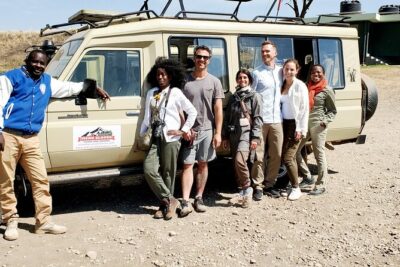
8 Days Safari (Lake Manyara /Tarangire/Serengeti/Ngorongoro)
Read our review →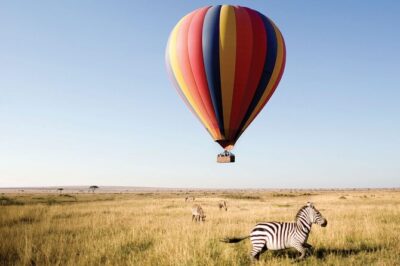
4-Day Manyara Serengeti and Ngorongoro Wonders Budget Safari Tour
Read our review →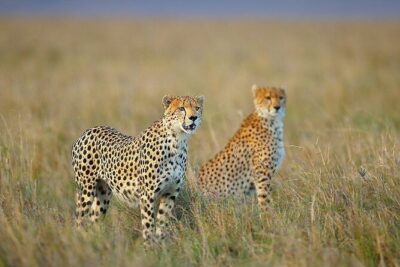
3 Day Sharing Safari – Manyara, Ngorongoro Crater and Tarangire National Parks
Read our review →Browse the lists this tour appears in