
Reviewed · HISTORICAL TOURS
Bagamoyo Full-Day Tour: Historic Slave Trade Route & Kaole Ruins
Bagamoyo’s story is not confined to one monument. It unfolds across an old fort, ruined mosques, mission buildings, a former slave market, and a harbor where dhows once carried ivory and enslaved people. This full-day trip gives you the rare chance to connect those places into one difficult, important story.
I like the private vehicle and flexible group format, since you avoid being tied to strangers and can spend more time at the sites that matter most to you. I also like the way the tour brings Islamic, Christian, Arab, German, British, and local African history into the same day. That combination gives Bagamoyo far more meaning than a quick stop at one old building.
The main drawback is the long day. With driving between Dar es Salaam and Bagamoyo, ten stops, and 8 to 10 hours on the road, this is not a light sightseeing outing. Some sites are modest or partly weathered, and the subject of slavery can be painful. Go ready to listen, not just take photographs.
Key points to know before you go
- Bagamoyo connects many chapters of history: Follow the town’s changing roles as a trading port, slave-trade center, mission base, German administrative post, British prison, and fishing harbor.
- Kaole Ruins reach back to the eighth century: See two old mosques, tombs of local rulers, and trade objects linked to China.
- The mission complex tells a complicated story: Muslim land gifts helped Christian missionaries build churches, residences, and a place of worship for emancipated slaves.
- The Old Fort changed hands and purposes: It moved from Arab construction to slave-trade use, German military post, British prison, and police station.
- Lunch, water, snacks, transport, and fees are included: That makes the $255 price easier to assess, especially for a private group.
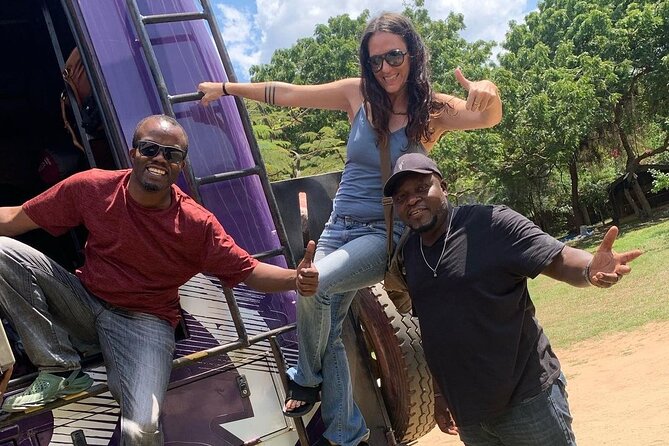
- Guide quality matters: A past booking singled out Erick for his English, humor, ethics, and historical skill, so ask if he is available.
Why Bagamoyo makes a powerful day trip
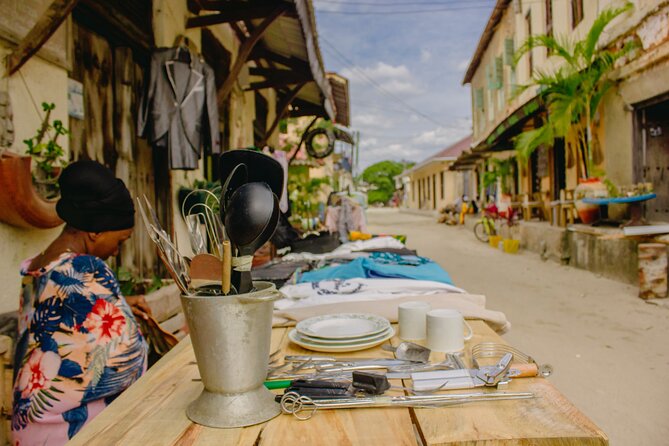
Bagamoyo sits on Tanzania’s coast north of Dar es Salaam, but the value of this trip is not simply reaching a seaside town. The town was once tied to inland trade routes and the Indian Ocean. Ivory, gum, spices, and enslaved people passed through this part of the coast, linking the interior of East Africa with Zanzibar, Arabia, India, and farther trading networks.
The tour helps you see that history in layers. An old building may have been a private residence, a government office, a prison, or a religious site at different times. That change is the key to understanding Bagamoyo. The town was not frozen in one period.
You will also see how Islam and Christianity shaped the area in different but connected ways. Muslim traders and local leaders helped establish or support Christian mission work, while missionaries built churches, schools, residences, and care facilities. The result is a town where sacred and commercial history often sit within a short walk of one another.
The experience is private, and transportation is provided in an air-conditioned vehicle. That matters in coastal Tanzania, where heat and road time can make a full day tiring. The stated duration is about 8 to 10 hours, beginning at 8:30 a.m. from Dar es Salaam. Time between attractions accounts for part of the day, so you should not expect ten long guided visits.
More history walks in Dar es Salaam:
- Dar es Salaam History and Architectural Tours
★ 5.0 · 36 reviews - Bagamoyo Historical Tour – Everyday
★ 5.0 · 13 reviews - Bagamoyo Historical Tour – Everyday
★ 4.4 · 8 reviews
The Old Fort and Old Boma reveal Bagamoyo’s changing power
The Old Fort is a strong opening stop because it compresses several eras into one structure. Arab trader Abdallah Suleiman Marhabi built it in the 1860s. It later became connected with the slave trade, served as a German garrison in 1896, and became a British prison by 1919.
After Tanzanian independence, the building was used as a police station from 1974. Today, it is preserved as a heritage site. Walking through it, you can think about how one place was repeatedly claimed by different authorities. Its walls are more useful when you treat them as evidence of changing power, not just as an old photo backdrop.
The stop is scheduled for about an hour, with no admission fee listed. Ask your guide to explain which parts relate to each period. The site’s importance comes from the sequence of uses, and a short explanation can make the building much easier to read.
The Old Boma provides another look at colonial administration. Built by the Germans in 1895, it served as the headquarters of German East Africa until 1919. The British then used it as the District Commissioner’s office. Structural problems led to its decommissioning in 1997.
You can see the old iron safe left by the Germans, still locked. It is a small detail, but it gives the building a human scale. A safe with secrets is more memorable than a date on a plaque, even if nobody knows what remains inside.
This stop lasts about 30 minutes and admission is included. The Old Boma is not an elaborate museum, so set your expectations accordingly. You are visiting an aging administrative building and learning how colonial rule operated from this coastal center.
Kaole Ruins take the story back to the eighth century
About 4.8 kilometers east of the Indian Ocean, Kaole Ruins provide the oldest setting on the day’s route. The trading town was established in the eighth century, and the Zaramo name Kaole means Go and See.
The site includes two historic mosques. One is dated to the thirteenth century and is linked with the Sultan of Kilwa. It may be among the oldest mosques in Tanzania and East Africa. The second mosque dates from the fifteenth century and is surrounded by about 30 tombs, including some associated with local rulers known as diwanis.
This is where the tour moves beyond colonial history. Kaole shows that coastal trade, Islamic culture, and organized settlement were active long before European rule. The remains also point toward the wider network of Swahili coastal towns connected by sea trade.
A small museum displays artifacts from the site, including evidence of trade with China. That detail is especially useful because it places Kaole in a broad commercial world. You are not looking at an isolated settlement. You are seeing one part of a trading system that reached across the Indian Ocean.
The visit lasts about an hour, with admission included. Wear practical shoes and take your time around the ruins. The site is important because of its age and connections, but it is not a polished modern attraction with extensive facilities.
The Holy Ghost Mission links faith, land, and emancipation
The Holy Ghost Mission is about 2 kilometers north of Old Bagamoyo. Father Antoine Horner of the Holy Ghost Fathers came here in 1868 to establish a mission. Muslim leaders under Sultan Majid gave the land, a useful reminder that the history of religion in Bagamoyo does not fit neatly into opposing camps.
The first Holy Ghost Church was built in 1872. It is described as the first church in the area and on mainland East Africa. In 1874, explorer David Livingstone spent a night at the mission, and the Livingstone Tower preserves that connection.
The stop is scheduled for 20 minutes, so you will get an introduction rather than a long religious study. The mission grounds are valuable because several buildings make the story physical. You can see where missionaries lived and worked, rather than simply hearing about their presence.
The Old Fathers’ House adds another layer. Built in the pre-colonial mission style, the three-story building was completed in stages: the ground floor in 1873, the first floor in 1877, and the second floor in 1903. Its broad balcony gives it a distinctive appearance.
Allow about 20 minutes here as well. The building’s staged construction tells you that the mission grew over time. It was not created all at once as a finished compound.
More full-day trips in Dar es Salaam:
- Dar Es Salaam City Tour (Full Day With Private Guide And Car)
★ 5.0 · 39 reviews - Full-Day Private Tour of Dar es Salaam
★ 4.5 · 37 reviews - Explore Dar es Salaam: Full-Day Private City Tour
★ 5.0 · 18 reviews - Dar Es Salaam City Tour. All Must See Things (Private Guide and car) Full day
★ 5.0 · 12 reviews
The museum and churches require a thoughtful visit
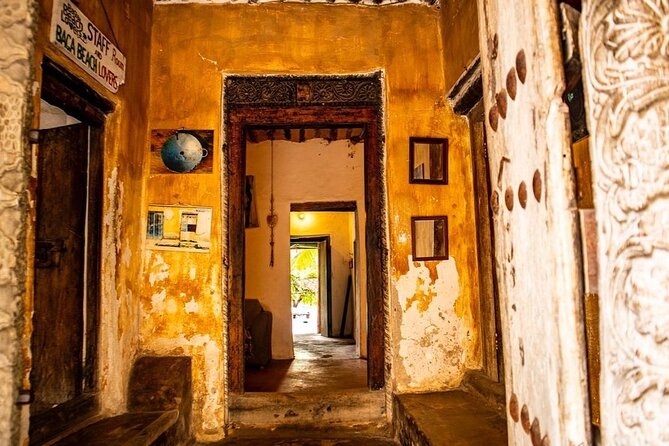
The Catholic Mission Museum began as the Sisters’ House in 1876. Its rooms and displays focus on the mission, trade, religion, and slavery. You may see photographs of enslaved people, chains, whips, religious objects, Indian and Arab architectural pieces, and locally made wooden art.
This is one of the most emotionally difficult stops. The objects are direct and physical. You should give yourself time to absorb them instead of rushing through for photographs. The museum helps connect the large economic story of the slave trade with the people who suffered under it.
The visit is planned for about 20 minutes, with admission included. That is not a long time for a serious museum, so ask your guide to point out the most important rooms and displays.
The New Holy Ghost Church was built between 1910 and 1914 from coral stone blocks. It replaced the smaller original church. The mission also received 49,000 acres from Sewa Haji, a wealthy Muslim trader and philanthropist, in 1892.
Near the newer pilgrimage chapel is the Holy Grotto. Emancipated slaves living at the mission began building it in 1876, and it was opened and consecrated in 1879 by Pope Leo XIII. The grotto remains a pilgrimage site for Catholics from across Tanzania.
The church and grotto visit lasts about 30 minutes and has no admission fee listed. Dress and behave respectfully, especially if religious activity is taking place. The point is not simply to inspect old stonework. These places still have meaning for local worshippers.
The baobab tree carries a small, memorable story
The historical baobab in the churchyard is an easy stop to underestimate. The tree is about 7 meters in diameter, and a small piece of iron chain is attached to its trunk.
The story says that a French nurse, Madam Chevalier, tied her donkey to the tree and forgot to remove the chain. As the baobab grew, the chain remained as a tiny reminder of the tree’s great age. In 2012, 34 additional chain rings were added to preserve the story.
You will spend about 20 minutes here. This is a welcome change of pace after the museum and mission buildings. It also shows how local history survives through small physical details and oral stories, not only through official records.
The old market and harbor confront Bagamoyo’s trading past
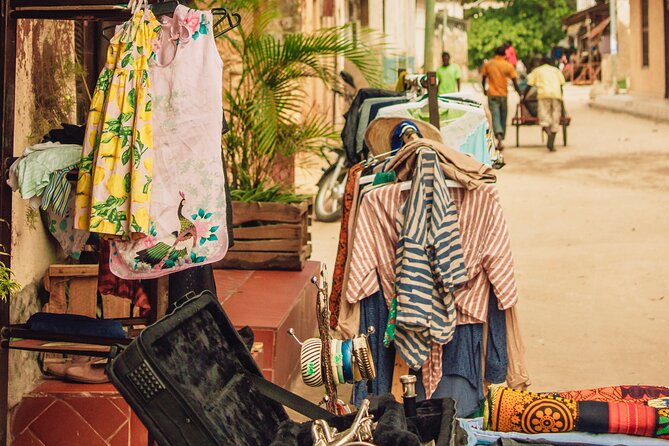
The old market site now contains a small art gallery, but its former role was darker. It was once associated with Bagamoyo’s slave market. Enslaved people were held beneath trees before being sent toward Zanzibar.
A local account describes an underground tunnel leading to the beach, allowing people to be moved during high tide. The exact tunnel has never been found. Nearby, a customs house once played a role in the slave trade, with a bounty paid for every enslaved person exported from the port.
This stop is scheduled for about 20 minutes. Since much of the original market is gone, your guide’s explanation is important. Do not expect a preserved market hall. Expect a place where absence is part of the story.
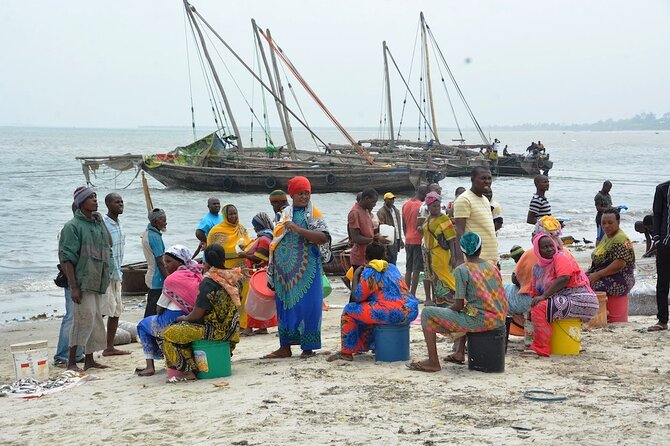
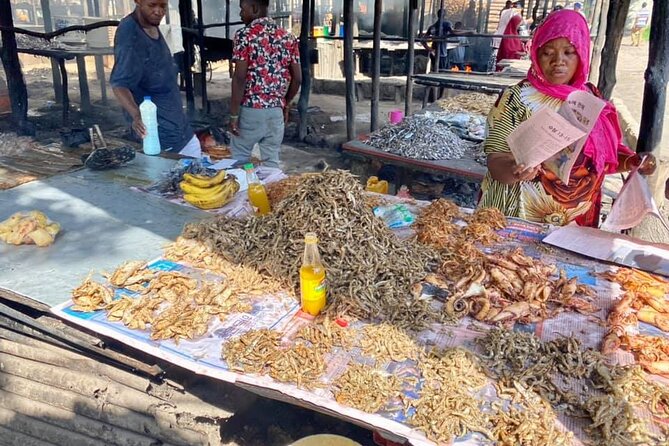
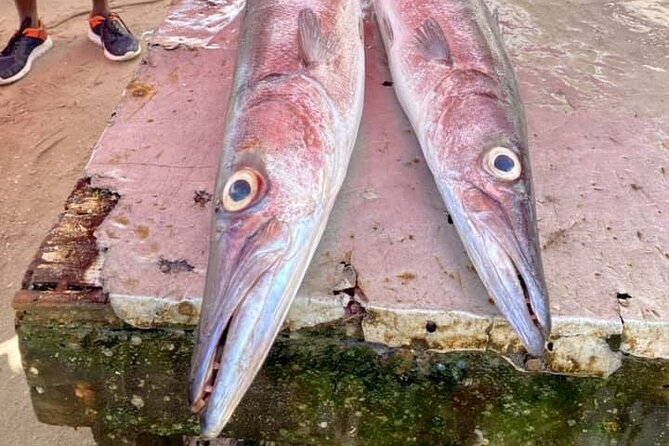
The Bagamoyo Fish Market and dhow harbor shift the focus to the town’s continuing coastal life. Fishermen sell fish, crab, lobster, prawns, and octopus. The market is busiest in the morning, when catches arrive and buyers can have seafood cleaned and prepared.
The old auction hall has German colonial connections. The harbor itself once supported ivory and slave trades, but today it serves fishing boats and tourism. Depending on the day and timing, you may see a working port rather than a formal attraction.
The combined stop lasts about 25 minutes and has no admission fee listed. This is one place where you should pay attention to ordinary activity: boats, seafood, sellers, and the shoreline. The present-day harbor helps prevent Bagamoyo from becoming only a memorial to the past.
What the $255 price includes, and what it does not

The price is $255 per person. That is a serious amount for a day trip, but this is a private experience rather than a large shared bus excursion. The value improves if you are traveling with several people and can use a group discount.
Included are private transportation, an air-conditioned vehicle, lunch, unlimited bottled water, snacks, alcoholic beverages for adults who want them, and all fees and taxes. Dietary restrictions are to be taken into account, so tell the operator in advance.
Breakfast and dinner are not included, and tips are separate. The start is at 8:30 a.m., so arrange your own breakfast before pickup. A beach-view lunch was part of one especially positive booking, but the supplied details do not guarantee a particular restaurant or view, so confirm the lunch location if that matters to you.
The cost makes the most sense for people who value a private vehicle, a dedicated guide, and an all-in-one historical route. If you are only interested in beaches or want the cheapest way to reach Bagamoyo, this tour may feel expensive.
Guide quality can shape the whole day
Historical sites work best when someone explains what you are seeing. The tour has received strong praise for its guiding, especially for Erick, described as smart, funny, ethical, and fluent in English. If you want him specifically, ask Envoyage Tanzania about availability before booking.
One practical warning came up around handling money for payments. Most tour costs are included, but it is still sensible to confirm exactly what the guide will pay directly and what you may need to settle yourself. Clear arrangements remove a small source of stress on a long day.
The operator is Envoyage Tanzania. Confirmation is provided when you book, and free cancellation is available until 24 hours before the start time. Inside that window, the payment is not refundable, and late changes are not accepted.
Who should book this Bagamoyo day trip?
I would choose this tour if you want historical context, prefer a private outing, and have a full day available from Dar es Salaam. It suits people who want more than a beach visit and who are willing to spend time with difficult subjects.
It is also a good fit for families with older children, couples, friends, and small groups who want transport, lunch, water, and admission costs handled together. Most people can participate, and the tour is near public transportation, though your own private pickup is offered.
I would hesitate if you dislike long road days, want a highly polished museum experience, or prefer to explore at your own pace without a guide. The schedule includes many short stops, and the heat, travel time, and emotional weight can add up.
Should you book it?
Book this Bagamoyo tour if you want to understand how slavery, Indian Ocean trade, Islam, Christianity, and colonial rule shaped one Tanzanian coastal town. The Old Fort, Kaole mosques, mission compound, museum, old market, and harbor each offer a different piece of the story.
The best reason to choose it is the combination of sites. You are not seeing one isolated ruin. You are following a connected route from early coastal trade to present-day fishing life, with a private vehicle and lunch included.
Before paying, confirm the guide, lunch arrangements, pickup details, and group discount. If Erick is available and the history appeals to you, the $255 cost can be fair value for a private full-day experience. If your priority is simply relaxing beside the ocean, save Bagamoyo for another kind of visit.
FAQ
Where does the Bagamoyo tour start?
The tour starts in Dar es Salaam, Tanzania, with pickup offered.
What time does the tour begin?
The stated start time is 8:30 a.m.
How long does the experience last?
The tour lasts approximately 8 to 10 hours, including travel between the attractions.
Is this a private tour?
Yes. Only your group participates in the private activity.
What transportation is provided?
Private transportation is provided in an air-conditioned vehicle.
Is lunch included?
Yes. Lunch is included, and dietary restrictions are to be taken into account.
Are drinks and snacks included?
Unlimited bottled water and snacks are included. Alcoholic beverages are available for participants aged 18 and older who choose to partake.
Are admission fees included?
All fees and taxes are included. Several stops also list admission as free.
What places are visited?
The route includes the Old Fort, Old Boma, Kaole Ruins, Holy Ghost Mission, Old Fathers’ House, Bagamoyo Museum, Holy Ghost Church, Holy Grotto, the historical baobab, the old market, the fish market, and the dhow harbor.
Can I cancel for a refund?
You can receive a full refund if you cancel at least 24 hours before the experience start time. Cancellations or changes made within 24 hours are not accepted for a refund.
Just added around Dar es Salaam
- The Ultimate Guide for 2-Day Tanzania Safari from Mwanza★ 5.0 · 3 reviews
- 5 Days Tanzania Safari from Mwanza to Arusha★ 5.0 · 8 reviews
- Sunrise Beach Walk with Picnic Breakfast Activity★ 5.0 · 3 reviews
- Saadani National Park Day Tour★ 5.0 · 3 reviews
- Private Tour in Historical Dar es Salaam with Lunch★ 4.5 · 6 reviews
- Dar es salaam Airport Transfer (Private & Group)★ 3.5 · 7 reviews
- Dar es salaam Private City Tour with Professional Guide★ 5.0 · 5 reviews
- Full Day Private Tour in Dar es Salaam City★ 5.0 · 4 reviews
Historical Tours, compared.
Stone Town Historical Cultural Walking Guided Tour
Read our review →
Arusha Guided Walking City Tour, Culture, Lifestyle & History
Read our review →

Zanzibar Stone Town Historical Tour and Spice Farm Tour
Read our review →
Stone Town Historical and Cultural Walk with Ally Jape
Read our review →
Stonetown Historical Walking Tour & Traditional Lunch
Read our review →
Cultural Walking Tour through Stonetown, a UNESCO World Heritage Site
Read our review →
Browse the lists this tour appears in