
Reviewed · CAMPING SAFARIS
4 Days Group Camping Safari
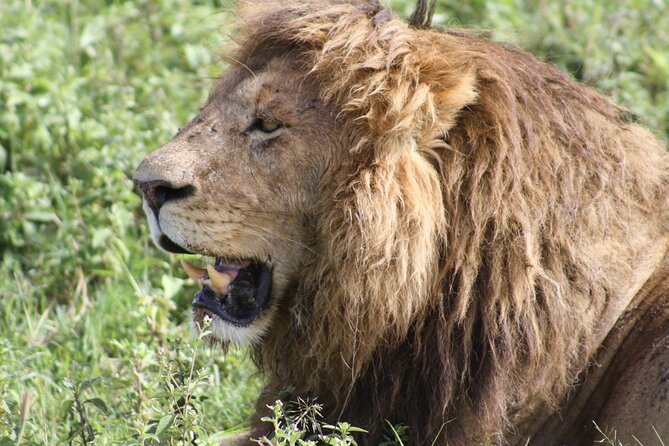
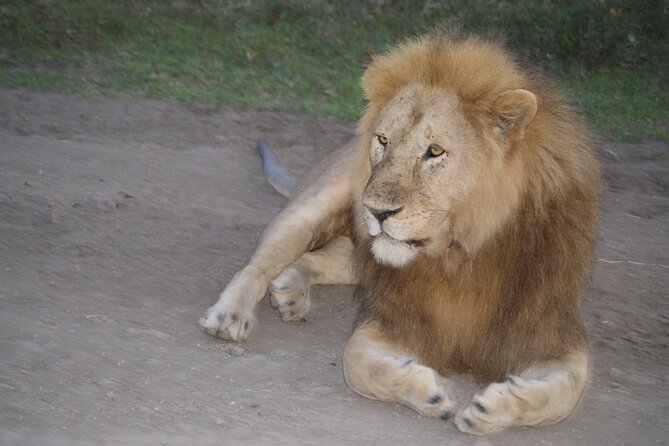
Three major wildlife areas in four days is the big draw here. You move from Tarangire’s elephant country to the Serengeti’s open plains, then down into Ngorongoro Crater, with game drives built into nearly every day. The variety is excellent, and you have a real chance to see lions, elephants, buffalo, zebras, hippos, and perhaps all of the Big Five.
I like the small maximum group of six, which gives your guide room to answer questions and position the 4×4 more carefully. I also like that camping gear, breakfast, lunch, and dinner are included, keeping the $900 price easier to justify. The tradeoff is simple: this is basic camping, not a lodge safari. Tents may feel tight, days are long, and the schedule leaves little spare time.
The quick take: three parks, one busy four-day run
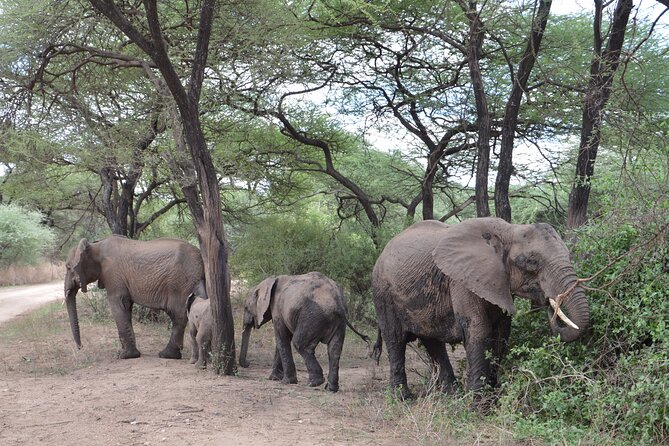
- Tarangire begins the safari with elephants and baobab trees, especially rewarding in the June to November dry season.
- Serengeti’s Seronera area offers two game-drive periods, including an afternoon arrival drive and a long morning outing.
- Ngorongoro Crater packs wildlife into a compact setting, with a descent of more than 600 meters to the crater floor.
- A maximum of six people keeps the vehicle from feeling crowded and gives you more access to the guide.
- Meals, camping equipment, and mobile-ticket confirmation are included, which simplifies a short safari.
- The camping is functional rather than comfortable, so pack for a rough-and-ready night outdoors.
Why this route works so well in four days
A four-day safari cannot cover every corner of northern Tanzania. It can, however, give you three very different wildlife settings without asking you to spend a full week on the road.
That contrast is the real strength. Tarangire gives you big elephant herds and distinctive baobabs. Serengeti gives you distance, open plains, and the excitement of searching for predators. Ngorongoro gives you a concentrated wildlife encounter inside an ancient volcanic crater.
You also get several game drives rather than one short park visit. The schedule is brisk, but it uses the available time well. You leave after breakfast on the first day, reach Serengeti on the second, spend much of the third on an early drive, and finish in Ngorongoro on the fourth.
This is best for you if wildlife matters more than polished accommodation. You will spend long hours in a 4×4, often with an eye on the next animal sighting. The reward is a broad sample of Tanzania’s northern safari circuit at a price that includes the main daily meals and camp setup.
More Camping Safaris in Arusha
- 5 Days Group Camping Safari
★ 5.0 · 730 reviews - 6 Days Tanzania Budget Camping Safari
★ 5.0 · 145 reviews - 5-Day private Camping Safari Tour in Tanzania
★ 5.0 · 86 reviews
Day 1: Tarangire’s elephants and baobab country
The safari leaves after breakfast, usually between 8:30 and 9:00 in the morning. Your guide picks you up in a 4×4 safari vehicle, and Tarangire is the first park on the route.
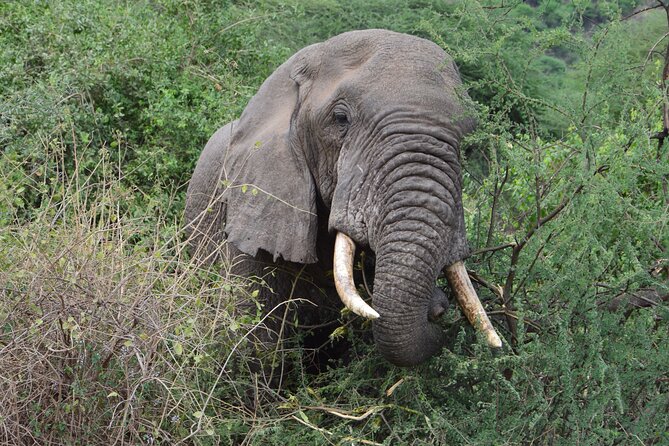
Tarangire is a strong opening act because it has a clear visual identity. The baobab trees give the park a sculptural look, while elephants are one of its main attractions. In the June to November dry season, wildlife gathers around remaining water sources, and the park can hold large groups of zebra, wildebeest, and Cape buffalo.
You arrive for lunch before the afternoon game drive. That timing matters. Rather than spending the first hours rushing straight into the park, you have a meal before heading out to search for animals.
Tarangire is not limited to elephants. You might find giraffe, waterbuck, impala, dik-dik, eland, Grant’s gazelle, vervet monkeys, olive baboons, or banded mongoose. Predators include lions, leopards, cheetahs, caracals, honey badgers, and African wild dogs, though sightings are never guaranteed.
The six-hour park visit can feel full, especially after an early start and transfer time. Still, this first day gives you an immediate sense of how the safari works: long stretches of watching, short bursts of excitement, and a guide explaining how animals use water, shade, and open ground.
Day 2: Crossing into Serengeti’s Seronera area
After breakfast, you travel toward Serengeti through the farmland around Karatu and the Ngorongoro Conservation Area. The scenery changes as you leave the highlands and head toward the broad plains of the park.
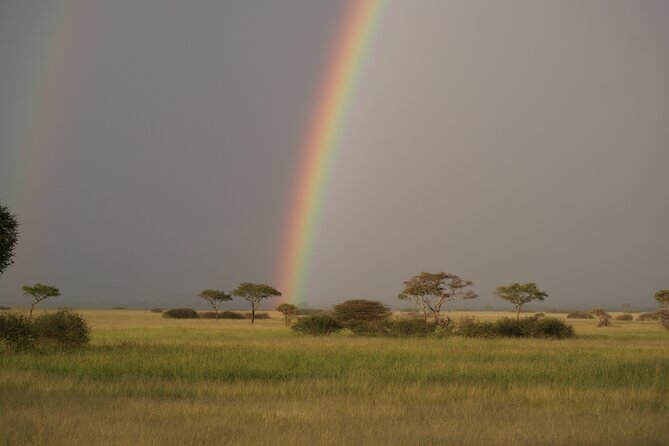
The journey is part of the day, so do not expect a quick hop from one park gate to the next. The reward is the change in scale. Serengeti feels much more open than Tarangire, with plains stretching far into the distance.
The route aims for the central Seronera area. The Seronera River supplies water, making this one of the park’s more productive wildlife zones. That makes it a sensible base for a short safari, since you need a place where several types of animals may be found within reach of the vehicle.
You arrive in time for lunch and then take an afternoon game drive. The afternoon timing can be useful because the day is cooling, and animal activity may increase after the hottest hours. Your guide will read the area, watch for movement, and explain the local ecosystem as you go.
Serengeti is where the safari’s biggest wildlife hopes often take shape. Lions, elephants, buffalo, zebras, and other familiar species may appear, and the open views make animal behavior easier to follow. A predator sighting can still require patience. The park is enormous, and even Seronera does not guarantee a particular animal.
The guide makes a major difference here. Guides named Amir and Mandela have received strong praise for finding animals and handling the vehicle well. The exact guide depends on the operating team, but the small group format gives your driver-guide more room to respond to questions and adjust the viewing position.
Day 3: A long morning drive, then the road to Ngorongoro
Day three starts with coffee, tea, and biscuits before an early morning game drive. You then continue with lunch boxes and spend roughly 8:00 to 14:30 in the park before heading toward the Ngorongoro Conservation Area.
This is one of the most wildlife-focused parts of the trip. An early start gives you more daylight for viewing, and the six-hour outing lets you cover more ground than a short morning drive. You will need patience, though. A safari vehicle can be exciting when animals appear, but long quiet stretches are normal.
After the game drive, you travel toward the Ngorongoro area with wildlife viewing along the way. The route is not merely a transfer between attractions. It gives you one last chance to watch the Serengeti change as you leave the central plains.
Dinner and the overnight camp follow in the conservation area. By this point, the schedule may feel demanding. You have already spent time on rough roads, in the vehicle, and outdoors. That is part of the deal with a four-day camping safari, and it is worth considering before you book.
The food helps keep the days manageable. Breakfast, lunch, and dinner are listed as included for the four-day program, and the safari team includes a cook. Chef Tito has been praised for preparing satisfying meals during the trip. Do not expect restaurant service or a broad menu, but included camp meals remove one major worry from a busy itinerary.
More Safaris in Arusha
- 7-Day Premium Luxury Tanzania Safari All-Inclusive
★ 5.0 · 426 reviews - 8 Days Great Wildebeest Calving Migration Safari from Arusha
★ 5.0 · 254 reviews - Group Safari 7 Days in Tanzania’s Main Parks
★ 5.0 · 240 reviews - Tanzania Simba Safari – 5 Days
★ 5.0 · 217 reviews
Day 4: Down into Ngorongoro Crater
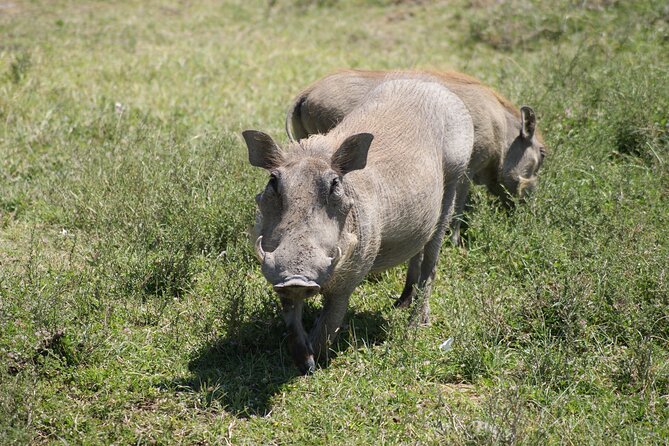
The final day begins with an early breakfast and a descent of more than 600 meters into Ngorongoro Crater. The drive down is one of the most memorable transitions on the route. You move from the rim into a contained wildlife area with water and grazing that support animals throughout the year.
The crater floor can produce a strong concentration of wildlife in a relatively compact area. You might see wildebeest, zebra, buffalo, eland, warthog, hippo, or large African elephants. The crater is also known for predators such as lions, hyenas, jackals, cheetahs, and leopards.
The leopard is the difficult prize here. Your guide may need a trained eye and a good deal of luck to find one. The same applies to the complete Big Five. Some groups have seen all five, but no honest safari can promise it.
Lake Magadi is one of the crater’s main features. It is a large, shallow alkaline lake in the southwest of the crater and can attract wildlife. The lake adds variety to the drive, giving you more than a simple circuit of grassland.
The final game drive lasts about six hours. That is enough time to take in several areas, but it also means you should conserve energy. The early breakfast and long day are a reminder that this is an active safari rather than a relaxed resort break.
Ngorongoro and Serengeti are UNESCO World Heritage sites, giving the trip an extra layer of significance beyond animal sightings. You are seeing places valued for their natural importance, not just stopping at a series of photo opportunities.
Camping: useful, basic, and worth understanding
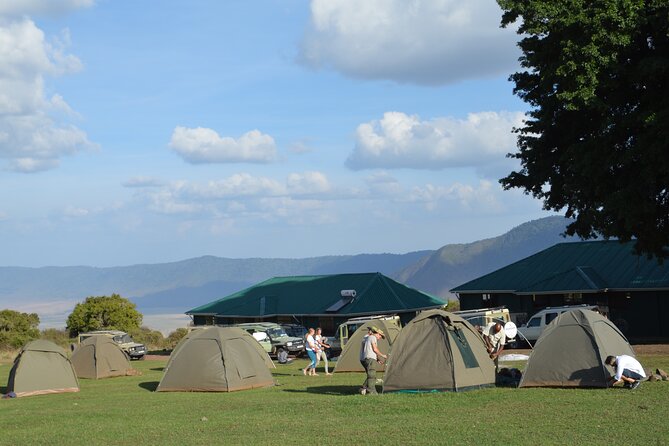
Camping is the part of this experience that requires the clearest expectations. The facilities are described as basic but sufficient, and some camps offer good views. That is appealing if you want to feel close to the setting rather than retreat to a lodge each night.
At the same time, the tents can be small. If you are tall, share a tent, or bring bulky luggage, space may feel limited. One practical tip is to pack lightly and keep only what you need for the night inside the tent.
This is not a trip for anyone seeking spacious rooms, private bathrooms, or a soft landing after every game drive. It is better suited to you if you can accept simple sleeping arrangements in exchange for keeping the price down and spending more time in the parks.
Bring the basics suggested by the safari team, including a towel and sun cream. The supplied information also points to the need for personal preparation, so think in terms of practical outdoor clothing and compact packing rather than a full suitcase.
What the $900 price really includes
At $900 per person, this safari sits in the part of the market where the main value comes from combining several expensive park visits into one compact package. The price includes breakfast, lunch, and dinner for all four days, plus camping equipment.
That matters because food and park logistics can add up quickly on a safari. You are also paying for transport in a 4×4, guiding, and access to Tarangire, Serengeti, and Ngorongoro Crater. The itinerary does not spell out every individual fee, so confirm the final inclusions before paying if a particular park charge or transfer matters to you.
The small group strengthens the value. A maximum of six people is more personal than a large bus-style safari, and it should make wildlife viewing less awkward. It also gives the guide more chance to explain animal behavior and respond to what interests you.
The price is less compelling if your priority is comfort. A lodge-based trip would likely offer more space and rest, while this camping option puts more of your budget into park time and game drives.
Guides, cooks, and the human side of the safari
A safari vehicle is only as good as the people running it. The driver must watch the road, read animal behavior, and position the vehicle without rushing the sighting. The guide also explains the ecosystem, which turns a list of animals into a better understanding of how the parks function.
Amir and Mandela are names connected with especially strong guiding, including skill at locating the Big Five and maneuvering the 4×4 for a better view. The team may vary, so treat those names as examples rather than a guarantee of your assigned guide.
The cook also shapes the experience. Tito has been singled out for good camp meals, while other safari teams have been praised for adequate daily food and a willingness to help. Included meals are not just a financial benefit. They save you from arranging food after long drives and keep the group moving on schedule.
Who should book this four-day safari?
I would recommend it to you if you want a high wildlife return in a short time. It suits first-time safari visitors who want to see the three headline areas of northern Tanzania without committing to a longer trip.
It also suits active couples, friends, and families who can handle early starts and simple camping. Most people can participate, and the maximum group size is six.
I would think twice if you need roomy tents, a slow pace, or guaranteed sightings. The route is busy, the days are long, and the camping is rough and ready. A longer safari might feel less rushed, while a lodge itinerary would better suit anyone placing comfort first.
Pickup is offered, mobile-ticket confirmation is available, and confirmation is received at booking. Free cancellation is available up to 24 hours before the start time. Changes or cancellations inside that window are not accepted for a refund.
My verdict: excellent variety, modest comfort
Book this safari if your priority is seeing a lot of northern Tanzania in four days and you are comfortable trading softness for access. Tarangire, Serengeti, and Ngorongoro Crater offer three distinct wildlife settings, and the included meals and camping equipment keep the package practical.
I like the compact group, the repeated game drives, and the chance of seeing the Big Five. I would not book it expecting spacious tents or a restful schedule. Pack light, bring sun cream and a towel, accept the basic camp setup, and you get a focused safari with strong variety for the money.
FAQ
How long is the safari?
The safari lasts approximately four days.
Where does the safari take place?
The tour is based from Arusha and visits Tarangire National Park, Serengeti National Park, the Ngorongoro Conservation Area, and Ngorongoro Crater.
How many people can join the tour?
The maximum group size is six travelers.
Is pickup available?
Yes, pickup is offered.
What meals are included?
Breakfast, lunch, and dinner are included for all four days.
Is camping equipment included?
Yes, camping equipment is included.
What time does the safari leave on the first day?
Departure is after breakfast, between 8:30 and 9:00 in the morning.
How long are the listed park visits?
Each listed stop is shown as approximately six hours.
Can I see the Big Five?
Seeing the Big Five is possible, but animal sightings are not guaranteed. The safari visits areas where lions, leopards, elephants, buffalo, and other wildlife may be found.
Can I cancel for a full refund?
Yes, you can cancel at least 24 hours before the experience start time for a full refund. Cancellations or changes made less than 24 hours before the start time are not accepted for a refund.
More Four-Day Trips in Arusha
- 4 Days safari Tour Tanzania
★ 5.0 · 159 reviews - 4 Days Mount Meru Trekking
★ 5.0 · 55 reviews - 4 days safari in Tanzania
★ 5.0 · 49 reviews - 4-Day Simba Safari – Mid Range Tour
★ 5.0 · 47 reviews
Just added around Arusha
- From Arusha: 11 days The Classics Northern Tanzania safari★ 5.0 · 11 reviews
- 6-Day Mount Meru Climb through Momella Route Guided Tour★ 5.0 · 5 reviews
- Private Day Trip to Arusha National Park with a Walking Safari★ 5.0 · 4 reviews
- From Arusha : 11-day Amazing North Tanzania safari tour★ 5.0 · 4 reviews
- Walking Day Tour to Safari in Arusha National Park★ 5.0 · 5 reviews
- 2 Days Tanzania Midrange Group Join Safari★ 5.0 · 7 reviews
- Best 5 Days Tanzania Private Luxury Safari with luxury Lodges★ 5.0 · 12 reviews
- Waterfall & Coffee Walking Tour★ 5.0 · 6 reviews
Camping Safaris, compared.
3 Day Serengeti National Park & Ngorongoro Crater Camping Safari
Read our review →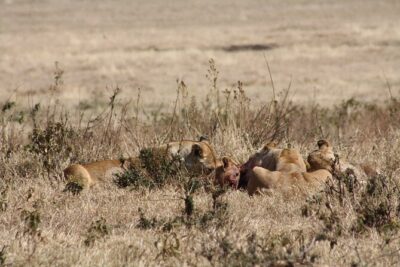
5-Day private Camping Safari Tour in Tanzania
Read our review →
5 Days Camping Tarangire, Serengeti & Ngorongoro crater & Visiting Maasai
Read our review →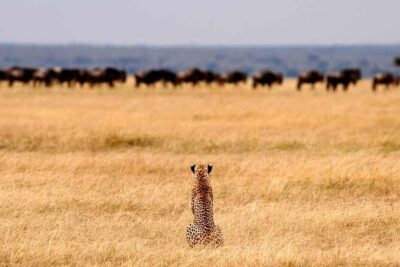
Multi-Day Camping Safari Experience in Arusha
Read our review →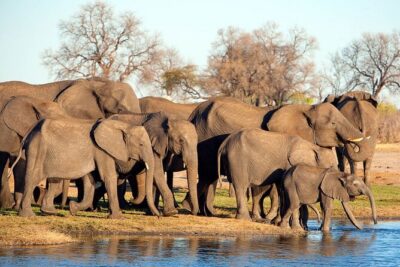
3-Day Tarangire, Ngorongoro and Lake Manyara Camping Safari
Read our review →Browse the lists this tour appears in