
Reviewed · CAMPING SAFARIS
6 Day Group Camping Safari Tarangire Serengeti Ngorongoro Manyara
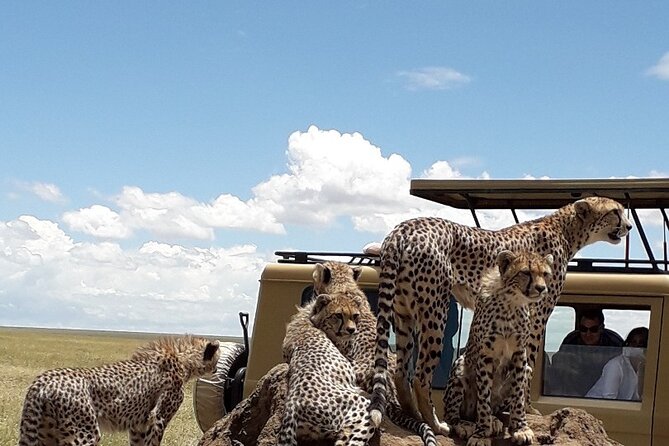
Tarangire’s elephant country, Serengeti’s predator-filled plains, and Ngorongoro’s crater floor give this safari a lot of wildlife for one six-day trip. You also get a taste of four major parks, rather than spending the whole week in one reserve.
I like the practical value: camping, meals, bottled water, park fees, and game drives are covered in the $1,370 price. I also like the small group limit of six and the personal guide arrangement. The drawback is the pace. You cover long distances, sleep at basic campsites, and spend several days in the vehicle.
Key points to know before booking
- Four parks in six days: Tarangire, Serengeti, Ngorongoro, and Lake Manyara each offer a different setting and wildlife focus.
- A strong camping value: Campsite stays, camping equipment, meals, bottled water, taxes, and game drives are included.
- Small group size: The safari allows a maximum of six people, making it easier to share sightings and ask your guide questions.
- Magic Mike is one guide name associated with the trip: Feedback about his sharp wildlife spotting includes a day with more than 30 lions.
- Two UNESCO World Heritage sites: Serengeti National Park and the Ngorongoro Conservation Area add major cultural and natural importance to the route.
- Pack light: You need a duffle bag rather than a suitcase, and domestic flights, if added to your plans, allow only 15 kilograms including hand luggage.
Why this six-day route works
This is a classic northern Tanzania circuit, but it is not a slow one. You begin in Arusha, head to Tarangire, continue to the Serengeti, spend a full day there, then work back through Ngorongoro and Lake Manyara before returning to Arusha.
That route gives you variety. Tarangire is known for elephants and birdlife. Serengeti offers the biggest sweep of open grassland and the strongest chance of seeing large predator concentrations. Ngorongoro packs wildlife into a compact crater setting, while Manyara adds birds, elephants, and the possibility of tree-climbing lions.
The main tradeoff is time on the road. Day two, day four, and day six include substantial driving alongside game viewing. You are choosing breadth over a leisurely stay in one park. For a first safari, I think that is a reasonable choice, especially when the price includes so much.
The group limit matters here. A maximum of six people is far more manageable than a large coach, particularly when a lion or leopard sighting requires everyone to look in one direction. The safari is described as a private tour with an English-speaking guide, but you should confirm the exact vehicle and whether your booking is fully private or a small shared group.
More Camping Safaris in Tarangire
- 5 Days Camping Tarangire, Serengeti & Ngorongoro crater & Visiting Maasai
★ 5.0 · 229 reviews - 2 Days Tarangire and Ngorongoro Group Camping Safari
★ 5.0 · 146 reviews - 3 Days Tarangire, Ngorongoro & Lake Manyara Group Camping Safari
★ 5.0 · 102 reviews
Day one: elephants and baobabs in Tarangire
The safari starts at 8:30 am with a drive from Arusha to Tarangire National Park. You spend the day on game drives and eat a packed picnic lunch rather than returning to a lodge.
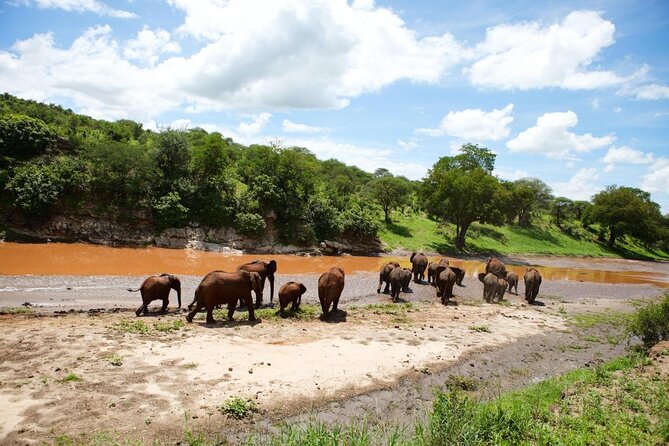
Tarangire is a smart first stop because it feels different from the better-known Serengeti. It is known for elephant migration, bird-watching, and a quieter safari atmosphere. The park sits slightly away from the main northern route, so it can feel less hurried than the headline parks.
This is a good day for watching animal behavior rather than chasing a single famous sight. Elephants are the main draw, but giraffes, zebras, buffalo, and many bird species may also appear. The park’s appeal comes from its mix of wildlife and open space, not just a checklist of animals.
Late in the afternoon, you leave Tarangire and drive to Kizumba Campsite near Manyara for dinner and the night. The stated schedule runs about seven hours, including the park visit and transfers. That makes for a full opening day, so bring water, sun protection, and something small to occupy you between sightings.
Day two: the long road to Serengeti
After breakfast, you set out for Serengeti National Park with a picnic lunch. Game viewing begins along the route, but this is also one of the trip’s longer transfer days, listed at about eight hours.
Serengeti is Tanzania’s most famous park for good reason. Its open plains support huge herds of grazing animals, which in turn support large numbers of predators. The park is also central to the Great Migration, when roughly two million grazers move through the wider ecosystem.
The timing of the migration cannot be guaranteed by this fixed itinerary. Even outside the main movement, though, Serengeti remains valuable for its scale and predator habitat. You may see lions, elephants, giraffes, zebras, buffalo, and other species during the game drives.
The night is at Seronera Campsite, in the central Serengeti area. Camping here puts you closer to the core safari zone than staying outside the park, but you should expect a basic camp rather than hotel comforts. Dinner and overnight camping are included.
Day three: a full Serengeti game-drive day
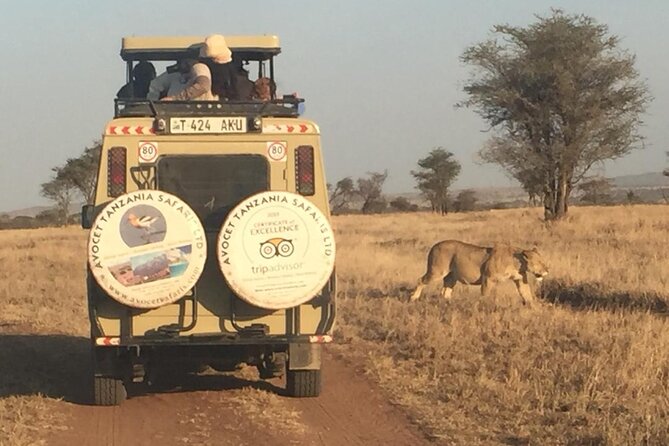
The third day is the route’s best chance to settle into Serengeti. You have a full day of game drives, with the option to return to camp for a hot lunch and a rest before an afternoon drive. You can also take a picnic lunch and stay out for the whole day.
I like having this choice. Returning to camp gives you a break from the vehicle, which can matter after two busy days. Staying out with a picnic gives you more time in the park and avoids spending part of the day traveling back and forth.
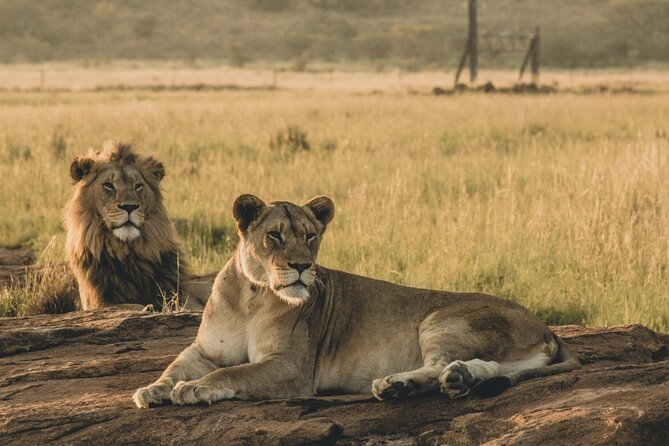
A guide’s spotting ability matters most on a day like this. Magic Mike is the guide name associated with especially strong wildlife sightings, including more than 30 lions in one day. That does not promise the same result on your departure, but it points to the value of having a guide who pays close attention to movement, tracks, and distant shapes.
The day is listed at about eight hours. You should expect a mix of slow searching, sudden excitement, and quiet stretches. Safari is not a parade of animals. The open plains reward patience, and a good guide can make those pauses more useful by explaining the ecosystem around you.
You spend a second night at Seronera Campsite. Two nights in the same area are helpful because you avoid packing up every morning and can give more time to the central Serengeti.
More Safaris in Tarangire
- 4-Day Safari from Arusha: Tarangire, Serengeti and Ngorongoro
★ 5.0 · 173 reviews - Balloon Safari & Bush Breakfast in Tarangire – Miracle Experience
★ 5.0 · 169 reviews - 5 Days Tanzania Group Joining Safari, Tarangire/Serengeti/Ngorongoro Crater
★ 5.0 · 85 reviews - 4 Days Tarangire, Serengeti and Ngorongoro Mid-Range Group Safari
★ 5.0 · 84 reviews
Day four: leaving the plains for Ngorongoro
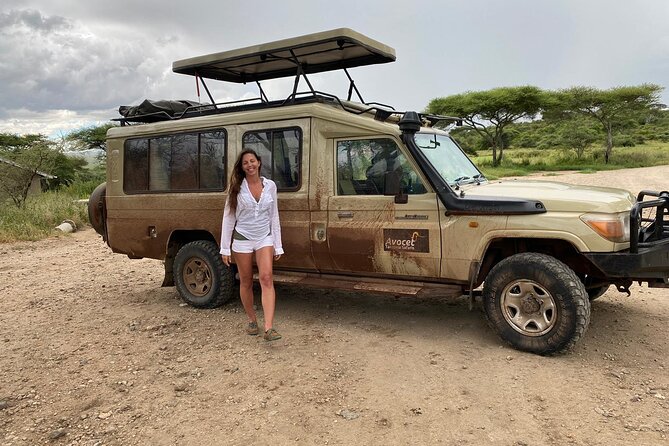
After breakfast, you leave the Serengeti and continue toward the Ngorongoro Conservation Area. Game drives take place along the route, with a picnic lunch, before you reach Simba Campsite on the crater rim.
This day combines wildlife viewing with a major change in scenery. The Serengeti is about wide horizons and movement. Ngorongoro is more enclosed, with the crater rim giving you a sense of the enormous volcanic formation below.
The schedule is about seven hours, so this is another demanding day. You will not get a full day in both the Serengeti and Ngorongoro. Instead, the route gives you a final chance for sightings in Serengeti before positioning you well for the crater descent the next morning.
Sleeping at Simba Campsite is practical. The earlier you are ready for the crater, the more useful your time inside may be. Camping at the rim also keeps the trip within its budget structure, though conditions will be simpler than at a lodge.
Day five: down into Ngorongoro Crater
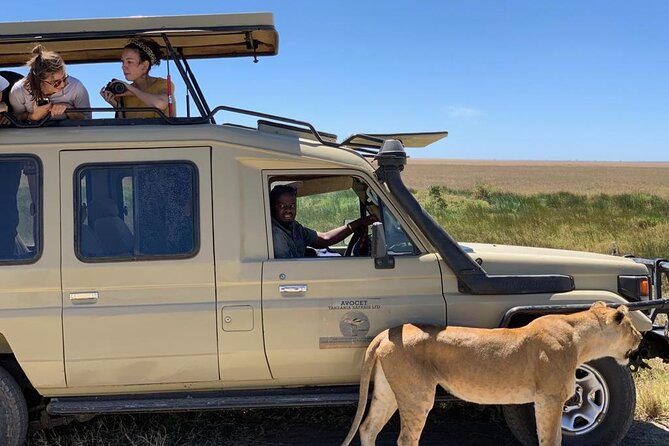
After breakfast, you descend into Ngorongoro Crater for game drives with a picnic lunch. This is one of the most concentrated wildlife days on the trip and one of its clearest highlights.
The crater is known as one of East Africa’s best places to look for the Big Five. Its enclosed setting can make animal viewing feel more focused than on the broad Serengeti plains. You may also see zebras, buffalo, hippos, lions, and other wildlife during the drive.
The scenery is a major part of the appeal. You are not only looking for animals. The crater walls, open floor, and compact ecosystem create a dramatic setting that is easy to appreciate even during quiet stretches.
The program also notes the chance to interact with Maasai people and offers a separate Maasai cultural village visit as an activity that is not included. That distinction matters. If you want the village visit, budget for it separately and confirm the details before departure.
After the crater drive, you ascend and return to Kizumba Campsite for dinner and the night. The day is listed at about eight hours, so expect an early start and a full schedule.
Day six: birds, elephants, and Lake Manyara
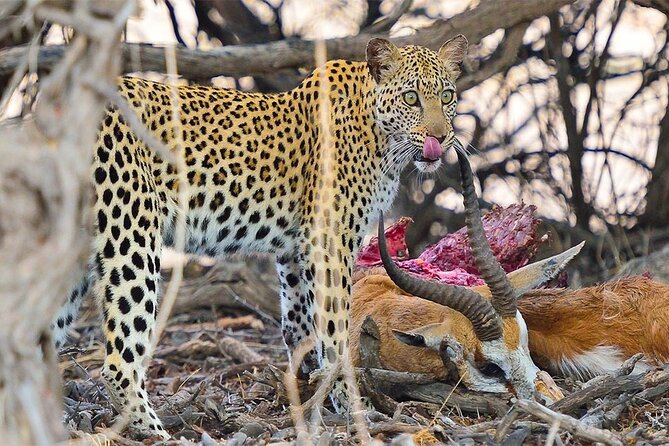
The final morning takes you to Lake Manyara National Park with a packed lunch. The park is smaller than Serengeti and Tarangire, but it adds a different kind of safari day.
Manyara is especially good for bird-watching and is also known for elephants. The park has a reputation for tree-climbing lions, though a sighting is never guaranteed. That possibility gives the final game drive a little extra suspense.
Because Manyara is the last park, you return to Arusha later in the afternoon after the game drive. The full day is listed at about eight hours. Depending on road conditions and the pace of the safari, you should avoid scheduling an important evening flight or tight onward connection unless you have confirmed the timing directly.
Manyara is a sensible final stop because it breaks up the route home and gives you one more chance to see wildlife. It may not match the scale of Serengeti, but its birdlife, forested areas, and lake setting provide a useful change of pace.
What the $1,370 price covers
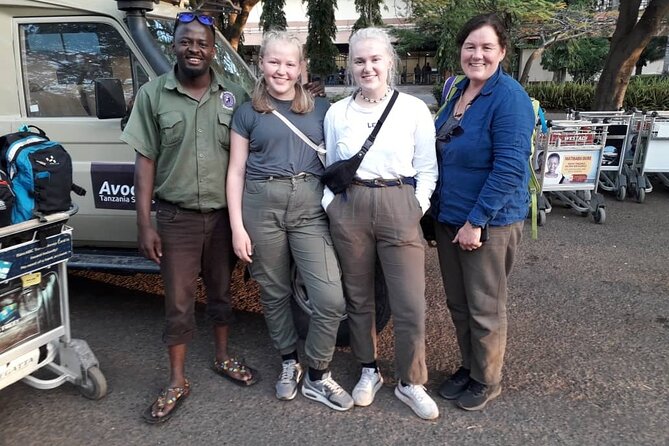
At $1,370 per person, this is not a bare-bones safari where every meal and park charge appears later. The price includes game drives, an English-speaking guide, bottled water, taxes, park-related fees, camping equipment, six breakfasts, six lunches, and five dinners.
That package gives the safari solid value. Food alone is covered throughout the six days, and you do not have to add separate entrance fees at each major stop. The price also pays for access to four parks, including Serengeti and Ngorongoro, which are usually the most important costs on a northern Tanzania route.
The camping format is what keeps the price lower than a lodge-based safari. You should choose this trip because you are comfortable with basic accommodation, shared camp facilities if applicable, and a schedule built around early starts and long drives.
Not included are international or local flights, visa charges, travel and accident insurance, drinks other than the provided bottled water, laundry, phone calls, tips, personal expenses, and activities not listed in the program. The Maasai cultural village visit is also extra.
What to pack for a camping safari
Pack a duffle bag, not a hard suitcase. Soft luggage is easier to store in the safari vehicle, and the operator specifically asks passengers to bring duffle bags.
Useful basics include light clothing, a warm layer for cool mornings, sun protection, comfortable shoes, personal toiletries, and any medication you need. The provided information does not specify a full equipment list, so ask what camping gear is supplied before you go.
If you add domestic flights, remember the strict 15-kilogram baggage limit, including hand luggage. Carry your passport or identification card for internal flights. Passengers arriving in Tanzania may also be asked for a valid Yellow Fever Vaccination Certificate, and visa rules should be checked before departure.
The safari has an English-speaking guide and most people can participate. It is not described as an accessible tour, so anyone with mobility concerns should ask about vehicle access, campsite facilities, and the crater descent before booking.
Who will enjoy this safari most
I would recommend this trip to a first-time safari visitor who wants the major northern Tanzania parks in one package and is willing to trade comfort for range. It suits people who care more about wildlife time and price than lodge amenities.
It also works well for couples, friends, or solo bookers who prefer a small group. The maximum of six creates a better balance between cost and personal space than a large group departure.
I would think twice if you dislike long drives, basic camping, or a fixed schedule. The route is busy, with several days listed at seven or eight hours. If you want a slow safari with late mornings and multiple nights at a luxury lodge, this is not the right format.
Should you book the six-day camping route?
Book it if you want four major safari parks, a small group, and most core costs included for $1,370 per person. The strongest parts are the full Serengeti day, the crater drive, and the chance to compare four very different wildlife areas.
Before paying, confirm whether your departure is fully private or shared within the six-person limit, what camping equipment is supplied, and the exact pickup arrangements in Arusha. Also check the timing if you have a flight after the return.
The cancellation terms are friendly: you can receive a full refund if you cancel at least 24 hours before the 8:30 am start time. After that point, cancellations and changes are not accepted. For an active, budget-minded safari, this is a strong choice, as long as you are ready for long days and simple camps.
FAQ
Where does the safari start?
The safari starts in Arusha, Tanzania, with pickup at 8:30 am.
How long does the safari last?
The safari lasts six days.
Which parks are included?
The route includes Tarangire National Park, Serengeti National Park, the Ngorongoro Conservation Area and Crater, and Lake Manyara National Park.
How many people can join the safari?
The tour has a maximum of six travelers.
Are meals included?
Yes. The package includes six breakfasts, six lunches, and five dinners.
Is camping equipment included?
Yes. The tour highlights state that camping equipment is included.
Are park fees included?
Yes. All fees and taxes are included, and the Ngorongoro Crater admission is specifically included.
What luggage should I bring?
Bring a duffle bag rather than a suitcase. If you take a domestic flight, baggage is limited to 15 kilograms per person, including hand luggage.
More Six-Day Trips in Tarangire
- Private 6-Day Tarangire Manyara Crater and Serengeti with Mid-Range Lodges
★ 5.0 · 238 reviews - 6 Days: Classic Camping( Tarangire, Manyara, Serengeti And Ngorongoro).
★ 5.0 · 26 reviews - 6 Days 5 Nights lodge safari Tarangire, Manyara, Serengeti & Ngorongoro Crater
★ 4.5 · 10 reviews - 6 Days Tarangire,Serengeti, Ngorongoro & Manyara Mid-range Camping Safari Tour
★ 5.0 · 7 reviews
Just added around Tarangire
- 3 days Safari to Tarangire, Ngorongoro and Manyara from Zanzibar★ 5.0 · 12 reviews
- 3 Day – Tarangire, Ngorongoro Crater Lake Manyara- Mid – Range★ 5.0 · 16 reviews
- #1 Best Tanzania Safari Tarangire Day tour Adventure★ 5.0 · 9 reviews
- Full Day Private Safari – Tarangire National Park★ 5.0 · 5 reviews
- 5 days Safari to Tarangire, Ngorongoro, Serengeti and Lake Manyara★ 5.0 · 5 reviews
- 4 days Tarangire National park, Serengeti National park and Ngorongoro crater★ 5.0 · 3 reviews
- 4-Day Tarangire Serengeti, Ngorongoro & Maasai Guided group tour★ 5.0 · 16 reviews
- 4 Days Safari Tour at Tarangire, Serengeti and Ngorongoro Crater★ 5.0 · 7 reviews
Camping Safaris, compared.
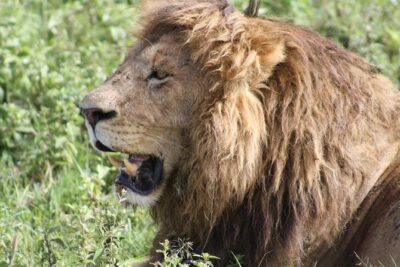
3 Day Serengeti National Park & Ngorongoro Crater Camping Safari
Read our review →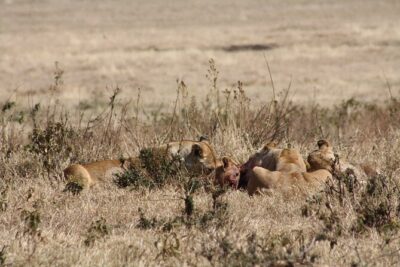
5-Day private Camping Safari Tour in Tanzania
Read our review →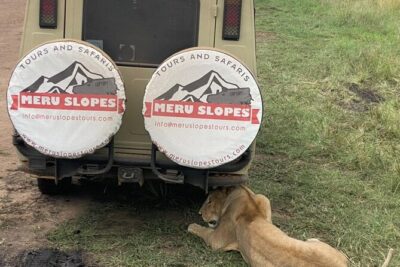
5 Days Camping Tarangire, Serengeti & Ngorongoro crater & Visiting Maasai
Read our review →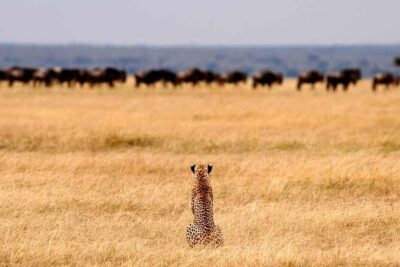
Multi-Day Camping Safari Experience in Arusha
Read our review →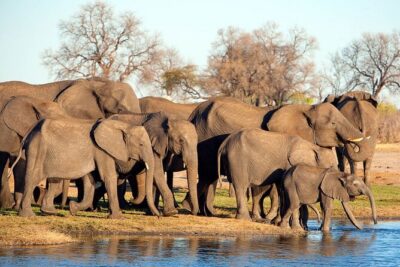
3-Day Tarangire, Ngorongoro and Lake Manyara Camping Safari
Read our review →Browse the lists this tour appears in