
Reviewed · CAMPING SAFARIS
Camping to Serengeti & Ngorongoro Premium Parks
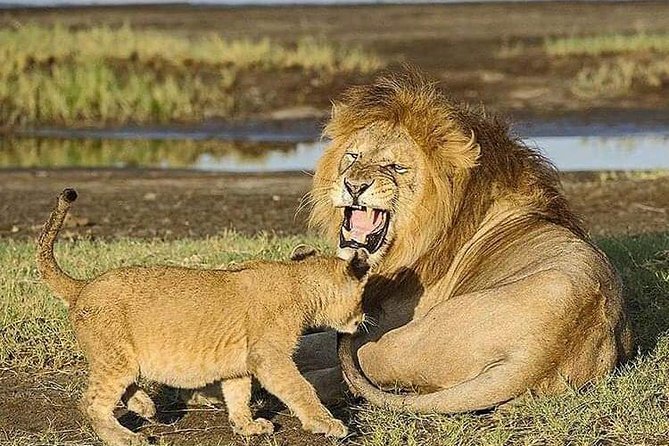
The real prize here is the chance to see Serengeti’s endless plains and Ngorongoro’s wildlife-filled crater in one tightly packed trip. Lions, cheetahs, leopards, elephants, buffalo, and perhaps a rhino are all possible, though no safari can promise the full Big Five.
I like the private vehicle, which lets your group shape the game drives, and I like that park fees, meals, water, camping gear, and transport are built into the $815 price. The catch is the schedule: reaching Serengeti from Arusha on the first day makes for a long drive, and the itinerary leaves little spare time.
Key points at a glance
- A private three-day route takes only your group, not a mixed busload.
- The Ngorongoro Crater game drive is the trip’s most concentrated wildlife stop.
- Open-roof 4WD transport gives you a clear view for animal spotting and photographs.
- Camping equipment is included, including tents, mattresses, and sleeping bags.
- Guides and cooks matter here, with Simba, Nasr, Chedy, and Steve receiving special praise for service and animal spotting.
- The price covers major safari costs, including fees, meals, water, accommodation, and airport transfers.
Two famous parks in three demanding days
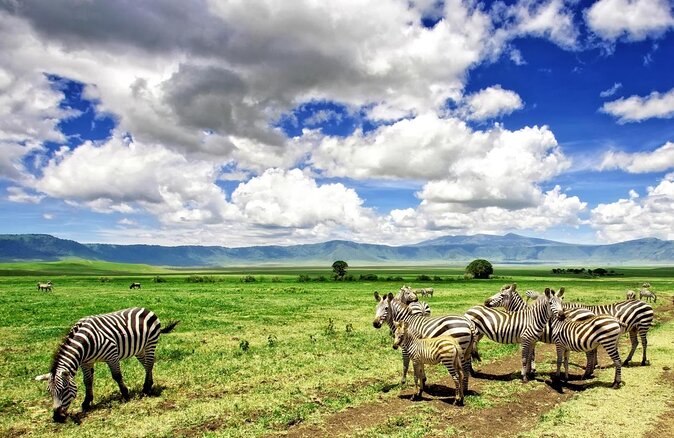
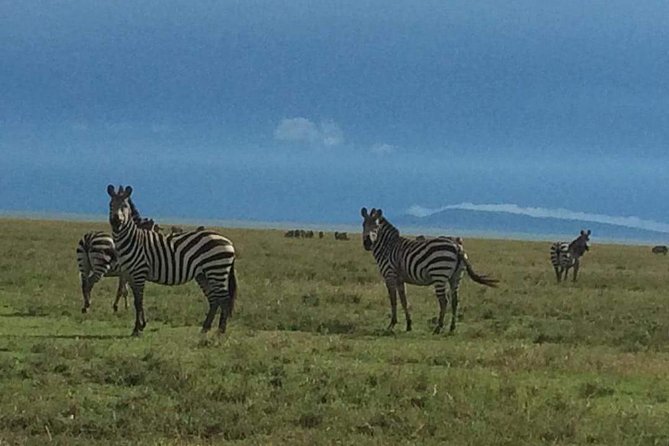
This safari gives you two of northern Tanzania’s biggest names in a short amount of time. Serengeti brings broad grass plains, large herds, and the chance to watch predators at work. Ngorongoro brings a compact wildlife area inside an ancient volcanic caldera, where sightings can come quickly.
That combination is the main reason to choose this trip. You get the scale of Serengeti and the concentrated animal viewing of Ngorongoro without arranging separate transport, park entry, camping supplies, meals, and guides yourself.
Still, three days is a brisk timetable. The first morning begins at 6:30 a.m. at the Arusha Clock Tower, and the road to Serengeti takes up a large part of the day. You should choose this tour for access to the parks, not for a slow holiday with long afternoons at camp.
The tour is private, so only your group participates. That makes the $815 cost easier to judge. For one person, it is a serious expense. For a small group sharing the vehicle, the package offers better value because it includes private transport, professional guiding, game drives, park fees, food, water, camping equipment, and airport transfers.
More Camping Safaris in Serengeti
- 3 Days Serengeti & Ngorongoro Group Camping Safari
★ 5.0 · 574 reviews - 3 Day Serengeti National Park & Ngorongoro Crater Camping Safari
★ 5.0 · 142 reviews - 03 days Serengeti and Ngorongoro Crater group (camping)
★ 5.0 · 75 reviews
Leaving Arusha for the Serengeti plains
Day one begins early in an open-roof 4WD. The vehicle matters. You get a higher, clearer view than from a standard enclosed car, and the open roof helps when you are scanning the grass for a distant animal or following birds in the trees.
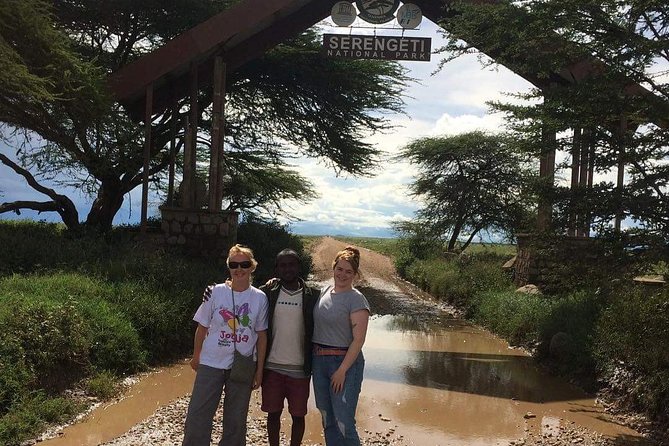
The destination is Serengeti National Park, famous for its wide open plains and large animal populations. The name Serengeti comes from the Maasai word for open plains, a fitting description once the road reaches the park. The area is also recognized as a UNESCO World Heritage site for its ecological importance.
The first day is not simply a short transfer followed by an afternoon safari. You leave Arusha around 6:30 a.m. and expect a long overland run before reaching the day’s camping area. That is the practical drawback. You trade comfort and spare time for a lower-cost route that connects Arusha with two major parks.
Once inside Serengeti, the reward is the sense of space. The plains make it easier to watch movement at a distance, especially when herds are spread across the grass. You might see wildebeest, zebra, gazelles, buffalo, elephants, giraffes, or large cats. Sightings are never fixed, and the park is huge. Some stretches may pass quietly before a lion, cheetah, or leopard suddenly changes the entire day.
You spend the night at a recommended campsite. Tents, mattresses, and sleeping bags are included, along with dinner. The word camping covers a range of arrangements in Tanzania, so I would confirm the exact camp category before booking if your comfort level matters. The available information also refers to some stays as wild camps and, in other trip arrangements, a Serengeti lodge. Those are not the same experience.
That difference is worth clarifying. A tented camp gives you a closer connection to the bush and the night sky, while a lodge provides a more conventional bed and facilities. The package description promises overnight accommodation according to the itinerary, but it does not name the exact campsite. Ask for the camp names and sleeping setup before you pay.
Morning predators in Serengeti
Day two starts with a morning game drive in Serengeti. This is the best time in the schedule for patient wildlife watching because you have a chance to search for predators before leaving the park later in the day.
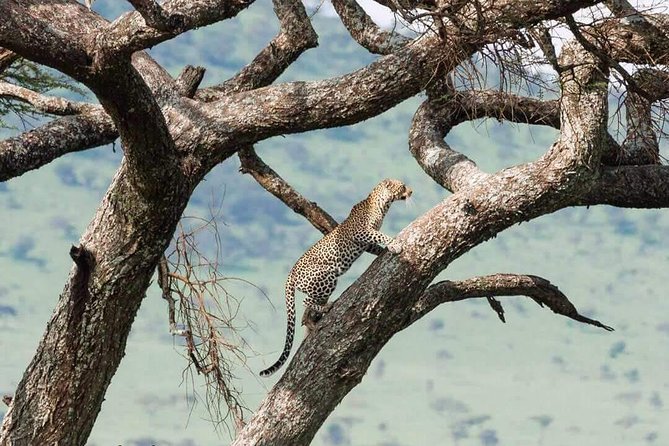
The Serengeti is especially strong for large cats. Lions are often seen in groups and may be resting, hunting, or feeding. Cheetahs are associated with the southeastern plains, while leopards may be found resting in trees along the Seronera River. Those are useful search areas, not guarantees, and your guide’s ability to read the terrain will matter greatly.
Several guides connected with this safari have received especially warm praise. Simba is singled out for spotting the Big Five and making the trip memorable. Nasr is described as attentive in arranging the trip, while Chedy is praised for a friendly, funny manner. Steve is noted for listening to what his group wanted and offering useful advice. You may not receive one of these exact guides, so ask who is assigned to your departure, but these names indicate the level of personal service the company aims to provide.
A private vehicle gives you room to communicate your priorities. If you care most about cats, birds, photography, or a particular type of herd, tell the guide early. The itinerary allows for wildlife viewing, but it does not promise a custom route or unlimited time at each sighting.
There will also be quiet stretches. Serengeti is enormous, and a long drive without an animal in view is part of the experience. The reward is that a sudden sighting feels less manufactured. You may spend time watching empty grass, then find lions with cubs, a cheetah in the open, or a leopard in a tree.
After lunch, the route turns toward Ngorongoro. The drive ends at the crater rim, where the first view down into the caldera is one of the trip’s strongest moments. From the rim, you can see why the next day is so different from Serengeti. Instead of open plains stretching to the horizon, you look into a broad natural bowl with grassland and woodland below.
Dinner and another overnight stay follow at a recommended campsite. Again, confirm the exact accommodation. The trip includes two dinners and three breakfasts, and the food service has been a clear strength. The cook has been praised in particular, with meals described as tasty and surprisingly memorable for a camping safari.
Entering Ngorongoro Crater at daybreak
Day three begins with an early breakfast and a drive down into Ngorongoro Crater. The itinerary allows about seven hours for the crater visit and return toward Arusha, making this the most concentrated wildlife day.
Ngorongoro is the world’s largest unbroken caldera, and its enclosed setting supports a remarkable range of East African savannah animals. On the crater floor, you might see lions, elephants, buffalo, rhinos, hippos, and many grazing species within a relatively compact area.
The crater does not contain every animal found in the wider region. Topi, Maasai giraffes, and impalas are listed as exceptions. That detail helps set realistic expectations. Ngorongoro is not a miniature Serengeti with every species present, but it can offer a very efficient game drive.
The Big Five are often associated with the crater, especially because buffalo and elephants are common sights and black rhinos may be seen. A rhino sighting is never certain, and it may be distant. Still, the chance to spot one in the crater is a strong reason to include Ngorongoro in a short safari.
The crater is also the favorite stop for some people on this route because the animals and setting arrive together. In Serengeti, the scale can mean longer searches between sightings. In Ngorongoro, the enclosed geography can give you more action in a shorter window.
After the crater visit, you drive back to your hotel in Arusha. The itinerary says you may fly out that night or the next day. I would avoid placing an important international flight too close to the return unless you have confirmed the timing directly with the operator. The route is long, and game drives and road conditions can affect the schedule.
More Luxury Safaris in Serengeti
- Nyssa Luxury Balloon in Safaris and Serengeti
★ 5.0 · 69 reviews - Top Best 5 Days Tanzania Luxury Safari to Serengeti
★ 5.0 · 48 reviews - 4 Days Tanzania Luxury Safari Serengeti and Ngorongoro Crater
★ 5.0 · 9 reviews - Serengeti Balloon Ride and Luxury Bush Breakfast
★ 4.9 · 8 reviews
Camping, meals, and what the package really covers
This is marketed as a camping safari, but the included equipment keeps you from having to carry your own tent or sleeping system. Tents, mattresses, and sleeping bags are supplied. Mineral water is included, as are three breakfasts, three lunches, and two dinners.
The food matters more than it may seem. A safari day begins early, often runs long, and includes time in a vehicle. Reliable meals save you from having to organize food in remote parks. The cooking on this trip has been one of its most praised features, so this is a useful choice for anyone who wants camping without preparing meals personally.
The package also includes all fees and taxes, private transportation, professional guides, game drives, and overnight accommodation. Airport pickup and return are listed as included, while hotel pickup from Arusha is available. The official meeting point is Arusha Clock Tower, with a 6:30 a.m. start.
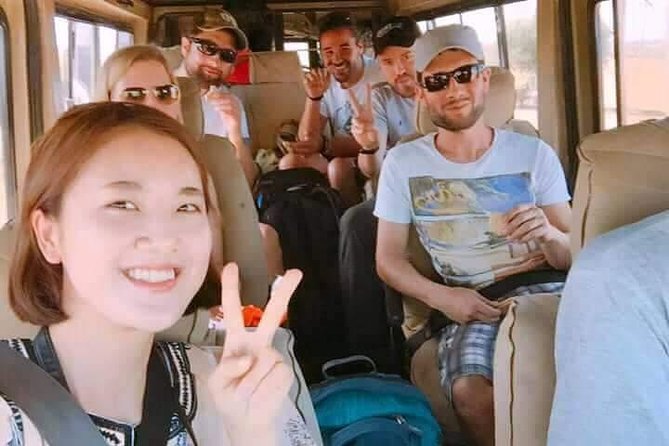
The word private needs careful reading. It means only your group takes part, not that you have a private camp or a completely flexible schedule. Ask how many people will share your 4WD, since vehicle size affects comfort and the ease of taking photographs.
The listed price is $815 per person. That is not a budget day trip, but a safari price should be judged by what it includes. Park access, a private vehicle, a guide, two nights of accommodation, food, water, camping gear, and transfers can add up quickly when arranged separately.
Tips are not included. Carry cash in the local currency or another form accepted by the operator, and ask the company about its preferred way to tip the guide and cook. The amount is not specified, so you should not assume a fixed figure.
Guide quality can shape the whole safari
A good safari guide does more than name animals. You need someone who can spot a small movement in tall grass, explain behavior clearly, position the vehicle respectfully, and listen when you want to stay longer at a sighting.
This experience has drawn strong praise for that human side. Simba is described as excellent at finding animals, while Steve is praised for combining animal knowledge with attention to the group’s wishes. Nasr is associated with careful planning and customer support, and Chedy with a warm, good-humored approach.
Those names are useful when you contact Moorland Safari and Trekking. Ask which guide will lead your trip, what languages are available, and whether the same guide remains with you for all three days. The tour is offered in English, German, Italian, French, and Spanish, but availability may depend on the departure.
A pre-safari briefing can also help. One family received extra attention when a member hurt a foot before departure, and the operator visited the hotel to discuss the trip. That suggests it is worth reporting injuries, mobility concerns, or special needs before setting out rather than waiting until the first long drive.
Who should book this safari
I would recommend this route to you if you want the major northern Tanzania sights in a short visit and prefer having the main details handled in one package. It suits small groups, families, and friends who value a private vehicle and do not want to share the itinerary with strangers.
It is also a good match if you want a real camping element but do not want to bring tents, mattresses, sleeping bags, food, and water. The supplied equipment keeps the trip simpler, while the chef handles meals.
You should think twice if you dislike early starts, long road transfers, or uncertain wildlife viewing. Serengeti is vast, and there can be long stretches without a major sighting. The schedule also leaves little room for delays or a leisurely afternoon at camp.
Photography-minded visitors should like the open-roof vehicle, but keep your expectations practical. The trip can put you close to animals, yet sightings may also be far away, brief, or partly hidden. A private vehicle helps, but it cannot control animal behavior.
Booking is usually made around 11 days before departure, but last-minute arrangements may be possible. Confirmation is provided at booking. You can cancel for a full refund up to 24 hours before the start time; cancellations within 24 hours are not refunded.
Should you book the Serengeti and Ngorongoro route?
Book it if your priority is seeing two major parks efficiently, with a private vehicle, included camping gear, and meals handled for you. The Ngorongoro crater drive is the strongest part for concentrated wildlife viewing, while Serengeti supplies the wide-open setting and best chance of seeing large cat behavior.
Before paying, confirm the exact campsites, sleeping arrangements, guide language, group size within the vehicle, and pickup plan. If those details suit you, $815 can be fair value for a private three-day safari with the major park costs included.
If you have more time, a longer Serengeti stay would make the journey less rushed. If you only have three days and want the Big Five possibility, Ngorongoro’s crater and Serengeti’s plains make this a sensible, full-on introduction to Tanzania’s safari country.
FAQ
Where does the safari start?
The meeting point is Arusha Clock Tower at the Clocktower Roundabout in Arusha, Tanzania. The scheduled start time is 6:30 a.m.
Is hotel pickup available in Arusha?
Yes. Hotel pickup from Arusha is available. Airport pickup and return transfers are also listed as included.
Is this a private safari?
Yes. Only your group participates in the activity. The tour uses private transportation.
What meals are included?
The package includes three breakfasts, three lunches, and two dinners, along with mineral water.
Are tents and sleeping equipment supplied?
Yes. Tents, mattresses, and sleeping bags are included. The exact campsites and accommodation category should be confirmed before booking.
Which languages are offered?
The safari is offered in English, German, Italian, French, and Spanish. Availability may depend on the guide assigned to your departure.
Just added around Serengeti
- Serengeti & Ngorongoro 3 days Fly Safari in from Zanzibar★ 5.0 · 21 reviews
- 3 Days Serengeti National Park from Zanzibar★ 4.5 · 3 reviews
- 4-Day Serengeti, Ngorongoro,Tarangire safari★ 5.0 · 3 reviews
- Serengeti 2-Day Safari from Mwanza★ 5.0 · 16 reviews
- Serengeti Day Trip Tour from Mwanza★ 5.0 · 4 reviews
- Full-Day Serengeti Tour from Mwanza★ 5.0 · 11 reviews
- Discover Our Best Guide for 1-Day Serengeti Safari from Mwanza★ 5.0 · 5 reviews
- Serengeti Day Trip Safari From Mwanza Tanzania★ 5.0 · 7 reviews
Camping Safaris, compared.
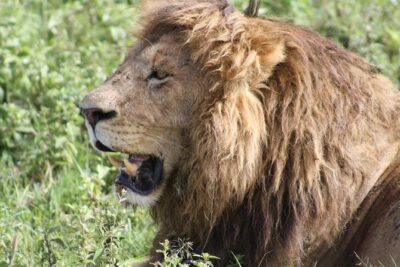
3 Day Serengeti National Park & Ngorongoro Crater Camping Safari
Read our review →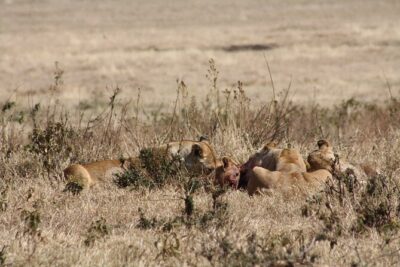
5-Day private Camping Safari Tour in Tanzania
Read our review →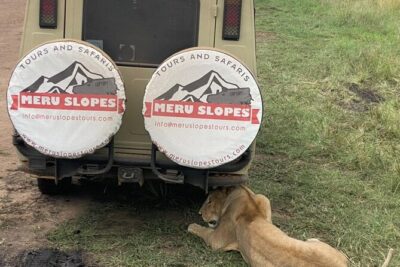
5 Days Camping Tarangire, Serengeti & Ngorongoro crater & Visiting Maasai
Read our review →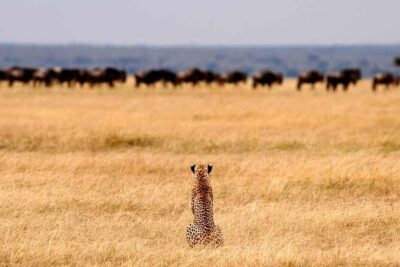
Multi-Day Camping Safari Experience in Arusha
Read our review →
3-Day Tarangire, Ngorongoro and Lake Manyara Camping Safari
Read our review →Browse the lists this tour appears in