
Reviewed · SAFARIS IN SERENGETI
3 Days Small Group Safari to Serengeti NP and Ngorongoro Crater Tour in Tanzania
The big draw here is the chance to see Serengeti National Park and Ngorongoro Crater in only three days, with park fees, meals, camping gear, and a guide included. I like the small six-person limit, which gives you a better chance to ask questions and adjust the game drive around what you hope to see.
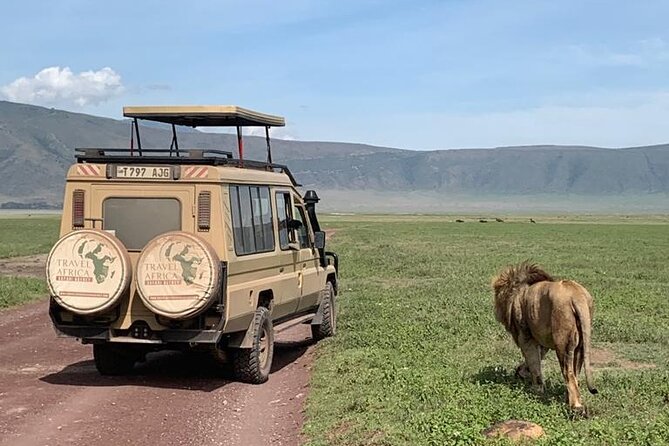
I also like the useful mix of habitats: open southern Serengeti grassland, the acacia-dotted Seronera Valley, and the enclosed wildlife world of Ngorongoro Crater. The catch is the pace. Long drives and a basic campsite are part of the bargain, and one overnight setup has received a poor report for cleanliness, lighting, and shower facilities.
Key points to know before booking
- Two famous safari areas in three days: You visit the Serengeti first, then spend time in Ngorongoro Conservation Area before returning to Arusha.
- Small group of up to six: This is more personal than a large safari vehicle, with room to ask your guide questions.
- Budget camping, not lodge comfort: Camping gear and meals are supplied, but facilities may be basic, especially at the Serengeti campsite.
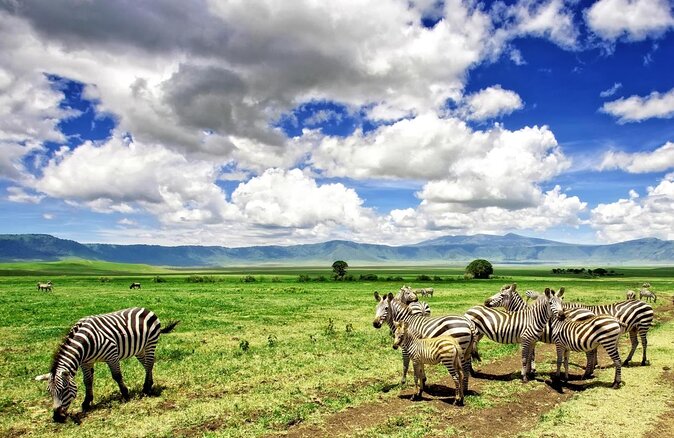
- A strong wildlife route: Expect chances to see wildebeest, zebra, gazelles, buffalo, elephants, lions, hippos, and possibly black rhino.
- Long road sections: The first transfer to the southern Serengeti takes about six hours and covers roughly 335 kilometers.
- Good value at $815: Park fees, three lunches, two dinners, two breakfasts, a guide, and camping equipment are included.
What $815 buys you on this Tanzania safari
At $815 per person, this is priced as a budget safari rather than a comfort-focused lodge trip. That distinction matters. Your money covers the expensive backbone of a safari: park fees, a professional English-speaking driver-guide, meals, camping equipment, and transport through two major wildlife areas.
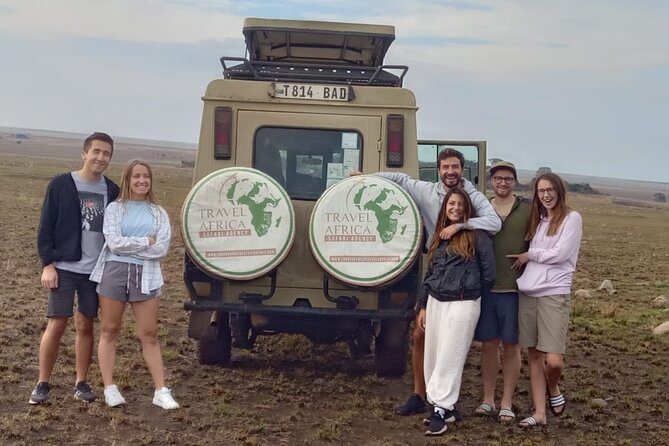
You also get a maximum group size of six. That is a useful limit. In a crowded vehicle, it can be hard to hear the guide or get a clear view through the windows. A smaller group should make it easier to discuss animal sightings, ask about local ecology, and spend a little more time watching something interesting.
The package includes two breakfasts, three lunches, and two dinners. Lunches are included during the road and game-drive days, which saves you from having to arrange food in remote park areas. Tips for the driver-guide and safari cook are not included, and travel insurance is also your responsibility.
The value is strongest if you care more about time in the parks than a polished room. You are paying for access to famous wildlife areas and a tightly packed route. You are not paying for a private vehicle, a luxury tent, or guaranteed hotel-style plumbing.
More Safaris in Serengeti
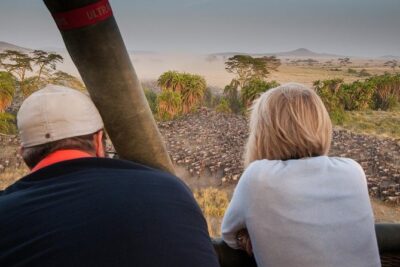
- Serengeti Balloon Safari and authentic bush breakfast
★ 5.0 · 2,480 reviews - Balloon Safari & Bush Breakfast in Serengeti – Miracle Experience
★ 5.0 · 1,646 reviews - 3 Days Serengeti & Ngorongoro Group Camping Safari
★ 5.0 · 574 reviews
Day one: the long road to the Serengeti
The day begins with breakfast after 7 a.m., followed by pickup around 8 a.m. The meeting point is Arusha Tourist Inn on Sokoine Road, and the activity returns to that same meeting point at the end.
The first transfer takes about six hours and covers approximately 335 kilometers. You travel toward the southern Serengeti through the Ngorongoro gate. That is a substantial road day, so you should arrive ready for a full schedule rather than a gentle start.
Once you reach the park, the safari shifts from transfer to game drive. The route covers the southern and central Serengeti, including the Seronera Valley. The Maasai name Serengeti is commonly translated as the land of endless plains, and the southern zone fits that image: broad grassland with grazing animals spread across open ground.
This area can be productive for sightings of wildebeest, zebra, Coke’s hartebeest, waterbuck, Grant’s gazelle, Thomson’s gazelle, impala, and other grazing species. Large herds are exciting, but do not overlook the smaller details. The presence of many grazers helps explain why predators use the area, and the open ground can give you long views across the grass.
The Seronera Valley changes the feel of the drive. Acacia trees and rocky kopjes break up the plains. These raised rock formations give predators a better view and offer shelter to smaller animals such as hyrax. They also create more varied scenery for photography than the flat southern grasslands.
Leopard sightings are considered possible in the Seronera area. As with every safari, this is wildlife, not a zoo schedule. Your guide can search likely areas, but no animal is guaranteed.
The camping trade-off in the Serengeti
The camping element is the main point to examine carefully before you book. Camping gear is included, which keeps the price down and removes the need for you to carry a complete setup from home. Meals are also supplied.
Still, the facilities may be very basic. A serious complaint describes a Serengeti overnight with no shower, no lights, and poor cleanliness. That may not represent every departure, but it is important information for anyone who expects a comfortable camp.
I would book this trip only if you can handle a rough night without letting it spoil the safari. Pack a headlamp, personal washing supplies, and a flexible attitude. The supplied details do not promise private bathrooms, reliable electricity, or lodge-level comfort, so you should ask the operator about the exact campsite arrangements before paying.
This is also a good place to clarify sleeping arrangements and transport between camp and any separate accommodation. One poor experience involved another person staying elsewhere and not being offered a ride to that accommodation. That suggests you should confirm the overnight location and vehicle plan in advance, especially if your booking is combined with another group arrangement.
Day two: a half-day Serengeti drive and the road to Ngorongoro
Day two begins with a packed lunch and a half-day game drive in Serengeti National Park. This gives you another chance to look for animals you missed on day one, or to spend longer with a promising sighting.
The timing also matters. You are not spending the entire day in one part of the park. After the morning and early afternoon drive, you continue toward Ngorongoro Conservation Area, with wildlife viewing along the route. This makes the transfer more rewarding than a plain road journey, but it also means another long day in the vehicle.
Ngorongoro is not simply another open grassland park. The crater is a broad enclosed area with its own concentration of wildlife. The surrounding conservation area also has strong cultural importance, including Maasai families living in circular homesteads known as bomas.
The overnight is at Simba Campsite, where dinner is served. Again, this is a practical base for the next morning rather than a comfort retreat. The campsite position helps you reach the crater early, but the supplied information does not promise upgraded facilities.
The second day has a useful rhythm: wildlife in the morning, a road journey with possible sightings, then a night near the crater. You should expect an early finish to the day and limited time to rest.
More Serengeti safaris to compare:
- Safari Serengeti And Ngorongoro
★ 5.0 · 288 reviews - 3-Day Classic Serengeti Safari
★ 5.0 · 263 reviews - 10-Day Serengeti Wildebeest Migration Safari from Arusha
★ 5.0 · 218 reviews - 2 Day Serengeti Safari Experience from Mwanza
★ 5.0 · 198 reviews
Day three: descending into Ngorongoro Crater
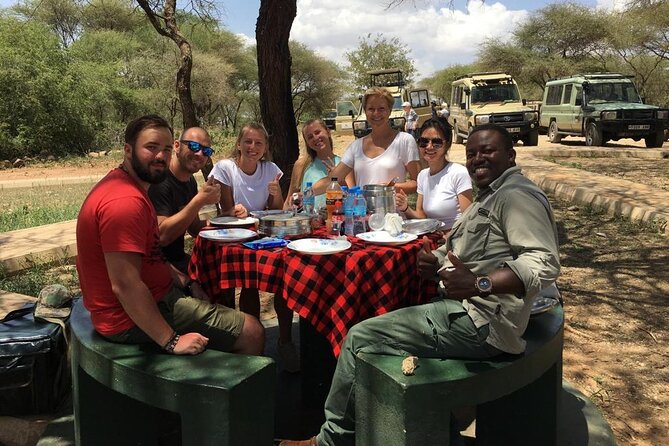
Breakfast is scheduled at 7 a.m., with the crater descent at 9 a.m. The half-day crater visit continues until about 3 p.m., and picnic lunch is included.
Ngorongoro Crater is the visual high point of the route. From the rim, you descend into a contained wildlife area where grassland, water, and open ground support many species in a relatively compact setting. The experience differs sharply from the wide, open Serengeti. In the crater, the surrounding walls give the day a sense of enclosure and help create a very different view from every stop.
The area is known for elephants, buffalo, hippos, wildebeest, gazelles, golden jackals, bat-eared foxes, serval, eland, waterbuck, and other ungulates. Black rhino are among the most notable possible sightings, though you should keep expectations sensible.
Some animals are less likely or absent in the crater. Giraffe, oribi, topi, spotted hyena, cheetah, and impala are listed as animals that may be absent or rarely seen there. That contrast is useful: the crater can be excellent for concentrated wildlife, but it is not a complete substitute for the Serengeti.
The conservation area also has links to early human evolution and to the work of Mary and Louis Leakey. The tour is mainly focused on wildlife, but this wider setting gives Ngorongoro more depth than a simple game-viewing stop.
After the crater visit, the return drive to Arusha is scheduled for late evening, around 7 p.m. That makes the final day long. You will have a morning descent, several hours of game viewing, a picnic lunch, and a substantial road journey before the tour ends back at the meeting point.
How the guides affect the experience
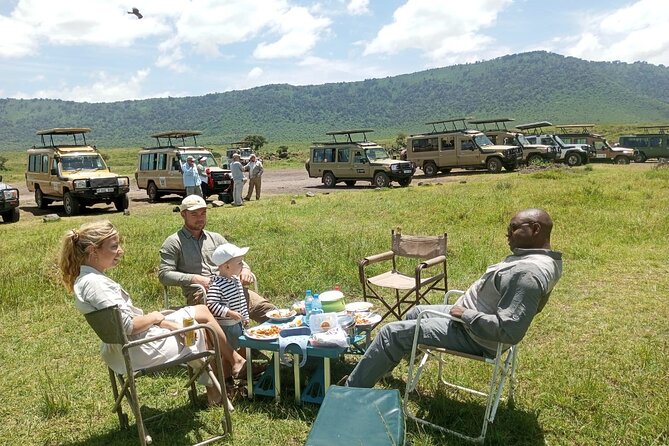
The guide is central to a safari. Animals may be visible, but a good guide helps you understand what you are seeing, where to look, and why one habitat attracts certain species.
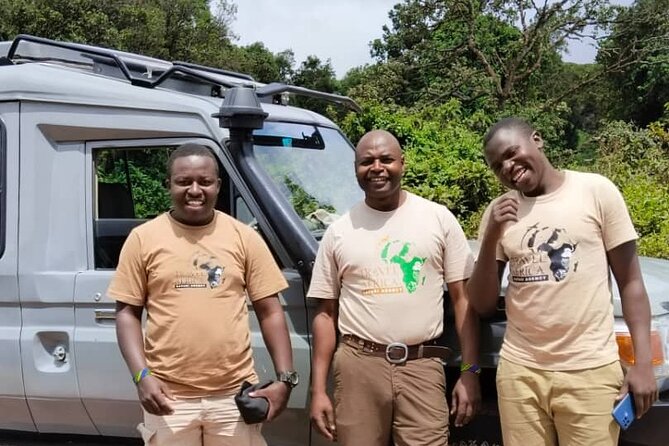
The tour includes a professional English-speaking driver-guide. Two guide names connected with especially positive experiences are Omary and George. If one of them is available, you can request that person, but the supplied information does not guarantee a particular guide for every departure.
Omary was praised for making a budget camping safari feel worthwhile and for helping the group see many animals. George was described as friendly and hardworking, with attention to requested sightings such as lions, monkeys, elephants, and giraffes. Those details point to the kind of guide service you should hope for: active searching, clear explanations, and a willingness to listen to your priorities.
A small group helps here. With no more than six people, you have a better chance to communicate clearly than you would in a large coach-style group. It does not turn the safari into a private tour, but it should make the experience more personal.
Wildlife expectations and the best mindset
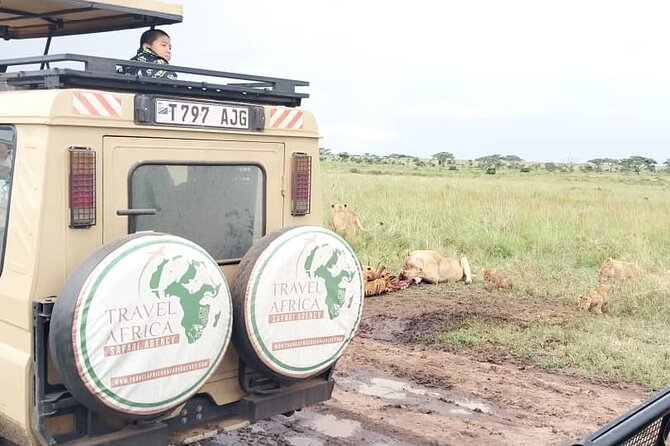
This route gives you a strong chance to see a wide range of African wildlife, but it cannot promise the Big Five in one day. Ngorongoro is known for year-round wildlife and possible sightings of lion, elephant, buffalo, leopard, and black rhino, yet leopard and rhino sightings remain uncertain.
The Serengeti adds a different set of strengths. Its southern plains support large numbers of grazers, while the Seronera Valley offers acacia cover, kopjes, and better conditions for watching predator-prey behavior.
I would focus less on collecting a checklist and more on the variety of habitats. A herd of zebra on open grassland, a hippo habitat, an elephant family, or a predator resting among kopjes can each make the day memorable. The itinerary includes a hippo habitat, but the exact viewing conditions depend on timing and animal activity.
The route also suits people who want a broad first look at northern Tanzania. In three days, you see two major safari destinations rather than spending the entire time in one park.
Who should book this safari
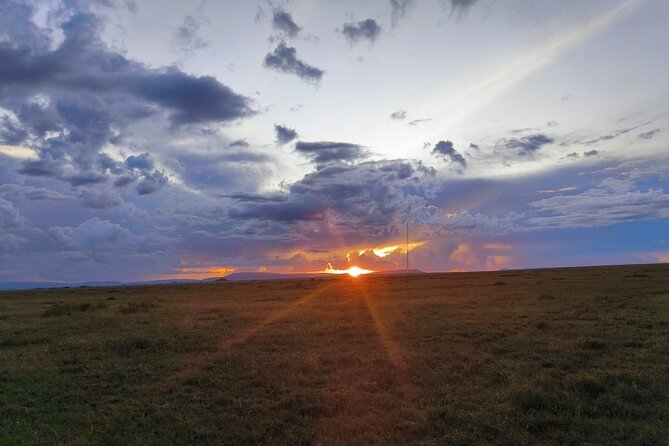
This trip suits you if you have limited time in Tanzania and want Serengeti and Ngorongoro in one compact package. It is also a good match for first-time safari visitors who want a guide, meals, park fees, and camping equipment arranged together.
You should be comfortable with long road transfers, early starts, basic accommodation, and a tightly scheduled final day. If you need dependable showers, lighting, and a quiet place to recover each evening, pay more for a lodge-based safari or confirm every camping detail before booking.
The experience is also a reasonable choice for solo visitors who prefer a small group. The six-person maximum provides company without the scale of a large coach tour. It may also suit couples and friends who want to keep costs below a private safari.
The departure is based in Arusha, with pickup offered and a mobile ticket. Most people can participate, and the meeting point is near public transportation. Still, confirm the pickup time, since the general start time is listed as 7 a.m. while the day-one schedule describes pickup around 8 a.m.
Should you book it?
Book this safari if your priority is maximum wildlife coverage for a moderate price, not comfort. The combination of Serengeti plains, Seronera kopjes, Ngorongoro Crater, included meals, park fees, and a six-person group gives you a lot for $815.
Think twice if poor camping facilities would ruin the trip. Ask about the exact Serengeti campsite, shower and lighting conditions, sleeping setup, guide assignment, and final-day return time before committing.
For an adventurous first safari with limited time, I would consider this a strong value. Just treat the camping as basic, the road distances as real, and the wildlife as wonderfully unpredictable.
FAQ
How long is the safari?
The safari lasts approximately three days, beginning in Arusha and returning to the Arusha meeting point on the third day.
What is included in the price?
The price includes park fees, a professional English-speaking driver-guide, camping gear, two breakfasts, three lunches, and two dinners.
What is not included?
Tips for the driver-guide and safari cook are not included. Travel insurance is also not included.
How many people can join the tour?
The group has a maximum of six travelers.
Where does the tour start and end?
The meeting point is Arusha Tourist Inn on Sokoine Road in Arusha. The activity ends back at the meeting point.
Can I cancel for a full refund?
Yes. You can cancel at least 24 hours before the experience start time for a full refund. Cancellations or changes made less than 24 hours before the start time are not accepted for a refund.
More Three-Day Trips in Serengeti
- 3 Day Serengeti National Park & Ngorongoro Crater Camping Safari
★ 5.0 · 142 reviews - 03 days Serengeti and Ngorongoro Crater group (camping)
★ 5.0 · 75 reviews - 3 Days 2 Nights Group Joining Serengeti and Ngorogoro Safari
★ 5.0 · 56 reviews - 3 Days Safari to Serengeti National Park & Ngorongoro Crater in Tanzania
★ 5.0 · 34 reviews
Just added around Serengeti
- Serengeti & Ngorongoro 3 days Fly Safari in from Zanzibar★ 5.0 · 21 reviews
- 3 Days Serengeti National Park from Zanzibar★ 4.5 · 3 reviews
- 4-Day Serengeti, Ngorongoro,Tarangire safari★ 5.0 · 3 reviews
- Serengeti 2-Day Safari from Mwanza★ 5.0 · 16 reviews
- Serengeti Day Trip Tour from Mwanza★ 5.0 · 4 reviews
- Full-Day Serengeti Tour from Mwanza★ 5.0 · 11 reviews
- Discover Our Best Guide for 1-Day Serengeti Safari from Mwanza★ 5.0 · 5 reviews
- Serengeti Day Trip Safari From Mwanza Tanzania★ 5.0 · 7 reviews
Safaris in Serengeti, compared.
Serengeti Balloon Safari and authentic bush breakfast
Read our review →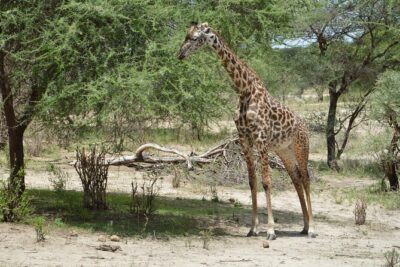
3 Days Serengeti & Ngorongoro Group Camping Safari
Read our review →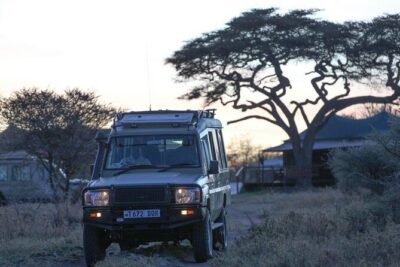
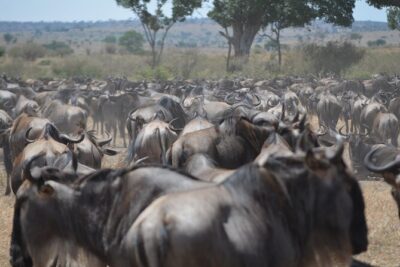
4 Days Tanzania Lodge Safari With Two Nights at Serengeti
Read our review →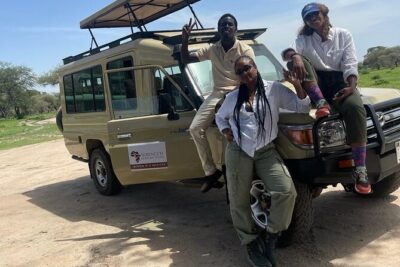
6 Days Serengeti Safari(hiking waterfalls &coffee tour)
Read our review →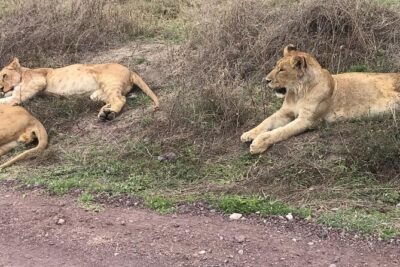
Top Best 5 Days Tanzania Luxury Safari to Serengeti
Read our review →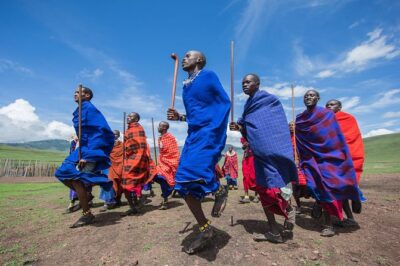
Tanzania Safari – The Great Migration in the North of the Serengeti and Lake Natron
Read our review →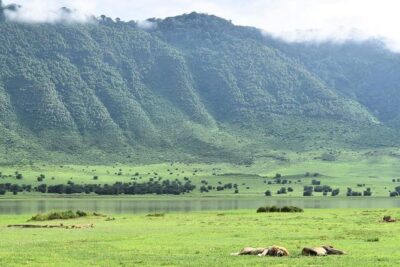
3days Serengeti National park and Ngorongoro Crater Tanzania Safari
Read our review →Browse the lists this tour appears in