
Reviewed · CAMPING SAFARIS
Unforgettable 5 days Tanzania Private Budget Camping safari
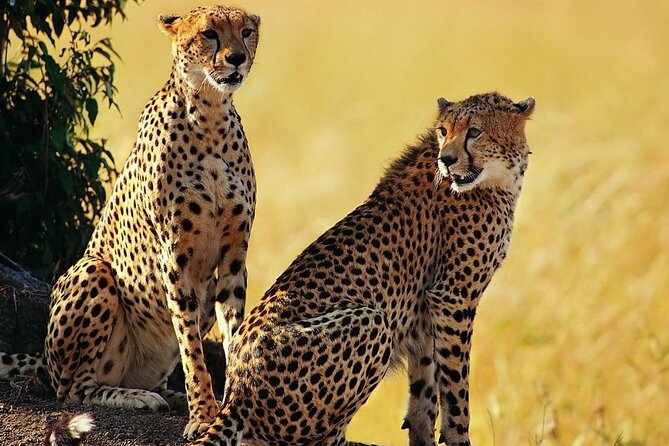
The biggest draw here is the range: in five days, you visit four major Tanzanian wildlife areas, from baobab country in Tarangire to the open plains of the Serengeti and the wildlife-filled bowl of Ngorongoro Crater. You also finish at Lake Manyara, known for birds and tree-climbing lions.
I like the private format, since only your own group takes part, and I like the value of having a professional guide, four dinners, five lunches, and four breakfasts included. The main caution is the pace. Long drives link the parks, and budget camping asks you to trade comfort for a closer connection with the outdoors.
Key points to know before booking
- Four parks in five days: Tarangire, Serengeti, Ngorongoro Crater, and Lake Manyara each offer a different setting and wildlife focus.
- Private group format: You share the safari only with your own party, rather than joining a large mixed group.
- Camping keeps the cost down: Campsites and campfire dinners provide a simple, outdoors-focused base.
- Ngorongoro gets a full day: The crater excursion includes a descent into the basin and a picnic lunch.
- Maasai culture can be added: Optional village visits offer time with Maasai people and their traditions.
- Plan for a firm cancellation rule: The booking is non-refundable and cannot be changed after purchase.
A five-day route through Tanzania’s best-known parks
At $2,088 per person, this safari sits in the budget camping part of the Tanzania market. That price is easier to judge when you look at what you cover in five days: four major destinations, a professional guide, private participation, most meals, park visits, and return transport to Arusha.
You are not paying for a leisurely lodge holiday. You are paying for access, guiding, game drives, and a busy route through northern Tanzania. The value is strongest if you want to see several famous parks in one trip and are happy with simple campsites instead of more polished accommodation.
The price does not include flights, visas, crew tips, or personal needs. You should also check the final booking details carefully because the meal schedule lists four dinners, five lunches, and four breakfasts across the five-day route. That is generous coverage for a camping trip, but it is worth knowing exactly what is supplied before you set off.
The safari starts in Arusha at 8:00 am, with pickup offered, and ends back at the meeting point. Since this is a private activity, you have a better chance of keeping the experience suited to your group’s pace than you would on a large shared departure. Still, the parks are far apart, so private does not mean slow or leisurely.
More Budget Safaris in Arusha
- 5 Days Budget Private Safari, Tanzania
★ 5.0 · 191 reviews - 6 Days Private Budget Safari
★ 5.0 · 163 reviews - 6 Days Tanzania Budget Camping Safari
★ 5.0 · 145 reviews
Day 1: Baobabs and elephants in Tarangire
Your first morning takes you from Arusha toward Tarangire National Park. The drive leads into a setting shaped by tall baobab trees, dry golden ground, and broad views. These trees give the park a look that feels different from the Serengeti, and they provide an immediate sense that your safari has begun.
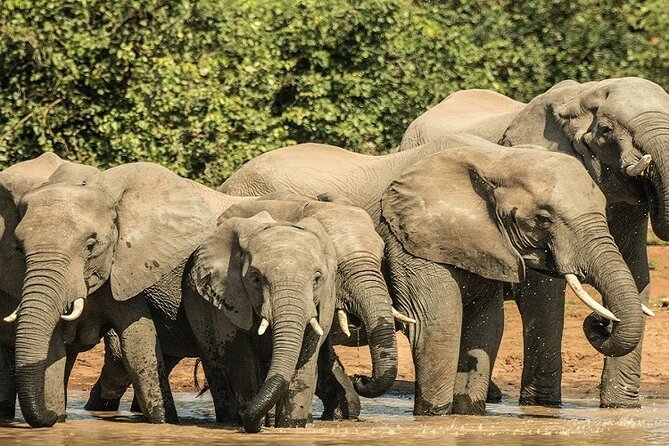
The main activity is a game drive. Tarangire is especially associated with elephants, and this is one of the best opportunities on the route to look for large herds among the trees. You may also see other wildlife during the drive, since the park supports a broad mix of animals.
The day is listed at about six hours, though the exact rhythm will depend on driving conditions, stops, and wildlife sightings. That makes this a manageable opening day compared with the longer transfers later in the trip.
At night, you return to a budget campsite in the natural setting. Dinner is served around a campfire, giving you a chance to talk through the day while the sky darkens around you. I like this part of the trip because camping changes the mood of a safari. Instead of closing a lodge door and switching off from the surroundings, you remain aware of the sounds and scale of the outdoors.
The tradeoff is simple: camping is less private and less comfortable than a lodge. If you need a soft bed, a quiet room, or hotel-style facilities each night, this is not the right format. If you enjoy basic accommodation and want to keep the price within reach, the campsite helps make the route possible.
Day 2: Reaching the Serengeti
After breakfast, you leave Tarangire for the Serengeti. This is one of the route’s longer transitions in spirit, even though the schedule lists about six hours for the stop. The scenery changes from baobab country and woodland toward the vast open plains for which the Serengeti is famous.
Arriving in the afternoon gives you time for a game drive rather than only a quick pass through the park. That matters because the Serengeti is not simply a place to tick off from a vehicle window. Its appeal comes from the scale of the plains, the wide views, and the sense that wildlife can appear anywhere in the distance.
This is also the part of the trip connected with the Great Migration. The migration is seasonal, so you should not book this safari with the expectation of seeing a particular event at a guaranteed time. Timing and location matter, but the Serengeti remains valuable outside the migration period because of its wildlife and open scenery.
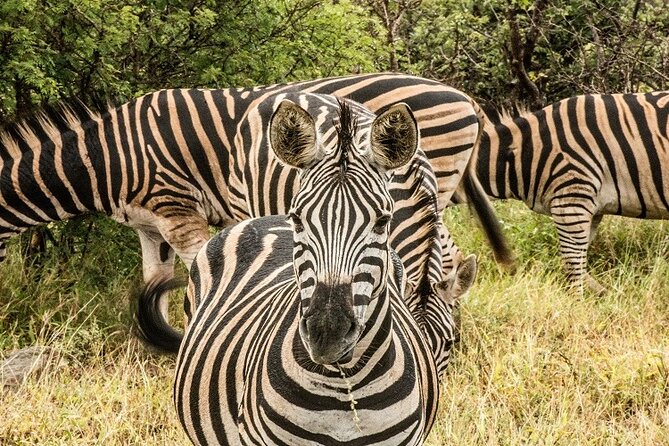
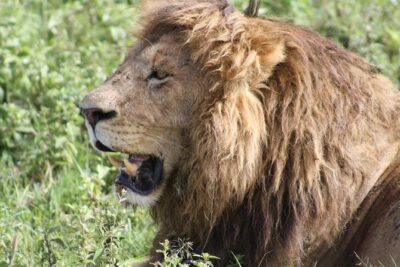
The park is known for chances to see lions, elephants, giraffes, buffalos, and other animals. Leopards and rhinos are possible parts of a Big Five search, but no wildlife sighting can be promised. Your guide’s role is important here, especially when reading the ground, watching animal behavior, and deciding where to spend time.
You spend the night at a budget campsite in the Serengeti. That location gives the evening a strong sense of place. Rather than treating the park as a daytime attraction, you sleep in its wider setting and hear the natural sounds around camp. The experience is memorable, but you should be comfortable with simple conditions and the possibility of a less predictable night than you would have in a city hotel.
Day 3: A final Serengeti drive and the road to the crater rim
Day three begins with an early morning game drive in the Serengeti. Early starts are useful on safari because the cooler part of the day can be a productive time for wildlife viewing. The schedule allows around eight hours for the day, including the move toward the Ngorongoro Conservation Area.
This is your second chance to search the Serengeti before leaving it. You may look for lions, giraffes, and other animals across the plains, while also enjoying the quiet of the morning. I would treat this drive as a key part of the route, not as a spare activity before the next park.
Later, the road leads toward the Rift Valley and the Ngorongoro area. The change in scenery helps break up the wildlife viewing. You leave the open plains and head toward higher ground, with the crater rim becoming the focus of the evening.
Your campsite sits near the crater rim and offers views toward the great volcanic caldera. This is one of the strongest overnight settings on the trip, even though the accommodation remains budget level. The view gives you an idea of what waits below and creates a natural pause before the next day’s crater drive.
The day can feel long. You will have an early start, a game drive, and a substantial transfer. That is the price of covering the Serengeti and Ngorongoro in the same short safari. If you prefer long stays in one park, you may find the schedule rushed. If you want a broad first look at northern Tanzania, the route makes good use of limited time.
More Camping Safaris in Arusha
- 4 Days Group Camping Safari
★ 5.0 · 1,101 reviews - 5 Days Group Camping Safari
★ 5.0 · 730 reviews - 5-Day private Camping Safari Tour in Tanzania
★ 5.0 · 86 reviews - 4-Day fascinating Camping Safari in Tanzania
★ 5.0 · 35 reviews
Day 4: A full game drive inside Ngorongoro Crater
Day four is the route’s centerpiece. You descend into Ngorongoro Crater for a full-day game drive, with about eight hours set aside for the experience. The crater is a UNESCO-listed natural area and one of the most concentrated wildlife settings on this route.
The crater’s enclosed form creates a striking contrast with the open Serengeti. Inside the basin, you may see wildebeest, rhinos, and other wildlife across several habitats. The itinerary specifically highlights rhinos, which are among the most sought-after animals on a northern Tanzania safari, though sightings remain a matter of luck and timing.
A picnic lunch inside the crater is included. This is practical as well as memorable, since leaving the crater for a meal would cut into your game-drive time. You can eat with the surrounding views and wildlife activity still forming part of the day.
The crater is also the point where park access is specifically listed as included, while several other stops show no separate admission charge in the supplied details. I would confirm the full breakdown of park fees and any conservation charges before departure, especially because these costs can affect the true final price of a safari.
After the drive, you ascend from the basin and return to the campsite. The combination of a full wildlife day and the crater’s unusual shape makes this the most concentrated day on the route. It is also tiring. You will spend many hours in the vehicle, so the experience suits people who value sightings and scenery more than a relaxed holiday schedule.
Day 5: Lake Manyara and the return to Arusha
The final park is Lake Manyara National Park. This gives the safari a different finish, with attention shifting toward birdlife, woodland, grassy areas, and the possibility of seeing tree-climbing lions.
Lake Manyara is known for its varied bird population, so this stop should appeal to you if you enjoy watching more than large mammals. The tree-climbing lions are a special draw, but they are not guaranteed to appear. It is better to regard them as a rare possibility than as a promised finale.
The day is listed at about eight hours, including the park visit and return journey to Arusha. That makes it another full day rather than a short morning stop. You should keep your departure plans flexible, since the return follows a day of wildlife viewing and road travel.
Finishing at Lake Manyara gives the trip useful variety. Tarangire brings baobabs and elephants, the Serengeti offers open plains and seasonal migration, Ngorongoro provides a concentrated crater setting, and Manyara adds birds and a different type of forest and grassland scenery.
What private camping really means here
The private format is one of the safari’s strongest practical features. Only your own group participates, so you are not assigned to a large mixed party. That can make a major difference when people in your group share similar interests, such as spending more time near elephants, looking for big cats, or taking a slower look at birds.
You receive an experienced professional guide, but no individual guide’s name is provided in the details available here. The guide is central to the experience. A safari is not only about driving through a park. It also depends on how well the guide helps you notice animals, understand the setting, and use limited time.
Camping keeps the experience close to nature and helps hold down the price. You can expect campsite nights and shared dinners around a campfire, not resort service. The information does not specify the tent style or campsite facilities, so ask those questions before paying if comfort standards matter to you.
The meal plan covers four dinners, five lunches, and four breakfasts. That means food is handled for most of the route, but flights, visas, tips, and personal expenses remain yours. Bring money for those items and for any optional cultural visit.
Adding Maasai culture to a wildlife safari
The safari includes the option of visiting Maasai villages. This can add an important human element to a trip otherwise focused on parks and animals. You may learn about Maasai hospitality, traditional arrows, and daily life, depending on the visit arranged.
The most specific cultural experience connected with this trip is Olpopongi, where an overnight stay in a Maasai house is described as a long-held dream for one participant. That detail points to a separate or optional cultural arrangement rather than a standard guaranteed part of all five days, so you should ask exactly what is included before planning around it.
I would also approach a village visit with respect. You are not simply adding another photo stop. The value comes from listening, asking appropriate questions, and understanding that Maasai culture is not a performance designed solely for visitors. The cultural element was clearly the most praised part of the feedback supplied for this operator, especially the hospitality and traditional practices.
Who will get the best value from the $2,088 price
I see the price as reasonable for a private, five-day route covering four major parks, provided you are comfortable with camping and long drives. The private structure gives the cost more weight than a simple low-budget group safari, since you are paying for an experience limited to your own party.
This safari suits you best if you:
- Want a first taste of northern Tanzania’s major parks
- Prefer wildlife access over hotel comfort
- Like the idea of sleeping at campsites and gathering around a fire
- Want a private trip rather than a large shared vehicle
- Hope to combine wildlife with an optional Maasai cultural visit
- Have five days and want a busy route
You may want a different plan if you prefer luxury lodges, slow mornings, or several days in one park. The schedule covers a lot of ground. That is its appeal, but also its main weakness.
The Big Five are a major selling point, with chances to see lions, elephants, rhinos, leopards, and buffalos. Still, responsible planning means accepting that wildlife is wild. The guide can improve your chances, but cannot guarantee a leopard, rhino, migration sighting, or tree-climbing lion.
Practical details to settle before departure
Pickup is offered, the start point is Arusha, and the stated start time is 8:00 am. The activity returns to the meeting point at the end, so you should avoid booking a tight onward connection on the final day unless you have confirmed the timing directly.
Confirmation is provided when you book. Service animals are allowed, public transportation is nearby, and most people can participate. Those details do not answer every camping or vehicle question, so ask about sleeping arrangements, luggage, park fees, and the exact pickup point if any of those affect your decision.
Group discounts may be available, and the experience uses a mobile ticket. The cancellation rule is strict: it is non-refundable and cannot be changed for any reason. I would only book once your dates, party size, flights, and visa arrangements are settled.
Should you book this safari?
I would book this experience if your priority is maximum park variety in five days at a budget camping price. Tarangire, Serengeti, Ngorongoro, and Lake Manyara give you four distinct settings, while the private format and included meals add useful value.
I would hesitate if you need a soft landing each night or dislike long road days. This is an active safari with early starts, campsite accommodation, and a tight route. For the right kind of visitor, that tradeoff is exactly what makes the trip appealing: you spend less time behind a lodge gate and more time close to Tanzania’s parks, wildlife, and people.
FAQ
Where does the safari start and finish?
It starts in Arusha, Tanzania, at 8:00 am, and ends back at the meeting point in Arusha.
How long is the safari?
The experience lasts approximately five days.
Which parks are included?
The route visits Tarangire National Park, Serengeti National Park, Ngorongoro Crater, and Lake Manyara National Park.
Is this a private safari?
Yes. Only your own group participates in this private activity.
What meals are included?
The safari includes four dinners, five lunches, and four breakfasts.
Is accommodation provided?
The route uses budget campsites, including overnight stays near the parks and at the Ngorongoro crater rim. The available details do not specify the exact tent or campsite facilities.
Are flights and visas included?
No. Flights and visas are not included. Crew tips and personal needs are also excluded.
Can the booking be cancelled or changed?
No. The experience is non-refundable and cannot be changed for any reason after booking.
More Safaris in Arusha
- 7-Day Premium Luxury Tanzania Safari All-Inclusive
★ 5.0 · 426 reviews - 8 Days Great Wildebeest Calving Migration Safari from Arusha
★ 5.0 · 254 reviews - Group Safari 7 Days in Tanzania’s Main Parks
★ 5.0 · 240 reviews - Tanzania Simba Safari – 5 Days
★ 5.0 · 217 reviews
More Private Tours in Arusha
- 5-Day Private Northern Tanzania Safari from Arusha
★ 5.0 · 182 reviews - 5-Day Private midrange Tour in Arusha with Airport Pickup
★ 5.0 · 160 reviews - Arusha National Park Private Safari
★ 5.0 · 59 reviews - 7-Day Private midrange Tour in Arusha with Airport Pickup
★ 5.0 · 47 reviews
Just added around Arusha
- From Arusha: 11 days The Classics Northern Tanzania safari★ 5.0 · 11 reviews
- 6-Day Mount Meru Climb through Momella Route Guided Tour★ 5.0 · 5 reviews
- Private Day Trip to Arusha National Park with a Walking Safari★ 5.0 · 4 reviews
- From Arusha : 11-day Amazing North Tanzania safari tour★ 5.0 · 4 reviews
- Walking Day Tour to Safari in Arusha National Park★ 5.0 · 5 reviews
- 2 Days Tanzania Midrange Group Join Safari★ 5.0 · 7 reviews
- Best 5 Days Tanzania Private Luxury Safari with luxury Lodges★ 5.0 · 12 reviews
- Waterfall & Coffee Walking Tour★ 5.0 · 6 reviews
Camping Safaris, compared.
3 Day Serengeti National Park & Ngorongoro Crater Camping Safari
Read our review →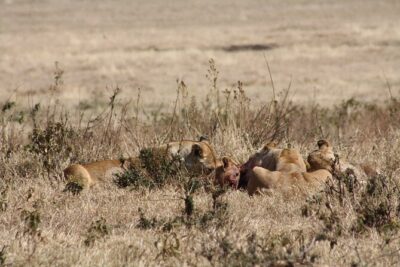
5-Day private Camping Safari Tour in Tanzania
Read our review →
5 Days Camping Tarangire, Serengeti & Ngorongoro crater & Visiting Maasai
Read our review →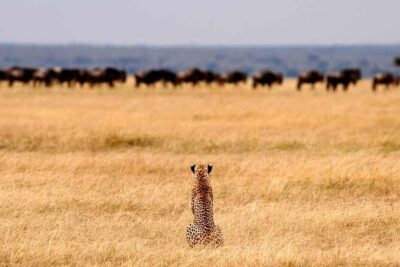
Multi-Day Camping Safari Experience in Arusha
Read our review →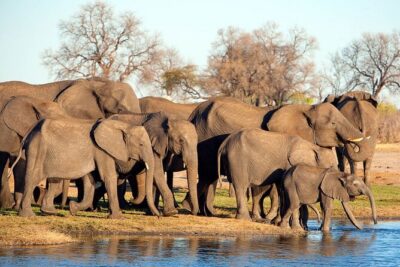
3-Day Tarangire, Ngorongoro and Lake Manyara Camping Safari
Read our review →Browse the lists this tour appears in