
Reviewed · SPICE FARM TOURS
Zanzibar: Spice Farm Tour with Traditional Cooking Class
Zanzibar’s spices make the most sense when you smell, taste, and handle them. At Jambo Spice Farm Dole, you’ll walk among cinnamon, cloves, vanilla, nutmeg, lemongrass, ginger, pepper, and other plants before helping prepare a Swahili meal over traditional-style cooking equipment.
I like the hands-on format, especially harvesting your own ingredients and then eating what you helped cook. I also like the fruit tasting, since mangoes, papaya, pineapple, passion fruit, bananas, avocado, and local grapefruit give the farm visit a welcome burst of freshness.
The main drawback is that the farm is fairly small and built for short visits, not a remote agricultural expedition. You should also be ready for repeated requests for tips and purchases, and the toilets are basic.
Key points to know before you book
- Taste spices at the source: Smell and sample cinnamon, vanilla, cloves, nutmeg, lemongrass, cumin, ginger, pepper, tamarind, chili, and ylang-ylang.
- Cook what you harvest: Pick vegetables and spices, then prepare a traditional Swahili meal with local cooking teachers.
- Expect about two hours each way: Hotel pickup from Stone Town and the return drive take roughly one hour each.
- The cooking class is the strongest part: The meal, fruit, and practical work make this more than a walk through plants.
- It is a private group: You can request special arrangements when booking, and guides are available in eight languages.
- Budget for possible tips: Several people may help during the day, and some may ask for gratuities or encourage purchases.
From Stone Town to Jambo Spice Farm Dole
The day begins with pickup at your hotel in Zanzibar. The tour includes collection and return to any hotel in Zanzibar, with the meeting point in your lobby or reception area. You’ll need to provide the hotel name and room number when arranging the pickup.
The drive from Stone Town takes about one hour by van. That makes the five-hour outing feel closer to a full half-day once transport is counted, but the included hotel service removes the need to arrange a taxi or work out directions to the farm.
If you are staying outside Stone Town, confirm the pickup details clearly. The stated pickup service covers hotels in Zanzibar, but your exact collection time depends on where you are staying and the starting time available that day.
More Cooking Classes in Zanzibar
- Zanzibar Cooking Class & Spice Tour
★ 4.5 · 77 reviews - Zanzibar: Spice Farm Tour with Traditional Cooking Lesson
★ 4.8 · 77 reviews - Half-Day Kuza Cave Swimming Adventure and Cooking Class
★ 4.5 · 44 reviews
Walking through the spice garden
The farm visit starts with a guided walk around Jambo Spice Farm Dole. This is not a huge working plantation stretching as far as you can see. It is a compact, tourism-focused garden with winding paths, several groups moving between stops, and many plants gathered into an accessible route.
That smaller scale has two sides. You will not spend hours trekking between distant fields, and the guide can bring you quickly from one plant to the next. On the other hand, you may find the setting more like a large garden than a traditional plantation.
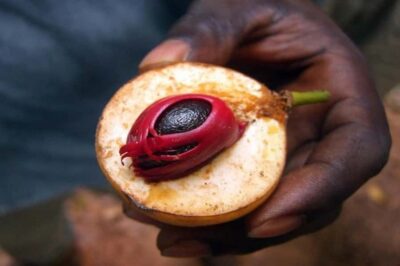
The guide introduces the plants through smell, taste, and touch. You may be asked to guess a spice before its identity is explained, a simple trick that helps you remember the plant. Cinnamon, vanilla, nutmeg, lemongrass, cloves, ylang-ylang, cumin, ginger, pepper, tamarind, and chili are among the ingredients covered.
The point is not only to name each spice. You’ll hear how spices shape Zanzibar cooking and how some are used for medicinal purposes. The guide also explains their origins and why they became important to food around the island.
Cloves and cinnamon are particularly useful examples because the part you use in cooking is not always the part you first notice on the plant. Smelling fresh material at the farm gives you a clearer sense of the difference between a packaged spice and the living plant.
You should wear shoes that can handle uneven paths and clothing suitable for both walking and cooking. A hat, sunscreen, water, and insect repellent are sensible choices. Bring a camera if you want photographs, but keep your hands free during the harvest and cooking sections.
Tropical fruit between the spice stops
The fruit tasting breaks up the spice walk. Depending on what is available, you may sample mangoes, passion fruit, avocado, papaya, local grapefruit, bananas, pineapple, and other tropical fruit.
This part is simple but worthwhile. It gives you a taste of Zanzibar beyond the familiar spice names and shows how fresh fruit fits into the island’s food culture. Some of the fruit and spices can also be purchased at the farm.
The chance to buy spices is convenient, but treat it as an optional shopping stop rather than a required part of the day. Bring your own sense of what you want to take home, especially if you would rather avoid repeated sales pitches.
Harvesting vegetables for the cooking class
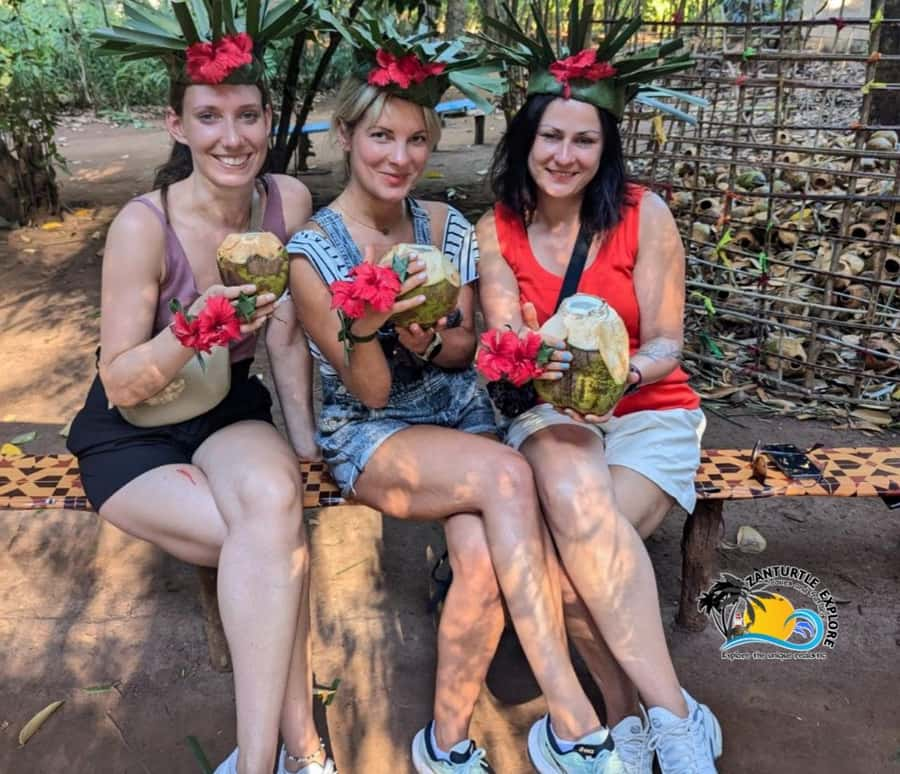
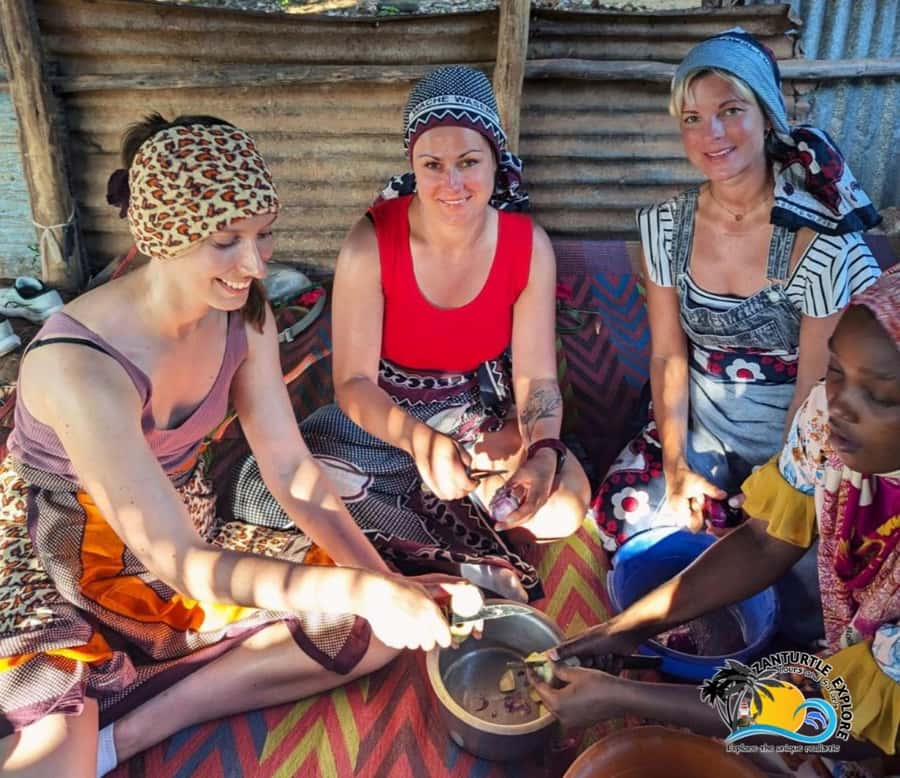
After the walking tour, you help collect vegetables and spices for the meal. This is where the outing shifts from explanation to participation.
The work is not presented as a farming course. It is a short, guided harvest designed to connect the plants you have just seen with the food you are about to prepare. That link gives the cooking class more meaning than simply arriving at a kitchen with ingredients already laid out.
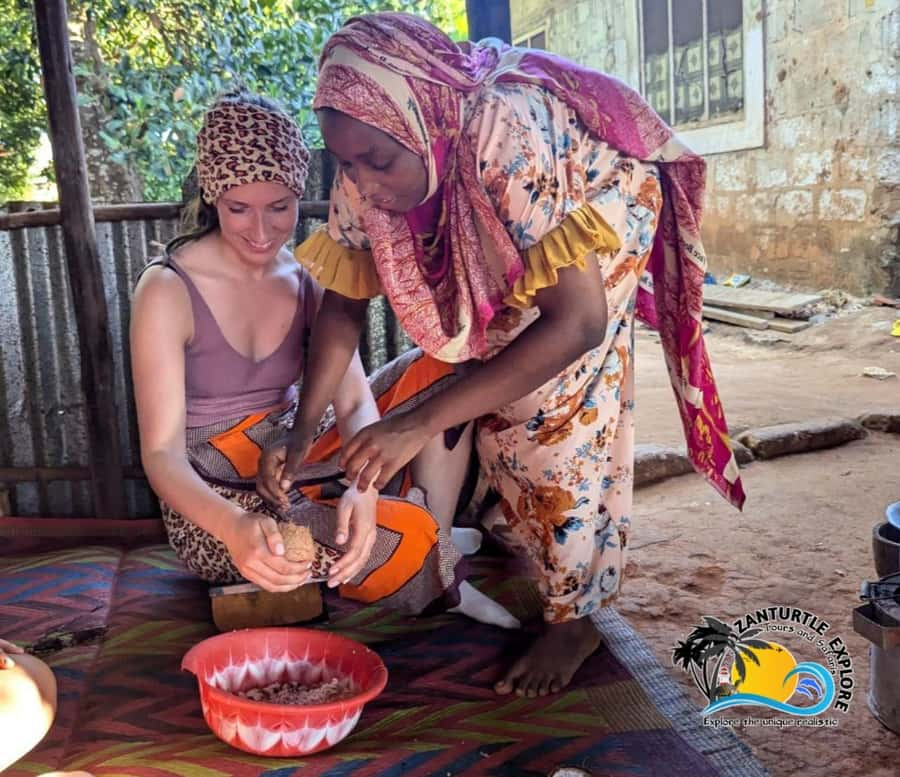
You’ll be working with a local culinary teacher and other members of the cooking team. Aïcha has been identified as one of the people involved in the cooking portion, and the class includes shared preparation and lunch.
Families can take part as well. A three-year-old child was included in one visit and became involved with the cooking team, though parents should still expect an active setting with walking, food preparation, and hot cooking equipment.
More spice farm tours in Zanzibar:
- Zanzibar: Stone Town, Spice Tour, Prison Island with Lunch
★ 4.4 · 1,219 reviews - Zanzibar: Prison Island, Stone Town, & Spice Farm Tour
★ 4.5 · 579 reviews - Zanzibar: Stone Town, Spice tour & Prison Island with Lunch
★ 4.6 · 453 reviews - Full-Day Private Stone Town +Spice Farm and Prison Island Tour
★ 4.5 · 216 reviews
Preparing a Swahili meal with traditional methods
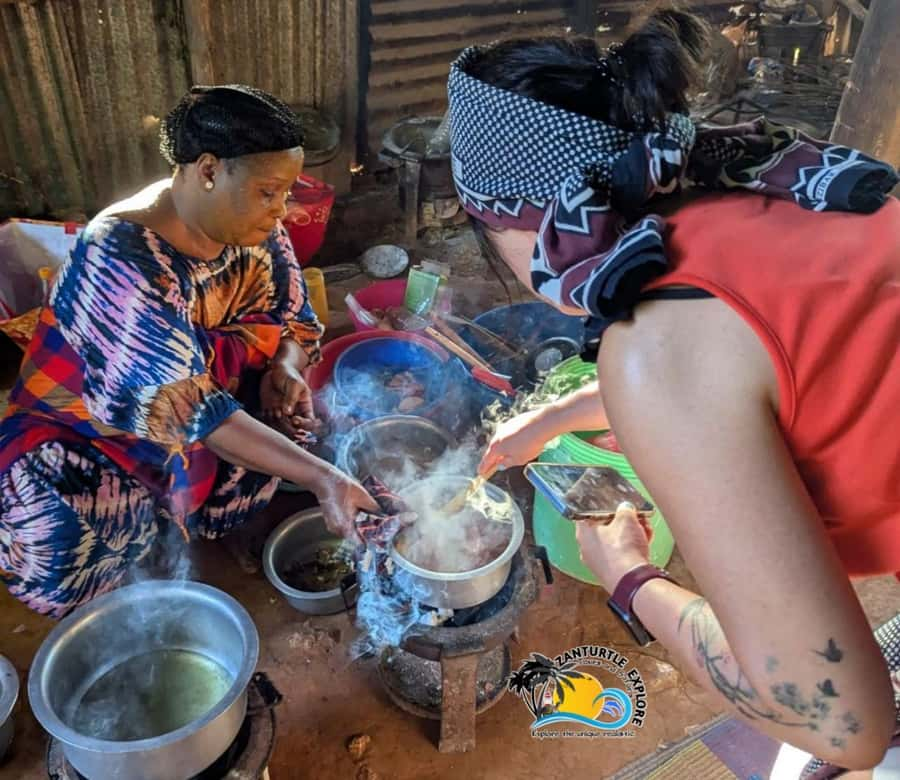
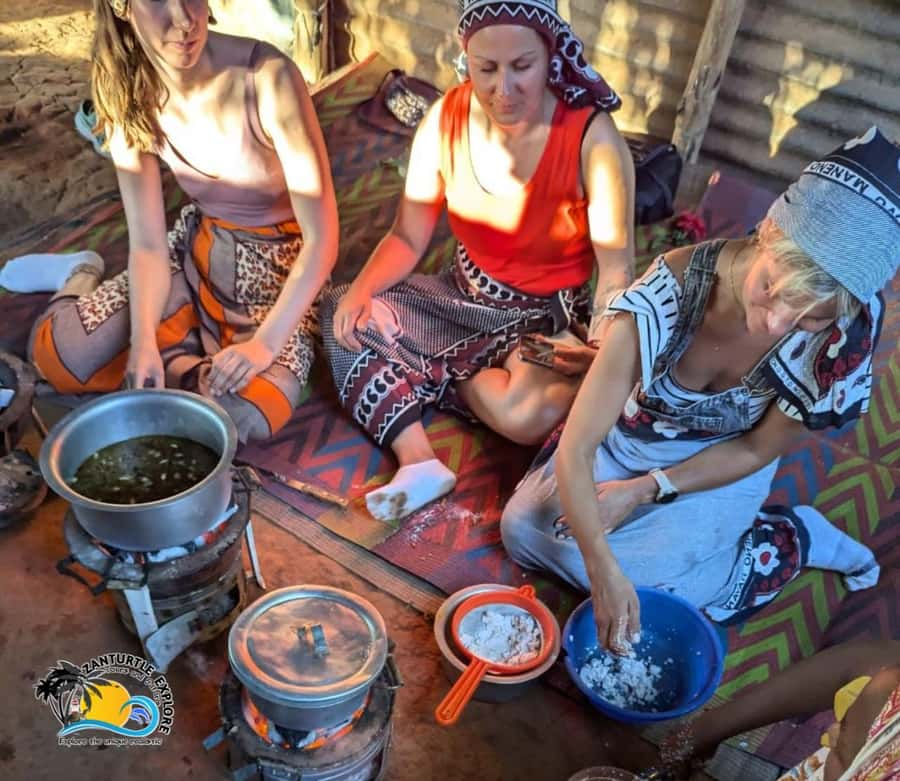
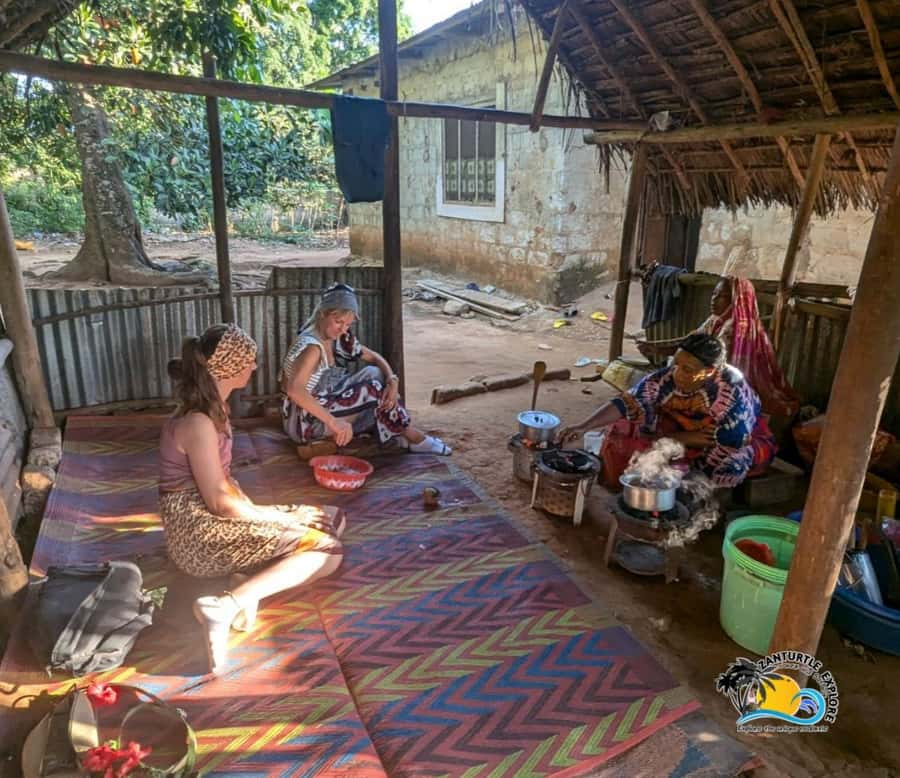
The cooking class is the heart of the outing. You use the harvested vegetables and spices to make a traditional Swahili meal, guided by local cooks who explain the process as you go.
The cooking equipment is modeled on older apparatus used around Zanzibar. It is not a polished demonstration kitchen designed only for watching. You get to see the tools, methods, and setup connected with earlier coastal cooking traditions.
The exact menu is not specified in advance, so do not book this expecting one named dish. The value is in learning how spices are combined and how basic ingredients are turned into a local meal.
I like this approach because it makes you pay attention to balance. Cinnamon, cloves, ginger, chili, cumin, pepper, and lemongrass can each be strong on their own. In a Swahili kitchen, their use is more measured, with the spices giving shape to the dish rather than simply making it hot.
The class may feel more instructional than conversational. The cooks demonstrate the preparation, but the level of direct interaction can vary. If you want more conversation, ask questions early and take an active role instead of standing back.
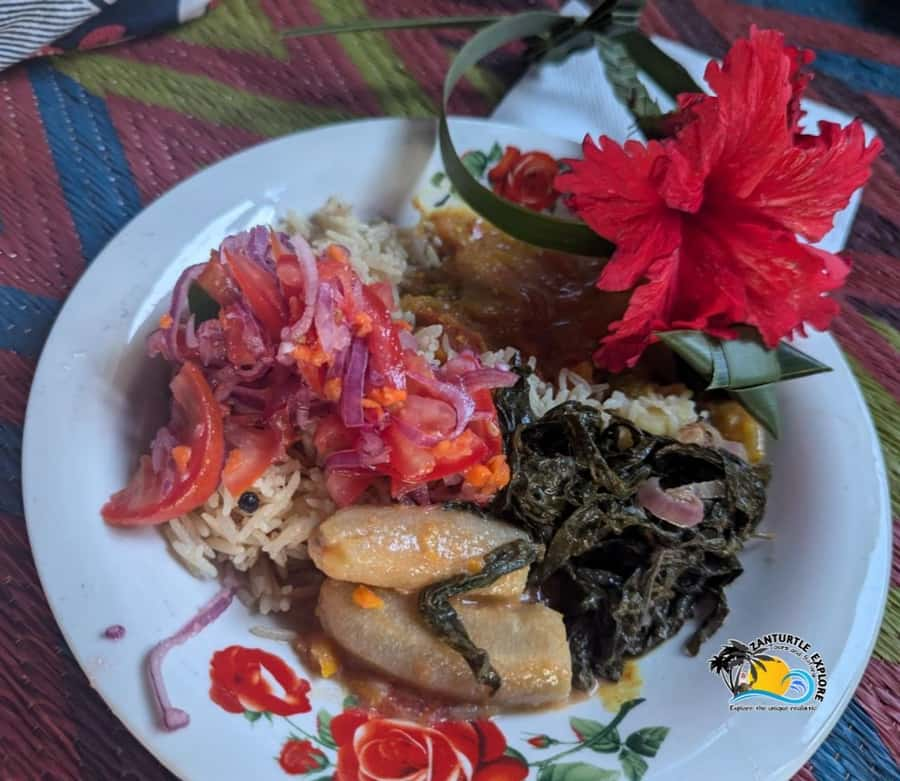
At the end, you eat the meal you helped prepare, with drinks and fruit included. This is the clearest value in the experience: you are not just paying for a guided walk and a plate of food. You are connecting the plants, the techniques, and the finished meal in one morning.
Music, dancing, and the human side of the visit
Traditional music and dance are included in the experience. These elements add a performance component to the farm visit, alongside the gardening and cooking.
You should understand that several people may contribute to the day. A guide leads the walk, assistants may help, cooks prepare the meal, a driver handles transport, and others may offer small demonstrations or handmade decorations.
That can create pressure to tip at several points. One account describes requests connected with a coconut demonstration, the assistant, the cooking staff, the driver, leaf decorations, and contributions for local children and women. Another visitor found the requests less forceful and gave smaller amounts in Tanzanian shillings rather than dollars.
My practical advice is to decide beforehand how much you are comfortable giving, carry small local notes, and ask your guide who is included in your payment. You can be generous without feeling obliged to pay at every stop. The tour price is $61 per person, so it is reasonable to expect the advertised inclusions to cover the planned activity.
What the $61 price includes
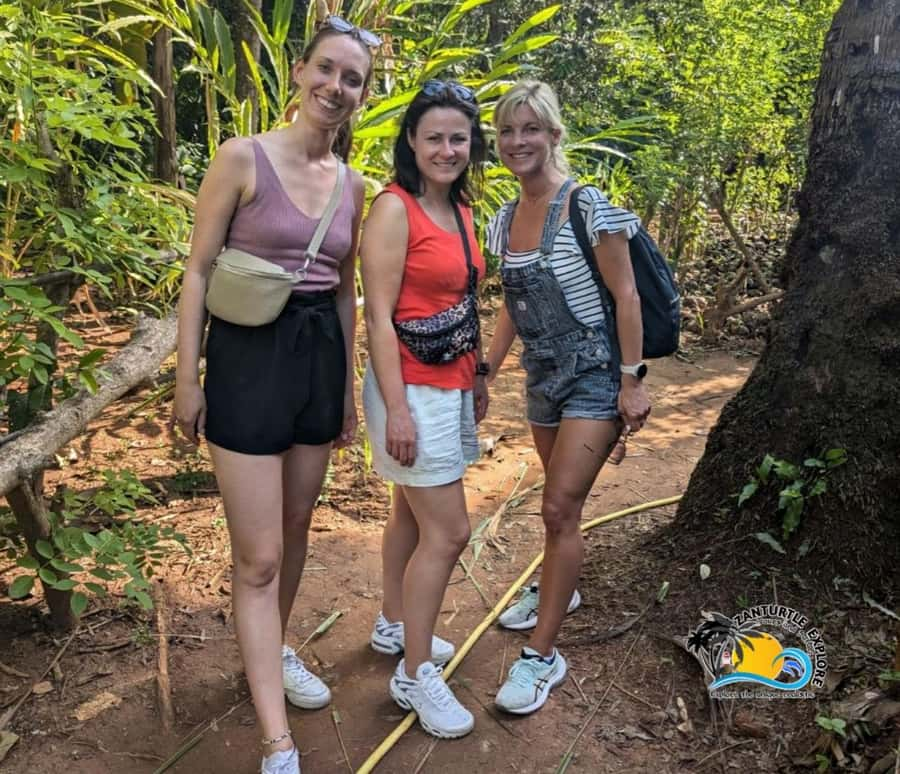
For a five-hour private outing, $61 includes a useful amount: hotel pickup and drop-off, the professional guide, entrance and conservation fees, government taxes, the spice walk, harvesting, cooking equipment, lunch, drinks, tropical fruit, music, and dancing.
It also includes the main practical advantage of a private group. You do not have to share the entire day with a large scheduled coach party, and you can submit special requests before booking. Guides are available in Arabic, English, French, German, Italian, Polish, Russian, and Spanish.
The price is harder to judge if you want a vast farm or a quiet agricultural visit. The garden is small, and the route can feel designed around a series of visitor stops. The value comes from combining transport, explanation, hands-on cooking, and lunch in one booking.
Compared with arranging a separate taxi, spice visit, meal, and cooking lesson, the package is convenient. Just remember that personal purchases and gratuities are not part of the stated price.
Practical comfort and small frustrations
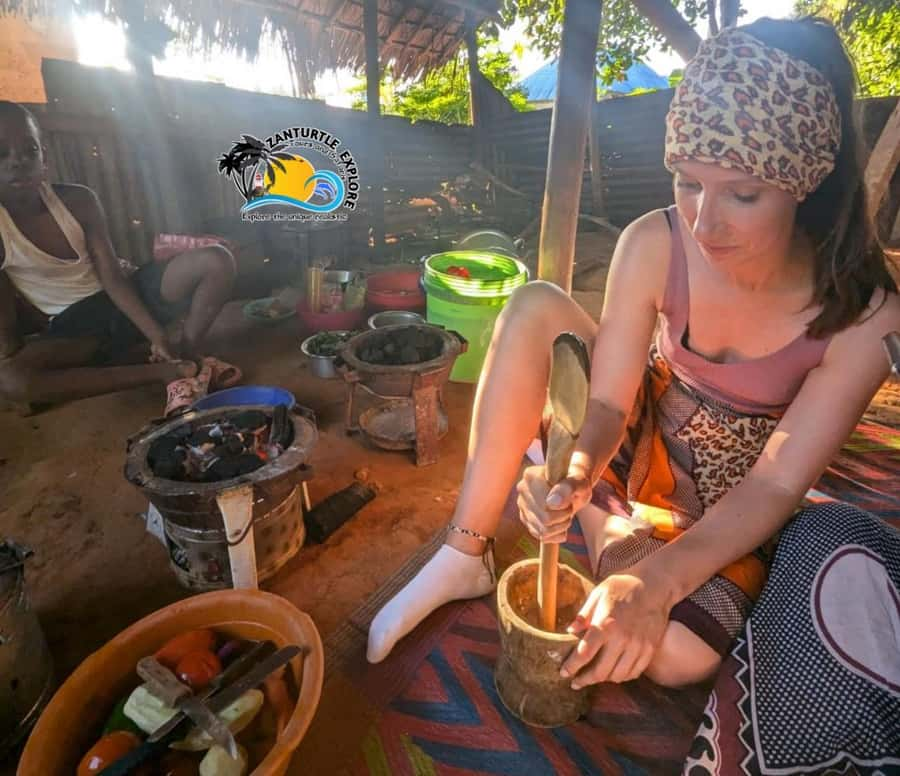
The day is easy to pack for, but not especially formal. Wear comfortable clothes that you can walk and cook in. Closed, comfortable shoes are useful, and you should bring sunscreen, a hat, drinking water, a camera, and insect repellent.
Toilets at the farm may be poor. This is a minor detail until you need one, so use the facilities before the walk if possible and keep your expectations modest.
The route includes walking on farm paths, handling ingredients, and spending time around cooking equipment. The provided information does not give an accessibility assessment, so ask about your needs when making the reservation rather than assuming the paths or facilities will suit everyone.
The tour can be canceled up to 24 hours before departure for a full refund, and you can reserve now and pay later. Those terms help if your Zanzibar schedule is still shifting, but you should still confirm pickup details and any special requests in advance.
Who will enjoy this Zanzibar food experience
I would choose this tour if you want a practical introduction to Zanzibar food and do not want to organize transport yourself. It suits couples, families, and small private groups that prefer to ask questions and take part rather than simply watch.
It is especially good for anyone curious about the link between spice plants and cooking. The fruit tasting, harvest, lesson, and shared lunch give the day several layers, so it works well when you want more than a sightseeing stop.
It may be less satisfying if your main goal is to visit a large commercial plantation, walk in a quiet rural setting, or avoid shopping and tipping requests. In that case, ask careful questions about the farm size and the day’s format before paying.
Should you book this spice farm and cooking class?
Book it if you want an organized, hands-on half-day with excellent food preparation and fruit tasting at its center. The cooking class gives the $61 price its strongest justification, and hotel transport makes the outing easy from Stone Town.
Go in with realistic expectations. This is a compact tourist farm, not an untouched agricultural site, and the tipping culture may test your patience. If you accept that tradeoff, you’ll come away with a better feel for Zanzibar’s spices, a meal you helped make, and practical memories that are more useful than another pass through a souvenir shop.
FAQ
How long does the Zanzibar spice farm tour last?
The activity lasts five hours, not counting any variation caused by pickup timing or local traffic.
Where does the tour take place?
The main visit takes place at Jambo Spice Farm Dole in Zanzibar’s Unguja South Region.
Is hotel pickup included?
Yes. Pickup and drop-off are included, and the provider can collect you from any hotel in Zanzibar. You meet the representative in your hotel lobby or reception area.
How long is the drive from Stone Town?
The van ride takes about one hour each way from Stone Town.
Is this a private tour?
Yes. The activity is offered for a private group.
Which languages are available?
The live guide may speak Arabic, English, French, German, Italian, Polish, Russian, or Spanish.
What spices can I learn about?
The tour covers cinnamon, vanilla, nutmeg, lemongrass, cloves, ylang-ylang, cumin, ginger, pepper, tamarind, chili, and other spices and herbs.
Is lunch included?
Yes. Lunch, drinks, and tropical fruit are included, along with the cooking class and cooking equipment.
What should I bring?
Bring comfortable shoes, a hat, a camera, sunscreen, water, and insect repellent. Wear clothing suitable for walking and cooking.
Can I cancel the booking?
You can cancel up to 24 hours in advance for a full refund. Reserve now and pay later is also available.
Just added around Zanzibar
- Walking in Stone Town with a Expert Tourguide★ 3.7 · 3 reviews
- Stone Town Tour★ 5.0 · 16 reviews
- Jet Ski Experience from Kendwa Beach★ 5.0 · 21 reviews
- Turtle Snorkeling, Jozani Forest, Kuza Cave, Rock Restaurant★ 3.7 · 8 reviews
- Zanzibar boat rental/charters★ 5.0 · 6 reviews
- Prison island(Changuu island) & stone town walking tour★ 5.0 · 6 reviews
- Zanzibar Tumbatu Island Cultural Experience★ 5.0 · 4 reviews
- Full Day Private Zanzibar Triple Delight Tour★ 4.5 · 3 reviews
Spice Farm Tours, compared.

Stone Town, Spice Tour, Prison Island with Lunch
Read our review →
The Swahili Spice Experience – Spice Tour + Culinary Journey
Read our review →
Zanzibar full day Jozani forest + Spice farm and stone town
Read our review →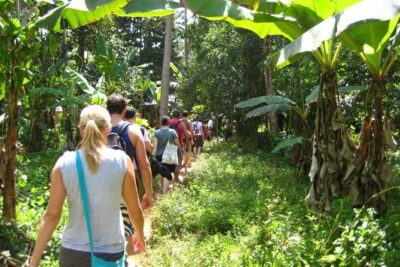

Stone Town Guided Tour: Culture, Slave Market & Spice Market
Read our review →Browse the lists this tour appears in