
Reviewed · SPICE FARM TOURS
Zanzibar Cooking Class [Swahili food test ] and Spice farm Private tour
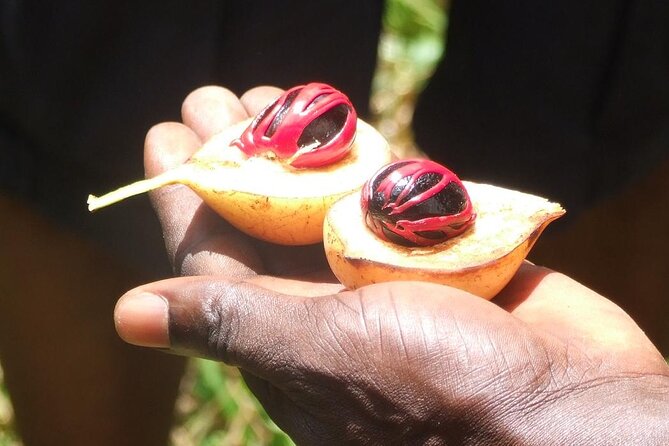
Zanzibar’s spice trade becomes much easier to understand when you can touch, smell, and taste the plants instead of seeing dried packets in a shop. At Tangawizi Spice Farm, a guide explains how cloves, cinnamon, black pepper, vanilla, cardamom, and nutmeg are grown and used in food and traditional remedies.
I like the hands-on cooking with Mama Africa, especially the chance to harvest cassava leaves and make coconut milk. I also like that the tour includes private transportation and lunch, which makes the $59 price reasonable for a half-day outing. The drawback is that you should carry small cash notes: tips, drinks, and spice purchases may require shillings, and several people may expect a tip.
Key points to know before booking
- Fresh spices are the main event: You see plants such as vanilla, cardamom, nutmeg, cinnamon, cloves, and black pepper in their growing environment.
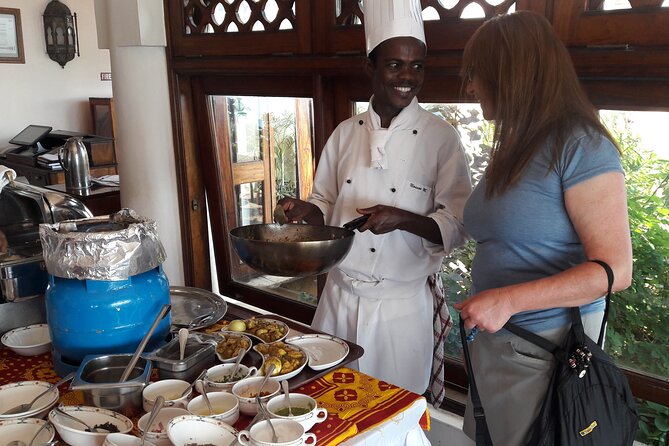
- The cooking class is practical: You help harvest cassava leaves, prepare coconut milk, and cook Swahili dishes with spices collected during the visit.
- Lunch is included: The meal comes after the farm walk and cooking session.
- The tour is private: Only your group takes part, with private transport and pickup offered.
- It runs from 9:00 a.m. for about five hours: Expect roughly three hours at the farm, followed by two hours of cooking.
- Bring cash: The tour price does not cover alcoholic drinks, and cash may be needed for tips, coconut drinks, and spice purchases.
Why Zanzibar is called the Spice Islands
Zanzibar’s spice identity is not just a slogan for souvenir shops. The islands have long been associated with cloves and other prized seasonings, and the Tangawizi Spice Farm gives you a close look at how these plants grow.
The farm visit is guided rather than self-directed. Your guide explains the plants and their uses as you move through the grounds. You are not simply shown a basket of dried spices. You can handle leaves, smell fresh bark or pods, and taste some of the plants and fruit.
That difference matters. A jar of ground cinnamon tells you very little about the tree it came from. Seeing the plant and then smelling the freshly gathered spice gives you a better sense of how much processing usually hides the original ingredient.
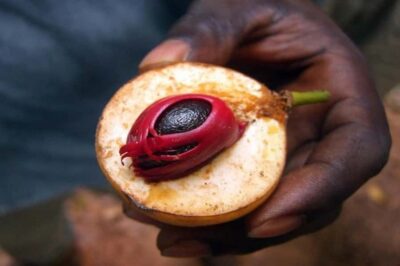
The farm includes familiar spices such as cloves, cinnamon, black pepper, nutmeg, vanilla, and cardamom. The exact order of the walk may vary, but the focus remains on identification, growing methods, cooking uses, and medicinal uses.
You will also see tropical fruit during the visit. The fruit tasting adds variety to what could otherwise become a long list of spice names. It also gives you a chance to compare the sharp, warm scents of spices with fresh, sweet produce.
More Cooking Classes in Zanzibar
- Zanzibar Cooking Class & Spice Tour
★ 4.5 · 77 reviews - Zanzibar: Spice Farm Tour with Traditional Cooking Lesson
★ 4.8 · 77 reviews - Half-Day Kuza Cave Swimming Adventure and Cooking Class
★ 4.5 · 44 reviews
The three-hour walk at Tangawizi Spice Farm
The first part lasts about three hours, so the farm visit is not a quick photo stop. You have time to move from plant to plant and ask questions. If you enjoy food, gardening, or local agriculture, this is the strongest part of the day.
A guide explains how spices are grown and how people use them in cooking and traditional medicine. I find that combination useful because it connects the farm to everyday life. You learn not only what a plant is called, but also why it matters.
The walk is sensory by design. You may touch leaves, smell fresh plant material, and taste selected spices or fruit. Freshness changes the experience. Cardamom, vanilla, and black pepper can seem mild or familiar when bought in a packet, but their scent is more direct when you encounter them at the plant.
The farm also has cacao and vanilla, adding two especially interesting crops to the usual cinnamon and clove route. Vanilla is a good example of why a farm visit helps. The finished product is familiar, but the plant itself is less so.
The pace should suit most people who can take part in a normal guided farm visit. The information provided does not describe difficult terrain or strenuous activity, so you should ask the operator if you have specific mobility concerns. Service animals are allowed, and the tour is near public transportation, though private pickup is offered.
One practical point: the setting and presentation may not match polished promotional photos exactly. The cooking portion, in particular, is described as taking place in a simple home setting, sometimes on a mat, rather than in a formal cooking school. I see that as part of the appeal, but you should book this for local contact and participation, not for a high-end culinary studio.
From farm plants to Swahili cooking
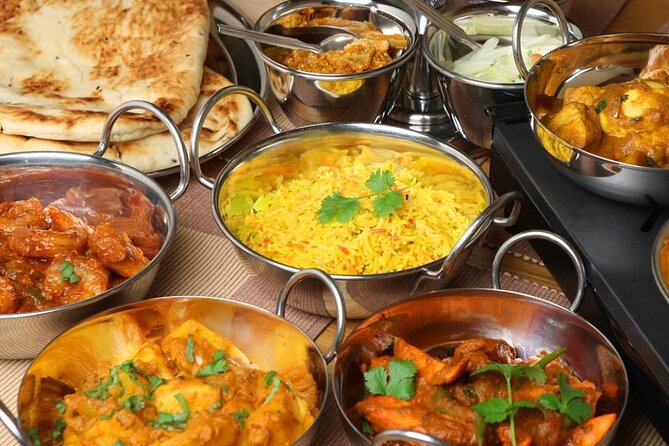
After the farm walk, you spend about two hours cooking with Mama Africa. This is not a separate restaurant meal followed by a demonstration. You take part in several steps before lunch.
The activities include helping with a cassava leaf harvest, making coconut milk, and preparing Swahili food with spices gathered during the farm visit. That link between the two parts is one of the best reasons to choose this tour. You first learn where the seasonings come from, then use them in a meal.
The cooking is described as a mix of Swahili dishes and spices. The exact menu is not specified, so do not book expecting a particular recipe. What you can count on is a hands-on session built around local ingredients and basic preparation.
Making coconut milk is especially useful because it shows how a common ingredient becomes part of a dish. You are involved in the process rather than simply being handed a finished plate. The cassava leaf harvest also gives the cooking class a farm-to-table feel without turning the activity into a formal lecture.
A coconut tree climber picks young coconuts for you to try. This is one of the more memorable small touches in the day, although you should note that the coconut drink may involve an extra tip. The tour price includes lunch, but it does not include alcoholic beverages.
The setting may be simple. One account describes cooking in a home with Mama Africa, on a mat, and notes that it did not resemble the provider’s photograph. That is worth knowing before you book. If you want a staged class with spotless counters and carefully timed demonstrations, this may feel informal. If you prefer a personal encounter that feels closer to home cooking, the same informality can be a strength.
Lunch and the spice shop
Lunch follows the cooking session and is included in the $59 price. Since the meal is connected to the class, you get to eat food prepared in the same setting rather than stopping at an unrelated restaurant.
The exact dishes are not listed, so dietary needs should be raised when booking. The supplied information confirms Swahili food, cassava leaves, coconut milk, and collected spices, but it does not confirm vegetarian, vegan, halal, allergy-friendly, or gluten-free arrangements.
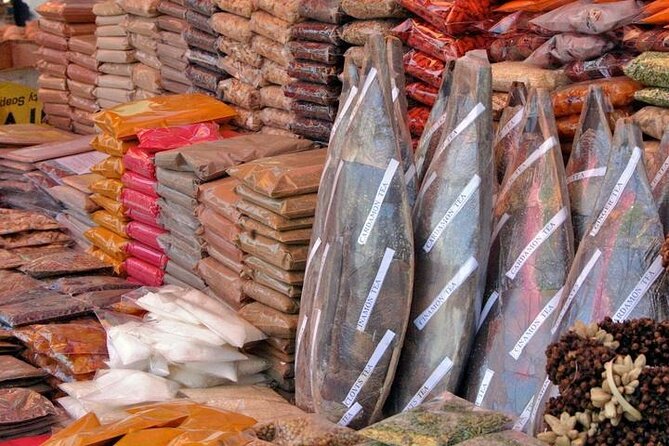
At the end, you can visit the farm shop and buy spices. This is convenient, but remember to budget separately. Spice purchases are not part of the tour price, and card payments may not be accepted for shopping. Carry Tanzanian shillings or small cash notes.
The shop can also help you judge the value of the tour. You are not paying only for a walk among plants. The price covers private transport, admission, the guide, the cooking activity, lunch, and fees. Any spice gifts or extra drinks are your own expense.
More Private Tours in Zanzibar
- Stone Town Private Walking Tour
★ 5.0 · 371 reviews - Zanzibar: 3 Hours Private Stone Town walking Tour with Guide
★ 4.6 · 301 reviews - Full-Day Private Stone Town +Spice Farm and Prison Island Tour
★ 4.5 · 216 reviews - Prison Island: Private Half-Day Tour
★ 4.0 · 132 reviews
Is $59 good value?

At $59 per person, this is a fair price for a private, five-hour activity that combines transport, a guided farm visit, cooking, and lunch. The value improves if you want several activities in one outing instead of arranging a farm visit and cooking lesson separately.
Private touring matters here. Your group participates alone, so you do not have to follow a large crowd from plant to plant or share every cooking step with strangers. That can make a difference during the hands-on portion, especially if your group wants to ask questions or take its time.
The price may feel less attractive if your main interest is only buying spices. You could likely spend less on a simple shop visit, but that would not include the guided growing information, coconut preparation, cooking, lunch, or private transportation.
Also allow for small extras. The price excludes alcoholic drinks, and cash may be needed for tips to the guide, driver, cooking helpers, or coconut drink provider. One useful budgeting tip is to bring more small notes than you think you need. Several separate people may be involved, and cards may not work for tips or purchases.
Timing, pickup, and the private format
The start time is 9:00 a.m., and the total duration is about five hours. The advertised schedule gives three hours for the farm and two hours for cooking. Pickup is offered, and private transportation is included, but the available information does not give a fixed pickup radius or exact hotel schedule.
You should confirm the pickup details for your accommodation at booking. Zanzibar City is the listed location, and Tangawizi Spice Farm is the main stop, but the exact transfer time will depend on where you are staying.
A morning start works well for this type of outing. You reach the farm early enough for a full walk, then move into cooking and lunch before the activity ends. Since the tour is private, you may have a little more flexibility than on a large group outing, though the five-hour estimate should guide your plans.
The tour is suitable for most people, and service animals are allowed. The operator also states that it is near public transportation. Pickup remains the simplest option if you want to avoid arranging your own route.
Who will enjoy this Zanzibar food tour?
I would recommend this experience to you if you want more than a standard sightseeing drive. It suits people who enjoy food, plants, local agriculture, and informal contact with residents.
It is also a good choice for a small family or private group. Children who enjoy tasting fruit or seeing how coconut milk is made may get more from this than from a long museum visit, although the information does not specify a minimum age.
Food-focused visitors will appreciate the order of the day: see the crop, learn how it is used, help prepare ingredients, and eat lunch. The tour also works well for anyone who wants a souvenir with a story attached. A packet of vanilla or cinnamon from the farm means more after you have seen the plant.
You may want to choose another activity if you need a tightly scripted cooking curriculum, a formal kitchen, a guaranteed menu, or a luxury setting. The farm and cooking session are presented as local and practical. That means the experience can feel personal, but it may also feel less polished than a hotel-based class.
The tour received an overall rating of 4.7 from six reviews, with particular praise for the customer service, the farm’s range of spices, the cooking session, and the chance to share food in an informal setting. Amina is named as one guide, and a French-speaking guide is also noted in one account. If language matters to you, ask for the guide language when you book.
Tips for getting the most from the five hours
Wear clothes and shoes suited to a farm visit. The information does not specify the ground conditions, so practical footwear is the safer choice.
Bring water, sunscreen, and cash in small denominations. The tour includes lunch and a young coconut tasting, but you may still want your own water. Cash covers tips, drinks, and spice purchases.
Keep room in your luggage for spices if you plan to shop. Ask about packaging and local customs rules before flying home, especially if you are carrying fresh or plant-based products.
Tell the operator about food allergies or dietary restrictions before the cooking session. The meal and ingredients are not described in enough detail to assume every diet can be accommodated.
Allow extra time after the listed five hours if you have an evening booking. Pickup and traffic details are not provided, so I would avoid scheduling a tight connection immediately afterward.
Cancellation is flexible up to 24 hours before the 9:00 a.m. start for a full refund. Changes or cancellations made inside that 24-hour window are not accepted for a refund.
Should you book this Zanzibar spice tour?
Book it if you want a private, hands-on half-day that links Zanzibar’s spice farms with Swahili food. The combination of fresh plants, fruit tasting, coconut milk preparation, cooking with Mama Africa, and included lunch gives the day a clear purpose.
The strongest reasons to go are the sensory farm walk and the connection between the crops and the meal. The main cautions are the informal setting, possible extra tips, and the lack of a fixed menu.
For $59, the package is good value if you use the transport, cooking class, lunch, and farm guide. Bring cash, keep your expectations practical, and ask about language and dietary needs before departure. If that sounds like your kind of day, this is a useful way to experience Zanzibar through what grows in its soil and what appears on its plate.
FAQ
How much does the Zanzibar spice farm and cooking tour cost?
The price is $59 per person.
How long does the experience last?
The tour lasts approximately five hours, with about three hours at the spice farm and two hours for cooking.
What time does the tour start?
The listed start time is 9:00 a.m.
Is pickup available?
Yes. Pickup is offered, and private transportation is included.
Is this a private tour?
Yes. Only your group participates in the activity.
What is included in the price?
The price includes lunch, private transportation, admission, and all fees and taxes.
Are alcoholic beverages included?
No. Alcoholic beverages are not included.
Can I cancel for a full refund?
Yes. You can receive a full refund if you cancel at least 24 hours before the experience starts. Cancellations or changes made less than 24 hours before the start time are not refunded.
More Food Tours in Zanzibar
- Stonetown: Food Markets and Street Food Walking Tour
★ 4.7 · 151 reviews - Authentic Street Food Tours in Stone Town, Zanzibar
★ 5.0 · 46 reviews - Stone Town Evening Walk Tour With Visit Food Markets
★ 4.5 · 28 reviews - Blue Safari Full Day Private Trip Zanzibar With Sea Food BBQ
★ 5.0 · 8 reviews
More Spice Farm Tours in Zanzibar
- Zanzibar: Stone Town, Spice Tour, Prison Island with Lunch
★ 4.4 · 1,219 reviews - Zanzibar: Prison Island, Stone Town, & Spice Farm Tour
★ 4.5 · 579 reviews - Zanzibar: Stone Town, Spice tour & Prison Island with Lunch
★ 4.6 · 453 reviews - Spice Tour + Stone Town Tour + Prison Island
★ 4.5 · 130 reviews
Just added around Zanzibar
- Walking in Stone Town with a Expert Tourguide★ 3.7 · 3 reviews
- Stone Town Tour★ 5.0 · 16 reviews
- Jet Ski Experience from Kendwa Beach★ 5.0 · 21 reviews
- Turtle Snorkeling, Jozani Forest, Kuza Cave, Rock Restaurant★ 3.7 · 8 reviews
- Zanzibar boat rental/charters★ 5.0 · 6 reviews
- Prison island(Changuu island) & stone town walking tour★ 5.0 · 6 reviews
- Full Day Private Zanzibar Triple Delight Tour★ 4.5 · 3 reviews
- Zanzibar Tumbatu Island Cultural Experience★ 5.0 · 4 reviews
Spice Farm Tours, compared.

Stone Town, Spice Tour, Prison Island with Lunch
Read our review →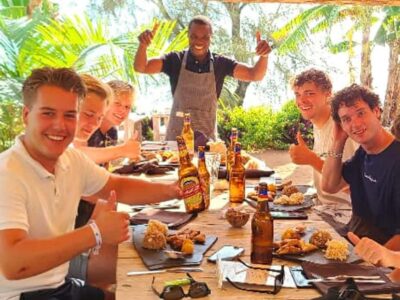
The Swahili Spice Experience – Spice Tour + Culinary Journey
Read our review →
Zanzibar full day Jozani forest + Spice farm and stone town
Read our review →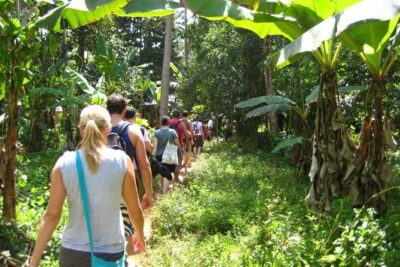

Stone Town Guided Tour: Culture, Slave Market & Spice Market
Read our review →Browse the lists this tour appears in