
Reviewed · CAMPING SAFARIS
4 days adventure camping safari
The real draw here is the three-park route: Tarangire’s elephant country, the open plains of the Serengeti, and the wildlife-filled bowl of Ngorongoro Crater. You get long game drives, a sunset in the Serengeti, and an early crater descent without paying for lodge accommodation.
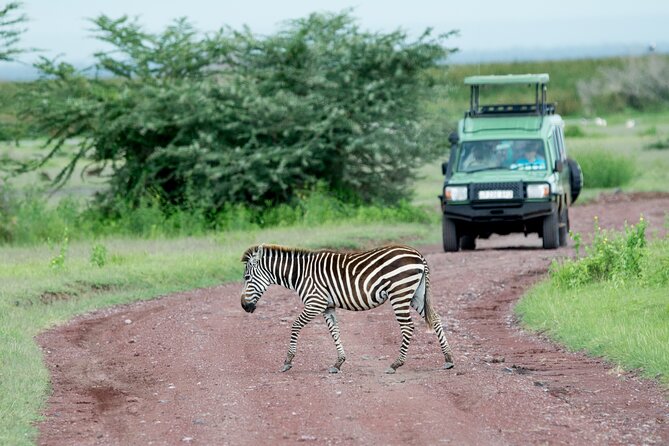
I like the practical setup. Tents, meals, bottled water, and a 4×4 with a pop-up roof are included, and past trips have featured guides such as Simon, Chadi, Jeff, and Chedy, along with cooks including Action and Geoffrey. The main consideration is comfort: some days run up to 12 hours, and mobile camping means you need to be happy with simple nights and early starts.
At a glance: what makes this safari worth considering
- Three major wildlife areas in four days: You see Tarangire, Serengeti, and Ngorongoro rather than spending the whole trip in one park.
- A real camping safari: Equipment is supplied, but this is not a lodge holiday. Expect mobile tents, camp routines, and wildlife nearby.
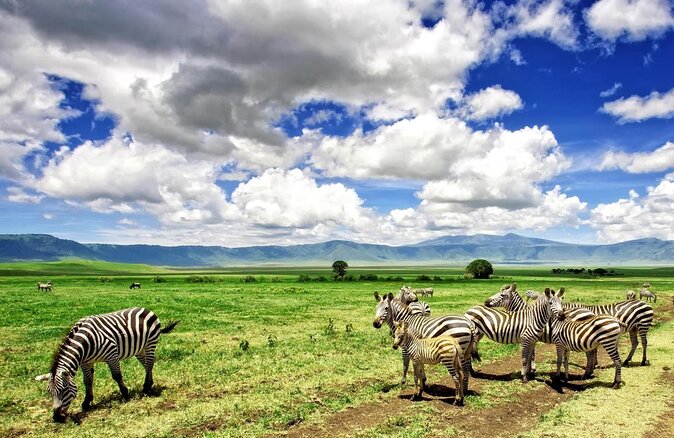
- Strong wildlife potential: Lions, elephants, buffaloes, zebras, wildebeest, gazelles, cheetahs, leopards, and black rhinos may all be part of the search.
- Long game-drive days: The schedule gives you plenty of time in the parks, including an afternoon-to-evening Serengeti drive and an early morning start.
- Good food is part of the value: Three breakfasts, four lunches, and three dinners are included, with cooks such as Action and Geoffrey praised for their meals.
- A few costs need checking: The Maasai village visit costs an additional $20, and tipping is not included.
Why this four-day route works
At $1,650 per person, this safari is not the cheapest way to see northern Tanzania. Still, the price includes major park fees shown in the schedule, a professional guide, a safari vehicle, camping equipment, food, and bottled water. Those inclusions matter because park charges and transport can quickly make a low headline price less attractive.
The route also packs in three very different settings. Tarangire gives you a strong first day with elephants and large herds. The Serengeti supplies the drama and scale. Ngorongoro offers a compact wildlife area where animals can be easier to find, including the hard-to-spot black rhino.
I would judge the price against the amount of time you spend outside the parks, not just the number of nights. Day 2 and Day 3 are each listed at about 12 hours, and Day 1 runs for roughly nine hours. You are paying for access, transport, meals, staff, and long hours on safari, not for a leisurely hotel break.
The advertised trip is a private activity for your group, although some past arrangements have involved joined or shared groups. Confirm this point before paying if having a private vehicle is important to you. Group discounts are offered, which may make the price more appealing for families or friends traveling together.
More Safaris in Moshi
- Big Five Safari In Tanzania
★ 5.0 · 99 reviews - 8-Day Essence of Tanzania Safari – Luxury
★ 5.0 · 72 reviews - 6 Days 5 Night Safari
★ 5.0 · 57 reviews
Day 1: elephants and open country in Tarangire
The safari begins with a full-day game drive in Tarangire National Park. The planned driving time is about nine hours, so you should expect a full day in the vehicle rather than a quick park visit.
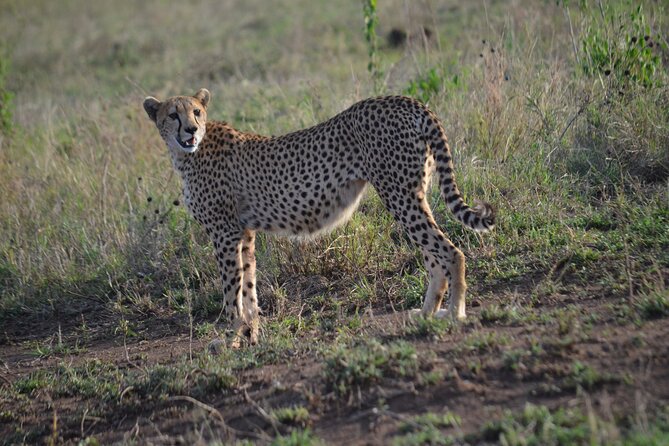
Tarangire is a sensible first stop because the day is built around broad wildlife viewing. Elephants, wildebeest, buffaloes, zebras, and gazelles are expected targets, while lions, cheetahs, and leopards are possible prizes. The mix gives your guide plenty to look for from the pop-up roof.
I like this opening because it gets you into the rhythm of a safari right away. You have time to watch animal behavior instead of racing through a short sightseeing loop. A good guide can also help you tell apart a simple herd sighting from something worth stopping for, such as a predator nearby.
The tradeoff is time in the vehicle. Nine hours on rough park roads can feel tiring, particularly if you are not used to early starts, dust, and repeated stops. The 4×4 includes a cooler fridge and charging ports, and bottled water is supplied, which helps, but you should still bring sun protection and a small personal bag rather than cluttering the vehicle.
Day 2: Ngorongoro views, Maasai culture, and the Serengeti
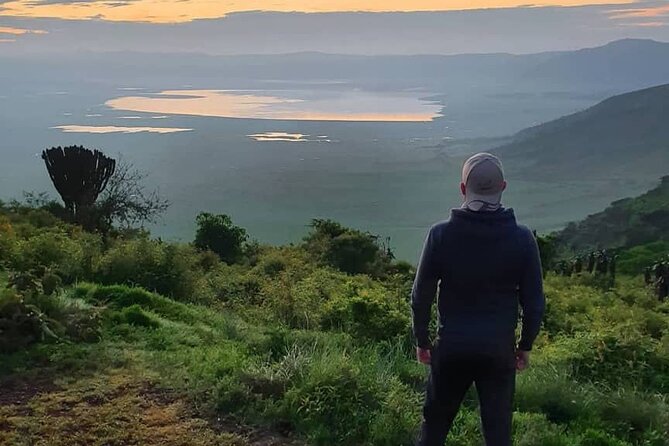
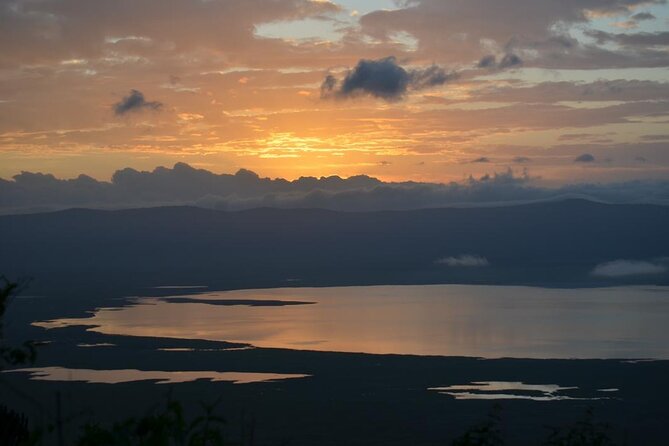
Day 2 covers a lot of ground. The first stop is the Ngorongoro viewpoint, where you spend about 20 minutes looking across the crater. The view is one of the trip’s quick but memorable pauses, and it gives you a sense of the enormous volcanic bowl before you later descend into it.
Next comes an optional Maasai village visit, listed at 45 minutes. It costs an additional $20, so budget for it separately if you want to go. The visit offers an introduction to Maasai culture and traditions, including the historical role of lion hunting and warrior status. The description also notes that some traditions have changed, so this should be approached as a short cultural stop rather than a full cultural program.
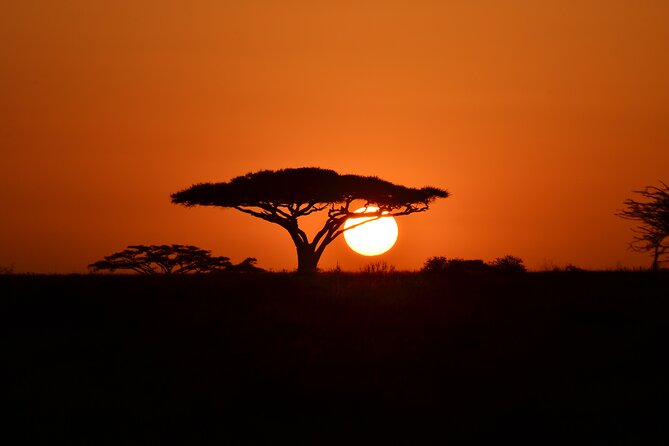
By afternoon, you reach the Serengeti and begin a game drive in the Seronera area, the central part of the park. This is the day’s big wildlife stage. You may see animals during the afternoon, continue until late evening, and watch the sun go down while still out among the plains.
That timing is one of the strongest parts of the schedule. Wildlife viewing near sunset can give you striking light and a better chance of seeing animals become active. A predator hunt or kill is possible, but it is never something a responsible guide can promise. Safari success depends on location, season, animal behavior, and luck.
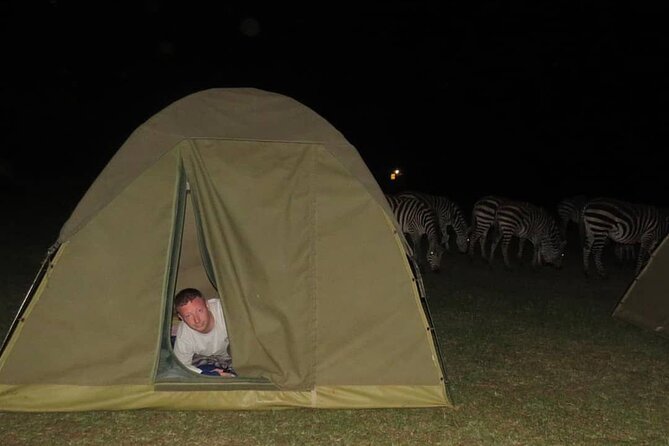
You then head to the Seronera campsite. Wildlife can be seen around campsites, including hyenas, but the supplied information notes that active rangers provide close protection. Follow camp instructions carefully. You are in a wild area, not a fenced hotel garden.
The long day is also the weak point. Twelve hours of driving, a border between parks, a cultural visit, and an evening game drive is a lot. You get more time in the Serengeti, but you should not book this expecting a slow, restful transfer day.
Day 3: an early Serengeti start and the road toward Simba
Day 3 begins after an early breakfast with another game drive in the Serengeti. Early starts are standard for good reason: you have more hours available, and the morning gives you another chance to find predators and other animals before heading toward camp for lunch.
The plan keeps you in the park until afternoon, then combines lunch with a game drive while you leave the Serengeti and travel toward Simba campsite. This makes the day feel like two things at once: one more serious wildlife session and a long transfer toward Ngorongoro.
You might see a great deal, but you should keep your expectations sensible. The schedule offers a strong chance to spot animals, not a guarantee of every species. Big Five sightings are possible, and some past trips have recorded all five, but no safari operator can control where lions, leopards, elephants, buffaloes, or rhinos choose to go.
The note about animals appearing near campsites adds a memorable edge to the camping setup. It also explains why your guide and camp staff matter. Keep to the instructions given at camp, and do not wander off alone simply because the area looks quiet.
This is another 12-hour day. I would pack a small day bag with a phone charger, a light layer, sunscreen, and anything you need during the drive. The vehicle has charging ports, but it is still wise to arrive with your essential items within reach.
More camping safaris in Moshi:
- 6 Days Tanzania Budget Camping Safari with Migration
★ 5.0 · 31 reviews - 5 days Tanzania Camping Safari
★ 5.0 · 29 reviews - 6 Day Private Camping Safari
★ 5.0 · 4 reviews - 2-Day Masai Village Camping Experience and Kikuletwa Hot Spring
★ 5.0 · 4 reviews
Day 4: descending into Ngorongoro Crater
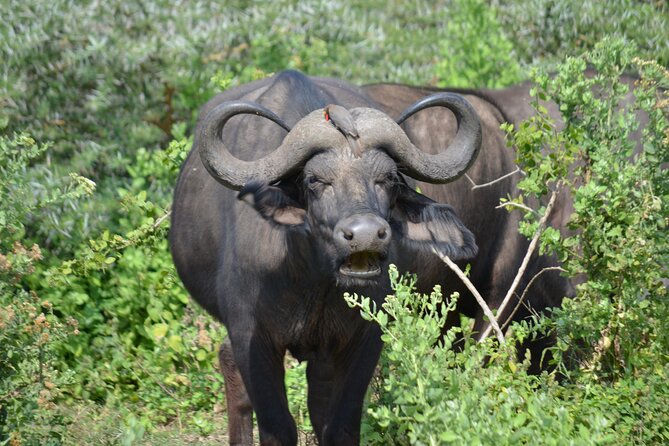
After an early breakfast, you descend into Ngorongoro Crater for the final major game drive. The crater floor is compact compared with the wider Serengeti, and the schedule points out that many animals can be easier to find here because they are concentrated within the crater.
The main target is the black rhino. Rhinos are among the hardest animals to spot, so finding one requires patience and a bit of luck. Even if you do not see one, the crater gives you a final chance to look for a wide range of wildlife before lunch.
After lunch, you continue the game drive, ascend from the crater, return to camp, pack up, and begin the journey back toward Arusha. The listed duration is about seven hours, but the actual day can feel longer once packing and road travel are included.
This final day is well designed for variety, but it is not a gentle finish. You have an early breakfast, a crater descent, wildlife viewing, lunch, an ascent, packing, and a return journey. If you have a flight or other fixed plan afterward, leave plenty of extra time and confirm the expected arrival schedule directly.
Camping under the stars, with practical limits
The camping is the heart of this package. Safari Soles Tours supplies the camping equipment, so you do not need to carry a full camping kit from home. Meals are also included: three breakfasts, four lunches, and three dinners, with bottled water throughout the trip.
That is useful for two reasons. First, you avoid the cost and hassle of arranging food between remote parks. Second, a safari cook can provide regular meals even when the group is moving between camps. Cooks named in past arrangements include Action and Geoffrey, and the food has been a strong part of the overall experience.
Still, supplied equipment does not mean luxury camping. The description calls this an adventure camping safari, and you should read that plainly. Expect mobile tents and basic camp living rather than private rooms, hotel bathrooms, or a quiet night behind thick walls.
The campsites may also bring you closer to wildlife than a lodge would. Hyenas may be seen around the Seronera campsite, and animals can appear at campsites more generally. Rangers and camp procedures are there for safety, so listen closely and do not treat the campsite like a place for independent walks.
The guides can shape the whole trip
A safari guide is more than a driver. Your guide decides where to stop, explains animal behavior, watches the road, and manages the long days. Names connected with this experience include Simon, Chadi, Chedy, Jeff, and Bryson in planning and coordination roles.
Simon has been praised for his animal knowledge, driving, humor, and explanations about Tanzania and Maasai culture. Chadi has been described as friendly, funny, and careful not to rush the group. Jeff has added local perspective to the experience, while Chedy has been singled out for care and good guiding.
You should not assume you will receive a specific guide unless the company confirms it. But these names give you useful questions to ask before departure: Who is driving? Who is cooking? Will the vehicle be private? How flexible are the daily timings?
One practical point is worth raising early. Most of the feedback about the team is highly positive, but one account noted that agreed timing was not always followed. That is not unusual on safari, where animal sightings and park conditions can change the day. Even so, clear communication helps, especially if you have airport transfers or onward plans.
What is included, and what is not
The package includes:
- Camping equipment
- Park and other listed fees
- A professional safari guide
- A 4×4 safari jeep with a pop-up roof
- A cooler fridge and charging ports
- Bottled water
- Three breakfasts
- Four lunches
- Three dinners
Tipping is not included. The optional Maasai village visit also costs $20. Bring that amount separately if you want to take part, and ask what currency or payment method is accepted before leaving.
Pickup is offered, and airport transfers have been arranged for some bookings. The base location is Moshi, while the return route is described as going back toward Arusha town. Confirm your pickup point and final drop-off before you travel, since those details affect your first and last day.
Free cancellation is available up to 24 hours before the local start time. Changes or cancellations inside that window are not accepted for a refund, and the trip requires a minimum number of participants. If that minimum is not reached, you are offered another date or experience, or a full refund.
Who should book this safari?
I would recommend it most strongly to you if you want a compact northern Tanzania safari and care more about wildlife time than polished accommodation. It suits couples, families with older children, and groups of friends who can handle long drives and shared camp routines.
The trip can also work well for a family. One past arrangement included children aged 12 and 14, but the early mornings and lengthy drives still deserve serious thought. Younger children or anyone who needs a relaxed schedule may find the pace hard.
This is less suitable if you want private lodges, short driving days, or a guaranteed list of animals. It is also not ideal if you dislike uncertainty. A safari is built around wild creatures, and even excellent guides cannot produce a leopard or rhino on demand.
Should you book the four-day camping safari?
Book it if you want three major parks in a short period, accept basic camping, and value a full schedule with meals, equipment, a guide, and a proper safari vehicle included. The route offers excellent variety, and the combination of Tarangire, Serengeti, and Ngorongoro gives you a strong first taste of northern Tanzania.
Before paying, confirm three things in writing: whether your departure is private or joined, which guide and cook are assigned, and how the pickup and return to Arusha or Moshi will work. If you can live with long days and simple nights, the $1,650 price represents solid value for a tightly packed wildlife trip. If comfort matters more than coverage, spend more on a lodge-based safari with fewer parks.
FAQ
How long is the safari?
The experience lasts approximately four days and includes three nights of camping.
Which parks are included?
The route includes Tarangire National Park, Serengeti National Park, and Ngorongoro Crater.
Is camping equipment provided?
Yes. Camping equipment is included in the price.
Are meals included?
Yes. The package includes three breakfasts, four lunches, and three dinners, along with bottled water throughout the trip.
Is the Maasai village visit included?
No. The Maasai village visit is optional and requires an additional $20 entrance fee.
What kind of vehicle is used?
The safari uses a 4×4 jeep with a pop-up roof, cooler fridge, and charging ports.
Can I cancel for a full refund?
Yes, if you cancel at least 24 hours before the experience start time. Cancellations or changes made less than 24 hours before the start are not accepted for a refund.
More Four-Day Trips in Moshi
- 4-day Tanzania Safari
★ 5.0 · 53 reviews - 4 Days Tanzania Budget Safari
★ 5.0 · 26 reviews - 4 Days Tanzania Budget Safari
★ 5.0 · 17 reviews - 4day’s Safari
★ 5.0 · 11 reviews
Just added around Moshi
- Day trip to Materuni waterfall, Coffee tour and Moshi Nightlife★ 5.0 · 6 reviews
- Sip & Paint: Unleash Your Inner Artist!★ 5.0 · 7 reviews
- Rau Forest Bike tour★ 5.0 · 12 reviews
- Private Market Tour and Tanzanian Cooking Class in Moshi★ 5.0 · 7 reviews
- Moshi city bike day trip★ 5.0 · 17 reviews
- Full-Day Moshi Private Forest Walk and Local Market Tour★ 5.0 · 4 reviews
- Private guided tour to the night lifestyle of Moshi town★ 5.0 · 13 reviews
- Moshi Hotspring★ 5.0 · 8 reviews
Camping Safaris, compared.
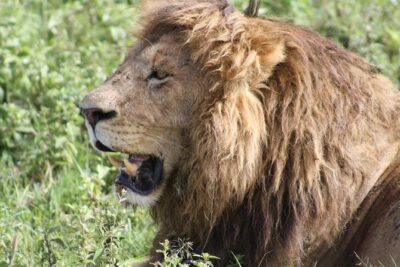
3 Day Serengeti National Park & Ngorongoro Crater Camping Safari
Read our review →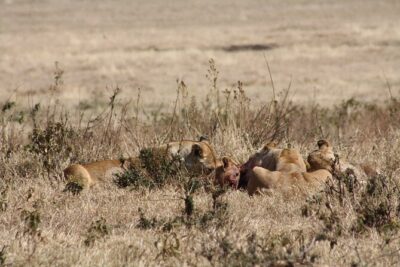
5-Day private Camping Safari Tour in Tanzania
Read our review →
5 Days Camping Tarangire, Serengeti & Ngorongoro crater & Visiting Maasai
Read our review →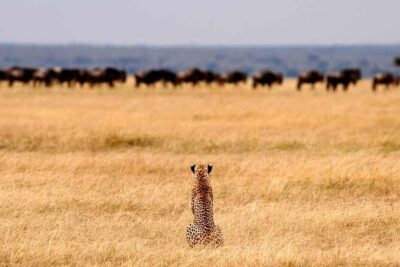
Multi-Day Camping Safari Experience in Arusha
Read our review →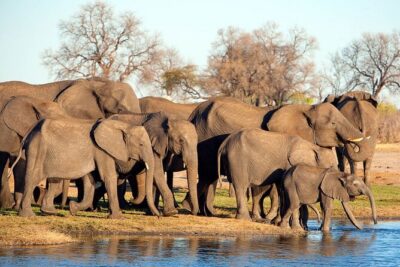
3-Day Tarangire, Ngorongoro and Lake Manyara Camping Safari
Read our review →Browse the lists this tour appears in