
Reviewed · HISTORICAL TOURS
Private Tour in Historical Dar es Salaam with Lunch
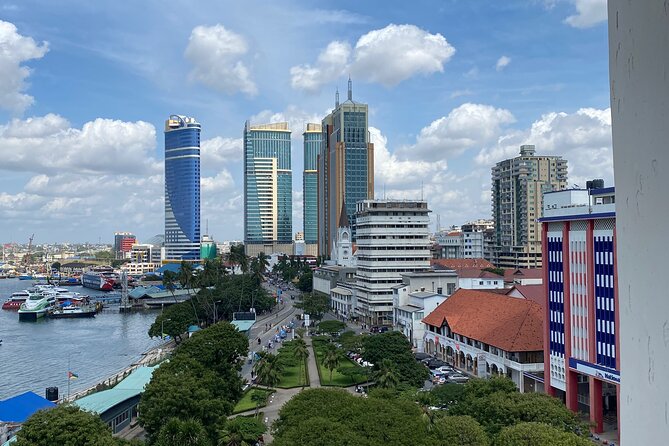
Dar es Salaam makes its best first impression through contrasts: a German-era church near modern city streets, seafood sold straight from the coast, carved wood beside bright Tingatinga paintings, and a shopping mall not far from traditional markets. This private tour brings those pieces together in one long day, with guide Ben leading the way.
I like the mix of history and everyday life. The National Museum and Old Boma give the city context, while Kivukoni Fish Market and Kariakoo Market show how Dar es Salaam works today. I also like the private format, since your group can focus on architecture, art, markets, or local culture as your interests change.
The main consideration is pace. Seven hours is a short window for a dozen listed stops, lunch, and city traffic. The air-conditioned vehicle and pickup are useful, but one past booking had a vehicle air-conditioning problem, so it is sensible to confirm the vehicle condition before departure.
Key points to know before booking
- Guide Ben is a major part of the experience: His storytelling and knowledge of Dar es Salaam’s history, culture, and architecture receive the strongest praise.
- Kivukoni Fish Market offers real local atmosphere: Expect fresh seafood, fishermen, vendors preparing fish, bargaining, and strong coastal smells.
- The route covers more than monuments: You will see markets, churches, art workshops, a university, a mall, museums, and the Indian Ocean coast.
- The price includes useful extras: At $145 per person, lunch, water, soda, transport, WiFi, and admission fees are included.
- This is a private tour, not a fixed group outing: Only your party participates, which gives you more control over questions and attention.
- The schedule is ambitious: Several stops are planned for only 30 minutes, so this suits you if you prefer a broad city overview over long visits at a few sites.
Why this tour gives you a useful first look at Dar es Salaam
Dar es Salaam is not a city you understand from one postcard view. Its story is spread through old buildings, religious sites, markets, museums, neighborhoods, and the coast. This tour gives you a guided introduction to all of those parts.
The route also helps you compare different sides of the city. You move from colonial-era architecture to Tanzanian independence-era history, then to traditional houses, working markets, local art, modern retail, and beach life. That range is the strongest reason to book this rather than a tour limited to monuments.
The private setup matters here. If you want to ask why a building looks German, how Tingatinga art developed, or what happens at a fish market before the stalls open, you can direct those questions to Ben. The supplied information identifies him as the guide, and his storytelling is repeatedly praised as a central strength of the day.
At $145 per person, the value depends on group size and your plans for getting around Dar es Salaam. You are paying for roughly seven hours, a private vehicle, a guide, lunch, drinks, WiFi, taxes, and entry fees. For a small group that wants one organized day, that is a useful bundle. Solo visitors or couples should compare the cost with a simpler city outing, especially if they do not need every listed stop.
More Private Tours in Dar es Salaam
- Dar Es Salaam City Tour (Full Day With Private Guide And Car)
★ 5.0 · 39 reviews - Full-Day Private Tour of Dar es Salaam
★ 4.5 · 37 reviews - Explore Dar es Salaam: Full-Day Private City Tour
★ 5.0 · 18 reviews
Old Boma and the architectural story of the city
Begin at Old Boma, a German colonial-era building that now houses the Dar es Salaam Centre for Architectural Heritage. The visit is planned for about 30 minutes, with admission included.
This is a good opening because it gives you a frame for the streets you will see later. Exhibits cover architecture, cultural heritage, and urban development, while preserved features and artifacts help explain how the city grew.
Do not expect a large museum visit in half an hour. The value is in getting a quick orientation and listening to Ben connect the building to Dar es Salaam’s wider past. If architecture interests you, this may be one of the stops where you wish you had more time.
Kivukoni Fish Market and the working coast
Kivukoni Fish Market brings you close to the daily seafood trade. Fishermen bring in their catch, vendors clean and prepare fish, and the stalls may include prawns, octopus, and several kinds of fish.
The market is planned for 30 minutes, so use that time well. Watch the practical work rather than treating the stop as a quick photo opportunity. You will hear bargaining and notice the smell of the sea, along with the movement of local customers and sellers.
This is one of the most useful stops for understanding Dar es Salaam as a coastal city. It is also the kind of place where conditions can be noisy, wet, and strongly scented. If you prefer polished attractions, this may feel rough around the edges. If you want to see local commerce at close range, it is a strong part of the route.
The National Museum in one focused hour
The National Museum receives about an hour, making it one of the longer visits. Its displays cover fossils from Olduvai Gorge, ethnographic material, colonial-era history, independence, art, and Tanzania’s natural past.
This stop supplies context that the markets and churches cannot provide on their own. The Olduvai material connects Tanzania to major discoveries in human history, while the cultural collections help you understand the country’s many communities and traditions.
An hour is enough for a purposeful visit, but not for reading every display. I would ask Ben which sections best match your interests, then keep moving. The museum is especially worthwhile if you want more than architectural sightseeing.
More history walks in Dar es Salaam:
- Dar es Salaam History and Architectural Tours
★ 5.0 · 36 reviews - Bagamoyo Historical Tour – Everyday
★ 5.0 · 13 reviews - Bagamoyo Historical Tour – Everyday
★ 4.4 · 8 reviews - Day Trip To Bagamoyo From Dar Es Salaam ..historical town
★ 4.5 · 3 reviews
Traditional homes at the Village Museum
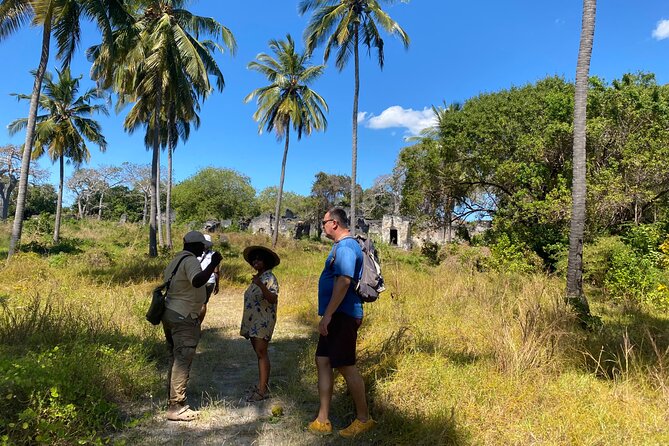
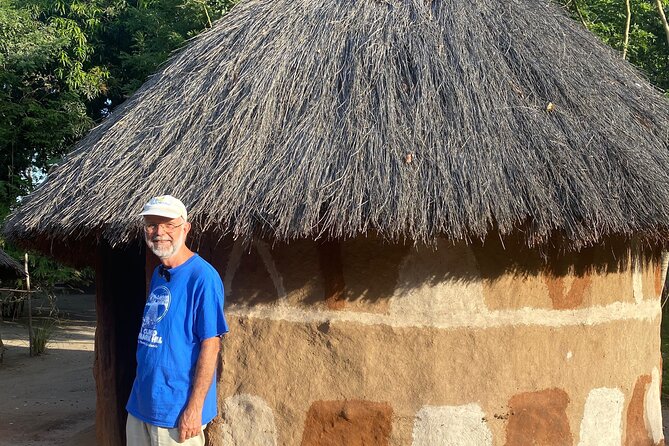
The Village Museum presents traditional houses from different ethnic groups in Tanzania. Each structure shows its own building style, objects, and domestic details. The grounds also include demonstrations of crafts, music, and dance.
This is a helpful counterpoint to Old Boma. Instead of looking at one formal colonial building, you see a range of traditional rural homes and the customs connected with them. The visit is scheduled for one hour, so there is enough time to examine several structures rather than rush through the grounds.
The setting may appeal to you if you want cultural background without spending the whole day inside galleries. Keep in mind that the museum presents a broad national picture. It is an introduction to many traditions, not an in-depth visit to one particular community.
Mwenge Woodcarvers Market and buying local art
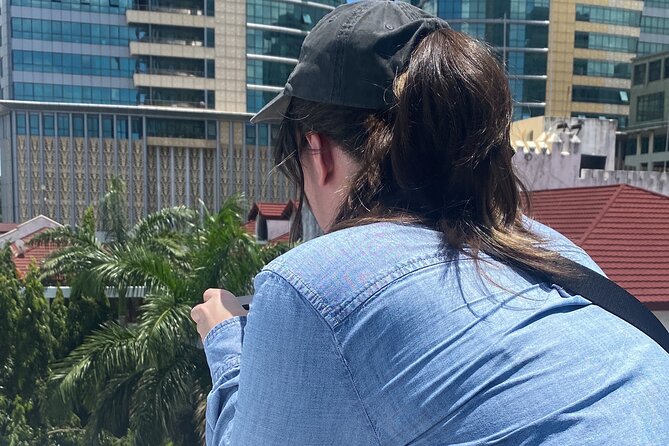
Mwenge Woodcarvers Market is planned for 30 minutes. You will find wooden sculptures and carvings in many sizes, from small souvenirs to large pieces showing animals, people, and traditional subjects.
You may be able to watch artisans at work and speak about the pieces you are considering. This is a useful stop if you want a tangible reminder of Tanzania, but give yourself a spending limit before you arrive. A market filled with carvings can make quick buying decisions tempting.
The short visit means you may need to browse with purpose. Ask Ben for help if you want to understand the difference between a casual souvenir and a more carefully made piece. The tour includes admission, but purchases are your own responsibility.
Tingatinga paintings and a living art tradition
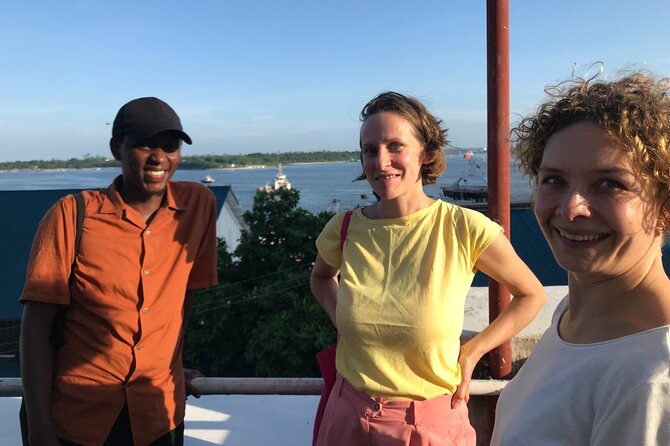
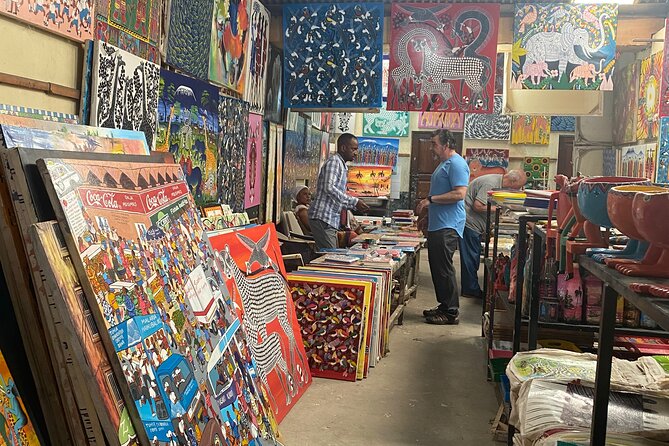
At the Tingatinga Arts Cooperative Society, you will see colorful paintings showing wildlife, ordinary scenes, and imaginative subjects. Artists may be working on new pieces, and original paintings are available for purchase.
The cooperative offers more than a shop. It introduces a distinctive Tanzanian art style and lets you see how the work is made. This is one of the better stops for travelers who prefer meeting makers and seeing creative work in progress.
The visit lasts about 30 minutes, so you may have time to look, ask questions, and choose a painting, but not to study the whole collection. If art is a priority, tell Ben early so you can use this stop well.
Two historic churches and a city of many faiths
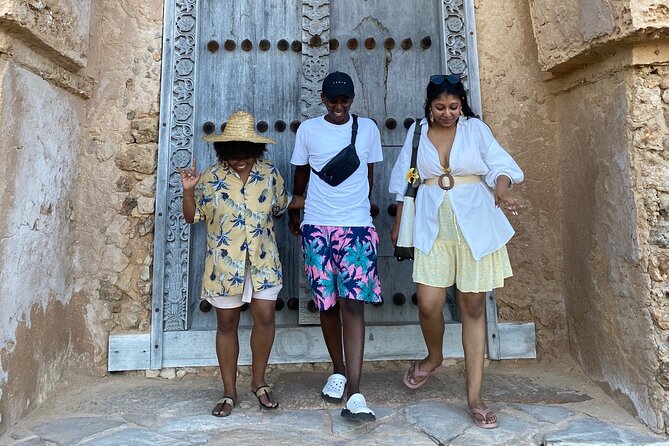
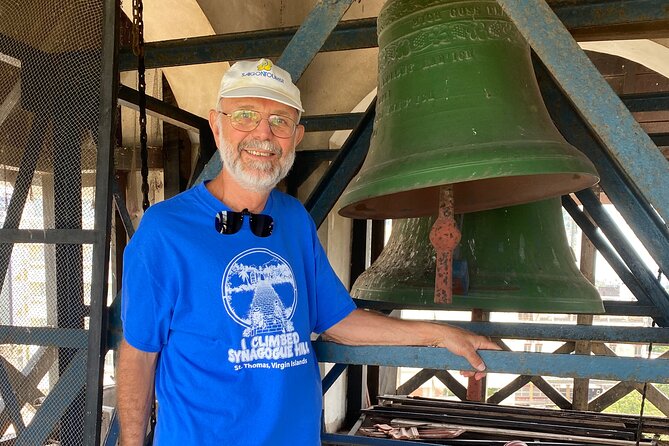
Azania Front Lutheran Church is a German colonial-period building with Gothic features, stained glass, and gardens. The interior is described as calm, and a service or concert may sometimes be taking place, though the tour information does not promise either.
St. Joseph’s Cathedral offers a different religious and architectural setting. It has stained glass, ornate decoration, religious artwork, and a quiet interior. Both churches help show how faith and colonial-era architecture became part of the city’s visual identity.
The itinerary also includes Ngazija Mosque, known for Swahili and Islamic design elements, carved details, Arabic calligraphy, and a peaceful prayer hall. The information does not state a fixed visit duration for the mosque, so ask Ben how it fits into the day.
Dress and behavior matter at religious sites. Treat each building as an active place of worship, not simply a backdrop for photographs. The value here is the comparison among Lutheran, Catholic, and Islamic traditions within the same city.
Mlimani City Mall and the University of Dar es Salaam
Mlimani City Mall gives you a brief look at present-day urban life. It includes shops, restaurants, a supermarket, food court, cinema, and local and international brands. The planned visit is 30 minutes, so it is best treated as a quick contrast with the markets rather than a serious shopping session.
The University of Dar es Salaam is also scheduled for about 30 minutes. Its campus includes faculties, research centers, libraries, classrooms, laboratories, and sports facilities. The information does not promise a lecture or campus event, so think of this as a short look at an important educational institution.
These stops may seem less historic than the museum or churches, but they help keep the tour from presenting Dar es Salaam as a city frozen in the past. You see modern retail and higher education alongside old markets and colonial buildings.
Kariakoo Market and the city’s trading heart
Kariakoo Market is another short but energetic stop. Stalls sell produce, spices, clothes, household goods, and local crafts. Expect crowded trading areas, colorful displays, bargaining, and plenty to watch.
Thirty minutes is enough to sample the atmosphere, but not enough for a slow, detailed market visit. Stay close to your group and keep your attention on your belongings in any crowded public market. The tour data does not give specific security instructions, but basic city-market awareness is sensible.
I like the contrast between Kariakoo and Kivukoni. One is tied to the sea and seafood trade; the other shows the wider flow of goods through the city. Together, they make the market portion of the day more meaningful.
Askari Monument and a complicated colonial memory
The Askari Monument is a bronze statue honoring soldiers of the British colonial forces. It sits in a prominent central location and provides a quick stop for discussing Dar es Salaam’s colonial past.
This is not a long museum visit. Its value comes from location, symbolism, and the chance to connect the monument with Old Boma and the churches. The subject also deserves careful explanation, since monuments from the colonial period can carry more than one meaning.
With only 30 minutes planned, ask Ben to explain what the monument represents and how it fits into Tanzania’s later path toward independence. A good guide can make a brief stop feel far more useful than a quick photograph.
Lunch, transport, and what the $145 covers
Lunch is included, along with soda, bottled water, air-conditioned transport, WiFi on board, entrance fees, and taxes. Alcoholic drinks are not included.
The vehicle matters because the route covers many parts of Dar es Salaam. Pickup is offered, and the tour is private, so your party does not share the activity with other groups. Confirmation is provided at booking, and the experience is near public transportation, though the main convenience here is the arranged vehicle.
The duration is about seven hours. Since the route contains many 30-minute stops, traffic or a late start could affect how long you spend at later sites. One negative account described broken air-conditioning and a long wait linked to a pickup dispute, while the provider stated that port pickup arrangements had been made and the group was not ready at the agreed time. The practical lesson is simple: confirm the meeting point, time, and vehicle before the day begins.
Coco Beach and the Indian Ocean finish
Coco Beach offers a change of pace after the city’s markets and museums. You can expect sandy shore, coastal views, water activities such as jet skiing and boat rides, beachside food and drinks, and vendors selling snacks or souvenirs.
The supplied details do not give a fixed time for this stop, so do not assume you will have a long beach break. It may function as a scenic look at the coast rather than a full swimming session.
Still, the beach helps complete the picture of Dar es Salaam. This is a city shaped by the Indian Ocean, and Coco Beach makes that clear in a way no indoor exhibit can.
Who should book this private Dar es Salaam tour?
Book it if you want a broad introduction to the city and prefer a guide-led day to arranging many separate visits. It suits you particularly well if you like architecture, museums, markets, churches, local art, and cultural background in equal measure.
It is also a good choice for a group that wants private transport and the freedom to ask questions. Ben’s storytelling is the clearest strength, especially for travelers interested in how the city’s buildings, faiths, markets, and art connect.
Think twice if you want a relaxed schedule. The route is ambitious, and several stops last only 30 minutes. You may prefer a shorter private tour focused on two or three places if you want long museum time, serious shopping, or an unhurried beach visit.
For most first-time visitors with one free day, I would consider booking it, provided you confirm the pickup details and understand the pace. The tour gives you a wide view of Dar es Salaam, from Old Boma to Coco Beach, without asking you to organize the transport, admissions, drinks, or lunch yourself.
FAQ
How long does the tour last?
The tour lasts approximately seven hours.
How much does the tour cost?
The listed price is $145 per person.
Is this a private tour?
Yes. Only your group participates in the activity.
Is pickup offered?
Yes, pickup is offered.
Is lunch included?
Yes. Lunch is included in the tour price.
Are drinks included?
Bottled water and soda are included. Alcoholic beverages are not included.
Is transportation provided?
Yes. An air-conditioned vehicle is included, along with WiFi on board.
Are admission fees included?
Yes. All fees and taxes are included, and the listed admissions are included.
What is the cancellation policy?
You receive a full refund if you cancel at least 24 hours before the experience starts. Cancellations or changes made within 24 hours are not refunded or accepted. If poor weather causes the tour to be canceled, you are offered another date or a full refund.
Just added around Dar es Salaam
- The Ultimate Guide for 2-Day Tanzania Safari from Mwanza★ 5.0 · 3 reviews
- 5 Days Tanzania Safari from Mwanza to Arusha★ 5.0 · 8 reviews
- Sunrise Beach Walk with Picnic Breakfast Activity★ 5.0 · 3 reviews
- Saadani National Park Day Tour★ 5.0 · 3 reviews
- Dar es salaam Airport Transfer (Private & Group)★ 3.5 · 7 reviews
- Dar es salaam Private City Tour with Professional Guide★ 5.0 · 5 reviews
- Full Day Private Tour in Dar es Salaam City★ 5.0 · 4 reviews
- Transport Dar es Salaam Airport Port, Ferry or Train to Hotel★ 5.0 · 3 reviews
Historical Tours, compared.
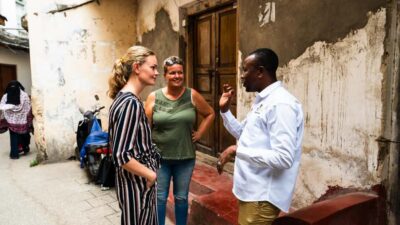
Stone Town Historical Cultural Walking Guided Tour
Read our review →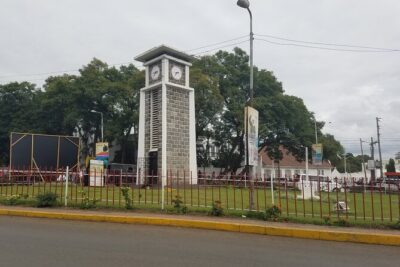
Arusha Guided Walking City Tour, Culture, Lifestyle & History
Read our review →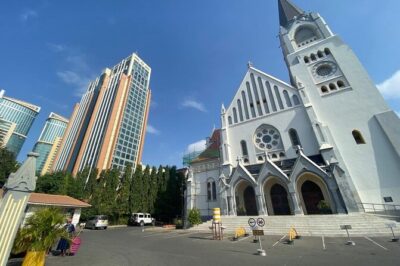

Zanzibar Stone Town Historical Tour and Spice Farm Tour
Read our review →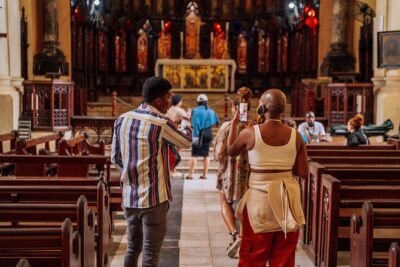
Stone Town Historical and Cultural Walk with Ally Jape
Read our review →
Stonetown Historical Walking Tour & Traditional Lunch
Read our review →
Cultural Walking Tour through Stonetown, a UNESCO World Heritage Site
Read our review →
Browse the lists this tour appears in