
Reviewed · CAMPING SAFARIS
Tanzania 4 Days 3 Nights Budget camping safari to Serengeti and Ngorongoro
Serengeti and Ngorongoro are Tanzania’s headline wildlife destinations, and this four-day trip links them at a price far below most lodge-based safaris. You get long game drives, a chance at the Big Five, and two nights at the Seronera public campsite, right in the middle of the action. The wildlife is the main event, especially if your guide can locate a rhino or the moving wildebeest herds.
I like the practical value here: camping keeps the price to $740 per person, while meals, bottled water, transport, and an English-speaking guide are included. I also like the open-roof 4×4, which gives you a clear view for photographs and makes it easier to spot animals. Guides such as Thomas have shown a sharp eye for distant wildlife, while cooks including Michael, Ely, and Good Luck have handled special diets well.
The trade-off is comfort. The Seronera public campsite may have no electricity, hot water, or much in the way of facilities, and the extra $210 conservation charge raises the real cost to $950 before tips. The schedule also describes crater visits on both days three and four, so confirm the exact overnight plan and crater timing before you pay.
Key points to know before booking
- Two national parks in four days: You visit Serengeti National Park and Ngorongoro Crater, with game drives across both.
- Three nights under canvas: Camping accommodation and meals are included, but public camps can be basic.
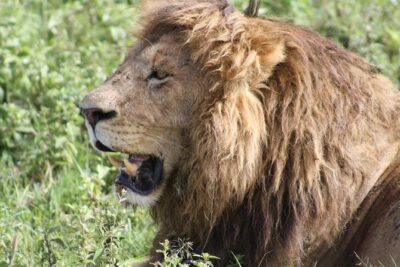
- Big Five potential: Lions, leopards, elephants, buffalo, and rhinos are all listed in the areas visited.
- $210 extra for conservation fees: This is paid in cash on the morning of the tour and is not part of the $740 price.
- Long driving days: Day one takes about 10 hours, day two about 10 hours, day three about 12 hours, and day four about seven hours.
- Strong guiding and cooking: Thomas, Ely, Good Luck, Michael, and Spanish translator Fazeel are among the staff names associated with this experience.
What $740 really buys you in northern Tanzania
At first glance, $740 for four days in Serengeti and Ngorongoro looks like a bargain. It covers three nights of camping, pickup and drop-off in Arusha, a safari Land Rover with a pop-up roof, an English-speaking driver-guide, bottled water, and nine meals: three breakfasts, three lunches, and three dinners.
That is a useful package for a budget safari. You are not paying separately for every meal or arranging park transfers yourself. The vehicle also matters. A safari 4×4 with a raised roof gives you a better view than an ordinary car and lets you stand or sit while scanning the grass for movement.
The important catch is the $210 total conservation charge for Serengeti and Ngorongoro. It is paid in cash on the morning of the tour. Add that to the advertised price and your basic trip cost becomes $950 per person, before tips or extras.
French, Spanish, or German guiding costs an additional $25 per day if arranged in advance. A visit to the Olduvai Gorge museum is also extra. Ask for the complete amount in writing before departure, especially if you need a non-English guide.
This remains a budget trip, but it is not an all-inclusive $740 safari. The value is strongest for someone who wants the parks and wildlife first, and can accept a simple campsite rather than a private room and polished lodge service.
More Budget Safaris in Serengeti
- 4 Days Tanzania Budget Group Join Safari- Serengeti & Ngorongoro
★ 5.0 · 14 reviews - The World’s Most Affordable 5-day Serengeti Budget Camping Safari
★ 5.0 · 11 reviews - Affordable 3-Day Safari to Serengeti & Ngorongoro Crater
★ 5.0 · 8 reviews
Day one: the long road from Arusha to Seronera
Pickup is scheduled for 8:00 a.m. in Arusha. The first day is mostly about reaching Serengeti, with a picnic lunch along the route. Arrival is expected around 3:00 p.m., followed by a game drive toward the Seronera campsite.
This is a full travel day. You should expect roughly 10 hours of driving and wildlife viewing, so do not treat it as a relaxed transfer. The reward comes late in the day, when the first game drive begins inside Serengeti National Park.
Serengeti covers about 14,763 square kilometers, or 5,700 square miles. That scale explains both its power and its challenge. You are entering a huge area, not a compact zoo where sightings are guaranteed around every bend.
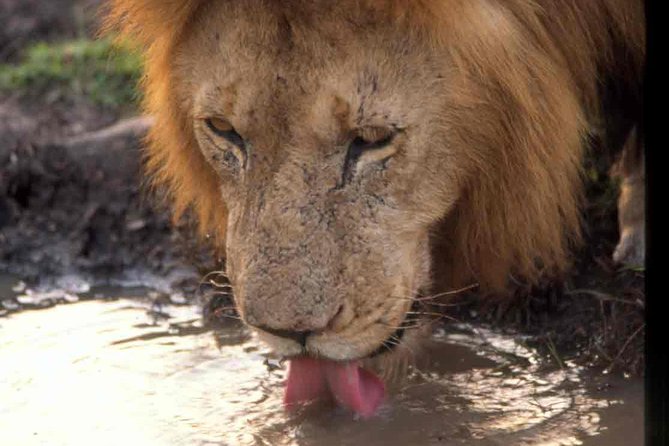
Seronera sits in the central part of the park, an area associated with lions, leopards, cheetahs, hyenas, and other predators. The route can also produce elephants, buffalo, zebra, wildebeest, eland, gazelles, crocodiles, wild dogs, and many bird species.
The guide’s skill matters here. Thomas, for example, has been praised for spotting animals at great distances and locating a rhino. That kind of sharp eyesight is valuable on the open plains, where a small shape on the horizon may be the best sighting of the morning.
Dinner and the first night are at Seronera public campsite. If you want a mid-range or luxury stay instead, an upgrade can be arranged with advance notice. Do not assume that upgrade is included in the listed price.
Day two: a full Serengeti day and the hippo pool
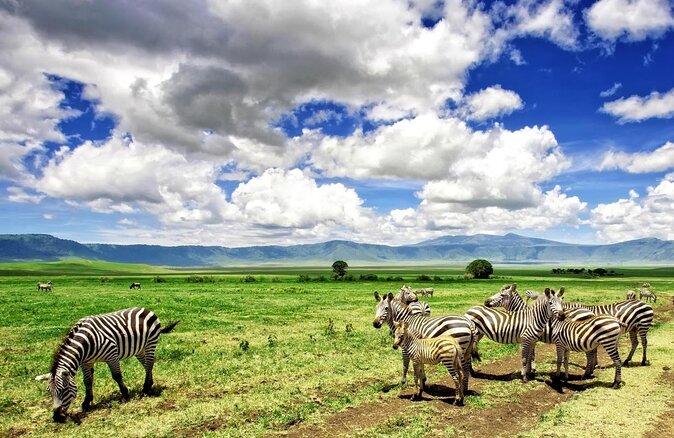
Day two gives you the best chance to settle into the safari rhythm. After breakfast, you take morning and afternoon game drives in Serengeti, with the route shaped by the location of the wildebeest and zebra herds.
The word Serengeti means endless plains in the Maasai language. The name fits. The annual migration moves between the Serengeti and Kenya’s Maasai Mara, and the animals are not parked in one fixed spot for easy viewing. Your guide will use current conditions and local knowledge to search for the herds.
Migration timing is important. The experience is marketed as a migration safari, but no departure date is provided here, and wildlife movements change through the year. If seeing the main herds is your priority, ask exactly where the animals are expected to be during your dates.
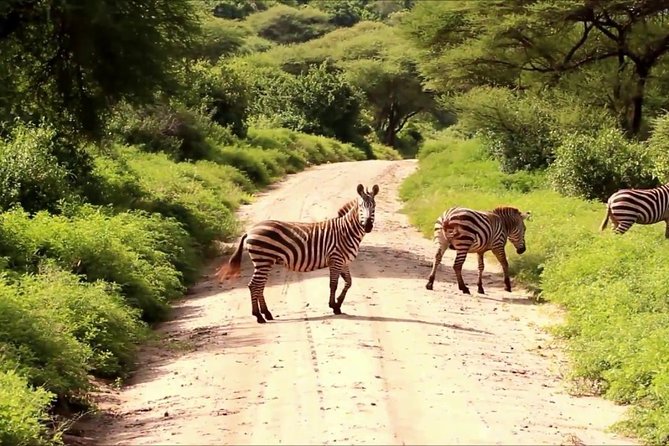
The central Serengeti is also useful for predator sightings. Lions, leopards, cheetahs, and hyenas live among the grazing herds, following the food supply. You might also see giraffes, elephants, buffalo, zebra, and antelope, though no sighting can be promised.
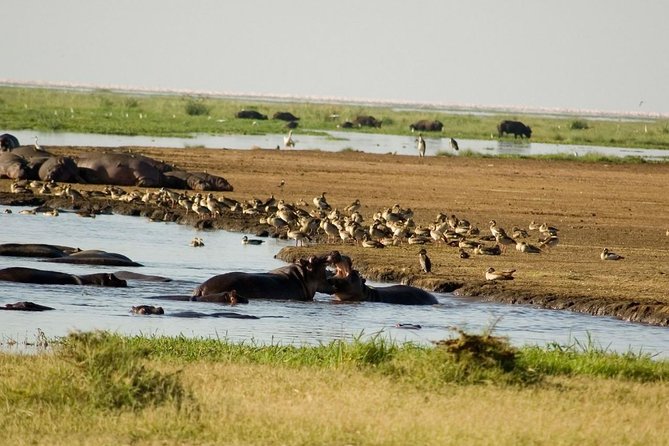
A one-hour stop at the Serengeti Hippo Pool adds variety to the day. Fed by the Seronera River, the pool holds water even during the dry season and is associated with large groups of hippos. The route is most easily reached through the Ikoma entrance, so confirm how this stop fits into your game-drive plan.
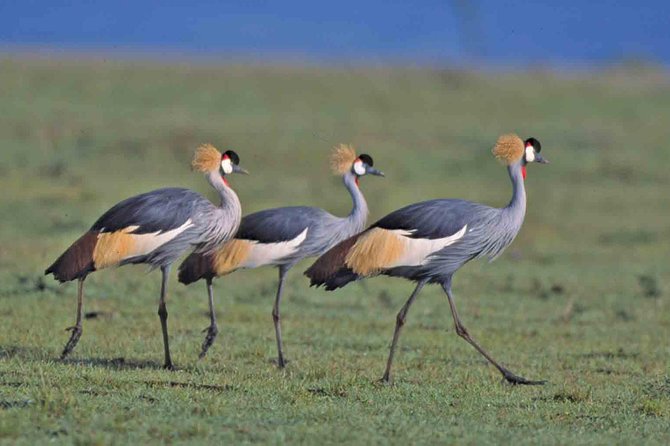
Birdlife is another quiet strength of the park. The listed species include eagles, ducks, geese, egrets, vultures, secretary birds, ibis, storks, herons, kites, pelicans, cranes, and guinea fowl. If you enjoy birds, tell your guide early. A safari can become more rewarding when you allow time for smaller sightings instead of racing only after large mammals.
You return to Seronera public campsite for the second night. This is where expectations matter most. The campsite can lack electricity, hot water, and other comforts. Bring patience, a charged power bank, and a willingness to treat the camp as a place to sleep between game drives, not as a resort.
Day three: leaving Serengeti for the Ngorongoro rim
The schedule begins early, with a 6:00 a.m. game drive in Serengeti. You return to camp at about 9:00 a.m. for breakfast, check out, and continue toward Ngorongoro with lunch and wildlife viewing along the route.
This is listed as a 12-hour day, so you need stamina. The change of scenery is part of the appeal. Serengeti gives you broad open plains and moving herds, while Ngorongoro offers a contained wildlife area inside a vast volcanic caldera.
Ngorongoro Crater is described as the world’s largest unbroken caldera, measuring about 260 square kilometers and reaching roughly 610 meters in depth. Its enclosed setting supports large numbers of mammals and birds, making it one of the most concentrated wildlife areas on this route.
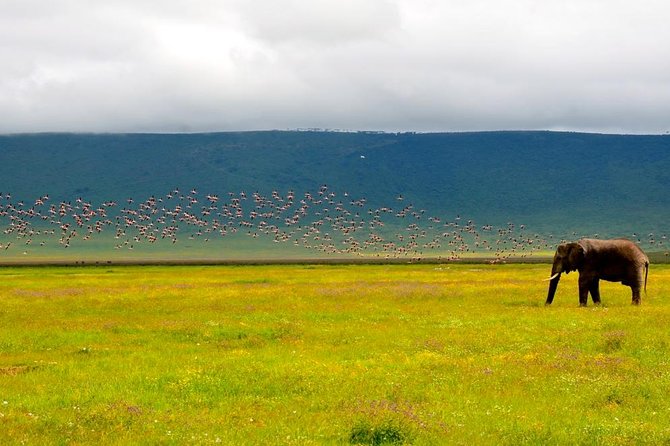
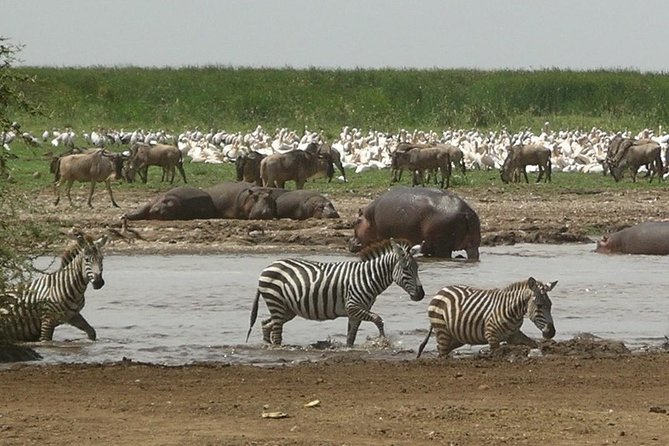
The schedule describes a full day on the crater floor, with possible sightings of lions, hyenas, wildebeest, zebra, black rhinos, and small antelope. It also lists elephants, buffalo, leopards, hippos, and flamingos among the wildlife found in the crater.
The key word is possible. The crater offers strong odds for many species, but wildlife remains wild. A rhino sighting is special, not automatic. Thomas’s reported success in finding one shows what a strong guide can add, but it does not turn nature into a guarantee.
You may also have the option to visit Olduvai Gorge and its museum for an additional fee. The gorge is relevant to the wider story of human origins, but the museum is not part of the stated price. Ask how much time the stop takes and how it affects your game drive.
More Camping Safaris in Serengeti
- 3 Days Serengeti & Ngorongoro Group Camping Safari
★ 5.0 · 574 reviews - 3 Day Serengeti National Park & Ngorongoro Crater Camping Safari
★ 5.0 · 142 reviews - 03 days Serengeti and Ngorongoro Crater group (camping)
★ 5.0 · 75 reviews - 5 Days Serengeti Camping Safari
★ 5.0 · 60 reviews
Day four: the crater floor and return to Arusha
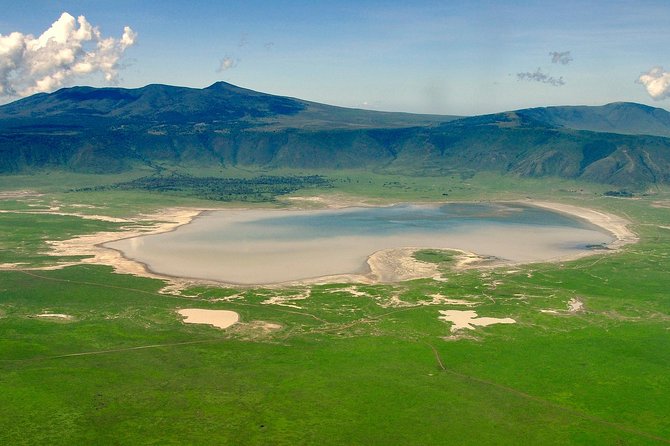
The final day begins with an early breakfast, followed by a 7:30 a.m. drive to Ngorongoro Crater for game viewing. You descend to the crater floor, stop for lunch at the Ngoitoktok Springs picnic site, continue viewing, and later ascend from the crater before being dropped at a hotel or residence in Arusha.
The crater section is one of the most appealing parts of the trip because the day has a clear wildlife focus. The soda lake can attract flamingos, while geese, storks, vultures, and other birds add movement overhead and around the water.
A picnic lunch at Ngoitoktok Springs gives you a break during the drive. The setting may be memorable, but follow the guide’s instructions closely around wildlife. This is still a wild area, not a place for wandering off alone.
There is an apparent overlap in the written schedule: day three describes an extended crater visit and a night near the crater rim, while day four also describes a crater descent. That may reflect a flexible plan or a duplicated description, but you should not leave this unclear. Ask the operator three direct questions: where you sleep on night three, when the crater fee is used, and how many hours you will spend on the crater floor.
The return to Arusha is listed at about seven hours. Drop-off is available at a hotel or residence in town, which is useful if you have onward plans. Still, keep your evening flexible because road and game-drive timing can shift.
Camping, cooking, and the real comfort level
Camping is the reason this trip can reach both Serengeti and Ngorongoro without lodge-level pricing. You sleep three nights in campsites, including two nights at Seronera public campsite according to the schedule.
Public camping means basic facilities. There may be no lights, no hot water, and limited amenities. This is not a minor detail. If you need a comfortable bed, reliable charging, or private bathroom facilities, request a mid-range or luxury upgrade before departure.
The food appears to be a strong part of the operation. Michael is associated with especially good meals, and Ely and Good Luck have prepared food successfully in a camping setting. A vegan meal request has also been accommodated, but you should state dietary needs when booking, not at the campsite.
Three breakfasts, four lunches, and three dinners are listed in the inclusions. The lunch count is generous for a four-day route and fits the long game-drive schedule. Bottled water is also supplied, though the amount is not specified.
The guide and cook may shape your experience as much as the parks do. A careful guide who spots distant animals and respects wildlife rules is worth far more than a flashy vehicle. Spanish-speaking support from Fazeel has also been available on some departures, while other language guides require an added daily fee.
Who will get the most from this safari
I would recommend this trip to you if you want the classic northern Tanzania parks, have a firm budget, and are comfortable with long days in a vehicle. It is especially suitable for couples, independent-minded adults, and first-time safari visitors who would rather spend money on park access than on a lodge room.
It also suits anyone keen on photography. The pop-up roof provides a broad viewing angle, and the open plains offer clear sight lines. Bring patience, because good photographs often come from waiting quietly rather than chasing every sighting.
This is less suitable if you want a soft-paced holiday. The first three days are long, the roads can take up much of the day, and the public campsite is basic. Families or older visitors should think carefully about the early starts and long periods in the vehicle.
A large advertised maximum of 100 participants is worth clarifying. The safari vehicle may carry a smaller group, but the published maximum does not tell you the actual number sharing your 4×4. Ask before booking if group size affects your decision.
Is this $950-plus safari a good deal?
Once the $210 conservation charge is added, the base cost reaches $950 per person. That is still a sensible price for four days covering two major protected areas, camping, meals, transport, and guiding.
The value depends on what you compare it with. Against a lodge safari, it is clearly cheaper. Against a shorter camping trip, it costs more because Serengeti and Ngorongoro require substantial driving and park charges.
I would not judge the price by the number of animals promised. Judge it by the access included: two major parks, a 4×4 with a pop-up roof, three nights of accommodation, a cook, an English-speaking guide, and pickup from Arusha.
Remember the extras. Conservation fees are mandatory at $210, tips are optional, the Olduvai Gorge museum costs more, and a French, Spanish, or German guide adds $25 per day. These are manageable costs, but they should be part of your budget from the start.
Should you book this Serengeti and Ngorongoro trip?
Book it if your priority is wildlife rather than comfort. You get a strong route, real time in Serengeti, a chance to search for rhino and other Big Five animals, and access to Ngorongoro without paying lodge prices.
Before booking, confirm the crater schedule, exact campsite facilities, group size, and the full cost including the $210 conservation fee. If basic public camping sounds miserable, pay for the accommodation upgrade. If it sounds like a fair exchange for more time among Tanzania’s famous wildlife, this is a practical and exciting safari choice.
FAQ
Where does the safari start?
The tour starts in Arusha, Tanzania, with pickup scheduled for 8:00 a.m.
How long does the safari last?
The experience lasts approximately four days and includes three nights of camping accommodation.
Which parks are included?
The route includes Serengeti National Park and the Ngorongoro Crater Conservation Area.
Are park and conservation fees included in the $740 price?
No. A total of $210 for Serengeti and Ngorongoro conservation fees is paid in cash on the morning of the tour.
What accommodation is included?
Three nights of camping accommodation are included. The schedule identifies the Seronera public campsite for two nights. Mid-range or luxury accommodation may be arranged with an advance request.
What meals are provided?
The package includes three breakfasts, four lunches, and three dinners. Bottled water is also included.
What vehicle is used?
Transport is provided in a safari Land Rover 4×4 with a pop-up roof for animal viewing.
Can I request a guide who speaks another language?
French, Spanish, or German guiding can be requested in advance for an extra $25 per day.
Is pickup and drop-off in Arusha included?
Yes. Pickup in Arusha and drop-off at a hotel or residence in Arusha are included.
More Four-Day Trips in Serengeti
- 4 Days Tanzania Lodge Safari With Two Nights at Serengeti
★ 5.0 · 62 reviews - 4 Day Great Migration Safari Serengeti & Ngorongoro Crater
★ 5.0 · 33 reviews - 4 Day Serengeti and Ngorongoro crater
★ 5.0 · 28 reviews - 4 days serengeti & ngorongoro mid range tour
★ 5.0 · 25 reviews
More Safaris in Serengeti
- Serengeti Balloon Safari and authentic bush breakfast
★ 5.0 · 2,480 reviews - Balloon Safari & Bush Breakfast in Serengeti – Miracle Experience
★ 5.0 · 1,646 reviews - Safari Serengeti And Ngorongoro
★ 5.0 · 288 reviews - 3-Day Classic Serengeti Safari
★ 5.0 · 263 reviews
Just added around Serengeti
- Serengeti & Ngorongoro 3 days Fly Safari in from Zanzibar★ 5.0 · 21 reviews
- 3 Days Serengeti National Park from Zanzibar★ 4.5 · 3 reviews
- 4-Day Serengeti, Ngorongoro,Tarangire safari★ 5.0 · 3 reviews
- Serengeti 2-Day Safari from Mwanza★ 5.0 · 16 reviews
- Serengeti Day Trip Tour from Mwanza★ 5.0 · 4 reviews
- Full-Day Serengeti Tour from Mwanza★ 5.0 · 11 reviews
- Discover Our Best Guide for 1-Day Serengeti Safari from Mwanza★ 5.0 · 5 reviews
- Serengeti Day Trip Safari From Mwanza Tanzania★ 5.0 · 7 reviews
Camping Safaris, compared.
3 Day Serengeti National Park & Ngorongoro Crater Camping Safari
Read our review →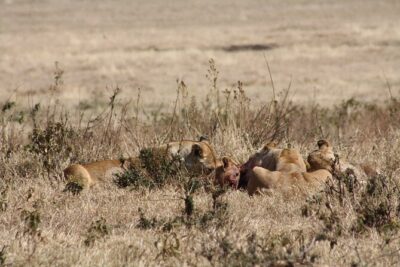
5-Day private Camping Safari Tour in Tanzania
Read our review →
5 Days Camping Tarangire, Serengeti & Ngorongoro crater & Visiting Maasai
Read our review →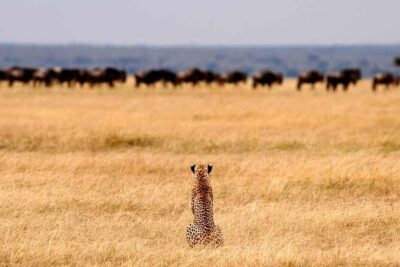
Multi-Day Camping Safari Experience in Arusha
Read our review →
3-Day Tarangire, Ngorongoro and Lake Manyara Camping Safari
Read our review →Browse the lists this tour appears in