
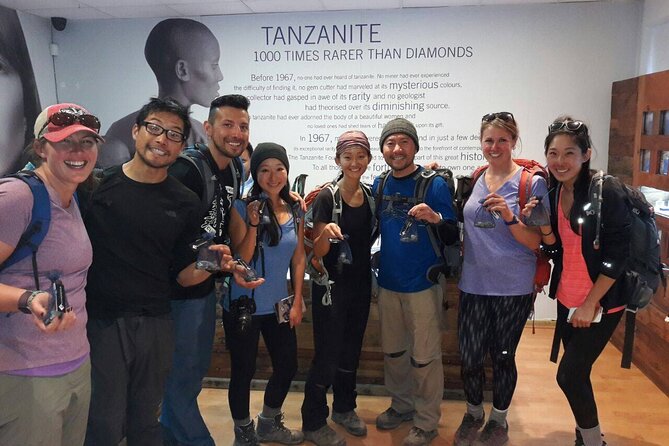
Reviewed · SHOPPING TOURS
Tanzanite experience tour – Tanzanite shopping in Arusha
Tanzanite is found only in Tanzania, so this Arusha outing gives you more than a shopping stop. You get the story behind the blue stone, see a replica mine shaft, and have a chance to buy a certified piece at the source. The museum visit and hotel pickup make the day easy to manage.
I like the chance to shop for more than jewellery. Shanga Foundation offers recycled crafts made by disabled local artisans, while the Cultural Heritage Centre adds African art, ebony carvings, Maasai crafts, and other stones. Guides such as MPembo and Alfred have also helped visitors feel safe while moving around Arusha’s shops.
The main drawback is the wide time range. The outing may last three hours or stretch to eight, depending on how much you shop and how the stops unfold. You should also remember that the $35 price covers the tour, not the cost of any tanzanite, art, or crafts you choose to buy.
Key points at a glance
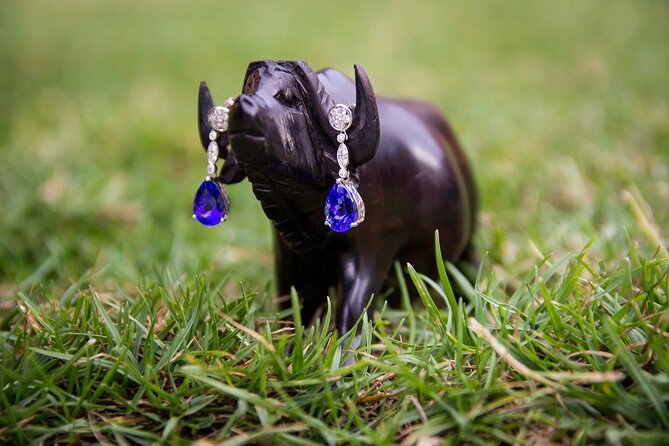
- Tanzanite is the star: Learn how this rare blue stone is mined, cut, polished, graded, and named.
- Certified buying: Tanzanite purchased through the museum comes with a certificate from the Tanzanite Laboratory.
- Three useful stops: The route combines the Tanzanite Experience museum, Shanga Foundation, and Cultural Heritage Centre.
- Private and flexible: The outing is limited to your group, with pickup from your Arusha hotel.
- Good final-day plan: The tour can fill a spare day and may help arrange an airport ride for an extra fee.
- More than shopping: You can see recycled crafts, paintings, African antiques, ebony work, jewellery, and several types of precious stones.
Why tanzanite makes a special Arusha souvenir
Tanzanite has a strong connection to Tanzania. It is mined only in the country, and its blue color makes it easy to remember as a piece of your East African trip. It is also the birthstone for December, which gives the purchase a personal angle if you are shopping for a birthday gift.
The experience presents tanzanite as a scarce stone, often described as far rarer than diamonds. You do not need to accept every sales claim at face value, but the basic point is clear: this is not a stone you can buy as a local souvenir in just any country.
I like that the tour begins with information before shopping. You first learn what the stone is and how it reaches a jewellery counter. That order matters. It gives you a better basis for asking about color, cut, grading, certification, and price.
The tour is also useful if you are uneasy about buying expensive jewellery abroad. Your guide helps you reach established places, and the museum store provides certificates with purchased stones. Still, you should inspect the paperwork, ask questions, and buy only what fits your budget. A guided shopping trip improves confidence, but it does not remove the need to make your own decision.
More market visits in Arusha:
- Arusha: Traditional Tanzania Cooking Class & Food Market Tour
★ 5.0 · 34 reviews - Arusha: Traditional Tanzania Cooking class& Food Market Tour
★ 4.9 · 12 reviews - 24 Hours in Arusha—Arusha Museum, Cultural Heritage, Maasai Market, Shanga
★ 5.0 · 4 reviews
Starting at the Tanzanite Experience museum
Pickup begins at about 9:00 a.m. from your Arusha hotel. The first stop is the Tanzanite Experience museum in central Arusha, with a store attached to the museum.
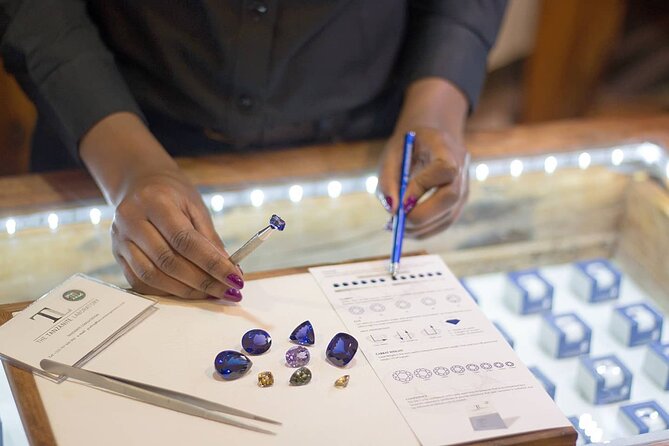
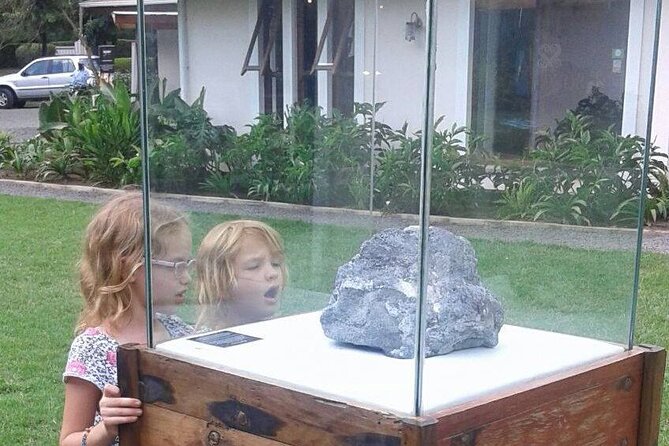
The exhibits explain how tanzanite was created, named, mined, cut, polished, and graded. A replica of a mine shaft helps you picture the working conditions and the route from rough stone to finished jewellery. Visual displays and interactive elements keep the visit from feeling like a simple sales pitch.
This is the most important stop for first-time buyers. You can look at a finished necklace or stone with a better sense of the work behind it. The museum also explains why the stone is unusual and why color, clarity, cut, and size affect the price.
The attached shop offers a chance to buy directly from the source. Every gemstone purchased there comes with a certificate from the Tanzanite Laboratory. That certificate is an important part of the purchase, particularly if you are spending more than you planned.
I would use this stop to set your shopping limits. Decide if you want a loose stone, a ring, a bracelet, or a necklace. If you are buying a gift, think about the recipient before you arrive. A tour like this can make it easy to keep browsing, especially when the stone has a story tied to the country.
Shanga Foundation and useful craft shopping
The next stop is Shanga Foundation, a workshop and craft store where disabled local artisans produce items for sale. The work includes glassware, beads, paintings, fabrics, beaded jewellery, and cloth made from recycled materials.
The setting has some memorable details. Walls made from recycled wine bottles catch and soften the light, and the bottles make a gentle sound when moved. Reused men’s shirts become stuffed elephants, while other materials are turned into household decorations and gifts.
I like this stop because it gives your shopping a direct human connection. You are not only looking at a shelf of souvenirs. You can see the kind of work made by the artisans and learn how recycled materials become useful objects.
Shanga also gives you another chance to order tanzanite jewellery, including bracelets and necklaces. That makes it worth comparing prices, designs, and certificates with the museum purchase. You do not need to buy at the first stop, and a little patience can help you decide what feels right.
This is a good place for smaller gifts. Jewellery, fabrics, painted pieces, and recycled decorations are easier to pack than large carvings or framed art. Prices are not supplied in advance, so ask clearly before agreeing to a purchase.
Cultural Heritage Centre near Arusha
The final major stop is the Cultural Heritage Centre on the outskirts of Arusha. It combines curio shops, a jewellery boutique, a tanzanite and precious-stone counter, an art gallery, a restaurant, and a bargain center.
The selection is broad. You might find Maasai crafts, ebony carvings, paintings, antiques, ornaments, jewellery, and stones such as rubies, emeralds, tsavorite, diamonds, sapphires, and opals. This is the place to compare tanzanite with other Tanzanian and African stones instead of focusing on one purchase from the start.
The art gallery includes contemporary painting and sculpture by African artists, along with antiques from across the continent. Expert assistants are available to help with art and antique purchases. If you are considering something large or costly, take your time and ask about the item before buying.
The center also has a restaurant serving traditional African dishes and hummus. That gives the stop a practical use beyond shopping. After several stores, a meal and a pause can make the rest of the outing more enjoyable.
The drawback is choice overload. The Cultural Heritage Centre offers so many categories that you may need to keep your priorities in mind. If you want only one small tanzanite souvenir, set a budget and avoid buying simply because the selection is large.
A few more Arusha trips worth comparing
- Tanzania Classic – 7 Days
★ 5.0 · 1,151 reviews - 4 Days Group Camping Safari
★ 5.0 · 1,101 reviews - 5 Days Group Camping Safari
★ 5.0 · 730 reviews - 7-Day Premium Luxury Tanzania Safari All-Inclusive
★ 5.0 · 426 reviews
How the private format changes the day
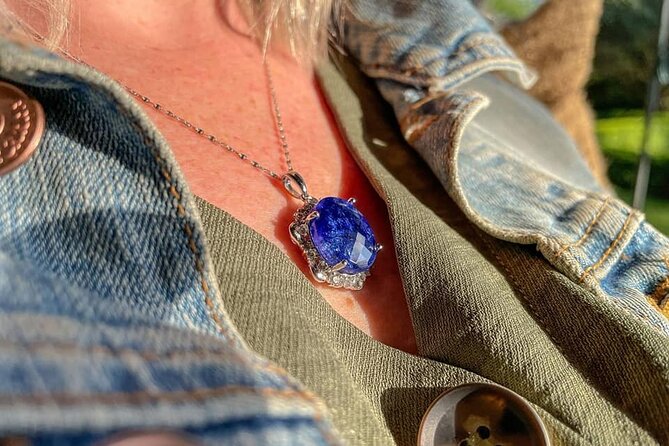
This experience is limited to your group, rather than built around a large shared coach. That makes a real difference on a shopping day. You can spend more time at a stop that interests you and less time at one that does not.
The guide also helps connect the three places. Instead of finding the museum, craft center, and Cultural Heritage Centre on your own, you have one pickup and one planned outing. That is especially useful if you have only a day in Arusha or do not want to negotiate local transport between shops.
MPembo is named as a driver and guide who helped make a last day useful by combining shopping with transport. Alfred is also praised for making it easier to move around Arusha and shop with confidence. The experience provider is Africa Pathways Expeditions.
The tour can also work as a practical final-day plan. One visitor used it on the last day in Tanzania and arranged an airport ride for an extra fee. Airport transportation is not included in the $35 price, so you should confirm the extra cost and timing before relying on that option.
What the $35 price really buys you
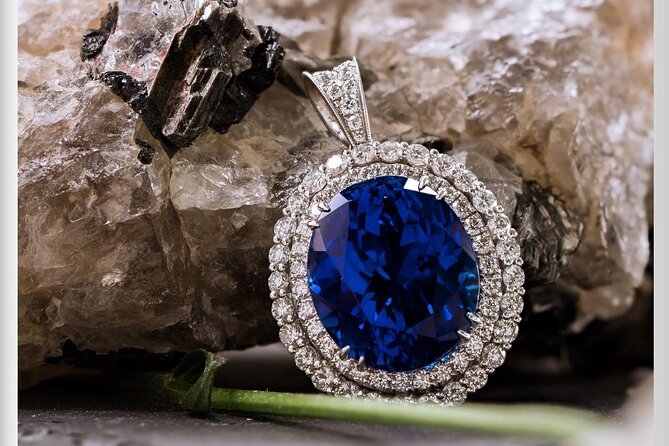
At $35 per person, the value is strongest if you want transport, a guide, and several shopping stops in one package. Hotel pickup removes the need to arrange separate taxis, and the private format gives you more control than a large group outing.
The price does not include your purchases. Tanzanite, jewellery, art, carvings, and crafts are separate costs, and some pieces may be expensive. Think of the tour price as payment for access, transport, explanation, and shopping support, not as a package that includes a souvenir.
The duration is listed as roughly three to eight hours. That is a very large range, so ask your guide how much time you should allow. A short version may suit someone with an afternoon flight, while a longer visit is better if you want to compare jewellery, browse art, eat at the center, and shop for gifts.
The published rating is 4.9 from 12 reviews, with 100 percent recommending the experience. That is a small sample, so I would treat it as encouraging rather than conclusive. The strongest practical theme is confidence: a driver and guide can make Arusha shopping simpler, especially when you are unsure where to buy stones.
Who should book this Arusha shopping tour?
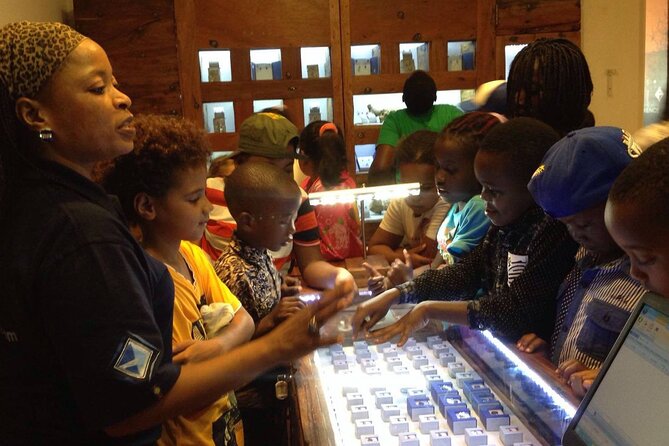
I would recommend it to anyone who wants a tanzanite souvenir but does not know how to shop for one safely. It also suits couples, families, and small private groups that want crafts and art along with jewellery.
It is a good choice for your final day if you need a structured activity after a safari or before an evening departure. The possible airport transfer can add value, though you must arrange and pay for it separately.
You may want to skip it if shopping is not part of your trip. The schedule focuses heavily on stores, galleries, and buying opportunities. It is not a wildlife outing or a general city tour, and the length may feel excessive if you plan to make only one quick purchase.
Bring a clear budget and decide what kind of souvenir you want before pickup. If you are interested in tanzanite, keep the certificate and sales documents with the stone. If you prefer local crafts, save room for recycled work from Shanga Foundation and smaller pieces from the Cultural Heritage Centre.
Practical details before you go
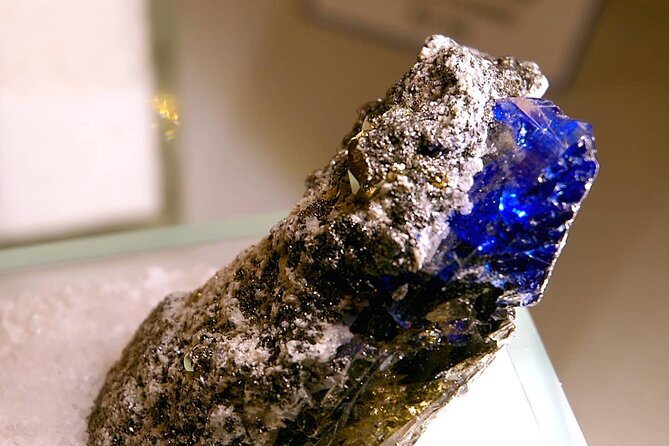
Pickup is offered from your Arusha hotel, and the listed start time is 9:00 a.m. The experience uses a mobile ticket, and confirmation is provided when you book. Most people can participate.
The outing requires good weather. If poor weather causes cancellation, you can choose another date or receive a full refund. You can cancel for a full refund up to 24 hours before the local start time. Changes or cancellations inside that 24-hour window are not accepted.
Because the end time can vary, do not plan a tight connection unless the guide confirms the schedule. If you hope to add an airport ride, discuss the timing and extra fee at the start of the day.
Should you book the Tanzanite Experience tour?
Book it if you want a guided, low-stress way to shop for certified tanzanite and compare it with Tanzanian crafts, African art, and other stones. The museum gives the purchase context, Shanga Foundation adds a meaningful craft stop, and the Cultural Heritage Centre provides the widest range.
The $35 cost is reasonable for private pickup and a flexible shopping route, but the real expense begins when you buy. I would choose this tour for a last day in Arusha, a first tanzanite purchase, or a small group that values help getting around town. If you dislike shopping or have a strict departure time, choose a shorter plan and confirm the schedule before booking.
FAQ
Where does the Tanzanite Experience tour take place?
The experience takes place in Arusha, Tanzania. It includes the Tanzanite Experience museum in central Arusha, Shanga Foundation, and the Cultural Heritage Centre on the outskirts of the city.
What time does the tour start?
The listed start time is 9:00 a.m.
How long does the experience last?
The experience lasts approximately 3 to 8 hours. The final length can depend on the shopping and time spent at each stop.
Is hotel pickup included?
Yes. Round-trip transfers from your Arusha hotel are included.
Is the tour private?
Yes. The experience is limited to your group.
Can I buy certified tanzanite?
Yes. Tanzanite purchased through the museum store is accompanied by a certificate from the Tanzanite Laboratory.
What else can I buy besides tanzanite?
You can shop for jewellery, Maasai crafts, paintings, ebony carvings, African antiques, recycled crafts, and other precious or semi-precious stones.
Does the tour include airport transportation?
Airport transportation is not included in the stated price. An airport ride may be available for an extra fee, so you should confirm the cost and timing.
How much does the experience cost?
The listed price is $35 per person. Purchases of tanzanite, jewellery, crafts, food, art, and other items are separate.
Can I cancel for a full refund?
Yes. You can cancel at least 24 hours before the local start time for a full refund. Cancellations or changes made less than 24 hours in advance are not accepted.
Just added around Arusha
- From Arusha: 11 days The Classics Northern Tanzania safari★ 5.0 · 11 reviews
- 6-Day Mount Meru Climb through Momella Route Guided Tour★ 5.0 · 5 reviews
- Private Day Trip to Arusha National Park with a Walking Safari★ 5.0 · 4 reviews
- From Arusha : 11-day Amazing North Tanzania safari tour★ 5.0 · 4 reviews
- Walking Day Tour to Safari in Arusha National Park★ 5.0 · 5 reviews
- 2 Days Tanzania Midrange Group Join Safari★ 5.0 · 7 reviews
- Best 5 Days Tanzania Private Luxury Safari with luxury Lodges★ 5.0 · 12 reviews
- Waterfall & Coffee Walking Tour★ 5.0 · 6 reviews
Shopping Tours, compared.

Stone Town Guided Tour: Culture, Slave Market & Spice Market
Read our review →
Traditional Tanzania Cooking Class & Food Market Tour
Read our review →
Private Market Tour and Tanzanian Cooking Class in Moshi
Read our review →
Stone Town walking tour, shopping, history and culture
Read our review →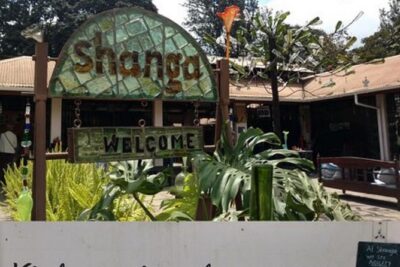
24 Hours in Arusha—Arusha Museum, Cultural Heritage, Maasai Market, Shanga
Read our review →
Full-Day Moshi Private Forest Walk and Local Market Tour
Read our review →Browse the lists this tour appears in