
Reviewed · CAMPING SAFARIS
Best Of Six Days Safari Camping safari
The great draw here is the chance to follow the wildebeest calving migration through southern and central Serengeti, then pair it with the extraordinary wildlife concentration of Ngorongoro Crater. You also get Tarangire’s elephants and baobabs, plus Lake Manyara’s birdlife, in one compact six-day route.
I like the small group limit of six, which should make the safari vehicle more manageable, and I like the practical package: park fees, airport transfers, five breakfasts, five lunches, four dinners, and drinking water are included. The main drawback is the pace. Several days involve long drives and early starts, while two nights use budget camping rather than lodge comfort.
Key things to know before booking
- Calving-season focus: The route is designed around the Ndutu area and southern and central Serengeti, where wildebeest are usually concentrated during calving.
- Four major wildlife areas: You visit Tarangire, Serengeti National Park, Ngorongoro Crater, and Lake Manyara.
- Small group format: A maximum of six people can join the safari.
- Camping in the Serengeti: Two nights are listed as budget camping, while Jambo Lodge is used in Tarangire.
- Helpful coordination: Raymond Ayo is identified in the trip feedback as a quick and accommodating contact, including help with an invitation letter for a visa application.
- Flexible cancellation: You can receive a full refund if you cancel at least 24 hours before the start time.
Why this safari works for migration season
This is not simply a general wildlife circuit with a passing mention of the migration. The route is built to spend time in the areas tied to calving, especially Ndutu and the southern Serengeti, then continue toward the central Serengeti.
That matters because the migration changes location through the year. A safari aimed at calving season gives you a better reason to visit the southern plains than a standard northern circuit would. You may see large groups of wildebeest, young calves, zebra, predators, and the constant movement that makes this part of Tanzania so memorable.
The timing of nature is never guaranteed, so I would not book this expecting a specific birth, chase, or river crossing. Still, the route gives you a sound chance to see the migration in the area where it is usually active during calving. The itinerary also leaves two full Serengeti days, which is useful. More time in one park generally gives your guide more room to search instead of treating the Serengeti as a quick stop between destinations.
The group limit of six is another practical strength. A smaller vehicle group can make it easier to ask questions, share viewing time, and avoid the crowded feel that can come with a packed safari vehicle. The exact vehicle setup and whether the group is shared should be confirmed before payment, but the stated maximum is reassuring.
More Camping Safaris in Arusha
- 4 Days Group Camping Safari
★ 5.0 · 1,101 reviews - 5 Days Group Camping Safari
★ 5.0 · 730 reviews - 6 Days Tanzania Budget Camping Safari
★ 5.0 · 145 reviews
Day 1 in Arusha: a useful arrival night
The first day is based in Arusha, with pickup by a member of Serengeti Landmark Tours, a drive into town, and a briefing about the safari ahead. This is a quiet start rather than a sightseeing day.
That extra night has real value if you are arriving from another country or connecting through an airport. You can collect yourself, sort your bags, and hear the plan before the long road days begin. The package also includes airport pickup and drop-off, which removes one of the more annoying first-day tasks.
Raymond Ayo is the named contact associated with the arrangements. Past communication has included quick replies and help with practical matters such as a visa invitation letter. I would still confirm your pickup time, hotel name, and airport details directly before arrival.
The first listed day runs about eight hours, although the description is mainly about arrival and briefing. Ask for a clear schedule so you know how much of the day is transport and how much is free time.
Day 2 at Tarangire: elephants, baobabs, and a busy first game drive
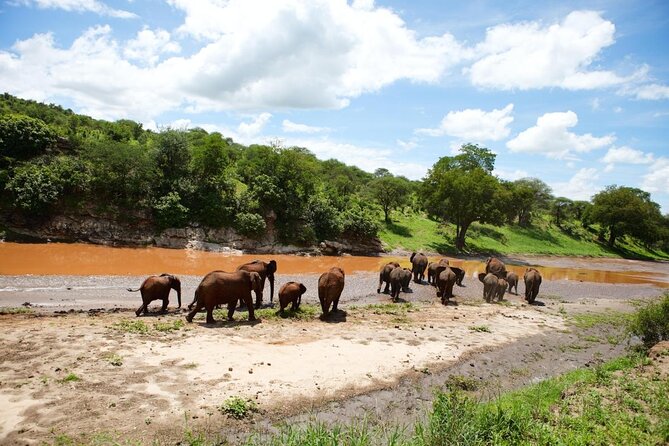
After breakfast, you leave for Tarangire National Park. The park is especially known for large elephant herds, baobab trees, zebra, giraffe, and the possibility of seeing lions that climb trees. The Tarangire River provides year-round water and becomes especially important in the dry season.
I like Tarangire as an opening park because it offers a different feel from the Serengeti. The baobabs give the route a distinctive look, and the river helps draw animals into a relatively focused area. The park can also produce a broad first look at Tanzania’s wildlife, including the possibility of seeing the Big Five.
Your accommodation is listed as Jambo Lodge. That gives this night a more settled feel before the two camping nights in the Serengeti. Dinner and breakfast are included in the overall package, while lunch is also included during the safari.
The day is listed at about eight hours. That includes the drive and game viewing, so expect a full day rather than a gentle introduction. Keep your camera ready, but do not judge the whole safari by the first park. Tarangire is important, yet the main purpose of this trip is still the migration areas farther west.
Days 3 and 4 in the Serengeti: the heart of the trip
After breakfast, you head toward Serengeti National Park with a picnic lunch. The route includes game viewing around Ngorongoro and a later game drive in the Serengeti, according to the planned schedule.
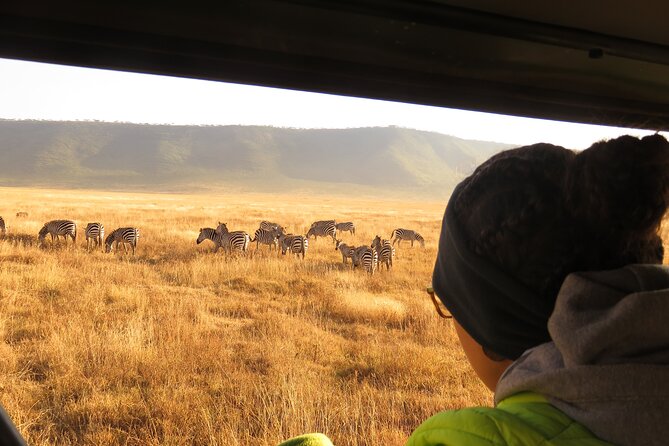
The Serengeti is where the safari earns its price. Its open plains support vast herds of wildebeest and zebra, along with the predators that follow them. During calving season, the spectacle is not only about numbers. It is about seeing very young animals, herd movement, territorial behavior, and the pressure that comes with so much life gathered in one place.
You have two Serengeti days, both listed at roughly eight hours. That is helpful because wildlife does not follow a timetable. One morning might bring a close herd of zebra, while another might be better for scanning the plains or watching predators. The descriptions refer to wildebeest births and the wider migration cycle, but no operator can promise a particular sighting.
The accommodation for both nights is budget camping. That is the biggest comfort consideration in the itinerary. Camping can keep the price down and place you closer to the park experience, but it is not the right choice if you need lodge-style comfort every night. Ask exactly what is supplied at camp, including bedding, bathroom arrangements, and tent setup. Those details are not specified here.
The food plan covers five breakfasts, five lunches, and four dinners. Picnic lunches are part of the driving days, which is standard for a route that spends long hours inside or between parks. Bring patience for rough roads and long stretches in the vehicle. The payoff is time in the Serengeti rather than a quick drive-through visit.
The trip feedback places emphasis on the guides as well as the wildlife. Mud, Rhinocent, and Raymond are names connected with past safari arrangements. Their roles may vary, so confirm who will guide your departure. A good guide matters greatly here because animal sightings depend not only on luck but also on careful searching and clear explanations.
More Safaris in Arusha
- 7-Day Premium Luxury Tanzania Safari All-Inclusive
★ 5.0 · 426 reviews - 8 Days Great Wildebeest Calving Migration Safari from Arusha
★ 5.0 · 254 reviews - Group Safari 7 Days in Tanzania’s Main Parks
★ 5.0 · 240 reviews - Tanzania Simba Safari – 5 Days
★ 5.0 · 217 reviews
Day 5 at Ngorongoro Crater: a concentrated wildlife day
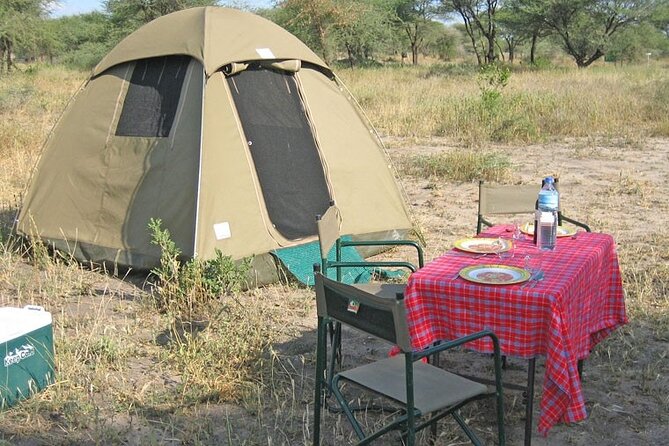
You leave early for Ngorongoro Crater and take a game drive inside the caldera. The crater is a UNESCO World Heritage Site and is described as a place where you may see all of the Big Five.
The appeal is concentration. Instead of searching across huge open distances, you spend time in a contained natural area with a strong chance of seeing a broad mix of animals. The steep crater walls and highland setting also create a dramatic change from the wide Serengeti plains.
This is another early and fairly long day, listed at seven hours. The morning departure is useful for wildlife viewing, but it means you should be ready to leave soon after breakfast. Ngorongoro is not just a photo stop. The crater floor deserves patient game viewing, and the roads can make the day feel longer than the clock suggests.
One point needs clarification before you book. The Day 3 and Day 4 descriptions also mention game viewing en route in Ngorongoro, while Day 5 is the dedicated crater visit. Ask the operator to explain the exact route and whether any Ngorongoro viewing occurs before the main crater day. This is a sensible question, not a reason to reject the safari.
Day 6 at Lake Manyara: birds, water, and the Rift Valley wall
The final park is Lake Manyara National Park. The lake covers about two thirds of the park, while the wall of the Great Rift Valley rises behind it. The park is known for a compact game-viewing circuit and more than 400 bird species, including pink-hued flamingos.
Manyara changes the rhythm again. After the wide plains and crater floor, you get water, forested areas, and a stronger focus on birds. It is a useful final stop for anyone who enjoys variety rather than four days of similar savanna viewing.
The day is listed at about seven hours, followed by the drive back to town in the evening. That makes this a full closing day, not a short morning excursion before an early flight. Do not schedule a tight onward connection unless you have confirmed the return time with the operator.
Lake Manyara is not presented as the main Big Five stop on this itinerary. Its appeal is the mix of scenery, birdlife, and a compact park route. If flamingos and bird photography matter to you, bring the right lens and keep some attention on the water and trees, not only on large mammals.
What the $1,190 price includes
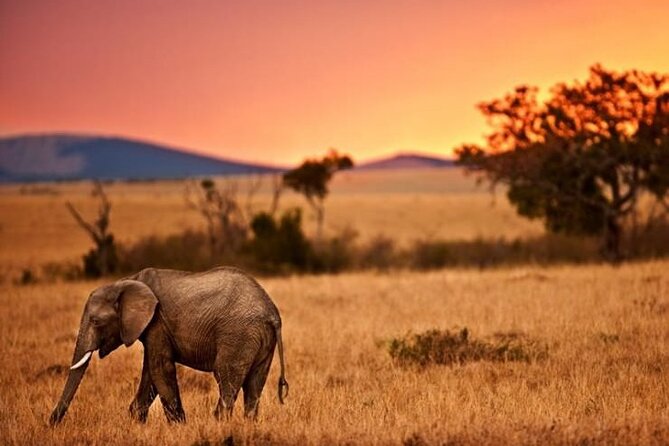
At $1,190 per person, this safari offers solid value for a six-day route that covers four notable protected areas and includes two nights in the Serengeti. The price also includes park and entry fees, airport transfers, unlimited drinking water, and the listed meals.
Those inclusions matter. Park fees can form a large part of an East African safari budget, and airport transfers are useful when you are arriving without local transport. The package also removes the need to buy lunch during the five included lunch days.
The price does not include tips, alcoholic drinks, or a visa. Set aside money for gratuities, and confirm the visa requirements for your nationality before flying. The safari is not all-inclusive in the resort sense, but the major operating costs are covered.
The value depends on your comfort expectations. If you want private lodges, more polished accommodation, and fewer long road days, this may feel basic. If you want the major parks, a small group, calving-season focus, and camping that keeps the price under control, the package is easier to justify.
Who will enjoy this route most
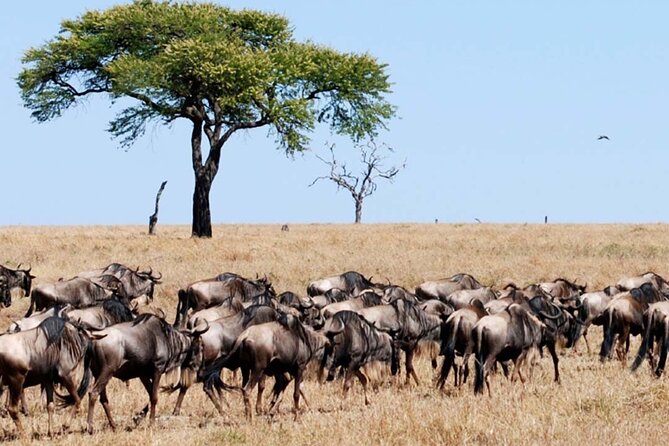
I would recommend this safari to you if wildlife is the priority and you are comfortable with early mornings, long drives, picnic lunches, and budget camping. It suits first-time visitors who want several of Tanzania’s best-known parks without planning separate transport and park fees.
It is also a good fit for siblings, friends, or couples who value direct communication and practical help before departure. Past arrangements include families traveling together, and the company contact has been praised for being responsive and accommodating.
You should think twice if you need a slow schedule or high-end lodging every night. The route covers a lot of ground in six days, and the Serengeti camping nights will not match a luxury safari camp. Also ask for the exact camping setup, guide assignment, and day-by-day route before booking.
The small maximum of six helps, but the trip is still shared unless you arrange otherwise. If you want control over stops, departure times, and vehicle space, ask about a private option and any added cost.
Practical details before you reserve
Confirmation is provided at booking, and pickup is available. The activity is near public transportation, although much of the safari itself takes place by road between national parks.
Most people can participate, but the schedule is active. You should be prepared for long vehicle days, early departures, and camping. Bring a soft-sided bag if the operator recommends one, but the supplied information does not state a luggage limit, so ask before you arrive.
The cancellation terms are straightforward: cancel at least 24 hours before the local start time for a full refund. Cancellations or changes made inside that 24-hour window are not refunded or accepted.
Should you book this six-day safari?
Book it if your main goal is to see Tanzania’s wildlife in a focused, budget-conscious route, especially during the wildebeest calving period. The strongest reasons are the southern and central Serengeti focus, two Serengeti nights, a group limit of six, and the inclusion of major park fees and meals.
Do not book it expecting a luxury holiday or a perfectly relaxed timetable. Confirm the camping arrangements, exact Ngorongoro routing, guide name, airport schedule, and whether the safari is shared before paying. With those points clear, this is a practical way to combine the Serengeti migration with Tarangire, Ngorongoro Crater, and Lake Manyara in less than a week.
FAQ
How long is the safari?
The safari lasts approximately six days.
Where does the safari begin?
It begins in Arusha, Tanzania, with pickup and a briefing before the park visits.
Which national parks are included?
The route includes Tarangire National Park, Serengeti National Park, Ngorongoro Crater, and Lake Manyara National Park.
Is camping included?
Two nights in the Serengeti are listed as budget camping. The Tarangire accommodation is Jambo Lodge.
What meals are included?
The package includes five breakfasts, five lunches, and four dinners.
Is airport pickup included?
Yes. Airport pickup and drop-off are included.
How many people can join the safari?
The activity has a maximum group size of six people.
What is not included in the price?
Tips, alcoholic drinks, and visas are not included.
Can I cancel for a full refund?
Yes, if you cancel at least 24 hours before the experience start time. Changes or cancellations made less than 24 hours in advance are not accepted or refunded.
More Six-Day Trips in Arusha
- Tanzania Wildlife Encounters – 6 Days
★ 5.0 · 277 reviews - 6 Days Private Budget Safari
★ 5.0 · 163 reviews - Tanzania Enticing Explorations – 6 Days
★ 5.0 · 106 reviews - 6 days Tanzania budget safari
★ 5.0 · 65 reviews
Just added around Arusha
- From Arusha: 11 days The Classics Northern Tanzania safari★ 5.0 · 11 reviews
- 6-Day Mount Meru Climb through Momella Route Guided Tour★ 5.0 · 5 reviews
- Private Day Trip to Arusha National Park with a Walking Safari★ 5.0 · 4 reviews
- From Arusha : 11-day Amazing North Tanzania safari tour★ 5.0 · 4 reviews
- Walking Day Tour to Safari in Arusha National Park★ 5.0 · 5 reviews
- 2 Days Tanzania Midrange Group Join Safari★ 5.0 · 7 reviews
- Best 5 Days Tanzania Private Luxury Safari with luxury Lodges★ 5.0 · 12 reviews
- Waterfall & Coffee Walking Tour★ 5.0 · 6 reviews
Camping Safaris, compared.
3 Day Serengeti National Park & Ngorongoro Crater Camping Safari
Read our review →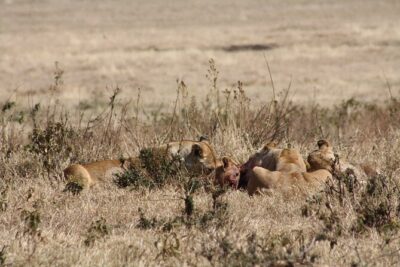
5-Day private Camping Safari Tour in Tanzania
Read our review →
5 Days Camping Tarangire, Serengeti & Ngorongoro crater & Visiting Maasai
Read our review →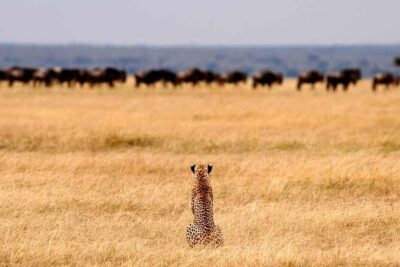
Multi-Day Camping Safari Experience in Arusha
Read our review →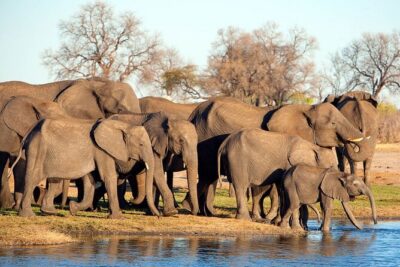
3-Day Tarangire, Ngorongoro and Lake Manyara Camping Safari
Read our review →Browse the lists this tour appears in