
Reviewed · CAMPING SAFARIS
7-Day Group Camping Tarangire/Serengeti/Ngorongoro/lake Manyara
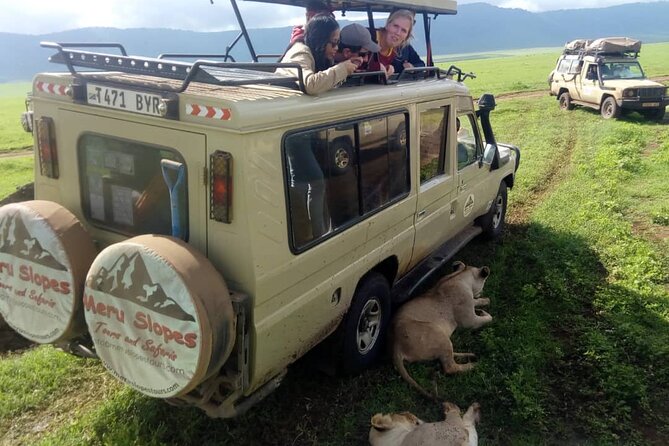
The main draw is simple: this is a full northern Tanzania circuit with enough time for the Serengeti to become more than a quick drive-through. You get Tarangire’s elephants and baobabs, several days in migration country, a crater-floor game drive, and a final stop at Lake Manyara.
I like the included airport transfers, two Arusha hotel nights, and three meals each day. I also like the small-group setup described for some departures, since guide attention matters when you are trying to find a leopard or follow a moving herd. The main caution is that the schedule is long, with several early breakfasts, rough park roads, and many hours in the vehicle.
Key points to know before booking
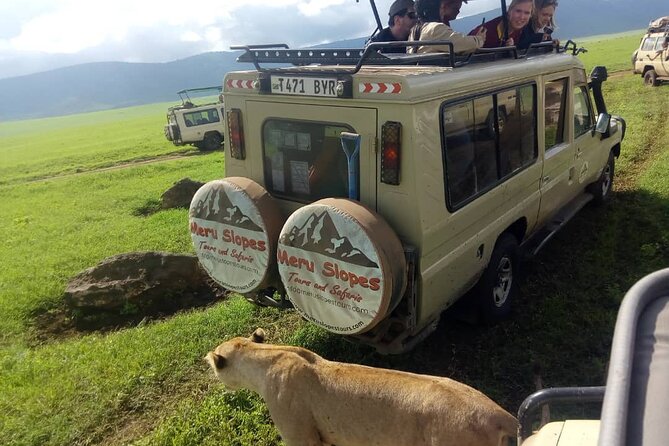
- Four major safari areas in seven days: Tarangire, Serengeti, Ngorongoro Crater, and Lake Manyara each offer a different type of wildlife viewing.
- Three full days in the Serengeti: This gives you a better chance of seeing predators, plains animals, and migration activity than a single overnight stop.
- Migration timing needs careful checking: The trip is promoted for October to December, yet the strongest chance of Mara River crossings is described as July to October, while calving is usually January to March.
- Camping is part of the value: Meals and campsite stays are included, but this is not a lodge-based safari.
- A strong guide can shape the whole week: Drivers named in past departures include Mohamed, Nuru, Jacob, and Fredy, with guides praised for animal spotting and route decisions.
- Confirm the group format: The package is described as a group safari, while the booking details also call it private. Ask before paying.
Why this seven-day route works
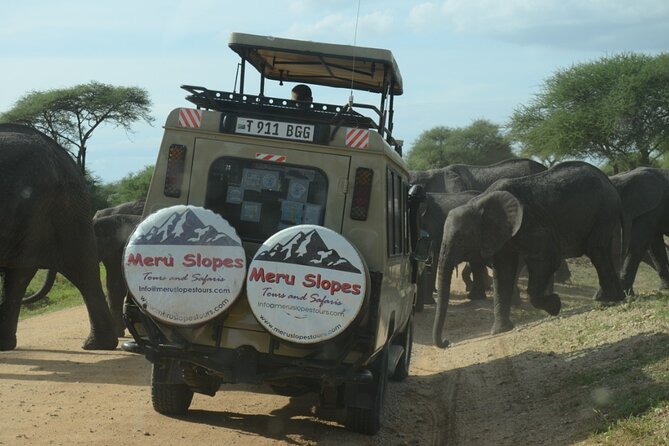
At $1,790 per person, the trip includes a great deal: park and activity fees, airport transfers in both directions, two nights in Arusha, a 4×4 safari jeep with a pop-up roof, and seven breakfasts, lunches, and dinners. That makes the price attractive for a week that covers four major wildlife areas.
The value comes from the time in the parks. A shorter safari may reach the Serengeti, but spend much of its schedule getting there and back. Here, you have three listed days in the Serengeti, including a central Serengeti evening, a northern Serengeti push, and a final game drive while heading toward Ngorongoro.
You should still read the price as a camping-safari price, not a luxury lodge price. The vehicle is described as an extended luxury safari jeep, but your nights are in campsites apart from the two Arusha hotel nights and a listed lodge night near Tarangire and after the crater. The basic camping style keeps the cost down and puts more of your budget into park time.
There is one important wording issue to settle before booking. The tour is presented as group camping, yet the additional information says the activity is private and only your group will participate. Past departures included a couple and a solo participant sharing the vehicle, while other descriptions refer to private arrangements. Ask how many people will be in your vehicle, whether the departure is guaranteed, and where the campsite nights will be.
More Camping Safaris in Tarangire
- 5 Days Camping Tarangire, Serengeti & Ngorongoro crater & Visiting Maasai
★ 5.0 · 229 reviews - 2 Days Tarangire and Ngorongoro Group Camping Safari
★ 5.0 · 146 reviews - 3 Days Tarangire, Ngorongoro & Lake Manyara Group Camping Safari
★ 5.0 · 102 reviews
Day 1: Tarangire’s elephants and baobab country
Pickup from your Arusha hotel is scheduled around 8:00 a.m., followed by roughly a three-hour drive to Tarangire National Park. The park lies about 115 kilometers from Arusha and covers about 2,800 square kilometers, so the day is not just a quick stop at the gate.
Tarangire is a good first park because it has a clear visual identity. The Tarangire River draws wildlife, and the park is known for large elephant numbers, baobab trees, and pythons that climb trees. You may also see lions, leopards, and other plains animals during the full-day game drive.
I like the way Tarangire eases you into safari life. The baobabs give the views a strong sense of place, while the river helps explain why animals gather here. The tradeoff is the long first day: after the drive from Arusha and a full game drive, you continue to Jambo Lodge for dinner and the night.
The itinerary repeats Tarangire in its day-one description, so confirm the exact overnight arrangement and whether the lodge is included as written. You should also expect the first day to set the rhythm for the rest of the trip: early starts, long drives, and wildlife watching from the vehicle rather than a relaxed hotel schedule.
Day 2: The long road into central Serengeti
After breakfast, you pack your luggage into the jeep and travel toward the Serengeti with lunch carried in the vehicle. The route includes views toward the Rift Valley and Ngorongoro Crater, and the planned arrival in the Serengeti is around 3:00 p.m.
That timing matters. You will not have a full day in the Serengeti yet, but you should get an evening game drive in central Serengeti, including sunset viewing, before dinner and a night at Seronera campsite inside the park.
This is a substantial transfer day, listed at about 10 hours. I would treat it as a wildlife day with a lot of driving, not as a restful move between hotels. Keep your camera, water, and anything you need during the day close at hand rather than buried in your luggage.
Central Serengeti is the practical heart of the route. From here, the guide can make decisions about where to look for animals and how far north to push the next day. A capable driver matters greatly in a place this large. Mohamed is specifically praised for getting into position before other vehicles arrived, while Jacob is described as having an excellent eye for animals.
Those names may not be your assigned crew, so consider them examples rather than guarantees. The useful point is that guide skill is central to the experience. A safari guide is not only driving. The guide chooses routes, watches animal behavior, manages time, and helps you understand what you are seeing.
Days 3 and 4: Two chances to follow the migration
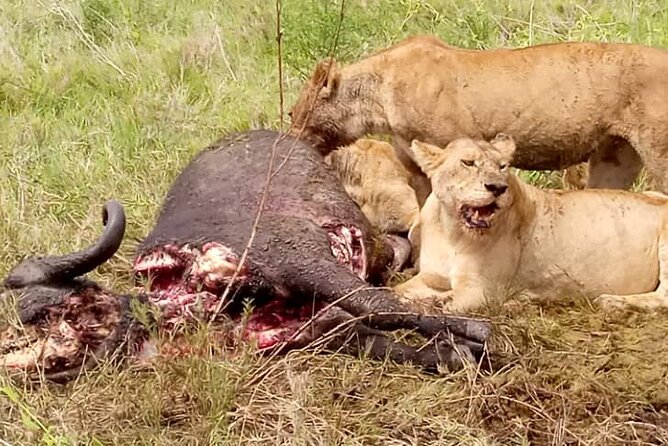
The third day begins with breakfast and a game drive toward northern Serengeti. The stated aim is to reach key areas where wildebeest movement can be observed, with particular attention given to the Mara River and Ndutu Plains.
The timing needs a careful reality check. The package is promoted for October to December, but the information also says the best game viewing and Mara River crossings are generally from July to October. It identifies January to March as the calving period. Migration routes change each year, and the herds do not follow a neat calendar.
That does not make October to December a poor time to go. It means you should not book this safari solely on the promise of a river crossing. You may see wildebeest, predators, and other wildlife across the Serengeti, but no operator can guarantee a specific crossing on a particular day.
The fourth day gives you another full Serengeti game drive. This is one of the best features of the schedule. Instead of spending only one day searching, you have more time for the guide to adjust the plan based on recent animal movement and sightings.
The route descriptions refer to northern Serengeti, central Serengeti, Mara River areas, and Ndutu. These zones are far apart, so the actual focus will depend on your travel dates, road conditions, and where the herds are moving. You may spend long stretches driving between sightings. That is part of the Serengeti experience, but it is worth knowing before you commit to a camping safari.
A shared vehicle can be especially useful here if the group is small and cooperative. You will have company during long drives and can share the excitement when something appears. The downside is that you will have less control over how long to stay at a sighting or how early to leave camp.
Same corner of Tarangire, a completely different kind of day:
- Private 6-Day Tarangire Manyara Crater and Serengeti with Mid-Range Lodges
★ 5.0 · 238 reviews - 4 Days Join Group tour Tarangire Serengeti and Ngorongoro crater
★ 5.0 · 219 reviews - 4-Day Safari from Arusha: Tarangire, Serengeti and Ngorongoro
★ 5.0 · 173 reviews - Balloon Safari & Bush Breakfast in Tarangire – Miracle Experience
★ 5.0 · 169 reviews
Day 5: Sunrise, the final Serengeti drive, and Ngorongoro
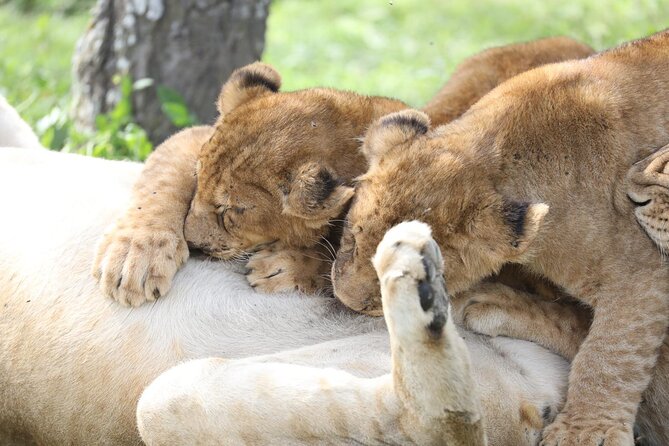
The fifth day starts early, with breakfast planned around 5:45 a.m. You then make a morning game drive until approximately 11:30, return to camp for a hot lunch, pack the vehicle, and continue toward Ngorongoro.
An early start gives you a chance to see the Serengeti at first light. It also makes this another demanding day. After the morning drive, lunch, packing, and an afternoon game drive, you continue toward Simba campsite for dinner and the night.
This day works well as a transition from open Serengeti plains to the crater highlands. It does not offer the same amount of uninterrupted wildlife time as the two middle Serengeti days, but it keeps the route moving without giving up the morning, when animals may be active.
Camping inside or near the park areas is a major part of the schedule. You should be ready for basic facilities and a close-to-nature routine. The trip includes meals, and cooks such as Salim and Gadi have been praised for preparing fresh food throughout the journey. That is valuable after a day spent on rough roads, though you should still ask about dietary needs before departure.
Day 6: Ngorongoro Crater and Mto wa Mbu
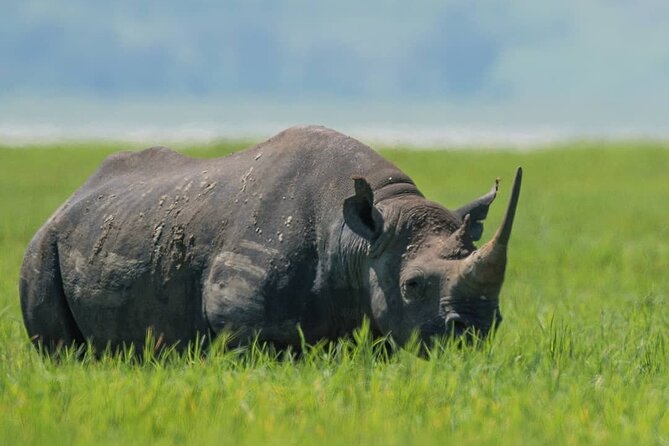
You wake around 5:30 a.m., eat breakfast, and descend into Ngorongoro Crater. The planned crater-floor drive lasts six to seven hours, with lunch eaten inside the crater while you watch the surrounding wildlife.
Ngorongoro is a different kind of safari setting. The crater’s enclosed floor can bring a wide range of animals into one area, and the itinerary specifically highlights the Big Five, black rhino, birds, and flamingos. Sightings are never guaranteed, but the concentrated setting gives you a strong chance to see a variety of species in one day.
The crater visit is also one of the schedule’s most tiring sections. You begin before sunrise, spend much of the day in the vehicle, and then ascend before driving back to Jambo Lodge for dinner and the night. You should bring layers because the morning start and high-elevation setting can feel cooler than the warm lowlands.
After the crater, the plan includes a walking tour in Mto wa Mbu village. You may see banana plantations, learn about local daily life, and taste local food. This is a welcome change from the vehicle, especially after several game-drive days.
I like this addition because it gives the week a human and local dimension. It is not simply a sequence of animal sightings. The practical limitation is time: after a long crater drive, the village visit may feel like a full second activity rather than a casual stroll.
Day 7: Lake Manyara, a Maasai boma, and Arusha
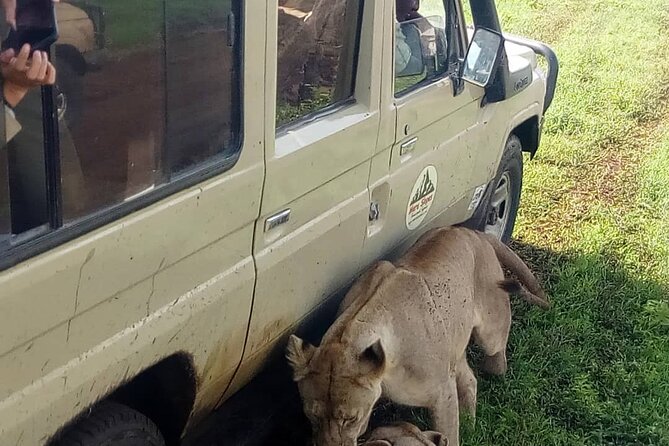
The last day takes you to Lake Manyara National Park after breakfast. The plan calls for a full-day game drive, with possible sightings of tree-climbing lions, flamingos attracted by algae in the lake, and a hot spring.
Lake Manyara is smaller in scale than the Serengeti, which makes it a useful final park. You get a different setting and a chance to look for birdlife as well as mammals. The hot spring adds another short point of interest, though the day still centers on wildlife viewing.
The schedule also includes a visit to a Maasai boma, where you can learn about local culture and traditions. This is a useful chance to ask questions and see how the community presents daily life to visitors. Keep your expectations grounded: the supplied details do not specify the length of the visit or exactly what activities are included, so confirm those points if they matter to you.
After Lake Manyara and the boma, you drive back to Arusha for dinner and an overnight stay. The package includes two Arusha hotel nights, one before the safari and one after it. Airport transfers in both directions are also included, which simplifies the first and last parts of your trip.
Guides, food, and the human side of the safari
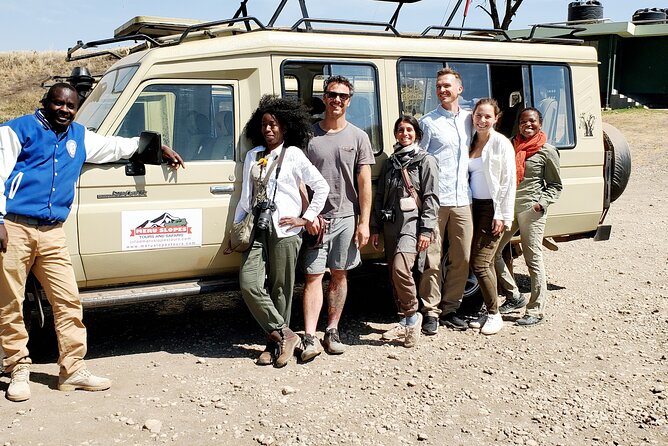
The strongest praise connected with this safari focuses on the guide and cook. Jacob is described as an excellent animal spotter, Mohamed as highly skilled at reaching the right place at the right time, and Nuru as a guide who helped create a close-knit group. Fredy is also described as an experienced English and Spanish-speaking guide.
You should not assume any one of these people will lead your trip. Still, their roles show what to ask about. Confirm your guide’s language, the expected group size, and whether the driver also serves as your main wildlife guide.
The cook matters more than many first-time safari visitors expect. You eat breakfast, lunch, and dinner every day, often after long hours on the road. Salim is praised for fresh meals and for helping when someone felt unwell, while Gadi is described as part of the guide and cook team on a shared departure.
Tips and gratuities are not included. Set aside money for your guide and cook, since they shape much of your daily experience. The exact amount is not provided here, so ask the operator for its current tipping guidance rather than guessing.
Who should book this camping safari?
I would recommend this trip to you if you want the major northern Tanzania parks in one week, value wildlife time over hotel comfort, and can handle early mornings and long vehicle days. It suits a first safari particularly well because Tarangire, Serengeti, Ngorongoro, and Lake Manyara each show a different side of the region.
It is also a good choice if you want a locally operated company and direct support from an Arusha-based provider. The included airport transfers, hotel nights, meals, and park access reduce the number of details you must arrange yourself.
I would hesitate if you want a slow trip, private control over every stop, or guaranteed migration crossings. The itinerary covers a lot of ground, and the group or private format is not stated consistently. Ask for the final day-by-day plan, exact campsite names, vehicle capacity, and whether the migration focus matches your dates.
Free cancellation is available up to 24 hours before the start time for a full refund. Changes or cancellations inside that window are not accepted for a refund, and poor weather may lead to a different date or a full refund.
My booking verdict
Book this safari if your priority is maximum wildlife coverage for a fixed seven-day budget. The three Serengeti days, crater visit, included meals, and airport transfers make $1,790 a strong package price for a camping trip.
Before paying, confirm two things in writing: the actual group size and the migration plan for your travel dates. If you accept basic camping, long drives, and an active schedule, this route gives you a serious introduction to northern Tanzania. If you want a quieter pace, replace Lake Manyara with an extra Serengeti day, a change that has already been arranged for some departures.
FAQ
Is pickup from Arusha included?
Yes. Pickup from an Arusha hotel is included, with the main safari pickup scheduled around 7:30 to 8:00 a.m. Airport transfers in both directions between the international airport and Arusha are also included.
Are meals included during the seven-day safari?
Yes. The package includes seven breakfasts, seven lunches, and seven dinners.
Does the tour include camping or lodge accommodation?
It includes group camping quarters and campsite nights, including Seronera campsite in the Serengeti and Simba campsite near Ngorongoro. The schedule also names Jambo Lodge for nights near Tarangire and after the crater, plus two hotel nights in Arusha.
When is the best time to see the wildebeest migration?
The provided timing information identifies July to October as the strongest period for Mara River crossings and January to March as the calving period. The tour is also offered from October to December, but migration movements change each year.
Is this a private tour or a group safari?
The tour is described as group camping, while the additional details call it a private activity. Some departures have included a couple and a solo participant sharing the vehicle. Confirm the group format and vehicle size before booking.
Are tips included in the price?
No. Tips and gratuities for the safari guide and cook are not included.
More Seven-Day Trips in Tarangire
- 7 Days Tarangire, Serengeti, Ngorongoro & Manyara Camping Safari Tour Tanzania
★ 5.0 · 8 reviews - Tanzania Classic – 7 Days
★ 5.0 · 1,151 reviews - Kilimanjaro climb by Lemosho Route (7-day)
★ 5.0 · 651 reviews - 7-Day Premium Luxury Tanzania Safari All-Inclusive
★ 5.0 · 426 reviews
Just added around Tarangire
- 3 days Safari to Tarangire, Ngorongoro and Manyara from Zanzibar★ 5.0 · 12 reviews
- 3 Day – Tarangire, Ngorongoro Crater Lake Manyara- Mid – Range★ 5.0 · 16 reviews
- #1 Best Tanzania Safari Tarangire Day tour Adventure★ 5.0 · 9 reviews
- Full Day Private Safari – Tarangire National Park★ 5.0 · 5 reviews
- 5 days Safari to Tarangire, Ngorongoro, Serengeti and Lake Manyara★ 5.0 · 5 reviews
- 4 days Tarangire National park, Serengeti National park and Ngorongoro crater★ 5.0 · 3 reviews
- 4-Day Tarangire Serengeti, Ngorongoro & Maasai Guided group tour★ 5.0 · 16 reviews
- 4 Days Safari Tour at Tarangire, Serengeti and Ngorongoro Crater★ 5.0 · 7 reviews
Camping Safaris, compared.
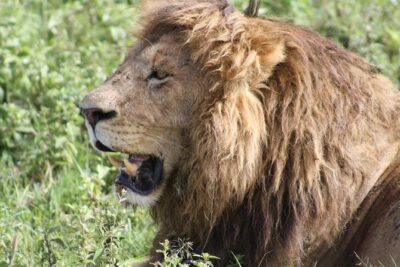
3 Day Serengeti National Park & Ngorongoro Crater Camping Safari
Read our review →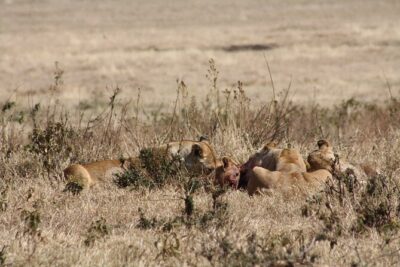
5-Day private Camping Safari Tour in Tanzania
Read our review →
5 Days Camping Tarangire, Serengeti & Ngorongoro crater & Visiting Maasai
Read our review →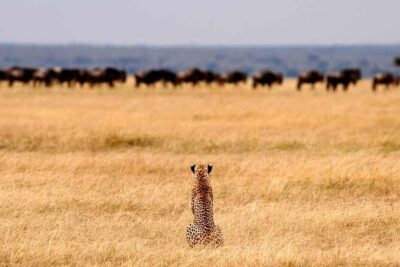
Multi-Day Camping Safari Experience in Arusha
Read our review →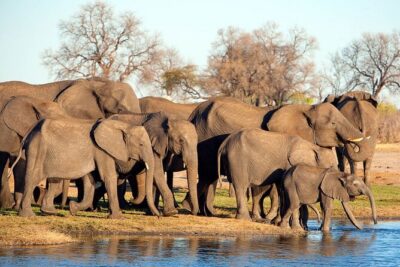
3-Day Tarangire, Ngorongoro and Lake Manyara Camping Safari
Read our review →Browse the lists this tour appears in