
Reviewed · CAMPING SAFARIS
6-Day Tanzania Adventures Safaris – Group Joining Camping Safaris
Northern Tanzania packs a remarkable amount into six days: elephant country in Tarangire, the wide grasslands of Serengeti, Ngorongoro Crater, and the bird-filled shores of Lake Manyara. The route is busy, but it gives you a strong first look at the region’s best-known parks without arranging separate transfers or campsites.
I like the small group limit of seven, which matters when you are sharing a safari vehicle for long hours. I also like that park fees, camping gear, fuel, meals, and an English-speaking guide are included. The main drawback is the pace: several days involve seven to nine hours on the road, and camping may not suit anyone who needs hotel comforts.
Key points to know before booking
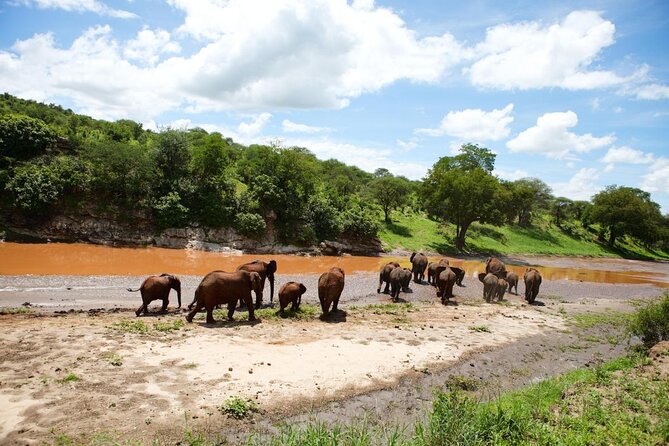
- Four major parks in six days: Tarangire, Serengeti, Ngorongoro Crater, and Lake Manyara each offer a different setting and wildlife experience.
- A maximum of seven people: The small group makes it easier to see from the vehicle and ask questions without a crowded cabin.
- Two full Serengeti days: You get more than a quick crossing, with game drives on Days 2, 3, and part of Day 4.
- Camping at Seronera and the crater rim: You sleep close to the places you came to see, though conditions are basic.
- A full meal plan is included: Five breakfasts, five dinners, and six lunches are covered, along with camping equipment.
- Past guide and staff names include Giovanni, Elias, Joaquin, Prospe, and Amani: Communication has been handled through Amani, while Giovanni and Elias have led game drives on some departures.
Why this six-day route works
This is a classic northern Tanzania circuit, arranged in a sensible geographic order. You begin near Arusha, travel west toward Tarangire, continue through the highlands to Serengeti, then return through Ngorongoro and Lake Manyara.
The appeal is variety. Tarangire is known for elephants and baobabs. Serengeti gives you the largest amount of time for open-country game viewing. Ngorongoro offers a concentrated wildlife day inside a volcanic crater. Lake Manyara finishes the trip with forest, cliffs, water, hippos, birds, and a chance of seeing tree-climbing lions.
At $1,904.77 per person, this is not a budget bus trip. But the price covers the main costs that can quickly add up in Tanzania: national park fees, fuel, a custom 4×4, guide services, camping equipment, six lunches, and most breakfasts and dinners. You still need to budget for international flights, a Tanzanian visa, tips, laundry, communication, and souvenirs.
The value depends on what you want. If you prefer a polished lodge stay with short transfers, this is not the right fit. If you want four major parks, a small group, and an organized camping setup without handling every reservation yourself, the package is easier to justify.
More Camping Safaris in Arusha
- 4 Days Group Camping Safari
★ 5.0 · 1,101 reviews - 5 Days Group Camping Safari
★ 5.0 · 730 reviews - 6 Days Tanzania Budget Camping Safari
★ 5.0 · 145 reviews
Day 1: elephants and baobabs in Tarangire
Your safari begins in Arusha at 7:30 a.m. The first drive takes you to Tarangire National Park, a large park shaped by seasonal swamps, open grassland, and scattered baobab trees.
Tarangire’s main attraction is its elephant population. The park is also home to hartebeests, buffaloes, zebras, giraffes, antelopes, and more than 550 bird species. The seasonal water sources help draw animals into particular areas, so your guide’s knowledge of the park and current conditions matters.
The day is listed at about seven hours, including the drive and game viewing. That is a useful first safari day because you get a substantial introduction to the bush without immediately committing to the longest Serengeti transfer.
You spend the night at a campsite outside the park. Camping keeps the cost below a lodge-based safari and puts you closer to the practical rhythm of the trip, but expect simple conditions. The package includes tents, sleeping mats, chairs, and tables. It does not promise private bathrooms or hotel-style facilities, so ask for the exact campsite setup before paying your deposit.
Lunch and dinner are included on this first day.
Day 2: crossing the highlands into Serengeti
Day 2 is the longest change of scenery. You travel through Tanzania’s highlands, where corn, coffee, and wheat are grown, before reaching Serengeti National Park.
The name Serengeti comes from the Maasai expression for endless plains. That description becomes clear once the road reaches the open grasslands. Rocky kopjes break up the flat country, and these stone outcrops can provide high ground for predators watching the plains below.
The drive is listed at about eight hours. You should see this as a transfer day with game viewing along the way, not as eight uninterrupted hours of sitting in a vehicle. The reward is access to one of Africa’s most famous wildlife areas, where the great wildebeest and zebra movement changes with rainfall and season.
The migration is not a fixed event on a calendar. From November and December, herds move toward the southern grasslands, while the longer rains from April to June bring movement back toward the north. You may see huge groups at the right time, but the safari should not be booked on the assumption that a particular crossing is guaranteed.
Day 3: a full day in the Serengeti
This is the strongest day for people who want time rather than a quick park visit. You have a full day of game drives in Serengeti, with about nine hours set aside for exploring.
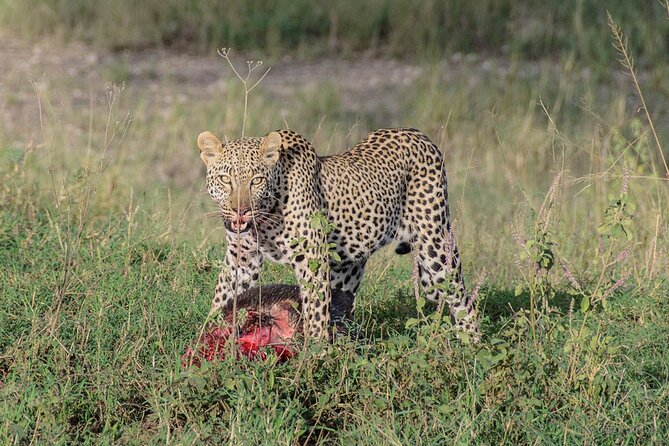
The park supports impalas, buffaloes, crocodiles, hippos, zebras, wildebeest, and many bird species. Lions, leopards, and cheetahs may be found near prey, though wildlife sightings can never be promised. The unfenced setting allows animals to move freely, which is part of the thrill and part of the uncertainty.
You spend the night at a campsite in the Seronera area. Seronera is a central part of Serengeti, making it a practical base for game drives. Sleeping here avoids a return to the crater or a long drive out of the park after a full day in the vehicle.
The schedule is demanding. A nine-hour game-drive day can be tiring, especially after the previous day’s transfer. Still, this is where the six-day format earns its keep. You are not simply driving through Serengeti on the way to somewhere else.
Breakfast, lunch, and dinner are included.
More Group Joining Safaris in Arusha
- 5 Days Tanzania Joining Safari with Pick Up Included Shared Tour
★ 5.0 · 32 reviews - 3 Days Tanzania Budget Group Joining Safari Tour
★ 5.0 · 16 reviews - 4 Days Group Joining Camping Tanzania safari
★ 5.0 · 15 reviews - Amazing 4 Days Tanzania Budget Camping Group Joining Safari
★ 5.0 · 15 reviews
Day 4: one more Serengeti morning, then the crater rim
You begin with an early breakfast and another Serengeti game drive. Early starts are useful because they give you more daylight for wildlife viewing and let you search for animals before the day’s heat changes their behavior.
The Big Five are lion, elephant, buffalo, rhino, and leopard. You might see several of them, but the crater and Serengeti each offer different odds and settings. The guide’s ability to spot movement and choose a route is important here. Giovanni and Elias have led departures connected with this safari, and both are described as experienced guides, with Giovanni noted for continuing to look for wildlife late in the day.
After the morning drive, you travel toward Ngorongoro Crater. The approach changes quickly from open Serengeti plains to the dramatic high edge of the crater. From the rim, you can look down toward streams, grassland, and animals gathered below.
Your campsite is directly on the crater edge. That location gives you a memorable sunset and an early start the next morning, but temperatures can be cooler at altitude. Bring warm layers even if Arusha felt hot.
This day takes about eight hours and includes all three meals.
Day 5: down into Ngorongoro Crater
The fifth day begins early, and that is a good thing. Sunrise over the crater rim is one of the most appealing moments in the schedule. After breakfast, you take the steep track down into the crater for a game drive.
Ngorongoro Crater is about 610 meters deep and covers roughly 260 square kilometers. Its enclosed form supports a high concentration of wildlife, including wildebeest, zebras, gazelles, elephants, birds, and hippos. With luck, you may also see the endangered black rhino.
The crater is not a zoo. Animals still move across a broad natural area, and sightings vary. But the compact setting means you can often see a good range of species in one day. The steep descent and rough track also make the 4×4 vehicle useful.
The game drive lasts about six hours, with park admission included on this day. Afterward, you leave the crater area and continue toward your final park. The schedule does not present this as a relaxed lodge afternoon. It is another active day with a substantial amount of driving.
Day 6: Lake Manyara and the return to Arusha
Lake Manyara National Park is smaller than the other parks on this route, but it gives you a different kind of safari. The shallow alkaline lake covers about 200 square kilometers and attracts large numbers of birds, including flamingos. More than 400 bird species are recorded in the park.
The setting shifts between open plains, woodland filled with baboons and other primates, and cliffs dotted with baobabs. You might see hippos, elephants, wildebeest, and the park’s famous tree-climbing lions.
The lion sightings are never guaranteed, and you should treat them as a bonus rather than the reason to choose this park. Lake Manyara’s real strength is variety in a smaller area. After several days of open grassland, the woodland and lake views give the safari a welcome change of pace.
The game drive lasts about seven hours, followed by the return to Arusha in the early evening. Breakfast and lunch are included. Since this is your final day, the long return can feel tiring, but it also avoids adding another hotel night or a separate transfer.
Camping, food, and the vehicle
The camping setup includes tents, sleeping mats, chairs, and tables. A cooking team is part of the operation, and staff names connected with past departures include Joaquin and Prospe. Food has been a strong part of the experience, with five breakfasts, five dinners, and six lunches included.
Do not expect a restaurant menu or a choice of meals at every stop. You are paying for a practical safari camp system, not a luxury food program. The key benefit is that meals are organized, so you do not need to search for food during long park days.
The custom-built 4×4 safari vehicle includes fuel and a driver-guide. That is central to the trip. Tanzania’s park roads can be rough, and you will spend many hours seated in the vehicle. A maximum of seven people helps, although comfort still depends on the vehicle layout and how much personal space each person needs.
Ask before booking how many people will share your specific vehicle. The experience is described as group joining, with no more than seven participants, while the vehicle is also described as private. Clarifying that wording will prevent confusion.
The human side of the safari
Communication has been handled through Amani, including quick WhatsApp replies during the planning stage. That can be especially useful if you are comparing several Tanzania operators or changing a shorter plan into a longer safari.
The guide can make or break a wildlife trip. Giovanni is associated with finding animal sightings until late in the day, while Elias is described as quiet but very good at answering detailed questions. If natural history explanations matter to you, ask who will guide your departure and what languages are available.
A small group also helps solo visitors. One solo woman found the setup particularly suitable, including unexpected nights in private rooms in Serengeti and Manyara. Treat that as a possible arrangement, not a promised feature, since the standard description is for camping.
Who should book this safari?
I would choose this trip if you want the essential northern Tanzania parks in one compact package and you are comfortable with early starts, long drives, and basic camping.
It is a particularly good match for:
- Solo visitors who want a built-in small group
- First-time safari visitors who want the major parks
- People who value wildlife time over hotel comforts
- Photographers who want repeated game drives in Serengeti
- Budget-conscious visitors comparing a full lodge safari
- Anyone who wants park fees, meals, equipment, and transport arranged together
I would think twice if you dislike rough roads, need a private bathroom every night, or want slow mornings. The route is full and the driving days are real. You should also allow extra money for tips, a visa, personal purchases, laundry, and communication.
Pickup is offered from Arusha, and the activity ends back at the meeting point. Most people can participate, and the location is near public transportation. Confirmation is provided at booking. Free cancellation is available up to 24 hours before the start time, subject to the stated minimum-group rule.
Should you book the six-day Tanzania camping safari?
Book it if your priority is seeing four major parks in one well-organized trip, with a small group and most core costs already covered. The two Serengeti nights and the crater-rim campsite are the strongest features, giving you more time in the wild than a rushed two or three-day circuit.
Skip it if your idea of safari includes lodge luxury, short drives, and a flexible schedule. This is a working safari, not a soft holiday. At $1,904.77, it offers solid value for the park access, vehicle, guide, camping equipment, and meals, provided you are happy to trade comfort for range and wildlife time.
FAQ
Where does the safari start?
The safari starts in Arusha, Tanzania, with a listed start time of 7:30 a.m.
Where does the safari end?
The activity ends back at the meeting point in Arusha.
How long is the safari?
The safari lasts approximately six days.
Which national parks are included?
The route includes Tarangire National Park, Serengeti National Park, Ngorongoro Crater, and Lake Manyara National Park.
How many people can join the group?
The group has a maximum of seven travelers.
What is included in the price?
The price includes national park fees, camping according to the schedule, an English-speaking guide, camping equipment, a custom 4×4 safari vehicle, fuel, five breakfasts, five dinners, and six lunches.
What is not included?
International flights, a Tanzanian visa, tips, personal expenses, laundry, communication, and souvenir purchases are not included.
Can I cancel for a full refund?
You can cancel at least 24 hours before the experience start time for a full refund. Cancellations or changes made less than 24 hours in advance are not accepted for a refund.
More Six-Day Trips in Arusha
- Tanzania Wildlife Encounters – 6 Days
★ 5.0 · 277 reviews - 6 Days Private Budget Safari
★ 5.0 · 163 reviews - Tanzania Enticing Explorations – 6 Days
★ 5.0 · 106 reviews - 6 days Tanzania budget safari
★ 5.0 · 65 reviews
Just added around Arusha
- From Arusha: 11 days The Classics Northern Tanzania safari★ 5.0 · 11 reviews
- 6-Day Mount Meru Climb through Momella Route Guided Tour★ 5.0 · 5 reviews
- Private Day Trip to Arusha National Park with a Walking Safari★ 5.0 · 4 reviews
- From Arusha : 11-day Amazing North Tanzania safari tour★ 5.0 · 4 reviews
- Walking Day Tour to Safari in Arusha National Park★ 5.0 · 5 reviews
- 2 Days Tanzania Midrange Group Join Safari★ 5.0 · 7 reviews
- Best 5 Days Tanzania Private Luxury Safari with luxury Lodges★ 5.0 · 12 reviews
- Waterfall & Coffee Walking Tour★ 5.0 · 6 reviews
Camping Safaris, compared.
3 Day Serengeti National Park & Ngorongoro Crater Camping Safari
Read our review →
5-Day private Camping Safari Tour in Tanzania
Read our review →
5 Days Camping Tarangire, Serengeti & Ngorongoro crater & Visiting Maasai
Read our review →
Multi-Day Camping Safari Experience in Arusha
Read our review →
3-Day Tarangire, Ngorongoro and Lake Manyara Camping Safari
Read our review →Browse the lists this tour appears in