
Reviewed · CAMPING SAFARIS
Arusha: Serengeti and Ngorongoro Multi-Day Camping Safari
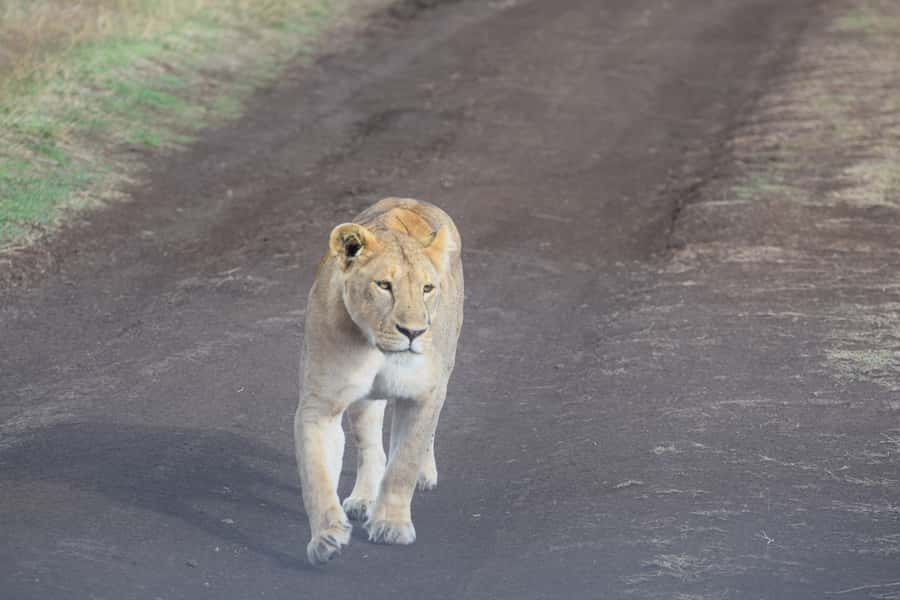
The main event here is simple: three nights in the bush and two of Tanzania’s greatest wildlife areas in one four-day trip. You ride in a 4×4 Land Rover with a pop-up roof, search for lions, cheetahs, elephants, crocodiles, and migrating herds, then descend into Ngorongoro Crater for a final, animal-packed drive.
I like the small vehicle limit of six clients, which gives everyone a guaranteed window seat. I also like that a cook travels with the group. Christian and Musa have earned praise for tasty meals, while guides such as Ali, Julius, and Thomas have been singled out for careful driving and strong animal knowledge.
The tradeoff is comfort. Camps are basic, some Serengeti toilets are poorly maintained, and you may go six or seven hours between breakfast and lunch without a snack. Long driving days are part of the deal, and you should confirm the operating company and crew before setting out.
Key points to know before you book
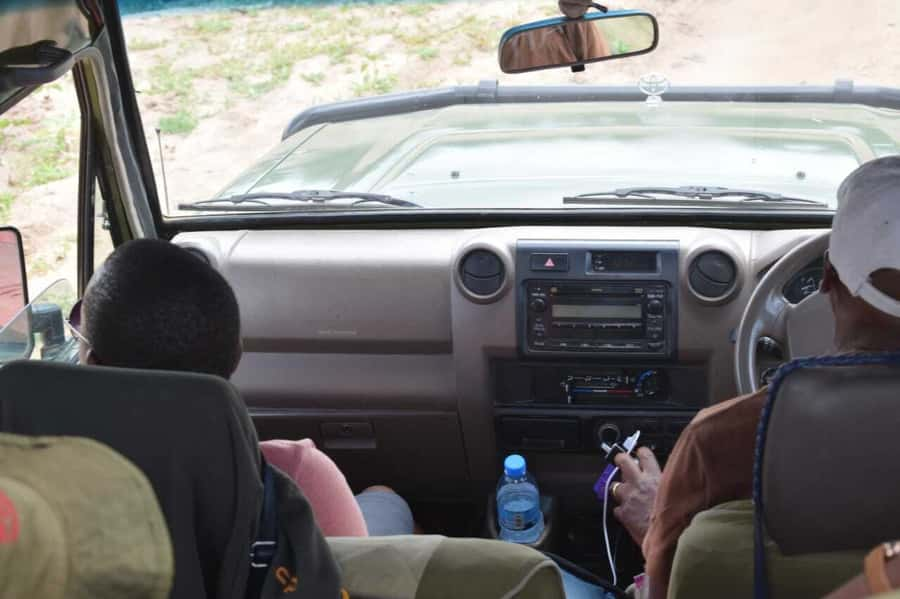
- A compact six-person vehicle: You share the 4×4 with no more than five other clients, plus the driver and chef.
- A real camping setup: Three nights are spent in tents, with sleeping bags supplied rather than lodge rooms.
- Serengeti requires patience: You may cover many miles between animal sightings, especially on the broad plains.
- Ngorongoro packs in wildlife: The crater floor is smaller and often gives you more concentrated viewing than the Serengeti.
- Meals are included, drinks are not: Bring or buy drinks, and consider carrying snacks for the long gap between meals.
- Olduvai Gorge costs extra: The optional museum stop is not part of the stated price.
What $950 buys you across four safari days
At $950 per person, this trip sits in the practical, shared-safari bracket rather than the luxury camp category. Your price covers three nights in tents, sleeping bags, park entrance fees, meals listed in the schedule, bottled water, an English-speaking guide, and pickup and drop-off in Arusha.
That package matters because park fees and transport can quickly make a self-arranged safari expensive. You are also paying for a cook, a vehicle built for game viewing, and the logistical work of moving between Arusha, Serengeti, and Ngorongoro.
The price does not include drinks. Bring extra money for them, and budget separately if you want to visit the Olduvai Gorge museum. The description also says airport pickup the day before the safari can be arranged for an extra fee, so do not assume your airport transfer is included.
The biggest value comes from the route. A shorter trip might focus on one park, but this one gives you a full Serengeti day and a Ngorongoro Crater drive. The cost is less attractive if you expect hotel-style comfort, private transport, or a relaxed pace.
More Camping Safaris in Serengeti
- 3 Days Serengeti & Ngorongoro Group Camping Safari
★ 5.0 · 574 reviews - 3 Day Serengeti National Park & Ngorongoro Crater Camping Safari
★ 5.0 · 142 reviews - 03 days Serengeti and Ngorongoro Crater group (camping)
★ 5.0 · 75 reviews
Day 1: the long road from Arusha to Serengeti
Pickup takes place in the morning at your Arusha hotel or private residence. Give the operator your full address when booking, and wait at reception if you are staying in a hotel. The drive to Serengeti is a major part of the day, so this is not a quick transfer followed by a short afternoon drive.
You receive a packed lunch and begin heading west toward the park. The exact route and timing can vary, but the schedule describes roughly eight hours of touring and driving. Once inside Serengeti National Park, the vehicle begins a game drive on the way to camp.
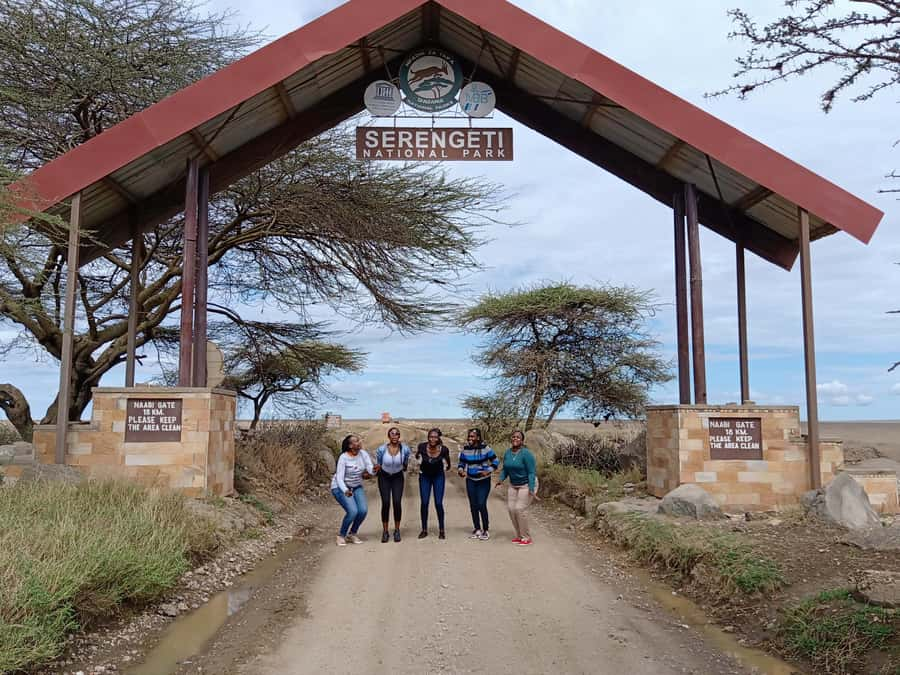
This first drive can be exciting because the park begins working on you before you have reached your tent. You may see gazelles, zebras, wildebeest, elephants, buffalo, or birds along the route. You may also spend long stretches watching open country without a major sighting. That is normal here. Serengeti is enormous, and the animals are not arranged for a visitor timetable.
The name Serengeti is commonly translated as endless plains, and you quickly understand why. The scale is part of the experience, but it also explains why the day can feel tiring. One account of the trip described many hours and many miles, with occasional stretches that felt monotonous. Go in ready for both excellent sightings and quiet driving.
Dinner is served at camp, followed by your first night in a tent. Sleeping bags are provided. This is outdoor accommodation with basic facilities, not a permanent safari lodge. You should be comfortable with a simple camp routine and with washing facilities that may be limited.
Day 2: a full day among Serengeti predators and herds
Day two gives you the time the Serengeti needs. After breakfast, you head out for morning and afternoon game drives, with a break for lunch before continuing. This is the strongest day for covering different areas and searching for moving herds or predators.
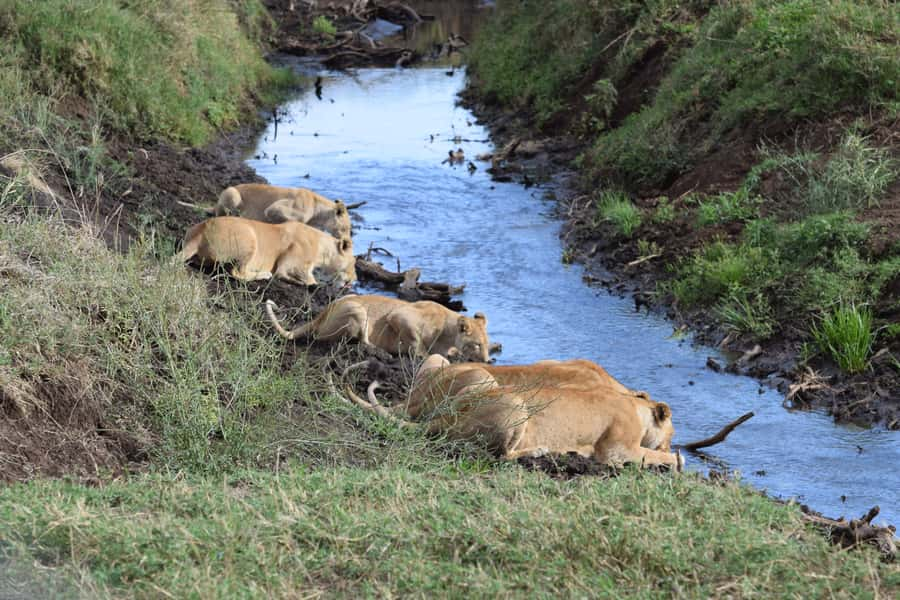
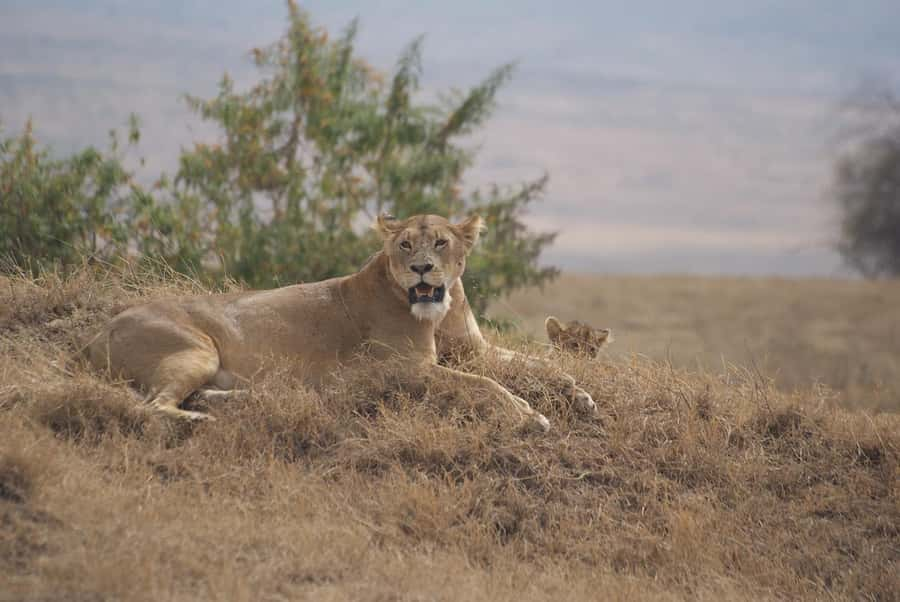
Your guide will look for lions, leopards, cheetahs, hyenas, elephants, buffalo, crocodiles, wild dogs, eland, gazelles, and other animals. You may also see large numbers of birds, including migrant species from Eurasia. The guide’s skill matters greatly here. A driver who knows animal behavior and recent sightings can make a long drive much more productive.
Ali was praised for safe driving and helping his group see all five of the famous Big Five: lion, leopard, elephant, buffalo, and rhinoceros. Another guide, Thomas, was praised for organization and the quality of the explanations. These names are useful examples, but they are not a promise that one particular guide will be assigned to you. Ask for the crew details before departure.
The annual wildebeest and zebra migration is another major reason to choose this route. It is an extraordinary natural event, but animal movements change with the season and rainfall. You should treat migration viewing as a strong possibility, not a guarantee. Even outside the main movement, the Serengeti supports large resident populations.
The vehicle has a pop-up roof for standing game viewing and photography. The guaranteed window seat is a real advantage. In a crowded vehicle, a good view can be the difference between seeing a distant cat and seeing only someone else’s shoulder. With no more than six clients, you should have room to look out on both sides, though the exact seating arrangement is not explained.
You return to the campsite for dinner and a second night in a tent. Food appears to be one of the stronger parts of the trip. Christian and Musa have both been praised for cooking generous, flavorful meals, and one group described the camping setup as comfortable for this type of safari.
Still, plan your own food rhythm. Breakfast and lunch can be separated by six or seven hours. The supplied information does not promise snacks, and one account specifically wished they had been provided. Pack permitted personal snacks if you know you get hungry between drives.
Day 3: leaving the plains for Ngorongoro
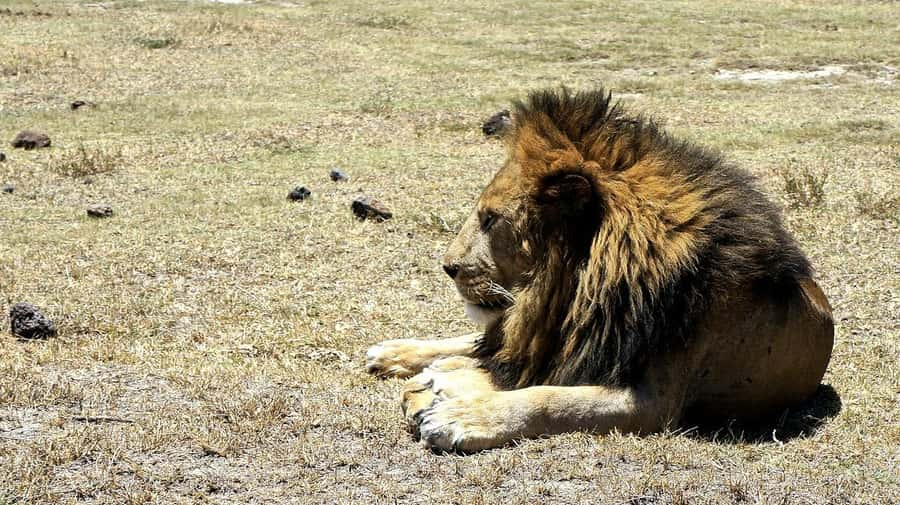
After breakfast, you check out and continue toward Ngorongoro Crater. The day combines a game drive with a transfer, so you should expect more time in the vehicle rather than a slow morning at camp.
The route offers another chance to see wildlife. It also gives you a change in scenery and a sense of how close these major protected areas are within a longer northern Tanzania circuit. The day can feel like a bridge between the wide Serengeti and the more compact crater environment.
Olduvai Gorge is an optional stop for an extra fee. The museum visit is not included in the $950 price, so ask about the cost before agreeing to it. If human origins and archaeology interest you, the stop may add useful context to the safari. If your priority is animal viewing, you may prefer to save your time and money for the crater.
You spend the night at Ngorongoro A Campsite. Again, this means a tent rather than a lodge room. Camp conditions are basic, and one detailed account described Serengeti toilets as poorly maintained with cold water. That may not describe every facility on every departure, but it is a fair warning to lower your comfort expectations.
A practical packing list includes warm layers, a headlamp, toiletries, hand sanitizer, and a small personal snack supply. Those items are not listed as tour inclusions, but the basic camp arrangement makes them sensible choices. Keep luggage manageable because it will be handled during several transfers.
More Safaris in Serengeti
- Serengeti Balloon Safari and authentic bush breakfast
★ 5.0 · 2,480 reviews - Balloon Safari & Bush Breakfast in Serengeti – Miracle Experience
★ 5.0 · 1,646 reviews - Safari Serengeti And Ngorongoro
★ 5.0 · 288 reviews - 3-Day Classic Serengeti Safari
★ 5.0 · 263 reviews
Day 4: the Ngorongoro Crater floor
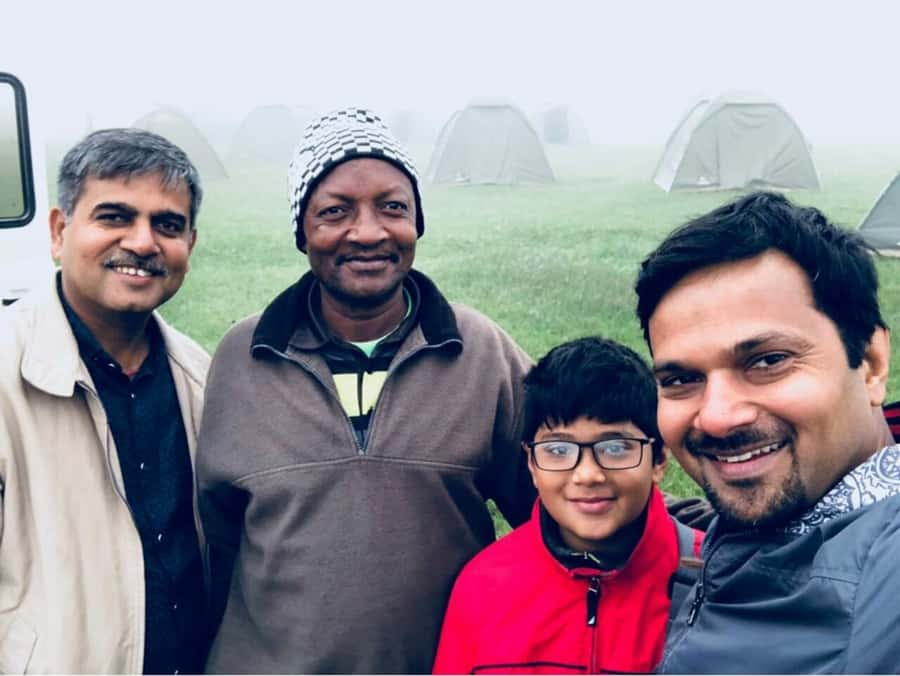
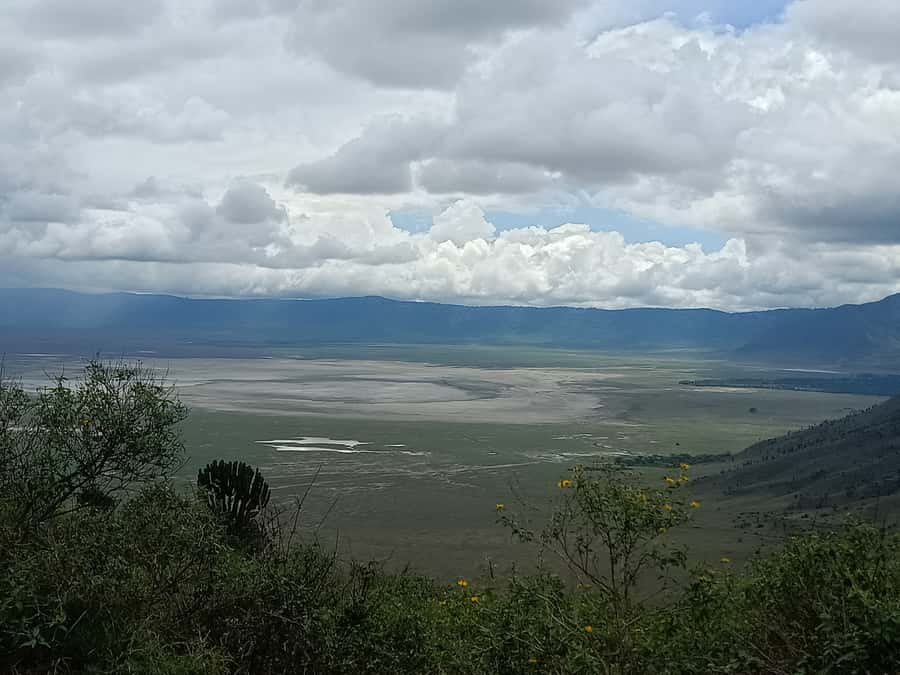
The final morning begins early. You have breakfast, then descend into Ngorongoro Crater for game drives on the floor. The early start is worthwhile because you have limited time here and the crater is one of the trip’s most concentrated wildlife areas.
The crater floor is much smaller than the Serengeti, so you may spend less time driving empty distances between sightings. You could see flamingos on Soda Lake, along with geese, storks, vultures, and other birds around the water and surrounding grassland. The itinerary also highlights the possibility of lions, buffalo, elephants, rhinos, and other animals.
The difference between the two parks is important when choosing this tour. Serengeti gives you scale, migration routes, and the feeling of searching across open country. Ngorongoro gives you a compact setting where wildlife can be easier to find. One person who found the Serengeti drive repetitive described the crater as more rewarding because animals were concentrated in a smaller area.
Lunch is served at the scenic Ngoitoktok Springs picnic site. After eating, you continue with more game viewing before climbing out of the crater. The final drive then takes you back to Arusha for hotel drop-off.
This last day is long, but it finishes the route efficiently. You do not need to arrange a separate transfer from the crater area to Arusha. That convenience is part of the package value, especially if you are connecting the safari with a stay in Arusha.
How the shared 4×4 affects your comfort
This is a shared group safari, with up to six clients in the car, along with the driver and chef. That is a manageable group size for a safari vehicle. You are not booking a private tour, though, so the pace may reflect the group’s preferences and the guide’s search strategy.
The pop-up roof is made for wildlife viewing. You can look above the vehicle during stops and get a wider view than you would through a standard side window. The guaranteed window seat also helps with photography and gives you a better chance to spot animals before the vehicle moves on.
The main drawback is time on the road. The Serengeti is vast, and reaching good animal areas can require long drives. If you dislike sitting in a vehicle for hours, this four-day route may feel demanding. If you see the drive as part of the safari, the scale becomes one of the trip’s strongest features.
You should also confirm who operates the departure. One booking was transferred from Perfect Wilderness Tours and Safaris to Arunga Expeditions and Safaris without a clear explanation. The crew on that trip was friendly and capable, but an unexpected operator change can cause avoidable concern. Ask which company, driver, and chef will handle your dates.
The people who shape the experience
The guide is not just a driver. Your guide chooses routes, watches animal behavior, explains the parks, and manages the long hours on the road. Strong guiding can turn a distant animal into a memorable sighting.
Ali, Julius, and Thomas have each been praised for different strengths, including careful driving, animal knowledge, communication, and organization. These names show the quality you should hope for, but staff assignments can vary. It is sensible to request the confirmed guide’s name before you leave Arusha.
The chef also matters. Christian and Musa have received especially strong praise for delicious meals and good organization. A hot dinner after a long game drive makes basic camping feel much easier.
Tipping should be handled clearly. One account described being told about a minimum tip at the end, while another described a guide making multiple stops connected with spending. The supplied information does not set a required gratuity. Ask about customary tipping at the start, then decide what feels fair based on service.
Who will get the most from this safari
This trip suits you if you want the classic northern Tanzania route at a shared price and you can accept basic camping. It is a good fit for people who value time in the parks more than private rooms, spa facilities, or a slow schedule.
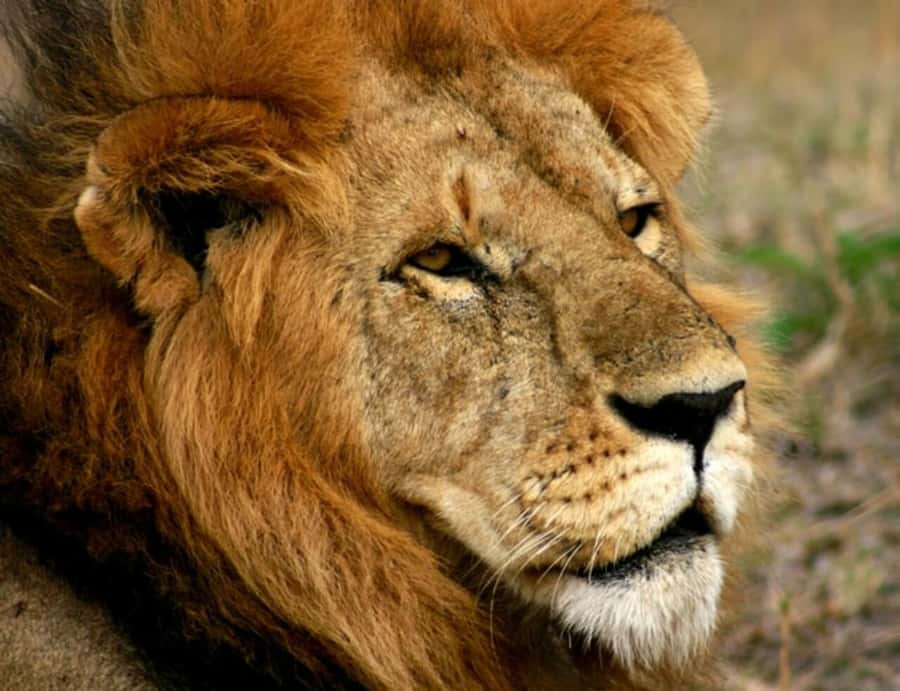
It also works well if you want a reasonable chance at Big Five sightings without paying for a private vehicle. The full Serengeti day gives you time to search, while Ngorongoro adds a more compact wildlife setting. The vehicle limit and guaranteed window seat are strong practical benefits.
You may want another style of safari if you need reliable hot showers, frequent snacks, short drives, or a private guide. The trip includes long road days, simple camps, and some uncertainty over the exact crew and operating company. Those are manageable issues, but only if you know about them before booking.
The headline rating is strong at 4.6 from 46 reviews, and the clearest praise centers on animal sightings, capable guides, and good cooking. The complaints are also consistent enough to take seriously: basic toilets, cold water, long drives, meal gaps, and possible communication problems about the operator or tip.
FAQ
Is this safari shared or private?
It is a shared group safari. The vehicle carries up to six clients, plus the driver and the chef.
Are tents and sleeping bags included?
Yes. The price includes three nights of tent accommodation and sleeping bags.
What meals are included?
Meals are included according to the schedule. Bottled water is also included, but drinks in general are listed as not included.
Is hotel pickup in Arusha included?
Yes. Pickup and drop-off at hotels in Arusha are included. Pickup from a private residence in Arusha is also available if you provide the address when booking.
Is Olduvai Gorge included?
No. The visit to Olduvai Gorge and its museum is optional and costs extra.
What language does the guide speak?
The live guide speaks English.
Should you book this four-day safari?
Book it if your priority is seeing Tanzania’s major wildlife parks while keeping the price near $950 per person. You get a full Serengeti day, a Ngorongoro Crater drive, park fees, meals, a cook, camping equipment, and Arusha transfers in one package.
Go in prepared for basic facilities, long drives, and simple meals served on a safari schedule. Before paying, confirm the operator, guide, chef, pickup details, drink arrangements, and any possible extra costs. If you can handle those conditions, this is a practical way to trade hotel comfort for more time in the bush and a strong chance of memorable wildlife sightings.
Just added around Serengeti
- Serengeti & Ngorongoro 3 days Fly Safari in from Zanzibar★ 5.0 · 21 reviews
- 3 Days Serengeti National Park from Zanzibar★ 4.5 · 3 reviews
- 4-Day Serengeti, Ngorongoro,Tarangire safari★ 5.0 · 3 reviews
- Serengeti 2-Day Safari from Mwanza★ 5.0 · 16 reviews
- Serengeti Day Trip Tour from Mwanza★ 5.0 · 4 reviews
- Full-Day Serengeti Tour from Mwanza★ 5.0 · 11 reviews
- Discover Our Best Guide for 1-Day Serengeti Safari from Mwanza★ 5.0 · 5 reviews
- Serengeti Day Trip Safari From Mwanza Tanzania★ 5.0 · 7 reviews
Camping Safaris, compared.
3 Day Serengeti National Park & Ngorongoro Crater Camping Safari
Read our review →
5-Day private Camping Safari Tour in Tanzania
Read our review →
5 Days Camping Tarangire, Serengeti & Ngorongoro crater & Visiting Maasai
Read our review →
Multi-Day Camping Safari Experience in Arusha
Read our review →
3-Day Tarangire, Ngorongoro and Lake Manyara Camping Safari
Read our review →Browse the lists this tour appears in