
Reviewed · CAMPING SAFARIS
6 Days Budget Tanzania Camping Safari
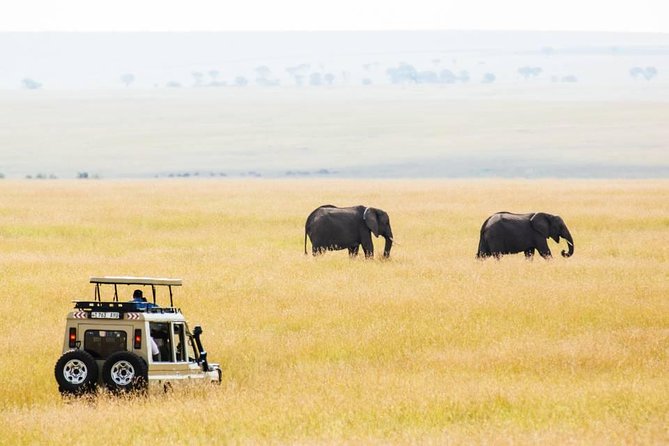
The most appealing part of this safari is how close you stay to Tanzania’s wild country without paying for lodges. You sleep in basic tents, eat meals prepared by your own cook, and spend long hours in a 4×4 with the roof open to the animals. It is a real camping trip, not a hotel tour with a tent-shaped photo stop.
I like the small group limit of six, which keeps the vehicle more personal, and I like the practical setup: tents, cots, sleeping bags, solar-heated showers, eco-friendly toilets, guards, meals, and water are provided. Guides named Saadi, Sadi, Modi, and Ally Simba have been praised for warm service, animal-spotting skill, and good cooking.
The trade-off is simple: this is a long, active safari with basic camping and several full days in the vehicle. If you need polished lodging, short drives, or much downtime, the six-day schedule may feel tiring.
Key details before you book
- Four major wildlife areas: Visit Tarangire, Lake Manyara, Serengeti, and Ngorongoro Crater in six days.
- Open-roof 4×4: The vehicle is set up for wildlife viewing, with a driver-guide and a maximum of six people.
- Personal cook included: Breakfast, lunch, and dinner are provided on the listed camping nights.
- Basic but supported camping: Tents, sleeping bags, cots, showers, toilets, and night guards are part of the setup.
- Two long Serengeti days: Day four allows up to 12 hours in the park, useful for searching for herds and predators.
- Airport pickup included: The safari begins in Arusha at 8:30 a.m. and ends back at the meeting point.
What $1,780 buys you on this camping safari
At $1,780 per person, this is not the cheapest possible way to see northern Tanzania, but it offers a substantial amount for the price. The fee covers six days of safari transport, a driver-guide, a cook, camping facilities, accommodation during the safari, mineral water, airport pickup, and park admissions where listed.
The value comes from combining four famous wildlife areas without making you organize separate transfers, meals, park entries, or camping equipment. You also avoid the much higher cost of permanent safari lodges. Your money goes toward time in the parks rather than private rooms and polished dining rooms.
The important distinction is comfort. You get a cot, sleeping bag, and tent, but this remains basic tent camping. The campsites have solar-heated showers and eco-friendly toilets, and guards watch over the camp at night. That is a useful level of support, but it is not the same as having a private bathroom, air conditioning, or a room with solid walls.
The price does not include drinks beyond mineral water, tips, travel insurance, or hotel nights in Arusha before or after the safari. Plan those costs before you arrive. If your flight lands a day early or leaves the morning after the safari, you will need to arrange your own Arusha hotel.
More Budget Safaris in Arusha
- 5 Days Budget Private Safari, Tanzania
★ 5.0 · 191 reviews - 6 Days Private Budget Safari
★ 5.0 · 163 reviews - 6 Days Tanzania Budget Camping Safari
★ 5.0 · 145 reviews
Day one: Tarangire’s elephants and open country
You leave Arusha at about 8:30 a.m. and drive to Tarangire National Park, with the day taking roughly seven hours in total. The schedule includes a game drive and a picnic lunch box before you head to the campsite for dinner and the night.
Tarangire is a strong first park because it gives you an early taste of the safari rhythm without trying to cover the whole northern circuit in one burst. You begin learning how the vehicle works, how the guide reads animal behavior, and how much patience a game drive can require.
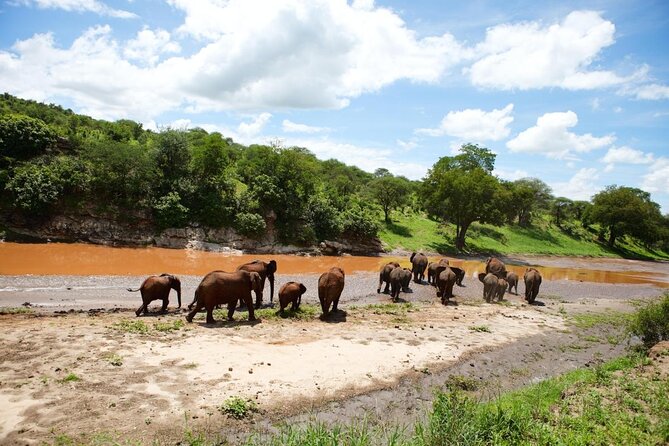
The park is particularly associated with elephants, though the supplied plan simply promises a general wildlife drive rather than any one animal. Keep your expectations sensible. Wildlife sightings cannot be guaranteed, and the best moments may come after a quiet stretch of driving.
This first day is also a reminder that distances matter in Tanzania. A seven-hour day includes driving, park time, and the move to camp. You should be ready with a small bag, water, sun protection, and anything you need during the ride. Your larger packing needs are modest since the camping gear is supplied.
Day two: A full day beside Lake Manyara
After breakfast at camp, you enter Lake Manyara National Park for a full-day game drive. The day is listed at about 10 hours, followed by another night at the campsite.
This is one of the fuller days of the trip, and that is a benefit if you want more time looking for wildlife instead of constantly packing and moving. It also means you should expect a long stretch in the 4×4. The open roof helps you watch the park from your seat, but comfort depends on your ability to handle heat, dust, and a long ride.
Lake Manyara adds variety to the route. After Tarangire, you get a different park setting and a fresh chance to look for animals. The value here is not just the number of species you may see. It is the change in scenery and the way a guide can adjust the day around current sightings.
You return to camp rather than moving on to another sleeping place that night. That makes the evening simpler. You can settle into your tent, eat the cook’s dinner, and prepare for the longer transfer toward the Serengeti.
Day three: The road to Serengeti
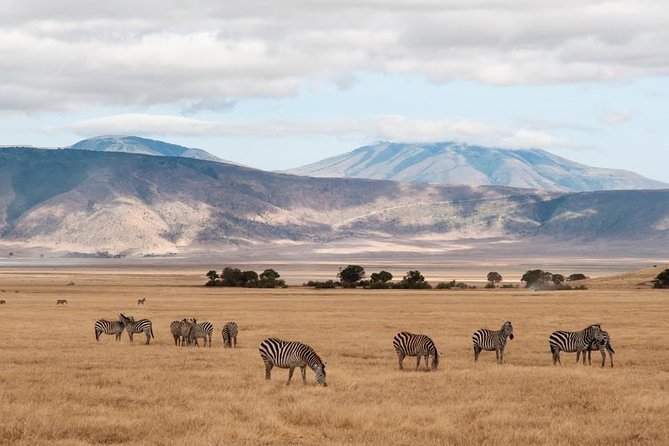
After breakfast, you leave camp for Serengeti National Park. The plan allows about five hours for the day’s main transfer, followed by an afternoon and sunset game drive.
This is a smart use of the day. Instead of treating the Serengeti as a late arrival and going straight to camp, you begin searching for animals as soon as you reach the park. The sunset timing can give the day a clear finish, though the exact wildlife action will depend on conditions and where animals are found.
Serengeti is the emotional center of the trip for many people, but it is also the place where patience matters most. The park is large, and animal sightings can be spread out. Your guide’s ability to search, listen, and decide when to stay or move becomes important.
The camping format works well here because it keeps you close to the park experience. You are not returning to Arusha between parks or losing time to a separate hotel routine. You eat, sleep, and go back out again.
More Camping Safaris in Arusha
- 4 Days Group Camping Safari
★ 5.0 · 1,101 reviews - 5 Days Group Camping Safari
★ 5.0 · 730 reviews - 5-Day private Camping Safari Tour in Tanzania
★ 5.0 · 86 reviews - 4-Day fascinating Camping Safari in Tanzania
★ 5.0 · 35 reviews
Day four: Twelve hours in the Serengeti
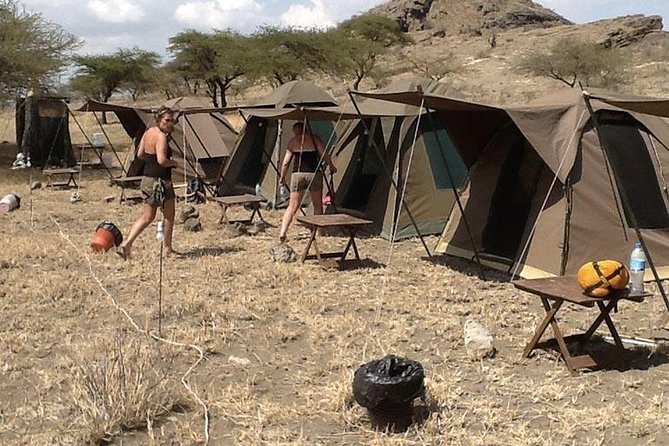
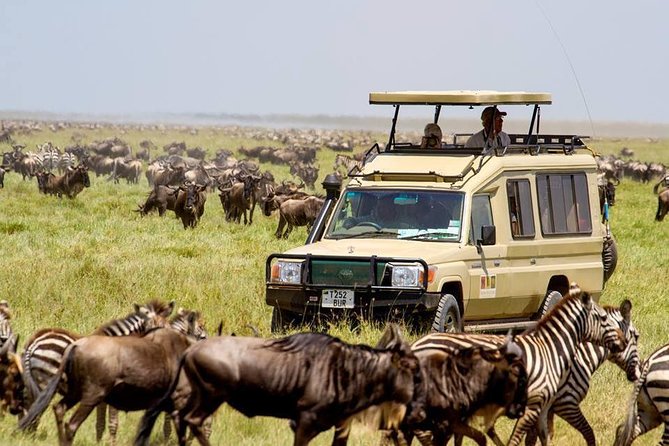
Day four is the main Serengeti day, with up to 12 hours of game driving. The goal is to search for herds, including migratory and non-migratory animals.
This is the most demanding day physically, but it is also the day with the greatest potential payoff. A full day gives your guide more room to respond to sightings. You can spend longer in one area when something is happening, rather than rushing back to camp after a short morning drive.
You should treat the 12-hour schedule as a serious commitment. Bring a light layer, sun protection, water, and patience. The vehicle has an open roof for viewing, which is excellent for seeing above the sides of the vehicle, but the same openness exposes you to the elements.
The plan does not promise the Great Migration at a particular point or guarantee a specific animal. That is worth noting. The route is designed to search for both migrating and resident wildlife, so you are not buying a fixed wildlife show. You are buying time in a major national park with a guide who can look for what is active that day.
The camping staff matter here. Saadi or Sadi has been singled out for helpful service and animal-finding skill, while Modi has been praised for preparing meals during the camping trip. Names and assignments can change, but the structure is clear: your driver-guide handles the parks and your cook handles the camp kitchen.
Day five: A final Serengeti drive and Ngorongoro
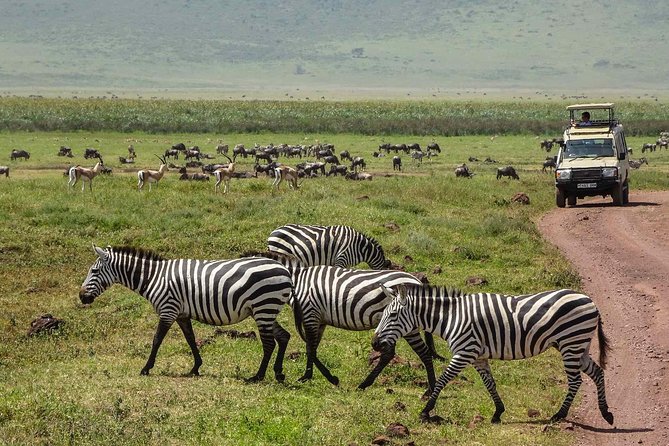
You have a half-day game drive in Serengeti before moving to the Ngorongoro Conservation Area for the night. The day takes about six hours.
This shorter Serengeti session gives you one more chance to look for wildlife before leaving the park. It also prevents every day from becoming a 10 or 12-hour vehicle marathon. Still, the drive to the next camping area means you will spend a good portion of the day in transit.
Ngorongoro is not just a convenient stop before the crater visit. It sets up the final morning, when you enter the crater floor after an early breakfast. That early start is practical because the crater visit is scheduled as a half-day game drive, followed by lunch and the return drive to Arusha.
The overnight move also shows the nature of this safari. You are changing areas often to cover more ground. That is good for variety, but it means you should keep your packing organized. A soft, manageable bag is easier than a large hard case when you are moving between camps.
Day six: Ngorongoro Crater, then back to Arusha
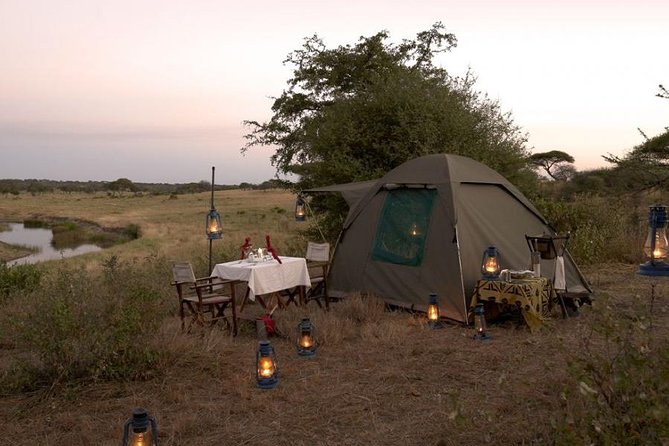
After an early breakfast, you enter Ngorongoro Crater for a half-day game drive. After lunch, you drive back to Arusha, with the day listed at about six hours.
The crater is a strong final stop because it gives the trip a distinct ending. Instead of repeating another general game drive, you explore a famous enclosed wildlife area before returning to town. The schedule is shorter than the main Serengeti day, but the early start and return drive still make it a full day.
Your arrival time in Arusha is not specified, so do not book a tight onward connection without checking the timing with the operator. The activity ends back at the meeting point, but road conditions and the day’s pace can affect the exact arrival.
Lunch is included, as are the five listed breakfasts and five dinners. That meal count fits the six-day structure and reduces the need to hunt for food during the safari. Drinks other than mineral water are your responsibility.
Sleeping under canvas, with useful comforts
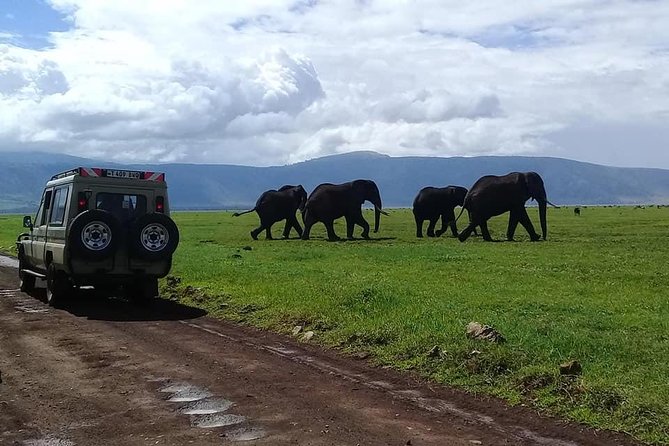
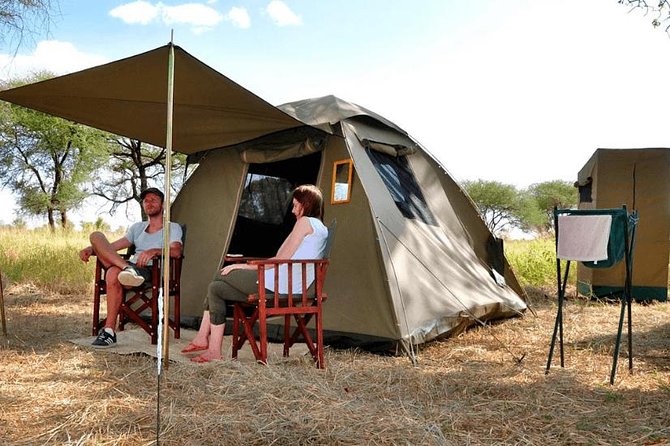
The camping is basic, but it is not unsupported. Tents, sleeping bags, and cots are provided, so you only need to bring your personal clothing and travel gear. The campsites offer solar-heated showers and eco-friendly toilets, and guards watch over the camp at night.
That setup matters because camping quality can shape the whole safari. A cot keeps you off the ground, a sleeping bag removes the need to carry bulky bedding, and a hot shower is welcome after a dusty day in the vehicle. Still, solar heating means hot water may depend on the conditions, and you should not expect hotel-style plumbing.
The cook is a key part of the experience. Meals are prepared during the trip, and Modi has been praised for making food that people remembered. You will not be choosing from a restaurant menu each night, but a personal cook gives the safari a more practical, shared rhythm.
Pack light, but include a warm layer for early mornings, comfortable clothing, sun protection, and anything you need for long vehicle days. The supplied information does not specify a luggage limit, so confirm packing rules before departure if you have bulky bags.
The small group and guide relationship
The group maximum is six people. That is a useful size for a safari vehicle: small enough to make conversation easy and large enough to share the fixed cost of the guide, vehicle, cook, and park access.
Your driver-guide will shape much of the trip. The most useful qualities are patience, good judgment about where to search, and the ability to explain what you are seeing. Saadi and Sadi are names connected with the driving and guiding side of past trips, while Ally Simba has also been involved in hosting camping safaris.
The company has also been supportive when flight problems affected plans. That matters because airport transfers and safari timing are linked. Pickup from the airport is included, but you should still provide accurate flight details and ask how a delay will be handled.
The activity is intended for most people, but that should not be confused with being effortless. You need to manage basic camping, long drives, early breakfasts, and extended time outdoors.
Who should book this safari
I would choose this trip if you want a broad first look at northern Tanzania and prefer spending your budget on park time instead of lodge comforts. It suits couples, small groups, students, and active visitors who like the idea of a cook, a tent, and a full day searching for animals.
It is also a good match if you want the major park names in one route. Tarangire, Lake Manyara, Serengeti, and Ngorongoro Crater each bring a different setting and pace.
I would think twice if you dislike camping, need a private bathroom, or find 10 to 12 hours in a vehicle difficult. The tour covers a lot in six days, and that efficiency comes with driving and frequent changes of camp.
Cancellation is free if you cancel at least 24 hours before the 8:30 a.m. start time. Changes or cancellations inside that window are not accepted for a refund. Travel insurance is not included, so arrange it separately.
Should you book the six-day camping route?
Book it if you want a serious wildlife trip at a controlled price, can handle basic camping, and value a small group with a dedicated cook and guide. The route covers four major destinations, and the two Serengeti days give the schedule enough time for real searching rather than a quick pass-through.
Skip it if comfort matters more than coverage. For the right person, this safari offers a practical way to sleep near Tanzania’s wild country, eat fresh camp meals, and see the parks through an open-roof 4×4. Just arrive ready for long days, simple facilities, and a schedule that keeps moving.
FAQ
Where does the safari start and end?
It starts in Arusha, Tanzania, at 8:30 a.m., and ends back at the meeting point in Arusha.
Is airport pickup included?
Yes. Airport pickup is included in the safari package.
How many people can join the safari?
The maximum group size is six people.
Which parks and protected areas does the route visit?
The route visits Tarangire National Park, Lake Manyara National Park, Serengeti National Park, and Ngorongoro Crater.
What camping equipment is provided?
Tents, sleeping bags, cots, and other camping facilities are provided. The campsites also have solar-heated showers and eco-friendly toilets.
Are meals included?
Yes. The package includes six lunches, five breakfasts, and five dinners, along with mineral water.
What is not included in the price?
Tips, beverage drinks, travel insurance, and hotel accommodation in Arusha before or after the safari are not included.
More Six-Day Trips in Arusha
- Tanzania Wildlife Encounters – 6 Days
★ 5.0 · 277 reviews - Tanzania Enticing Explorations – 6 Days
★ 5.0 · 106 reviews - 6 days Tanzania budget safari
★ 5.0 · 65 reviews - 6 Day Tanzania Wildlife Mid range Safari
★ 5.0 · 54 reviews
More Safaris in Arusha
- 7-Day Premium Luxury Tanzania Safari All-Inclusive
★ 5.0 · 426 reviews - 8 Days Great Wildebeest Calving Migration Safari from Arusha
★ 5.0 · 254 reviews - Group Safari 7 Days in Tanzania’s Main Parks
★ 5.0 · 240 reviews - Tanzania Simba Safari – 5 Days
★ 5.0 · 217 reviews
Just added around Arusha
- From Arusha: 11 days The Classics Northern Tanzania safari★ 5.0 · 11 reviews
- 6-Day Mount Meru Climb through Momella Route Guided Tour★ 5.0 · 5 reviews
- Private Day Trip to Arusha National Park with a Walking Safari★ 5.0 · 4 reviews
- From Arusha : 11-day Amazing North Tanzania safari tour★ 5.0 · 4 reviews
- Walking Day Tour to Safari in Arusha National Park★ 5.0 · 5 reviews
- 2 Days Tanzania Midrange Group Join Safari★ 5.0 · 7 reviews
- Best 5 Days Tanzania Private Luxury Safari with luxury Lodges★ 5.0 · 12 reviews
- Waterfall & Coffee Walking Tour★ 5.0 · 6 reviews
Camping Safaris, compared.
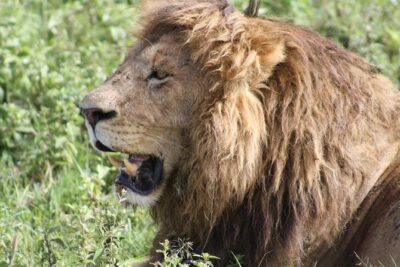
3 Day Serengeti National Park & Ngorongoro Crater Camping Safari
Read our review →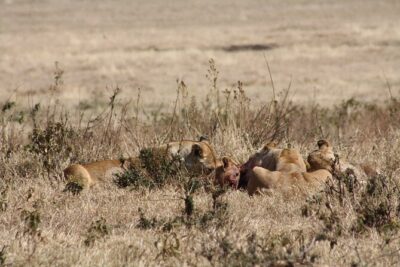
5-Day private Camping Safari Tour in Tanzania
Read our review →
5 Days Camping Tarangire, Serengeti & Ngorongoro crater & Visiting Maasai
Read our review →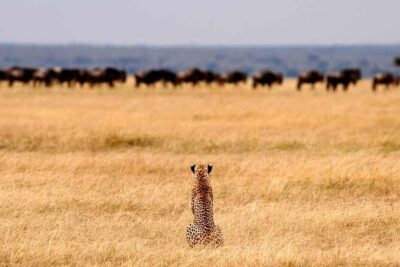
Multi-Day Camping Safari Experience in Arusha
Read our review →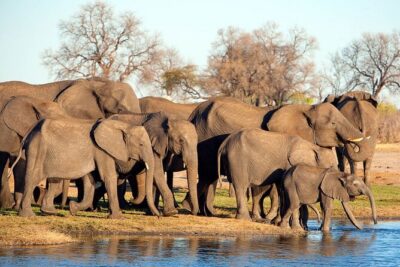
3-Day Tarangire, Ngorongoro and Lake Manyara Camping Safari
Read our review →Browse the lists this tour appears in