
Reviewed · GREAT MIGRATION SAFARIS
6 Day Serengeti wildebeest migration Camping Safari
The main draw here is variety. In six days you move from baobab-dotted Tarangire and flamingo country near Lake Natron to the wide grasslands of the Serengeti, then finish among rhinos, lions, and more in Ngorongoro Crater. It is a busy route, but it packs much of northern Tanzania into one trip.
I like the small group size, capped at six, and the fact that a safari cook, camping gear, meals, water, park fees, and a 4×4 are included. I also like the chance to follow the wildebeest rather than stay in one fixed Serengeti area. The main caution is the price: at $15,000 per person, you should confirm exactly what level of camping and service is included before paying.
Key points to know before booking
- Four major wildlife areas: Tarangire, the Lake Natron and Ngare Sero area, Serengeti National Park, and Ngorongoro Conservation Area.
- Migration timing is not fixed: The herds follow rain, so the best viewing area changes from year to year.
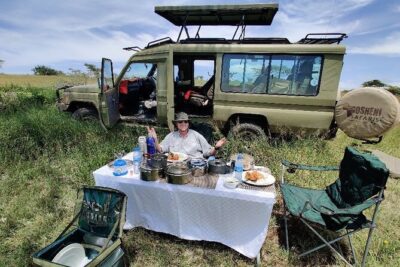
- Camping is part of the experience: You sleep in safari tents with mats, chairs, tables, and a safari cook.
- A maximum of six people: This gives you a better chance of getting time at sightings and room inside the vehicle.
- Guides are a major part of the trip: Godfrey, also called Gody, David, Monika, and Calvin are names associated with positive experiences on this route.
- Day 2 needs clarification: The schedule names Lake Manyara, but the detailed plan describes Ngare Sero, Lake Natron, and a Maasai-guided waterfall walk.
Why this route works for a six-day safari
This trip is designed for someone who wants the classic northern Tanzania circuit without spending two weeks on the road. You get elephants at Tarangire, a striking Rift Valley setting near Lake Natron, the open Serengeti, and a final wildlife-rich morning in Ngorongoro Crater.
The route also gives you different kinds of scenery. Tarangire feels dry and sculptural, with baobabs, swamps, and the Tarangire River. The Ngare Sero area brings dusty tracks, a Maasai village, a waterfall walk, and the pink haze of flamingos around alkaline Lake Natron. Then the Serengeti opens into huge grass plains where the eye keeps searching for movement.
There is a trade-off. This is not a slow, lodge-based safari with long afternoons beside a pool. You spend many hours in a vehicle, often on rough roads, and you change areas several times. You gain range, but you give up some rest.
The stated group limit of six matters. A full safari vehicle can make wildlife viewing feel crowded, especially when everyone wants the same side of the vehicle for a lion sighting. With six or fewer, you should have a more manageable ride and a better chance of discussing sightings with the guide.
More Camping Safaris in Serengeti
- 3 Days Serengeti & Ngorongoro Group Camping Safari
★ 5.0 · 574 reviews - 3 Day Serengeti National Park & Ngorongoro Crater Camping Safari
★ 5.0 · 142 reviews - 03 days Serengeti and Ngorongoro Crater group (camping)
★ 5.0 · 75 reviews
Day 1: Tarangire elephants and baobab country
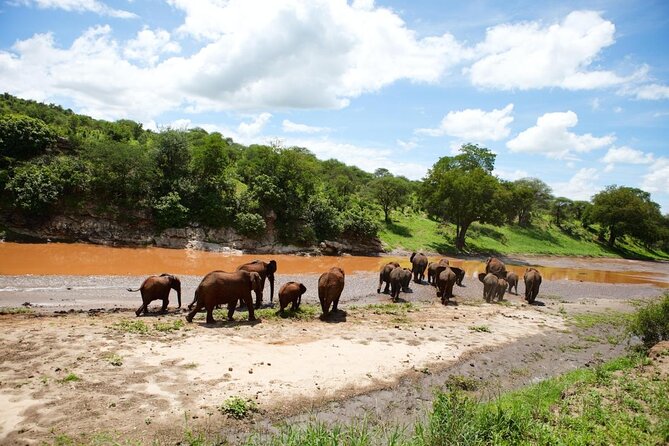
After a morning briefing, you head toward Tarangire National Park. This is a strong opening day because the park has a clear visual identity. Baobab trees rise from the savannah, seasonal swamps collect water, and animals gather around the Tarangire River when other water sources become less reliable.
Elephants are the headline here. Large herds are a regular reason to include Tarangire, and the water draws other species close enough for good viewing. You might also see giraffes, bushbucks, hartebeests, gerenuks, fringe-eared oryx, buffaloes, zebras, and wildebeests.
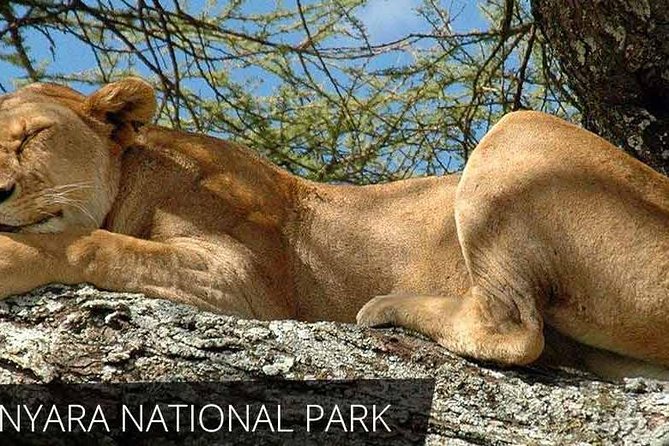
The predator picture is promising but should be kept realistic. Lions often follow the herds of prey. Leopards appear from time to time, while cheetahs are rarely seen in this park. That distinction is useful if you are choosing the route mainly for big cats.
You view the park from an open-roof 4×4, which gives you a broad view and makes it easier to scan the trees and plains. The first day is also a practical introduction to the rhythm of safari: long stretches of driving, sudden animal sightings, and plenty of time spent watching rather than moving.
Day 2: Rift Valley roads, Ngare Sero, and Lake Natron
There is an important detail to check before booking. The day is labeled Lake Manyara, but the description takes you from Tarangire to Mto wa Mbu and then along the Rift Valley Escarpment toward Ngare Sero and Lake Natron. Those are not the same stop, so ask the operator to confirm the final route.
The drive is described as spectacular and very bumpy. That means you should expect rough gravel roads rather than a smooth transfer. The payoff is the setting: Ol Doinyo Lengai, regarded as holy by the Maasai, can appear in the distance, while Lake Natron may show a pink glow from large numbers of flamingos feeding and breeding on algae.
The overnight setting at Ngare Sero gives this day a different feel from a standard game drive. You join a Maasai guide for a walk to a nearby waterfall, then return to camp for dinner and sleep. It is a useful break from sitting in the vehicle and adds a local, human element to the route.
Still, this is not primarily a big-game day. The attraction is the combination of village life, volcanic Rift Valley scenery, flamingos, and a guided walk. If your only goal is to see as many mammals as possible, you may find the long drive less rewarding than another full day in the Serengeti.
Day 3: Entering the Serengeti by dirt track
An early start takes you along adventurous dirt tracks as the vehicle climbs out of the Rift Valley. By midday, you reach the grassy plains of the Serengeti.
The name means endless plains in the Maasai language, and the first wide view explains why. The Serengeti is not just another park on the schedule. It is the central stage for the annual movement of huge herds searching for fresh grass and water.
The plan places you at a campsite in the northern or central Serengeti. The exact location matters because the park is enormous. A northern camp may put you closer to the herds at one point in the year, while a central camp near Seronera can offer strong year-round access to wildlife. Ask where the camp will be located for your dates.
You should also expect the ride to take time. The road out of the Rift Valley is part of the adventure, but it is not a quick transfer. Once you enter the Serengeti, the journey itself becomes part of the game drive, with chances to see animals before reaching camp.
More Great Migration Safaris in Serengeti
- 10-Day Serengeti Wildebeest Migration Safari from Arusha
★ 5.0 · 218 reviews - 8 Day Spectacular Migration Serengeti mid -Range Tanzania Safari
★ 5.0 · 161 reviews - 9-Day Serengeti Migration Footsteps Tanzania Safari
★ 5.0 · 96 reviews - Private 6-Day Great Migration Ndutu Serengeti Safari Tour
★ 5.0 · 47 reviews
Day 4: A full Serengeti game drive
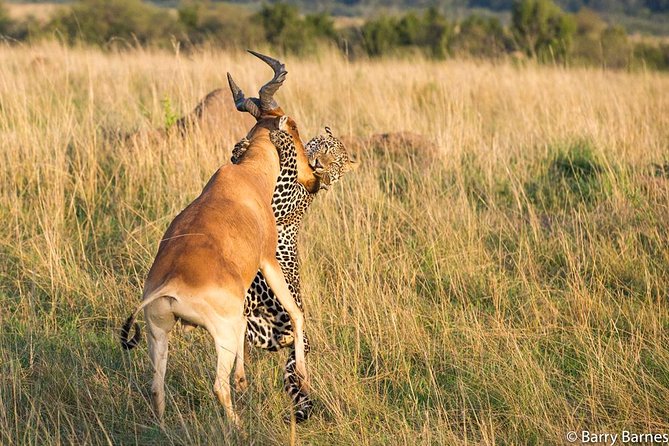
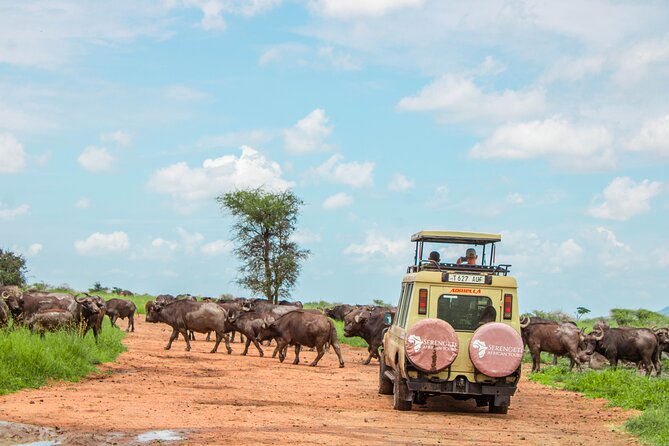
This is the day most closely tied to the migration theme. You spend the full day looking for the herds and the predators that follow them.
The timing of the migration is not guaranteed by the calendar. During the shorter rains in November and December, the herds generally move from northern hills toward southern plains. During the longer rains from April to June, they generally return north. Rainfall can shift the pattern, so your guide’s local knowledge and the exact travel dates matter more than a simple promise of seeing a particular crossing or herd location.
Wildebeests and zebras are the main cast, but the predators give the day its tension. Lions, leopards, and cheetahs may be found near prey. The route also passes through Big Five country, with lions, elephants, buffaloes, rhinos, and leopards all possible across the wider northern circuit.
A full day in the park is valuable because sightings cannot be scheduled. You may spend time driving between distant areas, then stop for a remarkable encounter. The downside is physical: several hours in a safari vehicle can be tiring, especially after the rough roads of the earlier days.
You spend another night in the Seronera area. This is useful because it avoids turning every Serengeti day into a long transfer. Confirm whether the camp is permanent or mobile, since the title promises a camping safari but the exact camp style is not fully described.
Day 5: From the Serengeti to Ngorongoro’s crater rim
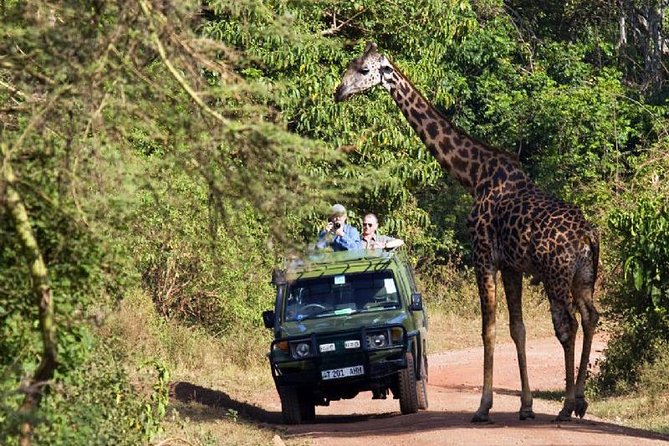
The morning begins with another Serengeti game drive. That gives you one more chance to find an animal missed the day before, or to watch the same species in a new setting.
After a picnic lunch, you drive toward Ngorongoro Crater. The first view from the crater rim is one of the route’s strongest moments. The caldera is about 20 kilometers wide, and more than 25,000 animals live inside it. You camp directly on the rim, where the view over the crater is a major reward for accepting a night outdoors.
This is also one of the more demanding days. You combine a morning game drive, a long transfer, and a campsite setup at altitude. The supplied information does not give an exact rim elevation or temperature, so you should ask the operator what clothing and sleeping arrangements are recommended for your departure.
Camping on the rim is not the same as staying inside a comfortable lodge. You get the setting, but you should be ready for basic conditions and a cooler night. The inclusion of a cook, sleeping mats, tents, chairs, and tables makes the arrangement more practical, but it remains a camping trip.
Day 6: Wildlife inside Ngorongoro Crater
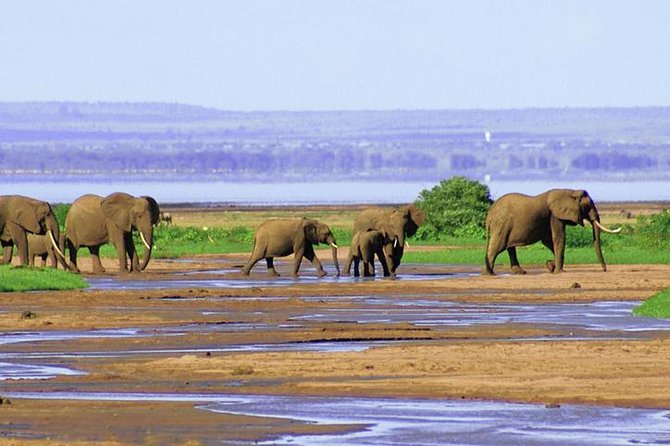
You rise early, eat breakfast, and descend into the caldera. Early timing is sensible because it gives you a full game drive before the afternoon return to Arusha.
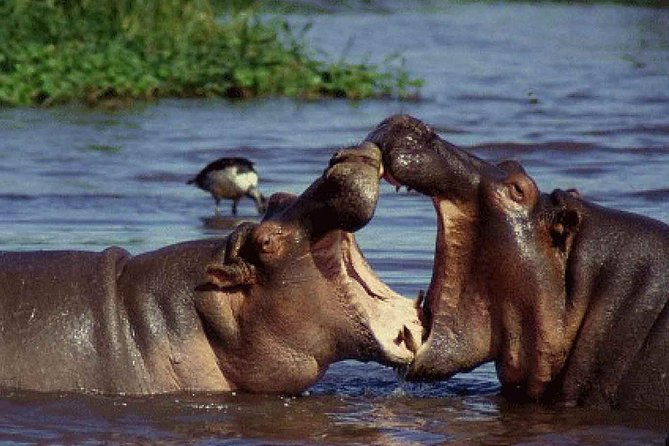
Ngorongoro offers a compact wildlife area with a wide range of habitats. You might see black rhinos, Grant’s and Thomson’s gazelles, lions, leopards, elephants, and mountain reedbucks in forested areas on the slopes. Buffaloes, spotted hyenas, and some of the region’s many bird species are also possible.
The information for the route also mentions rare wild dogs and more than 500 bird species in the area. These are possibilities, not guarantees. Rhinos and leopards are especially worth treating as fortunate sightings rather than promised highlights.
After the game drive, you stop for a picnic lunch and leave the caldera in the afternoon. The return to Arusha is expected in the early evening. That final drive means you should not schedule a flight or a time-critical onward connection the same night without confirming the actual arrival plan.
Camping, food, and the safari vehicle
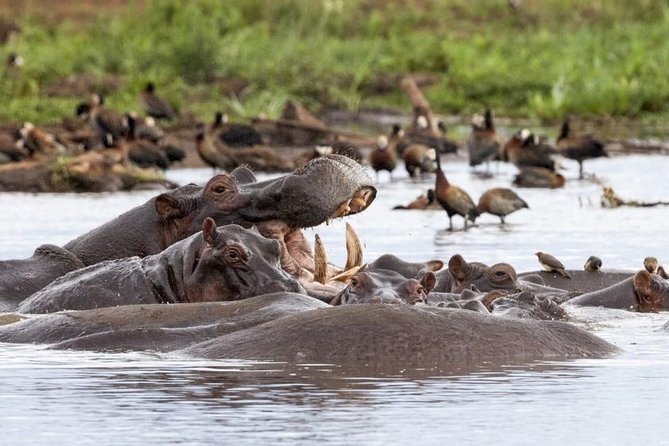
The package includes safari tents, sleeping mats, chairs, tables, and other camping equipment. A professional English-speaking safari cook prepares the included meals, and mineral water is supplied. Breakfast is included on five days, lunch on five days, and dinner on four days according to the supplied schedule.
That food arrangement covers the core route, but you should ask about special diets before departure. The information does not specify vegetarian, vegan, allergy, or child-friendly options.
The 4×4 safari vehicle is central to the experience. You use it for transfers and game drives, with an open roof for viewing in Tarangire. The small group cap helps, but the ride can still be dusty, bumpy, and long. Pack practical clothing, sun protection, and anything you need to stay comfortable during extended drives.
Guiding can make or break a safari. Names connected with this operator include Godfrey, also called Gody, David, Monika, and Calvin. Calvin is described as especially interested in birds and as carrying books for animal identification, while Godfrey is praised for giving enough time to explore different areas. You cannot assume which guide will lead your departure, so ask when confirming the booking.
Is $15,000 per person good value?
At $15,000 per person, this is an expensive safari. The package includes transport, an English-speaking guide, a cook, tents, camping equipment, meals, water, activities, and all stated national park fees. That removes several large costs that can surprise you on an independent safari.
The small group limit also has real value. You are paying for more than admission to parks. You are paying for a private-style vehicle arrangement, a guide who can track changing wildlife conditions, a cook, equipment, and the logistics of moving through four major areas.
Even so, the price needs clarification. The supplied information does not explain whether the $15,000 rate is based on a private booking, a premium mobile camp, a particular travel season, or additional services not listed. It also does not spell out the exact standard of the tents or whether airport transfers are included.
Compare the quote carefully with other six-day northern Tanzania safaris. Ask for a written breakdown covering camp type, vehicle arrangements, guide assignment, park fees, transfers, and any accommodation before or after the six days. At this price, you should not rely on a broad package label.
Flights, visa fees, tips, optional activities, and personal purchases are not included. Keep those costs separate when setting your total budget.
Who should book this safari?
I would choose this route if you want a concentrated first visit to northern Tanzania and care about seeing several different environments. It suits you if elephants, migration country, crater wildlife, and camping all appeal to you more than resort comfort.
It is also a good fit if you like having a guide who can adjust the Serengeti search to the herd location. The migration is controlled by rainfall, not by a fixed show schedule, so flexibility is part of the deal.
I would hesitate if you want a relaxed holiday with short drives and guaranteed luxury. The second day is rough, the Serengeti transfers are long, and the camping format is basic compared with lodge accommodation. I would also pause until the Lake Manyara versus Lake Natron wording is cleared up.
The operator has a free cancellation policy up to 24 hours before the start time. Changes or cancellations inside that window are not accepted for a refund. Pickup is offered, mobile tickets are available, and most people can participate, but the information does not spell out mobility accommodations.
My booking verdict
This is an ambitious six-day circuit with excellent geographic variety. Tarangire brings elephants and baobabs, Ngare Sero adds a waterfall and Maasai-guided walk, the Serengeti delivers the best migration focus, and Ngorongoro provides a powerful final wildlife day.
I would book it only after confirming the unusually high price, the exact camp standard, the Day 2 destination, and the guide and vehicle arrangements. If those details check out and you genuinely want a small-group camping safari, the route gives you a lot of northern Tanzania in a short time. If you prefer comfort or a slower pace, spend the same budget on fewer areas and better accommodation.
FAQ
How long is the safari?
The safari lasts approximately six days and returns to Arusha in the early evening on Day 6.
Where does the safari start?
The experience is based in Arusha, Tanzania, and pickup is offered.
How many people can join the safari?
The group has a maximum of six people.
Which parks and conservation areas are included?
The route includes Tarangire National Park, the Serengeti National Park, and the Ngorongoro Conservation Area. The Day 2 description covers Ngare Sero and the Lake Natron area, although the stop heading refers to Lake Manyara.
Is camping equipment provided?
Yes. The package includes safari tents, sleeping mats, chairs, tables, and other camping equipment.
Are meals included?
Yes. Meals are included according to the schedule, with five breakfasts, five lunches, and four dinners listed.
Are park fees included?
Yes. All mentioned national park fees are included.
What is not included in the price?
Flights, optional activities, visa fees, tips, and personal spending for souvenirs are not included.
More Six-Day Trips in Serengeti
- From Arusha: 6 Day Classic Game Drive Serengeti & Ngorongoro
★ 5.0 · 49 reviews - 6 Days Serengeti Safari(hiking waterfalls &coffee tour)
★ 5.0 · 48 reviews - 6 Days lodge &camping tour Serengeti ,Tarangire ,Ngorongoro Crater and Manyara
★ 5.0 · 15 reviews - Private 6-Day Tanzania Big Five Wildebeest Migration Tour in Serengeti
★ 5.0 · 11 reviews
More Safaris in Serengeti
- Serengeti Balloon Safari and authentic bush breakfast
★ 5.0 · 2,480 reviews - Balloon Safari & Bush Breakfast in Serengeti – Miracle Experience
★ 5.0 · 1,646 reviews - Safari Serengeti And Ngorongoro
★ 5.0 · 288 reviews - 3-Day Classic Serengeti Safari
★ 5.0 · 263 reviews
Just added around Serengeti
- Serengeti & Ngorongoro 3 days Fly Safari in from Zanzibar★ 5.0 · 21 reviews
- 3 Days Serengeti National Park from Zanzibar★ 4.5 · 3 reviews
- 4-Day Serengeti, Ngorongoro,Tarangire safari★ 5.0 · 3 reviews
- Serengeti 2-Day Safari from Mwanza★ 5.0 · 16 reviews
- Serengeti Day Trip Tour from Mwanza★ 5.0 · 4 reviews
- Full-Day Serengeti Tour from Mwanza★ 5.0 · 11 reviews
- Discover Our Best Guide for 1-Day Serengeti Safari from Mwanza★ 5.0 · 5 reviews
- Serengeti Day Trip Safari From Mwanza Tanzania★ 5.0 · 7 reviews
Great Migration Safaris, compared.
8 Days Great Wildebeest Calving Migration Safari from Arusha
Read our review →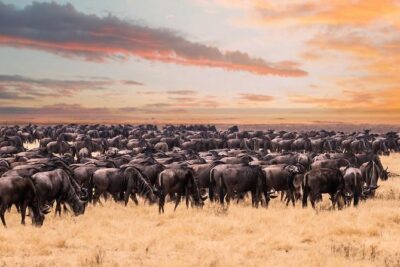
8 Day Spectacular Migration Serengeti mid -Range Tanzania Safari
Read our review →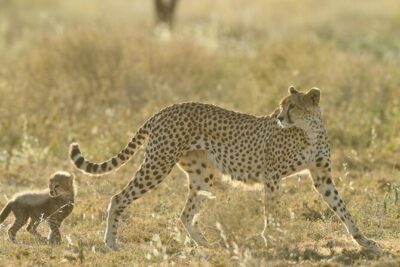
Private 6-Day Great Migration Ndutu Serengeti Safari Tour
Read our review →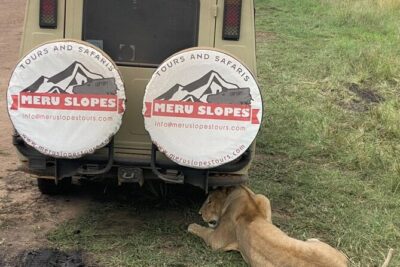
6 Days Tanzania Budget Camping Safari with Migration
Read our review →10-Day Wildebeest Migration Calving Safari -All Inclusive
Read our review →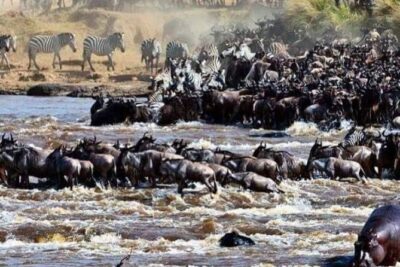
8 Days Great Wildebeest Migration – Mara River Crossing
Read our review →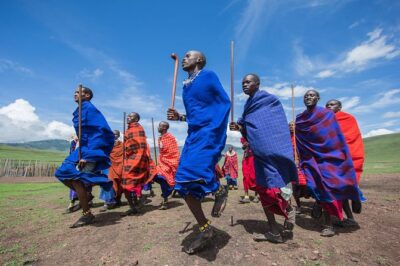
Tanzania Safari – The Great Migration in the North of the Serengeti and Lake Natron
Read our review →
5-Days Private Serengeti Wildebeest Migration Lodge Safaris
Read our review →Browse the lists this tour appears in