
Reviewed · CAMPING SAFARIS
4 days Tanzania Camping Safari
The great appeal here is the three-park route: Tarangire’s elephants, the Serengeti’s predators and open plains, and Ngorongoro Crater’s dense wildlife all fit into four busy days. Guide Abouh is named in several guest accounts as friendly, helpful, and especially good at explaining animals, plants, and the roads through the parks.
I like the mobile camping setup, which keeps the price at $950 per person and puts you close to the sounds of the bush. I also like that park fees, food, water, camping gear, and airport transfer are included. The tradeoff is a demanding schedule with long game drives, early starts, shared arrangements, and basic wild-camp conditions.
Key points to know before booking
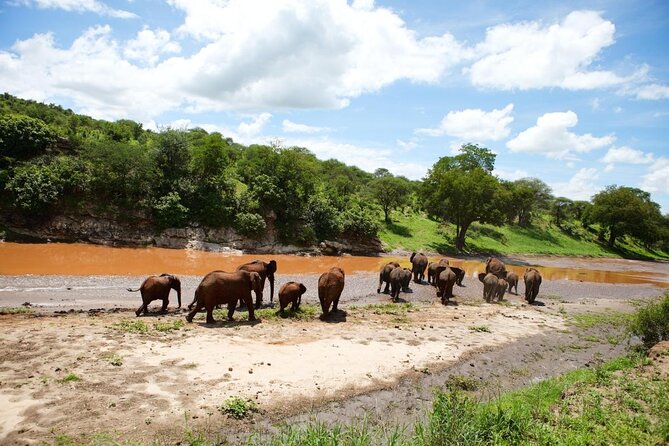
- Tarangire opens the trip with a full six-hour game drive, with elephants, zebras, wildebeest, buffaloes, gazelles, and possible big-cat sightings.
- Serengeti camping includes an evening game drive in Seronera, the park’s central area, where you may see predators and animals near camp.
- Ngorongoro Crater is visited twice in different ways, first from the famous viewpoint and later from the crater floor.
- Guide Abouh is specifically named in guest feedback, with praise for his friendly manner, animal explanations, and knowledge of park roads.
- The $950 price covers the main safari costs, including park entry, meals, bottled water, sleeping bags, mattresses, and airport transfer.
- The group can reach 15 people, so ask about the expected group size if a quieter vehicle matters to you.
Three famous parks in four demanding days
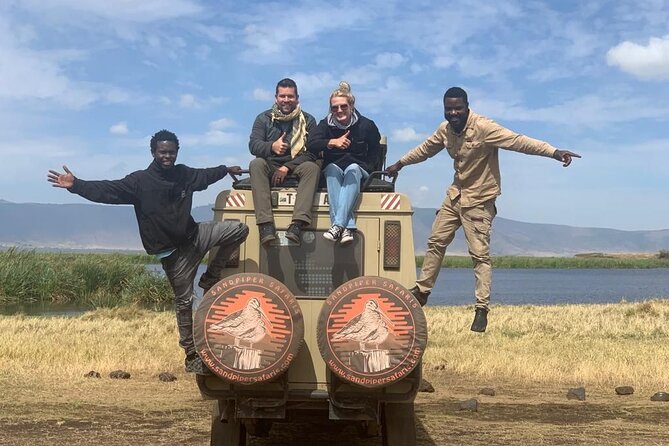
This safari packs Tanzania’s northern circuit into a short trip from Arusha. You visit Tarangire National Park, the Ngorongoro Conservation Area, Serengeti National Park, and Ngorongoro Crater before returning to Arusha.
That route gives you a good range of scenery and wildlife in little time. Tarangire is a strong first stop for elephants and general game viewing. Serengeti is the place for wide-open views, predator sightings, and the possibility of seeing the migration in the right season. Ngorongoro adds dramatic scenery and one of the best chances on this route to see many animals in a compact area.
The pace is the price you pay. Several days include about six hours of game driving, and the route involves moving camp rather than settling into one place. I would choose this trip for access and variety, not for long afternoons at a lodge.
More Camping Safaris in Arusha
- 4 Days Group Camping Safari
★ 5.0 · 1,101 reviews - 5 Days Group Camping Safari
★ 5.0 · 730 reviews - 6 Days Tanzania Budget Camping Safari
★ 5.0 · 145 reviews
Day 1: Tarangire and a first look at safari life
The safari begins with a full-day game drive in Tarangire National Park. The stated start time is 7:30 a.m. from Arusha Airport, and airport transfer is included, so confirm the exact pickup plan before you arrive.
Tarangire is a sensible first park because it gives you a strong introduction to large animals and classic safari viewing. The planned search includes lions, cheetahs, leopards, elephants, wildebeest, buffaloes, zebras, and gazelles. Elephants are one of the park’s main attractions, and the description promises close views of common herbivores as well as the chance of finding big cats.
Keep your expectations grounded. Wildlife is wild, and no safari can promise a leopard, cheetah, hunt, or kill. The six-hour drive gives your guide time to check several areas, but sightings depend on the day, season, and animal movements.
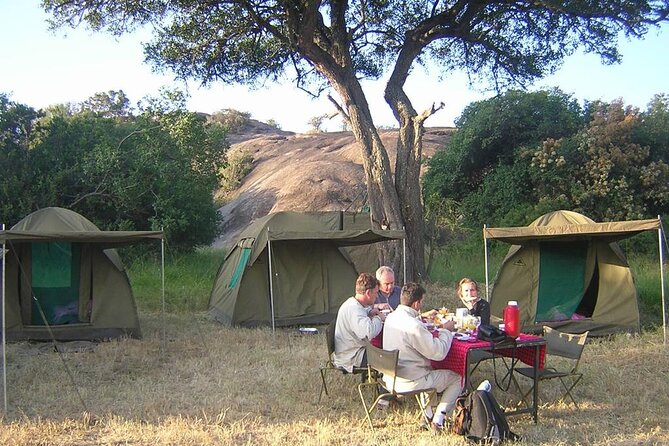
This is also your first taste of the practical side of camping. You are not simply riding from one polished property to another. You are moving through parks and staying in mobile tents, with a sleeping bag and mattress supplied. That suits people who want a more direct connection to the setting and who can handle a basic camp routine.
Day 2: Ngorongoro views, Maasai culture, and Serengeti at sunset
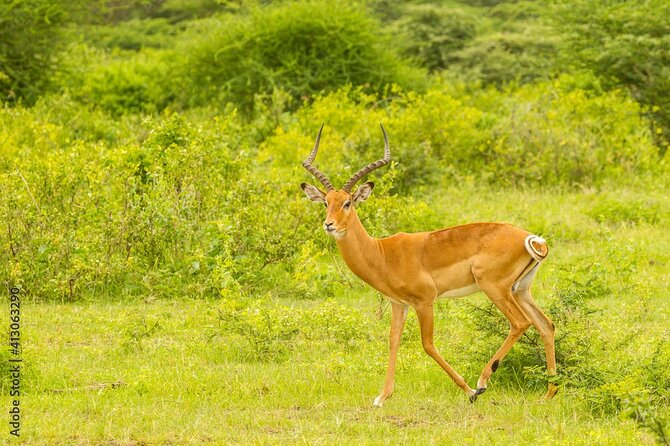
Day 2 begins in the Ngorongoro Conservation Area with a stop at the Ngorongoro viewpoint. You get about 20 minutes here, enough to take in the crater from above and photograph its striking bowl shape.
The viewpoint is brief, but it matters. It gives you the clearest sense of Ngorongoro as a contained natural world before you later descend to the floor. Bring a camera, but also give yourself a quiet moment to look. The view is the sort of stop that can feel too short if you are trying to organize a large group for photographs.
A visit to a Maasai village is offered as an optional activity. It lasts about 45 minutes and costs $20 for entry. This can add a human and cultural element to a trip otherwise focused on animals. You may learn about Maasai traditions, including the historical importance of warrior status and lion hunting. The description also notes that some customs have changed, while drinking animal blood remains an exception.
Because the village visit costs extra and is optional, you can decide based on your interest, budget, and schedule. It is best to treat it as a chance to learn, not as a staged substitute for broader cultural understanding. The provided time is short, so expect an introduction rather than an extended cultural program.
Afterward, you continue to Serengeti National Park and reach the Seronera area in the afternoon. This central part of the park is used for a game drive lasting into the late evening. The timing gives you a chance to see wildlife in the softer light of late day and watch the sunset from the vehicle.
Seronera is a strong place to look for predators. The planned sightings include animals hunting or feeding on a kill, though again, this depends on luck and timing. The trip also notes that animals can sometimes be seen near the campsite, with hyenas particularly possible. Rangers provide close protection around the active camp area, but you still need to follow instructions and avoid wandering away from camp.
This is one of the most memorable parts of the trip, but it is also one of the longest days. You begin with a viewpoint and optional village visit, then travel into the Serengeti for a late game drive. Carry water, keep a warm layer handy, and be ready for a late arrival at camp.
Day 3: Early Serengeti viewing and the road toward Simba Camp
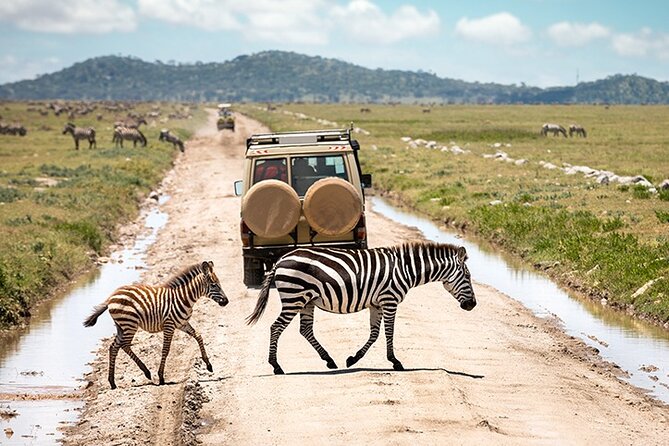
Day 3 starts with an early breakfast and an early game drive in the Serengeti. That early departure is worthwhile because animals are often easier to find before the heat of the day, and the itinerary allows game viewing until afternoon.
The plan is not simply to drive out of Serengeti quickly. You continue watching for animals as you leave the park and head toward Simba Campsite near Ngorongoro. This gives you another stretch of wildlife viewing while you make the necessary transfer between areas.
The schedule lists about six hours for the day’s game drive and includes park admission. Lunch is provided at camp, along with the other listed meals. The supplied package includes four lunches, three dinners, and three breakfasts, which matches the four-day format with the first day beginning after breakfast and the final day ending after lunch.
Camping near Simba adds another wild setting to the trip. Animals may be spotted around campsites, so camp is not necessarily a complete break from wildlife. At the same time, you should remember that this is not a place for casual solo walks. Follow the camp team and ranger guidance, especially after dark.
This day may feel like the least dramatic on paper because much of it involves moving between parks. In practice, it is useful: you get another serious Serengeti viewing session and position yourself for the Ngorongoro descent on Day 4.
More Safaris in Arusha
- 7-Day Premium Luxury Tanzania Safari All-Inclusive
★ 5.0 · 426 reviews - 8 Days Great Wildebeest Calving Migration Safari from Arusha
★ 5.0 · 254 reviews - Group Safari 7 Days in Tanzania’s Main Parks
★ 5.0 · 240 reviews - Tanzania Simba Safari – 5 Days
★ 5.0 · 217 reviews
Day 4: Down into Ngorongoro Crater
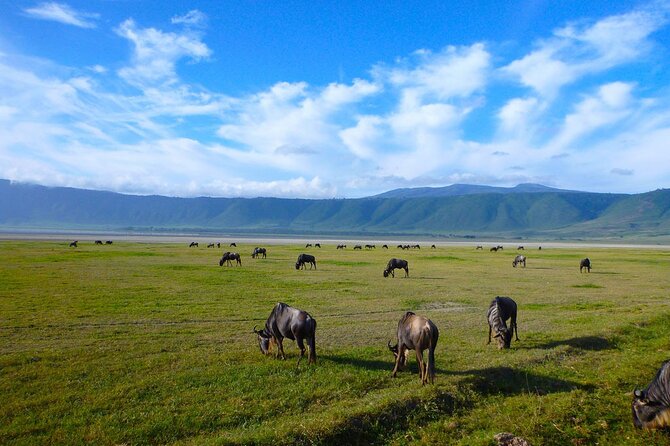
The final full safari day begins with an early breakfast and a descent into Ngorongoro Crater. The main goal is to search for black rhinos, described as the hardest animals to spot in the crater.
Rhino sightings are never guaranteed, but the crater gives you a good setting for looking. Its floor is relatively compact compared with the wide Serengeti, and many animals can be easier to find because they are concentrated in one broad natural basin. You may also see other wildlife during the drive, though the exact sightings will change from day to day.
After lunch, you continue the game drive, then ascend the crater and pack for the return to Arusha. The day is listed at about six hours, so it combines wildlife viewing, a long route out of the crater, and the final journey back to town.
The crater can feel like the grand finale, especially after the open spaces of Serengeti. It also makes for a tiring ending. If you have an evening flight, do not assume the return timing will suit it without confirming the schedule. The supplied information gives an Arusha return but does not promise a precise arrival time.
What the $950 price really covers
At $950 per person, this is priced as a budget safari, but the important question is what you avoid paying separately. The package includes:
- All park entrance fees and taxes
- Sleeping bag and sleeping mattress
- Meals and bottled water
- At least three litres of bottled water per day
- Airport transfer
- Four lunches
- Three dinners
- Three breakfasts
That is a solid list of core costs for a four-day northern circuit trip. Park fees alone can make Tanzania safaris expensive, so having entry charges included makes the advertised price easier to assess.
The value is strongest if you are comfortable sharing the experience and sleeping in mobile tents. The maximum group size is 15, which can help keep the price down but may affect how quickly the vehicle loads, how much space you have, and how personal the guiding feels.
You still need to budget for tips, flights, visas, and the optional $20 Maasai village visit. Tips are not included, and the tour information does not give a suggested amount, so ask the operator if you want a clear plan before departure.
Camping, meals, and daily comfort
The camping equipment covers the basics: a sleeping bag and mattress. The experience is designed for people who want a practical safari camp rather than hotel-style comfort. The word mobile matters here. You are following the route through several parks, not staying in one fixed base.
Meals and water are included, which removes two common worries on a multi-day safari. You receive bottled water at three litres or more per day. That is useful during long drives and warm game-viewing hours, when dehydration can sneak up on you.
The supplied information does not specify the exact menu, tent style, toilet facilities, shower arrangements, or whether electricity is available at each camp. Ask about those points before booking if they affect your decision. I would also pack a small flashlight, warm layers, sun protection, and a soft bag that is easier to manage than a large hard suitcase, though the tour does not state a luggage limit.
The guide can shape the whole experience
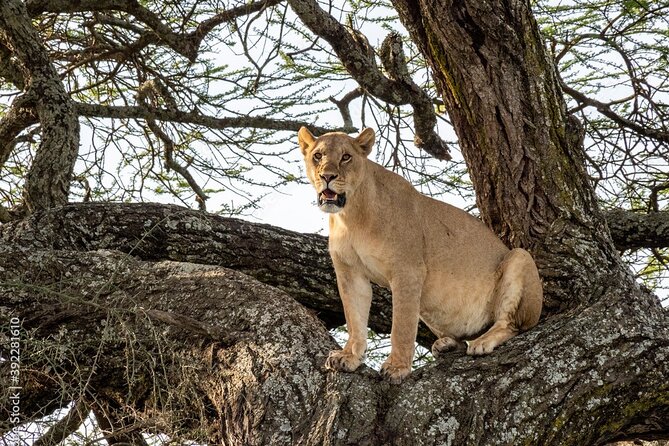
Several supplied accounts identify Abouh as the guide and praise his friendly, helpful approach. His strengths are described as explaining animals and plants, knowing the roads in the parks, and keeping the mood pleasant during a demanding safari.
That matters more than fancy camp furniture. A good guide helps you understand what you are seeing, keeps watch for tracks and movement, and makes long stretches in the vehicle feel purposeful. The written information also describes the wider company team as professional and organized.
Because group size can reach 15, the guide’s ability to manage different interests becomes important. Some people will want to wait for a predator sighting, while others may prefer to move on. If you care about photography or spending extra time at a sighting, ask how the shared vehicle handles those choices.
Who should book this safari
I would recommend this trip to you if you want the northern circuit’s main attractions at a lower price and you are happy with a busy schedule. It suits first-time safari visitors who want elephants, big cats, Serengeti scenery, Ngorongoro, and a real camping element in one short trip.
It is also a good fit if you enjoy shared trips and do not need to control every departure time. The included meals, water, park fees, and camping gear make planning easier.
I would hesitate if you want luxury accommodation, slow mornings, private guiding, or a precise timetable. Four days is enough to see a lot, but it leaves little room for delays, long stops, or rest. The optional Maasai village visit adds interest, but its 45-minute format may feel brief if cultural visits are your main reason for coming.
The cancellation terms are fairly forgiving up to 24 hours before the start time, with a full refund. Inside that window, cancellations and changes are not accepted for a refund.
Should you book the four-day route?
Book it if your priority is maximum park variety for a controlled price. The route brings together Tarangire, Serengeti, and Ngorongoro, while the camping format keeps the experience close to the bush and includes the major daily costs.
Before paying, confirm the pickup from Arusha Airport, the expected group size, the precise camping facilities, and the return timing to Arusha. If you can accept early starts, long drives, and basic tents, this is a strong short safari with plenty of wildlife potential and a practical price.
FAQ
Where does the safari start?
The listed meeting point is Arusha Airport in Arusha, Tanzania, with a stated start time of 7:30 a.m.
Is airport pickup included?
Yes. Airport transfer is included in the package.
How long is the safari?
The experience lasts approximately four days.
Which parks does the safari visit?
The route includes Tarangire National Park, Serengeti National Park, the Ngorongoro Conservation Area, and Ngorongoro Crater.
Is the trip private?
No. It is a shared experience, and the maximum group size is 15 people.
What camping equipment is provided?
A sleeping bag and sleeping mattress are included.
Are meals included?
Yes. The package includes four lunches, three dinners, and three breakfasts.
Is bottled water provided?
Yes. Bottled water is included at three litres or more per day.
Is the Maasai village visit included?
The visit is optional and costs $20 for entry.
What is not included in the price?
Tips, flights, and visa fees are not included.
More Four-Day Trips in Arusha
- 4 Days safari Tour Tanzania
★ 5.0 · 159 reviews - 4 Days Mount Meru Trekking
★ 5.0 · 55 reviews - 4 days safari in Tanzania
★ 5.0 · 49 reviews - 4-Day Simba Safari – Mid Range Tour
★ 5.0 · 47 reviews
Just added around Arusha
- From Arusha: 11 days The Classics Northern Tanzania safari★ 5.0 · 11 reviews
- 6-Day Mount Meru Climb through Momella Route Guided Tour★ 5.0 · 5 reviews
- Private Day Trip to Arusha National Park with a Walking Safari★ 5.0 · 4 reviews
- From Arusha : 11-day Amazing North Tanzania safari tour★ 5.0 · 4 reviews
- Walking Day Tour to Safari in Arusha National Park★ 5.0 · 5 reviews
- 2 Days Tanzania Midrange Group Join Safari★ 5.0 · 7 reviews
- Best 5 Days Tanzania Private Luxury Safari with luxury Lodges★ 5.0 · 12 reviews
- Waterfall & Coffee Walking Tour★ 5.0 · 6 reviews
Camping Safaris, compared.
3 Day Serengeti National Park & Ngorongoro Crater Camping Safari
Read our review →
5-Day private Camping Safari Tour in Tanzania
Read our review →
5 Days Camping Tarangire, Serengeti & Ngorongoro crater & Visiting Maasai
Read our review →
Multi-Day Camping Safari Experience in Arusha
Read our review →
3-Day Tarangire, Ngorongoro and Lake Manyara Camping Safari
Read our review →Browse the lists this tour appears in