
Reviewed · GREAT MIGRATION SAFARIS
Private Wildebeest Calving Safari, Tanzania, January to March
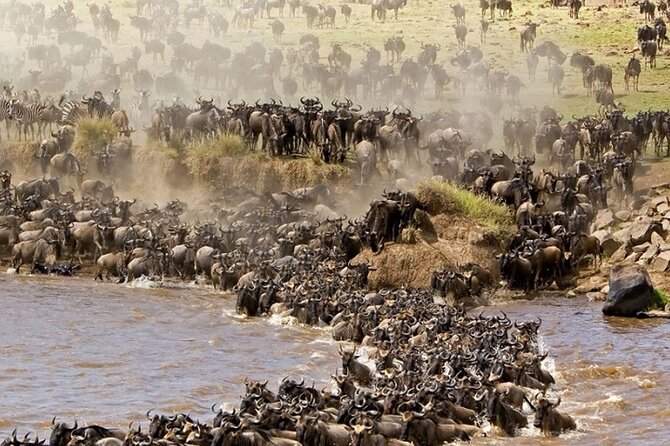
The main event here is the wildebeest calving season in Ndutu, normally from December through April. January to March is a strong window for seeing newborn calves, hungry predators, and huge herds spread across the short-grass plains. The route also gives you Tarangire elephants, Serengeti game drives, and a descent into Ngorongoro Crater.
I like the small maximum group of six, which matters in a safari vehicle, and I like the full-board setup with airport transfers, bottled water, and a 4×4 with a viewing roof included. The tradeoff is a lot of time on the road, plus a strict non-refundable policy and extra costs for the Maasai village, Olduvai Gorge, flights, insurance, and visa.
Key points to know before booking
- Calving-season timing: January to March is aimed at newborn wildebeest and strong predator activity in the Ndutu area.
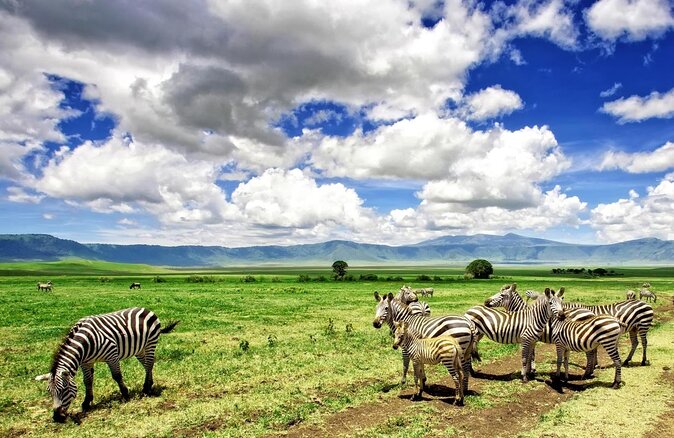
- Five major wildlife areas: The route includes Tarangire, Lake Manyara, Serengeti, Ndutu, and Ngorongoro Crater.
- Small private group: The vehicle is limited to six people, with a qualified driver-guide.
- Long transfer days: Several days are planned around roughly eight hours of driving and game viewing.
- Full-board value: Breakfast, lunch, dinner, accommodation, park fees, airport transfers, and safari water are included.
- Add-on expenses: International and domestic flights, insurance, visa, Maasai village visits, and Olduvai Gorge are not included.
Why the January to March timing matters
This safari is built around one of Tanzania’s most dramatic wildlife seasons. In the Ndutu area, wildebeest usually gather on the short-grass plains between December and April. During the peak calving period, you may see very young calves moving soon after birth, along with zebra, antelope, lions, cheetahs, and hyenas.
That timing changes the character of a safari. You are not simply searching for large animals in open grassland. You are watching a breeding cycle that draws predators close to the herds. The itinerary allows a full day in Ndutu, which is important because wildlife sightings are never evenly spread across a morning or afternoon.
The exact number of births, predator sightings, and herd locations cannot be promised. Nature does not follow a tour schedule. Still, the season and route are well matched to the stated goal of seeing wildebeest calving.
More Great Migration Safaris in Arusha
- 8 Days Great Wildebeest Calving Migration Safari from Arusha
★ 5.0 · 254 reviews - 7 days great migration safari
★ 5.0 · 77 reviews - 7-Day Great Migration Safari
★ 5.0 · 14 reviews
Day 1: Kilimanjaro Airport to Moshi
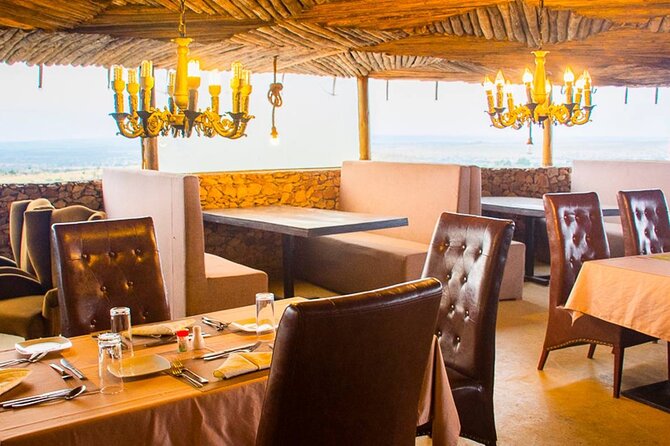
The trip begins with pickup at Kilimanjaro Airport, followed by a drive to Moshi and an overnight stay at Springlands Hotel. Dinner is included on this first night.
This is a useful arrival plan if your international flight reaches Tanzania late in the day or you want a simple night near the safari starting point. The schedule allows up to 12 hours for this opening day, though much of that depends on your flight arrival and transfer time.
You should treat Moshi as a practical base rather than a major sightseeing stop on this itinerary. The important point is getting rested and ready for the long drive toward the northern parks.
Day 2: Lake Manyara and its varied habitats
The second day takes you to Lake Manyara National Park. The park sits below the steep Rift Valley escarpment and packs several distinct habitats into a relatively compact area. You may pass through groundwater forest, acacia woodland, grassy plains, swamp, and the lake zone.
Lake Manyara is known for its elephants, buffalo, giraffes, hippos, impala, bushbuck, waterbuck, and several monkey species. Blue monkeys, vervet monkeys, and olive baboons are among the animals you might find in the forested areas.
The park is also associated with tree-climbing lions. Seeing one is never guaranteed, but the possibility adds interest to the game drive. Birdlife can be good around the lake and wetlands, though the itinerary does not specify a dedicated birding focus.
The listed day lasts about eight hours. That includes the drive from Moshi and time in the park, so you should expect a full day rather than a leisurely park visit. Lake Manyara makes a useful introduction to Tanzania’s wildlife, but the route becomes more focused on the Serengeti and Ndutu later.
Day 3: The road toward Serengeti
After breakfast, you drive toward Serengeti National Park. The name refers to the endless plains, and the change in scenery is part of the appeal. The day is not only about reaching the next lodge. It is your first approach to the main wildlife area.
Two optional stops are offered along the way. A Maasai village visit gives you a chance to learn about local culture and take part in tribal activities. Olduvai Gorge, often called the Cradle of Humanity, offers a museum focused on human origins in East Africa.
Neither stop is included in the base price. You should ask about the cost and time required before departure, especially because this is already an eight-hour day. Adding both could make the journey longer and reduce time for wildlife viewing.
The value of these stops depends on your interests. If you want cultural contact or archaeological context, they add another layer to the safari. If your priority is maximizing time among animals, you may prefer to continue toward the Serengeti.
More Private Tours in Arusha
- 5 Days Budget Private Safari, Tanzania
★ 5.0 · 191 reviews - 5-Day Private Northern Tanzania Safari from Arusha
★ 5.0 · 182 reviews - 6 Days Private Budget Safari
★ 5.0 · 163 reviews - 5-Day Private midrange Tour in Arusha with Airport Pickup
★ 5.0 · 160 reviews
Day 4: A full day among the Serengeti plains
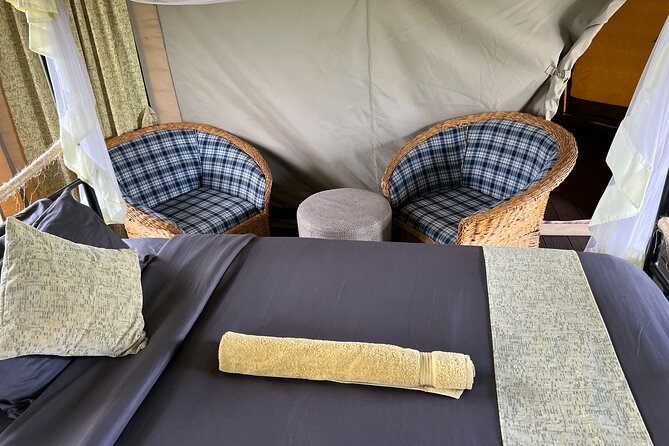
A full day in Serengeti National Park is one of the strongest parts of this route. The park supports large numbers of wildebeest, zebra, and antelope, along with predators such as lions and cheetahs.
The scenery changes across the park. Open grass plains dominate some areas, while other sections feature scattered acacia trees, wooded hills, kopjes, and black clay plains. Those rocky kopjes are worth watching because predators may use them as lookout points.
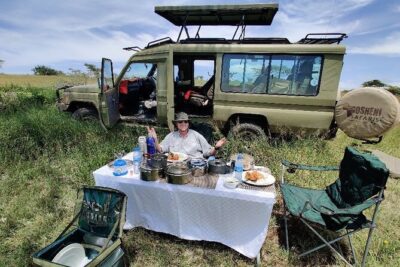
A full day gives your guide more time to search rather than rushing from one sighting to the next. It also lets you experience the park at different times of day. The itinerary includes a bush lunch in the Serengeti, so lunch is part of the day’s safari rhythm rather than a return to a lodge.
Your guide and driver make a real difference here. The operator’s past safari arrangements have included guides named Martin, Marko, and Kileo, but your assigned guide is not specified and should be confirmed before booking if that matters to you. You can reasonably expect a qualified driver-guide, but you should not book based on a particular name unless the company confirms it.
Day 5: Serengeti to the Ngorongoro Conservation Area
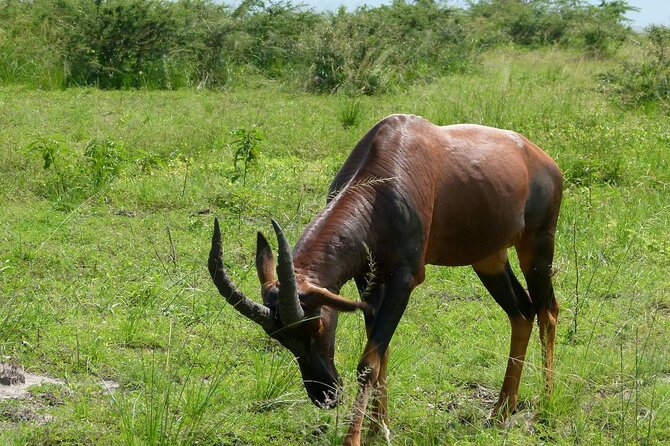
Day five starts with a morning game drive in the Serengeti before the transfer to the Ngorongoro Conservation Area. This is a good design choice because it gives you another chance to see animals in the Serengeti before changing bases.
The southern Serengeti and Ndutu area form part of the same broad ecosystem. During the calving months, wildebeest often gather on the short-grass plains. Elephants, birds, and resident wildlife also occupy the area.
The day is listed at about eight hours and includes an afternoon game drive after you reach the conservation area. That makes this another long day, with limited downtime. You should pack essentials where you can reach them in the vehicle, including water, sun protection, and any medication you need during the drive.
The inclusion of bottled water is a small but helpful detail. You still need to bring personal drinks if you want something beyond the supplied safari water.
Day 6: Full-day Ndutu calving safari
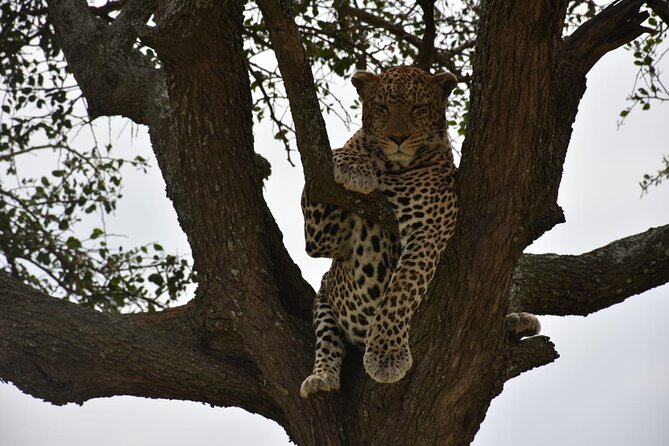
This is the heart of the experience. You spend the day exploring Ndutu, with its swamps, woodland, soda lakes, and short-grass plains.
The mix of habitats matters. The open plains are the main setting for wildebeest and zebra herds, while marshes and lakes attract birds. Wooded ridges offer a different kind of game viewing and are worth checking rather than treating the open plains as the only place to look.
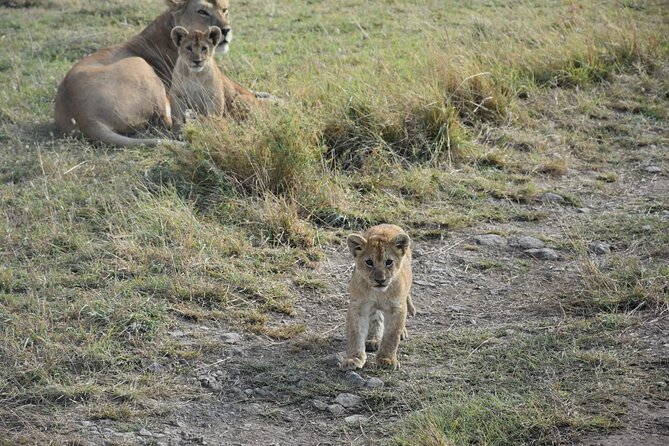
January through March is the period when you may see calves only minutes old, or young animals finding their feet soon after birth. Predator activity can also be strong because newborn animals draw lions, cheetahs, and hyenas toward the herds. The itinerary specifically highlights resident lion prides and cheetahs on the plains.
This is where the private format earns its keep. With no more than six people, it is easier to share a vehicle and remain focused on the day’s sightings. You can also discuss how much time to spend at a sighting with your guide, subject to park rules and practical limits.
Do not expect every drive to deliver a birth scene. The best way to approach Ndutu is to value the entire setting: herds, birds, predator tracks, changing habitats, and the chance of witnessing a rare moment.
Day 7: Ngorongoro Crater and the return to Moshi
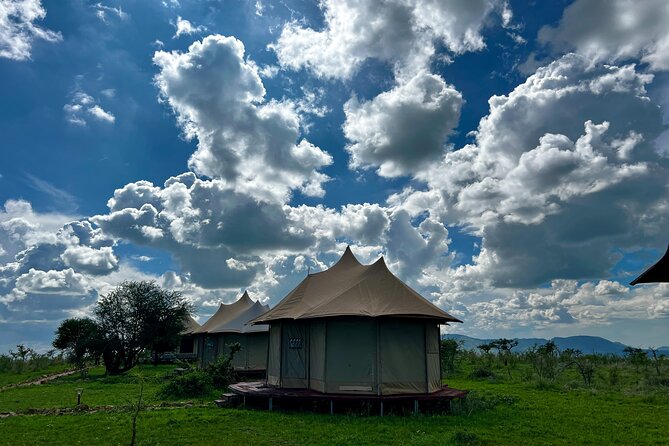
On day seven, you descend into Ngorongoro Crater for game viewing. The crater is about 600 meters deep, 16 kilometers across, and roughly 265 square kilometers in area.
The crater floor supports a large concentration of animals, including lions, cheetahs, eland, zebra, gazelle, buffalo, and elephants. It is also one of the places in Tanzania where you may spot a black rhino. Sightings are not guaranteed, but the open grassland can make distant animals easier to scan for.
Makat Soda Lake may attract flamingos and other birds. The combination of open plains, water, and the steep crater walls creates a very different setting from Ndutu and Serengeti.
After the crater drive, you return to Moshi for another night at Springlands Hotel. This is a demanding day. You get one of Tanzania’s signature wildlife settings, but you also finish with a long transfer. If you dislike back-to-back early starts and road journeys, this schedule may feel tiring.
Day 8: Moshi and the airport transfer
The final morning is at leisure before your transfer to Kilimanjaro Airport. The listed transfer time is about two hours.
If your flight departs in the evening, the operator offers additional day-trip activities by arrangement. Those activities are not part of the package, so ask for details and prices before relying on them to fill the day.
You should give the company your flight information as early as possible. The package includes airport transfers, but the timing still needs to work with your flight departure.
What the $2,400.40 price includes
At $2,400.40 per person, the price covers more than park access alone. You receive:
- Airport transfers
- Transport in a 4×4 vehicle with a viewing roof
- A qualified driver-guide
- Full-board accommodation during the safari
- Breakfast, lunch, and dinner as specified
- Park fees and taxes
- A Serengeti bush lunch
- Bottled water in the safari vehicle
- Seven breakfasts, six lunches, and six dinners
- Office support in Moshi during the safari
The value is strongest if you want a package with the major safari costs bundled together. A private vehicle, meals, park fees, and transfers can add up quickly when arranged separately.
The price does not include your Tanzania visa, travel or health insurance, international flights, or domestic flights. A domestic flight from the Serengeti airstrip to Kilimanjaro or Zanzibar can be arranged, but it is an extra cost. The Maasai village and Olduvai Gorge are also additional.
Ask for a detailed accommodation list before paying. The package states full-board accommodation, but it does not name each lodge or describe room standards. That information will help you judge the price more accurately.
Driving time, group size, and comfort
This is an active safari with several long days. The itinerary repeatedly allows about eight hours for driving and game viewing, while the arrival day may run up to 12 hours depending on your flight.
The vehicle has a viewing roof, which is important for photography and general visibility. A maximum of six people keeps the group relatively small, though the exact arrangement of your private party should be confirmed.
The schedule also includes two nights at Springlands Hotel, one at the beginning and one near the end. That gives the route a clear start and finish, but it means the safari is not built around flying between parks.
If you prefer less road time, ask about the optional domestic flight from a Serengeti airstrip. It will cost more and may change the route, but it could make the trip easier on your body.
Who should book this safari
I would recommend this trip to you if your main goal is the January to March calving season and you want several major northern Tanzania parks in one package.
It suits people who value:
- A small group in a safari vehicle
- A qualified driver-guide
- Full-board planning
- A full day in Ndutu
- The chance to see both migration-related wildlife and resident animals
- A mix of parks rather than one single reserve
It may not suit you if you want a slow holiday with lots of free time. The driving days are long, and the itinerary is tightly packed. It is also a poor fit if you need flexible cancellation, since the booking is non-refundable and cannot be changed.
The four existing ratings are all five stars, with especially strong praise for the safari experience, guide quality, careful driving, animal spotting, trip planning, and support from the travel designer. Those strengths are worth emphasizing, but they do not remove the need to confirm your guide, accommodation, and optional costs before booking.
Should you book it?
Book this safari if seeing wildebeest calves is your priority and you want a practical, mostly packaged route through northern Tanzania. The full day in Ndutu, the small group limit, and the combination of Serengeti and Ngorongoro give it a strong wildlife focus.
Before you commit, ask for the exact lodging names, your assigned guide, the price of optional cultural and archaeological stops, and the cost of any domestic flight. If you are comfortable with long drives and a firm cancellation policy, the $2,400.40 price offers solid value for an eight-day private safari with meals, park fees, transfers, and support included.
FAQ
When does this safari take place?
The safari is scheduled for January through March, during the wildebeest calving season.
How many people can join the safari?
The activity has a maximum of six participants.
What parks and wildlife areas are included?
The route includes Lake Manyara National Park, Serengeti National Park, the Ngorongoro Conservation Area, the Ndutu area, and Ngorongoro Crater. It also begins and ends near Moshi.
Is transportation included?
Yes. Airport transfers and transport in a 4×4 vehicle with a viewing roof are included.
Are meals included?
Yes. The package includes breakfast, lunch, and dinner as specified in the schedule, along with a bush lunch in the Serengeti. Bottled water in the safari vehicle is also included.
Are the Maasai village and Olduvai Gorge visits included?
No. Both are optional extras and are not included in the stated price.
More Safaris in Arusha
- 4 Days Group Camping Safari
★ 5.0 · 1,101 reviews - 5 Days Group Camping Safari
★ 5.0 · 730 reviews - 7-Day Premium Luxury Tanzania Safari All-Inclusive
★ 5.0 · 426 reviews - Group Safari 7 Days in Tanzania’s Main Parks
★ 5.0 · 240 reviews
Just added around Arusha
- From Arusha: 11 days The Classics Northern Tanzania safari★ 5.0 · 11 reviews
- 6-Day Mount Meru Climb through Momella Route Guided Tour★ 5.0 · 5 reviews
- Private Day Trip to Arusha National Park with a Walking Safari★ 5.0 · 4 reviews
- From Arusha : 11-day Amazing North Tanzania safari tour★ 5.0 · 4 reviews
- Walking Day Tour to Safari in Arusha National Park★ 5.0 · 5 reviews
- 2 Days Tanzania Midrange Group Join Safari★ 5.0 · 7 reviews
- Best 5 Days Tanzania Private Luxury Safari with luxury Lodges★ 5.0 · 12 reviews
- Waterfall & Coffee Walking Tour★ 5.0 · 6 reviews
Great Migration Safaris, compared.
8 Days Great Wildebeest Calving Migration Safari from Arusha
Read our review →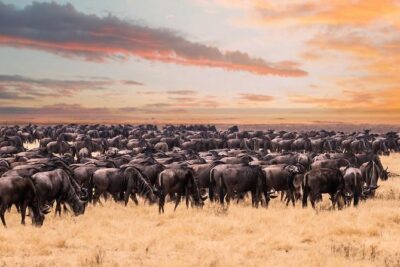
8 Day Spectacular Migration Serengeti mid -Range Tanzania Safari
Read our review →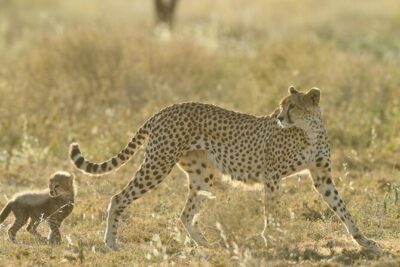
Private 6-Day Great Migration Ndutu Serengeti Safari Tour
Read our review →
6 Days Tanzania Budget Camping Safari with Migration
Read our review →10-Day Wildebeest Migration Calving Safari -All Inclusive
Read our review →
8 Days Great Wildebeest Migration – Mara River Crossing
Read our review →
Tanzania Safari – The Great Migration in the North of the Serengeti and Lake Natron
Read our review →
5-Days Private Serengeti Wildebeest Migration Lodge Safaris
Read our review →Browse the lists this tour appears in