
Reviewed · GREAT MIGRATION SAFARIS
Serengeti Wildebeest Migration.
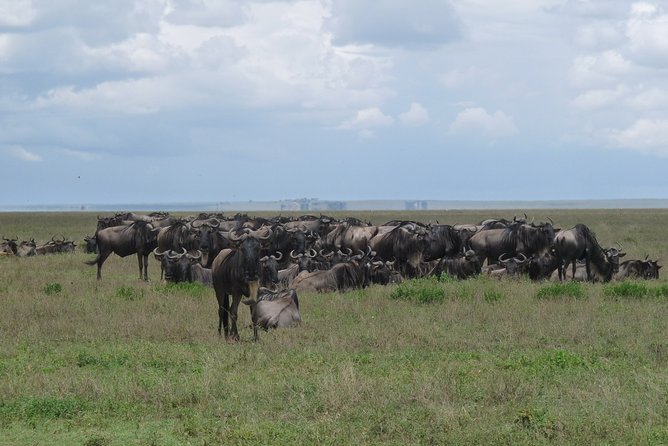
The great attraction here is the chance to follow the Serengeti wildebeest migration into northern Tanzania, where vast herds may gather near the Mara River from roughly mid-June through September. A crossing is never guaranteed, but when it happens, the scene can include surging wildebeest, crocodiles, steep riverbanks, and plenty of waiting before nature makes its move.
I like two things in particular: the route combines migration country with Tarangire’s elephant-filled woodland and Ngorongoro Crater’s compact wildlife viewing, and the private 4×4 gives your own group room to set the pace. The included mineral water, meals, refrigerator, charging points, and pop-up roof also remove several small but tiring safari hassles.
The main caution is the pace. You cover long distances between central and northern Serengeti, then return south before visiting Ngorongoro. The advertised duration is also inconsistent: the summary says about seven days, while the detailed program describes eight days and six nights. Confirm the exact dates, nights, and lodges before paying.
Key points to know before booking
- Mara River timing: Mid-June to September is presented as the best period for migration activity in northern Serengeti, with July and August offering the strongest chance of crossings.
- Three major parks: Tarangire, Serengeti, and Ngorongoro give you more than a single-purpose migration trip.
- Private safari vehicle: Your group travels in a private 4×4 with a pop-up roof, refrigerator, and portable charging stations.
- Guide and chef support: Guide Fredy is named in the feedback, and the camping version includes a personal chef. Confirm whether your booking uses lodge or camping accommodation.
- Long driving days: The route from Seronera to Kogatende and back takes time, so this suits you if wildlife matters more than a relaxed hotel schedule.
- Price and coverage: At $4,185 per person, the package includes meals, water, activities, and AMREF Flying Doctors emergency evacuation cover, but not flights, visas, drinks, tips, or personal costs.
Why this route works for a migration safari
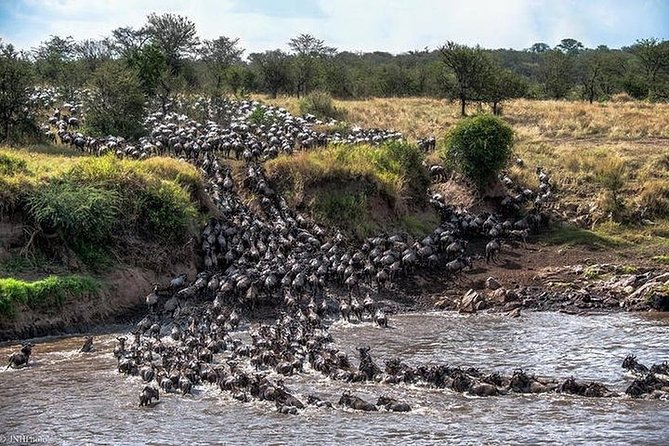
The Great Migration is not one single event at one fixed place. More than two million wildebeest, zebra, and gazelles move through the Serengeti and Masai Mara ecosystem in search of grass and safe calving areas. That makes timing important, but it also makes certainty impossible.
This itinerary tries to improve your odds by moving north into the Kogatende and Mara River area, rather than spending the whole trip in central Serengeti. It then returns through the Seronera region, where resident wildlife is present throughout the year. That is a sensible plan: if the herds are not at a crossing point, you still have lions, leopards, cheetahs, buffalo, elephants, and other animals to seek.
July and August are described as the strongest months for river crossings. September and October may also work as herds cross back in the other direction, but conditions can change from year to year. You should book this trip for the broader safari experience, not for a guaranteed photograph of wildebeest in midair.
More Great Migration Safaris in Serengeti
- 10-Day Serengeti Wildebeest Migration Safari from Arusha
★ 5.0 · 218 reviews - 8 Day Spectacular Migration Serengeti mid -Range Tanzania Safari
★ 5.0 · 161 reviews - 9-Day Serengeti Migration Footsteps Tanzania Safari
★ 5.0 · 96 reviews
Day 1: Tarangire’s elephants and baobabs
Pickup begins at about 8 a.m. from a hotel in Moshi or Arusha. From Arusha, the drive to Tarangire is listed as about 150 kilometers and roughly three hours, followed by a game drive lasting into the afternoon.
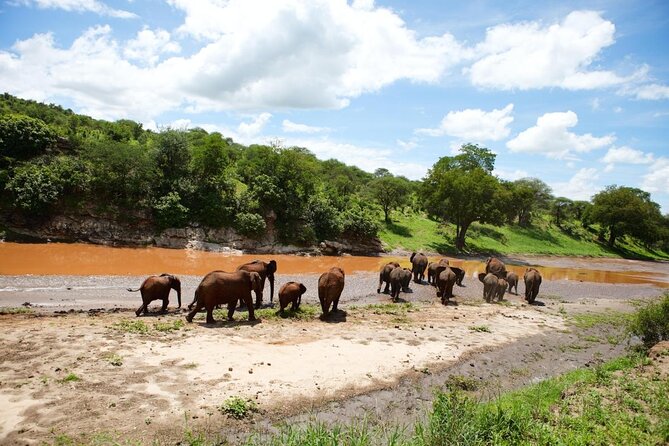
Tarangire is a good opening act because it feels different from the Serengeti. The park covers about 3,000 square kilometers and is known for its nine vegetation zones, ancient baobabs, and high elephant concentration. The trees can make a giraffe look surprisingly small, while the Tarangire River provides an important water source.
I like starting here because you get wildlife right away without using your first day only for transport. Elephant families are a key reason to visit, and watching how adults and younger animals move together can be more rewarding than simply ticking off a species list.
A picnic lunch is included during the day. After the drive, you return to camp or lodge for dinner. Since the schedule is already full, do not expect a slow arrival day. You will be on the road for much of the morning and afternoon.
Day 2: Entering the endless plains of Serengeti
After breakfast, you head toward Serengeti National Park. The park covers about 14,763 square kilometers, so the word Serengeti, often translated as endless plains, is easy to understand once the grasslands stretch toward the horizon.
The route brings you into one of Africa’s most famous wildlife areas, with the possibility of seeing the Big Five. The central Seronera area is especially useful because the Seronera River attracts animals and supports a strong mix of resident species.
This day combines travel with game viewing. The schedule gives about four hours for the approach and another four hours in the Seronera area. That sounds generous, but Serengeti distances can be deceptive. A sighting of lions or a leopard can turn a planned drive into a much longer stop, and rough tracks can make even moderate distances take time.
Look for kopjes, the large granite boulders scattered across the grasslands. They provide shelter and good lookout points for animals, and they break up the wide open views. Seronera is also a strong place to search for lion prides. Since the area has resident wildlife, it remains worthwhile even when migrating herds are elsewhere.
Day 3: The long route to Kogatende
The third day moves north from central Serengeti toward Kogatende. The drive begins at about 8 a.m. and can take most of the day, with a picnic lunch along the route.
The scenery changes as you go. The open central grasslands give way to more broken, hilly country in the north. You may see zebras, topi, gazelles, buffaloes, leopards, and lions along the way, but the main purpose of this day is to reach the migration zone.
This is one of the itinerary’s most important trade-offs. You gain access to Mara River country, but you spend many hours in the vehicle. If you want a trip with short transfers and long lodge afternoons, this will feel rushed. If your main goal is to place yourself near a possible crossing, the long drive makes practical sense.
Depending on your arrival time, you may spend a few hours near the Mara River. That may sound like plenty, but a crossing can require patience. Wildebeest often gather, pause, retreat, and gather again. Your guide can position the vehicle, but no schedule can force the herd to cross.
More wildebeest migration trips in Serengeti:
- Private 6-Day Great Migration Ndutu Serengeti Safari Tour
★ 5.0 · 47 reviews - 4 Day Great Migration Safari Serengeti & Ngorongoro Crater
★ 5.0 · 33 reviews - Tanzania Safari – The Great Migration in the North of the Serengeti and Lake Natron
★ 5.0 · 25 reviews - Tanzania safari with guide in Italian, the great Migration of the Serengeti
★ 5.0 · 23 reviews
Day 4: Waiting near the Mara River
This is the day built around the migration. From mid-June through September, the northern Serengeti and Mara River region can offer some of the most dramatic scenes of the movement.
The river is deep, fast, and fed by seasonal rain. A crossing can be difficult for the animals, with wildebeest entering in a rush, struggling against the current, or falling prey to crocodiles. It is powerful wildlife, but it is also raw and sometimes hard to watch. You should be prepared for nature without a clean ending or a carefully staged photo.
The schedule allows a morning game drive in the migration area, followed by more time in the northern Serengeti. Big cats are another major attraction here. Lions, leopards, and cheetahs may be present, and permanent water sources can draw both resident and migrating animals during dry periods.
The best advice is to treat the river crossing as a possibility, not the product you are buying. You may see herds near the river without seeing an actual crossing. You may also spend hours waiting and then return with excellent big-cat sightings instead. A good guide will need to balance patience at the river with the wider wildlife of the region.
Day 5: Returning through Lobo to Seronera
The route turns south toward central Serengeti. The drive from the Mara River valley to Seronera takes about four hours, passing through hill country, the Lobo area, woodlands, and then the open central plains.
This return leg is more than a transfer. It gives you another chance to see wildlife and shows how sharply the Serengeti changes from north to south. The Lobo area adds woodland and hills, while Seronera returns you to river-fed grassland and the lion habitat for which the central region is known.
A picnic lunch is taken during the game drive, and you finish the day at your accommodation. I like having another night in Seronera because it gives you a second chance at animals missed earlier. The drawback is that the repeated north and south movement leaves less time for leisurely rest.
Day 6: Serengeti to the Ngorongoro rim
The day starts later, at about 9 a.m., with a short Serengeti game drive and picnic lunch. You then travel toward the Ngorongoro Crater rim, a drive listed at about 75 kilometers and two and a half hours.
Ngorongoro is a major change from the open Serengeti. The crater is an inactive, intact, unfilled volcanic caldera with a floor of about 260 square kilometers and walls more than 2,000 feet high. From the rim, the scale of the crater becomes part of the experience before you even begin the game drive below.
This is a useful transition day because you still get a final Serengeti drive, but you are not trying to descend into the crater late in the afternoon. The program places you at the rim overnight, ready for an early start the next morning.
Day 7: The crater floor and final wildlife drive
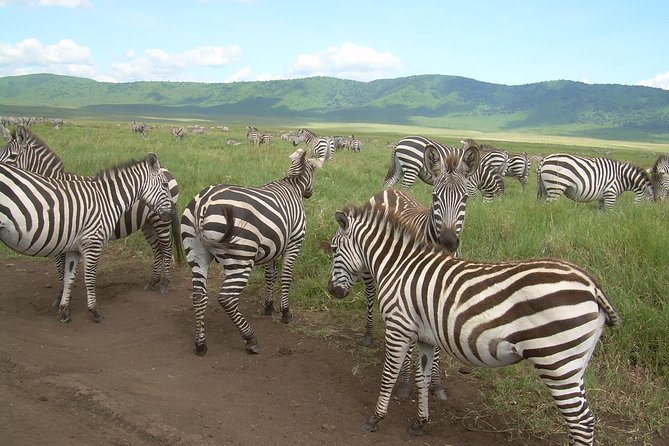
The final day begins early, with breakfast and a descent around 6:30 a.m. The crater drive lasts about five hours, including a picnic lunch at the hippo pool.
Ngorongoro is compact compared with Serengeti, so wildlife can feel more concentrated. The program lists elephants, buffaloes, black rhinos, hippos, hyenas, cheetahs, and lions as possible sightings. No sighting is guaranteed, but the crater gives you one last strong chance to see several major species in a limited area.
The steep climb out of the crater follows lunch. The supplied schedule ends partway through the final transfer, so ask exactly where the tour finishes and whether an additional night or drive to Moshi or Arusha is included. This is especially important because the tour is described as both seven days and eight days in different places.
The private 4×4 and daily comfort
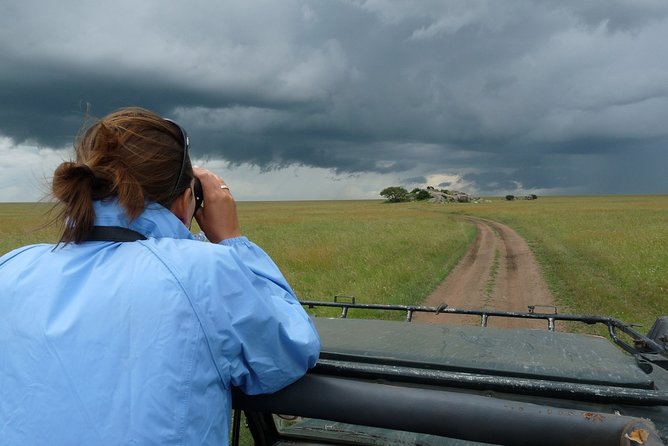
Your group travels in a private Jeep 4×4 with a pop-up roof. That roof matters because it lets you stand or sit higher for views and photographs while keeping you inside the vehicle. The private format also means you are not sharing every decision with a busload of strangers.
The vehicle includes a refrigerator and portable charging stations. Those are small details with real value on long game drives. You can keep water cool and recharge cameras or phones without hunting for an outlet at the end of each day.
Mineral water is included every day. Breakfast, seven lunches, and six dinners are also listed, though the meal count reinforces the need to confirm whether the booking is seven or eight days. Alcoholic drinks, soft drinks, international flights, tips, visas, travel insurance, and souvenirs are extra.
The package includes AMREF Flying Doctors coverage for emergency evacuation during the safari. That is not a replacement for ordinary travel insurance, which is listed separately as your responsibility, but it is a useful part of the safari safety arrangement.
Lodge comfort, camping, and the guide
The title describes a lodge safari, but the feedback also refers to an eight-day budget camping version with a personal chef. That is a meaningful difference, not a minor detail. Ask whether your price covers lodges, tented camps, or budget camping, and ask for the names or standard of the properties before booking.
Guide Fredy is specifically named in the strongest personal accounts, with praise for handling the trip from start to finish and keeping the arrangements stress-free. A personal chef is also mentioned for the camping option. Those details suggest the human service can be a real strength, but you should confirm who will guide your departure and what meals and accommodation are included in your own package.
Is $4,185 per person good value?
At $4,185 per person, this is a serious investment. The value depends on what is included in the final quote. A private vehicle, seven or eight days of safari, three major wildlife areas, meals, mineral water, vehicle equipment, and emergency evacuation cover create a substantial package.
The route also avoids the narrow focus of a short migration chase. You see Tarangire’s elephants, central and northern Serengeti, and Ngorongoro in one trip. That variety helps justify the price if you want a first major Tanzania safari rather than only a few days near the Mara River.
Still, the price does not include international flights, visa fees, drinks, tips, personal spending, or standard travel insurance. Visa fees are listed at $100 for American passport holders and $50 for non-American passport holders. Add those costs before comparing this tour with another operator.
Who should book this safari?
I would recommend it to you if this is your first Tanzania safari and you want a private route with major parks in one booking. It also fits you if you care more about reaching migration country than about short drives or long afternoons at the lodge.
The tour is less suitable if you want a relaxed schedule, guaranteed river action, or a clearly defined luxury lodge package. Families and mixed-age groups should also discuss the long driving days before booking, even though the information says most people can participate.
The free cancellation policy allows a full refund if you cancel at least 24 hours before the start time. Changes or cancellations within 24 hours are not accepted for a refund, so check the local cutoff time carefully.
Should you book it?
Book this trip if you want a broad, private Tanzania safari and accept that the migration follows its own timetable. The combination of Tarangire, Seronera, Kogatende, Mara River country, and Ngorongoro gives you strong wildlife variety, while the 4×4 equipment and included meals reduce daily hassles.
Before you commit, get written confirmation of four things: the exact number of days, the number of nights, lodge versus camping accommodation, and the final drop-off arrangements after Ngorongoro. If those details match your expectations, $4,185 can be fair value for a private safari with migration potential. If your only goal is to watch a river crossing, choose your dates with care and keep your expectations realistic.
FAQ
Where does the safari begin?
Pickup is offered from hotels in Moshi or Arusha. The listed start time is 8 a.m.
How long is the safari?
The detailed program describes an eight-day safari, but the tour summary lists a duration of about seven days. Confirm the exact length and overnight schedule before booking.
When is the best time to see the Mara River crossing?
The program identifies mid-June through September as the main period for possible crossings in northern Serengeti. July and August are described as the period with the strongest chance, while September and October may offer crossings in the opposite direction.
Is a river crossing guaranteed?
No. The tour offers the opportunity to search for a crossing, but animal movement and river activity cannot be guaranteed.
Is this a private tour?
Yes. Only your own group participates in the private activity.
What meals are included?
The package lists six breakfasts, seven lunches, and six dinners. Because the duration is described inconsistently, confirm the final meal count for your departure.
What is included in the safari vehicle?
The private Jeep 4×4 includes a refrigerator, portable charging stations, and a pop-up roof.
Are flights and visa fees included?
No. International flights and visa fees are excluded. The listed visa cost is $100 for American passport holders and $50 for non-American passport holders.
Just added around Serengeti
- Serengeti & Ngorongoro 3 days Fly Safari in from Zanzibar★ 5.0 · 21 reviews
- 3 Days Serengeti National Park from Zanzibar★ 4.5 · 3 reviews
- 4-Day Serengeti, Ngorongoro,Tarangire safari★ 5.0 · 3 reviews
- Serengeti 2-Day Safari from Mwanza★ 5.0 · 16 reviews
- Serengeti Day Trip Tour from Mwanza★ 5.0 · 4 reviews
- Full-Day Serengeti Tour from Mwanza★ 5.0 · 11 reviews
- Discover Our Best Guide for 1-Day Serengeti Safari from Mwanza★ 5.0 · 5 reviews
- Serengeti Day Trip Safari From Mwanza Tanzania★ 5.0 · 7 reviews
Great Migration Safaris, compared.
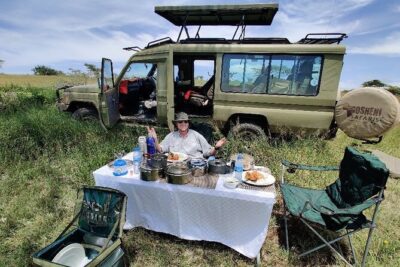
8 Days Great Wildebeest Calving Migration Safari from Arusha
Read our review →
8 Day Spectacular Migration Serengeti mid -Range Tanzania Safari
Read our review →
Private 6-Day Great Migration Ndutu Serengeti Safari Tour
Read our review →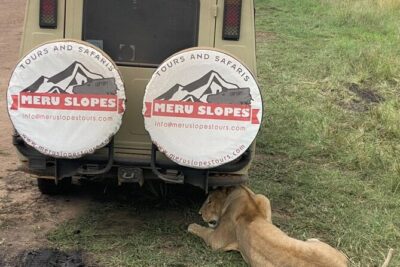
6 Days Tanzania Budget Camping Safari with Migration
Read our review →10-Day Wildebeest Migration Calving Safari -All Inclusive
Read our review →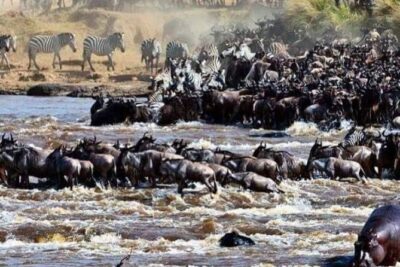
8 Days Great Wildebeest Migration – Mara River Crossing
Read our review →
Tanzania Safari – The Great Migration in the North of the Serengeti and Lake Natron
Read our review →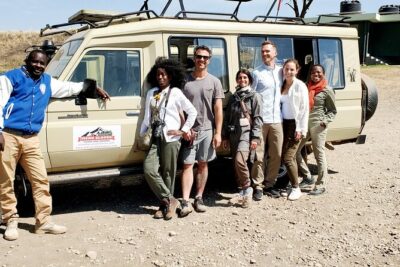
5-Days Private Serengeti Wildebeest Migration Lodge Safaris
Read our review →Browse the lists this tour appears in