
Reviewed · GREAT MIGRATION SAFARIS
10-Day Wildebeest Migration Calving Safari -All Inclusive
The best part of this safari is its timing. From December through March, the wildebeest gather around southern Serengeti and Ndutu, where fresh grass supports huge herds and newborn calves. You’ll spend several days following this cycle, not simply ticking off one park and moving on.
I like the mix of private guiding and luxury stays, along with the included hot-air balloon flight and domestic flight from the Serengeti to Arusha. I also like the range of habitats, from elephant country in Tarangire to the open plains of Ndutu and the wildlife-filled Ngorongoro Crater. The main caution is the price, $9,718 per person, and the long driving days. Calving depends on rainfall, so no operator can promise the exact location of the herds.
Key points to know before booking
- Calving season comes first: The safari targets December through March, when wildebeest may gather around Ndutu to give birth.
- Four major wildlife areas: You visit Tarangire, Lake Manyara, Ngorongoro Crater, and the Serengeti, with time in both Ndutu and central Serengeti.
- A private trip: Only your group participates, with a professional driver-guide assigned to you.
- Luxury with real safari hours: Lodges and tented camps are used, but expect early starts, long drives, dusty roads, and full-day game drives.
- Hot-air balloon flight included: Day nine begins with a balloon safari over central Serengeti, followed by breakfast and a full day of wildlife viewing.
- Strong guide focus: Juma, Michael Sangiwa, George, Ombeni, Zadock, Samir, William, and Bariki are among the guides praised for wildlife spotting, patience, safe driving, and good company.
Why Ndutu is the heart of this safari
The southern Serengeti and Ndutu area are the reason to choose this trip instead of a standard northern Tanzania circuit. During the December to March calving period, wildebeest follow fresh grass after the rains. The exact timing and location shift from year to year, but the southern plains are the main target.
Calving season is not only about seeing tiny wildebeest. Newborn animals attract predators, so your game drives may focus on lions, cheetahs, hyenas, and other hunters as well as the herds. The scenery is open in some places, with woodland, swamps, and soda lakes adding variety.
I like the fact that the schedule gives Ndutu two dedicated days. One day is largely a transfer into the southern Serengeti, while the next is built around exploring the plains and tracking wildebeest and zebra. That gives your guide some room to respond to animal movement rather than rushing through the area.
Rainfall remains the wild card. Grass conditions can shift, roads can become muddy, and the herds may not be exactly where a calendar suggests. If seeing the migration is your central goal, this uncertainty is part of the deal. You are paying for expert searching in the right season, not a guaranteed animal parade.
More Great Migration Safaris in Moshi
- 6 Days Tanzania Budget Camping Safari with Migration
★ 5.0 · 31 reviews - 5 Days Tanzania Safari – Migration and Big 5 Safaris
★ 5.0 · 14 reviews - 5 Days Special Safari to see migration
★ 5.0 · 8 reviews
Day 1: A soft landing in Arusha
You arrive at Kilimanjaro Airport, where an airport representative meets you and can assist with passport control or visa questions. You then meet your guide and transfer to Arusha for dinner and an overnight stay.
Arusha sits below Mount Meru and serves as the main base for northern Tanzania safaris. This first night is useful rather than flashy. It gives you a chance to sleep after an international flight, meet the person who will drive you through the parks, and receive a short safari briefing.
One detail deserves clarification before you pay. The scheduled meals include nine breakfasts, nine lunches, and nine dinners, but a customer note says food was not provided on the arrival day. Ask exactly what is covered on Day 1, especially if your flight lands around mealtime.
Days 2 and 3: Elephants and quieter Tarangire
Day two begins with breakfast and a drive to Tarangire National Park. You spend the day on game drives, stop for a hot picnic lunch, and continue into the afternoon before heading to camp for dinner and the night.
Tarangire is known for elephants, birds, and a quieter feel than the Serengeti. Its dry riverbeds and woodland can produce excellent animal sightings, and the park is one of the better places in Tanzania to look for dry-country species such as fringe-eared oryx and gerenuk.
The second Tarangire day includes a morning walking safari with an armed ranger, an afternoon game drive, dinner, and a night game drive at the lodge. The walking element changes the pace. Instead of scanning from a vehicle, you pay attention to tracks, plants, smaller animals, and the ground under your feet.
There is one practical issue here. One customer felt that two days in Tarangire was more time than necessary during a season with tall grass. I can see the point. If your priority is the wildebeest calving, every extra park day reduces time available in Ndutu. On the other hand, two days give you more time for elephants, birds, walking, and night viewing. Ask the operator if the Tarangire stay can be adjusted to suit your priorities.
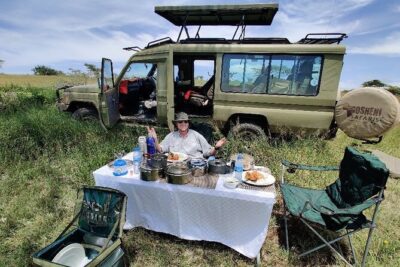
Lunch is a full hot picnic rather than a simple packed sandwich. The stated meal includes soup, bread rolls, a main course, fruit salad, wine, tea, and coffee. That sounds generous, but it also means you should expect a full day outside the vehicle before returning to camp.
Day 4: Birdlife and tree-climbing lions in Manyara
After breakfast, you drive to Lake Manyara National Park for a full-day game drive. Lunch is served under the vehicle shade, then you continue until late afternoon before heading to the lodge.
Manyara is smaller than the Serengeti, but it earns its place through variety. More than 400 bird species have been recorded in the park, and the combination of floodplain, woodland, and alkaline lake can produce a busy day of sightings.
The park is also associated with tree-climbing lions and large elephants with impressive tusks. Wildlife viewing here can feel different from the wide-open plains because the vegetation is closer and the animals may appear among trees rather than against an empty horizon.
Manyara is a good introduction to the safari rhythm, but it is another full day in the vehicle. If you are counting every hour before Ndutu, ask how much time is spent driving between the parks and camps. The itinerary covers a lot of ground, and that is both its strength and its cost.
More Safaris in Moshi
- Big Five Safari In Tanzania
★ 5.0 · 99 reviews - 8-Day Essence of Tanzania Safari – Luxury
★ 5.0 · 72 reviews - 6 Days 5 Night Safari
★ 5.0 · 57 reviews - 7-Day Magical Tanzania Safari -Premium High End Package
★ 5.0 · 53 reviews
Day 5: Ngorongoro Crater and Lake Magadi
An early breakfast is followed by a drive into Ngorongoro Crater for a game drive. You stop for lunch beneath the vehicle shade, continue through the afternoon, and return to the lodge for dinner and the night.
The crater is roughly 20 kilometers across, about 600 meters deep, and covers around 300 square kilometers. Its enclosed setting holds a remarkable concentration of wildlife, with steep walls framing the viewing area.
Lake Magadi, a shallow alkaline lake in the southern part of the crater, is part of the day’s visit. The lake can add birds and a strong sense of place to an already dramatic stop.
This is one of the most scenic days, but it can also be busy. The crater is compact compared with the Serengeti, and many vehicles may be looking for the same animals. Your guide’s judgment matters here. A patient driver who explains animal behavior and chooses a sensible position can make the difference between a rushed sighting and a rewarding one.
Days 6 and 7: Following the herds around Ndutu
Day six takes you toward southern Serengeti and the Ndutu area. The schedule calls for a full day of game viewing around Ndutu, a picnic lunch, and an evening return to camp or lodge in the Ngorongoro area.
Ndutu includes short grass plains, woodland, swamps, and soda lakes. This mix supports wildebeest and zebra, along with the predators that follow them. In a good calving period, you may see very young animals, adults gathered in large numbers, and predators working the edges of the herds.
Day seven gives you another full game-drive day in Ndutu. The focus is on tracking wildebeest and zebra, looking for newborn calves, and watching lions, cheetahs, and hyenas. The guide may spend time following fresh tracks or responding to radio information about a sighting, though the exact method is not specified.
This is the emotional center of the trip. You might see a first-day calf struggle to stand, a herd moving across the grass, or a predator waiting near the animals. You might also spend a long time searching without a major sighting. That is normal wildlife viewing, and it is why two Ndutu days are valuable.
The routing description is not perfectly clear about the night after Day 6. It refers to returning toward Ngorongoro for camp or lodge, while the larger trip is also moving into the Serengeti. Confirm the exact camp locations and driving times before booking. On safari, a camp’s position can make a big difference to how much time you spend watching animals rather than driving.
Day 8: From Ndutu to central Serengeti
Day eight continues through Serengeti National Park, with game viewing aimed at big cats and the Big Five before moving toward central Serengeti. The day includes a picnic lunch and an evening arrival at the lodge.
Central Serengeti is a useful change after the calving grounds. The region is known for broad open country and strong chances of seeing lions, cheetahs, leopards, elephants, buffalo, and rhinoceros, though no safari can promise all five.
The drive itself becomes part of the experience. You are not simply transferring between hotels. You are watching for animals along the route, and the park continues to provide sightings between planned stops.
Several customers specifically praised guides for finding big cats and all of the Big Five. Michael Sangiwa was praised for driving safely through messy roads after rain, while Ombeni was credited with helping a group see all five. These are useful signs of what matters most here: not just animal luck, but a guide who reads roads, weather, and animal behavior well.
Day 9: Ballooning over the Serengeti
Day nine starts with a hot-air balloon safari. After landing, you celebrate with champagne and breakfast, then spend the rest of the day on game drives around central Serengeti. A sundowner picnic with drinks and snacks is planned before dinner.
The balloon flight is a major value point because it is already included. It gives you a broad view of the plains and herds from above, then returns you to ground-level safari for the rest of the day.
The early start will be demanding, especially after several days of dawn departures and long drives. Still, this is the sort of morning that can justify the premium price. You get a different view of the Serengeti rather than another vehicle-based circuit.
The sundowner adds a slower finish. After so many active days, stopping with drinks and snacks as the light fades gives you time to notice the sky, grass, and distant animals without rushing to the next sighting.
Day 10: Final game drive and flight to Arusha
After breakfast, you take a final morning game drive while heading toward Seronera Airstrip. A flight returns you to Arusha, where a day room and lunch are arranged at a lodge before an evening transfer to Kilimanjaro International Airport.
This flight is important. Without it, the final Serengeti to Arusha transfer would be a long road journey after ten busy days. The morning drive also means your safari does not end the night before departure. You still have one last chance to see animals in the park.
The schedule assumes your international flight leaves in the evening. Send the operator your flight details early and confirm the timing of the domestic flight, day room, lunch, and airport transfer. The plan is practical, but air schedules and park road conditions can affect the day.
What $9,718 includes, and what it does not
At $9,718 per person, this is a high-end private safari. The cost includes park fees for nonresidents, a professional driver-guide, transportation unless marked optional, domestic flights during the tour, luxury lodges and tented camps, the hot-air balloon safari, and nine breakfasts, nine lunches, and nine dinners.
The value comes from the amount packed into ten days. You are not only buying accommodation. You are paying for a private vehicle and guide, several major wildlife areas, premium lodging, a balloon flight, park access, meals, and the time saved by flying from Serengeti to Arusha.
The cost does not include international flights, extra nights before or after the tour, tips, souvenirs, travel insurance, visa fees, or other personal expenses. The stated tipping guideline is $10 per person per day, so budget at least $100 per person for that item, with more possible depending on your group and service.
The word all-inclusive needs a close look. It covers the main safari services, but it does not mean every travel expense is paid. Confirm arrival-day meals, drinks beyond those listed, and any accommodation you need outside the ten-day schedule.
Guides, vehicles, and the day-to-day rhythm
Your guide will shape the trip. The strongest praise centers on guides who spot animals well, drive carefully, explain wildlife clearly, and stay patient when conditions become difficult.
Juma is repeatedly praised for professionalism, kindness, humor, and his ability to make people feel cared for. Michael Sangiwa is praised for responsible driving and finding the Big Five. George is noted for locating strong sightings while remaining courteous and informed.
Zadock is a good name to request for a family with teenagers because he is praised for patience. Samir is praised for working well with children, while Bariki is remembered for his cheerful character and for avoiding repeated sightings when better options were available. William and Ombeni also receive strong praise for wildlife leadership.
You cannot assume you will receive a particular guide unless the operator confirms it. Still, you can ask about guide assignment when booking and explain your priorities, such as calving behavior, photography, children, birds, or big cats.
The private format gives your group more control than a shared departure. You can discuss how long to stay at a sighting, when to eat, and how much time to spend on birds or smaller animals. The tradeoff is that private travel costs more.
Who should book this safari
I would choose this trip if you want the calving season to be the main event but also want Tanzania’s classic northern circuit. It suits photographers, first-time safari visitors, families who want a private vehicle, and people who prefer comfort after long days outdoors.
It is also a good match if you want more than a basic game-drive package. Walking in Tarangire, a night game drive, a balloon flight, sundowners, luxury camps, and a domestic flight add variety.
I would hesitate if you dislike early starts, rough roads, long drives, or uncertain wildlife conditions. I would also compare shorter itineraries if your only goal is to see wildebeest calves. Tarangire, Manyara, and Ngorongoro add excellent experiences, but they also make the schedule busy.
Free cancellation is available up to 24 hours before the start time. Changes or cancellations inside that window are not accepted for a refund. The balloon activity depends on good weather, and poor conditions may lead to a new date or a full refund.
Should you book it?
Book this safari if you value private guiding, comfortable camps, the calving season, and a full northern Tanzania circuit more than you value keeping costs low. The strongest reasons are the two Ndutu days, the included balloon flight, and the chance to work with an experienced guide such as Juma, Michael, George, or Ombeni if availability allows.
Before paying, confirm the named accommodations, guide assignment, exact Ndutu routing, arrival-day meals, domestic flight times, and how much driving is expected each day. If those details suit you, this is a serious, high-comfort safari with a clear wildlife purpose, not just a quick tour through Tanzania.
FAQ
When does the wildebeest calving safari operate?
The safari is designed for the calving season from December through March. The exact location of the herds depends on rainfall and grass conditions.
Where does the tour begin?
The meeting point is Kilimanjaro Airport in Tanzania. An airport representative meets you and can assist with visa or passport-control issues before you transfer to Arusha.
Is this a private safari?
Yes. Only your group participates, and a professional driver-guide accompanies the tour.
Is the hot-air balloon safari included?
Yes. The hot-air balloon safari is scheduled for Day 9 in central Serengeti, followed by champagne and breakfast after landing.
Which parks and areas does the tour visit?
The route includes Tarangire National Park, Lake Manyara National Park, Ngorongoro Crater, the Ndutu area in southern Serengeti, and central Serengeti.
Are flights included?
Flights during the tour are included. On Day 10, you fly from Seronera Airstrip to Arusha before transferring to Kilimanjaro International Airport.
What is not included in the price?
International flights, additional accommodation before or after the tour, tips, souvenirs, travel insurance, visa fees, and other personal items are not included. The stated tipping guideline is $10 per person per day.
More Ten-Day Trips in Moshi
- 10-Day Predators Tanzania Safari Luxury Package
★ 5.0 · 24 reviews - 10 days family safari Tanzania
★ 5.0 · 7 reviews - 10-Day Serengeti Wildebeest Migration Safari from Arusha
★ 5.0 · 218 reviews - 10 Day Serengeti, Ngorongoro Crater and Zanzibar Private Tour
★ 5.0 · 7 reviews
Just added around Moshi
- Day trip to Materuni waterfall, Coffee tour and Moshi Nightlife★ 5.0 · 6 reviews
- Sip & Paint: Unleash Your Inner Artist!★ 5.0 · 7 reviews
- Rau Forest Bike tour★ 5.0 · 12 reviews
- Private Market Tour and Tanzanian Cooking Class in Moshi★ 5.0 · 7 reviews
- Moshi city bike day trip★ 5.0 · 17 reviews
- Full-Day Moshi Private Forest Walk and Local Market Tour★ 5.0 · 4 reviews
- Private guided tour to the night lifestyle of Moshi town★ 5.0 · 13 reviews
- Savannah Escape & Active Culture Tour★ 5.0 · 9 reviews
Great Migration Safaris, compared.
8 Days Great Wildebeest Calving Migration Safari from Arusha
Read our review →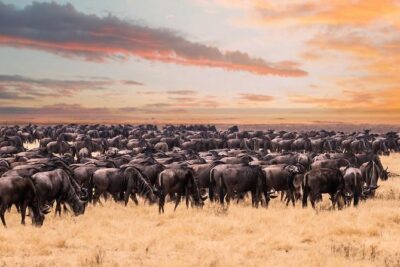
8 Day Spectacular Migration Serengeti mid -Range Tanzania Safari
Read our review →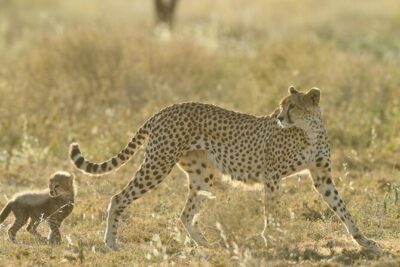
Private 6-Day Great Migration Ndutu Serengeti Safari Tour
Read our review →
6 Days Tanzania Budget Camping Safari with Migration
Read our review →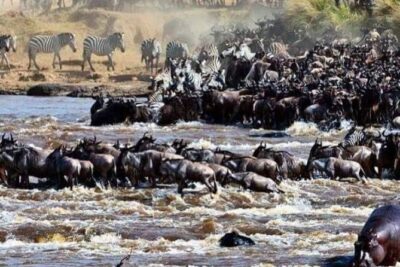
8 Days Great Wildebeest Migration – Mara River Crossing
Read our review →
Tanzania Safari – The Great Migration in the North of the Serengeti and Lake Natron
Read our review →
5-Days Private Serengeti Wildebeest Migration Lodge Safaris
Read our review →
Latest Updates On The Top Best 3 day Serengeti Migration Safari
Read our review →Browse the lists this tour appears in