
Reviewed · NORTHERN CIRCUIT SAFARIS
7 Days Tour Northern Tanzania Safari:
Tarangire gets this safari moving in the right direction, with huge elephant herds, baobab trees, and animals gathering near the Tarangire River. From there, you cover five major parks in seven days, including two full game-drive days in the Serengeti and a long, rewarding morning inside Ngorongoro Crater.
I like the private 4WD Land Cruiser, since your group can travel with its own guide rather than follow a large bus. I also like the range of habitats, from Tarangire’s dry river country to Serengeti plains, crater floor, forest, hot springs, and the bird-filled waters of Lake Manyara.
The main catch is the pace. Several days involve long drives, and the public campsites are basic. The Ngorongoro Simba Campsite, in particular, may feel rough after a full day on the road. Ask about upgrading to tented camps before you book.
Key points to know before booking
- Tarangire starts the safari with elephants and baobabs, plus dependable wildlife around its year-round river.
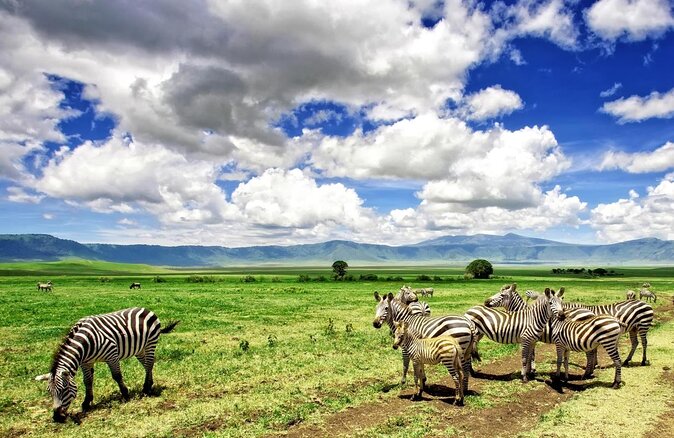
- The Serengeti receives two nights, giving you a better chance to find lions, cheetahs, leopards, wildebeest, and zebras.
- Ngorongoro Crater includes a five to six hour game drive, with a strong chance of seeing many species in a compact area.
- Lake Manyara adds forest, hot springs, hippos, baboons, and birds after the open plains and crater.
- Arusha National Park makes a convenient final day, with Ngurdoto Crater only about 40 minutes from Arusha town.
- Camping keeps the price at $2,724.36 per person, but you should confirm the exact camp standard, guide, vehicle, and airport transfer before paying.
Five parks in seven days, with plenty of road time
This is a busy Northern Tanzania circuit rather than a slow, luxury safari. You move from Arusha to Tarangire, the Serengeti, Ngorongoro, Lake Manyara, and Arusha National Park, then return to Arusha for airport drop-off.
That route gives you a broad look at the region. You get dry woodland and baobabs, wide grass plains, a volcanic crater, Rift Valley scenery, forest, lakeshore country, and the smaller park around Arusha. The reward is variety. The cost is time spent in the vehicle.
The tour uses a private four-wheel-drive Land Cruiser with viewing access, which matters on game drives. You will spend long hours looking out from the vehicle, so a raised view and open viewing arrangement are useful. The group is private, meaning only your party participates.
The schedule includes breakfast every day, seven lunches, and six dinners. Most lunches are packed for the road or game drives. This is practical, but it also means your eating routine follows the safari clock. Early starts are part of the deal.
More Safaris in Arusha
- 4 Days Group Camping Safari
★ 5.0 · 1,101 reviews - 5 Days Group Camping Safari
★ 5.0 · 730 reviews - 7-Day Premium Luxury Tanzania Safari All-Inclusive
★ 5.0 · 426 reviews
Day 1: Tarangire’s elephants and baobab country
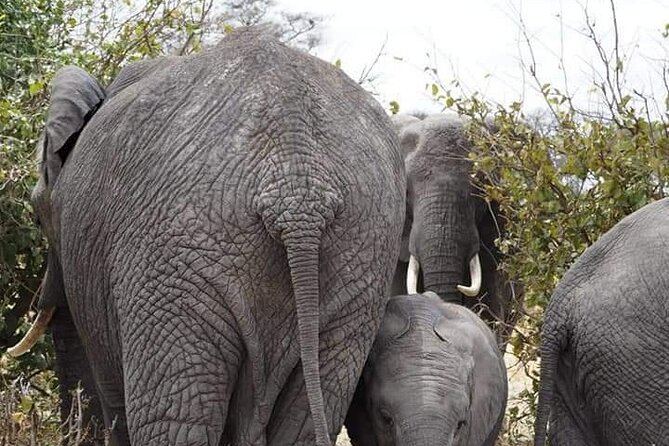
After breakfast, you drive about 130 kilometers from Arusha to Tarangire National Park, a journey listed at roughly two hours. The park is known for large elephant herds, striking baobab trees, and the Tarangire River, which flows throughout the year.
That river gives the first game drive a clear focus. Predators and prey gather near dependable water, so you have a useful chance to see several types of animals in one area. The park also gives you a strong first taste of Tanzania without requiring the long transfer to the Serengeti on day one.
Tarangire is especially appealing if elephants are high on your list. The baobabs add something different from the open plains you will see later. I would treat this day as both a safari introduction and a scenic change from Arusha.
Dinner and overnight accommodation are at Panorama campsite. The available details do not describe the exact tent setup, bathrooms, or dining arrangements, so confirm those points if campsite comfort matters to you.
Day 2: The long road to Serengeti National Park
Breakfast is scheduled for 7:30 a.m., followed by an 8 a.m. departure. You travel toward the Serengeti with a packed lunch and game drives along the way, passing via the Ngorongoro Crater rim.
This is one of the longer travel days. The payoff comes in the changing scenery and the arrival in one of Africa’s best-known wildlife areas. The Serengeti is home to lions, leopards, elephants, cheetahs, buffaloes, zebras, wildebeest, gazelles, crocodiles, and many other animals.
The afternoon game drive is timed to give you a first look at the park before dinner. Your guide will adjust the route based on animal movements and current reports from other safari vehicles. One guide associated with this company is Eli, who is noted for his skill at finding wildlife and handling the vehicle well. You can request him, but you should confirm availability rather than assume he will lead your trip.
You spend the night at Seronera campsite. Seronera is a useful base because it sits in the central Serengeti, an area used for wildlife viewing throughout the year. The word migration in the tour title can raise expectations, though the herds are not in one fixed place all year. Ask what route and timing apply to your travel dates.
Day 3: A full day in the Serengeti
Day three is the heart of the safari. After breakfast, you take morning and afternoon game drives in the Serengeti. The split schedule gives you two chances to search for animals, with a rest period around the middle of the day.
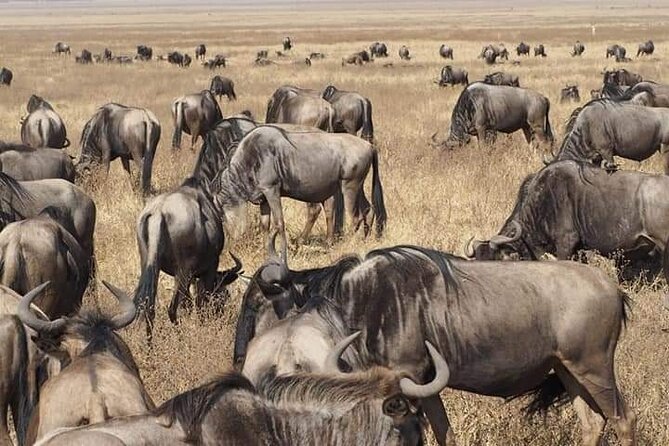
The Great Migration follows seasonal rain and fresh pasture. More than one million wildebeest and over two hundred thousand zebras move through the wider Serengeti and surrounding region during the annual cycle. The timing described for the tour includes southward movement in October and November, followed by the return journey after the April, May, and June rains.
That seasonal detail matters. If you book mainly for river crossings or a particular herd movement, you need to check current conditions and exact travel dates. The Serengeti remains worthwhile outside the peak migration period because resident lions, cheetahs, leopards, buffaloes, elephants, and smaller animals still occupy the park.
This is also the day to make your guide’s wildlife skills count. Ask how the day will be planned, how far you will travel, and how much time will be spent stopped at sightings. A good safari is not only about the number of species. It is also about having enough time to watch behavior instead of rushing from one sighting to the next.
You return to Seronera campsite for dinner and another night. Two nights in the same area are helpful. You avoid packing up every morning, and you get a better chance to understand the central Serengeti rather than seeing it only through a transfer window.
More northern circuit safaris:
- 5-Day Private Northern Tanzania Safari from Arusha
★ 5.0 · 182 reviews - 5 Days Best of Tanzania Luxury Safari Northern Circuit
★ 5.0 · 174 reviews - 5 Days Safari Northern Circuit of Tanzania
★ 5.0 · 37 reviews - 5-Day Private Safari Tour in Northern Tanzania
★ 5.0 · 36 reviews
Day 4: From Serengeti plains to the Ngorongoro rim
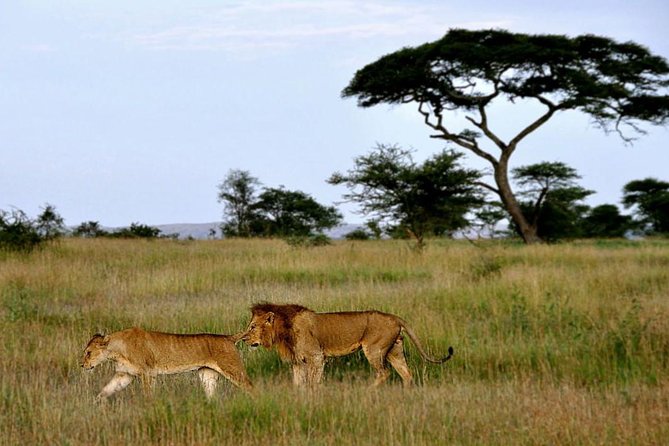
The day begins with an early game drive, followed by an early lunch. You then continue toward Ngorongoro, with the guide explaining the animals and scenery along the route.
This transfer links two very different parts of Northern Tanzania. The Serengeti feels open and expansive, while Ngorongoro is defined by the huge volcanic crater and its high rim. The drive can be tiring, but it sets up the following morning’s main wildlife experience.
You sleep near the crater rim at Ngorongoro Simba Campsite. The location is useful because it puts you near the crater for an early start. Temperatures can feel different at higher elevations, so pack a warm layer even if Arusha and the lower parks are hot.
The campsite is the clearest comfort warning in the trip. Public campsites can be basic, and Simba has been singled out as a place where an upgrade may be worth considering. If you want better tents and a more comfortable night before the crater drive, ask about upgraded tented accommodation when arranging the tour.
Day 5: Five to six hours inside Ngorongoro Crater
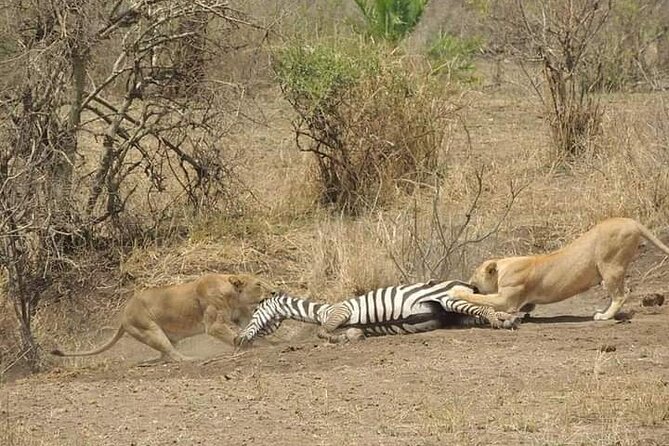
You start around 7 a.m. with a packed lunch and a five to six hour game drive inside Ngorongoro Crater. The crater walls rise about 2,000 feet, limiting how many animals move in and out. That makes the crater a compact place to search for wildlife.
You might see lions, elephants, zebras, hippos, flamingos, jackals, antelopes, many birds, and possibly rhinos. No safari can promise a particular animal, but the crater’s enclosed setting gives you a strong chance to see a wide range of species during one long drive.
The guide stays in contact with other safari drivers, which helps with locating animals. You should still expect the usual uncertainty of wildlife viewing. The value of this day comes from the number of habitats and species packed into a single area, not from a guarantee of a perfect checklist.
After the crater, you drive to Fanaka campsite for dinner and overnight accommodation. This creates another full day with a lot of movement. If you prefer an easier schedule, ask if the route can be altered, but the supplied plan is designed to fit five major parks into one week.
Day 6: Lake Manyara’s forest and Rift Valley setting
After breakfast, you continue to Lake Manyara National Park with a packed lunch. The lake occupies a large part of the park, while forest begins near the gate along the base of the Great Rift Valley.
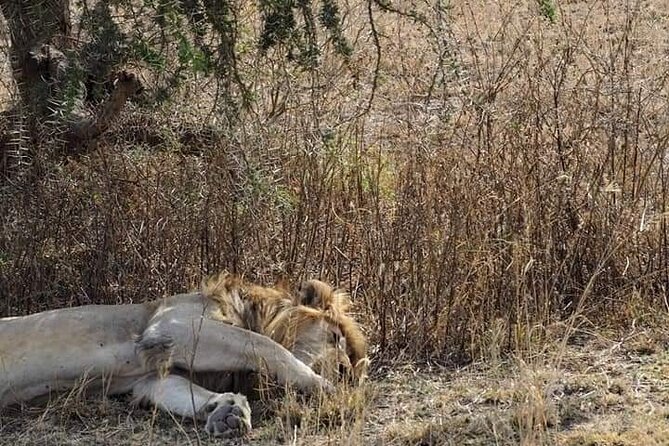
The change from crater and grassland to forest makes this a worthwhile stop. You might see tree-climbing lions, buffaloes, giraffes, hippos, baboons, flamingos, ostriches, Egyptian geese, and other birds. The hot springs on the western side add another feature to the drive.
Lake Manyara can be a good place for birdwatching, especially if you enjoy seeing how water, woodland, and open areas support different species. Flamingos are mentioned as part of the park’s birdlife, but their presence and numbers can vary.
After the picnic lunch, you continue with afternoon game drives before dinner and overnight accommodation at a hotel. The specific hotel is not identified, so ask where it is and what is included. After several nights at campsites, a hotel night could be a welcome change, but the level of comfort cannot be judged without its name.
Day 7: Ngurdoto Crater and Arusha National Park
The final day begins with a morning departure from Arusha and a short drive of about 40 minutes to Arusha National Park. This is an easier transfer than the Serengeti and Ngorongoro sections, making it a sensible final park.
Arusha National Park has a wide mix of animals and plant life. The featured stop is Ngurdoto Crater, sometimes called Little Ngorongoro. You might see buffaloes, waterbucks, giraffes, warthogs, zebras, and many bird species.
This day is less about covering huge distances and more about finishing close to town. The area was also used for filming the movie Hartari, which gives the park a small piece of film history. The tour then returns to Arusha in the evening, followed by airport drop-off.
Because the schedule combines a park visit with an airport transfer, confirm your flight time before booking. The exact airport and drop-off hour are not stated, and the final game drive should not leave you rushed for an international departure.
Is $2,724.36 good value?
At $2,724.36 per person, this is not a low-cost holiday. It includes seven days, a private tour, a 4WD Land Cruiser, national park access costs, daily breakfast and lunch, six dinners, guiding, and transport across several major parks.
The price makes more sense if you value a private vehicle and want to cover Tarangire, Serengeti, Ngorongoro, Lake Manyara, and Arusha National Park in one trip. Booking each park separately, arranging transfers, and handling food and campsites yourself would take time and planning.
The weaker point is comfort. Camping is part of the value calculation, and public campsites may not suit you if you need quiet, polished facilities, or a soft landing after long drives. Ask for the cost of better tented camps before comparing this package with lodge-based safaris.
Food appears to be a positive part of the arrangement. The cook named Amid is associated with fresh ingredients and well-prepared meals. That matters on a seven-day overland trip, when a reliable lunch and dinner can make the long road days much easier.
Who should book this safari?
I would recommend it to someone who wants a broad first safari and is comfortable with early starts, packed lunches, long drives, and basic camping. It also suits a private group that wants its own guide and vehicle.
It is a good fit if you care more about seeing different parks than spending several quiet days in one lodge. The two nights in Seronera and the long crater drive give the trip some depth, though the overall schedule remains fast.
I would be more cautious if you want luxury, short transfers, or a relaxed pace. In that case, reduce the number of parks or pay for upgraded tented accommodation. Also ask for the guide’s name, whether Eli is available, the exact hotel on day six, and the planned airport transfer time.
Final verdict: a strong wildlife circuit with basic camping
This seven-day route packs a lot into one week. Tarangire brings elephants and baobabs, the Serengeti offers the best chance for classic big-cat and migration country, Ngorongoro concentrates wildlife into a memorable crater drive, and Lake Manyara and Arusha National Park add habitats that many shorter safaris skip.
I would book it if the route and private vehicle matter more to you than campsite comfort. Before paying, confirm the guide, vehicle, campsite standard, hotel, migration timing, and airport schedule. If the public campsites worry you, spend extra on tented camps. That single change could make this ambitious safari much easier to enjoy.
FAQ
Where does the safari begin?
The tour begins in Arusha, Tanzania, with pickup offered. The first park visit is Tarangire National Park.
How long is the tour?
The experience lasts approximately seven days.
Is this a private tour?
Yes. Only your group participates, and transport is provided in a 4WD Land Cruiser with viewing access.
Which national parks are included?
The route includes Tarangire National Park, Serengeti National Park, Ngorongoro Crater, Lake Manyara National Park, and Arusha National Park.
Are meals included?
Breakfast is included for seven days, lunch for seven days, and dinner for six days. Packed lunches are used on several game-drive days.
What is the cancellation policy?
You can cancel at least 24 hours before the start time for a full refund. Cancellations or changes made within 24 hours are not refunded or accepted. If poor weather or an insufficient number of participants causes cancellation, you will be offered another date or experience, or a full refund.
More Seven-Day Trips in Arusha
- Tanzania Classic – 7 Days
★ 5.0 · 1,151 reviews - Group Safari 7 Days in Tanzania’s Main Parks
★ 5.0 · 240 reviews - 7 Days Tanganyika Wilderness Safari
★ 5.0 · 159 reviews - 7 days great migration safari
★ 5.0 · 77 reviews
Just added around Arusha
- From Arusha: 11 days The Classics Northern Tanzania safari★ 5.0 · 11 reviews
- 6-Day Mount Meru Climb through Momella Route Guided Tour★ 5.0 · 5 reviews
- Private Day Trip to Arusha National Park with a Walking Safari★ 5.0 · 4 reviews
- From Arusha : 11-day Amazing North Tanzania safari tour★ 5.0 · 4 reviews
- Walking Day Tour to Safari in Arusha National Park★ 5.0 · 5 reviews
- 2 Days Tanzania Midrange Group Join Safari★ 5.0 · 7 reviews
- Best 5 Days Tanzania Private Luxury Safari with luxury Lodges★ 5.0 · 12 reviews
- Waterfall & Coffee Walking Tour★ 5.0 · 6 reviews
Northern Circuit Safaris, compared.
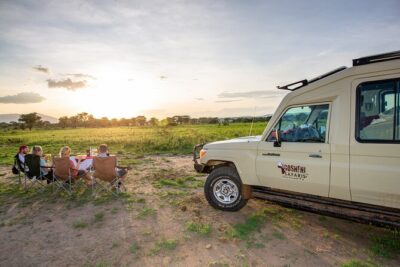
5-Day Private Northern Tanzania Safari from Arusha
Read our review →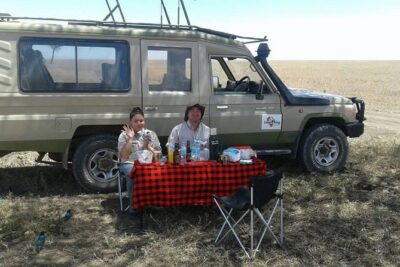
5 Days Best of Tanzania Luxury Safari Northern Circuit
Read our review →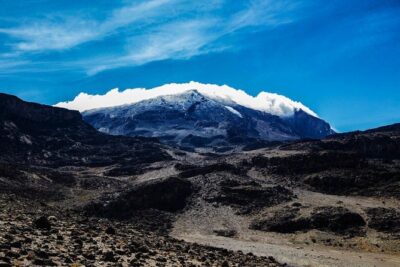
Kilimanjaro climb, Northern Circuit route (8-day)
Read our review →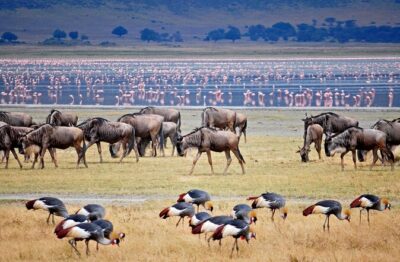
Private 4-Days Northern Circuit National Parks in Tanzania
Read our review →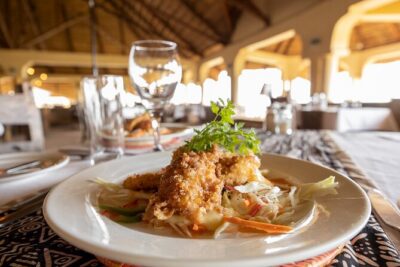
From Arusha: 7 Days Classic Safari Central Northern Circuit
Read our review →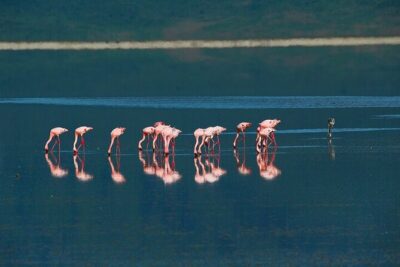
5 Days Exclusive Camping Adventure in Northern Tanzania
Read our review →Browse the lists this tour appears in