
Reviewed · NATIONAL PARKS
7 Day Joined Safari Serengeti,Ngorongoro,Manyara,Tarangire,Arusha National Park
The main draw here is the five-park route. In one week, you move from elephant country in Tarangire to the predator-rich Serengeti, then into Ngorongoro Crater and the bird-filled wetlands of Lake Manyara. I like the small maximum group of six, and I like that airport pickup, meals, park fees, camping gear, and six nights of accommodation are covered.
The trade-off is a lot of time in the safari vehicle. Day 3, for example, includes a long transfer through the Ngorongoro area before an afternoon drive in Serengeti. You should also confirm the exact accommodation level and whether the advertised hot-air balloon, canoeing, and canopy activities are included in your chosen departure.
Key points at a glance
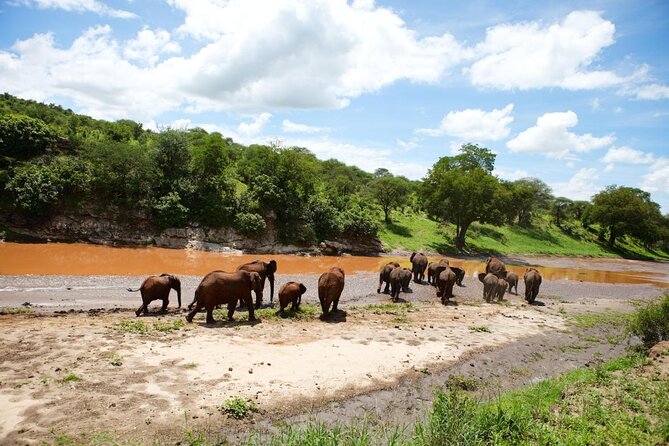
- Five major parks in seven days: Tarangire, Serengeti, Ngorongoro, Lake Manyara, and Arusha National Park all feature in the plan.
- Small shared group: The vehicle carries no more than six people, with seat changes possible during the trip.
- Strong wildlife range: You may look for the Big Five, wildebeest, zebras, giraffes, cheetahs, baboons, elephants, and more than 550 bird species.
- Two Serengeti game drives: A half-day drive on arrival is followed by a sunrise outing and a game drive toward Ngorongoro.
- Camping or upgraded stays: Six nights are included, with camping, mid-range accommodation, or lodge arrangements listed as options.
- Flexible final day: Arusha National Park offers game drives, walking, cycling, canoeing, and horse riding, though you should confirm which two activities your booking includes.
What this seven-day safari does well
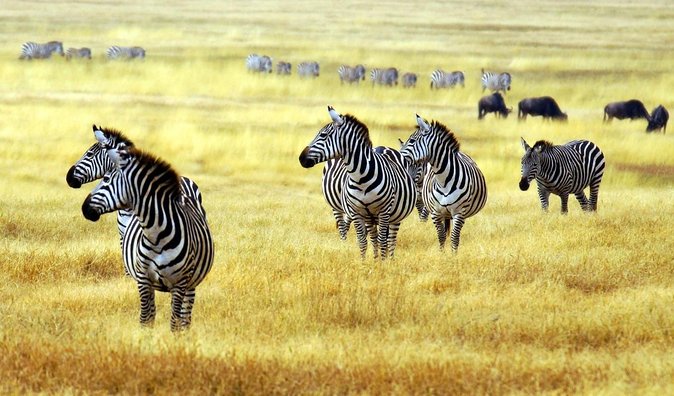
This is a busy but logical introduction to northern Tanzania. You see several parks rather than spending the full week in one reserve, which gives you a useful range of scenery and wildlife habitats. Tarangire brings large elephant herds and baobab trees. Serengeti offers the best chance of seeing big cats and large herds. Ngorongoro packs many animals into a contained crater. Manyara adds forest, water, birds, and the possibility of tree-climbing lions.
I especially like the group size. A six-person maximum matters in a safari vehicle because everyone gets a better view and fewer people compete for photographs. Shared departures also make the price more manageable than a private vehicle. One practical touch is the plan to rotate seats in the Toyota, so you are not stuck in the same position for the entire week.
The guiding is another strong point. Bernard Emanuel Sarakikya is named as a guide associated with the trip, and his work has been praised for wildlife knowledge, clear organization, and a friendly manner. Guide assignments can change, so treat his name as a useful reference rather than a guarantee. Ask who will lead your departure before you pay.
The cost is $1,615.70 per person. That is a fair value if the quoted rate truly includes six nights, meals, park fees, airport transfers, a safari vehicle, camping equipment, and the listed activities. International flights, visas, insurance, personal purchases, and tips are not included. The exact accommodation style also matters greatly, so ask for a night-by-night lodging plan before comparing this price with another safari.
More National Park Tours in Serengeti
- 3 Day Serengeti National Park & Ngorongoro Crater Camping Safari
★ 5.0 · 142 reviews - 3 Days Safari to Serengeti National Park & Ngorongoro Crater in Tanzania
★ 5.0 · 34 reviews - 3days Serengeti National park and Ngorongoro Crater Tanzania Safari
★ 5.0 · 21 reviews
Day 1: Arusha city gives you an easy start
The first day begins with airport pickup and a transfer to Arusha. If you send your flight information in advance, the operator says it will collect you and take you to your accommodation. This is helpful after a long international flight, since you do not have to arrange a taxi while still finding your bearings.
The city tour includes Cultural Heritage, the Kilombero vegetable and food market, Maasai Market, Clock Tower, Mwenge Tower, and other city sights. Admission is listed as free. This is not a wildlife day, but it gives you a quick look at local commerce and Arusha life before the park circuit begins.
The timing may depend on your arrival. The tour description allows about four hours for this first stop, so a late flight could shorten or remove the city visit. I would treat the city tour as a bonus rather than the main reason to book the trip.
Day 2: Tarangire brings elephants and baobabs
You leave after an early breakfast, with departure planned for about 7:40 a.m. The drive to Tarangire gate takes roughly two and a half hours, placing you in the park around 10 a.m. A game drive then continues until late afternoon, with a picnic lunch around 1 p.m.
Tarangire is a fine first park because it offers a quick change from city roads to open wildlife country. The park is known for elephants, and the route may also produce wildebeest, giraffes, cheetahs, zebras, and Thomson gazelles. Acacia woodland, aquatic forest, and baobab trees give the drive visual variety.
The description also refers to a dry-season movement of roughly 2,500 to 3,000 animals toward the Tarangire River. Conditions vary by season, so do not treat those numbers as a daily guarantee. The river remains an important focus for wildlife, especially when water is harder to find elsewhere.
A six-hour park visit is enough for a useful first drive, but it is not a full day in Tarangire. You will leave around 4 p.m. and head to your lodge. If elephants are your top priority, ask about the seasonal timing of your departure and how much time will be spent near the river.
Day 3: The long road into Serengeti
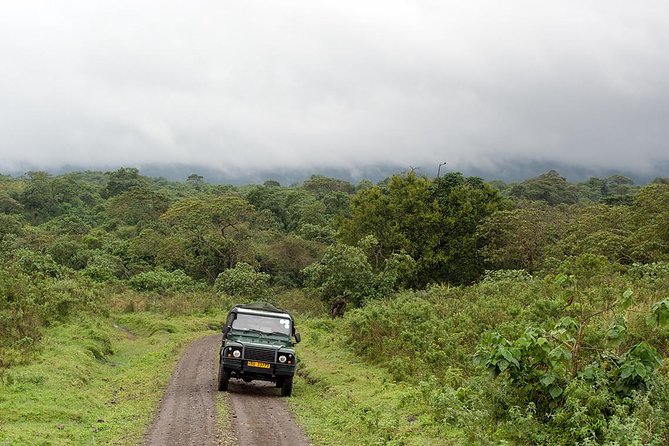
After breakfast, you travel toward Serengeti through the Ngorongoro area. The planned departure is around 9 to 10 a.m., with arrival at the Serengeti gate around 1 or 2 p.m. After lunch, you begin a half-day game drive.
This is one of the more demanding transfer days. You are not simply driving from one nearby gate to another. The route covers a large distance, and the road time can feel long after the previous day. The reward is that you reach Serengeti for an afternoon drive instead of losing the entire day to transportation.
Serengeti is the place to watch for lions, cheetahs, elephants, giraffes, wildebeest, and zebras. It is also described as home to wild cats and wild dogs, although sightings of any particular species are never certain. Your guide’s skill in reading tracks, animal behavior, and other vehicles can make a real difference.
Dinner is prepared by the safari cook, and this night is at Seronera Public Campsite. Camping here adds a close-to-nature feel, but it also means you should be comfortable with a basic camp setting. A sleeping bag and bath towels are listed among the inclusions.
More Safaris in Serengeti
- Serengeti Balloon Safari and authentic bush breakfast
★ 5.0 · 2,480 reviews - Balloon Safari & Bush Breakfast in Serengeti – Miracle Experience
★ 5.0 · 1,646 reviews - 3 Days Serengeti & Ngorongoro Group Camping Safari
★ 5.0 · 574 reviews - Safari Serengeti And Ngorongoro
★ 5.0 · 288 reviews
Day 4: Sunrise in Serengeti is worth the early alarm
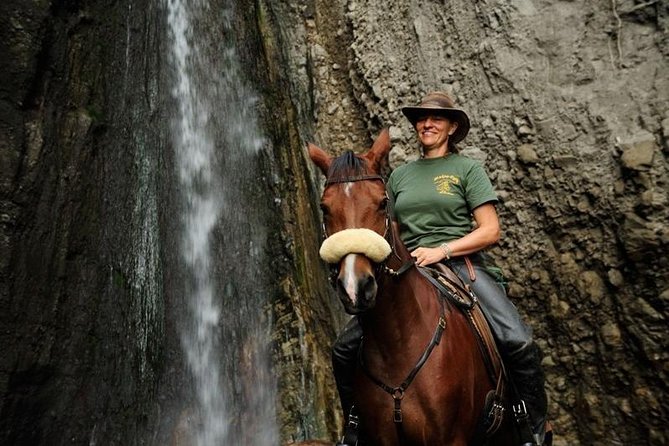
Day four begins with a sunrise game drive. This is one of the best uses of your time in Serengeti because the early hours offer a chance to see animals before the heat of the day. The plan specifically allows for predator activity, including a possible hunt, though wildlife remains unpredictable.
You return for lunch around 1 or 2 p.m., then begin a game drive while leaving Serengeti for Ngorongoro. This combines sightseeing with a transfer, but it also means you do not get a second full day in the same area. If your dream is a slow Serengeti safari, this schedule may feel rushed. If your goal is to sample several famous parks, the arrangement makes sense.
You spend the night at Simba Campsite near the Ngorongoro area. The contrast between a sunrise in the open plains and a night at a public campsite is part of the appeal, but basic camping is not for everyone. Ask exactly what tents, washing facilities, and meals are provided on your departure.
A memorable possibility is close wildlife around camp. Hyenas have been known to approach the tents on this type of safari, which is exciting but also a reminder to follow camp safety instructions. Keep food secured and listen carefully to your guide and camp staff.
Day 5: Ngorongoro Crater packs in the wildlife
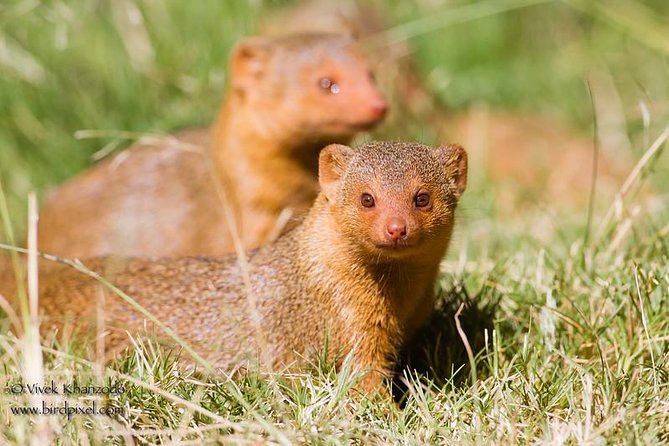
You have an early breakfast at Simba Campsite, then start the crater descent at about 8:30 a.m. The plan allows at least six hours for a game drive in a four-wheel-drive vehicle with a pop-up roof. That roof is useful for viewing and photography, especially when animals appear on either side of the vehicle.
Ngorongoro is the most concentrated wildlife day on this route. The crater floor supports several habitats, and its fertile volcanic soil helps sustain animals throughout the year. The itinerary highlights the Big Five, including rhinoceros, and presents Ngorongoro as one of the strongest places in Tanzania for trying to see several major species in one visit.
Lake Makat, a soda lake whose name is linked to the Maasai word for salt, attracts birds. The crater therefore works for more than large mammals. You may see a mix of water birds, grazing animals, and predators during the same drive.
Lunch is planned at a picnic site around 1 p.m. You leave the crater at about 4 p.m. and continue toward Fig Big Tree for dinner and the night. The long day is worthwhile, but the crater can be crowded at popular wildlife sightings. Your guide’s judgment about where to wait and when to move on will affect the feel of the day.
Day 6: Lake Manyara adds forest and birdlife
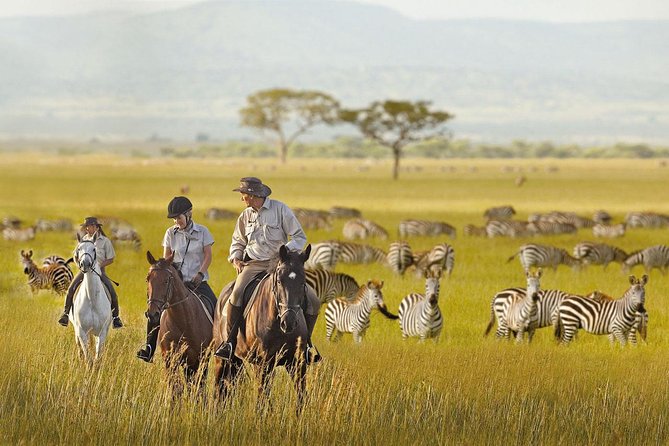
You leave after breakfast at about 7:30 a.m. for Lake Manyara National Park. The park is smaller in feel than Serengeti, but it changes the rhythm of the safari. Around two-thirds of the park is covered by the lake, with forest, flood areas, acacia woodland, savannah, and the rocky Rift Valley escarpment all adding different views.
The park is associated with tree-climbing lions. You might also look for elephants, zebras, buffaloes, wildebeest, and large groups of birds near the water. The bird count across the parks is listed as more than 550 species, so bring binoculars if birds matter to you. Even casual birdwatchers should enjoy the variety around the lake.
A picnic lunch is planned inside the park at about 1 p.m., followed by more driving until around 4 p.m. You then return to Arusha. This is another full day, and the return drive means you may feel tired by the time you reach the city.
Lake Manyara is particularly useful for anyone who wants more than the standard lion-and-elephant checklist. The water, forest, and birdlife make it a different kind of safari stop. On the other hand, it is not a substitute for a longer Serengeti stay if big-cat viewing is your main goal.
Day 7: Arusha National Park finishes with variety
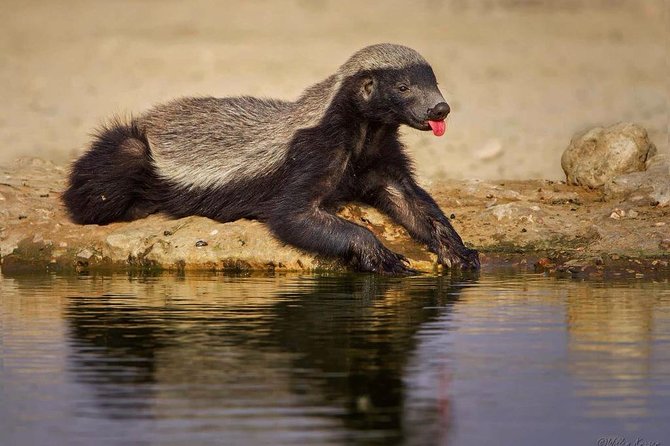
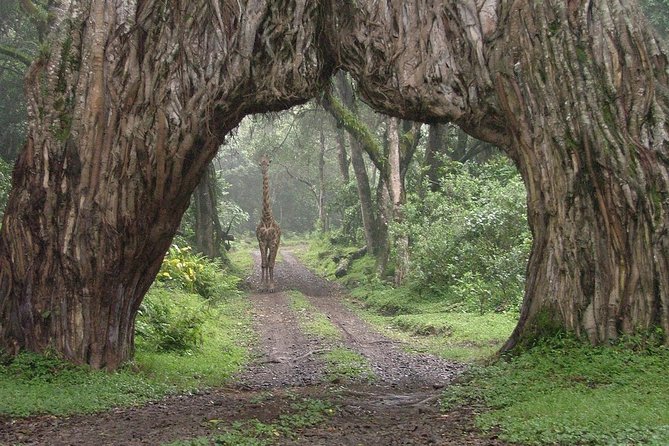
The final day begins around 7:30 a.m. in Arusha National Park. At about 552 square kilometers, it is much smaller than Serengeti, but the park has several distinct areas, including the Serengeti Ndogo grassland, Uwanja wa Mbogo buffalo area, Ngurdoto and Meru craters, Tululusia Hill, Lake Momella, Longil, a fig-arch tree, and the Ngarenanyuki River.
This is a smart final stop because it gives you more choices than a standard game drive. The listed options include walking safari, cycling, canoeing, horse riding, and game driving. The plan says you can select two activities, with the guide aiming to cover the strongest areas of the park.
Confirm those choices in advance. The promotional material also lists canopy walking and a hot-air balloon trip among the highlights, but the day-by-day schedule does not clearly assign them to a specific day, and the inclusions do not clearly state that a balloon flight is included. Ask for written confirmation before assuming you have paid for either one.
Arusha National Park is also a good fit if you want a more active ending after several days seated in a vehicle. Walking or canoeing changes the pace and lets you notice smaller details. If you prefer wildlife viewing from the vehicle, the park still offers game drives and buffalo areas.
Meals, lodging, and what to pack
Six breakfasts, six lunches, and six dinners are included. Drinking water and wine are also listed, along with special dietary requests on request. Meals are a major part of the value because buying food independently inside or near parks can be awkward and costly.
Accommodation may be camping, mid-range lodging, or a lodge. The plan names Seronera Public Campsite, Simba Campsite, and Fig Big Tree, but it does not provide a full lodging list or a guaranteed comfort level. Ask these questions before booking:
- Which nights are camping nights?
- Are tents private or shared?
- What washing facilities are available?
- Which properties are used for the lodge or mid-range option?
- Is the hot-air balloon flight an extra cost?
Bring clothing that handles warm days and cooler mornings, a hat, sunscreen, insect repellent, sturdy shoes, a small day bag, and binoculars. A sleeping bag and towels are listed, but confirm their condition and whether you need any personal bedding.
Who gets the most from this safari
I would recommend this trip to someone visiting northern Tanzania for the first time who wants the major parks in one organized week. It suits you if you value a small shared group, a guide-led schedule, included meals, and airport transfers more than a slow pace.
It is also a good match for people who want a broad wildlife list. Elephants, lions, buffaloes, leopards, rhinoceros, zebras, wildebeest, giraffes, cheetahs, baboons, birds, and reptiles are all part of the possible sightings.
You may want another plan if you dislike early starts, long road transfers, or public camping. The route is full, and several days involve six hours of driving or more. Families, older visitors, and anyone with mobility concerns should ask about vehicle access and the walking portion at Arusha National Park before booking.
The free cancellation rule gives you a practical safety net: cancel at least 24 hours before the start time for a full refund. Changes or cancellations within 24 hours are not accepted for a refund. Travel insurance, visas, international flights, personal expenses, and tips remain your responsibility.
Should you book this seven-day route?
Book it if you want maximum park variety in a compact schedule and like the idea of sharing a vehicle with no more than five other people. The combination of Tarangire elephants, Serengeti predators, Ngorongoro’s concentrated wildlife, Manyara’s birds, and Arusha’s active options gives you a strong first look at northern Tanzania.
Before paying, get the accommodation plan, guide name, activity list, and hot-air balloon pricing in writing. If you are comfortable with early mornings, long transfers, and at least some basic camping, the $1,615.70 price offers a lot for seven days. If comfort and unhurried game drives matter most, compare it with a private or lodge-focused safari.
FAQ
Where does the safari start and end?
It starts in Arusha, Tanzania, with airport pickup available, and ends back at the meeting point in Arusha.
How many people can join the safari?
The activity has a maximum of six participants.
Which national parks are included?
The route includes Tarangire National Park, Serengeti National Park, Ngorongoro Conservation Area and Crater, Lake Manyara National Park, and Arusha National Park.
Are meals and accommodation included?
Yes. Six breakfasts, six lunches, six dinners, and six nights of accommodation are included. Accommodation may be camping, mid-range, or lodge style, so confirm the exact option for your booking.
Is airport pickup included?
Yes. Airport pickup and drop-off are included when you provide your flight details.
What is excluded from the price?
International flights, visas, travel insurance, personal expenses, and tips for the driver-guide and safari cook are not included.
More Seven-Day Trips in Serengeti
- 7 Days Safari. Serengeti, Tarangire, Lake Manyara & Ngorongoro Crater.
★ 5.0 · 34 reviews - 7 Days Private Serengeti Wildebeest Migration Tour
★ 5.0 · 6 reviews - 7 Days Migration Crossing in Mara River Northern Serengeti
★ 5.0 · 4 reviews - 7Day Serengeti Migration (Ndutu), Crater, Hot Springs & City Tour
★ 5.0 · 4 reviews
Just added around Serengeti
- Serengeti & Ngorongoro 3 days Fly Safari in from Zanzibar★ 5.0 · 21 reviews
- 3 Days Serengeti National Park from Zanzibar★ 4.5 · 3 reviews
- 4-Day Serengeti, Ngorongoro,Tarangire safari★ 5.0 · 3 reviews
- Serengeti 2-Day Safari from Mwanza★ 5.0 · 16 reviews
- Serengeti Day Trip Tour from Mwanza★ 5.0 · 4 reviews
- Full-Day Serengeti Tour from Mwanza★ 5.0 · 11 reviews
- Discover Our Best Guide for 1-Day Serengeti Safari from Mwanza★ 5.0 · 5 reviews
- Serengeti Day Trip Safari From Mwanza Tanzania★ 5.0 · 7 reviews
National Parks, compared.
3 Day Serengeti National Park & Ngorongoro Crater Camping Safari
Read our review →
From Zanzibar: Nyerere National Park Game Drive with Lunch
Read our review →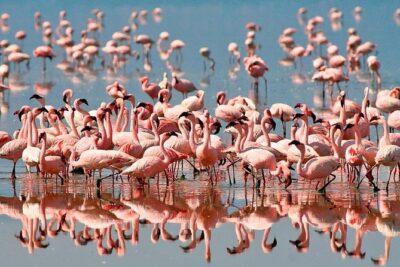
6 days 5 nights safari Ngorongoro, Serengeti and Tarangire National Parks
Read our review →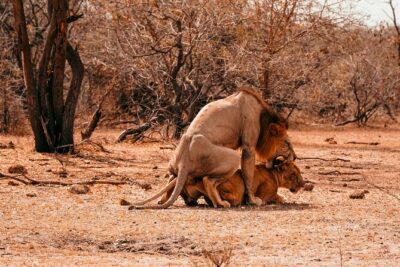
1-Day Selous (Nyerere National Park) Fly-In Safari from Zanzibar
Read our review →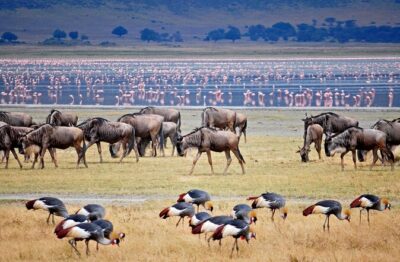
Private 4-Days Northern Circuit National Parks in Tanzania
Read our review →Browse the lists this tour appears in