
Reviewed · GREAT MIGRATION SAFARIS
8 Day private wildebeest migration safari Serengeti Ngorongoro
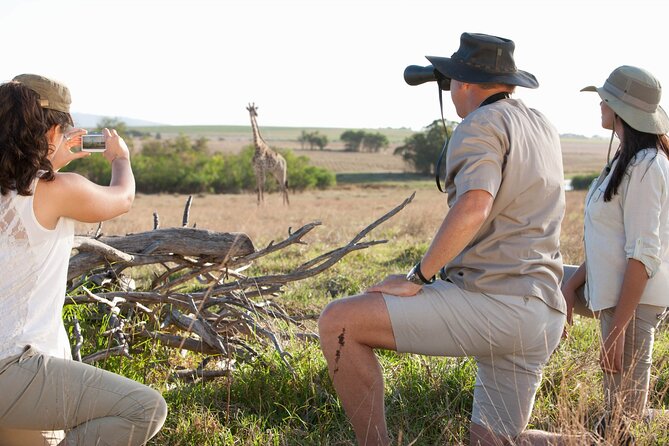
The great draw here is simple: you follow the wildebeest migration through Serengeti rather than treating it as a quick stop. Your route changes with the season, from Ndutu in December through March to the Mara River from July through October, with time in the central park for big-cat sightings. I especially like the two full migration days and the private format, which gives your own group room to adjust the pace.
I also like the smart finish. After the crater, you visit Materuni Waterfalls and Chemka Hot Spring before heading toward Kilimanjaro Airport. The main caution is distance: this is a long safari with several early starts, rough park roads, and 11-hour wildlife days. You need to value time in the bush more than a relaxed schedule.
Key points at a glance
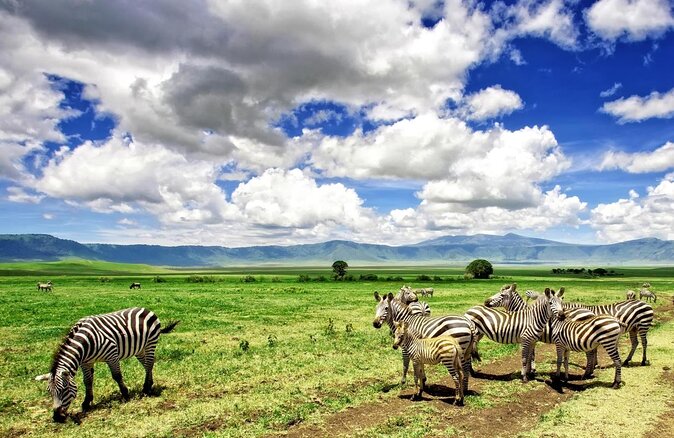
- Season-based migration route: Ndutu from December to March, central Serengeti and Grumeti from April through June, and the Mara River from July through October.
- Two full tracking days: Days four and five are built around locating the herds, not simply passing through the park.
- Private vehicle and guide: Only your group participates, with guides such as David, Jackson, and Ally handling the safari.
- Strong predator country: Central Serengeti, Ngorongoro Crater, and the early-morning drives offer chances to see lions, cheetahs, hyenas, leopards, and other wildlife.
- More than a wildlife circuit: Lake Manyara, Materuni Waterfalls, a coffee visit, and Chemka Hot Spring add variety.
- Price reflects a full private program: At $3,200 per person, you are paying for eight days of guiding, park time, transfers, and a carefully timed migration plan.
Why this safari works for migration watchers
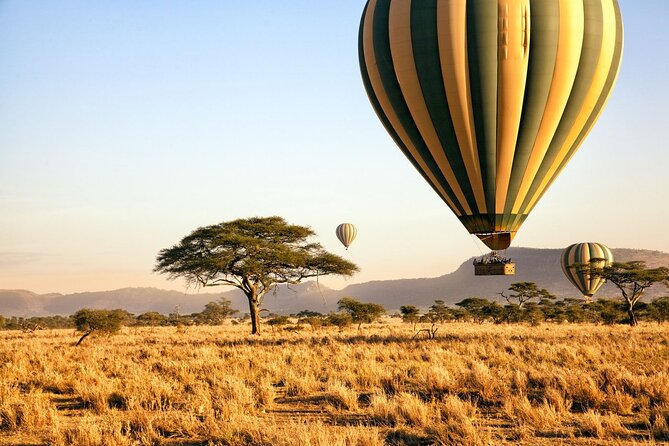
Many northern Tanzania safaris try to fit every famous park into a short loop. This one gives Serengeti the attention it needs. You spend at least two nights in the park, with the central area used for its strong big-cat potential and other nights placed according to the migration’s position.
That seasonal planning matters. The herds do not follow a fixed visitor timetable. From December through March, the focus is southern Serengeti and Ndutu. From April through June, the route shifts toward central Serengeti and the Grumeti River. From July through October, the northern Serengeti and Mara River become the main target.
No guide can promise a river crossing or a particular animal on a particular morning. The value here is that the route is designed around the movement of the herds instead of using the same circuit all year. Ask for the expected zone before booking, since the character of the safari changes sharply by season.
The private setup is another real advantage. You are not sharing the vehicle with strangers, so your group can discuss how long to stay at a sighting and what matters most. Guides named in the tour material include David, Jackson, and Ally, also called Lunge in one account. The experience depends heavily on the individual guide, so requesting a guide by name may be worth asking about.
More Great Migration Safaris in Serengeti
- 10-Day Serengeti Wildebeest Migration Safari from Arusha
★ 5.0 · 218 reviews - 8 Day Spectacular Migration Serengeti mid -Range Tanzania Safari
★ 5.0 · 161 reviews - 9-Day Serengeti Migration Footsteps Tanzania Safari
★ 5.0 · 96 reviews
Day 1: A soft landing in Arusha
Your arrival day is deliberately easy. Depending on your flight time, a driver meets you at Kilimanjaro International Airport for the roughly 45-minute drive to Arusha. You spend the night at a reserved hotel, and the driver gives you a briefing about the following day.
This overnight stop is useful. It keeps a late international arrival from being followed by an exhausting park transfer. You can also discuss the next morning’s departure time, since the operator says another start time may be possible if you need it.
The practical point is to confirm your airport, hotel, and next-day pickup details in advance. Arusha and Moshi both appear in the wider program, and the final day ends at Kilimanjaro Airport, so your flight plan should match the route carefully.
Day 2: Lake Manyara’s forest and tree-climbing lions
After breakfast, you drive about two hours to Lake Manyara National Park for a full day. The park offers a different feel from Serengeti. Instead of endless open grassland, you pass through tropical forest with baboons, monkeys, elephants, waterbuck, and abundant bird life.
The park is also known for tree-climbing lions. Sightings are never guaranteed, but the possibility gives this first wildlife day a special hook. The mix of forest, lake, birds, and larger mammals makes Manyara a good contrast before the wide plains ahead.
You spend the night at a lodge in Karatu. That placement makes sense for the next stage, since Karatu sits near the approach to Ngorongoro and keeps you from returning to Arusha.
The drawback is that this is a full day after a transfer. If your priority is only the migration, Lake Manyara may feel like an extra park rather than essential time. If you enjoy varied habitats and want a gentler introduction to northern Tanzania wildlife, it earns its place.
Day 3: The road into Serengeti
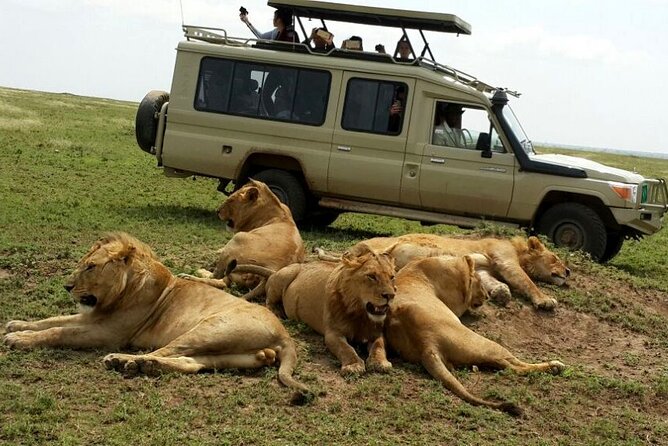
You leave after an early breakfast, scheduled for 7 a.m., and drive toward Serengeti with wildlife viewing along the way. The park is famous for its open plains, wildebeest herds, lions, hyenas, cheetahs, and leopards. You may also look for crocodiles around the Grumeti River, along with hippos, giraffes, antelopes, and gazelles.
The important detail is that the drive is part transfer and part game drive. Reaching Serengeti takes time, but you are not simply losing a day on the road. The changing scenery and animal sightings begin before you reach your accommodation in the park’s central area.
That central location is useful for big-cat viewing and for reaching different parts of the park. It also means long days in the vehicle. Serengeti is huge, and the best wildlife sighting may be far from camp or lodge.
You should expect a basic rhythm: early breakfast, long drives, stops for wildlife, and dinner after a full day outside. The tour description gives this day about eight hours, so pack water, sun protection, and a camera that is easy to reach.
More Private Tours in Serengeti
- serengeti, ngorongoro & tarangire 5days private tour
★ 5.0 · 77 reviews - Full-Day Private Serengeti Safari from Mwanza
★ 5.0 · 47 reviews - Private 6-Day Great Migration Ndutu Serengeti Safari Tour
★ 5.0 · 47 reviews - serengeti, ngorongoro & tarangire 4 days private tour
★ 5.0 · 18 reviews
Days 4 and 5: Two full days following the herds
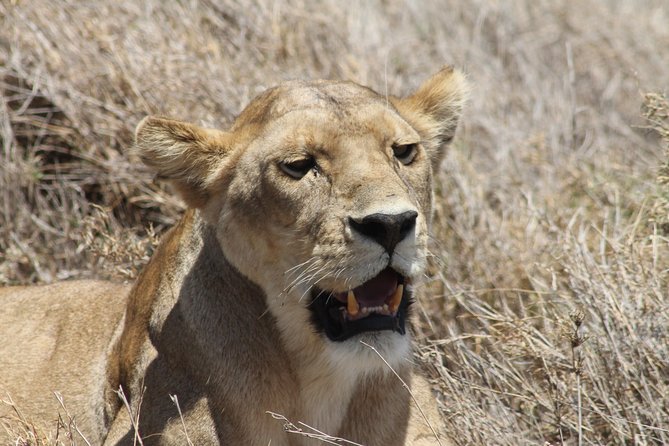
These are the heart of the safari. You spend two long days tracking the migration in the north, west, or south of Serengeti, depending on the time of year. Each day is listed at about 11 hours, which tells you what kind of trip this is: serious wildlife time, not a quick morning outing.
From December through March, the route heads toward Ndutu in the southern Serengeti. This is the period when the southern plains are the main focus. From April through June, the plan turns toward central Serengeti and the Grumeti River. From July through October, the northern sector and Mara River become the target, with the chance of seeing a river crossing.
A crossing is one of Africa’s great wildlife scenes, but it is also unpredictable. The herds may wait, change direction, or cross outside your view. Your best advantage is time, local guidance, and a route that is designed to reach the correct region during the right months.
The two-day format helps. If the first day brings slow movement or distant herds, you have another full day to try. You also have time for predators. Lions, cheetahs, hyenas, and leopards follow the same food supply, and the central Serengeti is particularly useful for big-cat searches.
The long hours can be tiring. The roads can be rough, and the heat and dust build up. Still, I would not shorten these days if migration is your main reason for coming. This is where the safari earns its time and cost.
Day 6: An early Serengeti game drive
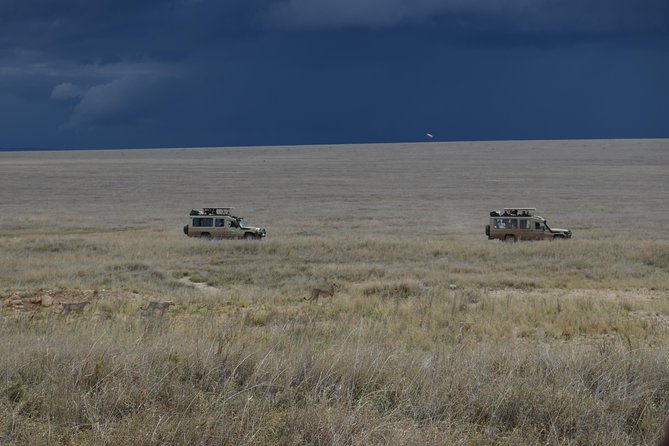
Day six starts with tea or coffee and a packed breakfast. You leave early for a game drive toward eastern Serengeti, aiming to see predators when they are most active and to watch sunrise over the plains.
This early start is one of the better choices in the program. Lions and cheetahs may be hunting or moving before the day grows hot. You also avoid spending the morning inside the vehicle waiting for the heat to ease.
The drive continues until early afternoon, listed at roughly six hours. The wording of the program leaves the precise overnight arrangement and later movements less clear, so confirm where you sleep that night and how the transfer to Ngorongoro is handled.
The eastern route also brings a sense of moving away from the busiest central zone. The operator describes seeking areas away from crowds of other safari vehicles. Do not read this as a promise of solitude, but it does explain the appeal of the route: more time watching animals and less time in a vehicle queue.
Day 7: A crater packed with wildlife
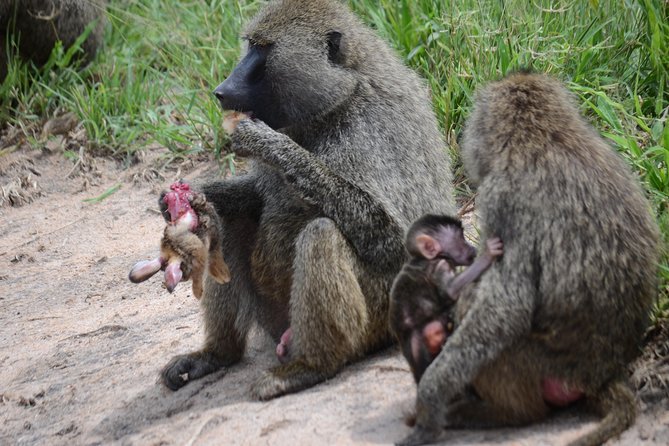
After breakfast, you descend more than 600 meters into Ngorongoro Crater. The crater floor has permanent water and grazing, so wildlife remains present through the year. You may see wildebeest, zebra, buffalo, eland, warthog, hippo, and large African elephants.
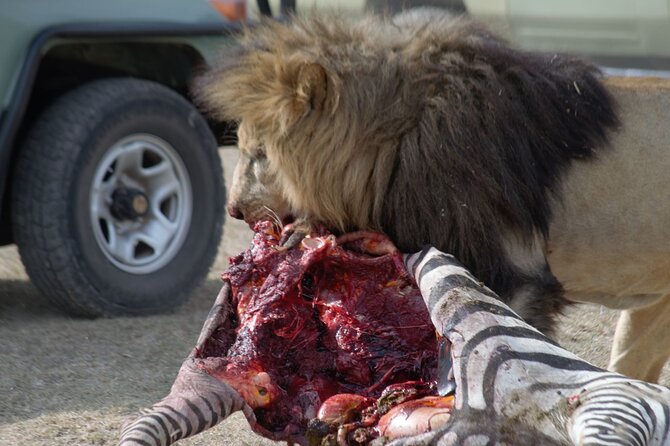
Predators are a major reason to include Ngorongoro. Lions, hyenas, jackals, cheetahs, and sometimes leopards inhabit the crater. The open floor can make animals easier to spot than in thick woodland, although a leopard still takes patience and a trained eye.
Lake Magadi, a shallow alkaline lake in the crater’s southwest, is included in the route. It adds scenery and may attract birds and other animals, but the crater’s real strength is variety in a compact area.
The tradeoff is traffic. A place this famous can feel busier than remote Serengeti, especially around well-known sightings. The crater is still highly worthwhile, but you should expect a more concentrated wildlife experience rather than the open sense of distance you get in the national park.
Day 8: Materuni Waterfalls and Chemka Hot Spring
The final day changes the mood completely. You are picked up in Arusha or Moshi and drive to Materuni Waterfalls, at about 2,500 meters above sea level. Along the way, you explore the slopes of Mount Kilimanjaro, with birds, chameleons, coffee plants, and banana trees.
At the waterfall, you can swim in the pools, then return to the village for a coffee tour. This is a useful cultural and food-related counterpoint to the wildlife days. It also gives you a chance to walk in a settled rural area rather than spend another day in a safari vehicle.
Later, you continue to Chemka Hot Spring. You can swim in the natural pool, where small fish are present, and spend time in the water before the drive to Kilimanjaro Airport. Bring swimming clothes. The day is listed at about nine hours, so it is best suited to a flight late enough to allow the full program.
This final day is appealing because it does not end the trip with a plain airport transfer. But it also creates a scheduling risk. Confirm the pickup point, airport timing, and minimum buffer before booking a same-day flight. The program mentions Arusha, Moshi, and Kilimanjaro Airport, so precise coordination matters.
What $3,200 per person buys you
At $3,200 per person, this is not a budget safari. The value comes from the private structure and the amount of time devoted to Serengeti. You are paying for eight approximate days, airport pickup, hotel and lodge stops described in the plan, a private group, a guide, several national park areas, two dedicated migration days, and the final waterfall and hot-spring outing.
The price makes the most sense if you are traveling with family or friends who want their own vehicle and schedule. Group discounts are offered, which may improve the per-person value for a larger private party.
You should ask for a clear list of what the price includes before paying. The information supplied confirms admission is included for Ngorongoro Crater and the final Materuni and Chemka day, but it does not spell out every meal, accommodation category, park fee, or flight segment. Do not assume the price covers anything that has not been confirmed in writing.
The strongest value is the seasonal route. A standard fixed safari can miss the herds simply because the animals have moved. Here, the plan aims to place you in the right part of the ecosystem at the right time.
Who should book this private safari
I would choose this trip if you want migration viewing first, strong predator potential second, and a private guide throughout. It suits photographers, first-time safari visitors, families, and anyone who prefers not to share a vehicle with an unknown group.
The trip can also suit families with children. One guide and team specifically handled parents with children aged eight and eleven, and the private format allows your group to adjust stops. Still, the 11-hour Serengeti days are demanding, so discuss the pace before you commit.
I would hesitate if you want a slow holiday with short drives and plenty of free time. I would also be cautious if your flight leaves early on the final day, since Materuni, Chemka, and the airport transfer make day eight busy.
Guiding is central to the experience. David and Jackson are named in the program, while Ally, also called Lunge, is associated with a particularly strong six-day Serengeti and Mara River trip. The feedback also repeatedly highlights friendly airport pickup, careful organization, prompt answers before departure, and attention to families. Ask which guide will lead your group and what vehicle arrangement is planned.
Booking details worth checking
Pickup is offered, mobile ticketing is available, and only your group participates. Most people can take part, but you should explain any health or mobility concerns directly when booking because the supplied information does not give a detailed accessibility description.
Cancellation is free up to 24 hours before the start time for a full refund. Inside 24 hours, the amount paid is not refunded, and changes are not accepted. The experience depends on good weather, with a different date or full refund offered if poor weather forces cancellation.
Because the schedule is season-sensitive, confirm four points before booking:
- Which Serengeti zone the trip will target during your dates
- Where you sleep on night six
- What the $3,200 price includes
- How much time is allowed between Chemka Hot Spring and your airport departure
Should you book it?
Book this safari if you want a private, migration-focused route with enough Serengeti time to give the herds a fair chance. The two full tracking days, seasonal planning, central Serengeti predator country, and Ngorongoro Crater make a strong wildlife package.
The tour is less suitable for a short, easygoing holiday. You will spend long hours on rough roads, rise early, and cover a lot of ground. For the right person, that is not a flaw. It is the price of seeing Tanzania’s wildlife on its own schedule.
FAQ
Where does the safari start?
The safari starts in Arusha, with airport pickup offered from Kilimanjaro International Airport. The first night is in Arusha.
How long does the safari last?
The experience lasts approximately eight days.
Is this a private tour?
Yes. Only your group participates in the private activity.
When does the route visit southern Serengeti?
The route targets southern Serengeti and Ndutu from December through March.
When does the route target the Mara River?
From July through October, the safari goes toward the northern Serengeti and Mara River area, where migration crossings may take place.
What happens on the two main migration days?
Days four and five are full days of migration tracking in northern, western, or southern Serengeti, depending on the season.
Is Ngorongoro Crater included?
Yes. Day seven includes a drive into Ngorongoro Crater, with admission included.
Can I swim during the final day?
Yes. Swimming is offered at Materuni Waterfalls and Chemka Hot Spring. You should bring swimming clothes.
What is the cancellation policy?
You can cancel at least 24 hours before the start time for a full refund. Cancellations or changes made within 24 hours are not refunded or accepted.
More Eight-Day Trips in Serengeti
- 8 Days Serengeti Migration safari
★ 5.0 · 11 reviews - 8 Days Private Safari in Serengeti Tour
★ 5.0 · 6 reviews - 8 Days Great Wildebeest Calving Migration Safari from Arusha
★ 5.0 · 254 reviews - Kilimanjaro Climbing Lemosho Route 8 Days.
★ 5.0 · 186 reviews
More Safaris in Serengeti
- Serengeti Balloon Safari and authentic bush breakfast
★ 5.0 · 2,480 reviews - Balloon Safari & Bush Breakfast in Serengeti – Miracle Experience
★ 5.0 · 1,646 reviews - 3 Days Serengeti & Ngorongoro Group Camping Safari
★ 5.0 · 574 reviews - Safari Serengeti And Ngorongoro
★ 5.0 · 288 reviews
Just added around Serengeti
- Serengeti & Ngorongoro 3 days Fly Safari in from Zanzibar★ 5.0 · 21 reviews
- 3 Days Serengeti National Park from Zanzibar★ 4.5 · 3 reviews
- 4-Day Serengeti, Ngorongoro,Tarangire safari★ 5.0 · 3 reviews
- Serengeti 2-Day Safari from Mwanza★ 5.0 · 16 reviews
- Serengeti Day Trip Tour from Mwanza★ 5.0 · 4 reviews
- Full-Day Serengeti Tour from Mwanza★ 5.0 · 11 reviews
- Discover Our Best Guide for 1-Day Serengeti Safari from Mwanza★ 5.0 · 5 reviews
- Serengeti Day Trip Safari From Mwanza Tanzania★ 5.0 · 7 reviews
Great Migration Safaris, compared.
8 Days Great Wildebeest Calving Migration Safari from Arusha
Read our review →
8 Day Spectacular Migration Serengeti mid -Range Tanzania Safari
Read our review →
Private 6-Day Great Migration Ndutu Serengeti Safari Tour
Read our review →
6 Days Tanzania Budget Camping Safari with Migration
Read our review →10-Day Wildebeest Migration Calving Safari -All Inclusive
Read our review →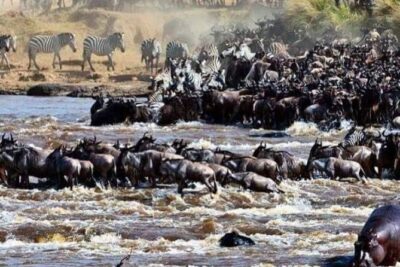
8 Days Great Wildebeest Migration – Mara River Crossing
Read our review →
Tanzania Safari – The Great Migration in the North of the Serengeti and Lake Natron
Read our review →
5-Days Private Serengeti Wildebeest Migration Lodge Safaris
Read our review →Browse the lists this tour appears in