

Reviewed · NATIONAL PARKS
4 Day Ngorongoro Crater Tarangire and Serengeti National Park
Tarangire’s elephant herds, Serengeti’s open plains, and the Ngorongoro Crater make this four-day route a powerful first taste of northern Tanzania. For $899 per person, Kilipath African Safaris packs three major wildlife areas into a short schedule that begins and ends in Arusha.
I like two things here: the small advertised group size of six keeps the safari more personal, and all meals are included, which removes one common worry on a camping trip. Guides such as John, David, Godfrey, and Bulldozer have earned praise for animal spotting, driving, clear explanations, and quick problem solving.
The tradeoff is simple: you cover a lot of ground in four days. Expect long drives, early starts, rough roads, and basic camping facilities. One Serengeti campsite has been singled out for poor bathrooms, so this is a wildlife-first trip, not a comfort-first holiday.
Key points before you book
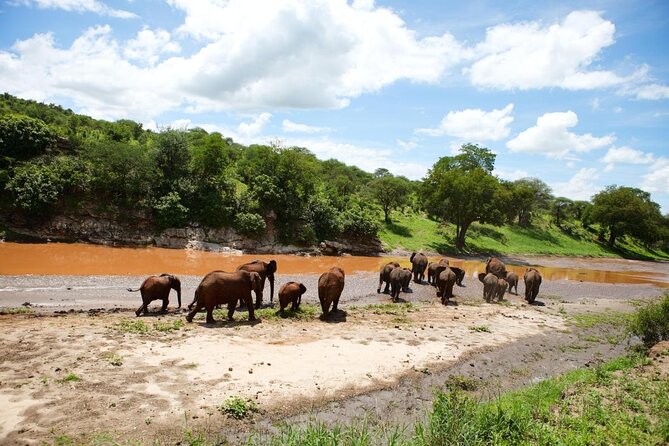
- Tarangire comes first, with frequent elephant sightings and possible leopard, giraffe, zebra, buffalo, impala, and warthog encounters.
- Serengeti includes an evening drive on arrival and an early morning drive, giving you two useful wildlife periods in a short stay.
- Ngorongoro Crater is the grand finale, with a half-day drive on the crater floor and a chance to see rhinoceros.
- Camping keeps the price down, but facilities can be plain, especially in the Serengeti.
- Meals, taxes, and park-related costs listed for the program are included, while visas and tips are not.
- The schedule starts at 7:30 a.m. in Arusha, and the return can be to Arusha or directly to the airport.
What $899 buys you on this Tanzania safari
At $899 per person, this is priced as an affordable northern Tanzania safari rather than a lodge-based getaway. The value comes from combining three famous parks, transport in a safari vehicle, camping, meals, and guiding in one package.
You are not paying only for time in a park. The price also covers the practical work that makes a safari possible: moving camping equipment, arranging food, handling park access, and getting you between Arusha and remote wildlife areas. All meals are included, with four lunches, three dinners, and three breakfasts listed. Taxes are also included.
Visas and tips are extra. Set aside money for both, and plan to tip the guide and chef at the end if they provide good service. The booking includes pickup, a mobile ticket, and confirmation at the time of booking, which makes the first morning easier.
The main value question is comfort. If you want a private room, polished bathrooms, and short transfers, this is not the right style of safari. If you want to spend your money on more time in the parks and can handle a tent and a rough road, the price is persuasive.
The advertised group limit is six people. That matters because a small vehicle group gives you more room to look, ask questions, and choose where to point your camera. Some comments connected with the company refer to larger groups and other safari programs, so confirm your exact group size when booking.
More national park trips in Ngorongoro:
- 6 days 5 nights safari Ngorongoro, Serengeti and Tarangire National Parks
★ 5.0 · 39 reviews - 3 Days Safari Ngorongoro Crater and Serengeti National Park
★ 5.0 · 21 reviews - 1 Day Joined Group Safari in Ngorongoro Crater National Park
★ 5.0 · 7 reviews
Day 1: Tarangire and the first elephant sightings
Your pickup is scheduled for 7:30 a.m. in Arusha, after breakfast. The first drive heads directly to Tarangire National Park, with a picnic lunch provided along the way or during the park day.
Tarangire is a fine opening act because it often delivers wildlife without requiring you to wait for the final day. The park is especially associated with elephants, and the planned drive gives you a good chance to see herds of roughly 10 to 20 animals, with larger groups sometimes appearing.
Keep your eyes moving. The guide may point out buffalo, impala, zebras, warthogs, and giraffes at ground level, while the treetops can hide a leopard. A good guide makes a major difference here. John has been praised for explaining plants and animals in several languages, while guides such as David and Godfrey have been noted for strong animal spotting and driving.
The day lasts about six hours, and the plan allows a drive until late afternoon or evening before heading to Tarangire Campsite. You then have dinner and sleep at camp.
The benefit of this first day is variety. You begin with a park known for elephants and get a proper game drive before reaching the more distant Serengeti. The cost is a long day after an early start, followed by camping. You should arrive ready for dust, heat, and a simple night outdoors.
Day 2: The long road to Serengeti
Day two starts after an early breakfast. You pack the camping equipment into the safari vehicle and travel toward Serengeti National Park, passing through the Manyara area and along the Rift Valley escarpment.
This is one of the less glamorous parts of the trip, but it is important to understand it before booking. The parks are far apart, and a four-day safari has to use road time carefully. You spend much of the day moving rather than sitting at a lodge, but the changing views and the approach to the Serengeti are part of the route.
A Masai village visit may be available along the way. It is described as an option, not a guaranteed part of the schedule, so ask whether it will fit your day and whether there is an extra fee before agreeing.
The plan reaches the Serengeti in the evening, followed by a game drive before dinner and the night at Seronera Campsite. That evening drive matters. You do not lose the whole day to transport, and you get an early look at the park before the main wildlife morning.
The Serengeti is the emotional center of the trip for many people, but this itinerary gives it limited time. You should not expect several full days to search different regions. Instead, you get an arrival drive, an early morning drive on day three, and wildlife viewing along the route toward Ngorongoro.
Day 3: Sunrise in the Serengeti and the road to Ngorongoro
The third day begins around 6 a.m. with coffee and a morning game drive. Bring warm clothing. The early hours can be cold, especially in an open-sided safari vehicle, but this is a useful time to be out because the sunrise adds another layer to the experience and animals may be active.
You continue through the morning until around midday, then return to camp for a full breakfast and lunch served together as brunch. Afterward, the vehicle heads toward the Ngorongoro Conservation Area, with a game drive en route before reaching Ngorongoro Simba Campsite.
This split between a morning drive and a later transfer is sensible for a short trip. You get a serious wildlife period before the day becomes mostly travel. It is also a day when your guide’s judgment matters. A skilled driver can help you spend time at worthwhile sightings rather than rushing past everything to meet the campsite schedule.
The camping is basic by design. One account praised the food and the overall safari but found the bathrooms at the second Serengeti campsite very poor. I would treat that as a useful warning rather than a reason to reject the trip. Ask about current campsite conditions, and bring personal supplies that make basic facilities easier to handle.
Food receives strong praise across the experience. A safari chef such as Mathew has been credited with preparing meals so well that one person joked about gaining weight. That is not a small detail. After hours on rough roads, a hot, filling meal can shape your whole view of a camping safari.
More four-day trips in Ngorongoro:
- 4 Days Group Camping Safari
★ 5.0 · 1,101 reviews - 4 Days Join Group tour Tarangire Serengeti and Ngorongoro crater
★ 5.0 · 219 reviews - 4-Day Safari from Arusha: Tarangire, Serengeti and Ngorongoro
★ 5.0 · 173 reviews - 4 Days safari Tour Tanzania
★ 5.0 · 159 reviews
Day 4: The Ngorongoro Crater finale
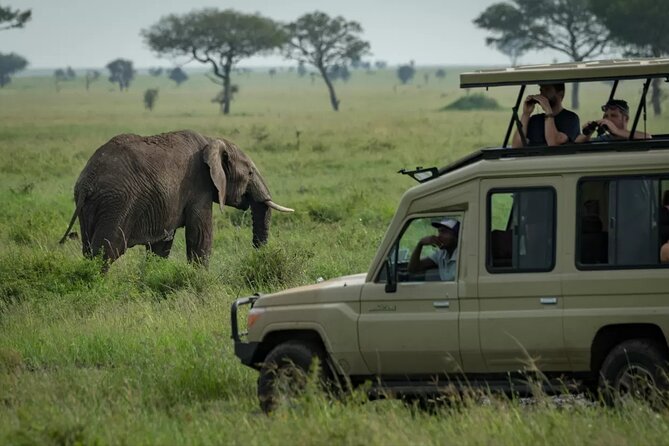
After breakfast, you pack a picnic lunch and make the short drive to the descent gate. From there, the vehicle drops about 650 meters to the Ngorongoro Crater floor for a half-day game drive.
The crater is different from the first two parks. Water remains available through the year, so many animals stay in the crater rather than moving long distances. This gives you a concentrated wildlife day, though no guide can promise a particular sighting.
Rhinoceros are the prize possibility. The program specifically notes that you may see one if luck is on your side. The crater also supports many other resident animals, so the value of this stop does not depend on rhino alone.
After a picnic lunch, you climb back to the rim, return to camp for the remaining equipment, and drive to Arusha or directly to the airport. That airport option can be helpful if your flight timing fits, but confirm the exact transfer plan before booking your airfare.
The final day is efficient, but it is also demanding. You have an early start, a half-day drive, an uphill exit, a camp stop, and a long return. Do not schedule an important flight too soon after the stated end of the safari unless the operator confirms the timing.
Guides, drivers, and the human side of the trip
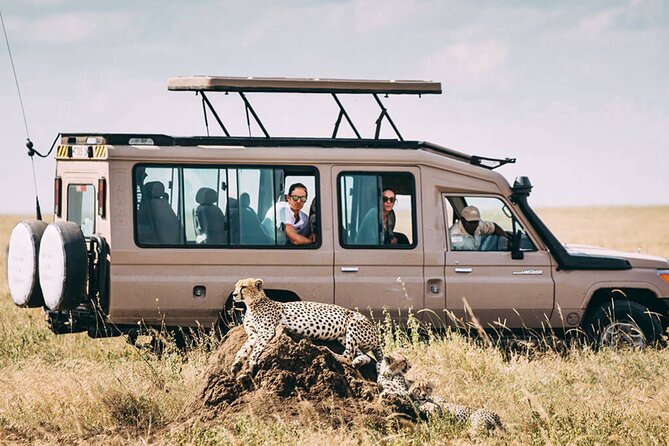
The guide can make or break a short safari. With only four days, you need someone who can spot animals, explain what you are seeing, drive carefully, and manage delays without panic.
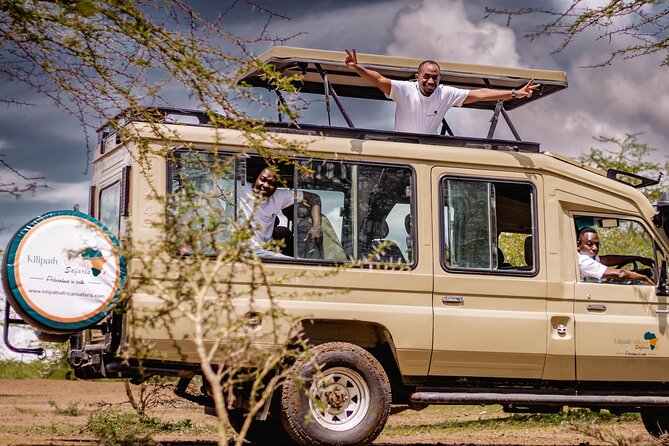
Kilipath’s named guides include John, David, Godfrey, Dickson, Hatibu, and Bulldozer, although your assigned guide will depend on the departure. John has been praised for plant and animal knowledge and for speaking several languages. David is noted for spotting animals at a distance, and Godfrey has been described as a strong driver and guide.
Bulldozer has received especially warm praise for seeing animals and birds far away. That kind of sharp vision is useful, but it is not magic. Wildlife sightings depend on season, weather, animal movement, and plain luck.
The company’s communication also appears to be a strong point. Happiness has been praised for sending quote options quickly, while Felix and Evenlight have been credited with handling questions, transport, accommodation, flights, and even luggage storage in broader trip arrangements.
That support is worth checking before you arrive. Ask who your guide will be, what vehicle group you are joining, where you will camp, and how airport transfer timing works. Clear answers now prevent confusion in Arusha.
Camping, meals, and what to pack
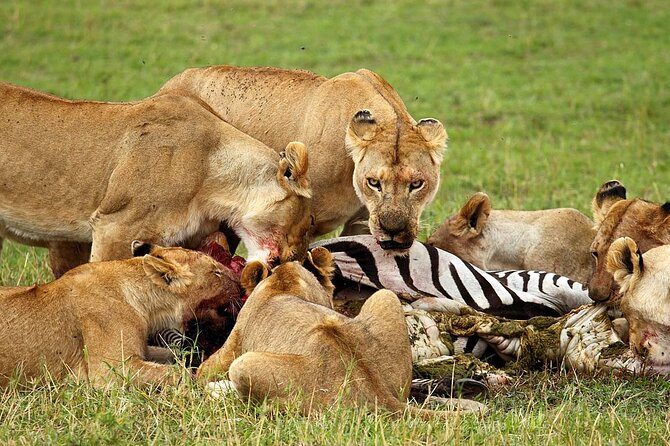
This is budget camping, not a hotel substitute. You will sleep at Tarangire Campsite, Seronera Campsite, and Ngorongoro Simba Campsite, with camping equipment carried in the safari vehicle.
The food plan is generous on paper, with breakfast, lunch, and dinner included across the four days. A picnic lunch is planned for day one, brunch follows the morning drive on day three, and another picnic lunch is packed for the crater.
Bring warm layers for the Serengeti morning, comfortable clothes for hot drives, and personal items suited to basic bathrooms. The supplied information does not specify the exact tent setup, bedding, showers, or electrical access, so ask those questions before departure.
You should also expect rough roads. That is not a minor footnote. Long stretches in a safari vehicle can be tiring, and the vehicle may shake, slow down, or take detours after poor weather. The company has earned praise for dealing with problems in the bush, but good logistics cannot make every road smooth.
Who should book this four-day route
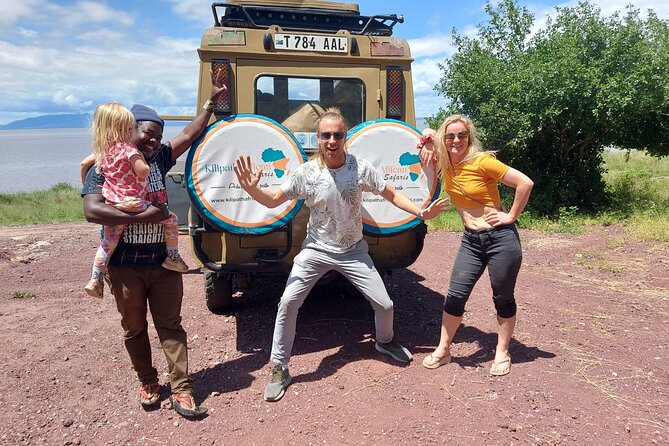
I would recommend this safari to you if you have limited time in Tanzania and want the classic northern circuit in one compact trip. It works especially well for first-time safari visitors who want Tarangire, Serengeti, and Ngorongoro rather than choosing only one park.
It also suits people who care more about wildlife access than polished accommodation. The chance to see elephant herds in Tarangire, a leopard in a tree, a rhinoceros in or around Ngorongoro, and the wider Big Five is a strong reason to accept the camping.
Families and mixed-age groups should think carefully about the long drives and early starts. Most people can participate, but the schedule is active. You need to be comfortable sitting in a vehicle for hours and sleeping at campsites.
Photographers should like the small group limit, morning light, and several game drives. Still, four days leaves little spare time if a sighting runs late or roads slow you down.
Booking details and cancellation terms
The safari starts in Arusha at 7:30 a.m. and ends back at the meeting point, with a possible direct airport return on day four. Pickup is offered, and confirmation is provided when you book.
The activity is listed as suitable for most people and near public transportation. The advertised maximum is six participants. Visas and tips are not included.
You can cancel for a full refund up to 24 hours before the start time. Cancellations or changes made inside 24 hours are not refunded or accepted. If poor weather forces cancellation, you should be offered another date or a full refund.
Should you book it?
Book this trip if your priority is three major parks, strong wildlife chances, and a low price in only four days. The route is well chosen, the meals are included, and the guides are repeatedly praised for spotting animals, explaining what you see, and solving problems when plans get rough.
Do not book it expecting lodge comfort or a relaxed pace. You will spend long hours on the road, rise early, and use basic camping facilities. Before paying, confirm your guide, group size, campsite standards, equipment, and final airport timing.
For the right person, this is a practical way to reach the Big Five country without stretching a Tanzania itinerary into a week. It asks you to trade comfort for access, and at $899, that is a reasonable bargain.
FAQ
Where does the safari start and finish?
It starts in Arusha at 7:30 a.m. The activity ends back at the meeting point, with the option to return directly to the airport on the final day.
Which parks are included?
The route visits Tarangire National Park, Serengeti National Park, and the Ngorongoro Crater within the Ngorongoro Conservation Area.
How large is the group?
The advertised maximum is six participants.
Are meals included?
Yes. The program includes all meals, with four lunches, three dinners, and three breakfasts listed.
Are visas and tips included?
No. Visa costs and tips are not included in the stated price.
What happens if I cancel?
You receive a full refund if you cancel at least 24 hours before the start time. Cancellations or changes made less than 24 hours before the start are not refunded or accepted.
Just added around Ngorongoro
- 7 Days Rhino Ngorongoro Crater Safari Tour★ 5.0 · 5 reviews
- 1 days Tanzania Sharing Joining group Safari – Ngorongoro Crater★ 5.0 · 3 reviews
- 3 days safari in North- Ngorongoro, Tarangire, Mt. Oldeani★ 4.5 · 9 reviews
- 5-Day Private Adventure Tour to Ngorongoro Conservation Area★ 5.0 · 11 reviews
- Ngorongoro Crater Day Trip★ 5.0 · 5 reviews
- Ngorongoro Crater Day Trip★ 4.5 · 4 reviews
- 1 Day Private Ngorongoro Crater Safari★ 4.5 · 7 reviews
- Ngorongoro Crater Exclusive: A Journey into Africa’s Eden★ 4.5 · 7 reviews
National Parks, compared.
3 Day Serengeti National Park & Ngorongoro Crater Camping Safari
Read our review →
From Zanzibar: Nyerere National Park Game Drive with Lunch
Read our review →
6 days 5 nights safari Ngorongoro, Serengeti and Tarangire National Parks
Read our review →
1-Day Selous (Nyerere National Park) Fly-In Safari from Zanzibar
Read our review →
Private 4-Days Northern Circuit National Parks in Tanzania
Read our review →Browse the lists this tour appears in