
Reviewed · BUDGET SAFARIS
3 Days Tanzania Private Budget Safari to Serengeti & Ngorongoro
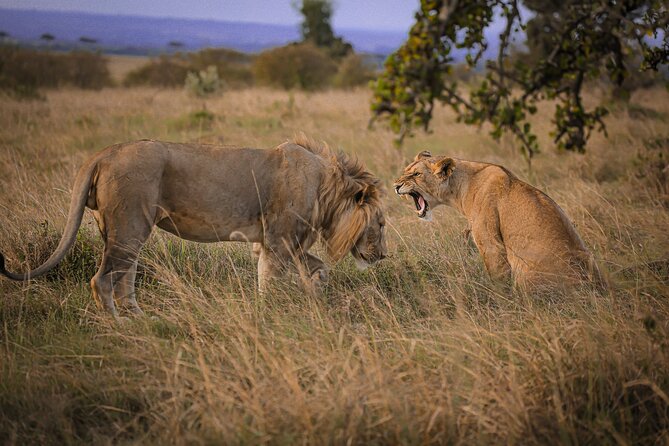
The main draw here is simple: in only three days, you visit both Serengeti National Park and Ngorongoro Crater on a private safari from Arusha. That gives you a close look at Tanzania’s famous wildlife without joining a large shared group.
I like the freedom of a private vehicle and guide, and I like that the price includes park fees, campsites, and seven listed meals. The drawback is the pace. Arusha to Serengeti is a long first day, and you have limited time in each place.
Key points to know
- Serengeti on days one and two: You get an afternoon game drive, followed by a full day among the plains, rivers, and waterholes.
- Ngorongoro on day three: The crater offers a concentrated wildlife experience in a striking natural setting.
- Private means personal: Only your own group takes part, which gives you more control than a group departure.
- Budget camping keeps the price down: Accommodation is at selected budget campsites rather than hotels or luxury lodges.
- Meals are covered: The package includes two breakfasts, three lunches, and two dinners.
- Plan around the exclusions: Flights, pre- and post-safari hotels, and tips for the guide and cook are extra.
Two parks in three days from Arusha
This safari is designed for you if time and money both matter. At $1,483 per person, it is not a shoestring day trip, but a private safari covering Serengeti and Ngorongoro normally requires substantial transport, park access, food, guiding, and camping. The price therefore needs to be judged as a package, not simply as three days of sightseeing.
Your start is in Arusha at 7:00 a.m. You then travel toward Serengeti, with the first park activity planned for the afternoon. The following day is devoted largely to Serengeti before you continue toward Ngorongoro. On the last day, you visit the crater and return to the original meeting point.
That is an efficient route, but it is also a demanding one. You spend a fair amount of time on the road, especially on day one. If you want slow mornings, long stays at one camp, or several relaxed game-drive days, you should consider a longer safari.
The reward is access to two very different wildlife settings. Serengeti gives you wide open plains and the possibility of following animals across a broad area. Ngorongoro gives you a more compact wildlife setting inside a huge volcanic caldera. In three days, you get contrast rather than repetition.
More Budget Safaris in Serengeti
- 4 Days Tanzania Budget Group Join Safari- Serengeti & Ngorongoro
★ 5.0 · 14 reviews - The World’s Most Affordable 5-day Serengeti Budget Camping Safari
★ 5.0 · 11 reviews - Affordable 3-Day Safari to Serengeti & Ngorongoro Crater
★ 5.0 · 8 reviews
Day one: the long road to Serengeti
The 7:00 a.m. pickup in Arusha gets the journey moving early. The route toward Serengeti takes up much of the day, and the planned stop is an afternoon game drive after arrival. The schedule lists the day at about eight hours, so you should expect this to feel like a full transport and safari day rather than a leisurely transfer.
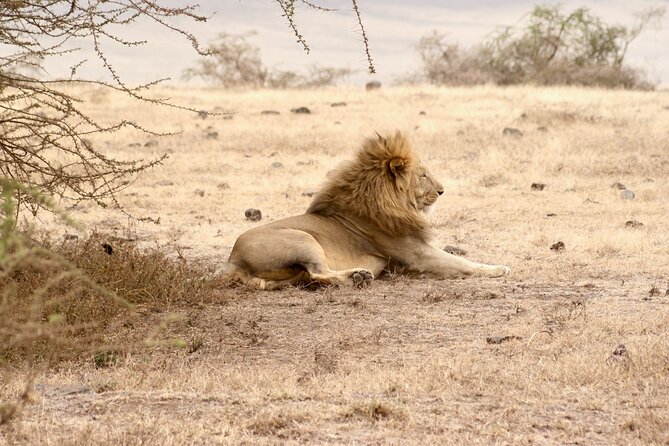
The first afternoon drive is your introduction to the park. The stated wildlife possibilities include lions, elephants, rhinos, cheetahs, zebras, and wildebeests. No guide can promise a particular animal, but the appeal is the search itself: you scan the plains, watch animal behavior, and rely on your guide to help locate movement that you might miss on your own.
Serengeti is especially appealing for its sense of space. You are not moving from one small exhibit to another. You are crossing a working ecosystem, where herds shift with food and water and predators respond to those movements. The experience can be quiet for a stretch, then change quickly when an animal appears.
At the end of the day, you stay at a budget campsite and eat dinner. The campsite choice is important to the price. You receive a more basic night than you would at a lodge, but your money goes toward the park experience rather than a polished room and extensive facilities.
The exact campsite name, tent setup, bathroom arrangement, and electricity details are not provided. I would ask about those before paying, especially if comfort matters to you. Budget camping can mean different things from one operator to another.
Day two: Serengeti gets the most time
Day two is the strongest part of the itinerary because it gives you a full day in Serengeti. You begin early, according to the plan, with game drives across the park’s plains and along rivers and waterholes. These different settings matter because wildlife gathers in different ways around food and water.
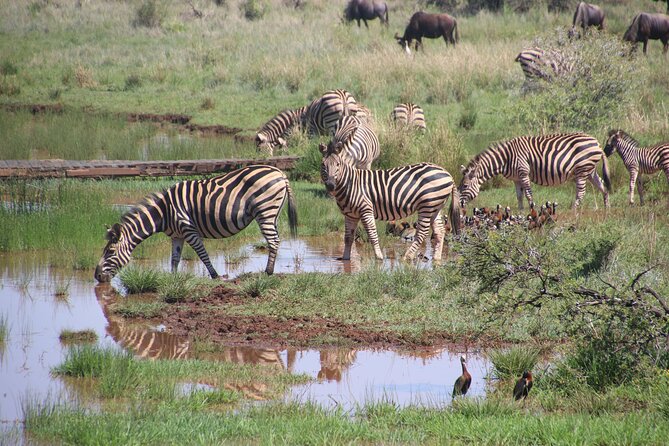
You may see giraffes feeding from acacia trees, elephants moving across the savannah, and zebras and wildebeests traveling in groups. The wildebeest migration is specifically described as seasonal, so do not treat it as a guaranteed sight. Your dates matter greatly if the migration is the main reason you are booking.
A full game-drive day also gives your guide more chances to adjust the search. If an area is quiet, you can continue to another part of the park. If something interesting is happening, you can spend more time watching it. That flexibility is one of the real benefits of booking privately, although the exact rules for vehicle movement and stop duration should be confirmed with the operator.
Lunch is planned as a picnic in the park. It is a practical arrangement that avoids losing time by returning to camp. It also keeps you close to the day’s wildlife activity. Do not expect a restaurant meal or a long shaded break. The value is in staying out in the park during useful viewing hours.
Later, you leave Serengeti for a budget campsite near Ngorongoro. This transition makes sense geographically, since it positions you for the crater visit on day three. It does mean that the second day is not entirely spent on game drives. The timing of the departure can affect how much of Serengeti you actually see, so ask the company for the expected schedule.
Day three: the Ngorongoro Crater visit
Ngorongoro Crater is the visual centerpiece of the final day. You descend into the world’s largest intact caldera and spend the day looking for wildlife in a contained natural setting. The itinerary highlights elephants, lions, and interactions between different species.
The crater offers a different kind of safari from Serengeti. Its scale is immense, but the crater floor concentrates animals into a more defined area. That can make it easier to see a variety of species during a single visit, though wildlife sightings are never certain.
The scenery is part of the appeal. You are not only watching animals. You are looking across the crater floor, surrounded by the steep walls of the caldera. A picnic lunch is included, giving you time to pause without leaving the area.
The final afternoon brings the safari to a close, with return to the original meeting point in Arusha. The information provided does not give an exact arrival time. That is worth checking if you have a flight, train, or separate hotel booking on the same day. I would avoid scheduling an onward connection too tightly.
More Private Tours in Serengeti
- serengeti, ngorongoro & tarangire 5days private tour
★ 5.0 · 77 reviews - Full-Day Private Serengeti Safari from Mwanza
★ 5.0 · 47 reviews - Private 6-Day Great Migration Ndutu Serengeti Safari Tour
★ 5.0 · 47 reviews - serengeti, ngorongoro & tarangire 4 days private tour
★ 5.0 · 18 reviews
What private touring changes
This is a private activity, so only your group participates. That is a major advantage for couples, families, or friends who want to share one vehicle and one schedule. You do not have to coordinate with unrelated passengers at every stop.
Private travel can also help if your group has different interests. You may want to spend longer with a pride of lions, while someone else cares more about elephants or birds. The guide cannot disregard park rules, but a private arrangement normally gives the group more say in the day’s rhythm than a large departure.
There is one practical caution. Private does not automatically mean luxury. The description promises an experienced professional guide, meals, and campsites, but it does not specify the vehicle model, maximum group size within your booking, power supply, camping equipment, or whether a cook travels with you. Tips to the guide and cook are not included, which confirms that a cook may be part of the operation, but you should ask how the camping setup works.
The company name supplied for the experience is Tanzania Serengeti Safaris. Separate information connected with the operator describes a well-organized approach on Kilimanjaro trips and identifies a guide named Shabani in that setting. That is useful background about the company, but it does not confirm that Shabani will lead this safari. Ask for your safari guide’s name before departure.
What the $1,483 price really covers
The package includes:
- An experienced professional tour guide
- All listed fees and taxes
- Two breakfasts
- Three lunches
- Two dinners
- Budget campsite accommodation as described in the tour plan
- Pickup from Arusha and return to the meeting point
The word private is doing important work here. You are paying not only for park access, but also for a dedicated safari arrangement rather than a seat in a shared group. For a small group, the price may offer solid value because the cost is tied to a more personal schedule.
The package does not include flights, hotels before or after the safari, or tips for the guide and cook. You need to add at least one Arusha hotel night before departure unless you arrange an early arrival and same-day pickup. A post-safari night may also be sensible because the final return time is not stated.
Do not forget the meal count. Two breakfasts, three lunches, and two dinners are included, which fits the three-day schedule. The description does not say that every snack, drink, or extra meal is covered. Ask what you need to bring for the road and whether drinking water is supplied.
Park fees and taxes are included, which makes budgeting easier. Still, I would request a written breakdown of what all fees means before booking. It is a useful phrase, but it does not tell you whether every conservation, vehicle, camping, or local charge is covered.
Campsites, food, and comfort
The accommodation is described as comfortable, well-selected budget campsites. That is encouraging, but not precise enough for anyone who needs hotel-level comfort. The tour does not provide campsite names or room details, so ask about tent size, beds, mosquito protection, bathrooms, showers, and charging facilities.
Camping can be one of the most memorable parts of a safari because you remain close to the sounds of the bush. It can also be tiring after a long day on the road or in a vehicle. You should be comfortable with basic conditions before choosing this option.
Meals are part of the package and include breakfast, lunch, and dinner across the three days. The schedule calls for a picnic lunch on days two and three, which keeps you in the parks. Dietary requests are not addressed in the information provided, so contact the company before departure if you have allergies or need a special diet.
The description says the campsites are comfortable, but it does not explain whether meals are cooked by a safari cook or provided by the camp. Since tips to a cook are listed separately, a cook may be involved. Confirm the arrangement and tell the operator about food needs early.
The wildlife promise, with sensible expectations
The safari names the Big Five and lists lions, elephants, rhinos, cheetahs, zebras, wildebeests, and giraffes among the possible sightings. These are strong targets, but you should treat them as possibilities rather than guarantees.
The Serengeti is especially rewarding if you enjoy watching animal behavior rather than collecting a checklist. A lion resting near a waterhole, an elephant group crossing open ground, or a herd changing direction can be more memorable than a quick view of a rare species.
The migration is seasonal. If it is your priority, give the operator your exact dates and ask which area of Serengeti the route is expected to visit. A three-day safari cannot cover every part of the park, so the timing and route matter.
The crater may provide a concentrated final wildlife day, but conditions can change. Weather, animal movement, road conditions, and park rules all affect what you see. A good guide can improve your chances, but no ethical operator should promise every named species.
Who should book this safari
I would recommend this trip to you if you want the classic northern Tanzania combination but have only three days. It also fits couples, families, and small groups who value a private arrangement and accept budget camping.
It is a good match if you want:
- Two major protected areas in one short trip
- A private guide and group-only participation
- Included park fees and meals
- A lower-cost alternative to lodge-based safaris
- A strong chance to see varied wildlife and dramatic scenery
I would hesitate if you dislike long road transfers, need a guaranteed hotel room, or want a slow safari with plenty of time at camp. The first and second days are long, and the final day’s return time is not stated.
The experience requires good weather. If poor weather causes cancellation, you are offered a different date or a full refund. Otherwise, the booking is non-refundable and cannot be changed for any reason, so do not book until your dates, hotels, and transport connections are settled.
My booking advice before you pay
Ask five practical questions first:
- Which campsites will you use on nights one and two?
- What type of vehicle and camping equipment are provided?
- What time should I expect to return to Arusha on day three?
- Is drinking water included?
- Who will guide the safari, and how are dietary requests handled?
These questions do not change the attractions of the trip. They simply turn a broad package description into a clear plan. The more important the safari is to you, the more useful those answers become.
Also remember that the available feedback connected with this operator focuses mainly on Kilimanjaro hikes and Moshi visits, not this specific Serengeti and Ngorongoro route. It highlights careful organization, affordable pricing, supportive mountain staff, and a guide named Shabani, but you should not treat those comments as a direct report on this safari.
Should you book the three-day route?
Book it if you want a private, efficient introduction to Tanzania’s northern parks and you are willing to trade comfort and leisure for access and value. Serengeti gives you the wide-open safari setting, while Ngorongoro provides a dramatic final day in a concentrated wildlife area.
Skip it if you need a relaxed pace or dislike uncertainty around campsite standards and return times. Three days is enough for a memorable first safari, but not enough to explore every corner of either park.
For the right person, the route makes good sense: private travel, two iconic parks, included meals and fees, and a price below many lodge-based options. Just go in ready for long days, basic camping, and the fact that nature sets the schedule.
FAQ
Where does the safari start?
The safari starts in Arusha, Tanzania, with pickup at the meeting point.
What time does the safari begin?
The stated start time is 7:00 a.m.
Where does the safari end?
The activity ends back at the original meeting point in Arusha.
Is this a private safari?
Yes. Only your own group participates in the activity.
How long does the safari last?
The safari lasts approximately three days.
Which parks are included?
The route includes Serengeti National Park and the Ngorongoro Conservation Area, including a visit to Ngorongoro Crater.
Are meals included?
Yes. The package includes two breakfasts, three lunches, and two dinners.
Are flights and hotels included?
No. Flights and hotels before and after the safari are not included.
Can I cancel for a refund?
The experience is non-refundable and cannot normally be changed. If poor weather causes the operator to cancel it, you are offered a different date or a full refund.
More Three-Day Trips in Serengeti
- 3-Day Classic Serengeti Safari
★ 5.0 · 263 reviews - 3 Day Serengeti National Park & Ngorongoro Crater Camping Safari
★ 5.0 · 142 reviews - 3 Days Small Group Safari to Serengeti NP and Ngorongoro Crater Tour in Tanzania
★ 5.0 · 77 reviews - 03 days Serengeti and Ngorongoro Crater group (camping)
★ 5.0 · 75 reviews
More Safaris in Serengeti
- Serengeti Balloon Safari and authentic bush breakfast
★ 5.0 · 2,480 reviews - Balloon Safari & Bush Breakfast in Serengeti – Miracle Experience
★ 5.0 · 1,646 reviews - 3 Days Serengeti & Ngorongoro Group Camping Safari
★ 5.0 · 574 reviews - Safari Serengeti And Ngorongoro
★ 5.0 · 288 reviews
Just added around Serengeti
- Serengeti & Ngorongoro 3 days Fly Safari in from Zanzibar★ 5.0 · 21 reviews
- 3 Days Serengeti National Park from Zanzibar★ 4.5 · 3 reviews
- 4-Day Serengeti, Ngorongoro,Tarangire safari★ 5.0 · 3 reviews
- Serengeti 2-Day Safari from Mwanza★ 5.0 · 16 reviews
- Serengeti Day Trip Tour from Mwanza★ 5.0 · 4 reviews
- Full-Day Serengeti Tour from Mwanza★ 5.0 · 11 reviews
- Discover Our Best Guide for 1-Day Serengeti Safari from Mwanza★ 5.0 · 5 reviews
- Serengeti Day Trip Safari From Mwanza Tanzania★ 5.0 · 7 reviews
Budget Safaris, compared.
7 Days Kilimanjaro via Machame route affordable price
Read our review →
4-Day Budget Tarangire, Serengeti, Ngorongoro Safari Guided Tour
Read our review →
The World’s Most Affordable 5-day Serengeti Budget Camping Safari
Read our review →
1 Day Tanzania Sharing Budget Group joining Tour to Ngorongoro
Read our review →Browse the lists this tour appears in