

Reviewed · STONE TOWN TOURS
Zanzibar:Stone Town & Spice Farm Private Tour Lunch Included
Zanzibar’s story makes the most sense when you connect its spice farms with Stone Town’s old harbor streets. This private tour does exactly that, taking you from cloves, cinnamon, vanilla, and nutmeg growing in the soil to the places where trade, sultans, and the slave trade shaped the island. I like the hands-on tasting of fruit and spices, and I like that lunch is cooked at the farm rather than added as an afterthought. The main drawback is pace: with transport from many beach areas and only about two hours at each main stop, Stone Town can feel brief.
I also like the private format. Guides such as Abdul, Omar, and Kassim have been praised for clear explanations, good language skills, and adapting the walk to personal interests. Just prepare for heat, uneven walking, and a full day if you are staying far from Stone Town.
Key points to know before booking

- Cloves, cinnamon, vanilla, and nutmeg: See, smell, and taste spices at a working farm rather than only buying them in a shop.
- Swahili lunch included: Eat a local meal prepared with farm spices and fresh produce.
- Two very different Zanzibar stories: Pair rural spice growing with Stone Town’s Arab, Indian, Swahili, and European influences.
- Old Slave Market visit: Enter the historical site, Anglican Church area, slave monuments, and small former slave chambers.
- Private multilingual guiding: English, French, German, Polish, Arabic, Spanish, Italian, Swahili, Portuguese, and Afrikaans are available.
- Long transfers from beach resorts: The drive can take about an hour each way, so your total day depends heavily on pickup location.
Why this pairing works so well
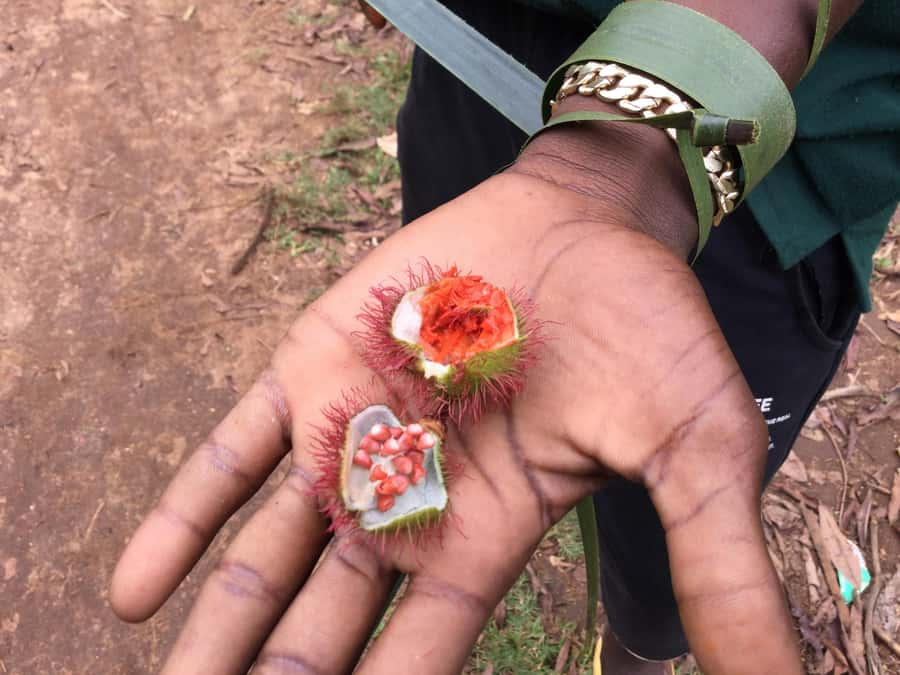
A spice farm and Stone Town may sound like separate outings, but together they give you a useful picture of Zanzibar. The farm explains one of the island’s best-known exports through scent, touch, and taste. Stone Town then shows the trading world that grew around goods such as cloves and other spices.
I like this approach because it avoids making Stone Town just a string of old buildings. You learn how the island’s economy, food, religion, and outside connections shaped daily life. You also get a rural stop before the narrow streets and crowded market areas of the old town.
The tour is private, so your guide can set the amount of explanation to suit you. That matters in Stone Town, where a quick walk can otherwise become a blur of doors, balconies, alleys, and historic sites. Omar has been noted for adjusting the tour to personal interests, while Kassim has been especially praised for his French and his command of island history. Guide quality can vary by language and date, but the private setup gives you a better chance to ask questions and slow down.
The stated price is $46 per person. For that amount, you receive hotel transport in a private van, both guided walks, the Old Slave Market entrance, lunch, and fruit tasting. It is strong value if you are staying outside Stone Town and would otherwise need to arrange transport and separate admissions. The value is less clear if your hotel is near Stone Town and you mainly want a long, unhurried town walk.
More Private Tours in Zanzibar
- Stone Town Private Walking Tour
★ 5.0 · 371 reviews - Zanzibar: 3 Hours Private Stone Town walking Tour with Guide
★ 4.6 · 301 reviews - Full-Day Private Stone Town +Spice Farm and Prison Island Tour
★ 4.5 · 216 reviews
The journey from your hotel to the spice farm
Pickup is offered from a wide range of places, including Nungwi, Kendwa, Matemwe, Kiwengwa, Paje, Jambiani, Michamvi Kae, Kizimkazi Mtendeni, Pingwe, Chwaka, Uroa, Makunduchi, Pwani Mchangani, and Stone Town. The transfer is listed at about one hour, though the total duration is given as three to six hours, so the exact timing depends on where you stay and the day’s schedule.
You’ll ride in a private van, which is more comfortable than joining a large shared group. The driver’s car number and your booking name are provided for pickup, and you should wait in your hotel lobby at least five minutes before the arranged time.
The long drive is the main practical issue for beach-based visitors. From Stone Town, this can be a compact outing. From the northern or eastern beaches, transport may take a large part of the day. I would book this as a full-day plan rather than trying to fit another major activity around it.
Wear light clothing, comfortable shoes, and a hat. Bring water, sunscreen, insect repellent, and a camera. The farm is outdoors, and the combination of sun, walking, and tropical plants makes basic preparation worthwhile.
Walking through Zanzibar’s spice farm
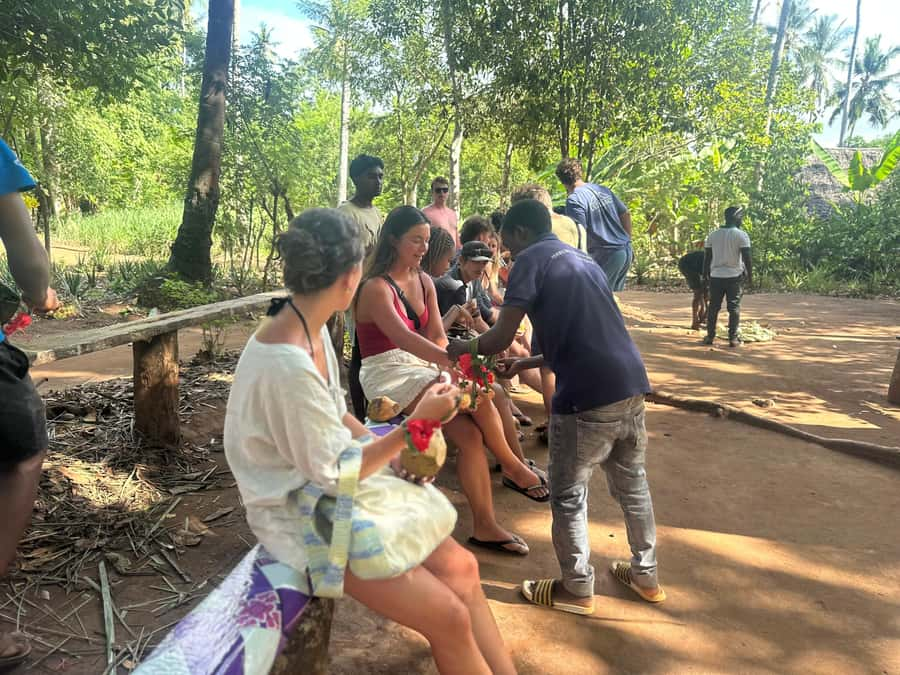
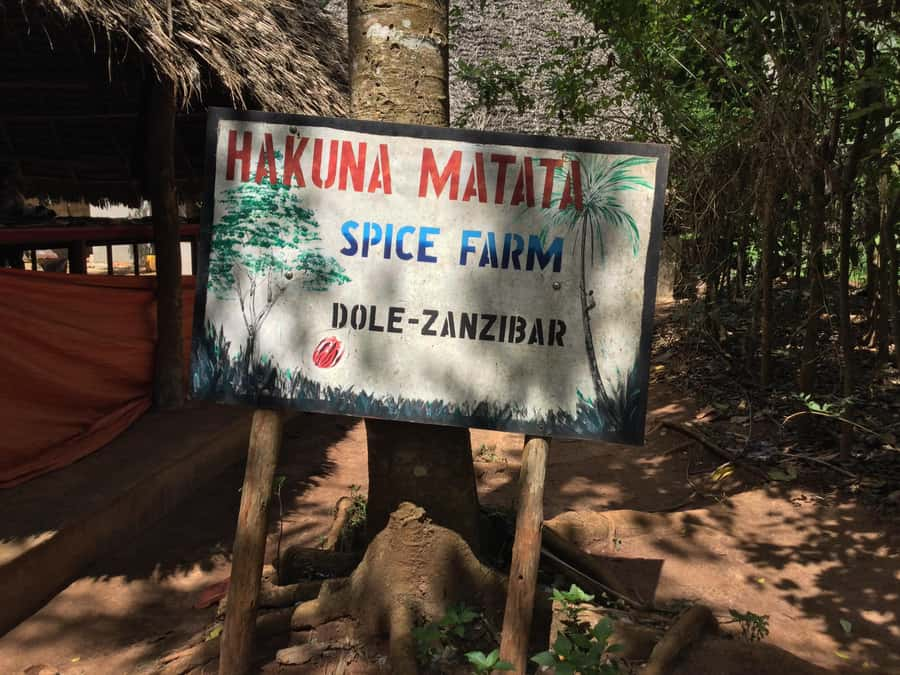
The farm visit lasts about two hours and begins with an explanation of how the farm was established and how spices are grown. This background gives the stop more purpose than a simple produce tasting. You see where familiar kitchen ingredients begin, and you learn how Zanzibar became associated with spice production.
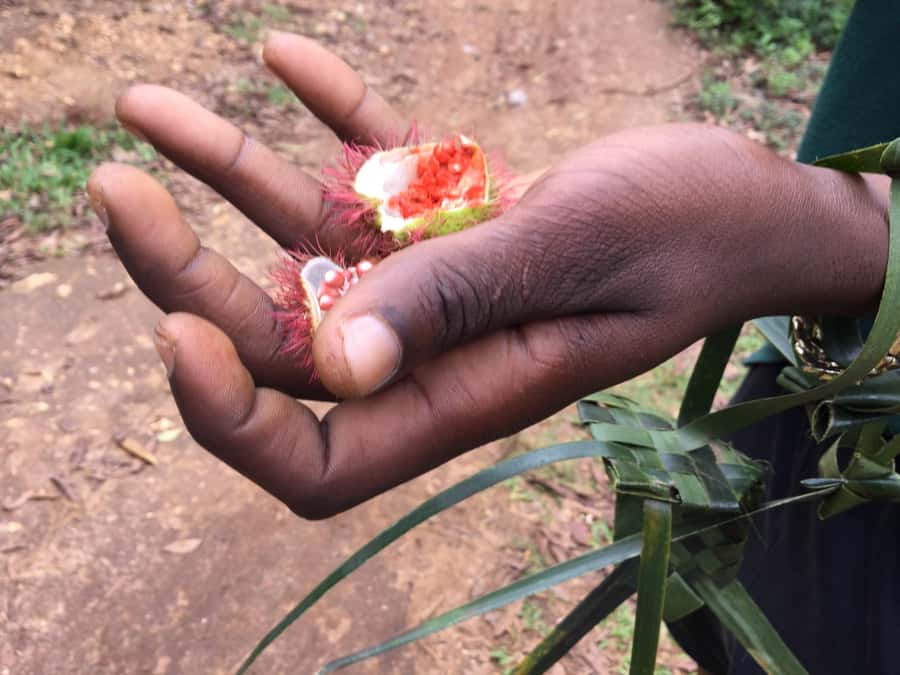
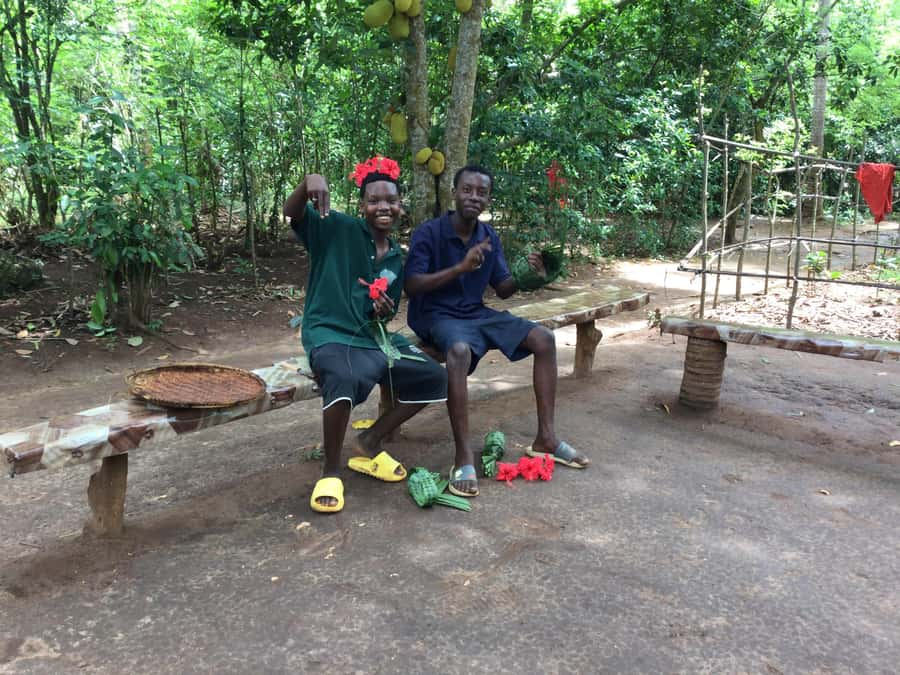
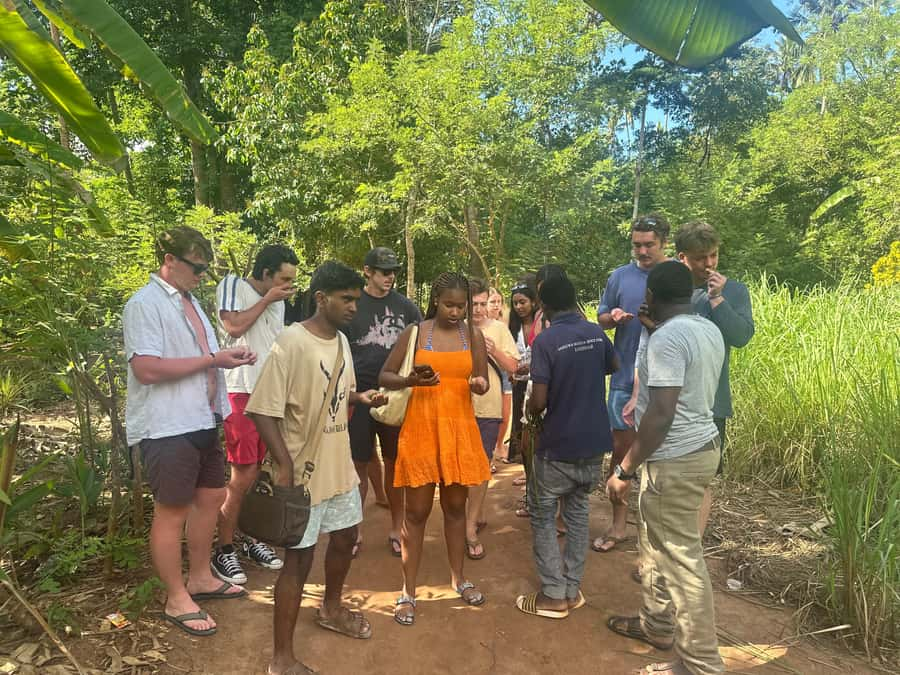
The guide points out cloves, nutmeg, cinnamon, ginger, bananas, pineapples, black pepper, and other plants. You can smell and taste several of them directly from the plants, including cinnamon, vanilla, lemon grass, and cloves. This is the strongest part of the experience for anyone who learns best through the senses.
You are asked not to touch plants without permission. That may sound obvious, but it matters on a working farm. Listen to your guide before handling anything, especially when identifying leaves, bark, pods, or fruit.
The visit is not simply about spices used in European cooking. You also get a look at tropical crops and the way the farm presents them to visitors. Red and yellow bananas, watermelon, pineapple, mangoes, and oranges are included in the fruit tasting. The mix makes the stop useful for families and for anyone who wants a gentle introduction to Zanzibar’s food culture.
A spice shop follows the farm walk. It sells handcrafted products made with the farm’s spices, giving you the chance to buy items you have just seen and smelled. Shopping is optional, but set your expectations clearly: this is still a commercial stop. You may find the products appealing, yet you do not need to purchase anything for the farm visit to be worthwhile.
A Swahili lunch with farm-grown flavors
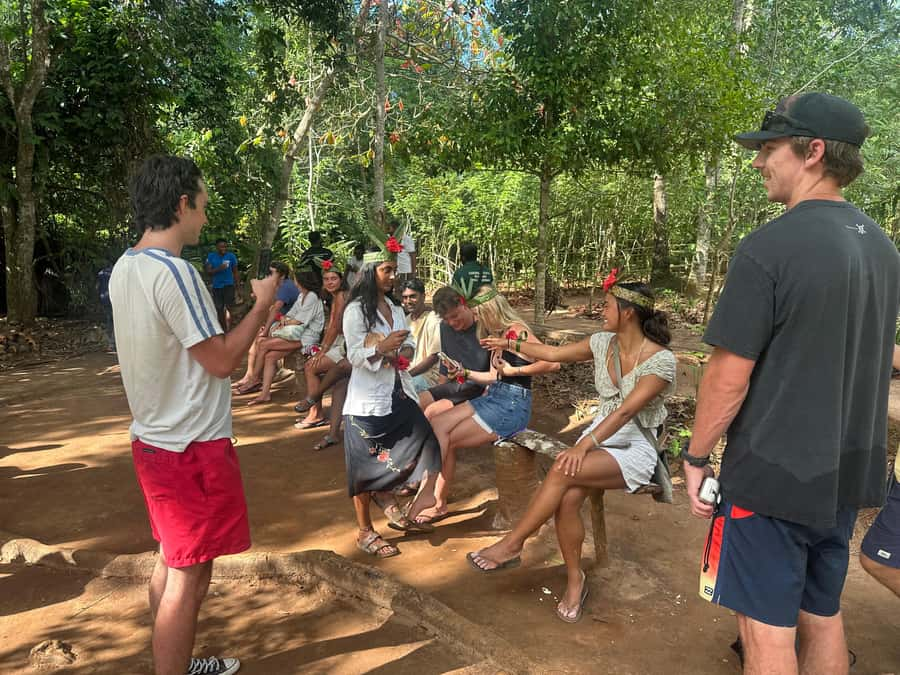
Lunch is served at the spice farm and is included in the price. It is described as a local Swahili meal prepared with fresh spices and fruit from the farm. That makes the meal part of the lesson rather than an unrelated break between activities.
The meal has received especially strong praise for being tasty and filling. Abdul has been singled out for joining lunch and keeping the farm explanation interesting without overloading the visit with facts. That small detail matters because guides who eat with you can explain what is on the plate and how the spices fit into the meal.
Food allergies are a serious consideration. The experience is not recommended for people with food allergies, and the available information does not provide a detailed allergy menu or ingredient list. If this applies to you, ask before booking rather than relying on the meal being easily adapted.
Lunch also affects the timing. You are not rushing from the farm to find food in Stone Town, which leaves more attention for the historic walk. At the same time, a substantial meal and hot weather can make the afternoon walking feel tiring, so carry water and use the pace of your private group to your advantage.
More Stone Town walks:
- Zanzibar: Stone Town, Spice Tour, Prison Island with Lunch
★ 4.4 · 1,219 reviews - Zanzibar: Prison Island, Stone Town, & Spice Farm Tour
★ 4.5 · 579 reviews - Zanzibar; Prison Island, Nakupenda, StoneTown Tour with BBQ
★ 4.3 · 457 reviews - Zanzibar: Stone Town, Spice tour & Prison Island with Lunch
★ 4.6 · 453 reviews
Entering Stone Town’s narrow streets
After the farm, the van takes you to Stone Town, Zanzibar’s UNESCO World Heritage Site since 2000. The old town’s buildings reflect Swahili, Arab, Indian, and European influences, and the narrow streets bring these layers close together.
The Stone Town portion lasts about two hours. That is enough for an introduction, but not enough to inspect every building or museum. Your guide leads you through the main sights and explains how they fit together, which is useful because the old town can be hard to read on your own.
Forodhani Gardens is one of the stops. The waterfront space is linked to Stone Town’s evening food culture, though this daytime tour should not be treated as a dedicated food-market outing. You will also see the House of Wonders, which is currently undergoing renovation. Its exterior remains part of the town walk, but access and the condition of the site can change.
The route includes the Arab Sultan’s Palace and the Old Fort. The fort was built by the Portuguese and later became part of Stone Town’s changing political story. I like having both stops included because they show how control of the island shifted over time. The Old Fort is also an easy landmark for understanding the town’s waterfront edge.
You’ll pass the house where Freddie Mercury was born. This is a short stop rather than a full music museum visit, but it adds a modern cultural note to a walk otherwise focused on older buildings and trade.
City Market, fish auction, and everyday Stone Town
The City Market adds a more ordinary side of Stone Town. Here, local people trade fresh produce and household goods, and the guide can help you understand what you are seeing rather than leaving you to guess at every stall.
The fish auction is another strong part of the route. It offers a direct look at local commerce and food supply, though it may be noisy and crowded. If you prefer polished historic sights, this part may feel less comfortable. If you want to see how the town functions beyond its monuments, it is one of the more useful stops.
Market conditions can change during the day, and the tour information does not promise a particular auction schedule. Think of it as an opportunity included in the walk, not a guaranteed staged performance.
Bring patience for the narrow streets. You may need to walk in close quarters, and the heat can build between buildings. Comfortable footwear is more important here than stylish footwear.
The Old Slave Market and Anglican Church
The Old Slave Market site is the most serious stop on the tour. You visit the historical site, the Anglican Church, the slave monuments, and the small former slave chambers. The spaces are stark, and the subject deserves quiet attention.
This part gives essential context to Stone Town’s wealth and trade networks. It also counters the temptation to see the old town only as a pretty collection of carved doors and old forts. I would allow yourself time to listen, ask questions, and absorb the place.
One practical point is worth noting: one booking experience specifically wished for more time or a visit to the slave museum area. The tour does include the Old Slave Market historical site, but the two-hour Stone Town schedule may not allow a long museum-style visit. If this subject is your main reason for visiting Stone Town, tell your guide at the start and ask how much time can be given to it.
The emotional weight of this stop also makes the tour less suitable for anyone seeking only a light sightseeing outing. It is an important part of Zanzibar’s past, but not an easy one.
Guides, languages, and the private format
The tour offers guides in English, French, German, Polish, Arabic, Spanish, Italian, Swahili, Portuguese, and Afrikaans. The exact guide depends on availability, so you should request your preferred language when booking.
Several guide names have received specific praise. Abdul is associated with an engaging spice farm walk and a good lunch experience. Omar is noted for shaping the Stone Town route around personal interests. Kassim has been praised for his patience, strong French, and detailed explanations of the island.
These details point to what matters most here: the guide. Plants can be labeled, and historic buildings can be photographed, but a good guide connects them. In a private group, you can ask why cloves mattered, how the old town’s cultures met, or what you are seeing in the market.
The private format is also useful for families and small groups. You are not tied to strangers’ pace, though the total schedule still has limits because of transport and the number of included stops.
Who should book this tour?
I would choose this tour if you want one outing that combines food, farming, history, and city life. It suits first-time visitors who need an overview of Zanzibar, couples who prefer a private guide, and families who will enjoy fruit tasting and hands-on smells more than a long museum visit.
It is also a good fit if you are staying at a beach resort and want transport arranged for you. The private van and hotel return remove much of the planning work.
I would think twice if you have limited mobility. The tour is listed as wheelchair accessible, but it also says it is not suitable for people with mobility impairments, and both the farm and Stone Town involve walking. Ask the provider about your exact needs before paying.
I would also reconsider if you have food allergies, since the meal and fruit tasting are central parts of the experience and no detailed allergy information is provided.
Is the $46 price fair?
At $46 per person, the package offers good value when you use most of its parts. Private hotel transfers alone can be useful from a distant beach area, and you also receive two private guided visits, lunch, fruit tasting, and the Old Slave Market entrance.
The price works best for a small group that values convenience and a personal guide. If you are traveling solo, transport costs are spread over one person, so compare the price with a Stone Town-only option near your hotel.
The main tradeoff is time. You are paying for an island-wide connection between two sites, but long drives can reduce the hours available for sightseeing. Pick this tour for variety and context, not for an intensely detailed examination of every Stone Town landmark.
Should you book it?
Book this tour if you want to smell cloves on the plant, taste red and yellow bananas, eat a local lunch, and then walk through Stone Town’s forts, markets, palace area, and slave-trade sites with a private guide. The strongest features are the sensory spice farm visit, the filling Swahili lunch, and guides such as Abdul, Omar, and Kassim who have been praised for clear, flexible guiding.
Skip it if you want a slow Stone Town walk, need a detailed museum visit, or cannot manage outdoor walking and local food. For most visitors seeking a broad introduction to Zanzibar, the combination is worthwhile, as long as you accept the long transfers and compact schedule.
FAQ
How much does the tour cost?
The listed price is $46 per person.
How long does the experience last?
The total duration is listed as three to six hours. Timing depends on your pickup location and the schedule.
Is hotel pickup included?
Hotel pickup and drop-off by private van are included. Pickup is offered from locations including Nungwi, Kendwa, Matemwe, Kiwengwa, Paje, Jambiani, Stone Town, and several other Zanzibar areas.
Is lunch included?
Yes. A local Swahili lunch at the spice farm is included.
What food and drinks are tasted at the farm?
The fruit tasting includes items such as watermelon, red and yellow bananas, pineapple, mangoes, and oranges. The farm visit also includes tasting spices such as cinnamon, vanilla, nutmeg, lemon grass, and cloves.
Which Stone Town sights are included?
The route includes Forodhani Gardens, the House of Wonders area, the Arab Sultan’s Palace, the Old Fort, Freddie Mercury’s birthplace, City Market, the fish auction area, and the Old Slave Market site with the Anglican Church, monuments, and former slave chambers.
Is the Old Slave Market entrance included?
Yes. Entrance to the Old Slave Market historical site is included.
Which languages are available?
Guides are available in English, French, German, Polish, Arabic, Spanish, Italian, Swahili, Portuguese, and Afrikaans.
Is the tour private?
A private group option is available, and the experience includes private guided visits and private van transport.
What should I bring?
Bring comfortable shoes, light clothing, a hat, sunscreen, water, insect repellent, and a camera. Do not touch plants without permission.
More Spice Farm Tours in Zanzibar
- Spice Tour + Stone Town Tour + Prison Island
★ 4.5 · 130 reviews - Zanzibar: Spice Tour & Stone Town Walking Tour
★ 4.8 · 115 reviews - Zanzibar: Stone Town & Spice Farm Tour with Lunch
★ 4.5 · 97 reviews - Zanzibar: The Swahili Spice Experience – Spice Tour + Culinary Journey
★ 4.7 · 96 reviews
Just added around Zanzibar
- Walking in Stone Town with a Expert Tourguide★ 3.7 · 3 reviews
- Stone Town Tour★ 5.0 · 16 reviews
- Jet Ski Experience from Kendwa Beach★ 5.0 · 21 reviews
- Turtle Snorkeling, Jozani Forest, Kuza Cave, Rock Restaurant★ 3.7 · 8 reviews
- Zanzibar boat rental/charters★ 5.0 · 6 reviews
- Prison island(Changuu island) & stone town walking tour★ 5.0 · 6 reviews
- Full Day Private Zanzibar Triple Delight Tour★ 4.5 · 3 reviews
- Zanzibar Tumbatu Island Cultural Experience★ 5.0 · 4 reviews
Stone Town Tours, compared.

Stone Town, Spice Tour, Prison Island with Lunch
Read our review →
Prison Island, Nakupenda, StoneTown Tour with BBQ
Read our review →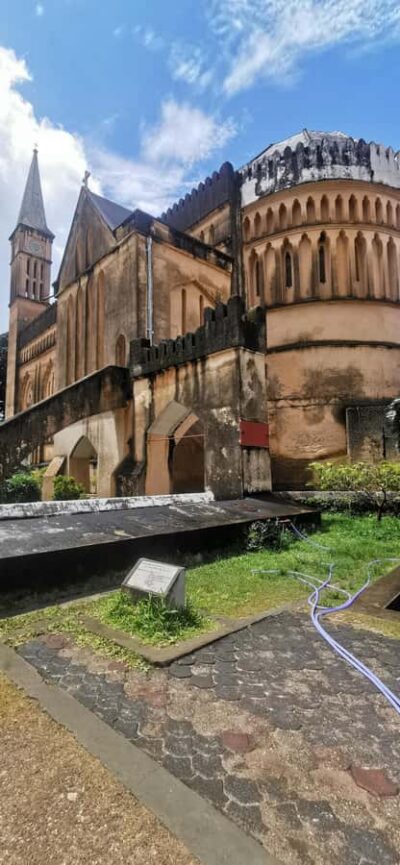
3 Hours Private Stone Town walking Tour with Guide
Read our review →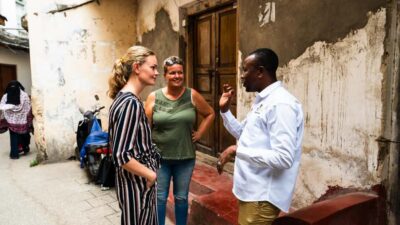
Stone Town Historical Cultural Walking Guided Tour
Read our review →
Stonetown: Food Markets and Street Food Walking Tour
Read our review →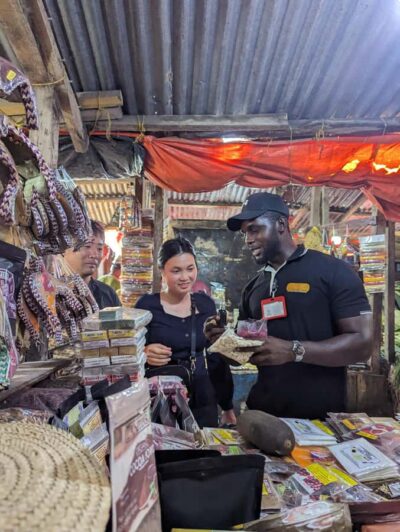
Zanzibar full day Jozani forest + Spice farm and stone town
Read our review →
Browse the lists this tour appears in