

Reviewed · STONE TOWN TOURS
Zanzibar Stone town historical walking tour with Mohamed
Stone Town’s best stories are packed into a few walkable streets. With Mohamed, you move from Freddie Mercury’s birthplace to a former sultan’s palace, an old slave market, a busy food market, and buildings shaped by African, Arab, Indian, and European influences. It is a compact tour with plenty of historical weight.
I like the private format, since you can ask questions and shape the pace around your interests. I also like the chance to see both grand landmarks and ordinary market life in one outing. The main consideration is that several stops are brief, and the tour is mostly an outside look rather than a full museum visit.
Key points to know before you book
- Freddie Mercury’s Zanzibar connection: Begin with the house associated with Farouk Bulsara, the singer later known as Freddie Mercury.
- Seven central stops: The route covers palaces, a fort, a cathedral, the old hospital, a market, and sites tied to slavery.
- Private guide Mohamed: Your group has the guide’s attention rather than sharing the walk with a large crowd.
- About three hours on foot: Wear comfortable shoes and expect a steady city walk with short stops.
- $30 per person: The price is reasonable for a private experience, though lunch, drinks, and listed fees are not included.
- Old Fort meeting point: The stated start and finish are at Old Fort, even though hotel pickup may be available from some locations.
Why this Stone Town walk works well
Stone Town is easy to underestimate. On a map, the old quarter looks small. On foot, every turn brings a carved doorway, a narrow lane, a market stall, or a building linked to a different chapter of Zanzibar’s past. A guide helps connect those pieces instead of leaving you with a string of impressive façades and unfamiliar names.
This is a useful first look at the city because the route mixes famous sights with everyday places. You get royal buildings and religious sites, but you also pass through Darajani Bazaar, where fish, meat, fruit, spices, and vegetables are sold from morning into the evening.
The tour is private, so you can ask Mohamed to spend more time on the subjects that interest you. If you care most about architecture, ask for more detail on the old buildings and carved doors. If you are more interested in Zanzibar’s political past, give extra attention to the sultan’s palaces and the old slave market.
The published experience is priced at $30 per person. For a private three-hour walk, that offers solid value, especially if you want an introduction rather than a full day of formal museum visits. Keep in mind that lunch, breakfast, coffee, tea, and all fees and taxes are not included. The stops list free admission, but the stated exclusions mean you should still confirm exactly what is covered when booking.
More Walking Tours in Zanzibar
- Stone Town Private Walking Tour
★ 5.0 · 371 reviews - Zanzibar: 3 Hours Private Stone Town walking Tour with Guide
★ 4.6 · 301 reviews - Zanzibar: Stone Town Historical Cultural Walking Guided Tour
★ 4.5 · 179 reviews
Freddie Mercury’s Zanzibar birthplace
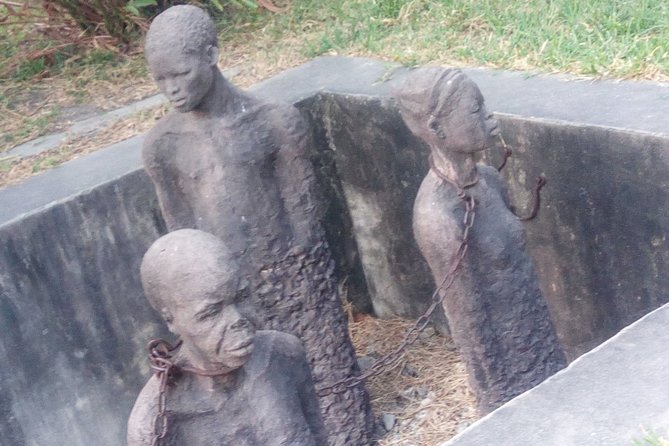
The first stop is the Freddie Mercury Museum, described as the house where Farouk Bulsara was born. His father was from Iran and his mother was from India, and he later became famous worldwide as the lead singer of Queen.
The stop is listed at about five minutes, so think of it as a quick orientation rather than a long museum visit. It gives the walk an immediate personal link to modern popular culture before the route turns toward sultans, colonial buildings, and older trading traditions.
I like this opening because it reminds you that Stone Town is not only about ancient walls and royal history. It also connects to a twentieth-century musician whose family background reflects Zanzibar’s position at the crossroads of the Indian Ocean.
If Freddie Mercury is a major reason you are visiting, keep your expectations measured. The supplied details describe the place as his house and list no admission charge, but they do not promise an extensive collection or a lengthy indoor visit.
House of Wonders and the old royal quarter
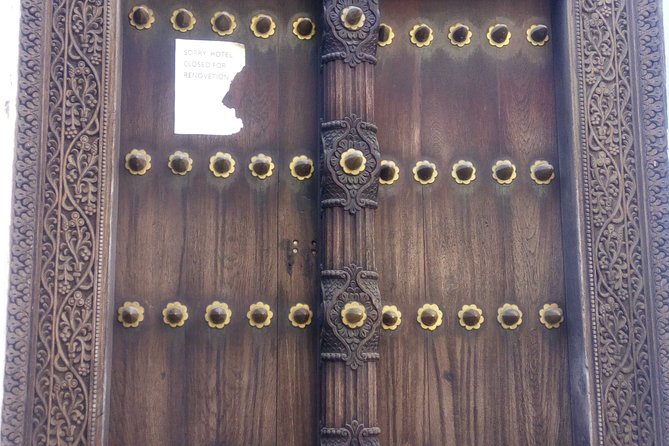
The House of Wonders, or Beit-el-Ajaib, was built by the third sultan, Sultan Barghash. It was known as the House of Wonders because it was the first house in Zanzibar with electricity. The building now functions as a museum.
This is one of the tour’s most important architectural stops, even if the visit lasts only about seven minutes. The name itself gives you a useful clue about the sultanate’s ambitions. This was not simply a residence. It was a place designed to display modern technology and royal power.
The route then reaches the People’s Palace Museum, another former sultan’s palace. Today, the building is used to present Zanzibar’s history, culture, and traditions, with a stated role in education and research.
Together, these two palaces help explain how Zanzibar’s rulers wanted to be seen. You can compare their royal purpose with their current public role as museums. Since the schedule allows only a short stop at each, you will get the most from them if you listen closely to Mohamed’s explanation and ask questions as you go.
Old Fort, now a festival venue
The Old Fort, called Ngome Kongwe, was built by Arabs as a defense against the Portuguese. Its thick walls give you a clear sense of Stone Town’s strategic importance and the conflicts that shaped the island.
Today, the fort is used for festivals and public events, including the Sauti za Busara Festival, a reggae festival, and the Zanzibar International Film Festival. That modern use gives the building a second identity. It is not only a defensive structure from the past, but also a setting for music, film, and public gatherings.
The stop is listed at about six minutes. That is enough to understand the fort’s role and see its main setting, but not enough for a slow exploration of every corner. Since Old Fort is also the stated starting and ending point, it helps to get your bearings here before the walk begins.
More Stone Town walks:
- Zanzibar: Stone Town, Spice Tour, Prison Island with Lunch
★ 4.4 · 1,219 reviews - Zanzibar: Prison Island, Stone Town, & Spice Farm Tour
★ 4.5 · 579 reviews - Zanzibar; Prison Island, Nakupenda, StoneTown Tour with BBQ
★ 4.3 · 457 reviews - Zanzibar: Stone Town, Spice tour & Prison Island with Lunch
★ 4.6 · 453 reviews
The old slave market and Anglican Cathedral
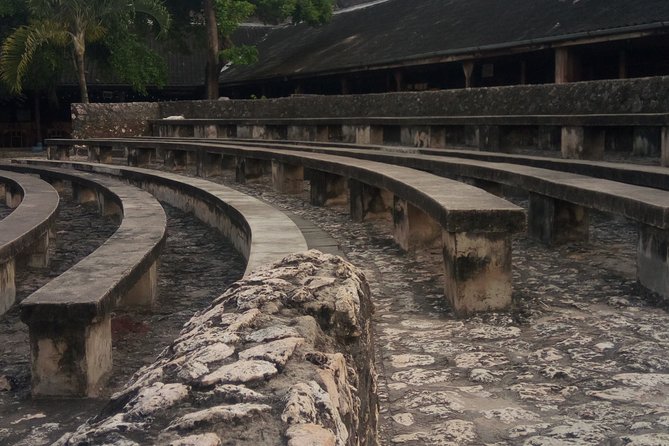
The former slave market and Anglican Cathedral are among the most serious stops on the route. Enslaved people were brought from different parts of Africa and sold here. The area is now preserved as a historical site, with the cathedral forming part of the setting.
The stop lasts about 15 minutes, longer than any other listed point. That extra time matters. This is not a subject to rush through, and Mohamed’s explanation can help you understand why the site remains such an important part of Zanzibar’s story.
I would treat this as the emotional center of the walk. The palaces and fort show power and defense. The old slave market forces you to confront the human cost of trade and political control.
This part of the tour may be difficult for some people, but it is also one of the reasons a guided visit has value. You are not simply passing a church and a historic building. You are learning what happened in that place and how it fits into Zanzibar’s past.
Darajani Bazaar and daily Stone Town life
Darajani Bazaar is described as Zanzibar’s old and first market. It operates from morning into the evening, selling fish, meat, fruit, spices, vegetables, and other everyday goods.
This is where the tour shifts from formal monuments to ordinary city life. The market gives you a chance to see what residents buy, how food moves through the city, and why Zanzibar’s spice trade remains part of its identity.
The listed stop lasts about seven minutes, which is short for a market. You may have time to look around and ask questions, but not to shop at a leisurely pace. If you want spices or souvenirs, plan to return on your own after the tour or ask Mohamed where to browse during the walk.
A market also requires a different kind of attention. Watch your footing, keep your belongings secure, and be ready for a less quiet setting than the palace stops. The experience is useful precisely because it is not polished for sightseeing.
The Old Dispensary and Stone Town architecture
The Old Dispensary is a former hospital built by Tharia Topan. It is now a historic building, and the short stop gives you another example of the different roles Stone Town’s buildings have played over time.
The name may sound practical, but the building helps round out the architectural story. Along with the palaces, fort, cathedral, and market, it shows that Stone Town was shaped by civic needs as well as royal ambition and commercial trade.
The stop is listed at five minutes. That means you should expect an explanation and an exterior look rather than a long indoor visit. If architecture is your main interest, ask Mohamed to point out the details that make the building worth noting.
What the three-hour schedule really means
Seven stops in roughly three hours creates a steady pace. You will have time to hear the basic story at each location, but you should not expect a slow photographic walk or lengthy museum sessions.
That pace is a good fit if you are in Zanzibar for a short stay, have limited time in Stone Town, or want a clear introduction before exploring alone. It is less suitable if you prefer to linger at every site, read every display, or spend a long time shopping.
The tour description allows multiple morning and afternoon departure times. An afternoon departure can be useful if your schedule is tight, though the supplied details do not give exact times. One booking was made at very short notice, with an afternoon option available when morning departures were not. If timing matters, arrange the tour early rather than assuming every departure will remain open.
The walk starts and ends at Old Fort according to the meeting details. Hotel pickup and drop-off are also listed as available from various locations, so confirm that point before booking. Do not assume the transport is automatic if your confirmation names Old Fort as the meeting place.
Is Mohamed’s private guiding style a good fit?
The guide named for this experience is Mohamed. A private tour gives him room to adjust the walk to your group, answer questions, and keep the outing at a comfortable pace. A published account describes a last-minute booking and a punctual, decent young guide, which makes reliability an important positive when your schedule is tight.
You should still be clear about what you want. Tell Mohamed if you care most about Freddie Mercury, the sultans, the slave trade, architecture, markets, or shopping. A private tour is most useful when you take advantage of that flexibility.
The tour is suitable for most people, and service animals are allowed. It is near public transportation, and the activity requires ordinary walking around the old town. Good weather is required, so a rain-related cancellation may lead to a different date or a full refund.
What to bring and what to budget
The tour includes a small bottle of water. Bring comfortable walking shoes, since the experience lasts about three hours and moves between several parts of Stone Town.
Lunch is not included, though the route ends with time to shop for souvenirs or purchase food. Breakfast, coffee, and tea are also excluded. If you choose an afternoon departure, plan your meal around the tour rather than expecting food along the way.
The stated price is $30 per person. That is a fair amount for a private guide and a focused introduction to seven central sites. The value is strongest for couples, families, or small groups who would rather have their own guide than join a larger walk.
Who should book this Stone Town experience?
I would choose this tour if you want a short, organized introduction to Zanzibar’s old quarter, especially if you are staying outside Stone Town and want hotel pickup confirmed in advance. It also suits visitors who enjoy a mix of architecture, history, markets, and local personalities rather than a single-theme excursion.
It is a good choice for first-time visitors, short-stay visitors, and anyone who wants help making sense of the city before exploring alone. Families may also appreciate the private format, since the guide can keep the walk focused and respond to questions.
I would hesitate if you want long museum visits, an extended food tour, or several hours devoted only to shopping. The itinerary is broad, and the stops are short. You see many important places, but you do not spend a long time inside each one.
Should you book it?
Book this Stone Town walk if you want efficient coverage, a private guide, and a route that includes both famous landmarks and everyday market life. Mohamed’s role, the manageable three-hour length, and the mix of sites make it a practical first look at Zanzibar’s old city.
Before paying, confirm the exact meeting arrangement, departure time, and what fees are covered. If you are comfortable with a brisk route and brief stops, $30 per person offers good value. If you prefer to linger, return to the Old Fort, palace museums, or Darajani Bazaar afterward and explore them at your own pace.
FAQ
How long does the Stone Town walking tour last?
The tour lasts approximately three hours.
Who is the guide?
The guide named for the experience is Mohamed.
What places are visited?
The route includes the Freddie Mercury Museum, House of Wonders, Old Fort, People’s Palace Museum, the old slave market and Anglican Cathedral, Darajani Bazaar, and the Old Dispensary.
Where does the tour start and finish?
The stated meeting point is Old Fort on Mizingani Road in Zanzibar, and the activity ends back at the meeting point.
Is hotel pickup available?
Hotel pickup and drop-off are listed as available from various locations. Confirm the arrangement when booking because the stated meeting point is Old Fort.
Is the tour private?
Yes. Only your group participates in the private activity.
What is included in the price?
A small bottle of water is included. Lunch, breakfast, coffee, tea, scuba equipment, and all fees and taxes are not included.
Can I cancel for a full refund?
You can cancel at least 24 hours before the local start time for a full refund. Changes or cancellations made less than 24 hours before the start time are not accepted for a refund. If poor weather causes cancellation, you will be offered another date or a full refund.
More History Walks in Zanzibar
- Stone Town Historical Walking Tour
★ 5.0 · 143 reviews - Stone Town’s Hidden History: Private Guided Walking Tour
★ 4.6 · 94 reviews - Private Historic Stone Town Tour
★ 5.0 · 79 reviews - Stone Town Historical Walking Tour
★ 5.0 · 40 reviews
Just added around Zanzibar
- Walking in Stone Town with a Expert Tourguide★ 3.7 · 3 reviews
- Stone Town Tour★ 5.0 · 16 reviews
- Jet Ski Experience from Kendwa Beach★ 5.0 · 21 reviews
- Turtle Snorkeling, Jozani Forest, Kuza Cave, Rock Restaurant★ 3.7 · 8 reviews
- Zanzibar boat rental/charters★ 5.0 · 6 reviews
- Prison island(Changuu island) & stone town walking tour★ 5.0 · 6 reviews
- Full Day Private Zanzibar Triple Delight Tour★ 4.5 · 3 reviews
- Zanzibar Tumbatu Island Cultural Experience★ 5.0 · 4 reviews
Stone Town Tours, compared.

Stone Town, Spice Tour, Prison Island with Lunch
Read our review →
Prison Island, Nakupenda, StoneTown Tour with BBQ
Read our review →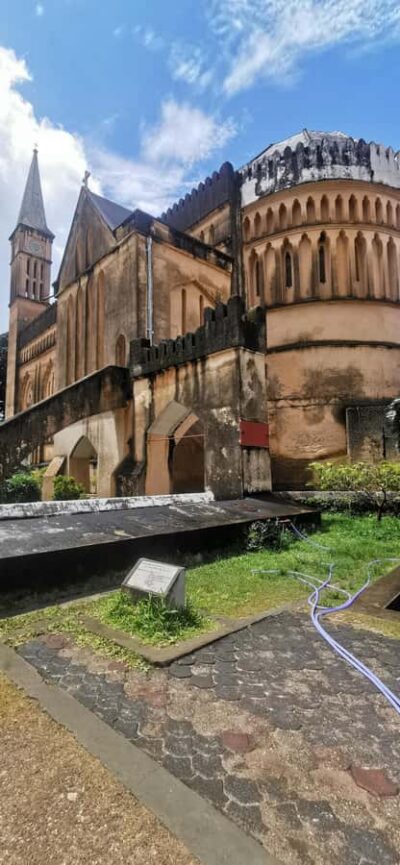
3 Hours Private Stone Town walking Tour with Guide
Read our review →
Stone Town Historical Cultural Walking Guided Tour
Read our review →
Stonetown: Food Markets and Street Food Walking Tour
Read our review →
Zanzibar full day Jozani forest + Spice farm and stone town
Read our review →
Browse the lists this tour appears in