
Reviewed · STONE TOWN TOURS
Zanzibar: Stone Town City Tour and Spice Farm with Lunch
Stone Town’s best moments come in quick, sensory bursts: a fish auction, narrow lanes, carved doors, fresh jackfruit, and the scent of cinnamon rising from a spice plant. This private outing then carries you to an organic farm, where you can touch, smell, and taste the crops that gave Zanzibar its Spice Islands nickname.
I like the pairing of Stone Town’s layered architecture with a hands-on farm visit. I also like the simple local touches, especially a coconut picked from the tree, cassava leaf harvesting, coconut milk making, and lunch at the farm.
The main caution is time and extra costs. Pickup delays have turned this into a very long day for some people, and the $10-per-person entrance charge is paid in cash. Transport from outside Stone Town can cost more, so confirm the total before booking.
Key points to know before you go
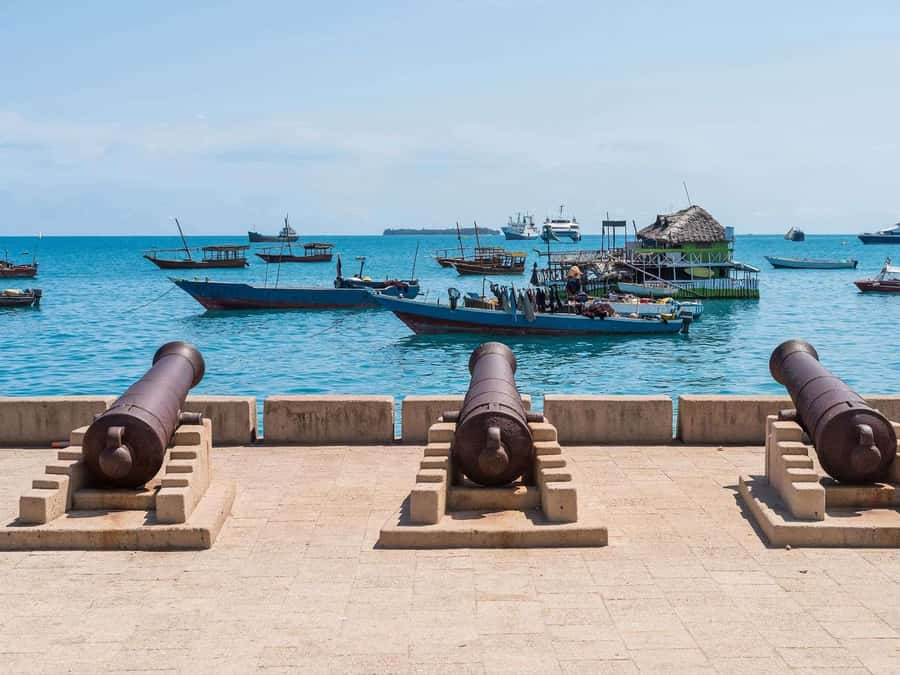
- Stone Town covers major landmarks: Visit the Old Slave Market site, Anglican Church, City Market, Palace Museum, House of Wonders, Old Fort, Tippu Tip’s House, Freddie Mercury’s House, Peace Memorial, and Natural History Museum.
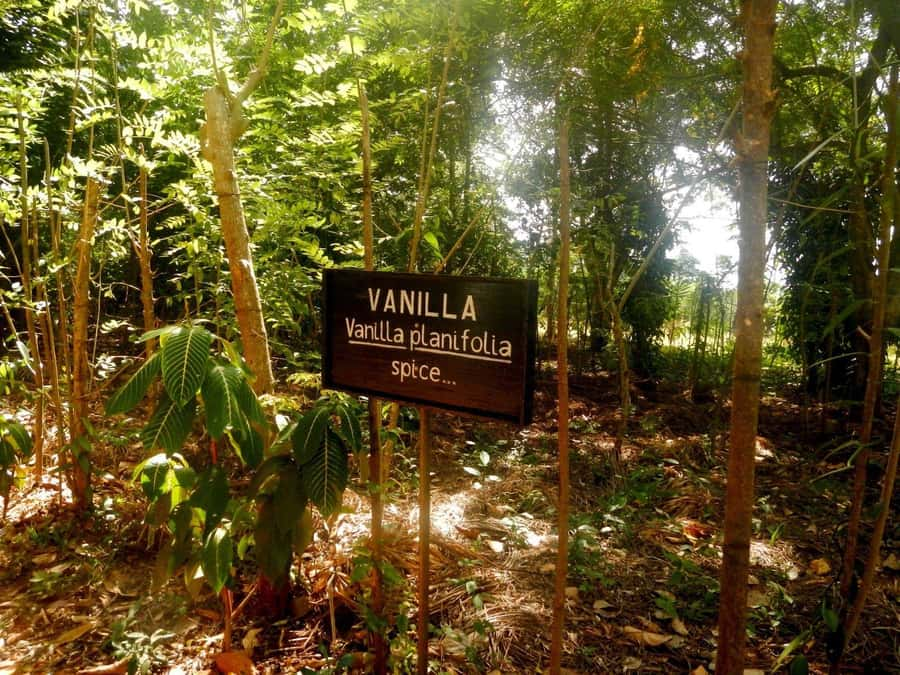
- The spice farm is hands-on: You can smell and taste cloves, nutmeg, cinnamon, and black pepper, then try simple food preparation.
- Fresh coconut is part of the show: A coconut climber picks young coconuts for you to drink.
- Lunch is included: The meal is served at a local restaurant at the spice farm.
- Bring cash: The listed entrance charge is $10 per person, paid on the spot, and the spice shop accepts cash only.
- Pickup needs careful checking: Hotel pickup and drop-off apply only when that option is selected, and transport from outside Stone Town costs extra.
Stone Town begins with Zanzibar’s mixed past
At $32 per person, this tour gives you two very different sides of Unguja in one day. Stone Town is about buildings, trade, religion, and public life. The farm is about the crops that shaped Zanzibar’s economy and its place in the wider Indian Ocean world.
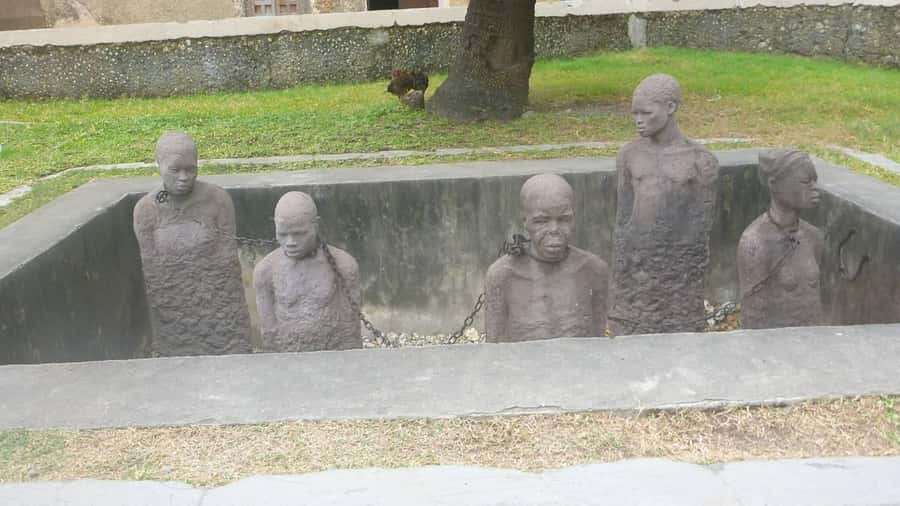
You begin at the Old Slave Market site and the Anglican Church. This is an important, serious stop rather than a quick photo opportunity. The church was built at the former market site, and the location gives you a direct way to consider Zanzibar’s role in the slave trade. The tour description lists an entrance fee of $10 per person for the Old Slave Market and Spice Farm visit, paid in cash on the spot. Ask your guide to explain exactly how that charge is divided before you set off.
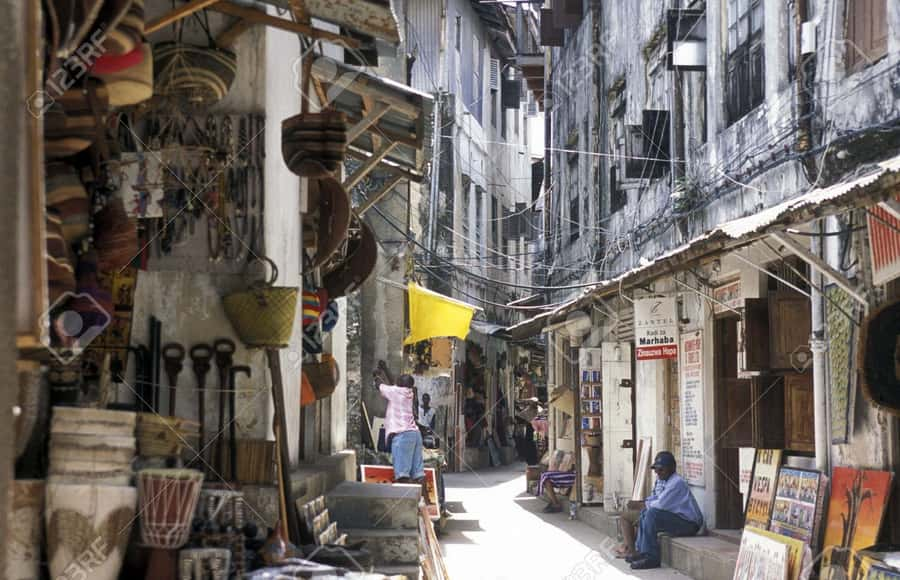
From there, you walk through Stone Town’s narrow streets toward the City Market. This is one of the more useful stops for seeing daily life rather than just grand buildings. You can look over fresh produce, watch goods change hands, and see the fish auction at close range.
The market may be crowded, noisy, and strongly scented. That is part of its value, but it also means you should stay close to your guide and keep your belongings secure. If you prefer quiet museums and polished exhibits, this part may feel rough around the edges. If you want a look at how people shop and sell food, it adds much more than another viewpoint.
More City Tours in Zanzibar
- Walking City Tour in Zanzibar Island
★ 5.0 · 122 reviews - City tours zanzibar
★ 5.0 · 55 reviews - 3-Hour Private City Tour in Zanzibar Island
★ 5.0 · 47 reviews
Palace Museum, House of Wonders, and the Old Fort
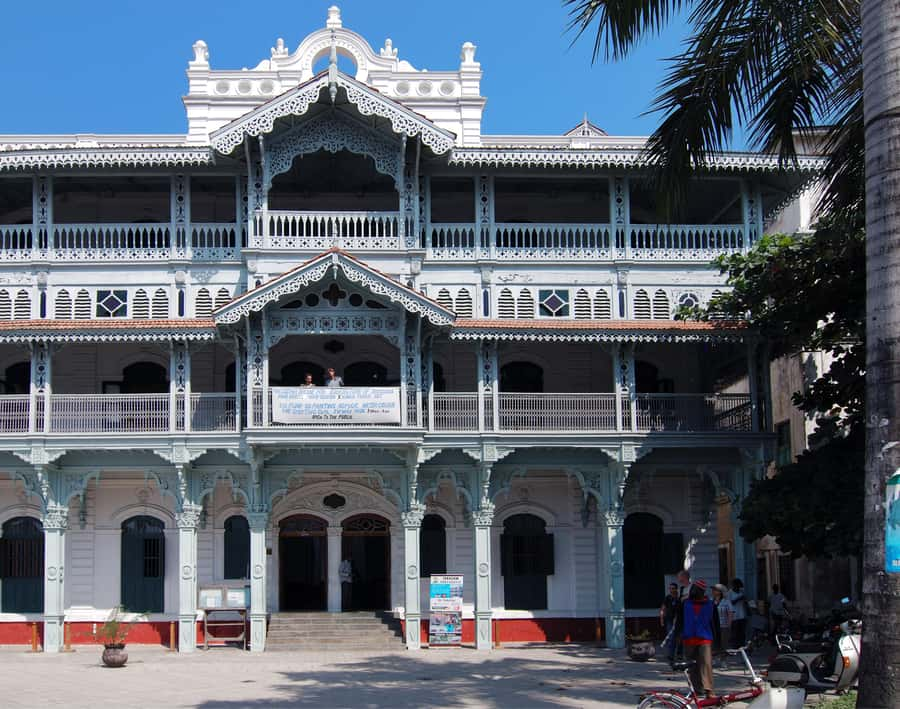
The sightseeing portion continues through Stone Town’s main public buildings. The Palace Museum offers a window into Zanzibar’s royal past, while the House of Wonders, known locally as Bait-al-ajab, is described as the largest and tallest building in town.
Stone Town became a UNESCO World Heritage Site in 2000. Its nineteenth-century buildings reflect Swahili culture and the influence of Arab, Persian, Indian, and European communities. You see that mixture in the streets and facades, not in one single monument. The value of the guided walk is that the buildings make more sense when linked to trade, rulers, religion, and port life.
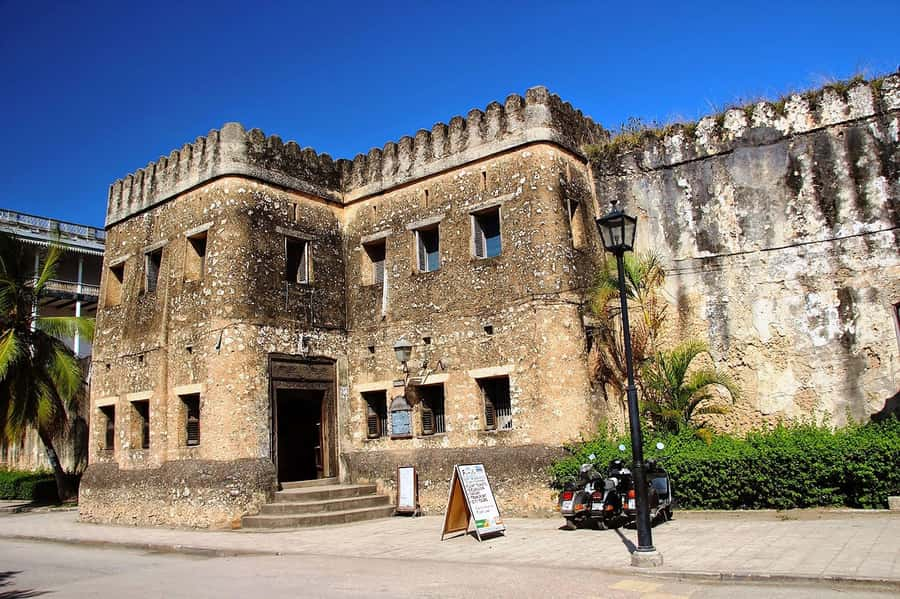
The Old Fort is another key stop. Its sturdy walls and central location make it an easy landmark for understanding how the town was defended and organized. You also pass Tippu Tip’s House, named for the famous Zanzibari trader, and Freddie Mercury’s House, connected with the singer’s early life in Zanzibar.
The tour also includes the Peace Memorial and Natural History Museum, along with other attractions. Do not expect a long, detailed museum visit at every stop. With so many places on the route, some locations may be viewed from outside or covered briefly. I would see this as a broad introduction to Stone Town rather than a specialist architecture or museum tour.
The market is more revealing than a postcard stop
I especially like that the route includes the City Market and fish auction. Stone Town’s famous buildings are worth seeing, but markets show how the town functions today. You may see locals buying vegetables, seafood, and other goods while sellers call out prices and sort their produce.
The tour also highlights jackfruit, described as the world’s largest fruit. You may have the chance to sample it, which gives the food portion a pleasant local focus. Jackfruit has a strong, sweet flavor and a fibrous texture, so it is worth trying even if you are unsure what to expect.
Fresh fruit is one of the small advantages of this outing. It is not only about looking at historical places. You get to taste items that may not appear on a standard sightseeing route.
A working spice farm, not just a shop
After Stone Town, the focus shifts to the crops that made Zanzibar famous. Cloves, nutmeg, cinnamon, and black pepper are among the spices grown in the archipelago. Tanzania’s Mafia Island is also connected with the Spice Islands name.
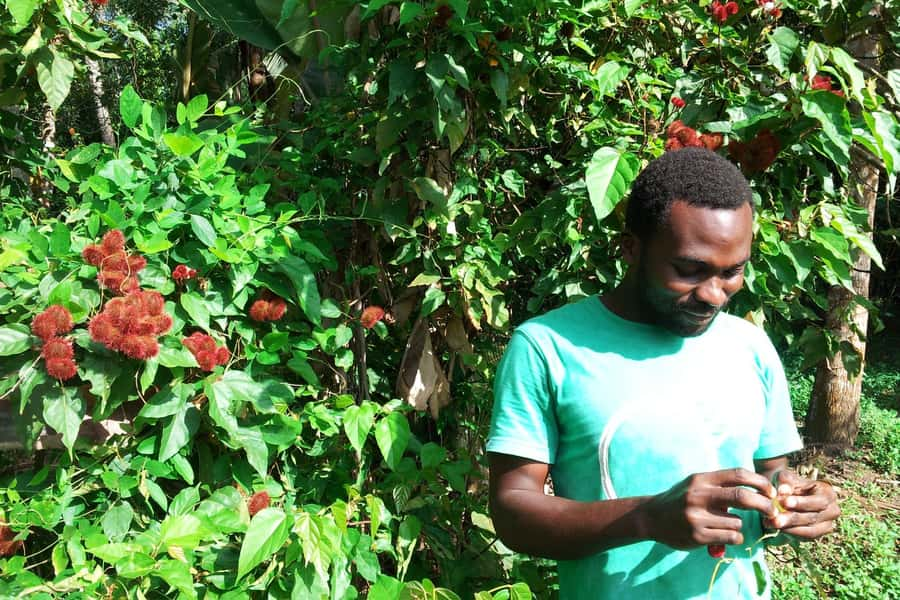
At the organic farm, your guide explains how the plants grow and how people use them in cooking and medicine. The strongest part of this visit is the chance to handle the spices at their source. You can touch leaves, smell the plants, and taste fresh examples rather than seeing only dried packets in a shop.
That distinction matters. A cinnamon stick in a market tells you very little about the living plant. On a farm, the guide can connect the scent and appearance of the crop with the finished spice used in a kitchen.
The farm visit includes simple activities. You can take part in a cassava leaf harvest, make coconut milk, and practice some cooking techniques. These are modest tasks, but they make the stop more active than a short talk followed by a gift shop.
A coconut tree climber picks young coconuts for you to try. This is a memorable touch, especially if you have never tasted coconut water straight from a freshly opened fruit. The activity is also a reminder that the farm visit is designed as a cultural experience, not a formal agricultural class. You will get an introduction to local crops, not a detailed lesson in farming methods.
More Stone Town walks:
- Zanzibar: Stone Town, Spice Tour, Prison Island with Lunch
★ 4.4 · 1,219 reviews - Zanzibar: Prison Island, Stone Town, & Spice Farm Tour
★ 4.5 · 579 reviews - Zanzibar; Prison Island, Nakupenda, StoneTown Tour with BBQ
★ 4.3 · 457 reviews - Zanzibar: Stone Town, Spice tour & Prison Island with Lunch
★ 4.6 · 453 reviews
Lunch gives the farm visit a practical finish
Lunch at a local restaurant at the spice farm is included. The meal helps turn the farm visit into a complete half of the day rather than a series of tastings. You can connect the ingredients discussed during the visit with food on your plate.
The available details do not specify the exact dishes or whether the meal covers special dietary needs. If you have food restrictions, raise them when booking and confirm what can be provided. Do not assume that every menu item will be available.
The spice shop comes after the farm activities. It is a natural place to buy cloves, cinnamon, black pepper, nutmeg, or blended seasonings. The shop is cash only, so bring money if you want to purchase anything. One practical annoyance is that cash is also needed for the entrance charge, and that point can be easy to miss when planning the day.
I would separate the entrance money from your shopping budget. That way, you are not forced to skip the farm fee or rely on a card that may not be accepted.
The $32 price is good, but only if you count the extras
The advertised price is $32 per person, which is fair for a private guided day combining Stone Town, a spice farm, lunch, water, and a professional guide. The value is strongest if you are staying near Stone Town and can use the included pickup option.
The price needs more careful reading if you are staying elsewhere. Transfer from outside Stone Town costs extra. A reported pickup quote from Nungwi was about $20 more per person, though the exact amount depends on the arrangement. Get the full transport price in writing before you commit.
The $10-per-person entrance charge is also separate and paid in cash. The wording groups the Old Slave Market and Spice Farm entrance together, so ask whether that amount covers both sites or how it is allocated. Clear answers matter because one poor experience involved confusion over an additional payment at the meeting point.
The spice shop is optional, but it can add to the day’s cost. You should never feel that you must buy something to make the visit worthwhile. The tour already includes the farm activities and lunch.
Timing and pickup can shape the whole day
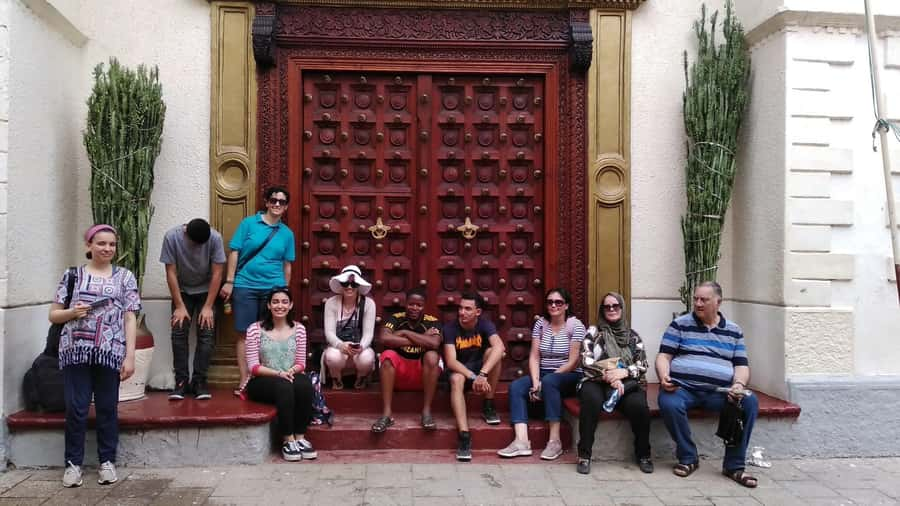
The tour requires careful attention to pickup time. You need to provide your hotel name and room number so the pickup time can be sent to you. Hotel pickup and drop-off are included only if you select that option.
The most serious weakness is inconsistent timing. One day reportedly began well over an hour after the planned pickup, followed by confusion while collecting another couple. The group did not reach Stone Town until around 12:30, and the city visit began at about 13:00. The return to Nungwi then came after 20:00.
Another report described a start 35 minutes late and only four hours of touring instead of seven. These accounts suggest that transport coordination can make a major difference. You should not book this as a tightly timed outing before an evening flight, ferry, dinner reservation, or other fixed plan.
The private format may give you more room to ask questions than a large coach excursion, but the transport may still involve collecting other people. Confirm whether your booking is fully private from pickup to drop-off, especially if you are paying for a private tour.
Guide quality is important here
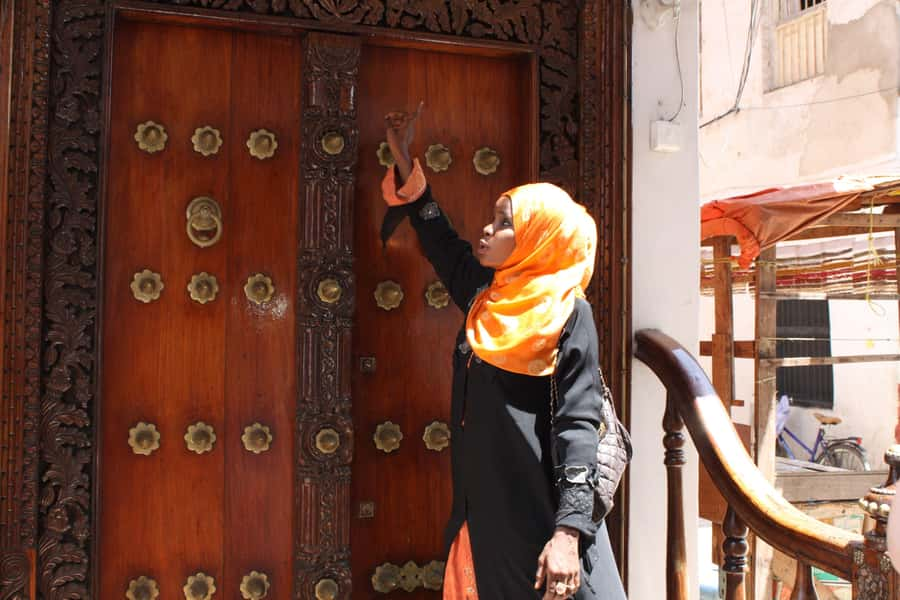
A good guide can connect Stone Town’s buildings, the market, and the spice farm into one clear story. Capuchino is specifically praised for being patient, kind, and willing to answer questions throughout the day. If you can request him, it is worth asking whether he is available and which language he will use.
The listed guide languages are English, French, German, and Italian. Still, confirm your language before departure. One serious problem involved a French-language booking where the guide who arrived was not the expected person, followed by an attempt to find someone nearby who spoke only a few words of French.
That is not a small detail. Stone Town’s value depends heavily on explanation, and a language mismatch can reduce the tour to a walk between buildings. Confirm the guide’s name, language, and meeting point in advance.
You should also be prepared for sales pressure. Some accounts describe frequent requests for tips, donations, or purchases at the farm. Tipping is a personal choice, and buying spices is optional. Set your own budget and ask what charges are required before the tour begins.
Who will enjoy this Zanzibar day most
I would recommend this experience to you if you want a broad first look at Stone Town and prefer a farm visit to a second museum. It suits people who enjoy food, scents, markets, and short guided stops. Families and first-time visitors may also like the coconut picking, fruit tasting, and cooking activities.
It is less suitable if you want a slow architectural study, a long museum visit, or a precisely managed schedule. You may also want another option if you dislike shopping stops or feel uncomfortable with repeated tip requests.
Wear comfortable clothes and bring water, though water is listed as included. Carry cash for the entrance fee and spice shop. If you are staying in Nungwi or another area outside Stone Town, treat the transfer as a separate cost and ask how long the road journey will take.
Should you book this Stone Town and spice farm tour?
Book it if the $32 base price is attractive, you want many highlights in one day, and you are willing to confirm the practical details before paying. The combination of the old market, City Market, major landmarks, spice plants, coconut tasting, and lunch offers good range for the money.
I would book only after confirming the pickup time, total transfer price, entrance charge, guide language, and whether the day may include other hotel pickups. If Capuchino is available, that is a useful point in favor. If your schedule is tight or you want a polished, pressure-free outing, the timing and sales concerns are reasons to look elsewhere.
FAQ
What is included in the tour price?
The tour includes a professional guide, water, a visit to Stone Town, a visit to a spice farm, and lunch at a local restaurant. Hotel pickup and drop-off are included if that option is selected.
Is the Old Slave Market entrance included?
No. The listed information states that the Slave Market and Spice Farm entrance costs $10 per person, paid in cash on the spot. Confirm the exact breakdown of this charge before departure.
Do I need cash during the tour?
Yes. Bring cash for the listed entrance charge and for any spices you want to buy, since the spice shop accepts cash only.
Is transport from outside Stone Town included?
No. Transfer from outside Stone Town costs extra. Confirm the amount when booking, especially if your hotel is in Nungwi or another distant area.
Which languages are available?
The listed languages are English, French, German, and Italian. Confirm your requested language and guide before the tour, as the quality of the experience depends heavily on clear communication.
What should I wear?
Wear comfortable clothes suitable for walking through Stone Town and visiting a farm.
Can I cancel for a full refund?
You can cancel up to 24 hours in advance for a full refund. The booking also allows you to reserve now and pay later.
More Spice Farm Tours in Zanzibar
- Full-Day Private Stone Town +Spice Farm and Prison Island Tour
★ 4.5 · 216 reviews - Spice Tour + Stone Town Tour + Prison Island
★ 4.5 · 130 reviews - Zanzibar: Spice Tour & Stone Town Walking Tour
★ 4.8 · 115 reviews - Zanzibar: Stone Town & Spice Farm Tour with Lunch
★ 4.5 · 97 reviews
Just added around Zanzibar
- Walking in Stone Town with a Expert Tourguide★ 3.7 · 3 reviews
- Stone Town Tour★ 5.0 · 16 reviews
- Jet Ski Experience from Kendwa Beach★ 5.0 · 21 reviews
- Turtle Snorkeling, Jozani Forest, Kuza Cave, Rock Restaurant★ 3.7 · 8 reviews
- Zanzibar boat rental/charters★ 5.0 · 6 reviews
- Prison island(Changuu island) & stone town walking tour★ 5.0 · 6 reviews
- Full Day Private Zanzibar Triple Delight Tour★ 4.5 · 3 reviews
- Zanzibar Tumbatu Island Cultural Experience★ 5.0 · 4 reviews
Stone Town Tours, compared.

Stone Town, Spice Tour, Prison Island with Lunch
Read our review →
Prison Island, Nakupenda, StoneTown Tour with BBQ
Read our review →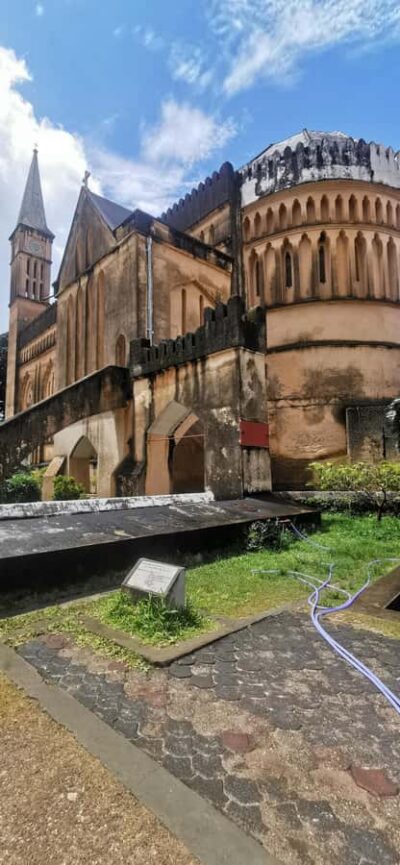
3 Hours Private Stone Town walking Tour with Guide
Read our review →
Stone Town Historical Cultural Walking Guided Tour
Read our review →
Stonetown: Food Markets and Street Food Walking Tour
Read our review →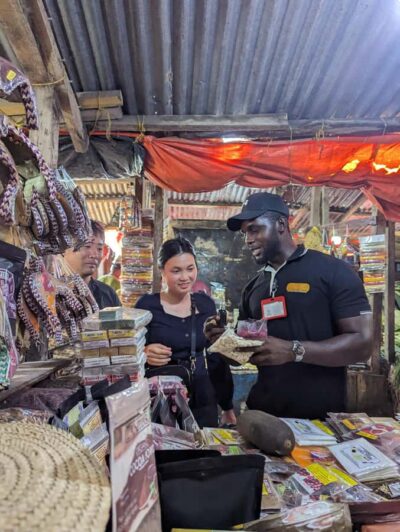

Zanzibar full day Jozani forest + Spice farm and stone town
Read our review →
Browse the lists this tour appears in