
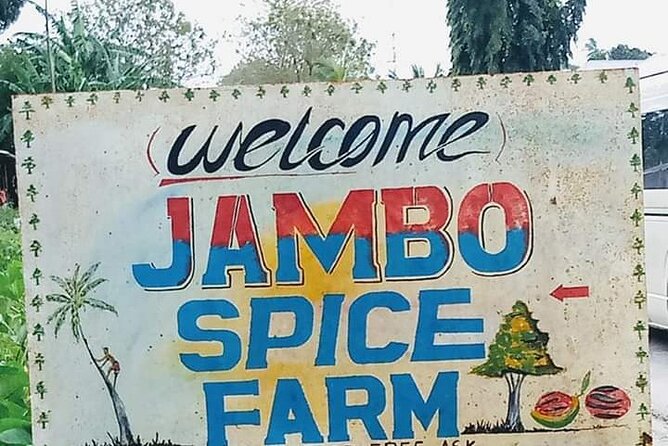
Reviewed · SPICE FARM TOURS
Zanzibar Spice tour
Zanzibar’s spice tour is more than a quick look at cinnamon and cloves. You walk among the plants, smell fresh bark and leaves, watch farm workers gather samples, and taste fruit grown on the island. The hands-on format makes the nickname Spice Island suddenly make sense.
I like the small-group feel, with participation capped at 15 and private arrangements available for your own party. I also like the generous food: tropical fruit during the farm visit and a full Swahili lunch cooked by local people. The main consideration is that this is an outdoor walking tour, so heat, insects, uneven paths, and a little mud may be part of the deal.
Key points at a glance

- Jambo Spice Farm: Spend about two hours walking through spice plants, village paths, and working farmland.
- Guide-led learning: Mohamed Ali, Mo, and Ally are names connected with this experience, with explanations covering spices, herbs, cooking, and Zanzibar itself.
- Taste the island: Expect exotic fruit, coconut, spices, and a traditional Swahili lunch served at the farm.
- Small and flexible: The experience is listed as a private activity, with groups capped at 15 and discounts available for larger parties.
- Useful transport: Hotel pickup and drop-off are included, with a scheduled 9:00 am start.
- Plan for the tropics: Wear comfortable walking shoes and a long outfit, and bring mosquito repellent.
Why Zanzibar’s spice farms are worth your morning

Zanzibar’s spice trade is one of the clearest ways to understand the island beyond its beaches and Stone Town lanes. On this tour, spices are not presented as jars on a shop shelf. You see the plants in the soil and trees, then handle and taste parts of them as your guide explains their uses.
That matters because many familiar kitchen spices look nothing like their dried, packaged form. A guide may point out leaves, roots, fruit, seeds, or bark, then show how workers collect them. You might see someone climb a tree, cut a piece of bark, or search for a particular plant. Those simple actions turn an ordinary cooking ingredient into something you can picture growing.
The setting also gives the tour a local feel. The route passes through villages and plantations rather than keeping you inside a display room. You are not only learning about spices, but also seeing how farmland fits into everyday life around Zanzibar.
I would not book this as a formal botanical lesson. The exact plants and demonstrations can vary, and the experience is shaped by the guide and the farm conditions. But if you want a lively introduction to Zanzibar’s crops, food, and rural life, three hours is a sensible investment.
More spice farm tours in Zanzibar:
- Zanzibar: Stone Town, Spice Tour, Prison Island with Lunch
★ 4.4 · 1,219 reviews - Zanzibar: Prison Island, Stone Town, & Spice Farm Tour
★ 4.5 · 579 reviews - Zanzibar: Stone Town, Spice tour & Prison Island with Lunch
★ 4.6 · 453 reviews
Leaving Stone Town at 9:00 am
The tour begins with pickup from your hotel at 9:00 am. Transport to and from the farm is included, which makes this easier than arranging a taxi and trying to identify a plantation on your own.
A morning start is useful in Zanzibar’s warm climate. You will still be outside for much of the visit, but an early departure should make the walking more comfortable than a midday outing. Wear clothing that covers your shoulders and legs, as requested in the practical instructions, and choose shoes that can handle a farm path rather than polished pavement.
Your guide may begin sharing information before you reach the plantation. Past descriptions of the experience point to background about Zanzibar itself, not just a list of spices. That is a worthwhile touch because the farm visit makes more sense when you understand how important cloves and other crops have been to the island.
The transfer also gives you a chance to ask questions. If you are interested in cooking, herbal uses, or the business of farming, say so early. Guides connected with this tour, including Mohamed Ali, often receive praise for clear explanations and fluent communication.
Walking through Jambo Spice Farm
The main stop is Jambo Spice Farm, where the walking portion lasts about two hours. The route moves through spice plantations and nearby village areas, giving you a look at both cultivated crops and the surrounding community.
This is the strongest part of the experience. You are encouraged to see, smell, feel, and taste the plants instead of simply listening to a talk. The guide explains what each plant is used for, while farm workers may demonstrate how particular bark, leaves, or other parts are collected.
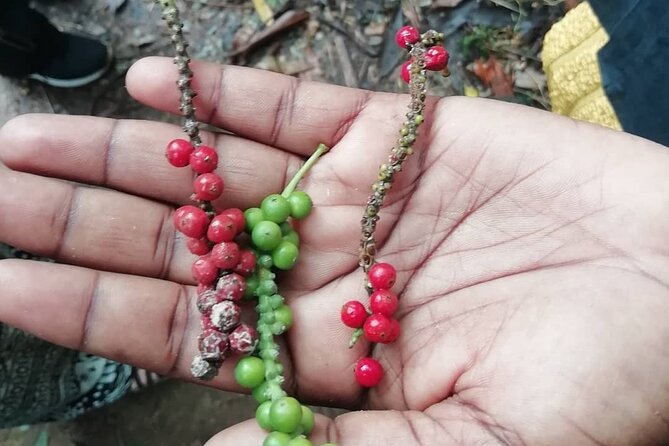
Expect a sensory visit. Cloves are especially memorable because their scent can be strong even before they are dried and packaged. Other plants may be familiar from cooking or traditional remedies, but their appearance in the field can be a surprise.
The tour also includes coconut and palm-leaf demonstrations. You may see a worker climb a palm tree, and you can be decorated with simple accessories made from palm leaves, such as ties, rings, bracelets, and glasses. These are playful details, but they help keep the tour from feeling like a school lecture.
There is a limit to what can be covered in two hours. You will not become a spice expert, and the tour does not promise a technical account of every crop grown on Zanzibar. Think of it as a guided introduction with plenty of touch-and-taste moments.
The walking surface is an important practical point. The instructions call for comfortable shoes, a long outfit, and mosquito repellent. Follow that advice. This is a farm, not a paved city attraction, and long clothing can also make the visit more comfortable around plants and insects.
Tropical fruit and coconut tasting
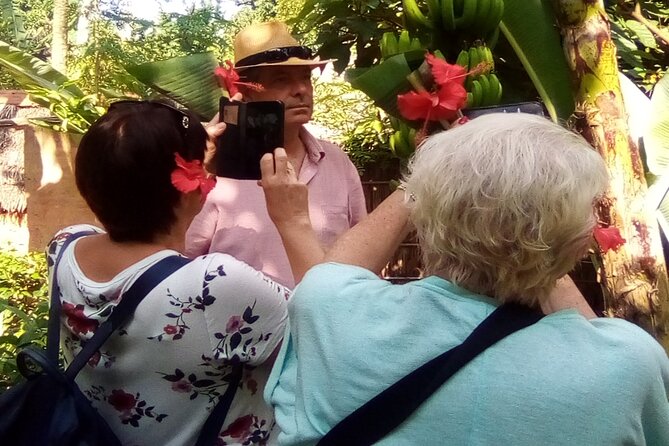
Fruit is part of the appeal here. During the visit, tropical and exotic fruits are served, and coconut is included among the farm-related tastes and demonstrations.
This adds a useful contrast to the spice portion. Spices can be sharp, earthy, or unfamiliar, while ripe fruit gives you something sweet and refreshing during the walk. The fruit selection is not specified, so do not book expecting a fixed tasting menu. What you receive may depend on the season and what is available at the farm.
The coconut element is also practical rather than decorative. Seeing the tree and the work involved gives you a better sense of how much effort sits behind a food that often appears effortless in a hotel buffet or market stall.
If food is one of your main reasons for booking, this tour delivers more than a short sample. The fruit is followed by lunch, so you should plan this as a food-and-farm experience rather than a quick photo stop.
A few more Zanzibar trips worth comparing
- Zanzibar: Quad Bike Adventure departing from Kendwa or Nungwi
★ 4.9 · 1,233 reviews - From Kendwa: Mnemba Boat Trip and Dolphin Snorkel Adventure
★ 4.8 · 1,043 reviews - Zanzibar: Prison Island and Nakupenda Boat Trip with Lunch
★ 4.1 · 882 reviews - Skydive Zanzibar | Tandem Skydive
★ 5.0 · 877 reviews
A local Swahili lunch at the farm
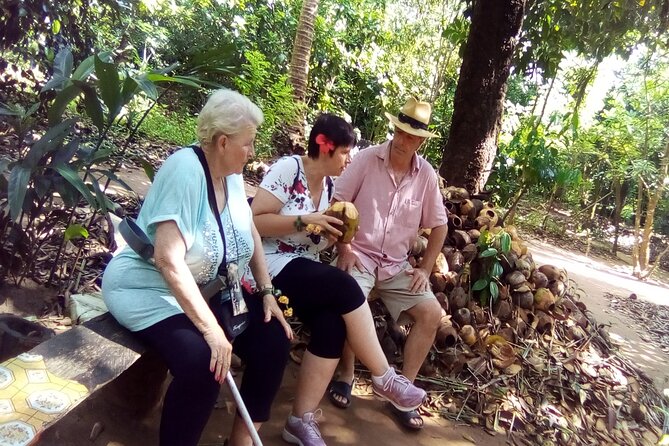
After the walk, the tour includes a traditional Swahili lunch served by local people at the farm. This is one of the best-value features because lunch is already included in the $70 price, along with transport, the guide, admission, taxes, and fees.
The meal is described as generous, with spices used in the cooking and plenty of fruit afterward. The food gives you a second way to understand the plants you have just seen. Instead of learning that a spice is used in local cuisine and moving on, you get to taste how those flavors work in a meal.
I would allow yourself time to enjoy lunch rather than treating it as a rushed finish. The precise menu is not provided, so you should not assume a particular dish or make a firm plan around one ingredient. The useful point is that local cooking is part of the visit, not an optional restaurant stop added later.
This lunch may be especially rewarding if you are interested in food, herbs, or home cooking. The tour can also suit families and mixed-interest groups because people who are less interested in plant details still have fruit, demonstrations, and a substantial meal to enjoy.
What the guides add to the experience
A spice farm is only as interesting as the explanation around it. Here, Mohamed Ali, also referred to as Mo, is associated with the experience, and Ally is another guide named in connection with the farm visits.
The strongest guide qualities reported for this experience are punctuality, friendliness, clear speaking, and a good grasp of spices and their uses. You can expect explanations about planting, herbal applications, and cooking, along with broader information about Zanzibar.
That personal element is important. A guide who simply names plants will leave you with a few facts and a handful of photographs. A guide who answers questions and connects the plants to meals and daily life gives the visit more value.
The experience is also connected with Mo Tours & Safaris, a local small business. Booking with a local operator can give the outing a more personal feel, though the quality will still depend on which guide leads your particular departure.
If you have special interests, speak up. A cook may want more detail about flavor and food use. Someone interested in traditional remedies may ask about herbs. The supplied information confirms those topics are part of the explanations, but it does not promise a set lesson for every plant.
How much value do you get for $70?
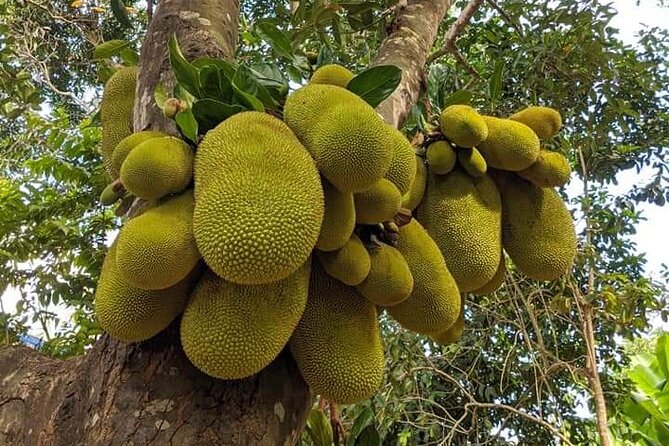
At $70 per person, this is not the cheapest possible way to see a farm. The price makes more sense when you count what is included: hotel pickup and drop-off, a professional guide, admission, taxes and fees, tropical fruit, and a local lunch.
Transport is a real part of the value. You avoid arranging separate transfers, and you have one operator responsible for the timing. A guide also changes the visit from a walk among plants into an organized learning experience.
The small-group structure helps, too. Groups are capped at 15, and the activity is described as private, meaning only your own group participates. The information also mentions group discounts, so the per-person cost may work better for families or friends booking together.
There is one detail worth checking before paying: the description uses both private-tour language and a 15-person group cap. That likely means your booking is kept to your party, with a maximum size for the activity, but ask the operator if the exact group arrangement matters to you.
For a short outing from Stone Town, I see the price as fair if you value food, transport, and a guide. It is less compelling if you only want to buy spices or take a few farm photographs. The included lunch is what helps separate this from a simple plantation entrance ticket.
Who should book this spice tour?
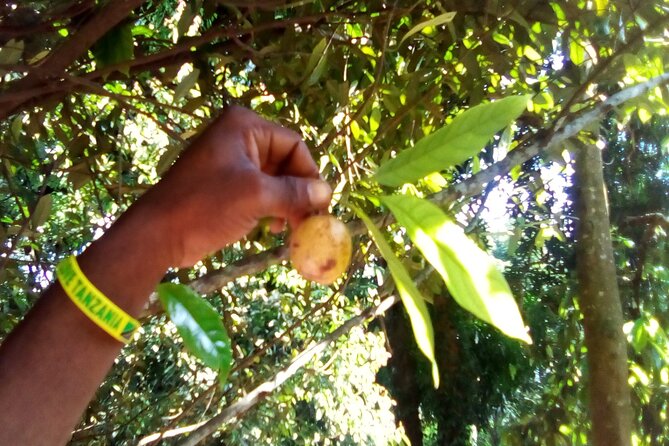
I would recommend it to first-time visitors who want one activity that combines farming, food, local explanation, and transport. It is also a good choice if you are staying in Stone Town and want to see something outside the city without committing to a full-day excursion.
Food lovers should pay attention. The tour explains how spices are used in cooking, then serves a Swahili meal prepared at the farm. That connection between plant and plate is the experience’s clearest strength.
Families can also consider it, especially if children enjoy tasting fruit, wearing palm-leaf accessories, and watching demonstrations. The walking portion requires attention and comfortable clothing, so very young children may find the farm paths tiring, but the supplied information says most people can participate.
I would hesitate only if you dislike outdoor walking, warm weather, insects, or unstructured farm terrain. You should also choose another activity if your main goal is a long, technical study of agriculture. This is an accessible cultural outing, not a specialist course.
Practical details before you go
The tour lasts about three hours, including the transfer, walking visit, tasting, and lunch. The listed meeting time is 9:00 am, with pickup offered from your hotel.
Bring comfortable walking shoes, a long outfit, and mosquito repellent. Personal expenses are not included, so carry money if you want to buy spices, perfumes, or other items after the visit.
Some descriptions of the farm experience include small gifts made in front of you and the chance to buy spices and perfumes at the exit. These details appear to be part of the farm setting, but they should not be treated as included in the $70 price.
The cancellation terms are straightforward: cancel at least 24 hours before the local start time for a full refund. Changes or cancellations inside 24 hours are not accepted for a refund, and a departure that fails to meet the required minimum may be replaced with another date or refunded.
Should you book the Jambo Spice Farm tour?
Book it if you want a relaxed, food-focused introduction to Zanzibar’s countryside, especially if you appreciate having transport and lunch handled for you. The best parts are the hands-on plant demonstrations, the local Swahili meal, the fruit tasting, and the chance to ask a guide such as Mo or Ally about spices and everyday use.
Skip it if you want a purely self-guided farm visit or a detailed agricultural study. For most people spending time in Stone Town, though, this three-hour outing offers a useful change of pace and a clear explanation of why Zanzibar earned its Spice Island nickname.
FAQ
Where does the Zanzibar spice tour take place?
The tour visits Jambo Spice Farm outside Stone Town, with a guided walk through spice plantations and nearby village areas.
What time does the tour start?
Pickup and the tour start at 9:00 am.
How long does the experience last?
The experience lasts approximately three hours. The guided farm visit itself is listed as about two hours.
Is hotel pickup included?
Yes. Pickup from your hotel and drop-off are included.
Is lunch included in the price?
Yes. A traditional Swahili lunch served by locals at the farm is included.
What food is served during the tour?
Tropical and exotic fruits are served, and the included lunch uses Zanzibar spices. The exact menu is not specified.
How many people can join the tour?
The group size is capped at 15 participants. The activity is also described as private, with only your own group participating.
Who guides the spice tour?
A professional guide leads the experience. Mohamed Ali, also called Mo, and Ally are names associated with these farm visits.
What should I bring?
Bring comfortable walking shoes, a long outfit, and mosquito repellent. Personal expenses are not included.
Can I cancel for a full refund?
Yes, if you cancel at least 24 hours before the experience start time. Cancellations or changes made within 24 hours are not refunded.
Just added around Zanzibar
- Walking in Stone Town with a Expert Tourguide★ 3.7 · 3 reviews
- Stone Town Tour★ 5.0 · 16 reviews
- Jet Ski Experience from Kendwa Beach★ 5.0 · 21 reviews
- Turtle Snorkeling, Jozani Forest, Kuza Cave, Rock Restaurant★ 3.7 · 8 reviews
- Zanzibar boat rental/charters★ 5.0 · 6 reviews
- Prison island(Changuu island) & stone town walking tour★ 5.0 · 6 reviews
- Full Day Private Zanzibar Triple Delight Tour★ 4.5 · 3 reviews
- Zanzibar Tumbatu Island Cultural Experience★ 5.0 · 4 reviews
Spice Farm Tours, compared.

Stone Town, Spice Tour, Prison Island with Lunch
Read our review →
The Swahili Spice Experience – Spice Tour + Culinary Journey
Read our review →
Zanzibar full day Jozani forest + Spice farm and stone town
Read our review →

Stone Town Guided Tour: Culture, Slave Market & Spice Market
Read our review →Browse the lists this tour appears in