
Reviewed · SPICE FARM TOURS
Zanzibar Spice Tour
Zanzibar’s spice farms turn a short outing into a hands-on lesson in the island’s past and daily life. You’ll smell cloves and cinnamon, taste tropical fruit, and see plants used for food, medicine, and household remedies. The senses do most of the teaching here.
I like the private format, which gives your group room to ask questions and set an easier pace. I also like the practical service: hotel pickup and drop-off, bottled water, entrance fees, and transport costs are included. The main drawback is that three hours can feel brief if you want a slow farm walk or lots of time to shop for spices.
Key points to know before you book

- Cloves connect the farm to Zanzibar’s history: You’ll learn about spices brought across the Indian Ocean by the sultans of Oman.
- The tour goes beyond cooking: Neem and the iodine tree introduce traditional uses of plants for malaria, indigestion, infections, and wounds.
- Private means personal: Only your group takes part, with guides such as Mody or Barak leading the visit.
- Pickup simplifies the day: Hotel transport, fuel surcharges, waiting time, entrance fees, taxes, and bottled water are included.
- Expect a sensory visit: Smelling, tasting, and seeing the plants matters more here than a long formal lecture.
- Allow room for weather changes: Poor weather can lead to a new date or a full refund.
Why Zanzibar is called the Spice Island

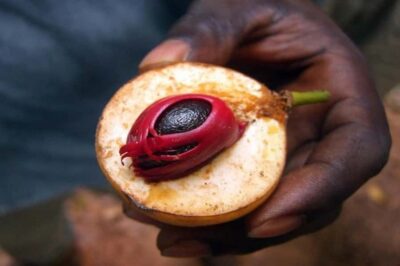
The name is not just a marketing line. Zanzibar’s farms grow and display an impressive range of spices and herbs, including cloves, cinnamon, nutmeg, vanilla, cardamom, curry, pepper, tamarind, ginger, and menthol.
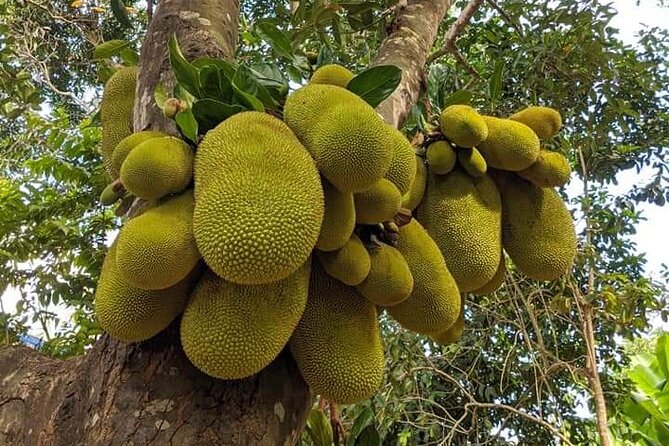
You’ll also see tropical fruit and less familiar plants from different parts of the world. The farm visit helps explain how these crops reached Zanzibar. Many were brought by the sultans of Oman across the Indian Ocean, then became part of the island’s food, trade, and traditional remedies.
I find this context useful because it gives the spices a clear setting. A stick of cinnamon is not simply something you add to tea. It is part of a wider story involving ocean trade, farming, medicine, and Zanzibar’s links with Arabia and Asia.
The visit is also a good reminder that not every useful plant belongs in a cooking pot. Some are valued for traditional treatment, scent, or household use. That difference gives the tour more substance than a simple stop at a shop filled with spice packets.
More spice farm tours in Zanzibar:
- Zanzibar: Stone Town, Spice Tour, Prison Island with Lunch
★ 4.4 · 1,219 reviews - Zanzibar: Prison Island, Stone Town, & Spice Farm Tour
★ 4.5 · 579 reviews - Zanzibar: Stone Town, Spice tour & Prison Island with Lunch
★ 4.6 · 453 reviews
The three-hour farm visit
The whole outing lasts about three hours and focuses on Zanzibar City and a local spice farm. You’ll travel to the farm by included transport, then walk through the growing area with your guide.
The exact order of plants can vary, but expect a guided look at spices, herbs, fruit trees, and unusual plants. Your guide explains what each plant is called, how it is used, and whether it belongs in food, medicine, or both.
This format works well because the plants are the subject. You are not only hearing about vanilla or pepper in the abstract. You can smell, touch, and taste selected items as the guide introduces them. That sensory approach makes the information easier to remember, especially for children and anyone who does not know a clove plant from a cinnamon tree.
The tour is not described as a full-day agricultural program, so keep your expectations in check. You’ll get a lively introduction rather than an extended study of farming methods. If you want a quiet, detailed botanical walk, three hours may feel short. If you want an informative break from Stone Town or the beach, the length is sensible.
Cloves, cinnamon, vanilla, and the spice trail
Cloves are one of the key plants connected with Zanzibar’s identity. Your guide can place them among the island’s other major spices and explain how they are used in cooking and traditional practice.
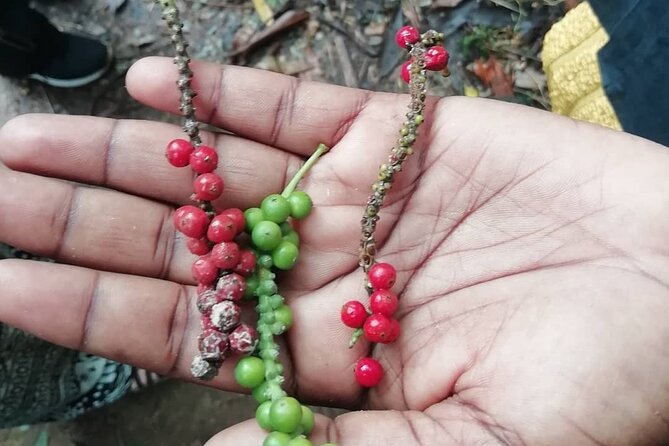
Cinnamon offers a familiar scent, but seeing the plant helps connect the finished spice to its source. Vanilla, nutmeg, cardamom, pepper, curry, ginger, and menthol add variety to the walk. You can compare their smells and flavors rather than treating all spices as one category.
A useful tip is to bring an open mind about tasting. The point is not a formal meal with a long menu. It is a chance to sample and identify flavors while standing near the plants that produce them.
Several people who took this tour bought chicken masala and black pepper afterward, with plans to use them in chicken pilau. That gives you a practical way to extend the outing beyond the farm. If you enjoy cooking, the spice stop may be as useful as the guided walk, though personal purchases are not included in the tour price.
Plants used for medicine and daily life
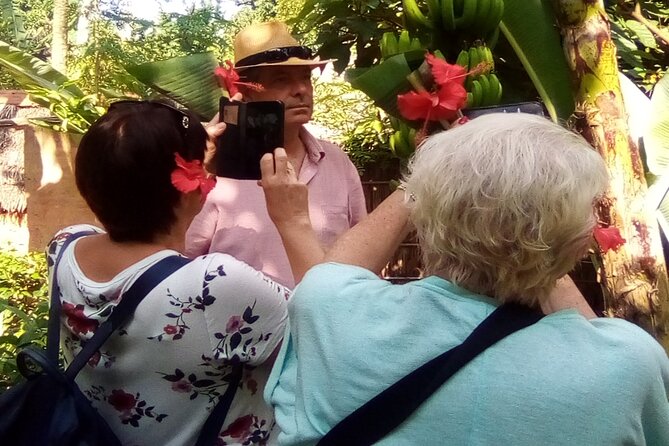
One of the best parts of the visit is the explanation of traditional plant remedies. The neem tree is presented as a plant whose leaves were traditionally used for malaria and indigestion. The iodine tree produces a deep red sap traditionally used to fight infection and treat wounds.
These examples help you understand why the farm contains more than familiar kitchen spices. They also require a sensible distinction: the tour explains traditional uses, not modern medical treatment. Do not treat the visit as medical advice or assume that a plant remedy is safe for you.
The medicinal section is especially valuable if you enjoy learning how local communities make use of the plants around them. It adds a human scale to the tour. Instead of seeing a collection of exotic leaves, you begin to understand why each plant matters.
Your guide is central here. Mody is associated with the tour operation, while Barak is one of the guides mentioned for the spice visit. The guide’s ability to explain, demonstrate, and answer questions will shape the experience more than the farm itself.
A few more Zanzibar trips worth comparing
- Zanzibar: Quad Bike Adventure departing from Kendwa or Nungwi
★ 4.9 · 1,233 reviews - From Kendwa: Mnemba Boat Trip and Dolphin Snorkel Adventure
★ 4.8 · 1,043 reviews - Zanzibar: Prison Island and Nakupenda Boat Trip with Lunch
★ 4.1 · 882 reviews - Skydive Zanzibar | Tandem Skydive
★ 5.0 · 877 reviews
A private tour with a more relaxed pace
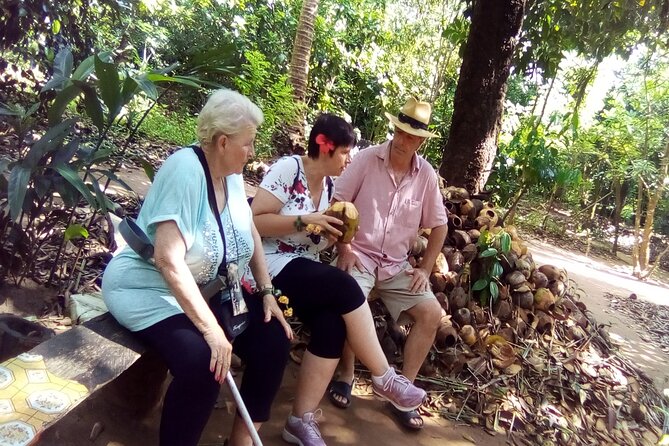
This is a private activity, so only your group takes part. That matters if you prefer to ask questions without waiting for a large crowd or if your group includes people with different interests.
You can spend more time smelling a plant, asking about its use, or taking photographs. Families and couples may appreciate the flexibility. Solo visitors can also book, and the private setup avoids being folded into an unknown group.
A private tour does not automatically mean every minute is customizable. The advertised duration remains about three hours, and the visit follows the farm’s guided format. Still, the absence of a large group should make the outing feel more personal.
The strongest service detail is the attention given to transport and timing. Mody is described as reliable and in touch before arrival, including meeting a visitor at the ferry terminal. That is useful if you are arriving by ferry or coordinating the spice visit with other Zanzibar plans.
Some guides also make simple woven items during the visit. One guide made grass bags and hats, adding a playful, hands-on touch. This is not listed as a guaranteed part of every departure, so regard it as a possible extra rather than a promise.
What the price includes at $76.93
At $76.93 per person, this is not the cheapest way to spend three hours in Zanzibar. The value improves because the price includes more than admission to a farm.
Included in the cost are:
- Professional guide
- Hotel pickup and drop-off
- Bottled water
- Entrance fees
- Taxes and service fees
- Fuel surcharges
- Transport waiting charges
That package is useful if you would otherwise need to arrange a taxi, negotiate a waiting time, and pay admission separately. The private format also adds value for a couple, family, or small group that wants direct attention.
The price is harder to justify if you only want to buy spices or take a few photographs. You are paying for transport, interpretation, and a private visit, not just for access to plants.
The experience is booked about 27 days ahead on average, which suggests that planning early is wise during busy periods. It is not a reason to book blindly, but it is a good reminder to reserve before your Zanzibar schedule fills with beach days, Stone Town walks, and boat trips.
Group discounts are offered, which may make the cost more reasonable for larger parties. Check the final price for your group before paying, since the per-person figure may change with the number of people.
How the transport and timing affect your day
Pickup and drop-off from your hotel remove one of the main hassles of a farm visit. You do not need to find the property independently, and transport waiting charges are already included.
The three-hour length makes this easy to pair with another activity, though you should avoid packing the day too tightly. Pickup times, traffic, and the pace of your group can affect how much free time you have afterward.
If you are staying in or near Zanzibar City, the tour can fit neatly into a morning or afternoon. You could use the remaining time for Stone Town, depending on your schedule. If you are arriving by ferry, confirm the meeting arrangement in advance, since the operator has handled ferry-terminal pickups before.
Bottled water is included, but you should still dress for a warm outdoor visit and bring anything you normally need for several hours outside. The supplied information does not specify a dress code or exact walking conditions, so ask the operator if you have concerns about the farm path.
Who will enjoy this most
I would recommend this tour to you if you want more than a beach day but do not want a long, demanding excursion. It suits:
- Couples looking for a private cultural activity
- Families interested in smells, tastes, and simple demonstrations
- Solo visitors who want personal guiding
- Home cooks who enjoy buying spices and learning how they are used
- First-time visitors who want an introduction to Zanzibar beyond Stone Town
- Anyone curious about traditional plant medicine
It is less suitable if you dislike farms, outdoor walking, strong aromas, or shopping opportunities. It may also disappoint you if you expect a large cooking class, a full agricultural workshop, or a long historical lecture.
The tour can be especially useful when you already plan to visit Stone Town. Rather than seeing Zanzibar only through buildings and markets, you get a look at the plants behind many of the island’s flavors and remedies.
Practical booking advice
Confirmation is provided at the time of booking, and mobile tickets are supported. The tour requires good weather. If poor weather forces cancellation, you can choose another date or receive a full refund.
You can cancel for a full refund up to 24 hours before the start time. Cancellations or changes made less than 24 hours before departure are not accepted for a refund, and the cut-off follows local Zanzibar time.
Most people can take part, but medical insurance is not included. Flights, visas, airport taxes, and personal expenses are also outside the tour price.
Bring a phone or camera if you enjoy photographing plants, but avoid treating the farm as only a photo stop. The best use of your time is to ask what each plant does, how it is used, and which parts are safe to taste.
Is the Zanzibar Spice Tour worth booking?
I would book this tour if you want a short, private introduction to Zanzibar’s agricultural and cultural life. The combination of hotel transport, a personal guide, tastings, tropical fruit, and traditional plant uses gives you a clear reason to spend the three hours.
The strongest reasons to choose it are the private attention and the range of subjects. You move from cloves and vanilla to neem and the iodine tree, then possibly finish by buying spices for your own kitchen.
I would skip it if your main goal is a serious cooking lesson or a long farm trek. At $76.93, the value depends on using the included transport and guide service, not simply entering a spice garden.
For most people with a free half-day in Zanzibar City, it is a practical and worthwhile addition. Book early if your dates are fixed, ask whether Mody or Barak will lead your visit, and leave enough space in your day to enjoy the farm without watching the clock.
FAQ
How long does the Zanzibar Spice Tour last?
The tour lasts approximately three hours, including the guided spice farm visit and transportation arrangements.
Is hotel pickup included?
Yes. Pickup and drop-off from your hotel are included, along with transport waiting charges, fuel surcharges, taxes, service fees, entrance fees, and bottled water.
Is this a private tour?
Yes. Only your group participates in the activity, rather than joining a shared group.
Which spices and plants can I see?
You may see cloves, cinnamon, nutmeg, vanilla, cardamom, curry, pepper, tamarind, ginger, menthol, tropical fruit, herbs, and other plants brought to Zanzibar from different regions.
Can I cancel for a full refund?
Yes, if you cancel at least 24 hours before the experience starts. Cancellations or changes made less than 24 hours before the start time are not accepted for a refund.
What happens if bad weather cancels the tour?
If poor weather causes the tour to be canceled, you can choose a different date or receive a full refund.
Just added around Zanzibar
- Walking in Stone Town with a Expert Tourguide★ 3.7 · 3 reviews
- Stone Town Tour★ 5.0 · 16 reviews
- Jet Ski Experience from Kendwa Beach★ 5.0 · 21 reviews
- Turtle Snorkeling, Jozani Forest, Kuza Cave, Rock Restaurant★ 3.7 · 8 reviews
- Zanzibar boat rental/charters★ 5.0 · 6 reviews
- Prison island(Changuu island) & stone town walking tour★ 5.0 · 6 reviews
- Full Day Private Zanzibar Triple Delight Tour★ 4.5 · 3 reviews
- Zanzibar Tumbatu Island Cultural Experience★ 5.0 · 4 reviews
Spice Farm Tours, compared.

Stone Town, Spice Tour, Prison Island with Lunch
Read our review →
The Swahili Spice Experience – Spice Tour + Culinary Journey
Read our review →
Zanzibar full day Jozani forest + Spice farm and stone town
Read our review →

Stone Town Guided Tour: Culture, Slave Market & Spice Market
Read our review →Browse the lists this tour appears in