

Reviewed · SPICE FARM TOURS
Spice Tour Zanzibar
Zanzibar’s spices make the most sense when you meet them in the soil. On this three-hour farm walk, you can touch a vanilla vine, smell crushed leaves, taste fresh fruit, and see how familiar kitchen flavors begin as roots, bark, seeds, and climbing plants.
I like the small maximum group of nine, which gives your guide room to answer questions, and I like that transport, entrance fees, and bottled water are included. Salum, the guide named in the tour feedback, also adds a personal touch through clear explanations and hands-on demonstrations. The main drawback is that lunch is not included, and the whole experience is fairly short if you want a long farm visit.
Key points to know before you book
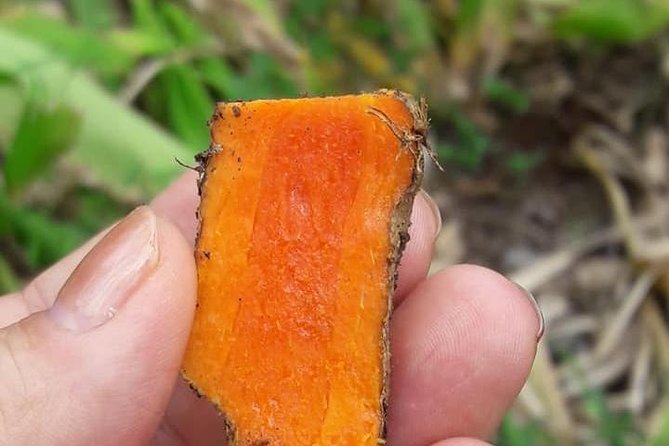
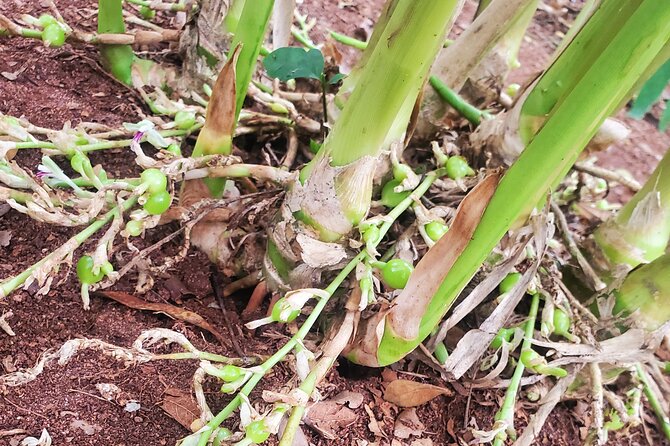
- Spices grow around you: Look for vanilla, cardamom, cloves, nutmeg, cinnamon, and other tropical plants, depending on the season.
- A small group keeps it personal: The tour accepts no more than nine people.
- Salum may lead your visit: He is praised for clear explanations, care, and engaging demonstrations.
- The coconut demonstration adds local color: You may see how a coconut is harvested during the farm visit.
- Fresh fruit and leaf crafts are part of the appeal: You may sample fruit and receive a handwoven crown or basket made from leaves.
- Stone Town pickup is included: Transfers from Stone Town hotels are offered in an air-conditioned vehicle.
Why Zanzibar’s spices are best understood on a farm
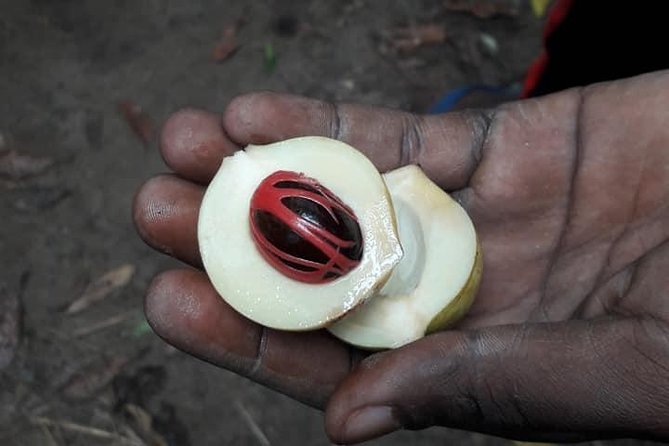
Zanzibar has been linked with cloves, vanilla, nutmeg, and cardamom for generations. Those names can sound like a shopping list when you see them on a menu or in a spice jar. At a farm, they become plants you can see, touch, smell, and taste.
That change in scale is the real point of the experience. You are not simply shown piles of dried seasoning. You walk among the plants and learn which parts are used: crushed leaves, bark, roots, vines, seeds, and creepers that climb through the trees.
I like this kind of tour because it gives you a useful way to read Zanzibar. The tropical climate helped Asian and South American spices grow here, and the island became known for exporting them around the world. You get a short lesson in trade, farming, food, and traditional remedies without sitting through a formal lecture.
The tour takes place at Zanzibar Spices and Heritage Centre. It lasts about three hours, including the guided plantation visit and related demonstrations. That is enough time to gain a clear sense of the farm, though not enough for a slow, full-day agricultural outing.
More spice farm tours in Zanzibar:
- Zanzibar: Stone Town, Spice Tour, Prison Island with Lunch
★ 4.4 · 1,219 reviews - Zanzibar: Prison Island, Stone Town, & Spice Farm Tour
★ 4.5 · 579 reviews - Zanzibar: Stone Town, Spice tour & Prison Island with Lunch
★ 4.6 · 453 reviews
Walking through the Zanzibar Spices and Heritage Centre
The main activity is a guided walk through the plantation. Your guide points out different plants and explains how each one grows, where it originated, and how people use it in cooking, drinks, or traditional medicine.
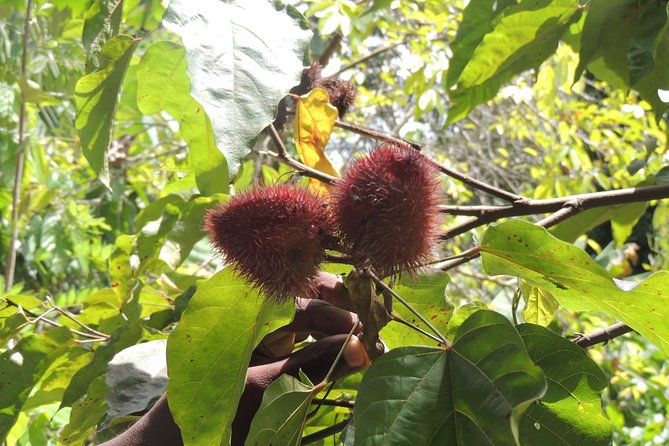
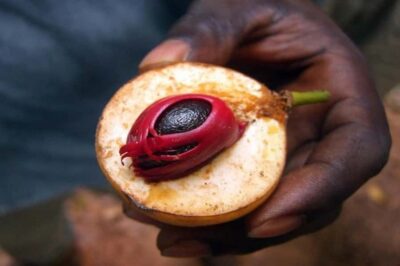
You may encounter vanilla, cardamom, cinnamon, cloves, nutmeg, and other spices, depending on the season. The supplied information also notes medicinal and household uses, so you are likely to hear more than simple identification. You might learn how a spice is harvested, which part of the plant matters, and why the finished product looks so different from the living plant.
The sensory side makes this more memorable. You can touch leaves and bark, smell fresh plant material, and taste selected items. I would pay close attention here, since the contrast between a living plant and a dried spice is often the most interesting part of the visit.
A guide-led walk also helps with plants that are easy to miss. Vanilla vines, roots, and small flowers may not look important at first glance. A local guide gives each one a purpose and a story, helping you connect the farm to the food and drinks you already know.
From vanilla vines to cardamom pods
The plantation visit works best when you treat it as a lesson in how spices grow rather than as a simple tasting stop. Cloves, cardamom, cinnamon, nutmeg, and vanilla do not come from similar parts of a plant. You see the range of materials involved, from tree bark to seeds and climbing vines.
This is also where the tour’s title earns its place. Zanzibar is widely associated with spice production, but the experience shows that the island’s identity is not based on one crop alone. Depending on the season, the farm can offer a varied look at tropical cultivation.
I appreciate the chance to taste and smell the plants at their source. It gives you a better sense of freshness, strength, and texture than buying a packaged spice in a shop. Still, keep your expectations sensible. This is a guided introduction, not a specialist botany course. The emphasis is on clear, direct explanations and physical contact with the plants.
The small group matters here. With no more than nine people, you should have a fair chance to stand near the guide, ask questions, and take part in demonstrations. A larger crowd would make the tasting and plant identification less personal.
The coconut demonstration and farm extras
One of the more memorable additions is a coconut harvesting demonstration. This takes the visit beyond spice identification and shows another part of daily farm work.
The demonstration is especially useful because coconuts are familiar to many people, yet the work involved in harvesting them is not. It gives you a practical look at how a common tropical product is collected. The exact presentation can vary, but you should expect a hands-on farm demonstration rather than a staged cultural show.
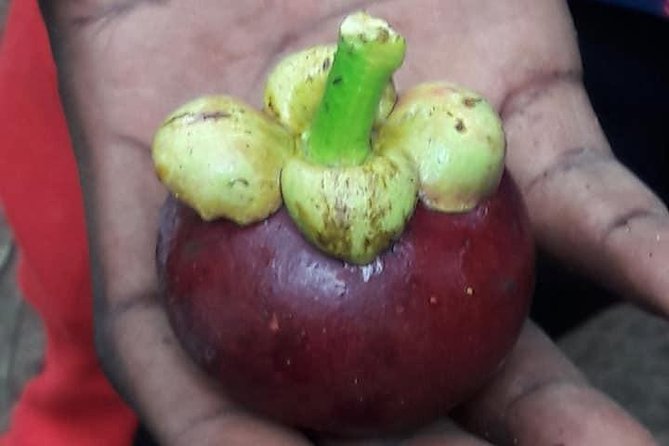
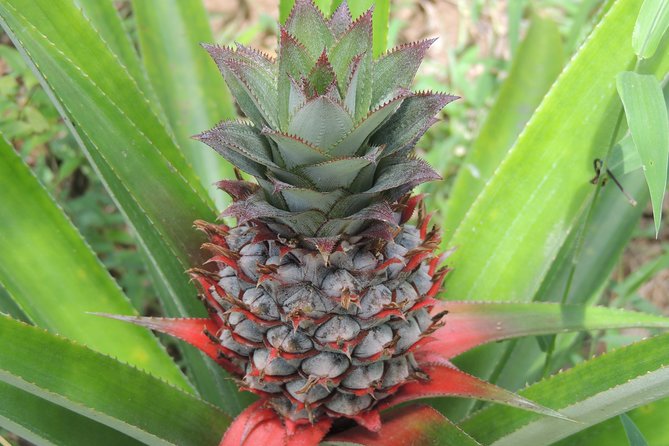
The farm also offers local fruit, depending on what is growing at the time. This is a pleasant counterpoint to the spices. You get to taste something fresh from the property and see how the plantation produces more than export crops.
A particularly nice touch is the handwoven crown and basket made from leaves. These small crafts give you something physical to remember the visit by, and they connect the tour to local skill rather than just commercial spice sales. They are modest souvenirs, but more personal than another bottle of packaged seasoning.
Because the tour lasts only about three hours, these extras help the visit feel varied. You move from plant identification to tasting, then to a farm demonstration and local craft. If you prefer a highly focused botanical tour, the added activities may feel like a side trip. For most people, they make the outing more lively.
A few more Zanzibar trips worth comparing
- Zanzibar: Quad Bike Adventure departing from Kendwa or Nungwi
★ 4.9 · 1,233 reviews - From Kendwa: Mnemba Boat Trip and Dolphin Snorkel Adventure
★ 4.8 · 1,043 reviews - Zanzibar: Prison Island and Nakupenda Boat Trip with Lunch
★ 4.1 · 882 reviews - Skydive Zanzibar | Tandem Skydive
★ 5.0 · 877 reviews
What the guide adds to the experience
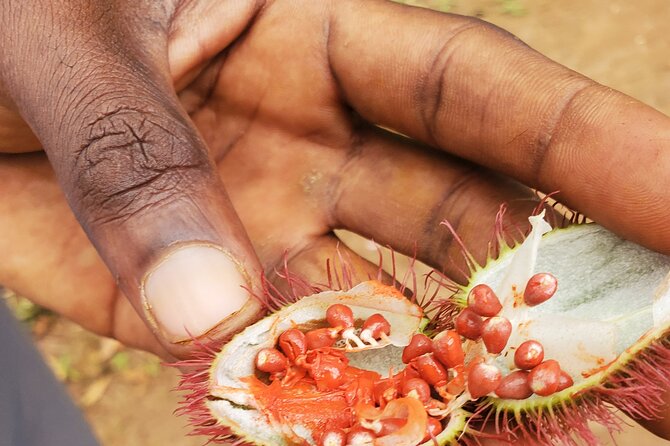
The guide is central to the value of this tour. A spice plantation can be pleasant to walk through on your own, but without explanation, many plants would remain nameless greenery.
Salum is specifically named in the available tour feedback. He is described as caring and clear in his explanations, with attention to how spices grow and are harvested. That matters because the tour depends on human interpretation. You are paying for access to the farm, but also for someone who can connect the plants to food, medicine, and local life.
A small group of up to nine makes this easier. You can ask about a scent, check a plant identification, or request another explanation without trying to speak over a crowd. If you enjoy asking questions, this format should suit you better than a large coach excursion.
The exact guide may vary, so Salum should not be treated as guaranteed unless the operator confirms it. Still, the format is designed for personal attention, and that is one of the strongest reasons to choose this experience.
The $70 price and what it covers
The listed cost is $70 per person. For about three hours, that is a reasonable price if you value the included transport and a small group.
The fee covers an air-conditioned vehicle, admission and other listed fees, and mineral water. Transfers from Stone Town hotels are included, which saves you from arranging a taxi to the plantation. That convenience has real value, especially if you are staying in Stone Town and want a simple half-day plan.
The price also includes the guided farm experience rather than just entry to a site. You are paying for explanations, tastings, and demonstrations, not merely a walk through planted grounds.
Lunch is not included. This is easy to manage because the tour is short, but you should plan your meal separately. Tips are also extra. If you are comparing this with a cheaper self-arranged visit, count the transport, admission, and guide before deciding that the difference is large.
I would choose this tour for a first visit to Zanzibar or for a short stay when you want an organized local experience without giving up a full day. If you already have transport and only want to see a farm briefly, $70 may feel less attractive.
Pickup from Stone Town and the meeting point
Pickup is offered from Stone Town hotels, and the advertised meeting point is Tembo House Hotel on Shangani Street, near Forodhani Street. The activity ends back at the meeting point.
The included air-conditioned vehicle is a practical advantage. Zanzibar can be hot, and a direct transfer is simpler than trying to find transport after arranging a farm visit independently. Confirm your pickup details when booking, especially if your accommodation is not a standard hotel or is outside Stone Town.
The return to the meeting point keeps the tour easy to fit around other plans. You can schedule it as a morning or afternoon activity, subject to the operator’s available departure times. The supplied information does not give a fixed start time, so check that detail before you book.
Bottled mineral water is provided. That is a small but useful inclusion for a warm plantation walk. Wear clothing and shoes you do not mind using outdoors, though the available information does not specify a dress code or terrain conditions.
Who will enjoy this spice farm visit
I would recommend this experience to you if you like food, farming, local products, or short cultural outings. It works well for first-time visitors who want an introduction to one of Zanzibar’s best-known identities without committing to a full-day tour.
Families may also appreciate the hands-on format. Smelling leaves, tasting fruit, spotting vines, and watching a coconut demonstration offer more variety than a talk alone. The information says most people can participate, but it does not provide detailed accessibility information, so contact the provider if you have specific mobility needs.
The tour is also a good match for people who prefer small groups. A maximum of nine participants is much more manageable than a large bus group, especially during demonstrations.
You may want to choose something else if you are looking for a long farm stay, a full meal, or an advanced study of spice production. The duration is approximately three hours, and lunch is not part of the package. The farm walk is informative and hands-on, but it is still a compact excursion.
Practical booking details and cancellation
Confirmation is provided when you book, and the tour is available with a mobile ticket. Most people can participate.
Free cancellation is available if you cancel at least 24 hours before the start time. Changes made less than 24 hours before the start are not accepted, and the amount paid is not refunded for a late cancellation. The cut-off follows local time in Zanzibar.
The tour requires good weather. If poor weather causes a cancellation, you can choose another date or receive a full refund. I would avoid placing this outing at the center of a tightly packed final day if your schedule cannot absorb a change.
Should you book Spice Tour Zanzibar?
Book it if you want a compact, well-organized look at why Zanzibar is called the Spice Island. The strongest features are the small group, included Stone Town transfers, hands-on tasting and smelling, the coconut demonstration, and the chance to try local fruit and receive a simple leaf craft.
The $70 price makes the most sense when you use the included transport and value a guide who can explain what you are seeing. Salum’s reported approach, with clear information and personal care, is exactly what this type of tour needs.
I would skip it only if you want a full-day farm experience, lunch included, or a more specialized agricultural tour. For most people with a free half-day in Stone Town, this is a practical way to meet Zanzibar’s spices as living plants rather than labels in a shop.
FAQ
How long does the Spice Tour Zanzibar experience last?
The tour lasts approximately three hours.
Where does the tour start?
The stated meeting point is Tembo House Hotel on Shangani Street, near Forodhani Street in Zanzibar.
Does the tour provide hotel pickup?
Yes. Transfers from Stone Town hotels are included, subject to the operator’s pickup arrangements.
How many people can join the tour?
The activity has a maximum group size of nine people.
What is included in the price?
The price includes an air-conditioned vehicle, all listed fees and taxes, mineral water, and admission to the spice farm experience.
Is lunch included?
No. Lunch is not included, and tips are also not included.
Can I cancel for a full refund?
Yes, if you cancel at least 24 hours before the experience start time. Poor-weather cancellations arranged by the operator offer a different date or a full refund.
Just added around Zanzibar
- Walking in Stone Town with a Expert Tourguide★ 3.7 · 3 reviews
- Stone Town Tour★ 5.0 · 16 reviews
- Jet Ski Experience from Kendwa Beach★ 5.0 · 21 reviews
- Turtle Snorkeling, Jozani Forest, Kuza Cave, Rock Restaurant★ 3.7 · 8 reviews
- Zanzibar boat rental/charters★ 5.0 · 6 reviews
- Prison island(Changuu island) & stone town walking tour★ 5.0 · 6 reviews
- Full Day Private Zanzibar Triple Delight Tour★ 4.5 · 3 reviews
- Zanzibar Tumbatu Island Cultural Experience★ 5.0 · 4 reviews
Spice Farm Tours, compared.

Stone Town, Spice Tour, Prison Island with Lunch
Read our review →
The Swahili Spice Experience – Spice Tour + Culinary Journey
Read our review →
Zanzibar full day Jozani forest + Spice farm and stone town
Read our review →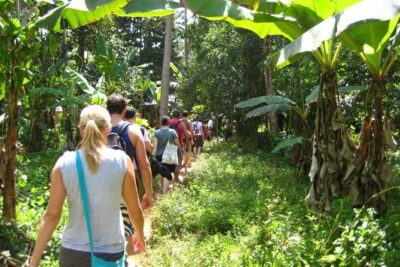

Stone Town Guided Tour: Culture, Slave Market & Spice Market
Read our review →Browse the lists this tour appears in